A lyrical portrait of Black America in the 20th century
- Text by Miss Rosen
- Photography by Community Elders, Mississippi 1975 by Roland L. Freeman

Now age 85, award-winning photographer Roland L. Freeman’s photography career began on August 28, 1963, when he borrowed a camera from a friend to photograph the March on Washington.
“I really wanted to say something about what was going on. I chose photography as my vehicle,” he says. The new exhibition, Roland L. Freeman: Portfolio, looks back at the artist’s extraordinary archive of work documenting Black America during the 1960s, ‘70s, and ‘80s.
Born in Baltimore and raised in rural Maryland, Freeman grew closely involved in the Civil Rights Movement after he unexpectedly joined his first march while taking his grandmother to buy a new dress for Mother’s Day. “There were protests held outside a Baltimore department store because Black women weren’t allowed to try on dresses,” Freeman remembers. “My grandmother said, ‘Give me one of those signs. I’m sick of this crap!’ That started it, and I’ve never looked back.”
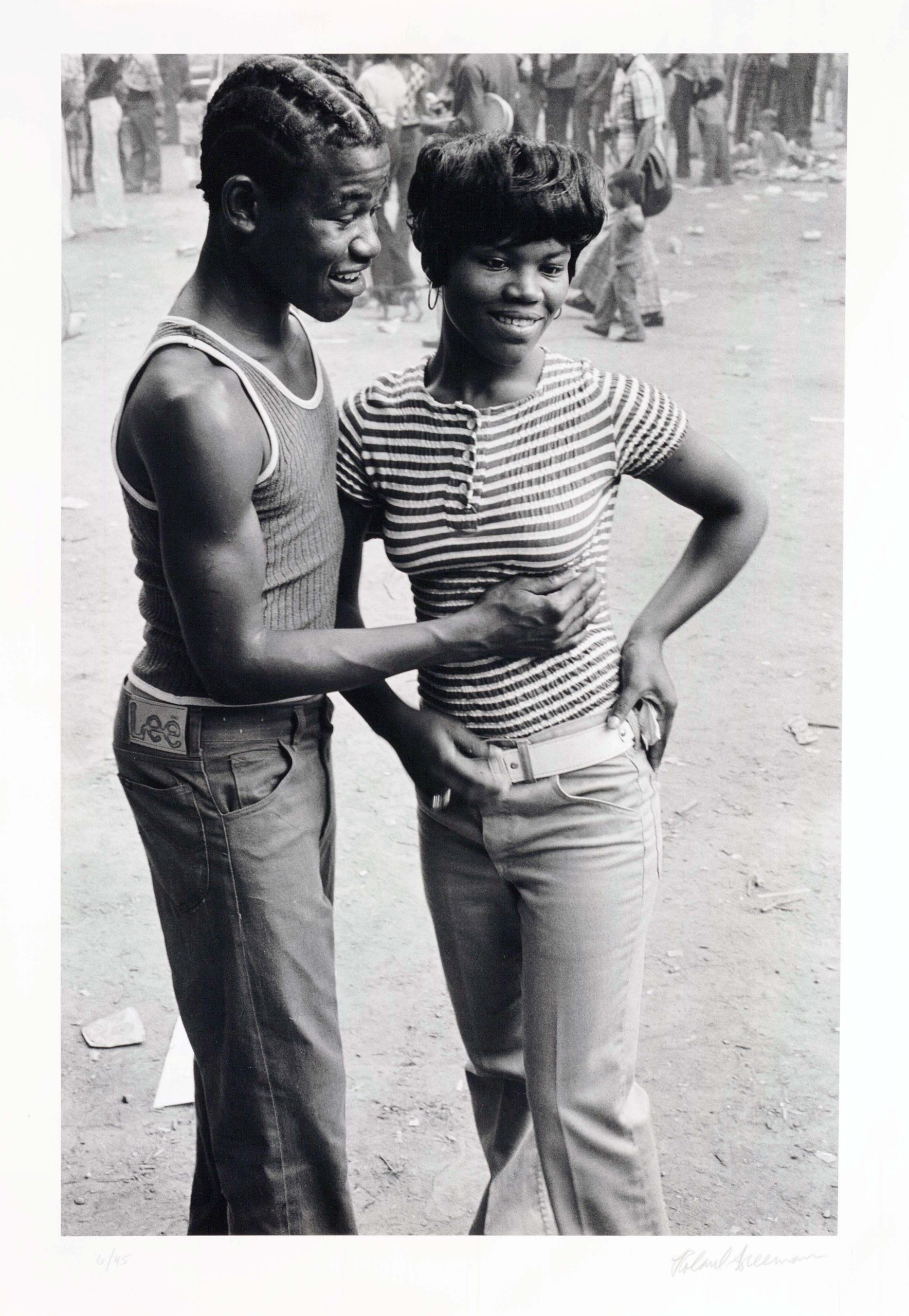
Getting Acquainted, Sunday Afternoon in Druid Hill Park, Baltimore, MD, 1973
After moving to Washington D.C., Freeman began walking the streets with his camera. A local man who used to work in a photography store took Freeman under his wing and taught him how to properly photograph people on film.
“He gave me a book called The Sweet Fly Paper of Life by Roy DeCarava and Langston Hughes. The stuff he shot in New York tenements celebrating on a Saturday night – they were poor but they had love,” Freeman says. “Those pictures let me know it was possible to take the pictures I wanted and get published.”
Freeman started out making pictures on his day off as a “way to keep my sanity.” Although he wasn’t formally trained, Freeman studied the work of Gordon Parks, James Agee and Walker Evans’ Let Us Now Praise Famous Men, Edward Steichen’s Family of Man, and became close with Magnum Photos member Burk Uzzle.
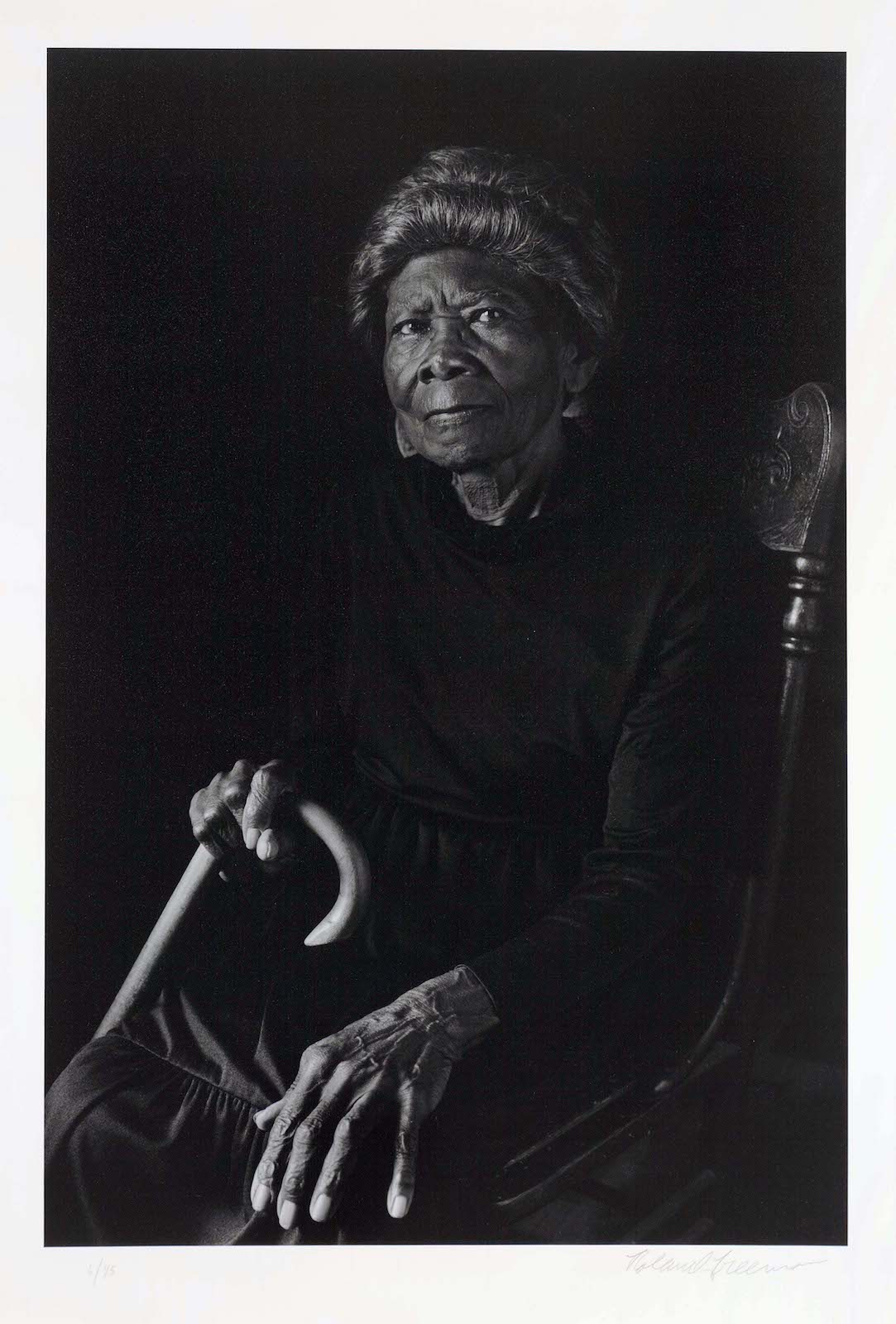
Mrs. Viola Allen, Africatown, AL, 1985
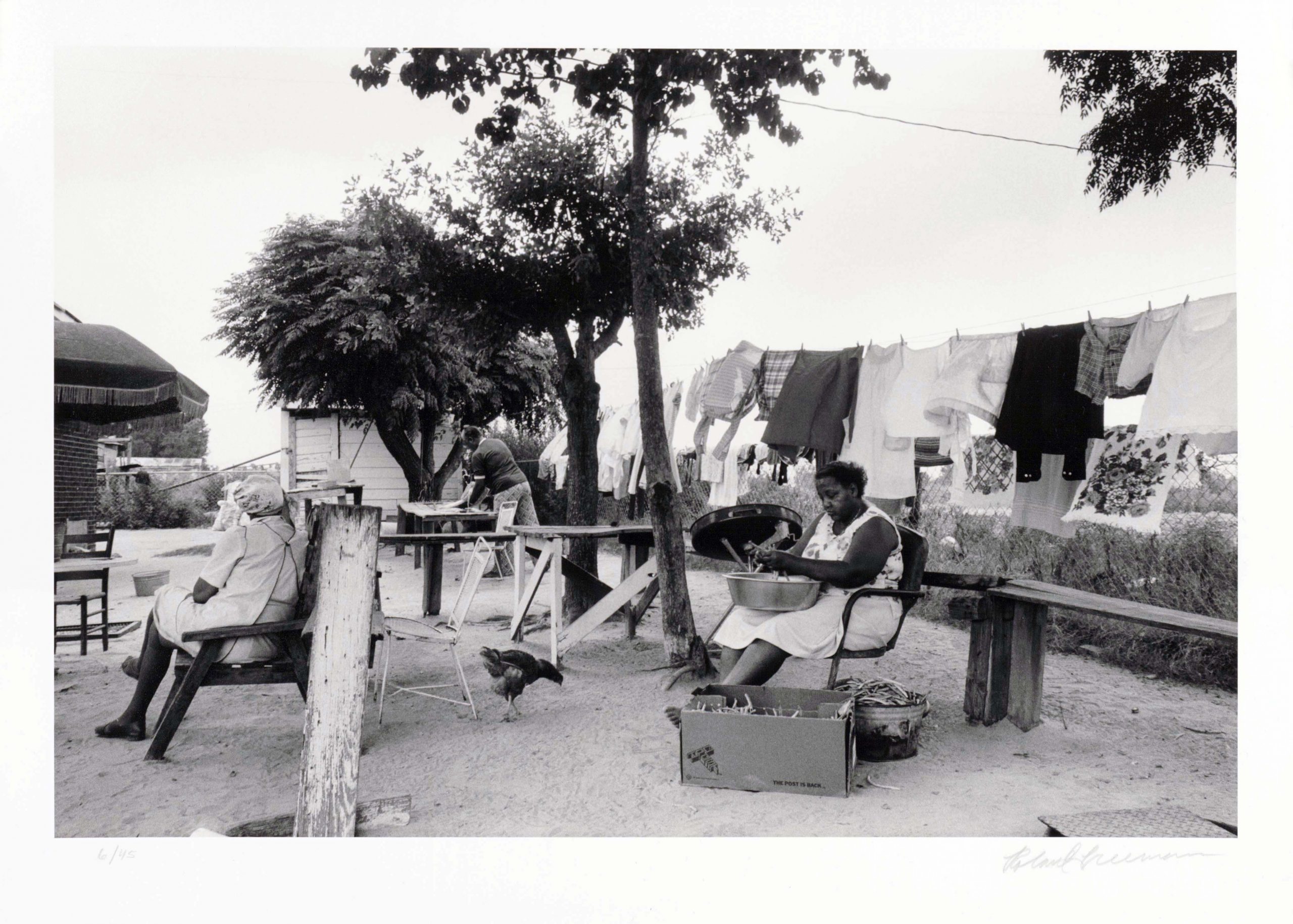
Ruby Quick, Wilford Streeter, and Claudie Mae Bright. In the Sand Hills, Near Bennettsville, SC 1979
“Burk told me, ‘Write down 10 things that scared the hell out of you and then start going to face them. That’ll help you become a better photojournalist,’” Freeman recalls. “I had Mississippi on the top of that list. I knew whose family died and they didn’t want to go back to the state to bury them.”
In 1968, Freeman went to Marks, Mississippi, to photograph the Mule Train – a group of some 150 people in 20 mule-drawn wagons heading to Washington D.C., to kick of the Poor People’s Campaign on May 13.
“I was on the train trying to figure out what the hell I’m doing. This was the first major documentary project I tried to do. We were going through the backwoods of Mississippi. Crazy people were shooting at the wagons at night, coming down the road and blowing the horn to scare the mules and run us off the road,” Freeman says.
“It was heart wrenching to be on the frontline. I was always scared. The last thing you want to do is wind up in the Mississippi jail. Every day I was the praying. But there was any place else that I wanted to be except right there.”
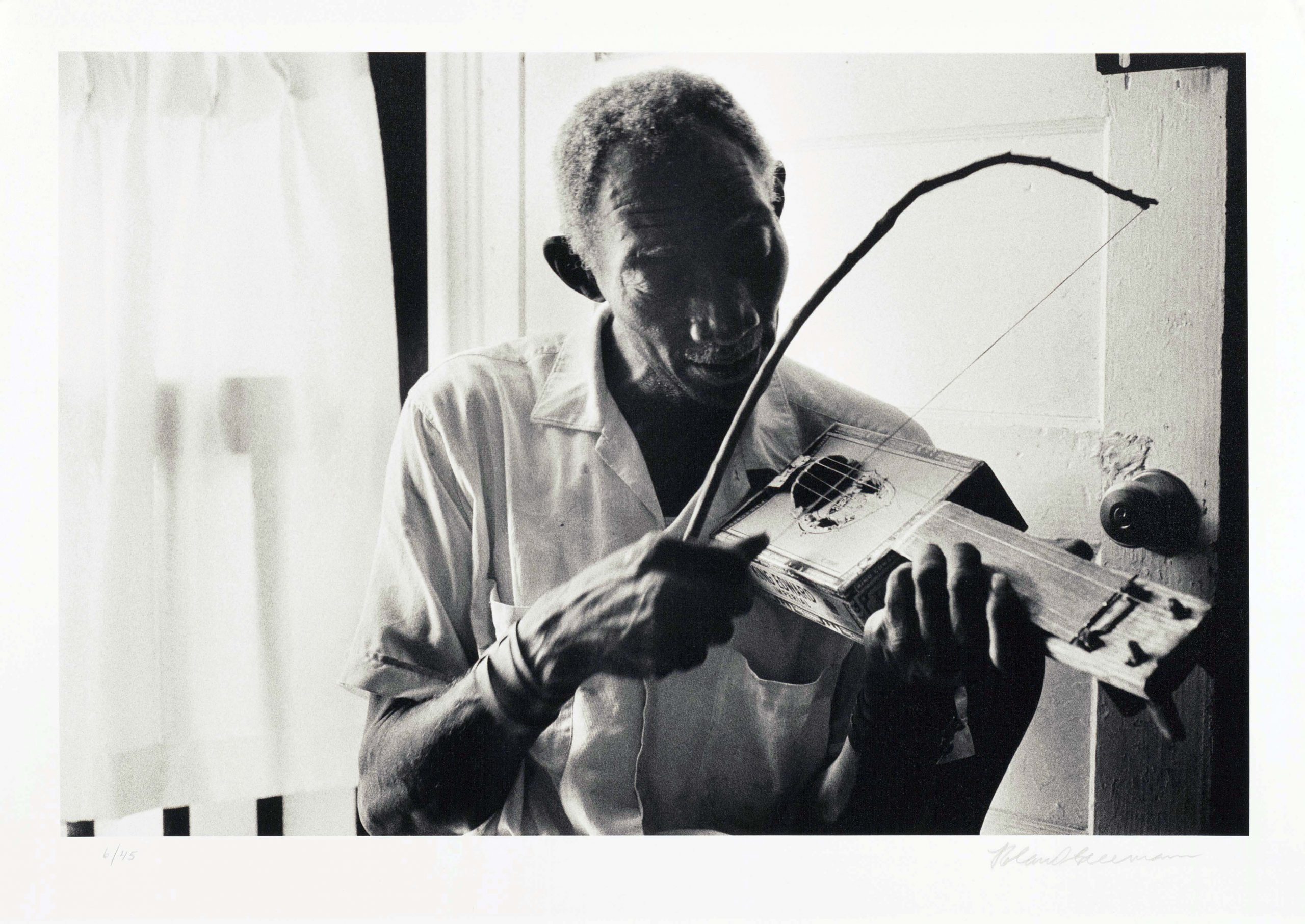
Cigar Box Fiddler Scott Dunbar, Mississippi, 1975
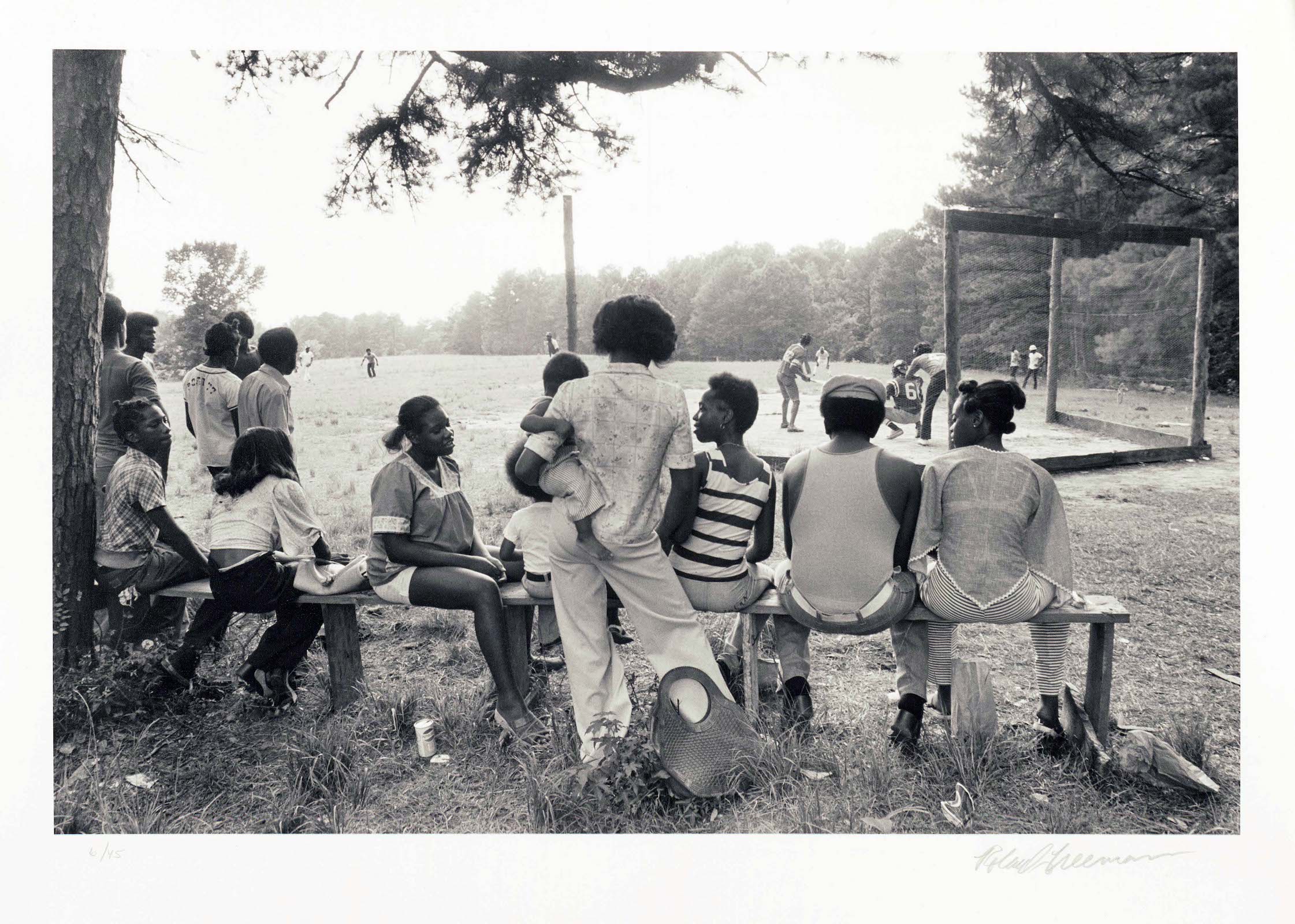
Sunday Baseball Game, Near Buffalo, MS, 1976
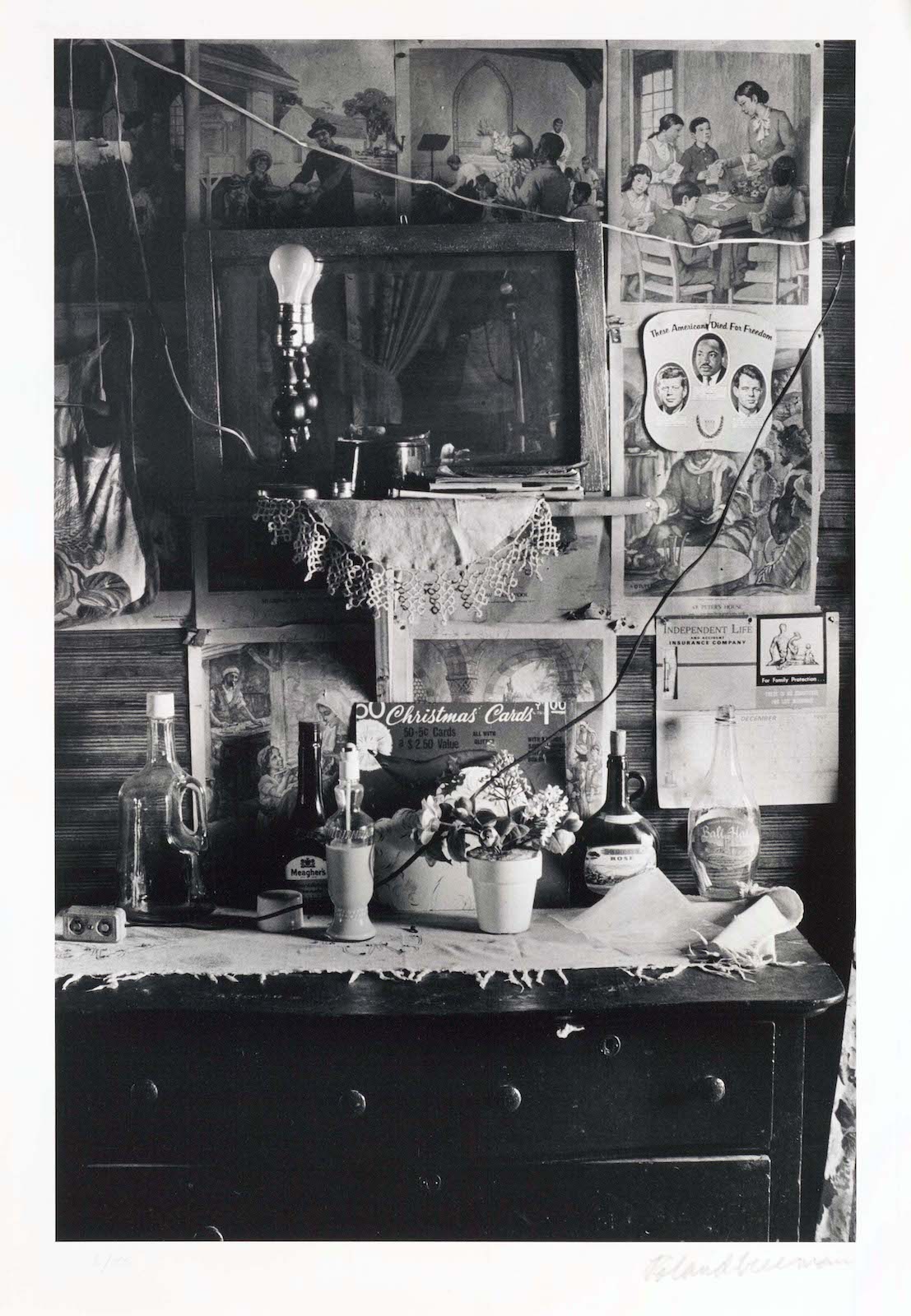
Hallway of Polk Home, Americus, GA, 1971
Roland L. Freeman: Portfolio is on view at the Ogden Museum of Southern Art in New Orleans through September 5, 2021.
Follow Miss Rosen on Twitter.
Enjoyed this article? Like Huck on Facebook or follow us on Twitter.
You might like

Louis Theroux’s ‘Manosphere’ shows men aren’t the problem, platforms are
No Ws for Good Men — The journalist’s new documentary sees him dive headfirst into the toxicities and machinations of the male influencer economy. But when young creators are monetarily incentivised to make more and more outrageous content, who really is to blame?
Written by: Emma Garland

In the 1960s, African photographers recaptured their own image
Ideas of Africa — An exhibition at the Museum of Modern Art explores the 20th century’s most important lensers, including Seydou Keïta, Malick Sidibé and Kwame Brathwaite, and their impact on challenging dominant European narratives.
Written by: Miss Rosen

Reynaldo Rivera’s intimate portrait of queer Latino love
Propiedad Privada — Growing up during the AIDS pandemic, the photographer entered a world where his love was not only taboo, but dangerous. His new monograph presents inward-looking shots made over four decades, which reclaim the power of desire.
Written by: Miss Rosen

In photos: The newsagents keeping print alive
Save the stands — With Huck 83 hitting shelves around the world, we met a few people who continue to stock print magazines, defying an enduringly tough climate for physical media and the high street.
Written by: Ella Glossop

Inside Bombay Beach, California’s ‘Rotting Riviera’
Man-made decay — The Salton Sea was created by accident after a failed attempt to divert the Colorado River in the early 20th century. Jack Burke reports from its post-apocalyptic shores, where DIY art and ecological collapse meet.
Written by: Jack Burke

The quiet, introspective delight of Finland’s car cruising scene
Pilluralli — In the country’s small towns and rural areas, young people meet up to drive and hang out with their friends. Jussi Puikkonen spent five years photographing its idiosyncratic pace.
Written by: Josh Jones


