
A rare glimpse inside Idaho's Nez Perce tribe

For more than 11,500 years, the Nez Perce tribe have inhabited the Columbia River Plateau of the Pacific Northwest in lands that extend across what is now Idaho, Oregon, and Washington. Their name for themselves is Nimíipuu, which means ‘we, the people’.
‘Nez Percé’ comes from French interlopers who indiscriminately described many indigenous people as having the ‘pierced nose’ of the nearby Chinook tribe. The Nez Perce signed a treaty with the U.S. government to protect their rights and their land – one which Americans broke repeatedly, reducing the reservation to one-tenth of the agreed 7.5 million acres of land.
Today a federally recognised tribe, the Nez Perce number just 3,500 and live on reservations primarily in Idaho. In 2004, American photographer Hunter Barnes received an invitation to the Tamkaliks Powwow in Wallowa, Oregon, after a friend suggested he visit and see if it might be possible to document the tribe.
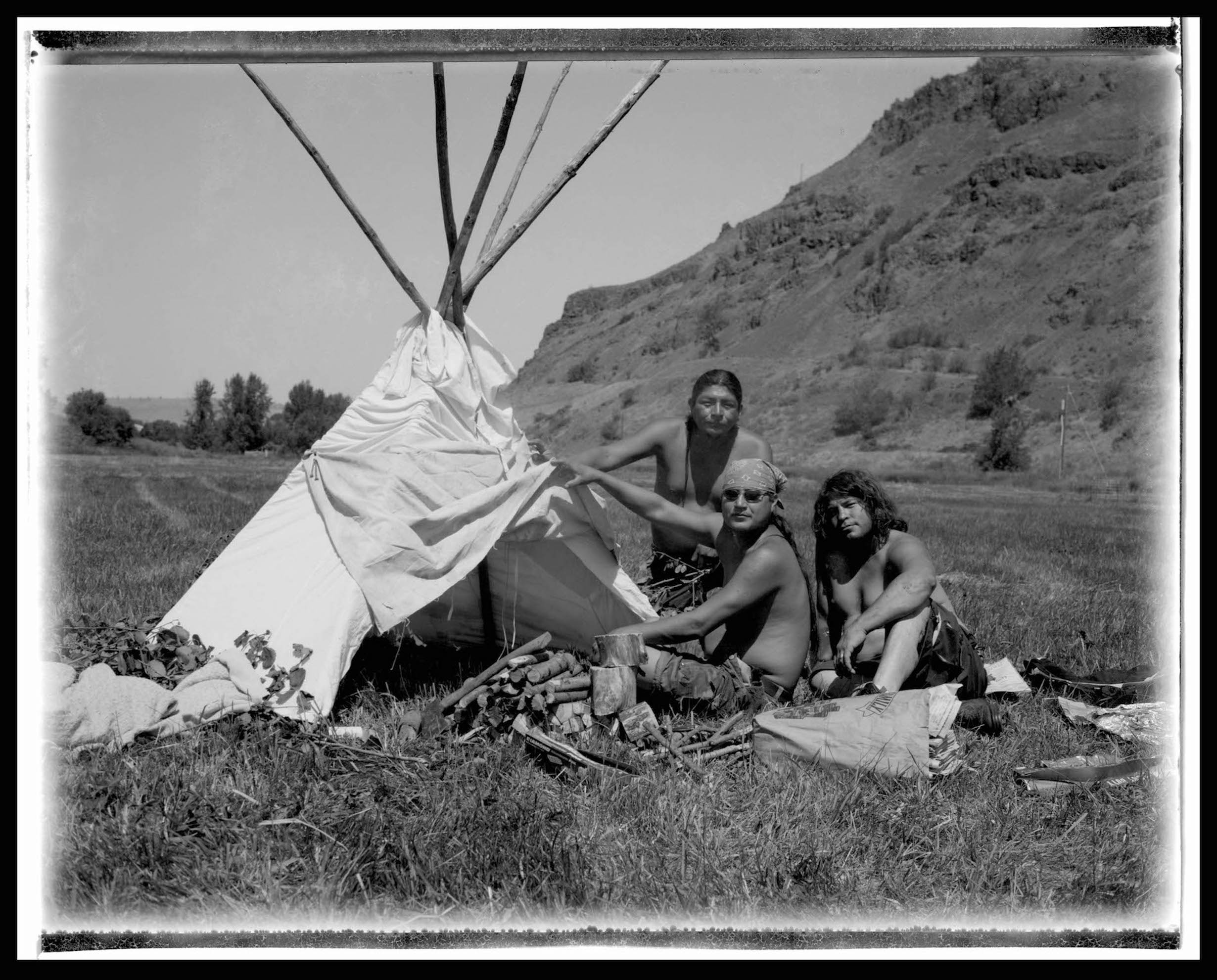
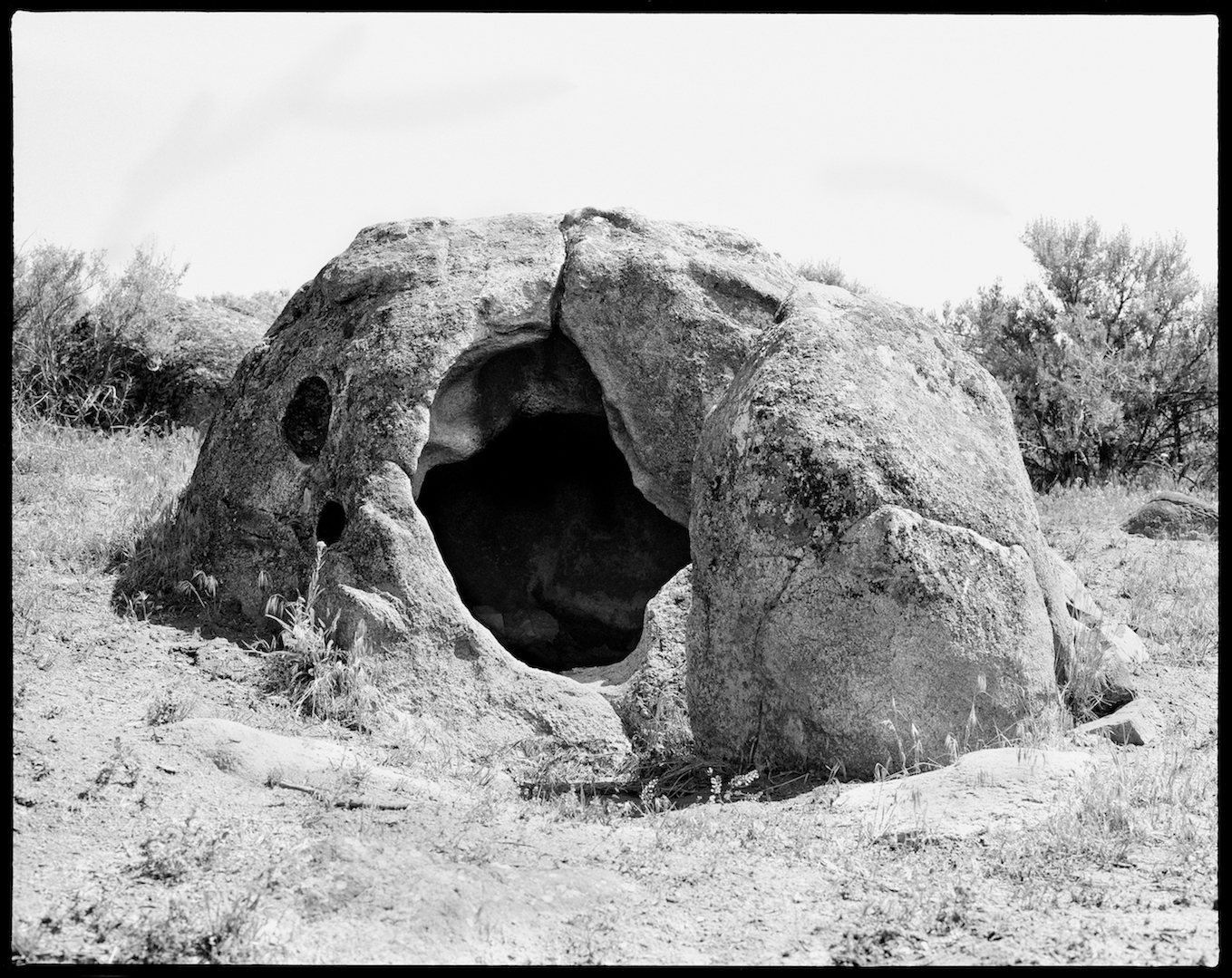
After arriving at the Powwow, Barnes met uncle Irving Waters – a well-respected member of the tribe – who invited him to camp out, then to stay with his family on the reserve. After some time, Barnes was brought to the Sweatlodge – a place few outsiders have ever been, let alone know exist – and was shown the ways of healing and health.
The tribe welcomed him into their ancient ways of life. Never one to rush into a project, Barnes understands the importance of developing relationships and mutual trust, preferring not to take photos until the time is right.
He remembers, “We talked about what I wanted to do but it wasn’t until one day after one of the rounds that they looked at me and said, ‘So when are you going to start taking pictures?’ and I said, ‘I guess now, because you asked.’”
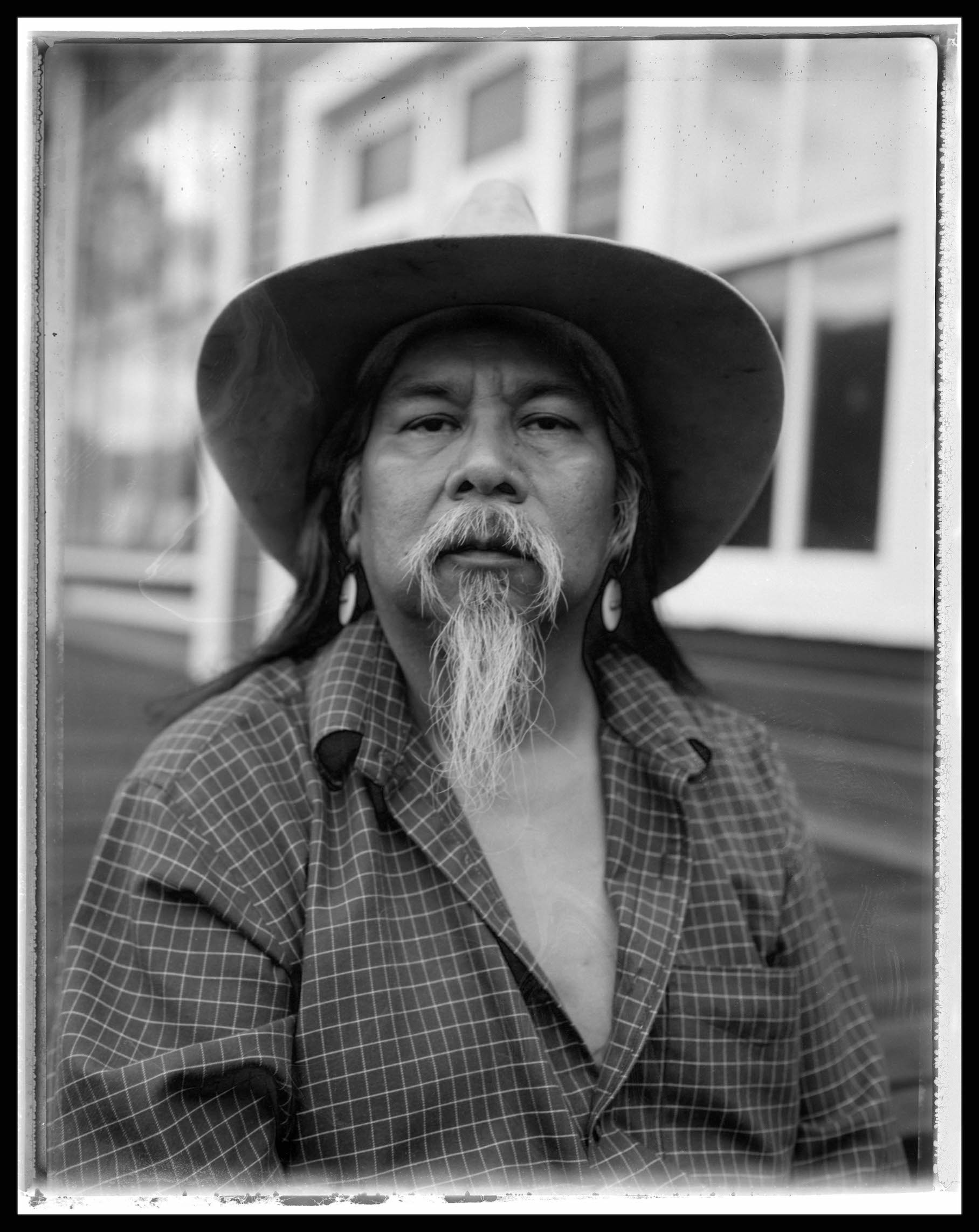
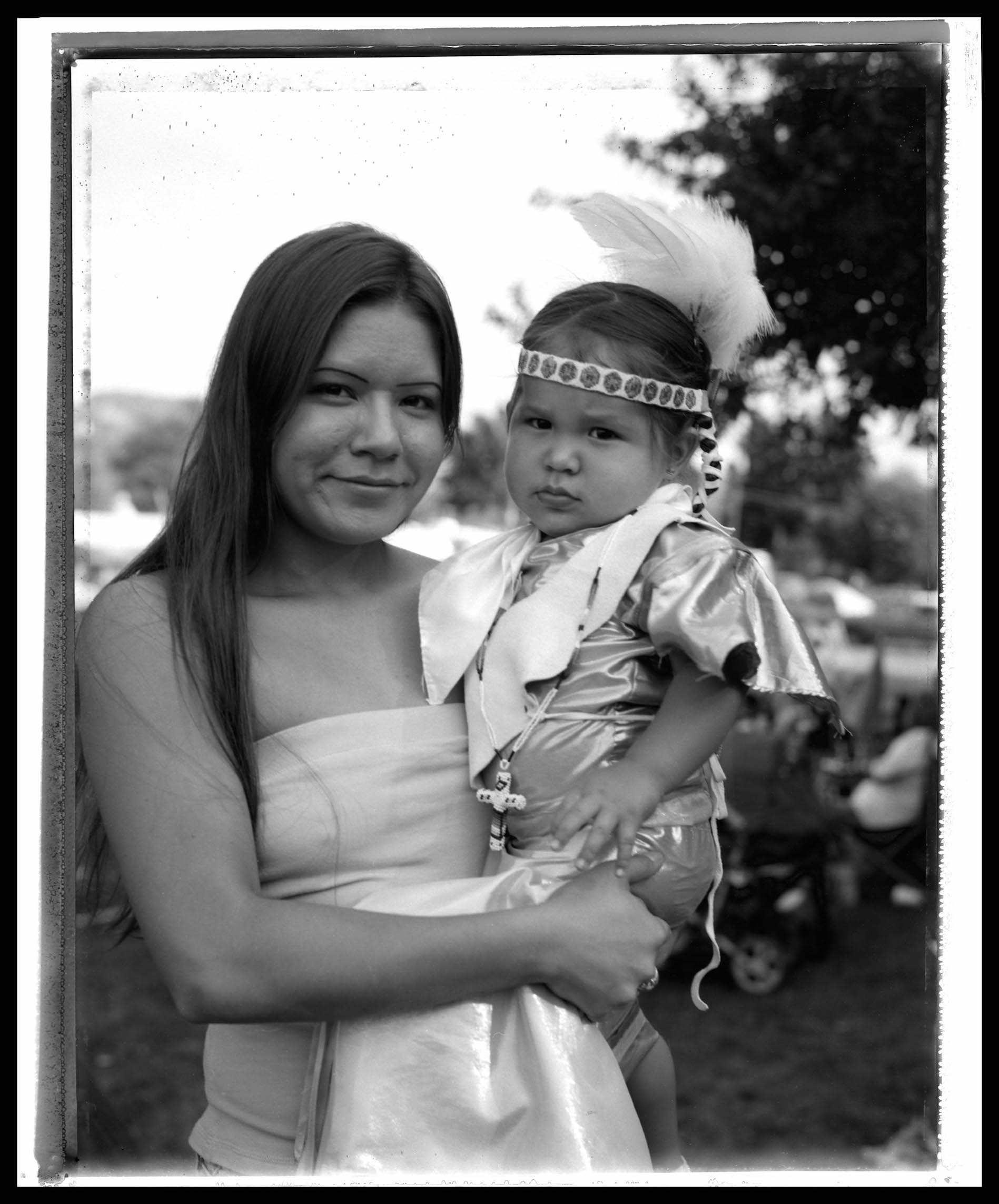
Over the next four years, Barnes would create a series of 56 photographs in Idaho, Oregon, and Washington documenting the Tamkaliks and Looking Glass Powwows, and the Lapwai and Confederated Tribes of Colville Reservations, which have just been collected for the new book, The People (Reel Art Press).
“I was told by the tribe I was the first to be invited to live with them and document their lives at home on the reservation since Edward S. Curtis,” Barnes says. “They took me in… that’s a big deal. They trusted me just to be there. There were a lot of barriers at first, but rightfully so.”
Living with Nez Perce on-and-off over the years changed Barnes’s life, imparting upon him the wisdom of listening from within. He remembers just as he finished printing the original series, a strange truck pulled up into his driveway. It was his friend Justin, from the reserve.
“Justin said, ‘I had a feeling I was supposed to come find you now,’” Barnes recalls. “I said, ‘I just finished printing these and have to give them out.’ Justin said, ‘Let me be your messenger. I think you learned something from us: Always use your telepathy.’”
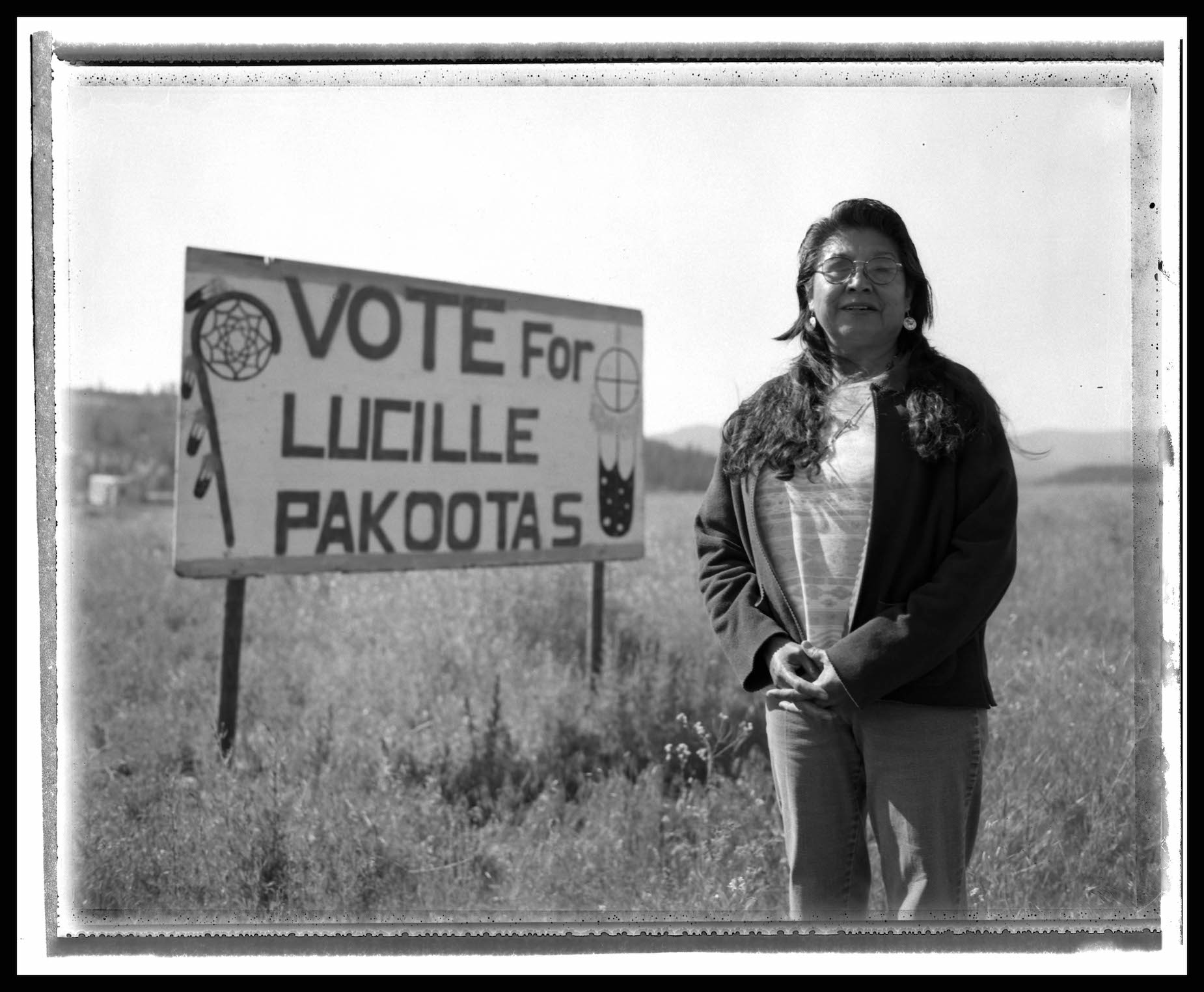
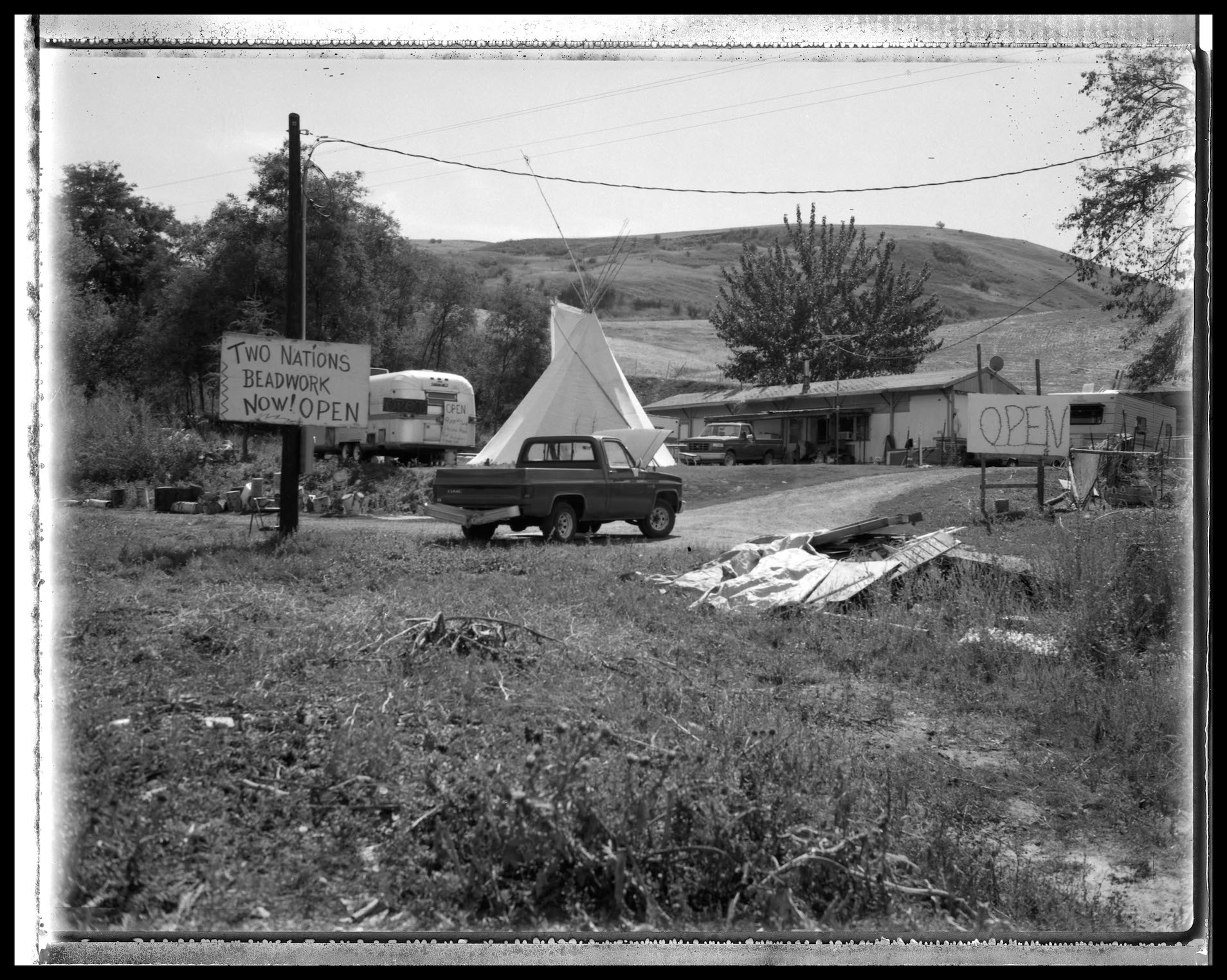
The People is out now on Reel Art Press.
Follow Miss Rosen on Twitter.
Enjoyed this article? Like Huck on Facebook or follow us on Twitter.
You might like

The sharp rise of video game photography
Point, shoot — As the entertainment medium’s fidelity levels increase and developers build more powerful tools, a growing community of gamers are pushing the boundaries of image making in virtual worlds. Vicky Jessop meets people at the forefront of the emerging artform.

Joyous photos from the heart of the UK’s radical free festival movement
Common Grounds — The photographer has been capturing British counterculture for the past half century. A new exhibition looks at his archive sitting at the intersection of music, community and grassroots protest.

The lasting community legacy of a legendary Californian boxing gym
Moretón — Since opening in the ’80s, the Coachella Valley Boxing Club has trained multiple world champions, while providing a vital hub for local youth. In his new photobook, Darren Vargas documents its tight-knit, Chicano-led community, while also weaving a deeply personal story.

Inside the grunge golden age with Hole’s former bassist
My ’90s Rock Photographs — Melissa Auf der Maur’s new photobook is a sprawling visual memoir of her time at the heart of the US scene, from Tinker to The Smashing Pumpkins.

Introducing ‘The Chaos Isles’, a new photozine by Huck and Yushy
Normal Island — From unlicensed raves to the solstice at Stonehenge, furries to giant vegetable growers, Yushy is one of the UK’s best lensmen of its wild side. ‘The Chaos Isles’ will be sent out exclusively to Club Huck+ members.

Join Club Huck+ to get the most from Huck
Dispatches from the sharp edge of culture — Members get our print magazine, special photozines, The Huck Long Read newsletter, discounts from our friends and partners, digital versions of back issues and priority access to events.


