In Pictures: New York City's long-lost graffiti culture

Martha Cooper and Henry Chalfant’s Subway Art captured an era, stocked with photographs of New York imagery that remains iconic and identifiable, but long rendered of the past by persistent government meddling.
It wasn’t always this way. Subway graffiti was at one point a key element of New York iconography. Think of any Manhattan sitcom in the 1980’s, with smartly-dressed urbanites traveling borough to borough on clunky, rattling subway cars, amidst a sea of colourful scrawls and tags. These sitcom stars looked out of place, sure, but the clash of cultures and ideas was creative shorthand for the city’s intersection of rich and poor. All extremes of life clumsily piled on top of one another – separate but equal.
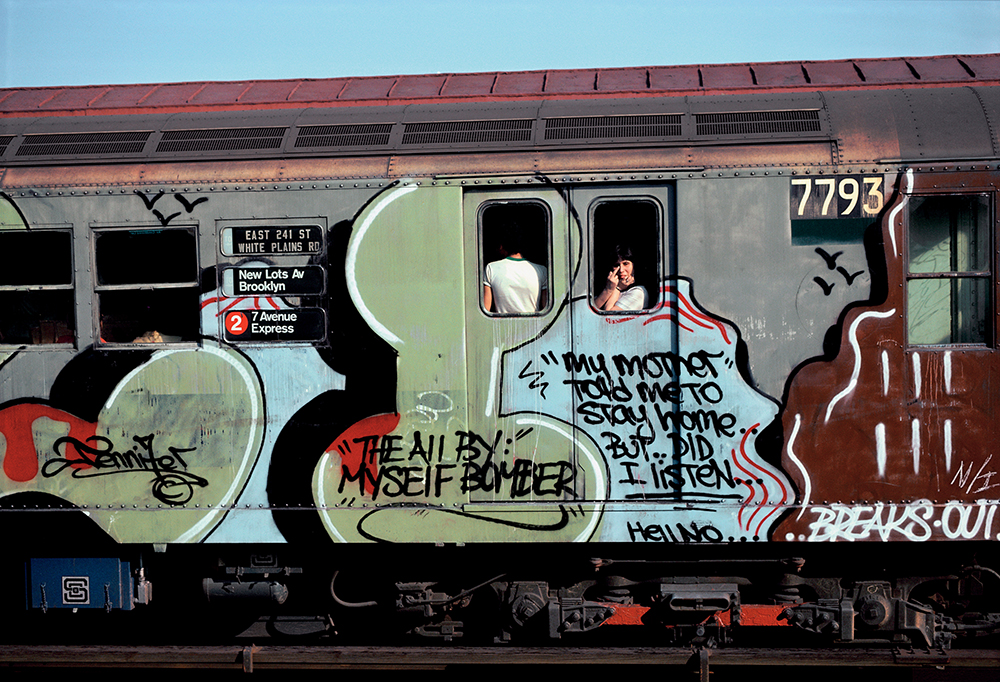
Deli, by Ban2, 1981. Photograph: Martha Cooper
This, of course, came before New York State’s mission to ‘clean up’ the streets. It was a well-intentioned plea to reduce crime in the city – but which often took the form of cracking down on grassroots forms of creativity, leading to widespread gentrification that has arguably sucked the life out of the entire state.
Throughout the ’70s and ’80s, graffiti was a key target, meaning large-scale bombing of subway cars became a transient experience. You better take a look now, because city officials will be along in the afternoon to wash it all away.
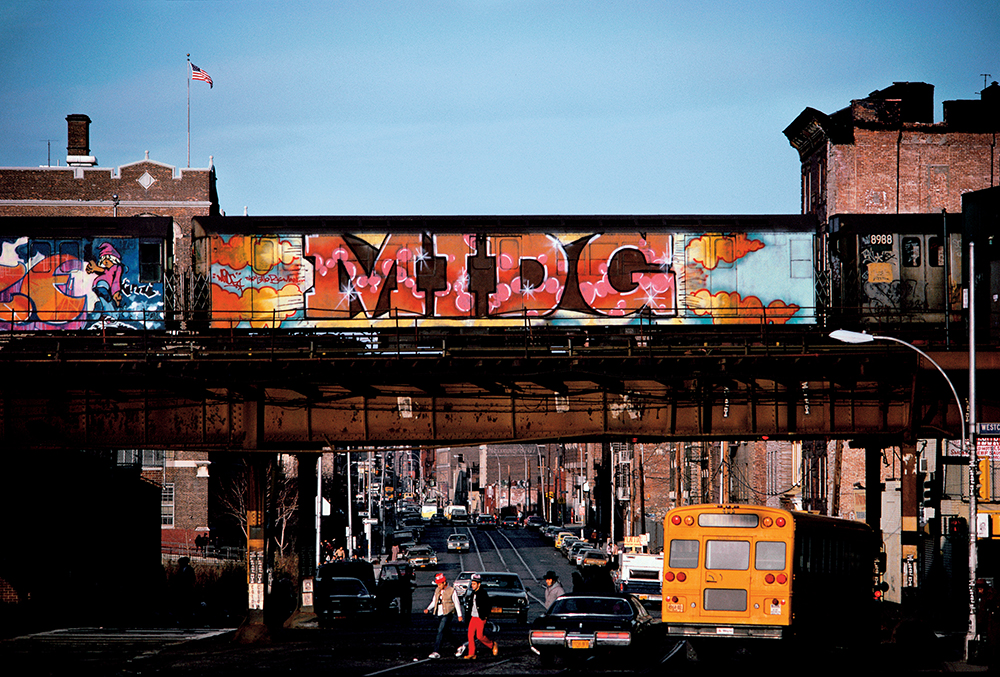
“Midg” with yellow school bus, 1982. Photograph: Martha Cooper
Luckily Martha Cooper and Henry Chalfant were there to snap some photographs before city-approved chemicals wiped the surfaces clean. Their work went on to form the subsequent ‘graffiti bible’ Subway Art. Originally published in 1984, the photo book has now undergone a large-scale reissue, featuring close to 70 previously unpublished photographs and a new introduction and afterword. Gathered here are some of the duo’s incredible images.
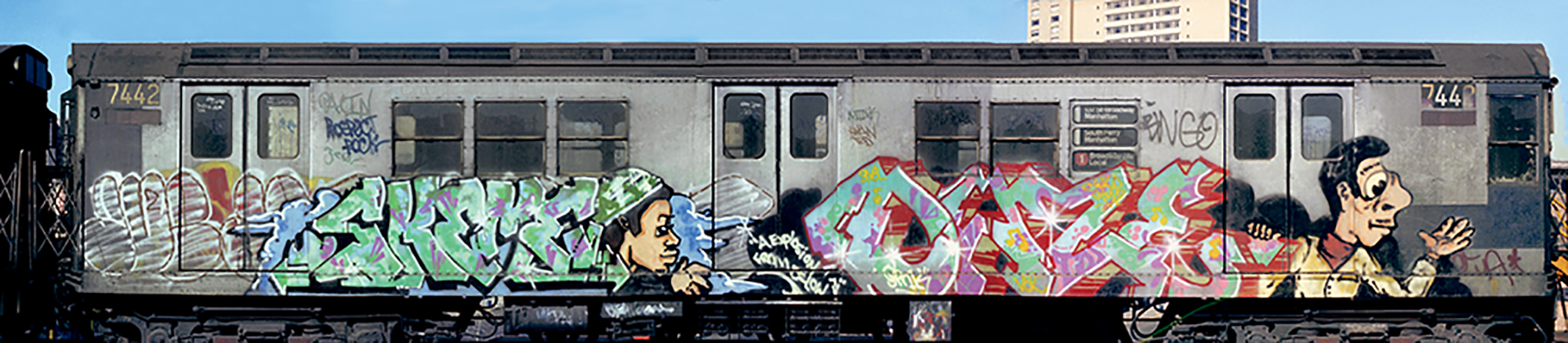
“Skeme Daze,” 1981. Photograph: Henry Chalfant
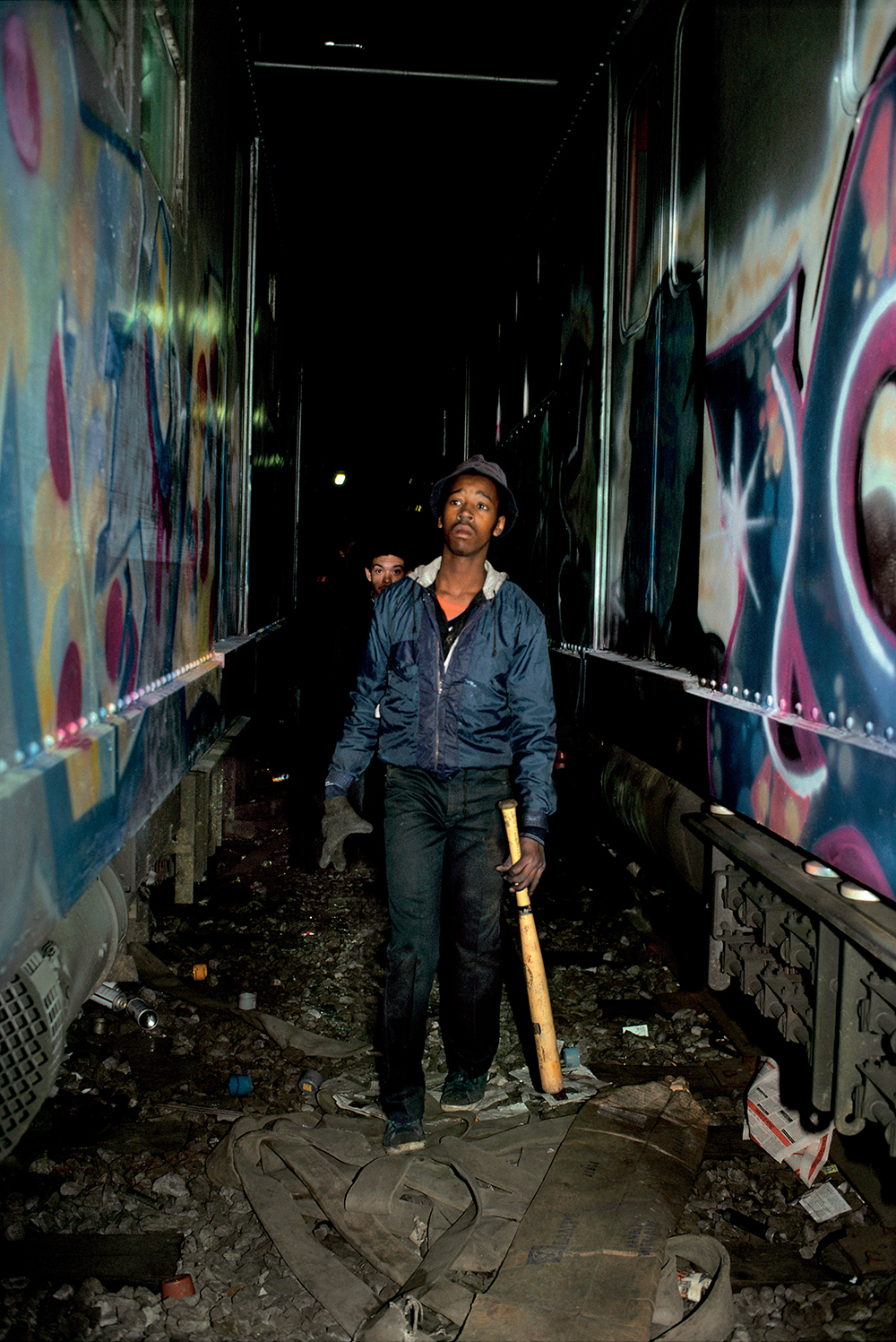
Dez on lookout with a baseball bat in the 3 Yard, Manhattan, 1982. Photograph: Martha Cooper
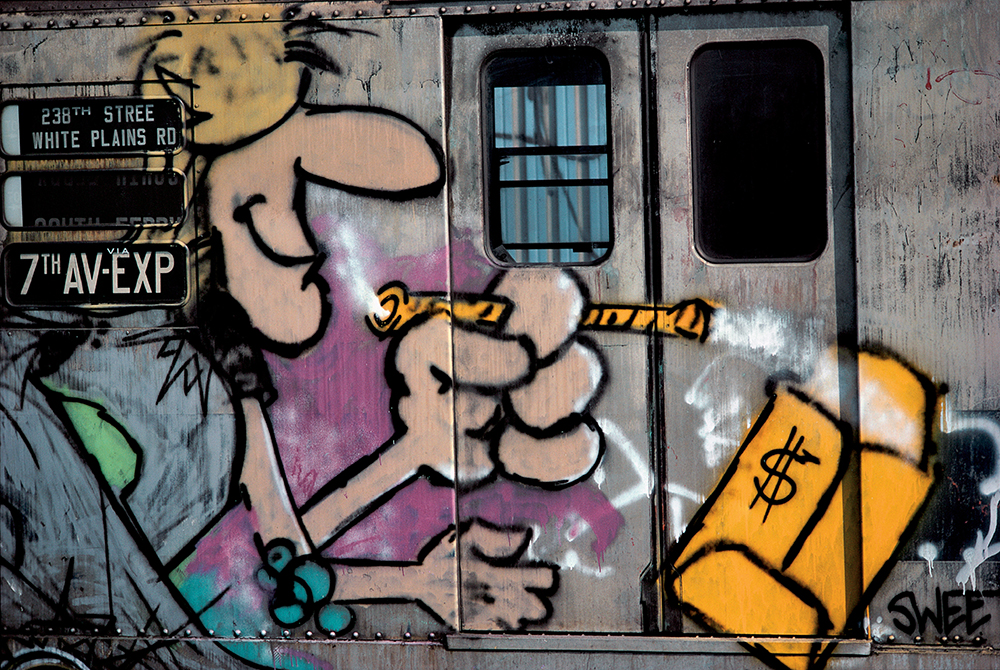
Photograph: Henry Chalfant
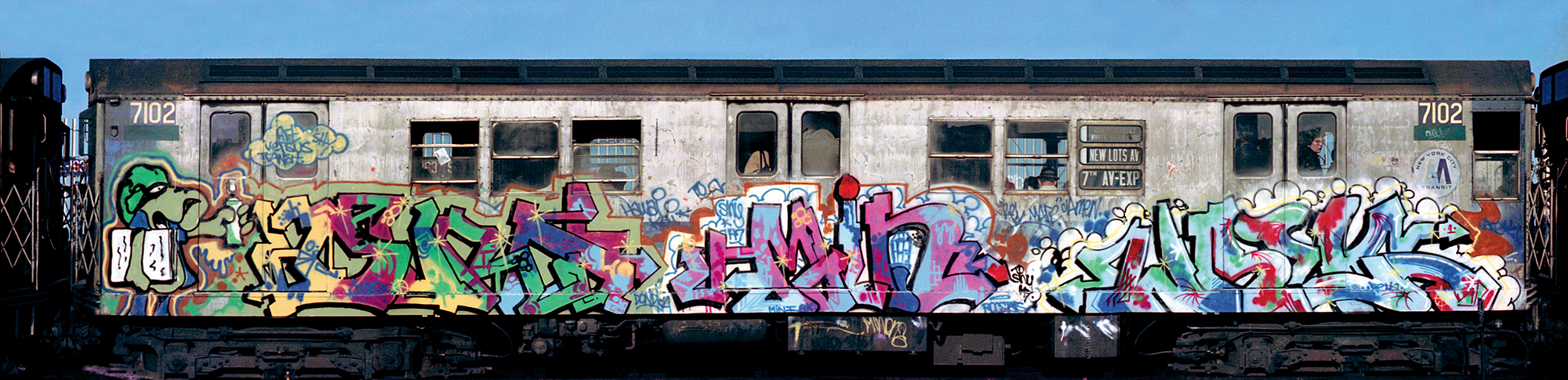
“Duro Min Wrek,” 1982. Photograph: Henry Chalfant
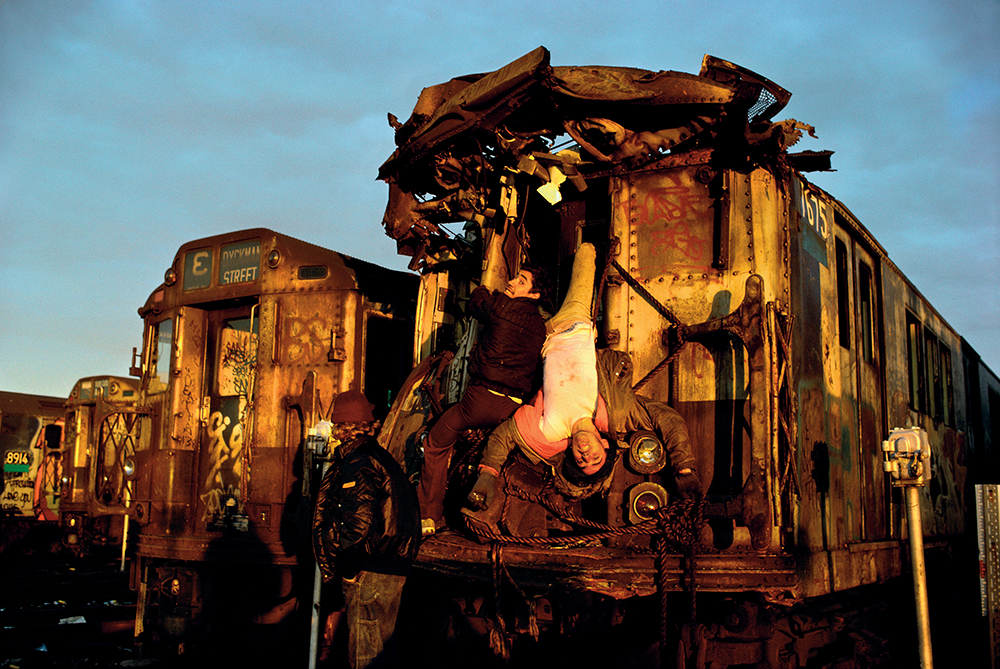
Min, Duro and Shy 147, New Lots Yards, the Bronx, 1981. Photograph: Martha Cooper
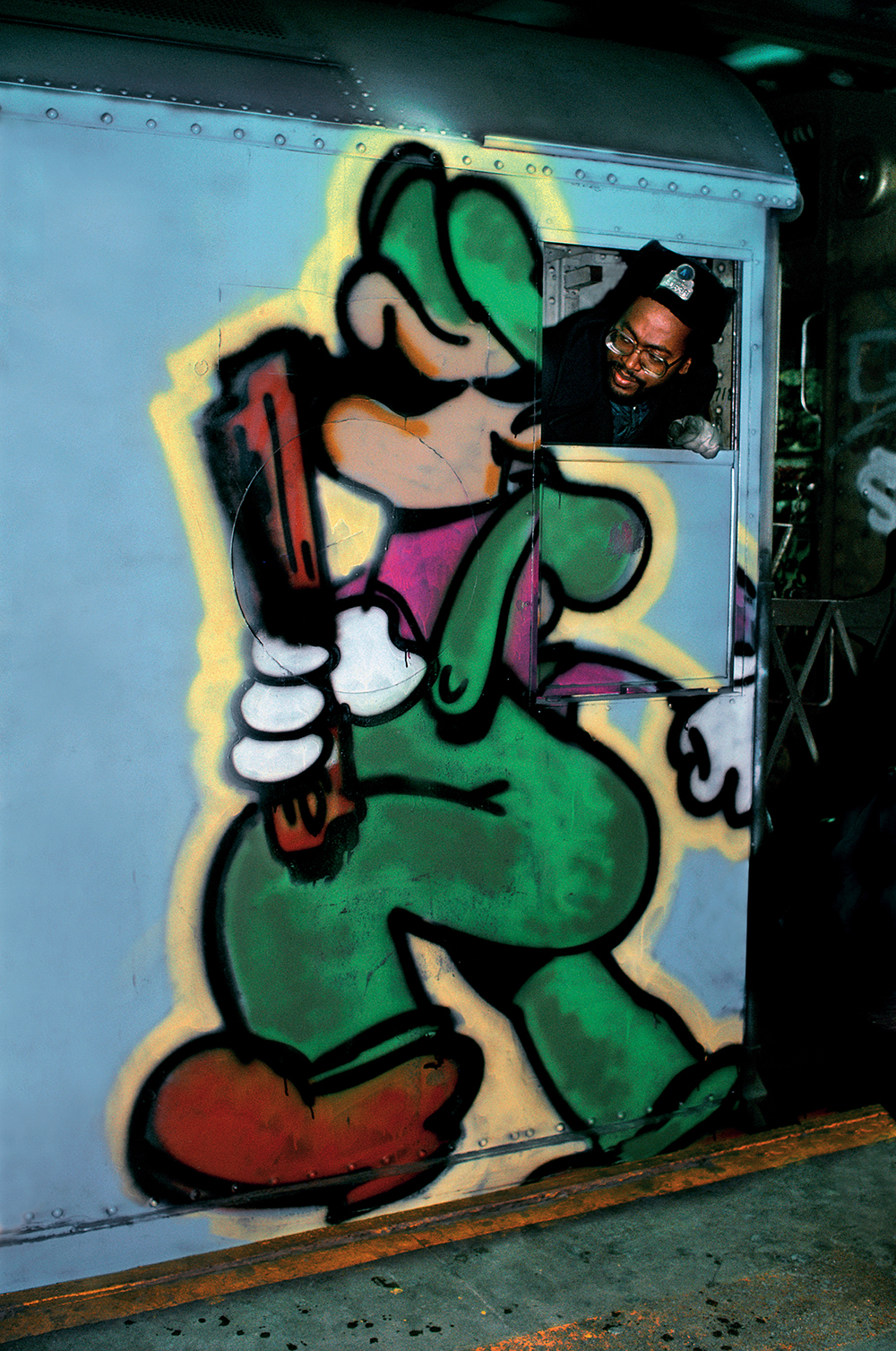
Mario character from Nintendo’s early Donkey Kong video game, by Son 1 and Rem, Manhattan, 1983. Photograph: Martha Cooper
Subway Art, by Henry Chalfant and Martha Cooper, is published by Thames & Hudson and is available to purchase here.
Enjoyed this article? Like Huck on Facebook or follow us on Twitter.
You might like

Joe Bloom’s View From a Bridge
More stories, more human — The artist and creator of the vertical video generation’s most loved storytelling platform explains the process behind creating the show, and the importance of bucking trends.
Written by: Isaac Muk

When David Wojnarowicz became Arthur Rimbaud
Arthur Rimbaud in New York — In 1978, the American artist and his friends donned masks to pay tribute to the French poet, who was born a century before him. Miss Rosen traces the differing yet parallel lives of the queer revolutionaries.
Written by: Miss Rosen

On the set of ‘La Bamba’, lost Latino legend Ritchie Valens’s biopic
The overnight rockstar — The Chicano rock & roll star exploded overnight in the late ’50s, but just as quickly he was gone, killed in a plane crash along with Buddy Holly. An ’80s biopic saw him immortalised on the big screen, which photographer Merrick Morton captured behind the scenes.
Written by: Miss Rosen

Louis Theroux’s ‘Manosphere’ shows men aren’t the problem, platforms are
No Ws for Good Men — The journalist’s new documentary sees him dive headfirst into the toxicities and machinations of the male influencer economy. But when young creators are monetarily incentivised to make more and more outrageous content, who really is to blame?
Written by: Emma Garland

In the 1960s, African photographers recaptured their own image
Ideas of Africa — An exhibition at the Museum of Modern Art explores the 20th century’s most important lensers, including Seydou Keïta, Malick Sidibé and Kwame Brathwaite, and their impact on challenging dominant European narratives.
Written by: Miss Rosen

Reynaldo Rivera’s intimate portrait of queer Latino love
Propiedad Privada — Growing up during the AIDS pandemic, the photographer entered a world where his love was not only taboo, but dangerous. His new monograph presents inward-looking shots made over four decades, which reclaim the power of desire.
Written by: Miss Rosen


