
In Pictures: New York City's long-lost graffiti culture

Martha Cooper and Henry Chalfant’s Subway Art captured an era, stocked with photographs of New York imagery that remains iconic and identifiable, but long rendered of the past by persistent government meddling.
It wasn’t always this way. Subway graffiti was at one point a key element of New York iconography. Think of any Manhattan sitcom in the 1980’s, with smartly-dressed urbanites traveling borough to borough on clunky, rattling subway cars, amidst a sea of colourful scrawls and tags. These sitcom stars looked out of place, sure, but the clash of cultures and ideas was creative shorthand for the city’s intersection of rich and poor. All extremes of life clumsily piled on top of one another – separate but equal.
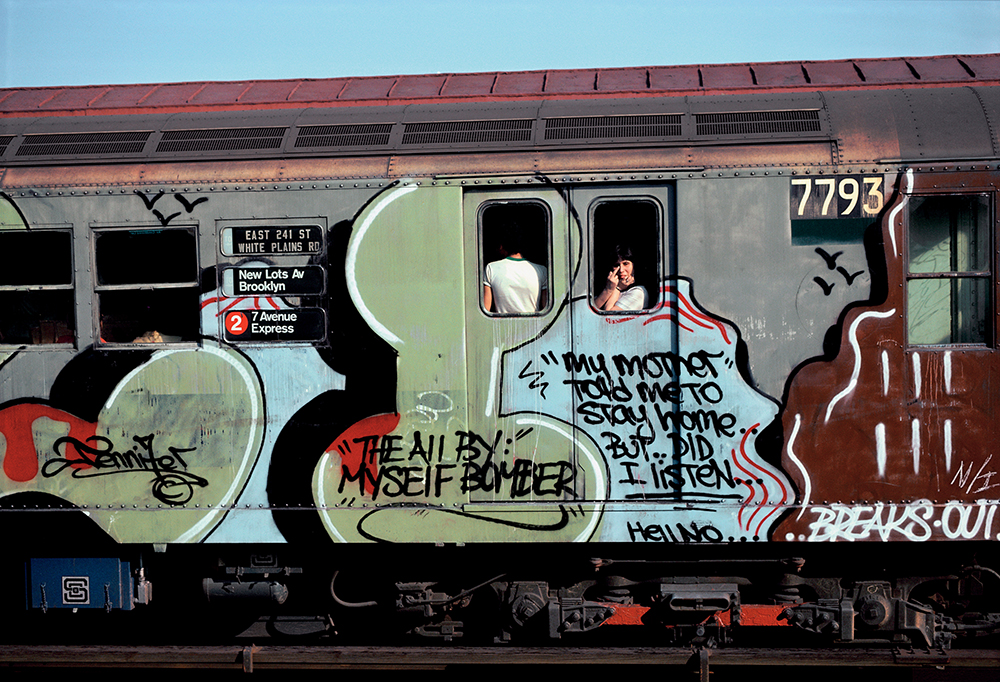
Deli, by Ban2, 1981. Photograph: Martha Cooper
This, of course, came before New York State’s mission to ‘clean up’ the streets. It was a well-intentioned plea to reduce crime in the city – but which often took the form of cracking down on grassroots forms of creativity, leading to widespread gentrification that has arguably sucked the life out of the entire state.
Throughout the ’70s and ’80s, graffiti was a key target, meaning large-scale bombing of subway cars became a transient experience. You better take a look now, because city officials will be along in the afternoon to wash it all away.
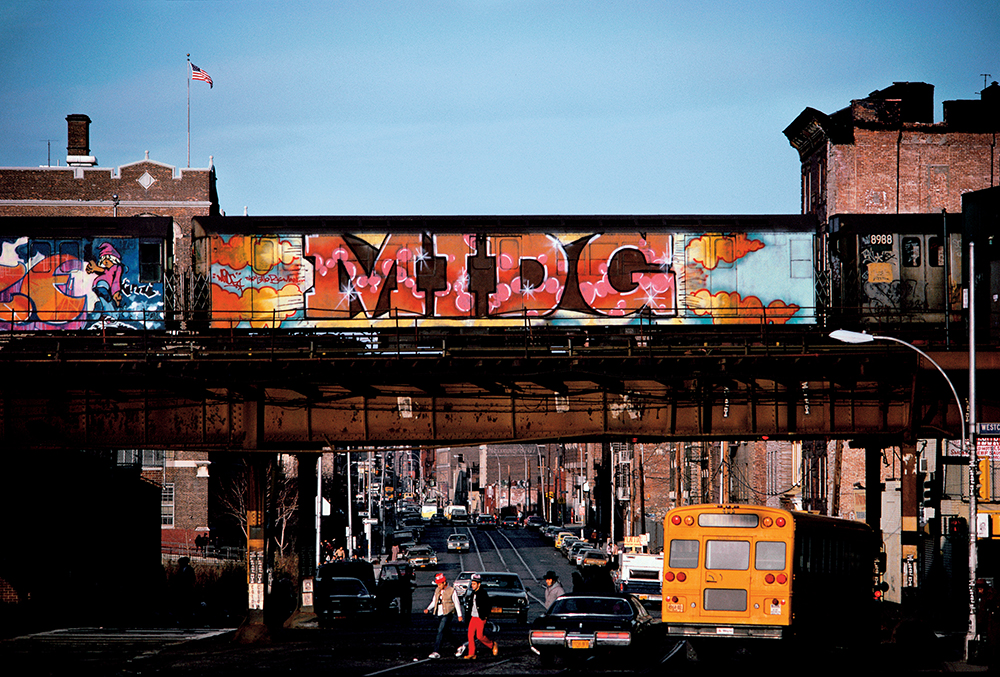
“Midg” with yellow school bus, 1982. Photograph: Martha Cooper
Luckily Martha Cooper and Henry Chalfant were there to snap some photographs before city-approved chemicals wiped the surfaces clean. Their work went on to form the subsequent ‘graffiti bible’ Subway Art. Originally published in 1984, the photo book has now undergone a large-scale reissue, featuring close to 70 previously unpublished photographs and a new introduction and afterword. Gathered here are some of the duo’s incredible images.
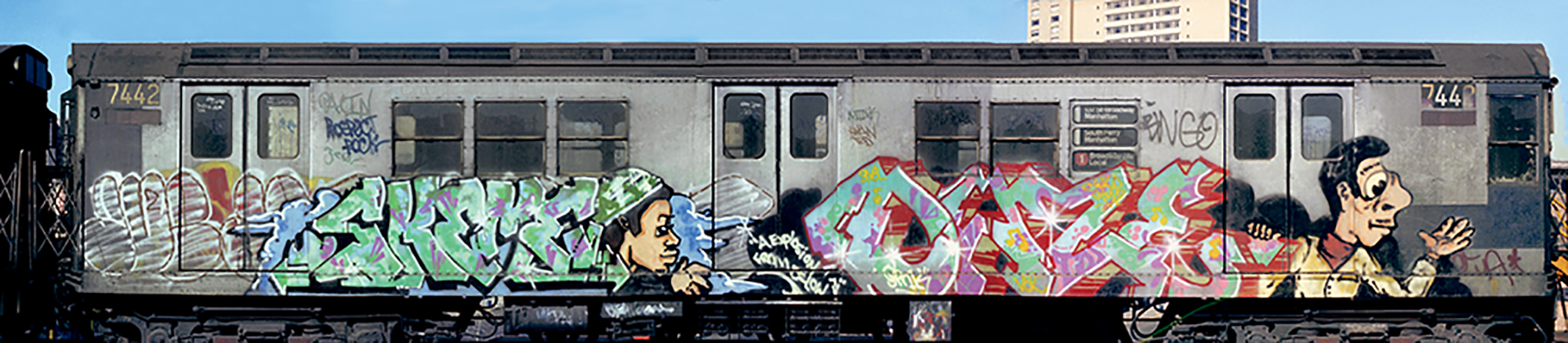
“Skeme Daze,” 1981. Photograph: Henry Chalfant
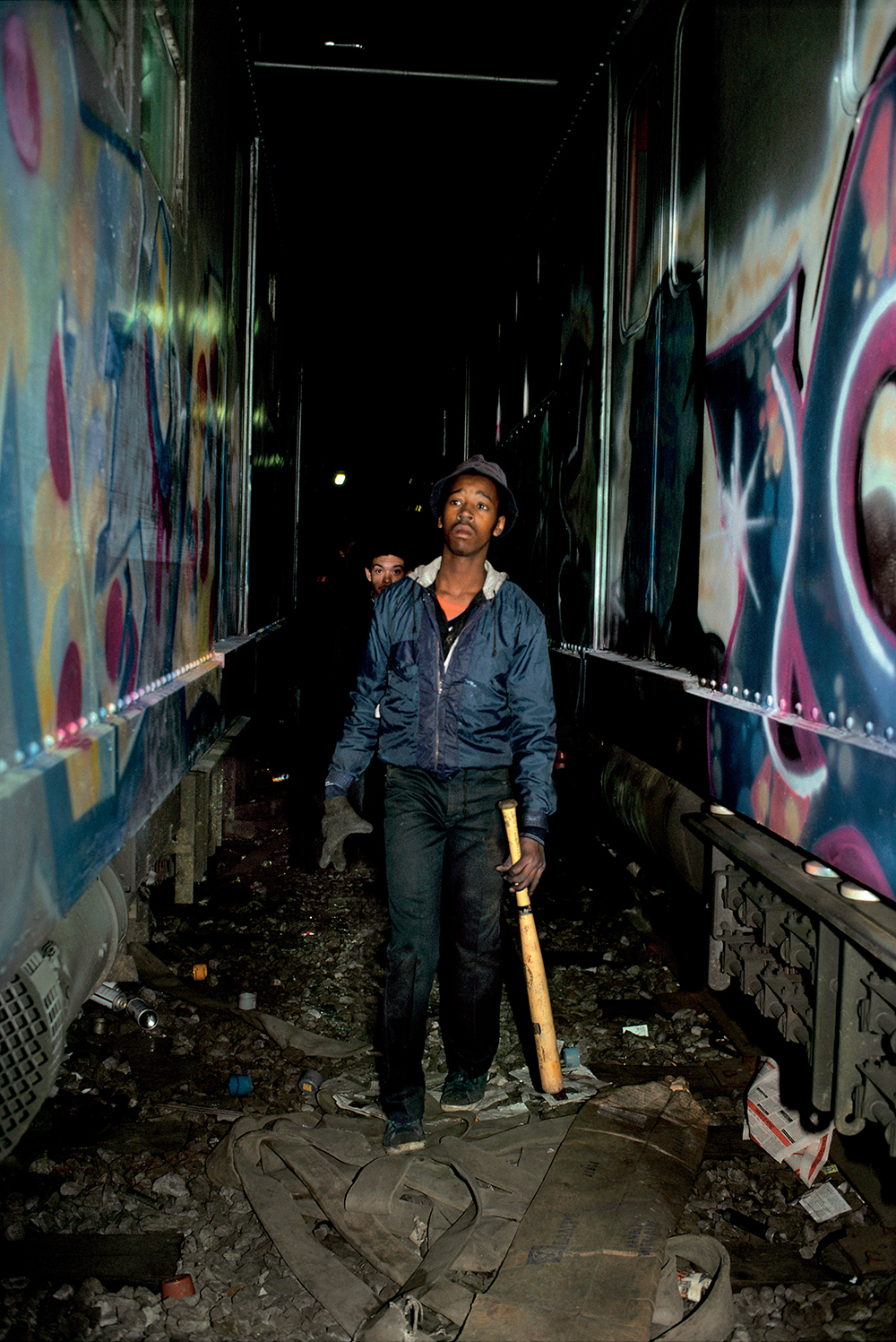
Dez on lookout with a baseball bat in the 3 Yard, Manhattan, 1982. Photograph: Martha Cooper
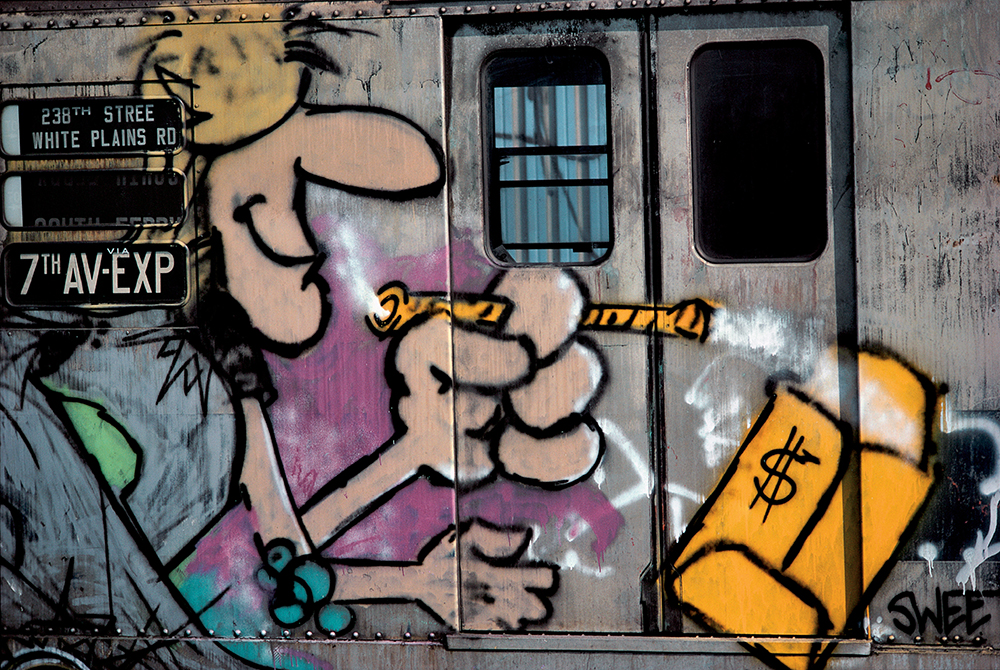
Photograph: Henry Chalfant
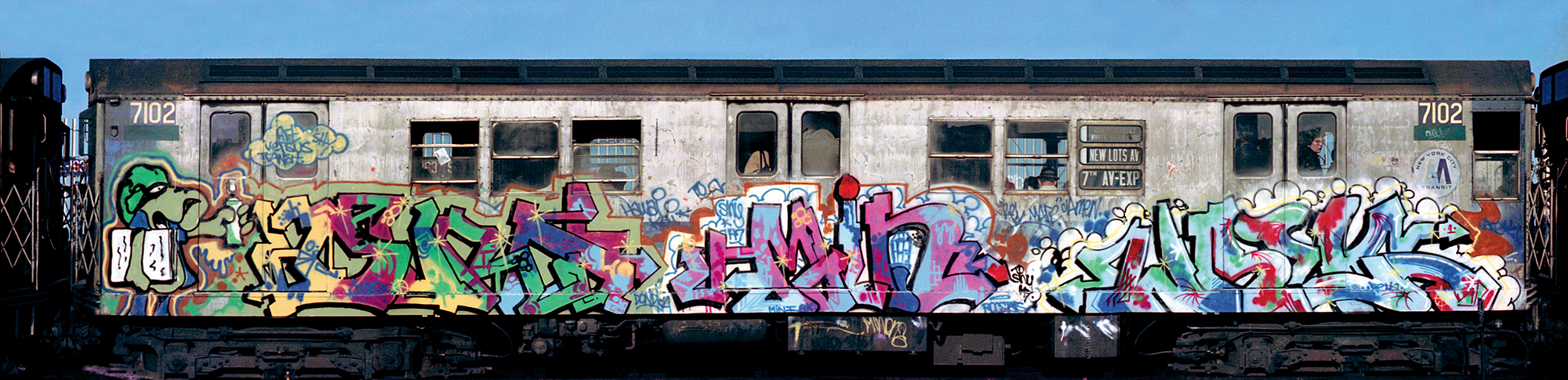
“Duro Min Wrek,” 1982. Photograph: Henry Chalfant
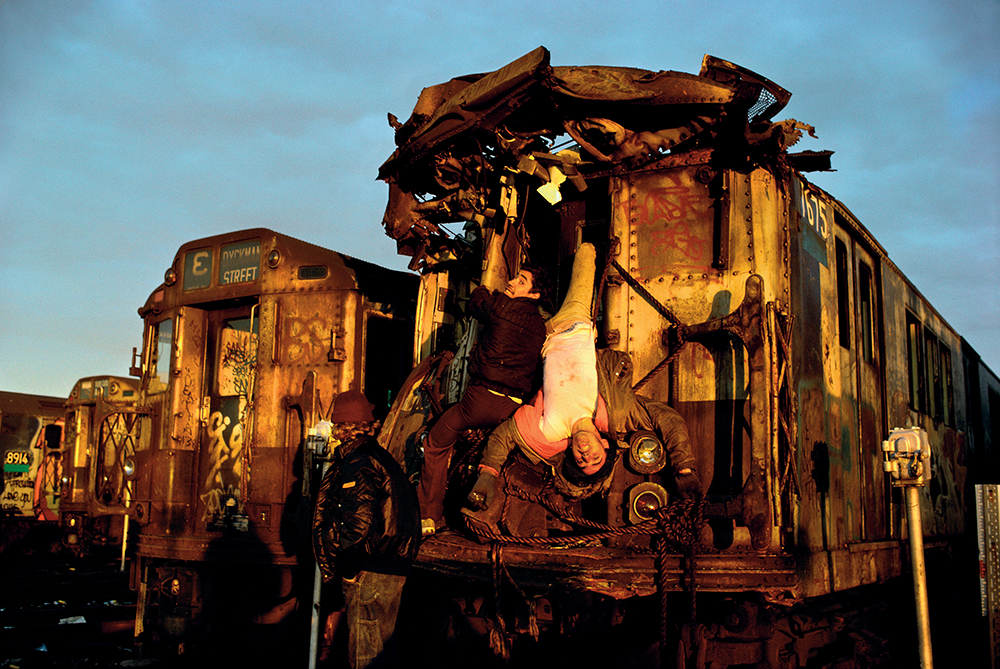
Min, Duro and Shy 147, New Lots Yards, the Bronx, 1981. Photograph: Martha Cooper
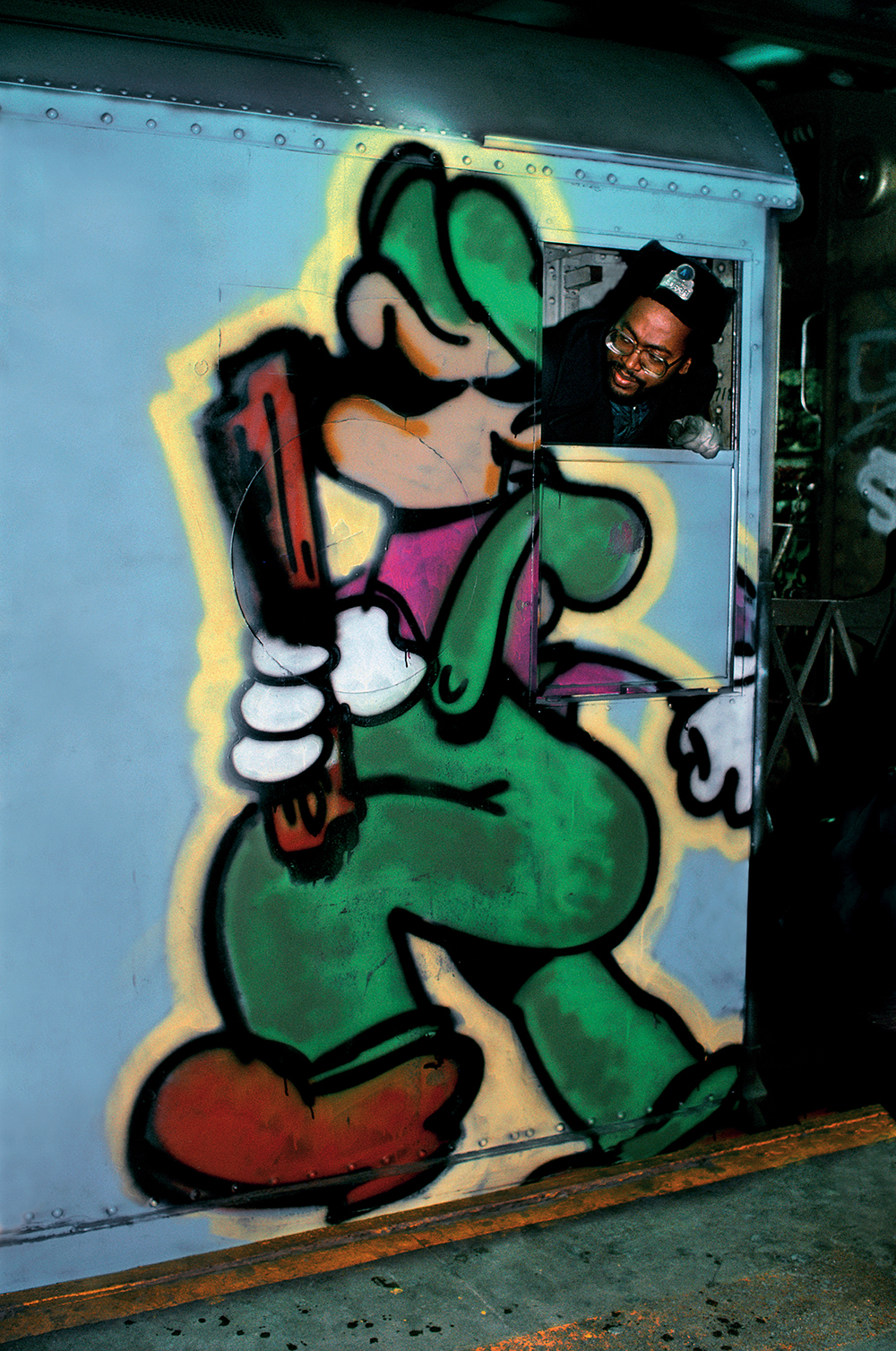
Mario character from Nintendo’s early Donkey Kong video game, by Son 1 and Rem, Manhattan, 1983. Photograph: Martha Cooper
Subway Art, by Henry Chalfant and Martha Cooper, is published by Thames & Hudson and is available to purchase here.
Enjoyed this article? Like Huck on Facebook or follow us on Twitter.
You might like

Introducing ‘The Chaos Isles’, a new photozine by Huck and Yushy
Normal Island — From unlicensed raves to the solstice at Stonehenge, furries to giant vegetable growers, Yushy is one of the UK’s best lensmen of its wild side. ‘The Chaos Isles’ will be sent out exclusively to Club Huck+ members.

Join Club Huck+ to get the most from Huck
Dispatches from the sharp edge of culture — Members get our print magazine, special photozines, The Huck Long Read newsletter, discounts from our friends and partners, digital versions of back issues and priority access to events.

Landmark new exhibition is celebrating 50 years of female punk
God Save the Queens — The Museum of Youth Culture is bringing together rare photography, archive material and a one-night-only supergroup featuring members of X-Ray Spex, The Slits and The Raincoats.

Halcyon, end of summer days in ’80s Massachusetts
Bell Pond — Stephen DiRado’s new photobook is a nostalgic look at blissed out moments of young love, family and coming of age at a swimming pond in Worcester, Massachusetts.

Photographing America’s 20th century rebels
Rebels With a Cause — A new monograph looks back at Jean-Pierre Laffont’s extensive archive documenting counterculture, art, activism and more, shaping the country as it is today.

The groundbreaking photography of Gordon Parks
Voices in the Mirror — A new exhibition dives deep into the legendary lensman’s archive, who captured the Civil Rights Movement and Black America like no other.


