Capturing conflict & resilience in Eastern Europe in the ‘90s
- Text by Isaac Muk
- Photography by Robin Graubard

Nearly three decades ago, with her New York newspaper on strike, photographer Robin Graubard found herself with a free afternoon. With the day off from covering court stories or shooting glitzy red carpet events, she took a stroll down to her local neighbourhood park on the east side of Manhattan – Ralph Bunche Park.
Due to its location opposite the United Nations headquarters, the park is often a site where demonstrators gather. On this occasion, a small group of women were protesting the war in Yugoslavia, and Graubard struck up a conversation with them.
© Robin Graubard 2022 courtesy Loose Joints
“I’d read a small article in the back page of a newspaper about what was going on in Yugoslavia, but there hadn’t been a lot of coverage,” she says. “And these women were really upset about what was going on and their relatives who were there in this war. I was kind of astonished that there was this war going on and nobody was paying attention to it.”
She quickly decided that she wouldn’t return to her day job, and booked flights to Prague in the newly-formed Czech Republic, before venturing further east into the Balkans – Yugoslavia, Albania, Croatia and beyond. Her soon-to-be-released debut photobook, Road to Nowhere, is a collection of her shots from the years she spent documenting the people and stories she encountered during her time in Eastern Europe in the early 1990s.

© Robin Graubard 2022 courtesy Loose Joints
© Robin Graubard 2022 courtesy Loose Joints
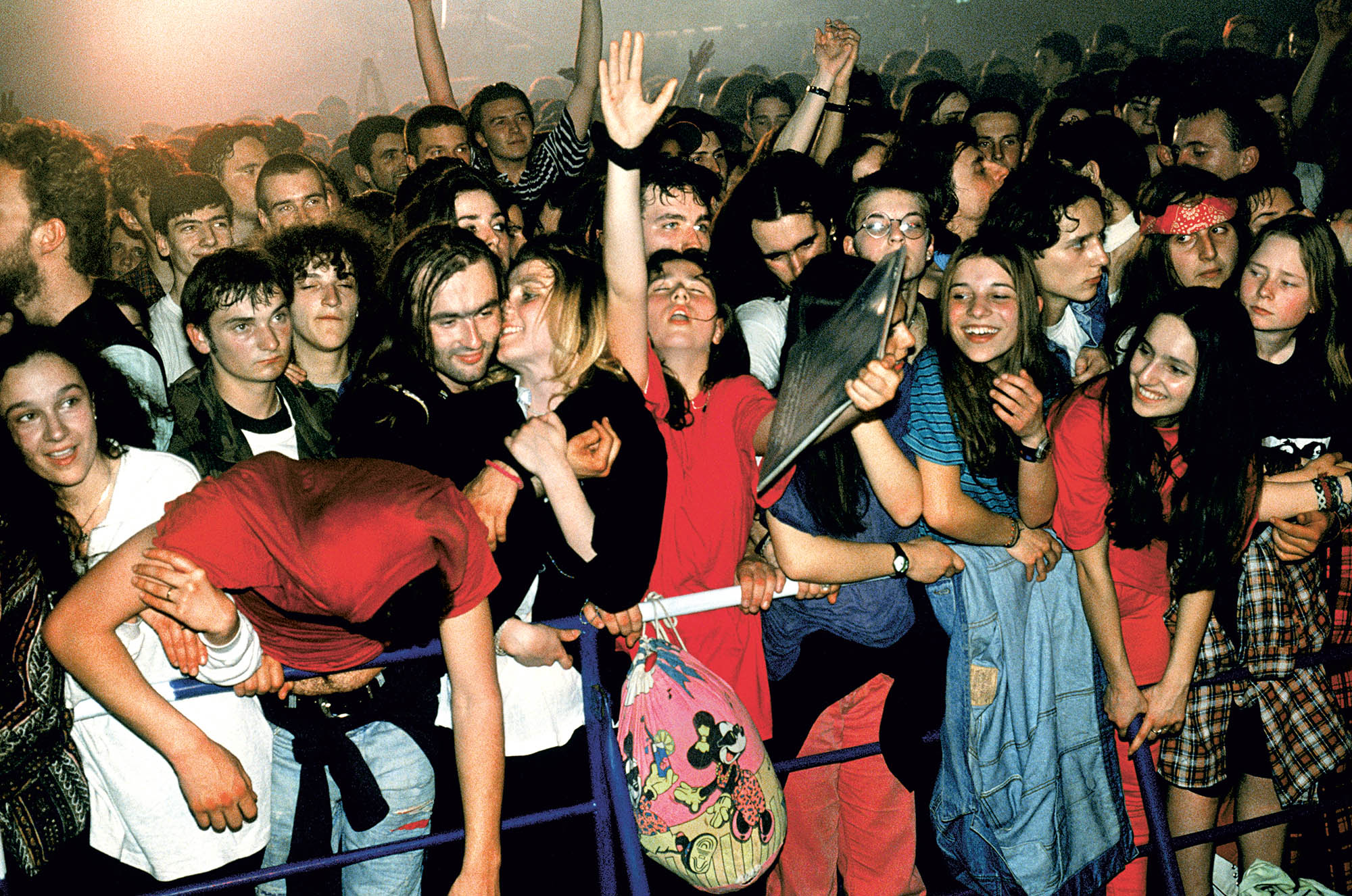
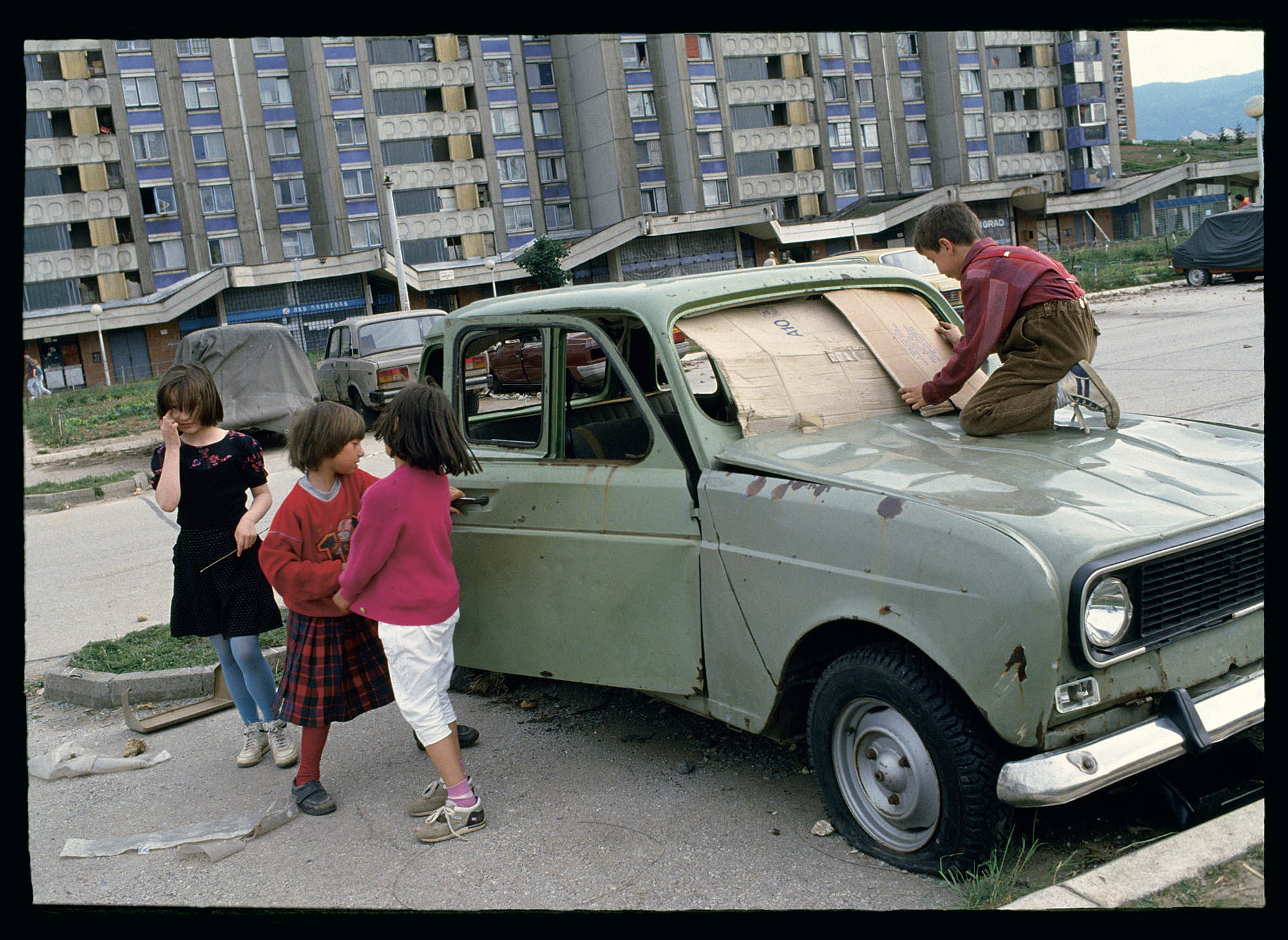
Shot in coloured film on Nikon FM2s, the photographs capture the grit, determination and humanity set in front of a backdrop of conflict and political instability. “Signs of war were everywhere,” she says. “The stores were completely empty, the money was worthless – people were just throwing money away, it was lining the streets.”
The Yugoslavian Wars were marred by nationalist divisions, ethnic tensions and genocide. Throwing herself fully into the conflict, Graubard found herself along the front lines of battle, in houses shielding persecuted Muslims and aboard humanitarian aid aeroplanes.

© Robin Graubard 2022 courtesy Loose Joints
One particularly terrifying moment came when she found herself low on money in Sarajevo, which at the time, was the front line of battle. She used the last of her cash to book a room in a Holiday Inn hotel. “When I got there, a bullet went over my head,” she recounts. “I didn’t quite know what it was when it was happening – it was just this sound. And the people behind the desk were just very matter of fact about it.”
Despite this, Graubard says that she found herself “calmer than I’ve ever been in my life”. She says: “It was so scary that the only thing you could do was put one foot in front of the other. Every step could have been your last so you concentrated on each minute, each second.”

© Robin Graubard 2022 courtesy Loose Joints
Graubard’s work was important in spreading awareness about the war to the west. Returning to New York, her shots were published in widely read magazines including Time and Newsweek. One day, while making copies of a photograph of Serbian soldiers she had taken on the front line, she received a tap on the shoulder.
A man asked: “Where did you get that picture?”
“I took the picture,” she replied.
“Well they just held it up at a UN meeting,” said the man.

© Robin Graubard 2022 courtesy Loose Joints

© Robin Graubard 2022 courtesy Loose Joints
Graubard explains that while publications were primarily interested in pictures of battle and the military, her goal when was to photograph women and children in Eastern Europe. “I wanted to photograph how they were affected by [war].”
Road to Nowhere brings these photographs to light, sharing the stories of ordinary people caught up in war. They feel particularly timely and relevant with the ongoing war in Ukraine.
“I can’t begin to tell you how I feel [about Ukraine],” she says. “But I think the reporters and photographers are doing an amazing job of reporting what’s going on there – they’re incredibly, incredibly brave.”

© Robin Graubard 2022 courtesy Loose Joints

© Robin Graubard 2022 courtesy Loose Joints

© Robin Graubard 2022 courtesy Loose Joints
Road to Nowhere by Robin Graubard is published by Loose Joints.
Follow Isaac Muk on Twitter.
Enjoyed this article? Like Huck on Facebook or follow us on Twitter and Instagram.
You might like

Behind the curtain at Alternative Miss World 1981
Olympia glamour — Running a subversive take on the traditional beauty pageant, the Andrew Logan organised event prioritised underground creativity and invention. Photographer David Corio went behind the scenes at its biggest edition.
Written by: Miss Rosen

New exhibition highlights British radical living over 200 years
Earthly Paradise — Taking place at the William Morris Gallery, it explores the homes and lives of artists, writers, musicians and more, as well as the conditions that allowed them to thrive.
Written by: Isaac Muk

What life on the Strait of Hormuz is really like
Southern Winds — Bandar Abbas based photographer Morteza Niknahad has been capturing the diverse communities and stories of his local region since he first picked up a camera. His new series highlights the human impact of war.
Written by: Isaac Muk

Nick Haymes’s intimate portrait of his family’s life
Chronograph — Over 25 years, the photographer documented his son’s lives as they grew into adults. The resulting photobook is an exploration of the passage of time, as well as the optimism of youth.
Written by: Miss Rosen

Kristina Rozhkova’s scatty, confronting portrait of captivity
Gut Feeling — The Russian artist’s 2024 arrest and subsequent detention opened her eye towards the omnipresent dynamics of power and control. Her new photobook is a stark exploration of being trapped.
Written by: Isaac Muk

UK’s first ever Latino film festival is coming to London
LoLaFF — Taking place between October 2-6, it will feature 55 filmmakers from Latin America, with an opening night at the Barbican.
Written by: Isaac Muk


