Harder to reach: mental health and stigma among black men
- Text by Jason Nicco-Annan
- Photography by Sam Strickland

The challenges facing people with mental health problems are becoming increasingly hard to ignore. Mental illness affects a quarter of us in any one year, with 90 per cent of people experiencing stigma and discrimination because of it. We need to do something, but the issue is even more pronounced among black men living in Britain.
Dubbed the ‘Hard to Reach’ community, African-Caribbean people living in the UK are five times more likely to be diagnosed with schizophrenia and 44 per cent more likely to be sectioned under the Mental Health Act than their white counterparts.
This is an issue being tackled by Brent Mind, a division of the largest mental health charity in England and Wales. Its ARISE Project is a new initiative documenting the experiences and struggles of black men living with mental illness – particularly shame, isolation and self-esteem – through film and photography.

 “I asked [participants] to take photos, over a weeklong period, of anything that affected their mood or emotions,” says Lionel Biu, project co-ordinator, who describes this approach as “auto-photography”.
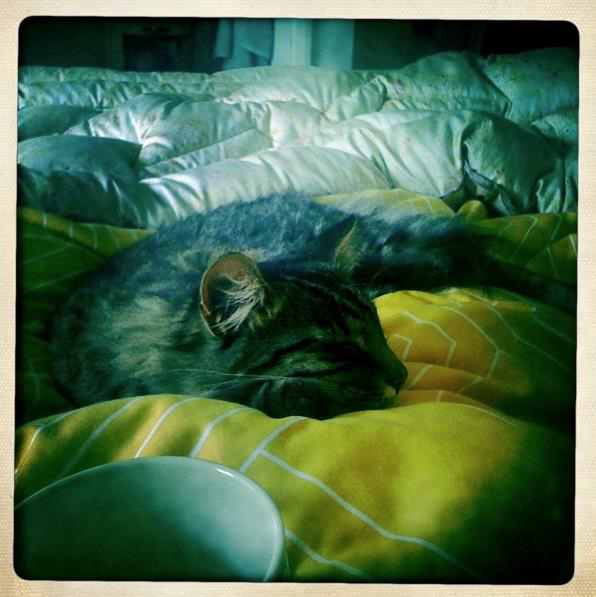
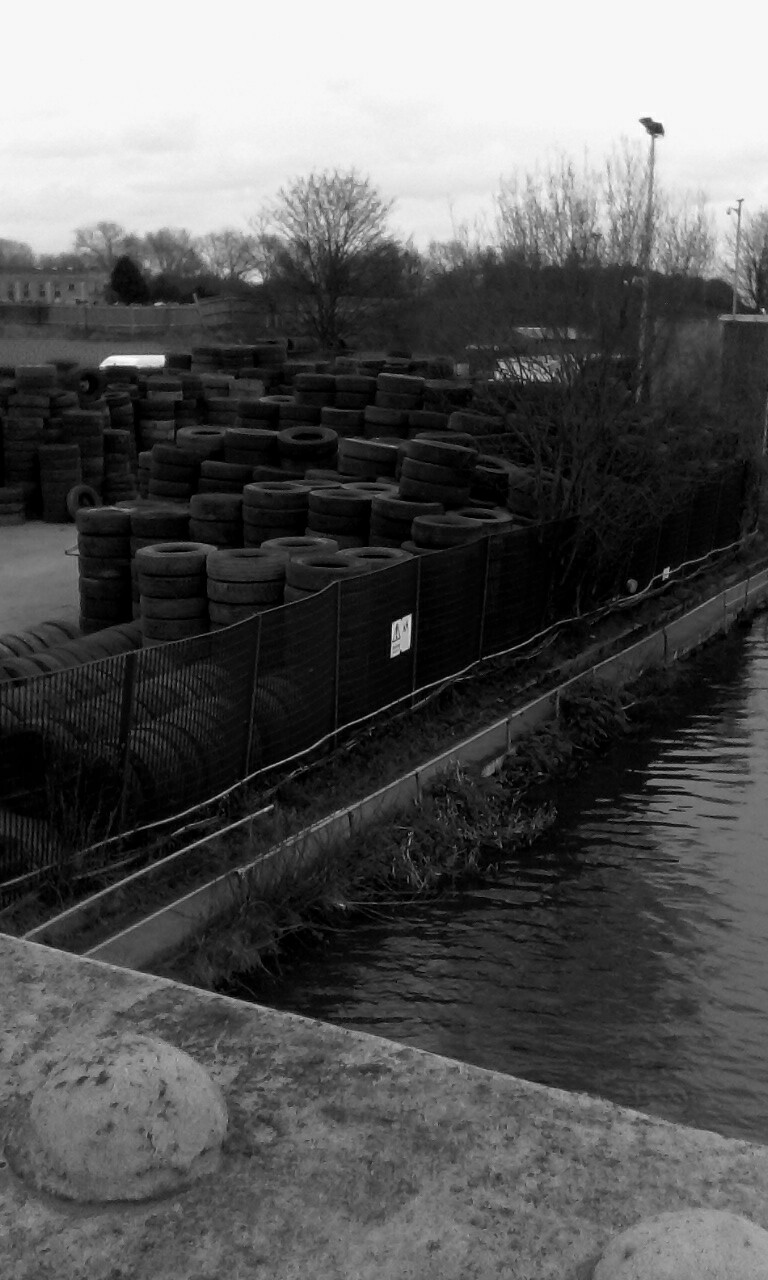 Lionel then setup a one-on-one review and discussion with each participant, which allowed them to delve into the emotional stories behind their shots, providing a potentially powerful and insightful outlet of expression.
“The aim of the ARISE project is to give black men a voice whilst learning a new skill,” says Lionel.
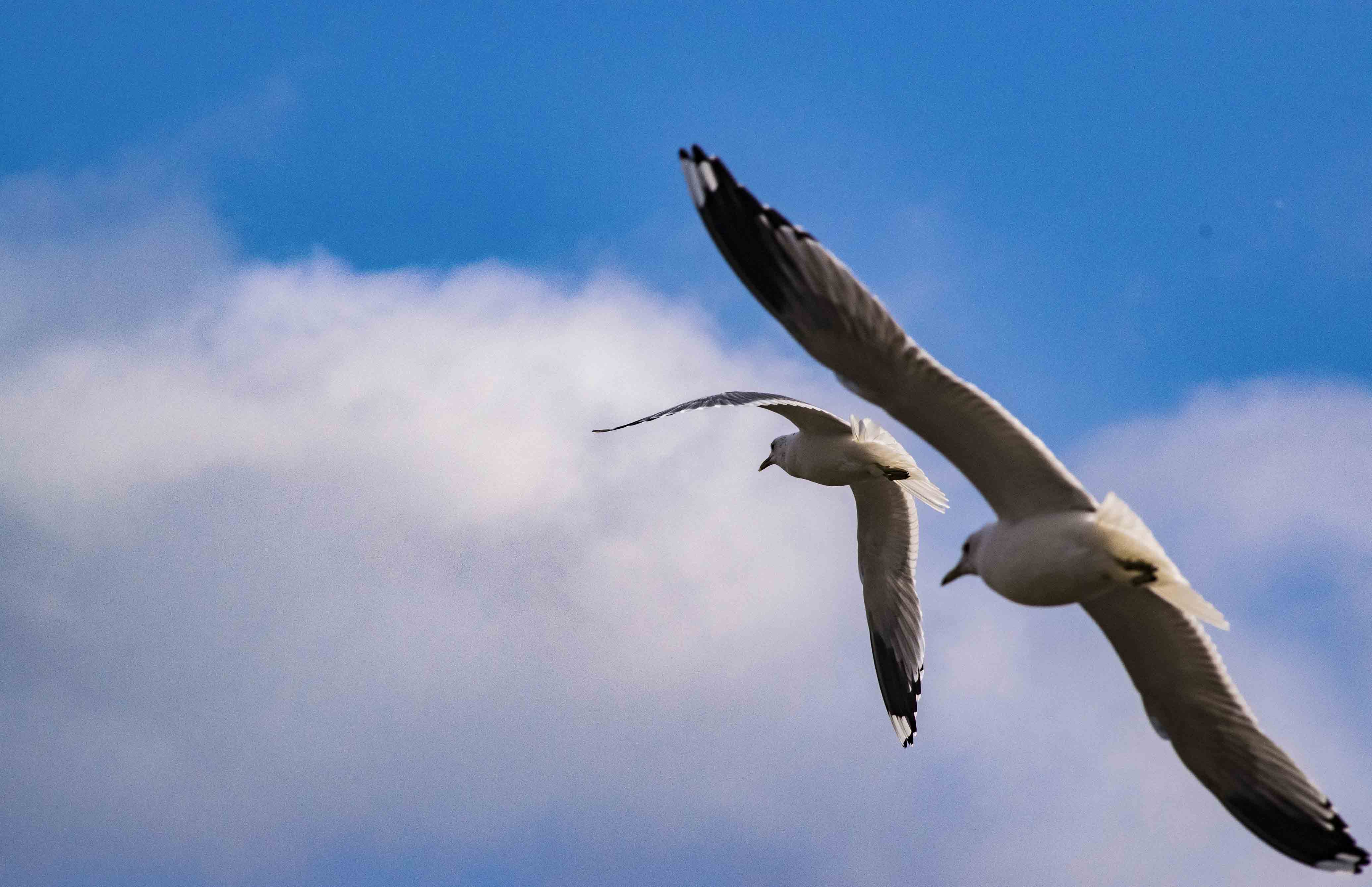 The emotionally charged collection of photos has now been compiled and curated into a group exhibition at the Brent Civic Centre, with an opening event on May 12th. The exhibition will also screen a short documentary on mental health in the black community, which is co-produced by Lionel.
The film features key participants from Key Changes, a charity that promotes mental health through music with the support of industry experts and mentors, as well as insight from over 15 contributors from the mental health community.
“I hope this project will leave a legacy of healthy forms of communicating emotions,” he says, “and breaking the stigma of mental health in the black community.”

In a two-part story beginning this week, Huck will explore the lives of two creative individuals affected by mental health, who have found recovery and healing in the arts.
Find out more about Brent Mind’s ARISE Project
Enjoyed this article? Like Huck on Facebook or follow us on Twitter.
You might like

Jesse Glazzard’s messy portrait of queer friends, lovers and chosen family
The Sound of Dirt and Beauty — The photographer’s debut monograph explores tender, unpolished moments shaped by the people who he surrounds himself with, while offering a window into the UK’s working-class LGBTQ+ community.
Written by: Sunny Sunday

Behind the curtain at Alternative Miss World 1981
Olympia glamour — Running a subversive take on the traditional beauty pageant, the Andrew Logan organised event prioritised underground creativity and invention. Photographer David Corio went behind the scenes at its biggest edition.
Written by: Miss Rosen

What life on the Strait of Hormuz is really like
Southern Winds — Bandar Abbas based photographer Morteza Niknahad has been capturing the diverse communities and stories of his local region since he first picked up a camera. His new series highlights the human impact of war.
Written by: Isaac Muk

Nick Haymes’s intimate portrait of his family’s life
Chronograph — Over 25 years, the photographer documented his son’s lives as they grew into adults. The resulting photobook is an exploration of the passage of time, as well as the optimism of youth.
Written by: Miss Rosen

Kristina Rozhkova’s scatty, confronting portrait of captivity
Gut Feeling — The Russian artist’s 2024 arrest and subsequent detention opened her eye towards the omnipresent dynamics of power and control. Her new photobook is a stark exploration of being trapped.
Written by: Isaac Muk

UK’s first ever Latino film festival is coming to London
LoLaFF — Taking place between October 2-6, it will feature 55 filmmakers from Latin America, with an opening night at the Barbican.
Written by: Isaac Muk


