Michaela Angela Davis had to infiltrate the mainstream to get people talking change
- Text by Huck HQ / Adriana Monsalve
- Photography by Adriana Monsalve

#47 – Michaela Angela Davis
Michaela Angela Davis is an image activist. She coined the term herself some ten years ago when she started Take Back The Music, a campaign that challenged how black women were represented in hip hop music videos. Based in Brooklyn, she herself challenges perceptions, as a light-skinned black woman, and uses her position to spark debates in mainstream media outlets like CNN and MTV, from how we talk about ‘afro hair’, to how black women are under-represented in Hollywood. A writer, public speaker, stylist to stars like LL Cool J, Mary J. Blige and Prince – and a magazine editor formerly at Essence, Honey and Vibe – today Michaela works with organisations such as Black Girls Rock! to make negative images a thing of the past.
“I’ve been very interested in infiltrating the machine. But infiltrating and contributing to mainstream culture with a sense of culture, because I feel like the mainstream has lost the culture part. I want to use my privilege for sneaking in; at times it’s like, ‘How did they let me in here? Can’t they see I’m kind of a radical?’ But there is enough of me that knows how to get along with everyone, so I figured this is a privileged place to be to represent. It’s a fun challenge to try to do something transformative on a big stage. I’m in the Pop Matrix.
My mom taught me that you can restart your day anytime you want. But bigger than that, you can restart your life anytime you want. I watched her do it. When she hit forty, she was like, ‘Whose life is this?’ She did a restart, she pressed refresh on her whole life and it was so empowering. She let that soul, core person run the show instead of, ‘This is what society says you’re supposed to do as a woman of colour.’ She was like, I didn’t write that script! That is why I think I can change things.
The essence of activism, for me, is the idea of acting, being in action versus rallying cries and hashtags. So many of us will sit-in and stand up and fight back, often just to avoid the inner turmoil. You feel a sense of satisfaction because you’re, quote unquote, ‘doing the right thing’. The real revolution is inside. The real revolution is to be who you say you are. And then you’ll be led organically to the right, quote unquote, ‘cause’. Your life will be a reflection of what you believe. And so you will do things. You will see injustice in a way that makes sense for you. So yeah, the revolution is in your soul.”
This is just a short excerpt from Huck’s Fiftieth Special, a collection of fifty personal stories from fifty inspiring lives.
Grab a copy now to read all fifty stories in full. Subscribe to make sure you don’t miss another issue.
You might like

Jesse Glazzard’s messy portrait of queer friends, lovers and chosen family
The Sound of Dirt and Beauty — The photographer’s debut monograph explores tender, unpolished moments shaped by the people who he surrounds himself with, while offering a window into the UK’s working-class LGBTQ+ community.
Written by: Sunny Sunday
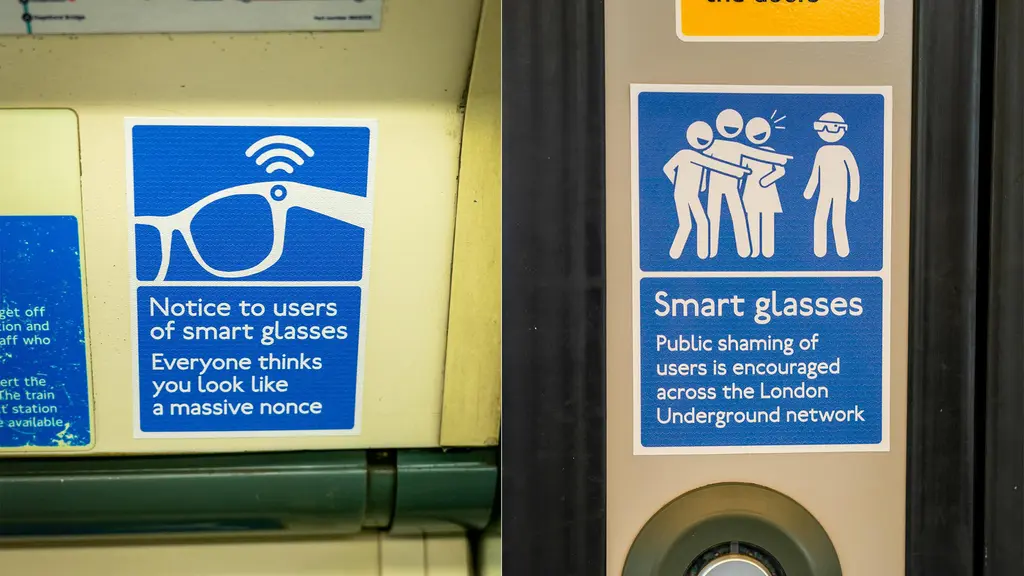
Activists slam “pervert glasses” in new guerrilla campaign
Everyone Hates Elon — Stickers have appeared on the London Underground network, criticising the wearable technology’s covert filming capabilities.
Written by: Isaac Muk

Behind the curtain at Alternative Miss World 1981
Olympia glamour — Running a subversive take on the traditional beauty pageant, the Andrew Logan organised event prioritised underground creativity and invention. Photographer David Corio went behind the scenes at its biggest edition.
Written by: Miss Rosen

New exhibition highlights British radical living over 200 years
Earthly Paradise — Taking place at the William Morris Gallery, it explores the homes and lives of artists, writers, musicians and more, as well as the conditions that allowed them to thrive.
Written by: Isaac Muk

What life on the Strait of Hormuz is really like
Southern Winds — Bandar Abbas based photographer Morteza Niknahad has been capturing the diverse communities and stories of his local region since he first picked up a camera. His new series highlights the human impact of war.
Written by: Isaac Muk

Pink Floyd’s Roger Waters joins team of new Palestinian resistance documentary
Freedom Theatre — Directed by Rishi Pelham, the film spotlights a theatre operating in the Jenin refugee camp.
Written by: Ella Glossop


