
Mitch Epstein’s evocative portrait of 1970s America

Fifty years ago, photographer Mitch Epstein arrived in New York to study at The Cooper Union with Garry Winogrand. After a semester of working in black and white, Epstein decided to take up colour photography – then very much a taboo among fine art photographers, as it was seen as the exclusive provenance of advertisers.
Epstein quickly fell in love with Kodachrome lustrous palette – and the free time that came with no longer having to devote hours to developing negatives and prints. But after Kodak changed the emulsion in 1974, Epstein no longer got the results he liked. He went back to shooting black and white until 1977, when he began making colour images on a 6×9 format camera.
By this time, Epstein had honed his street photography practice to precise effect, able to step into the eye of the hurricane and become one with the chaos that surrounded him. With the new exhibition and book, Silver + Chrome, Epstein presents a hypnotic collection of high-energy images made on the streets of New York, New Orleans, and Los Angeles.
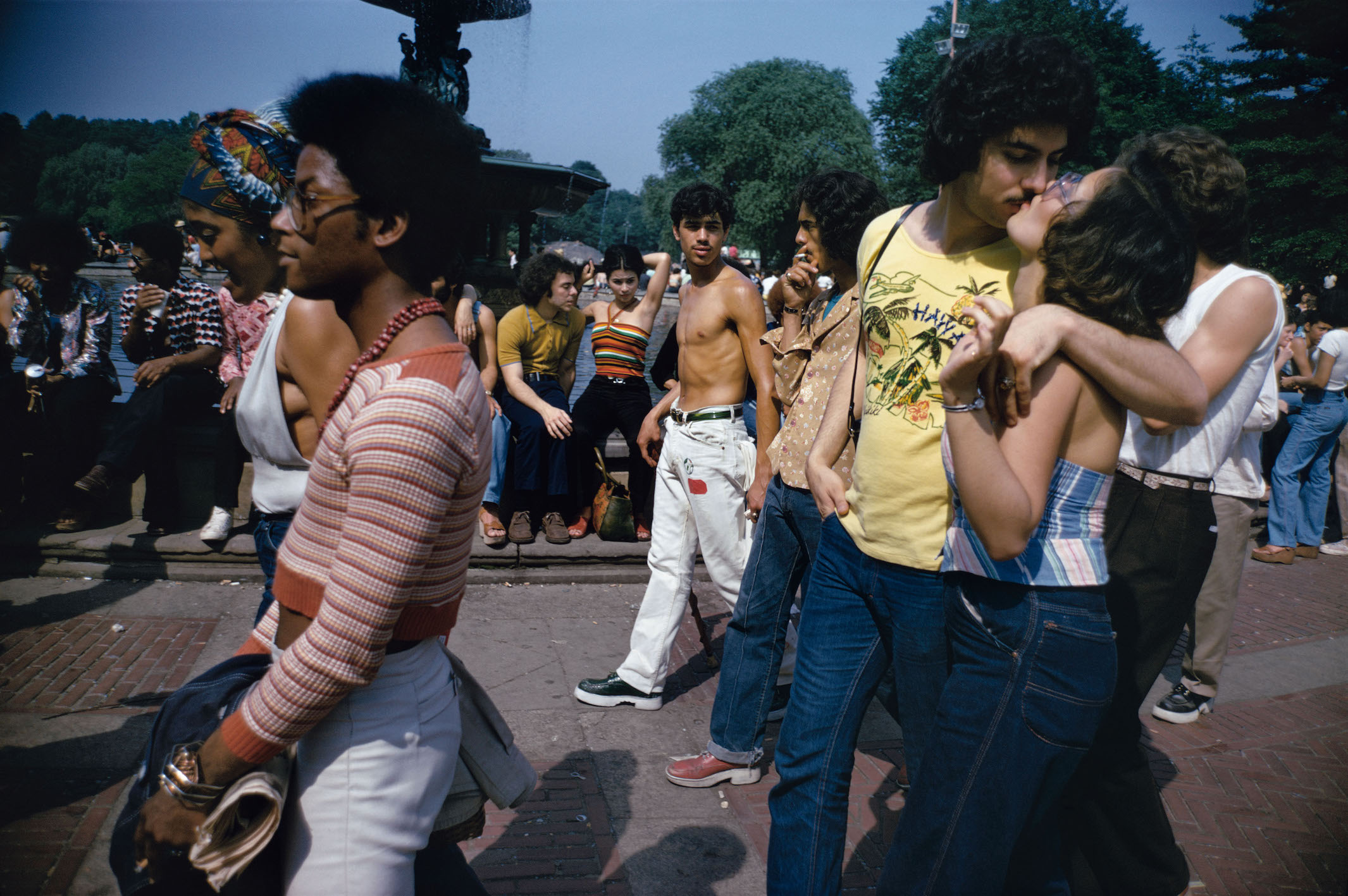
Bethesda Fountain, Central Park, New York City 1974
Published alongside a revised and expanded edition of Epstein’s landmark 2005 monograph, Recreation, these books offer a complementary and compelling look at the artist’s earliest work. They each offer a distinct perspective about the nature of street photography, whether it’s about seeing a story unfolding in one’s midst or capturing the raw intensity found amid a cacophonous throng of strangers.
“In these pictures, I am more the flâneur within the crowd — there’s this constant movement of people and activity,” Epstein says. “They’re still in this early period where I’m absorbing my influences like Winogrand but even though I’m working in similar terrain like Fifth Avenue, my way of thinking is not the same.”
Epstein points to a fearlessness he possessed in his youth that allowed him to him to take aim at strangers from point blank range. Many don’t seem to notice, but of those who do, some gaze skeptically, while others meet his gaze dead on, waiting to see what happens next.
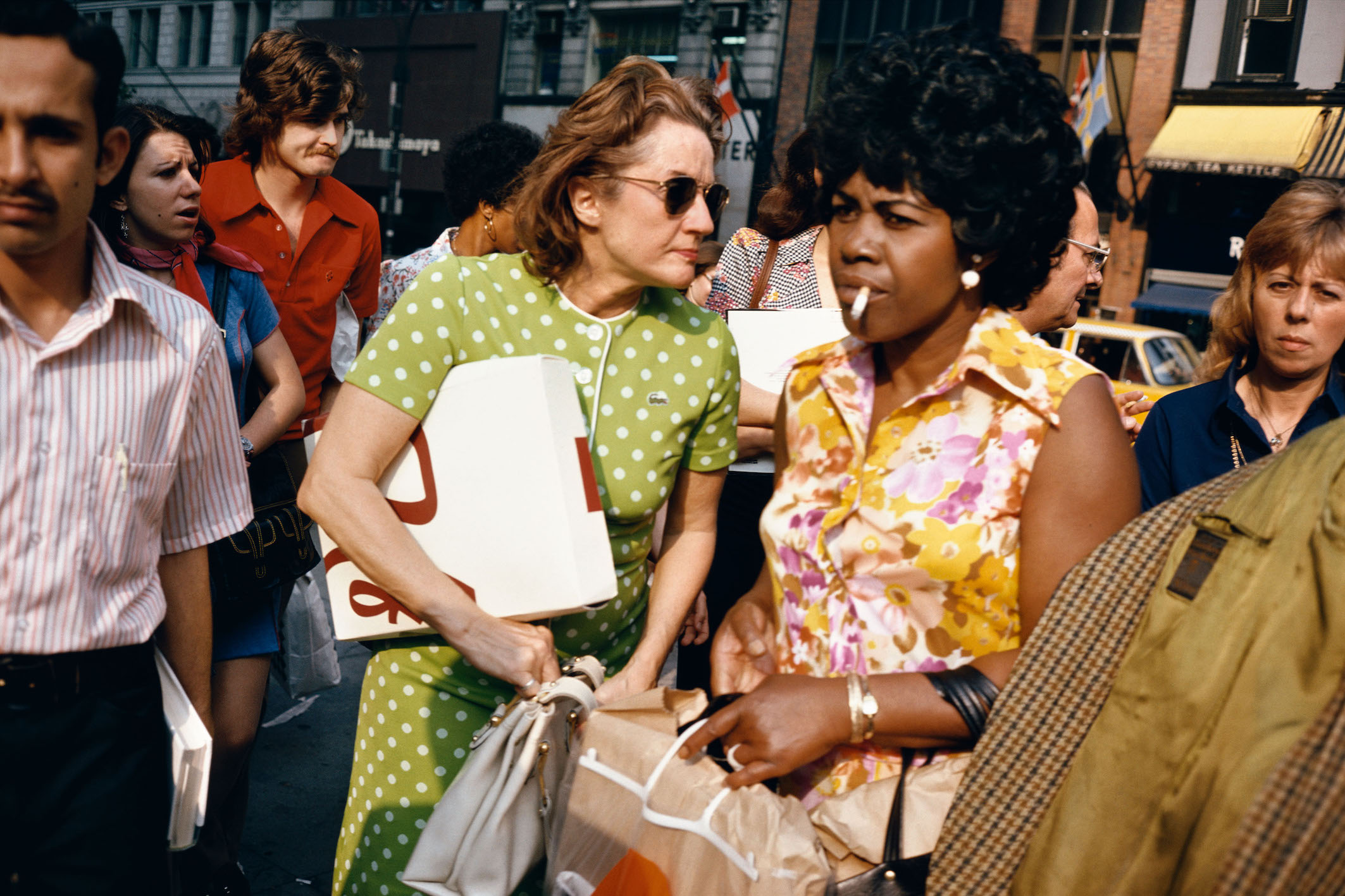
Fifth Avenue, New York City VI 1974
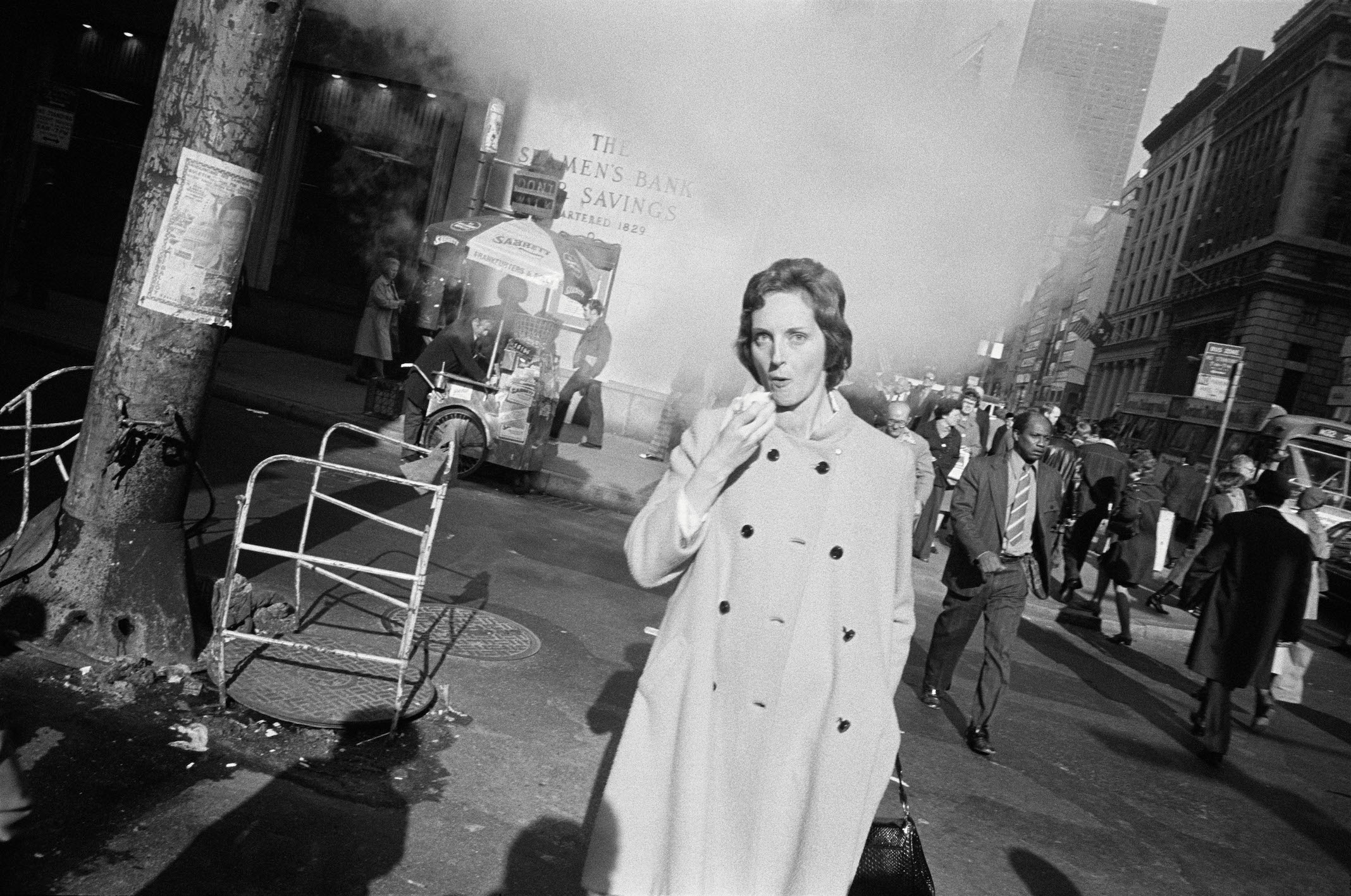
Fifth Avenue, New York City V 1976
But once the shutter clicks Epstein moves on, flowing through what he describes as “a kind of edginess and messiness on the street.” Once he established his practice in New York, Epstein was ready to step out and visit other cities where he might find a whirlwind of activity that readily lent itself to street photography.
“It was thrilling to be in this onrush of people, movement, and kinetic energy, an have the sensation of infinite possibility,” he says. “It was a kind of training to pay attention, have this acuity of focus, discipline, and patience. It was like listening with my eyes and when something jarred me, I responded to it.”
Looking back at these works, Epstein sees deeply embedded sexual, racial, and political themes that are even more resonant today. “These pictures to me at time are like a puzzle,” he says, “They have their own mystery.”
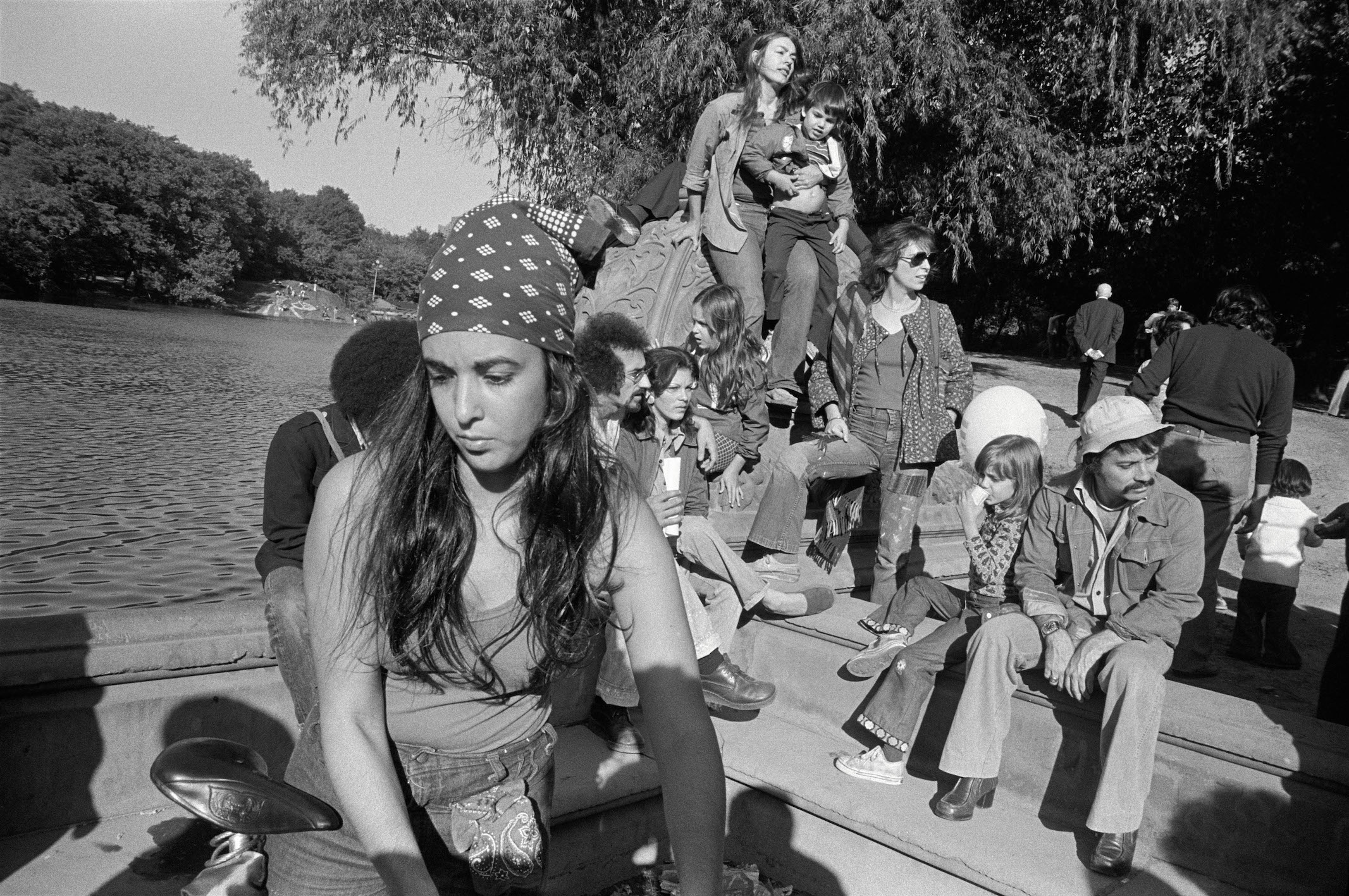
Bethesda Fountain, Central Park, New York City 1975
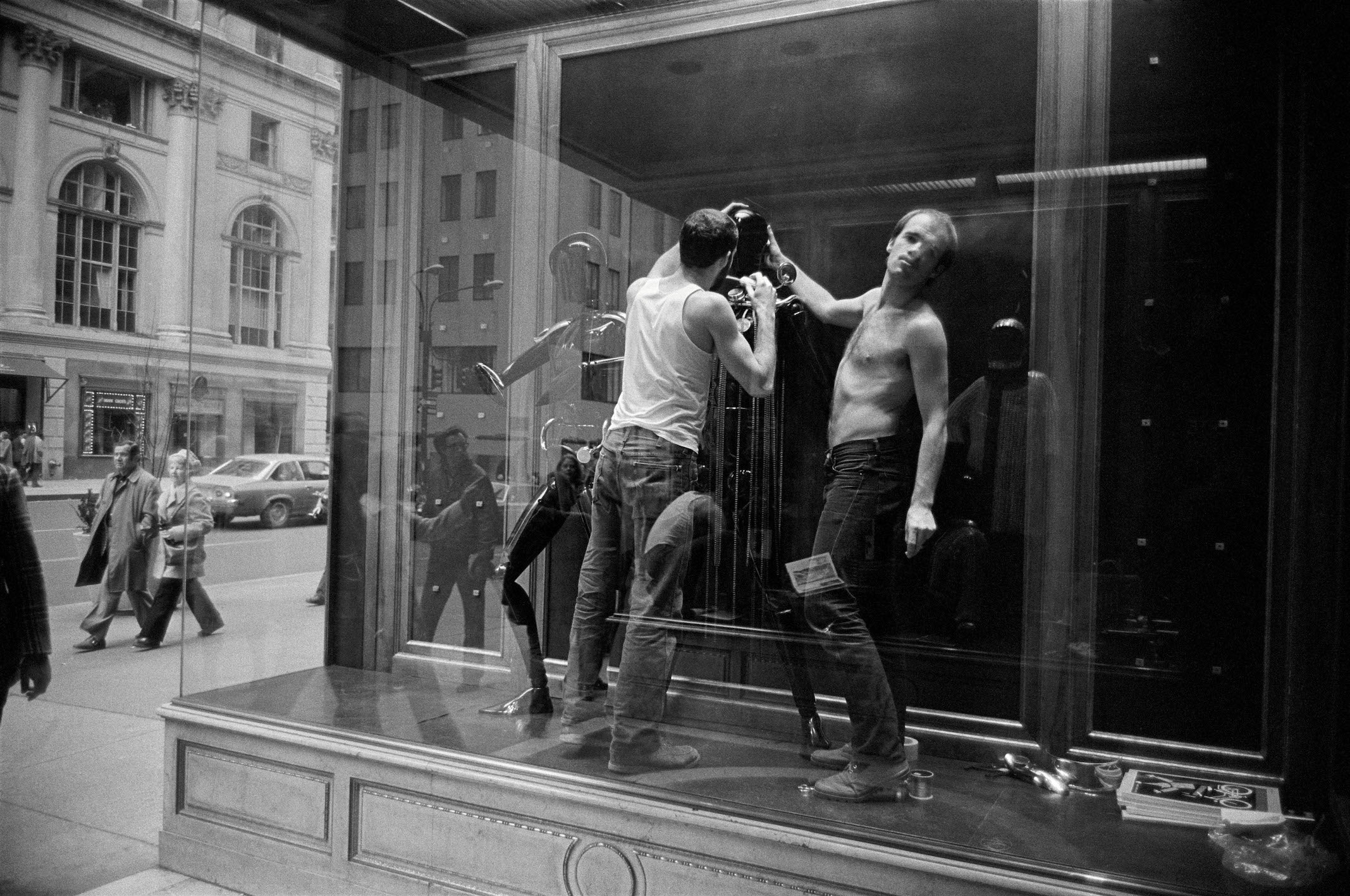
Midtown, New York City 1976
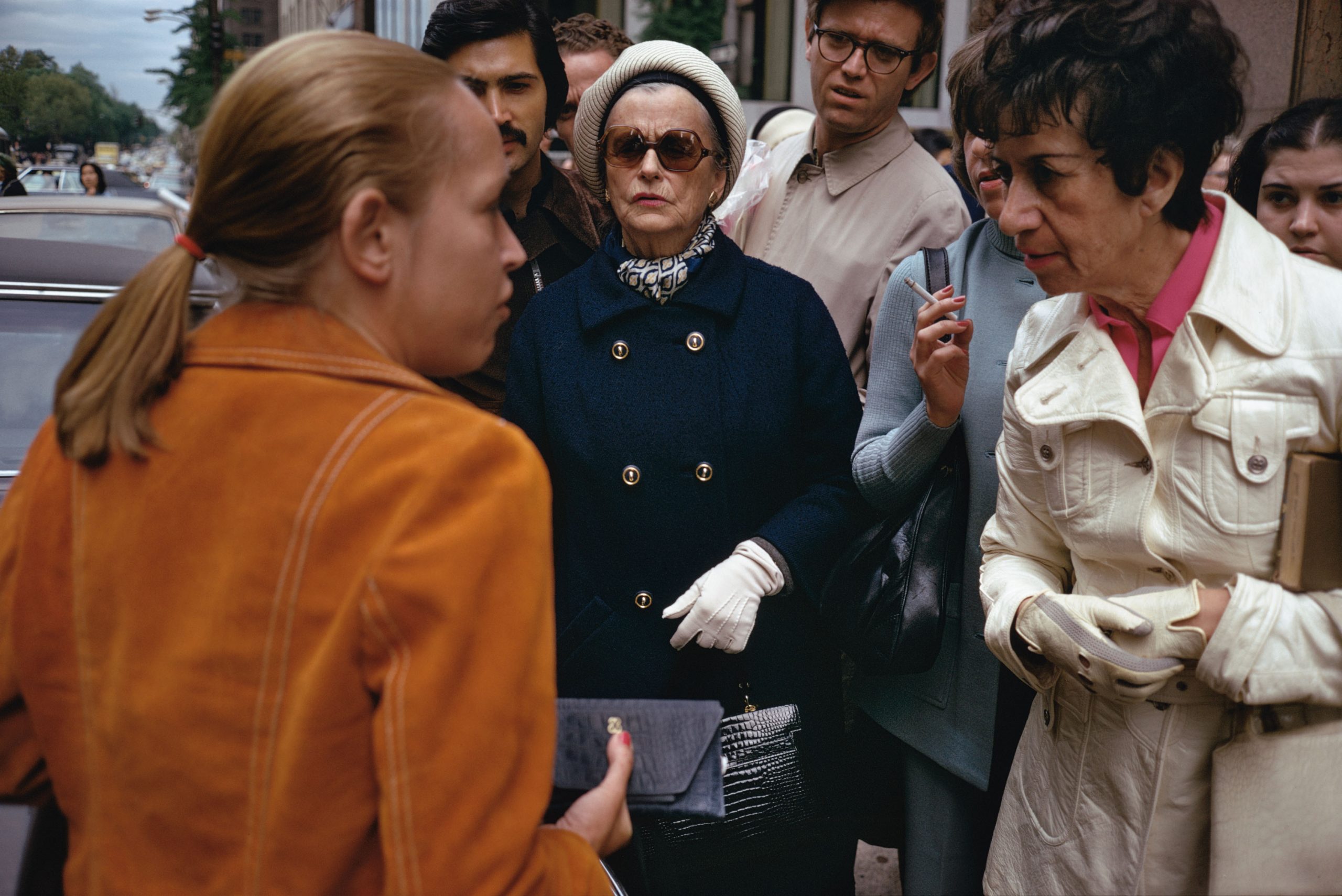
Fifth Avenue, New York City III 1975
Mitch Epstein: Silver + Chrome is on view through January 20, 2023, at Galerie Thomas Zander, Cologne. Silver + Chrome is published by Steidl.
Enjoyed this article? Follow Huck on Twitter and Instagram.
You might like

The lasting community legacy of a legendary Californian boxing gym
Moretón — Since opening in the ’80s, the Coachella Valley Boxing Club has trained multiple world champions, while providing a vital hub for local youth. In his new photobook, Darren Vargas documents its tight-knit, Chicano-led community, while also weaving a deeply personal story.

Inside the grunge golden age with Hole’s former bassist
My ’90s Rock Photographs — Melissa Auf der Maur’s new photobook is a sprawling visual memoir of her time at the heart of the US scene, from Tinker to The Smashing Pumpkins.

Introducing ‘The Chaos Isles’, a new photozine by Huck and Yushy
Normal Island — From unlicensed raves to the solstice at Stonehenge, furries to giant vegetable growers, Yushy is one of the UK’s best lensmen of its wild side. ‘The Chaos Isles’ will be sent out exclusively to Club Huck+ members.

Join Club Huck+ to get the most from Huck
Dispatches from the sharp edge of culture — Members get our print magazine, special photozines, The Huck Long Read newsletter, discounts from our friends and partners, digital versions of back issues and priority access to events.

Signs of solidarity as London marks three years of genocide in Palestine
Never forget — 250,000 people gathered on Saturday as Israeli attacks have continued in Gaza and the West Bank. Daisy Schofield photographed the diverse people and placards in attendance.

Landmark new exhibition is celebrating 50 years of female punk
God Save the Queens — The Museum of Youth Culture is bringing together rare photography, archive material and a one-night-only supergroup featuring members of X-Ray Spex, The Slits and The Raincoats.


