A history of she-punks, from Poly Styrene to Pussy Riot
- Text by Miss Rosen
- Photography by Janette Beckman, courtesy of Fahey/Klein Gallery

Vivien Goldman still remembers what it was like to be the only woman in the room when she began working as a music journalist in London during the early 1970s. “My whole generation was very into music and there was a very vibrant music press known as ‘the inkies,’” Goldman recalls. “It’s a relic now, but it was started by young rebels.”
“There were hardly any women in the field. When you look back it’s insane. I remember big battles at editorial meetings. There was real hostility to my ideas of covering more women and encouraging women. People would say things like, ‘Women don’t make music. Women aren’t into music.’ I was like, ‘Look at me! I’m here in front of you!’ But it was a phalanx of the patriarchy.”
For Goldman, punk was and forever will be a liberating force for women – one which she explores across time and around the globe in the captivating new book Revenge of the She-Punks: A Feminist Music History from Poly Styrene to Pussy Riot (University of Texas Press). Taking a lateral approach, Goldman weaves a fascinating tapestry that threads together themes of identity, money, love, and protest over five decades.
“It’s about what binds us together as women artists, and our concerns,” she says. “I set off on a quest for research and my intent was to look around the world. I wanted to bust open that projection of punk that it only happened in a few blocks in the Lower East Side and West London.”
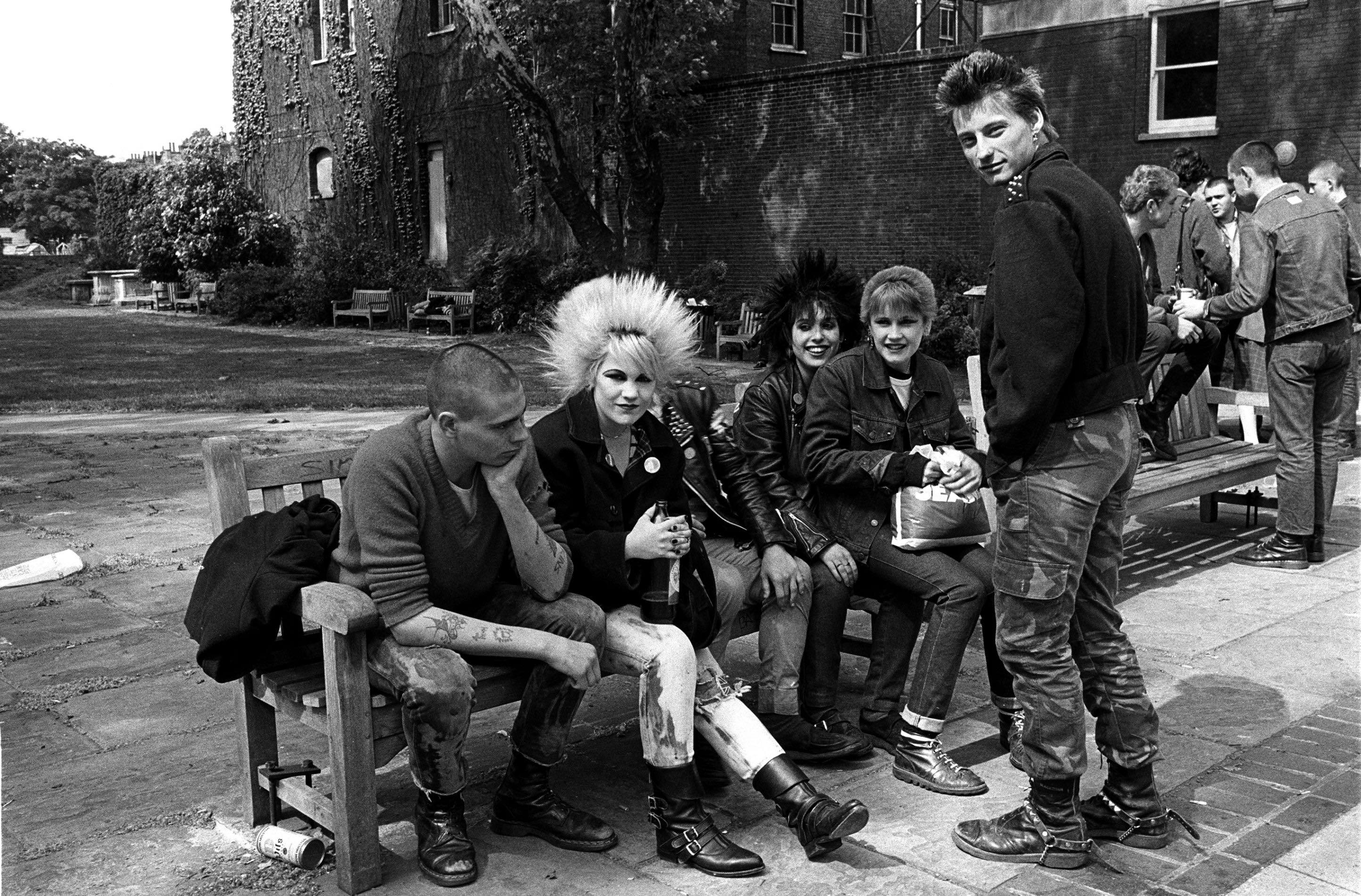
Punks, Worlds End London, 1978
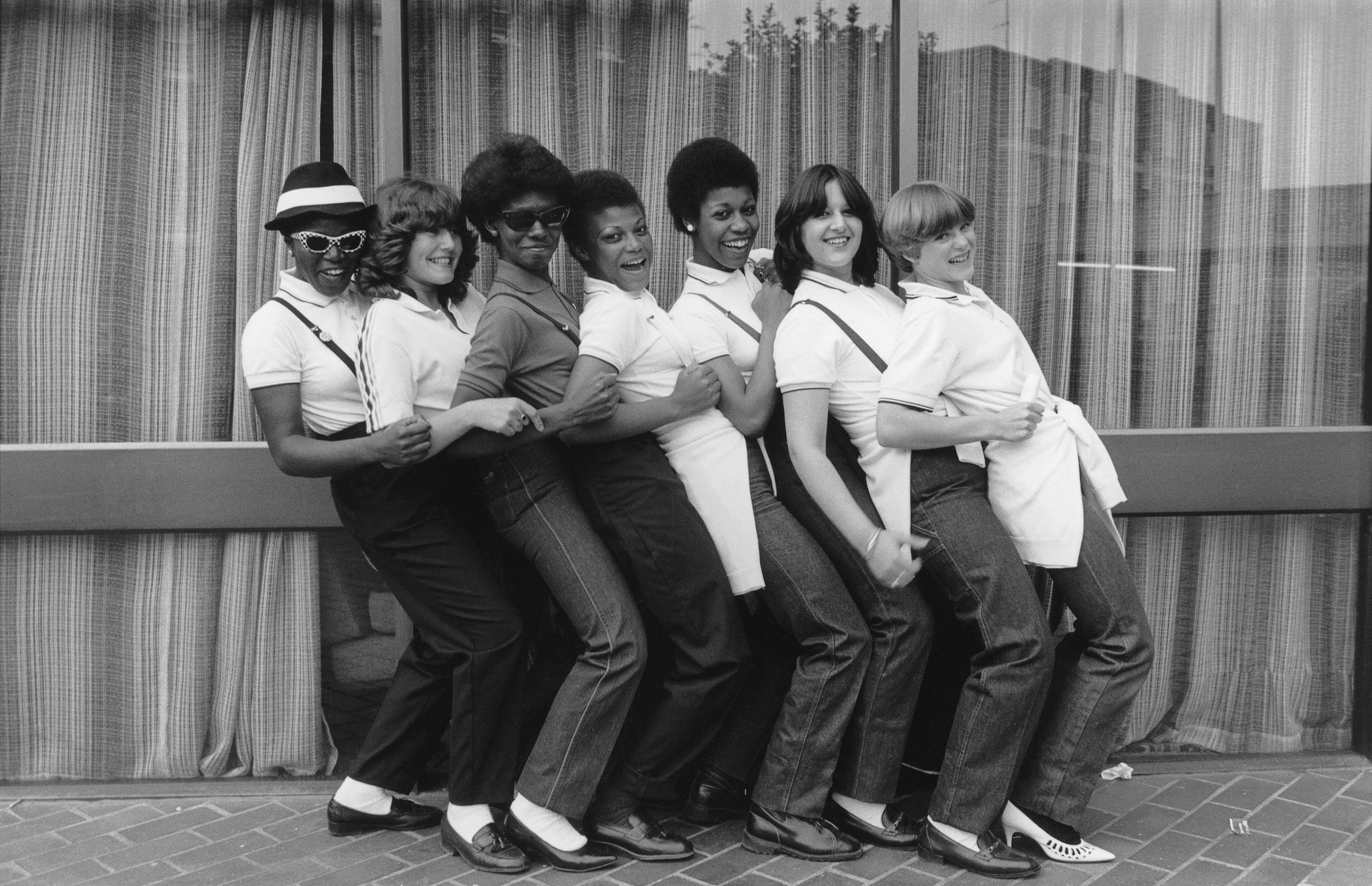
Ska Girls
“It was more than that. It was a moment of active liberation for women, and it encouraged them to express themselves artistically. Anyone can have a go at punk – even women. [Until then] women were often just projections of a reductive male industry view. Everyone had to be packaged like a pop star and be fuckable.”
For Goldman, the personal is still political. Punk has been the definitive force in her life, shaping her voice and community and paying it forward in this book, which showcases her own stories alongside Poly Styrene, Blondie, the Raincoats, Bikini Kill, and Pussy Riot. It provides a richly-layered cultural history of women acting in their best interest.
She adds that punk is the perfect vehicle for personal liberation, creative expression, and political resistance. “It’s a primal burst, where you don’t have to be a big virtuoso, especially to express anger, frustration, your urge for a better world – something revolutionary. That is what punk is for and that’s why it’s still here.”
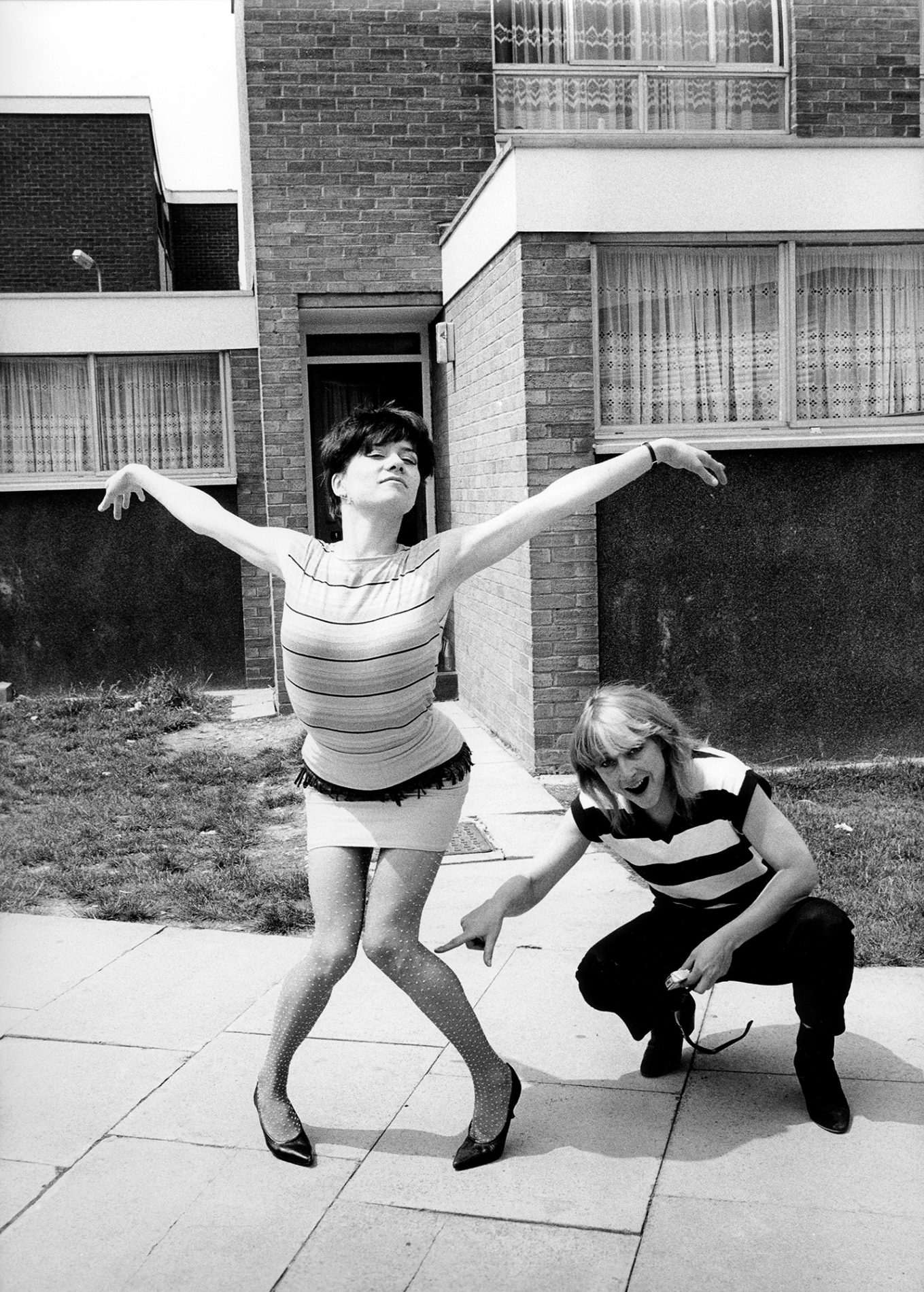
The Mo-dettes, Ramona Kate London 1980

Debbie Harry, London 1979

Go Gos, Los Angeles 1980
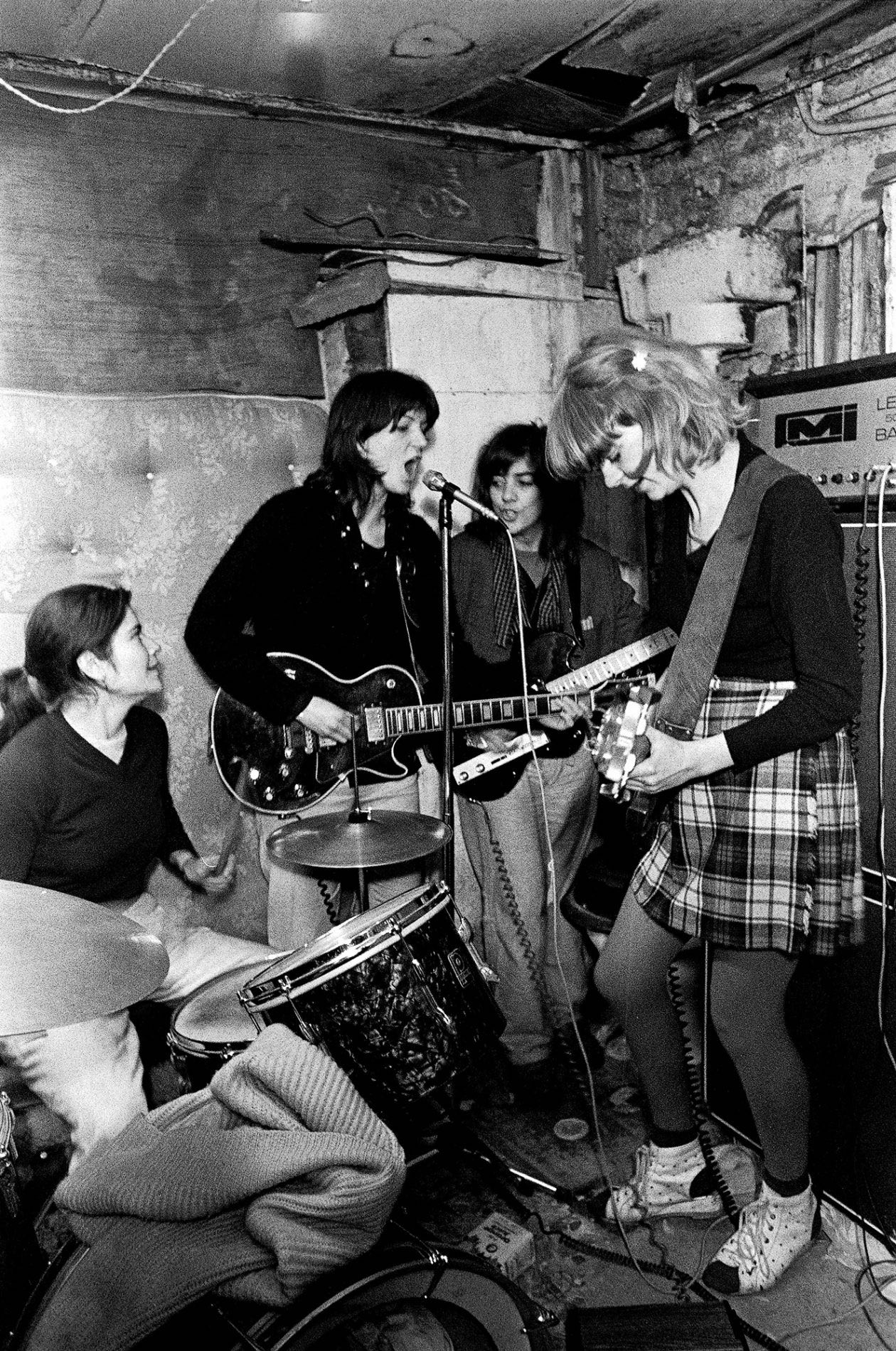
The Raincoats, London 1979
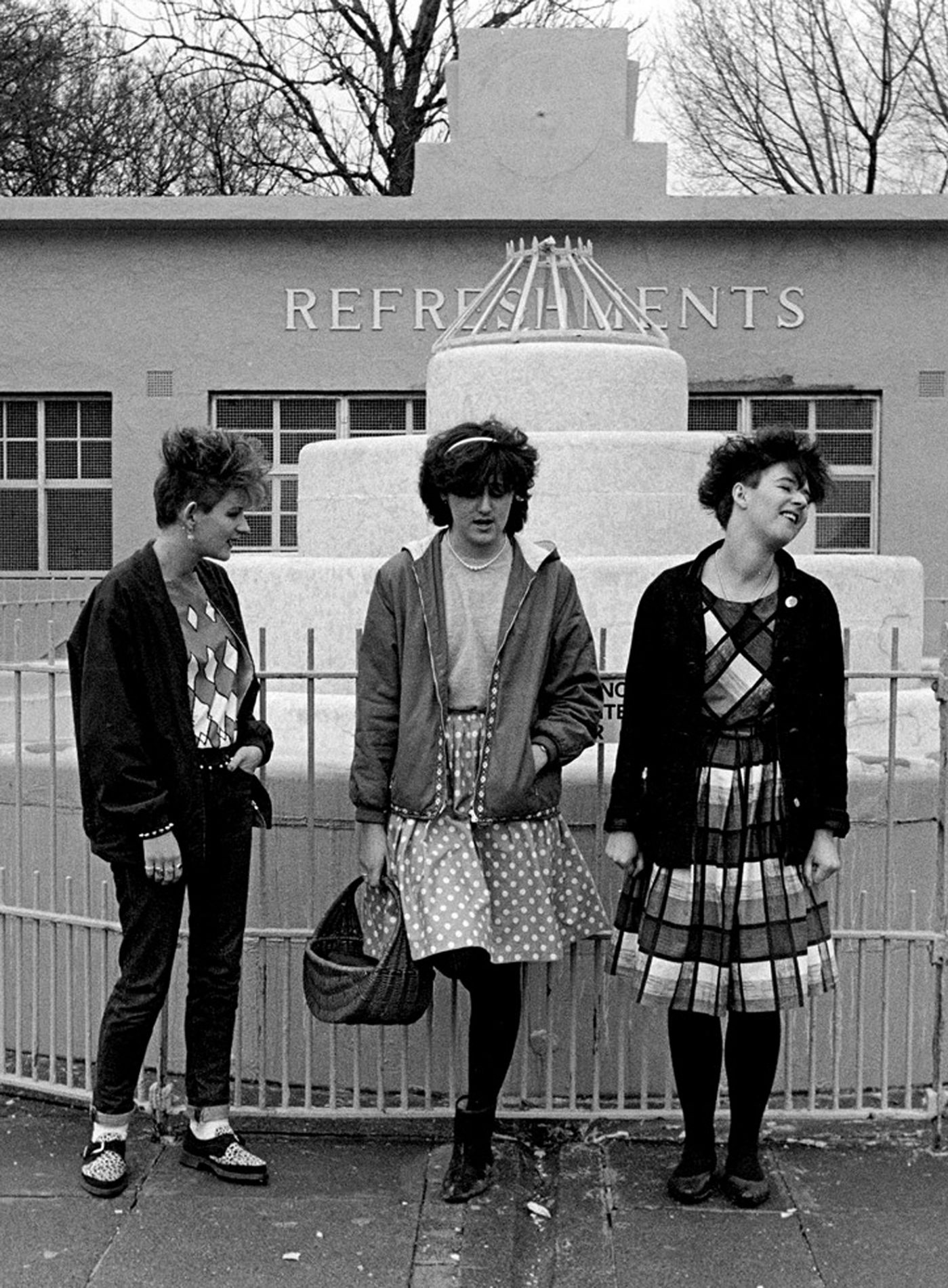
The Marine Girls, London 1980

Poison Ivy, The Cramps
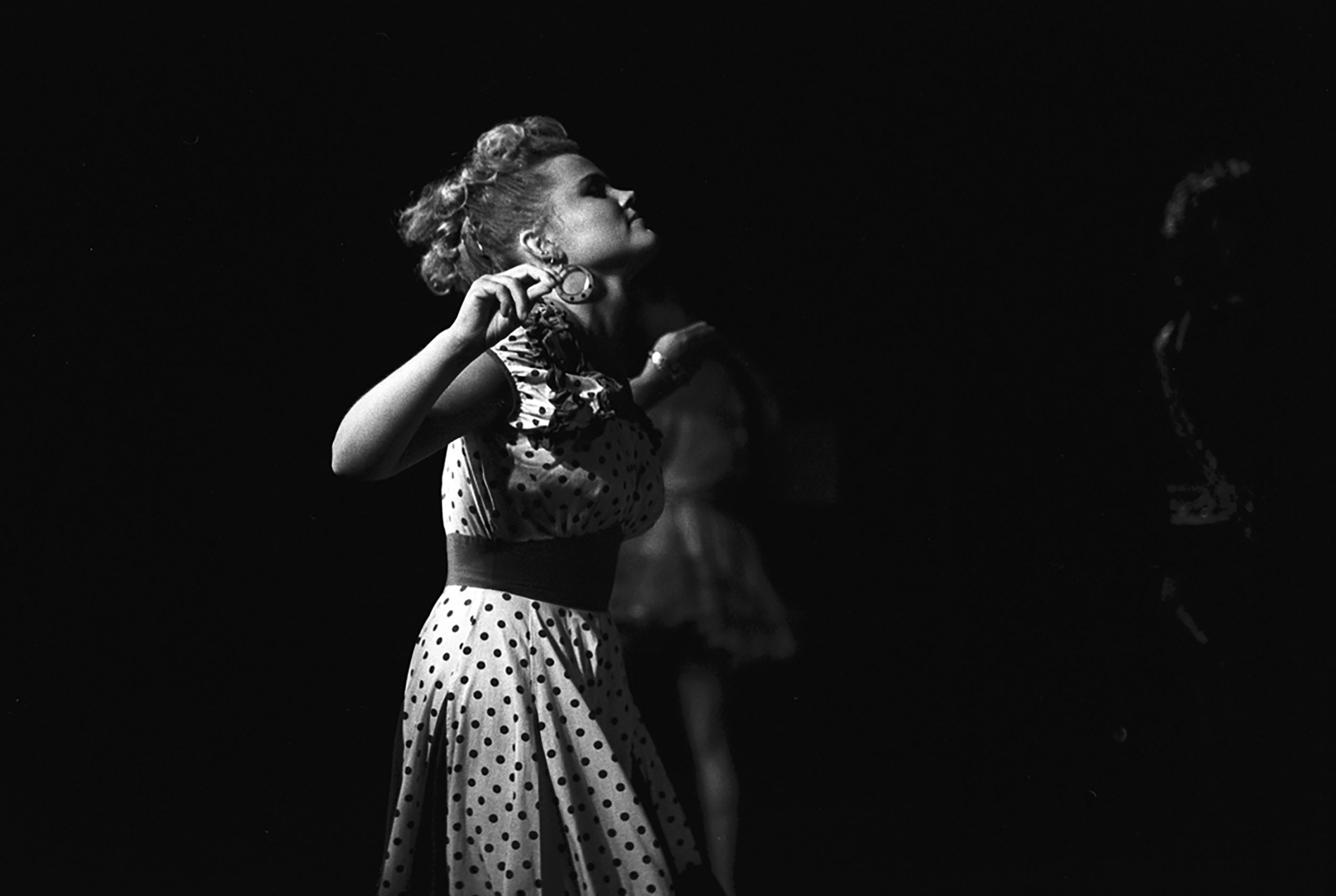
Belinda Carlisle Go Gos LA 1982
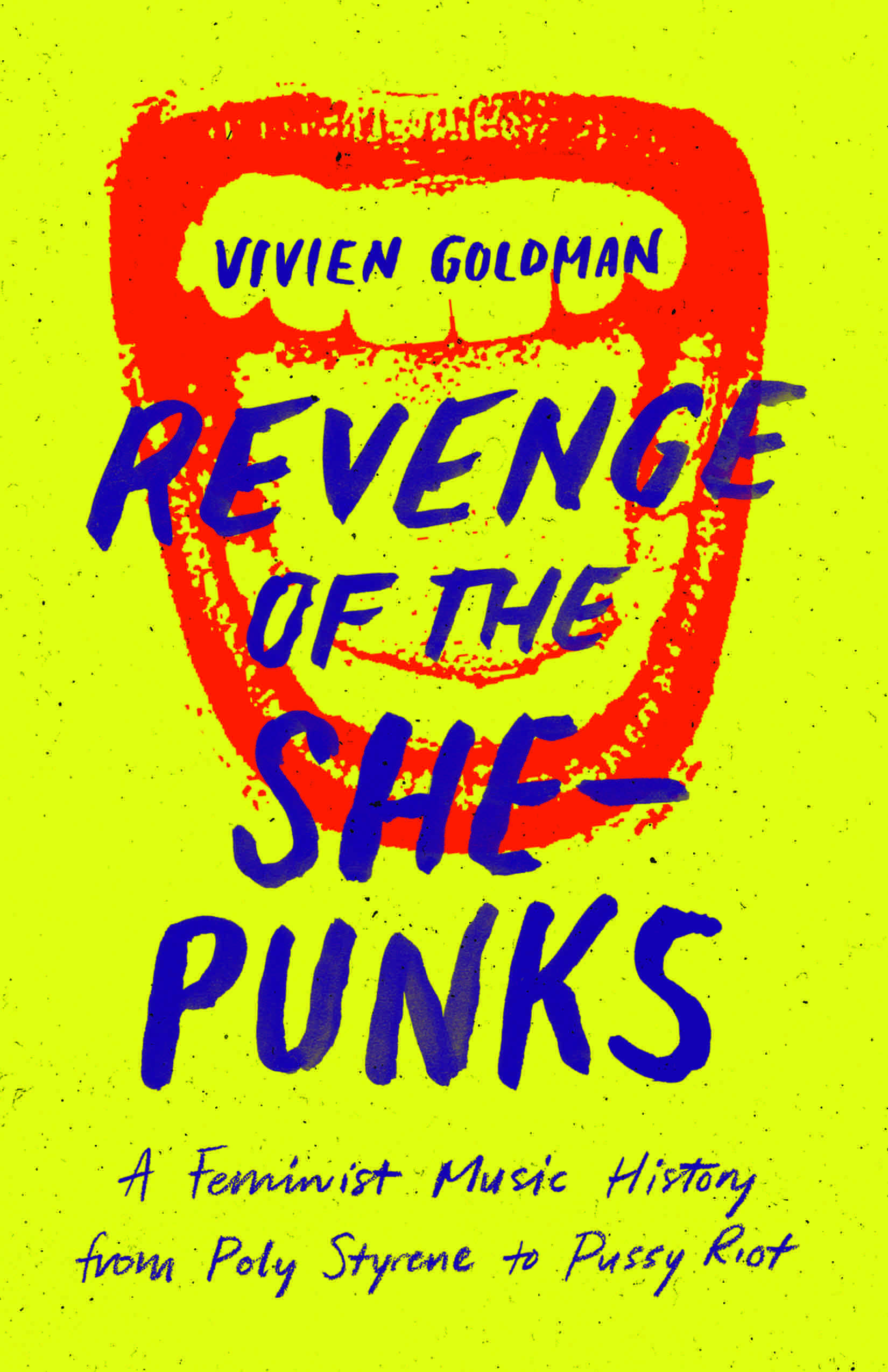
Revenge of the She-Punks: A Feminist Music History from Poly Styrene to Pussy Riot is available now on University of Texas Press.
Follow Miss Rosen on Twitter.
Enjoyed this article? Like Huck on Facebook or follow us on Twitter.
You might like

Photographing America’s 20th century rebels
Rebels With a Cause — A new monograph looks back at Jean-Pierre Laffont’s extensive archive documenting counterculture, art, activism and more, shaping the country as it is today.
Written by: Isaac Muk

Space Afrika are flying the flag for the Black avant-garde
Quiet Storm — Mancunian duo Joshua Tarelle Reid and Joshua Inyang have been soundtracking their vision of industrial decay for the best part of a decade. Their latest album sees the pair join forces with global diasporic voices to create their most personal, expansive record yet.
Written by: Jack Dennison-Thompson

The long history of slop in music
Top of the Slops — The term might be everywhere now, but the act of copying and enshittifying has been around for decades, explains Ian McQuaid.
Written by: Ian McQuaid

A chaotic portrait of an ’80s American farming family
Holy Cow! — Melonie Bennett grew up on a farm in Maine in the ’80s, and documented her family’s idiosyncratic daily life. She presents those humorous, everyday memories in a new exhibition and photobook.
Written by: Miss Rosen

Nick Danziger’s striking vision of everyday British life in the ’90s
The British 1994-1999 — The renowned photojournalist returned to his birth country on the cusp of the Millennium, capturing its contradictions with humour and wit.
Written by: Miss Rosen

Exploring girlhood and land ancestry in Sudan’s cotton fields
Cotton Queen – A new feature debut from filmmaker Suzannah Mirghani explores the legacy of colonialism and the fight for self-determination through the tender eyes of a teenage girl.
Written by: Roxana Diba


