The history of art and rave culture in ’90s Poland
- Text by Eric Thorp
- Photography by Łukasz Ronduda / The Museum

Post-Soviet Poland was an explosion of liberty, art and music – and nowhere were these changes more innovative and free than in the country’s rapidly developing rave scene.
After emerging from behind the Iron Curtain in the early ’90s, Poland – which already had a strong reputation for its visual arts and graphic design – reimagined its aesthetics within the optimism of a new era. At the time, artists were especially drawn to rave; a subculture which embodied the country’s new found freedom, while offering a sense of community in the face of capitalist-driven privatisation.
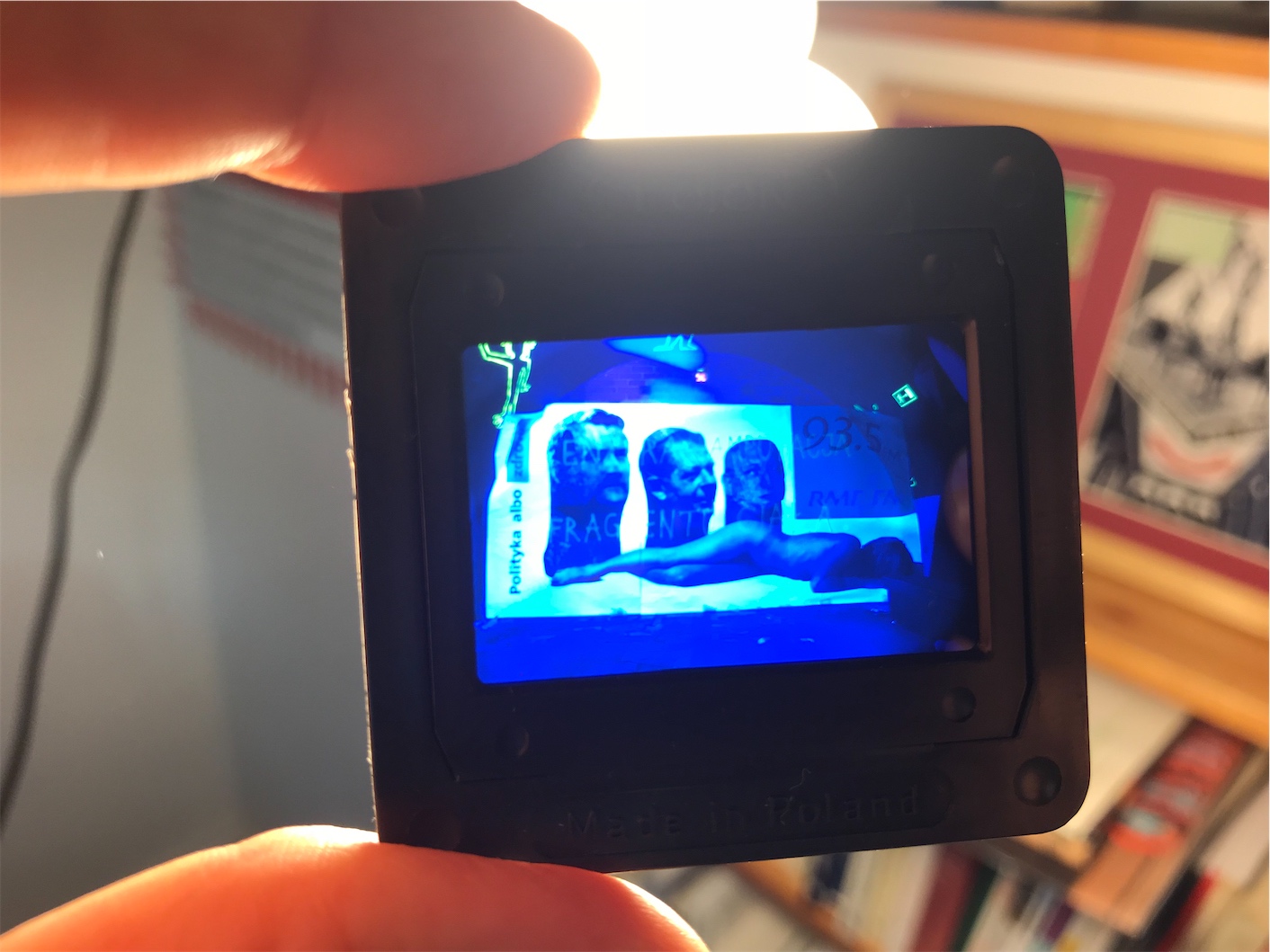
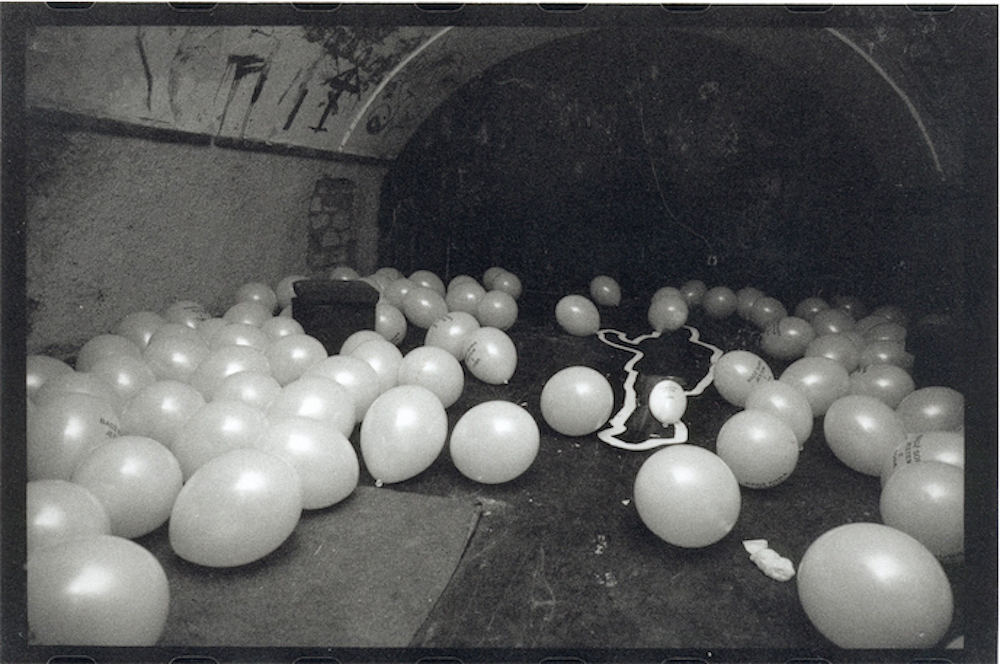
140 Beats Per Minute – Rave Culture And Art In 1990s Poland is an evening of films focusing on the role of rave in relation to the pop tendency of Polish art in the 1990s. The event, which will be held at Tate Modern on Friday April 26, will explore the art and imagery at the heart of the country’s rave scene, using interviews and images from key figures both then and now.
Łukasz Ronduda is one of the co-curators of 140 BPM, and a central figure in the documentation of the scene and what he describes as the current “second wave” of Polish rave. His 2017 exhibition, also titled 140 BPM, at Warsaw’s The Museum played an integral role in the current fascination with the early scene and its ideology.
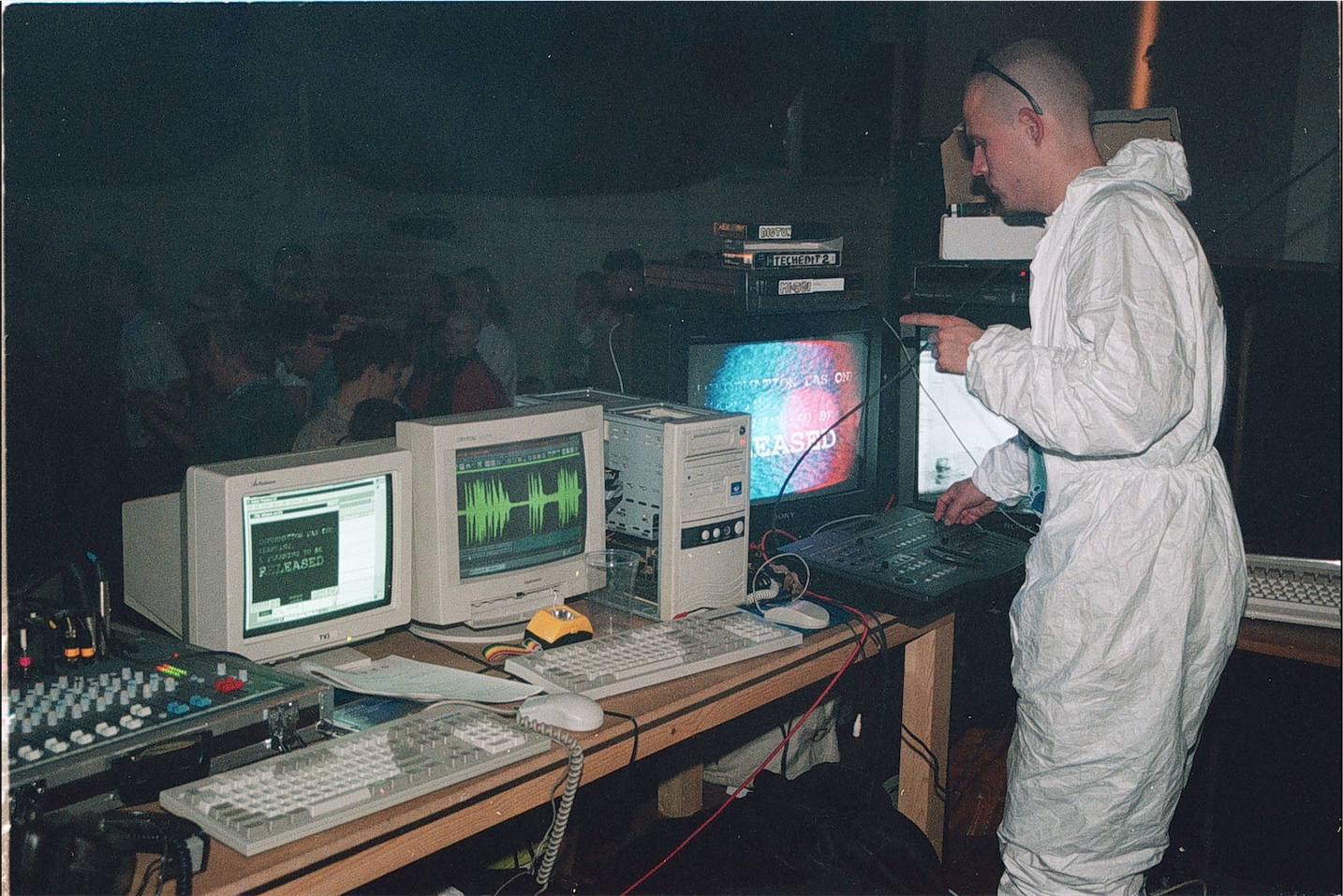
“It began with a very optimistic energy and connected with this opening to the West; an opening to capitalism,” Ronduda explains. “It was connected with a strength that we would soon be very modern; part of Europe and globalisation. It was very naive.”
Rave was shunned by Poland’s cultural elite, and instead established itself in smaller rural communities. “Rave culture was very strongly connected to this new capitalist reality, but what was also interesting in Poland was that it was developing itself in the villages outside the major cities in the ’90s,” Ronduda continues. “It was a very important factor of these small village’s discotheques – peasant culture. Because it was abstract, it was very connected to the body and it looked modern and Western it was very popular and had this rural aspect.”
Now, Polish rave has become a sophisticated, global hybrid of its former self. Once dismissed, the subculture is now celebrated by cosmopolitan creatives, and is still thriving in the country’s biggest cities.
“Rave is very popular in Poland now, in the cities,” adds Ronduda. “Rave culture is now coming from Berlin, London. It’s very vivid. But we have our very brutal, rural tradition of rave. We are interested in how this local ‘rave’ and globalised ‘rave’ are mixing in Poland. It represents the conflict that is in Polish society.”
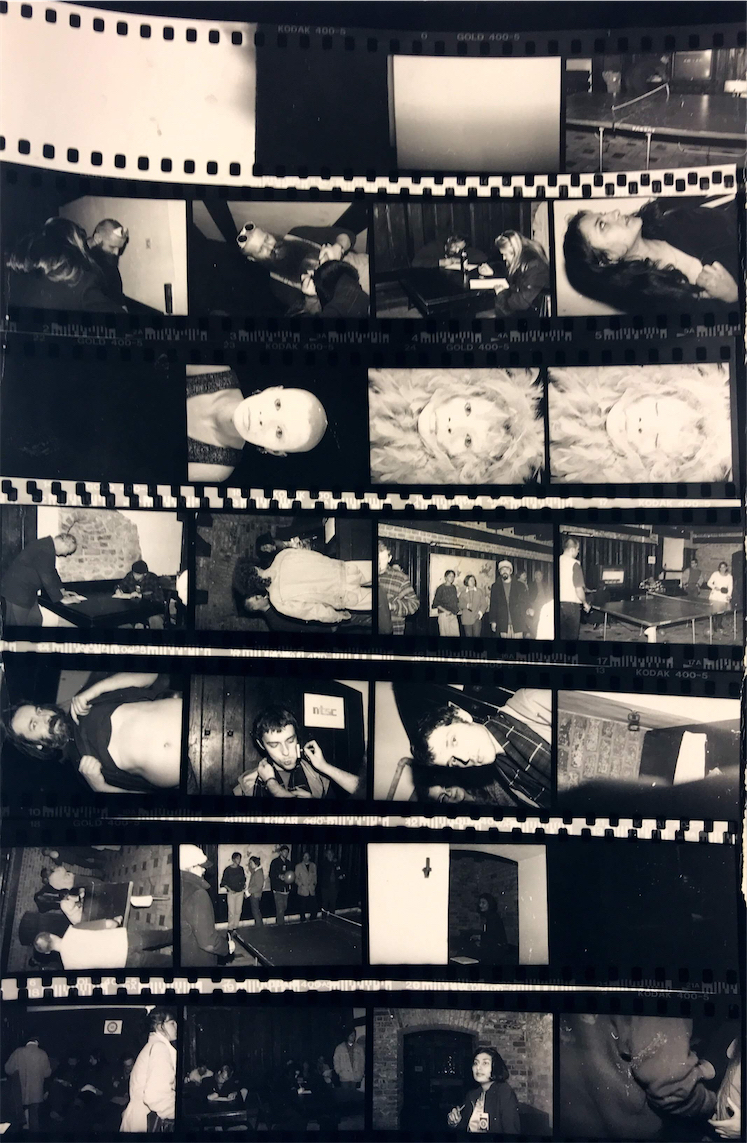
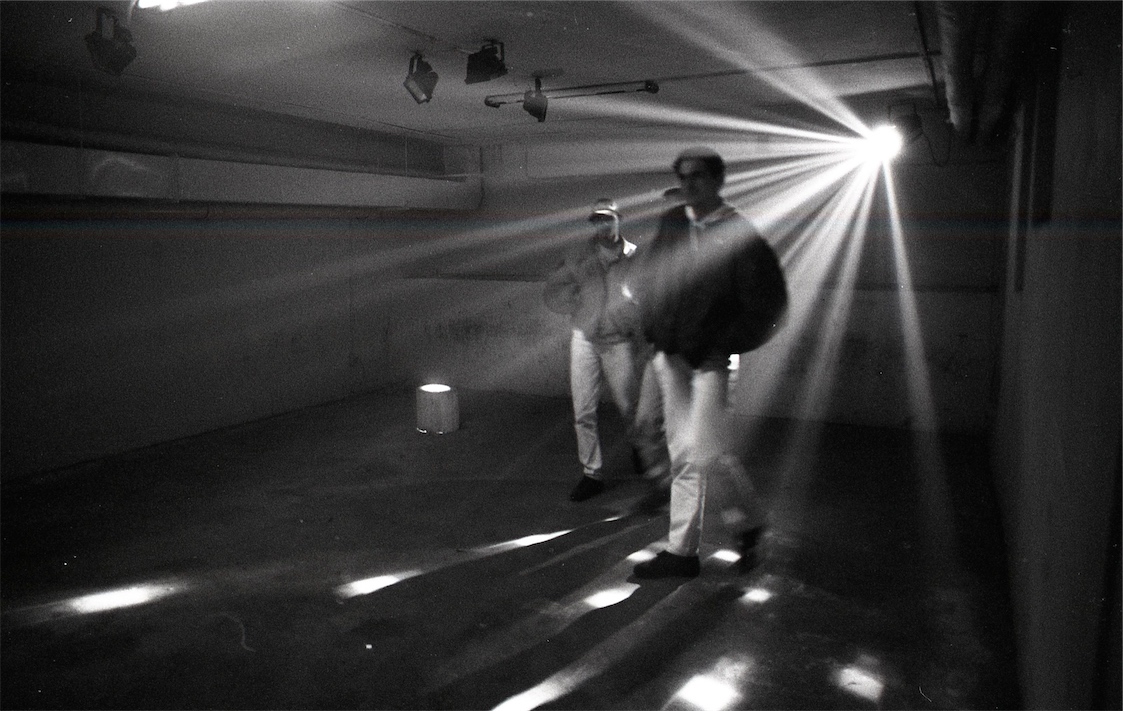
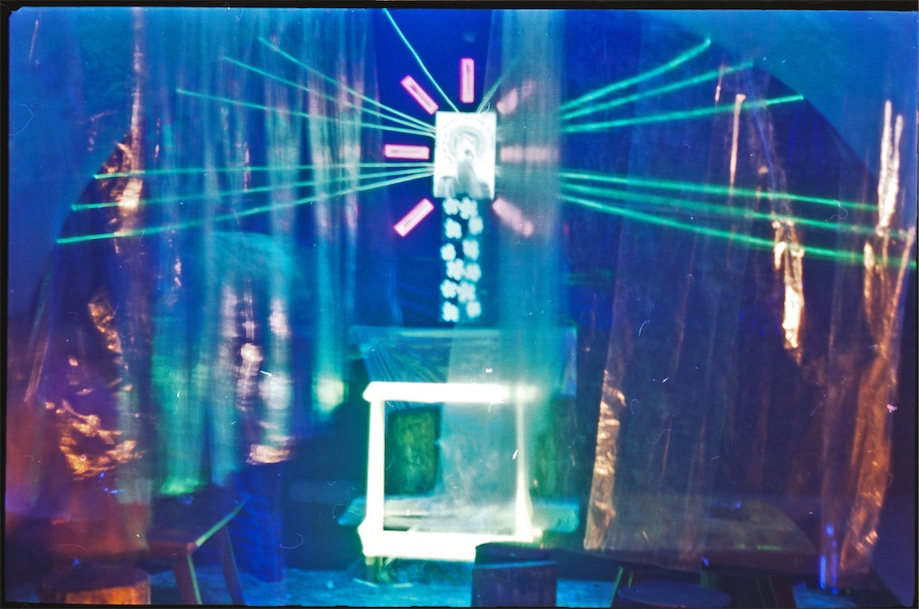
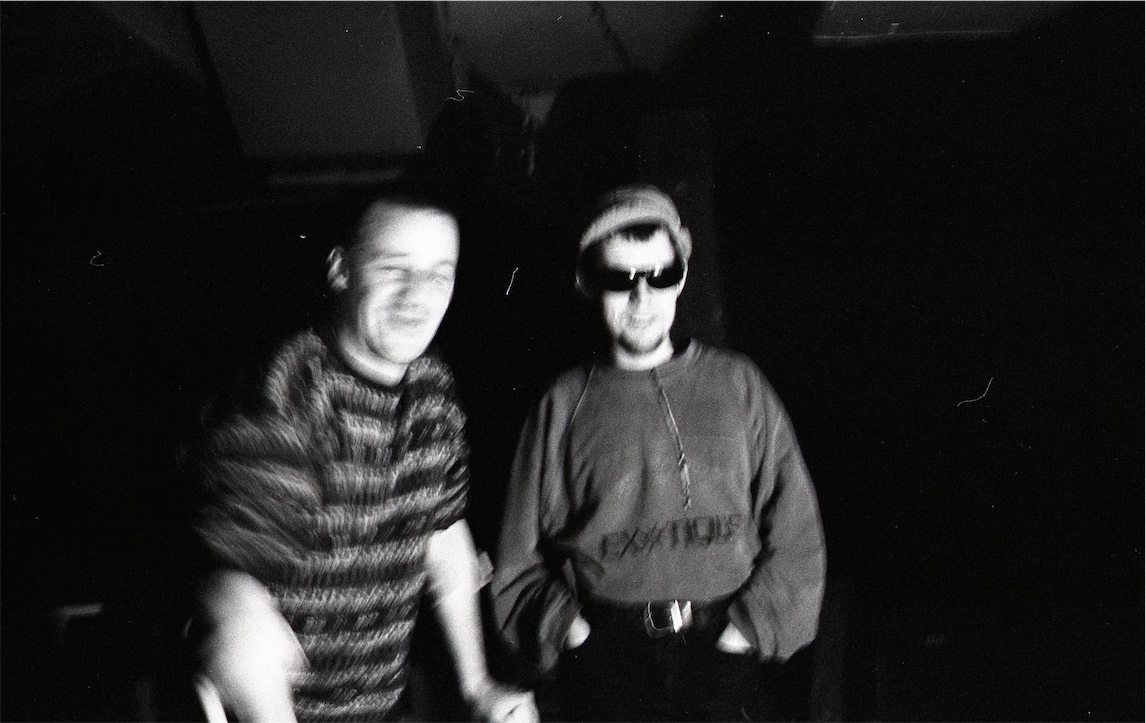
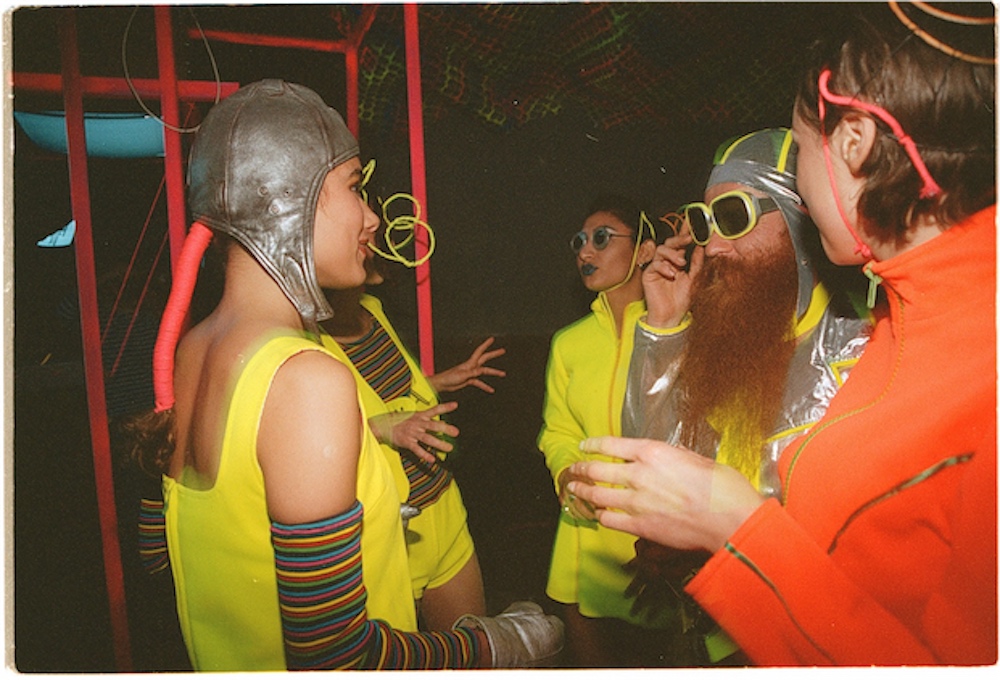
140 Beats Per Minute is showing at the Tate Modern on April 26th.
Follow Eric Thorp on Twitter.
Enjoyed this article? Like Huck on Facebook or follow us on Twitter.
You might like

In photos: The newsagents keeping print alive
Save the stands — With Huck 83 hitting shelves around the world, we met a few people who continue to stock print magazines, defying an enduringly tough climate for physical media and the high street.
Written by: Ella Glossop

The quiet, introspective delight of Finland’s car cruising scene
Pilluralli — In the country’s small towns and rural areas, young people meet up to drive and hang out with their friends. Jussi Puikkonen spent five years photographing its idiosyncratic pace.
Written by: Josh Jones

The last days of St Agnes Place, London’s longest ever running squat
Off the grid — Photographer Janine Wiedel spent four years documenting the people of the Kennington squat, who for decades made a forgotten row of terraced houses a home.
Written by: Isaac Muk

How Japan revolutionised art & photography in the ’60s and ’70s
From Angura to Provoke — A new photobook chronicles the radical avant-garde scene of the postwar period, whose subversion of the medium of image making remains shocking and groundbreaking to this day.
Written by: Miss Rosen

Artifaxing: “We’ve become so addicted to these supercomputers in our hands”
Framing the future — Predominantly publishing on Instagram and X, the account is one of social media’s most prominent archiving pages. We caught up with the mysterious figure behind it to chat about the internet’s past, present and future, finding inspiration and art in the age of AI.
Written by: Isaac Muk

The lacerating catharsis of body suspension in Hong Kong
Self-Ferrying — In one of the world’s most densely packed cities, an underground group of young people are piercing their skin and hanging their bodies with hooks in a shocking exploration of pain and pleasure. Sophie Liu goes to a session to understand why they partake in the extreme underground practice.
Written by: Sophie Liu


