Down and out in east LA: vintage shots of Chicano life
- Text by Miss Rosen
- Photography by Wynn Miller

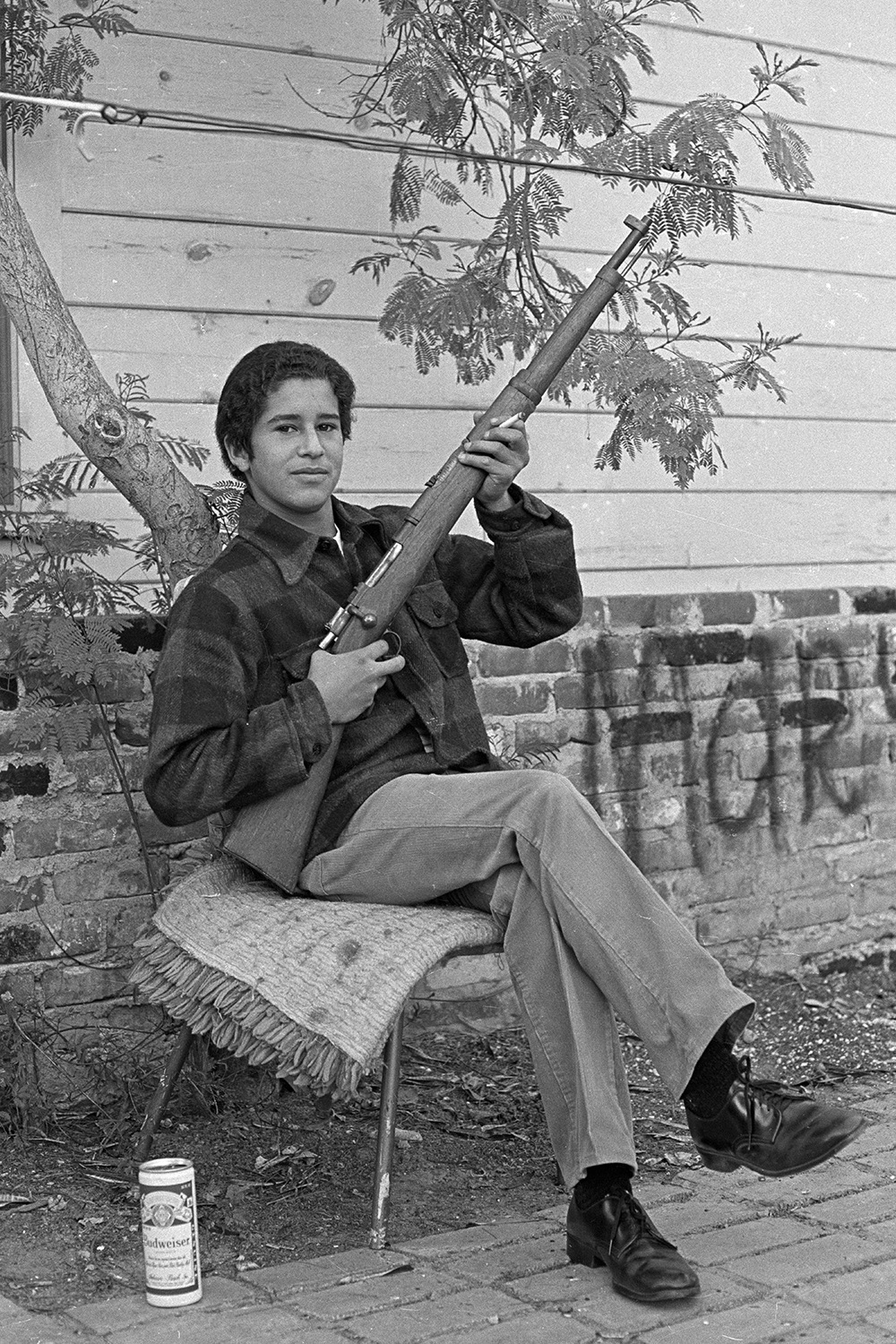
Born and raised in Los Angeles, Wynn Miller first visited the city’s Eastside in the 1970s, after an invitation from his brother-in-law to meet members of the Arizona Maravilla gang. “It was a foreign world to me; I was a surfer,” Miller remembers. “I didn’t know anything about the gangs.”
“I took a few pictures and when I got home I made a few prints in my own darkroom. I thought they were really cool so I decided to take a chance. I took pictures of their kids and that was my way into the gang life.”
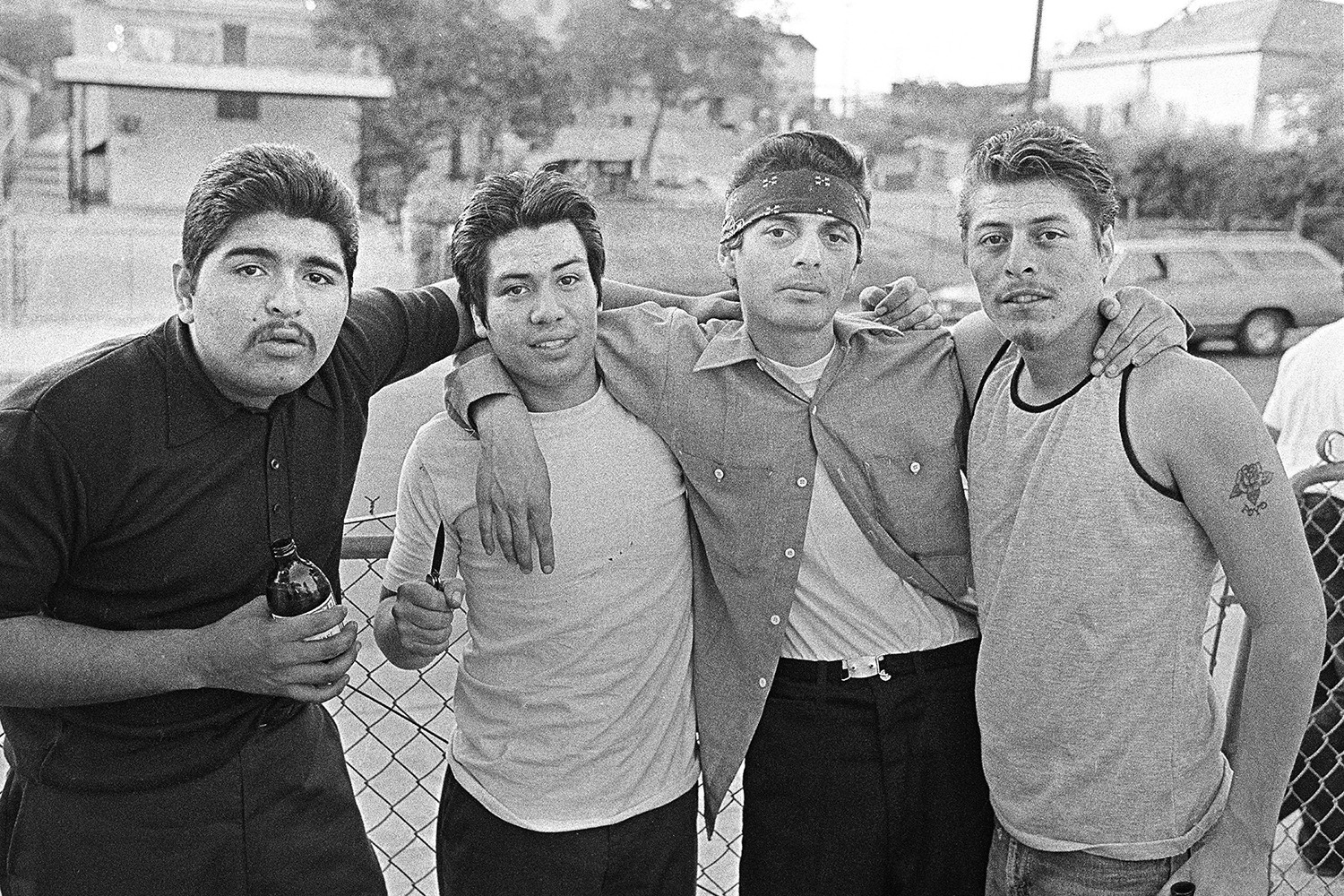
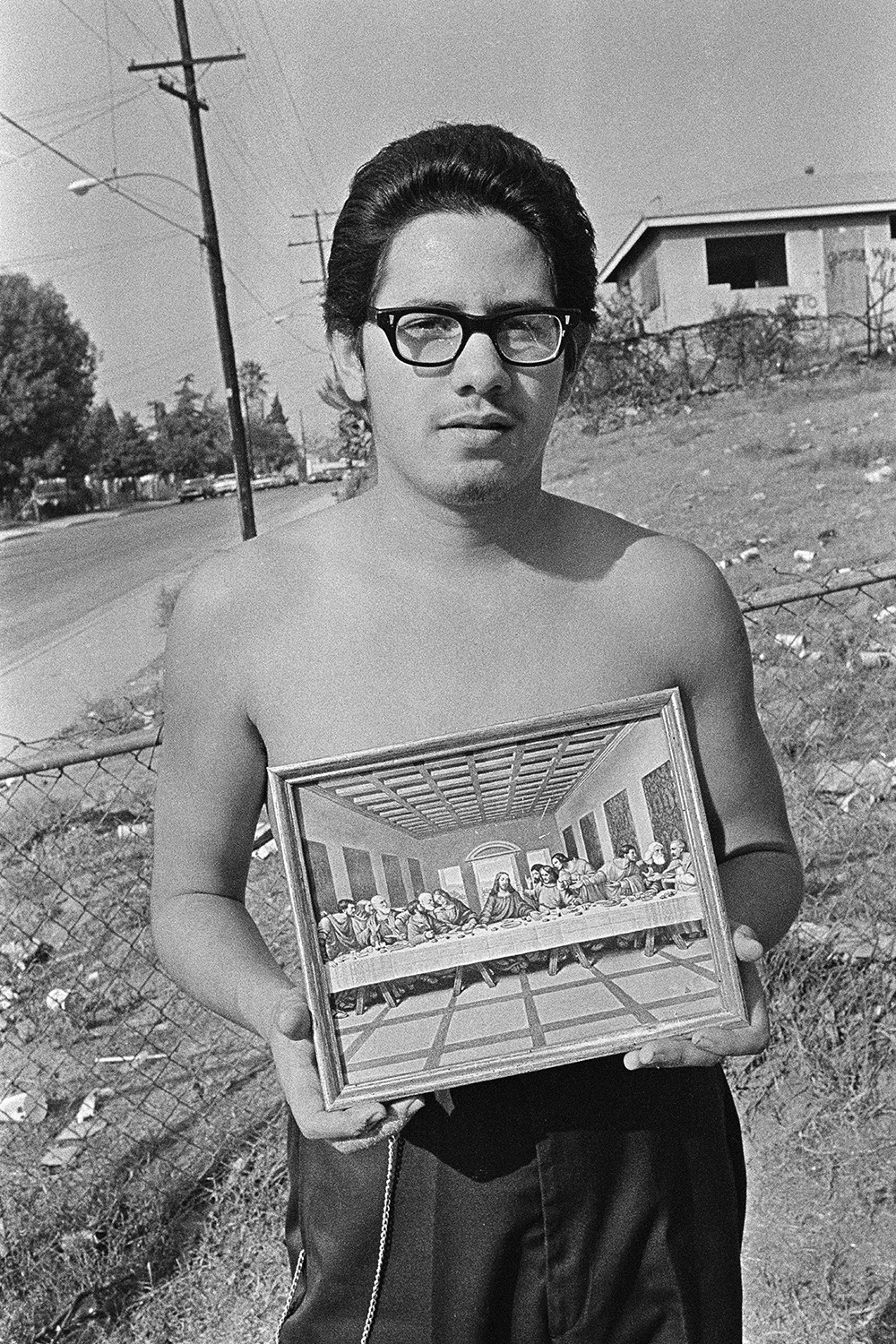
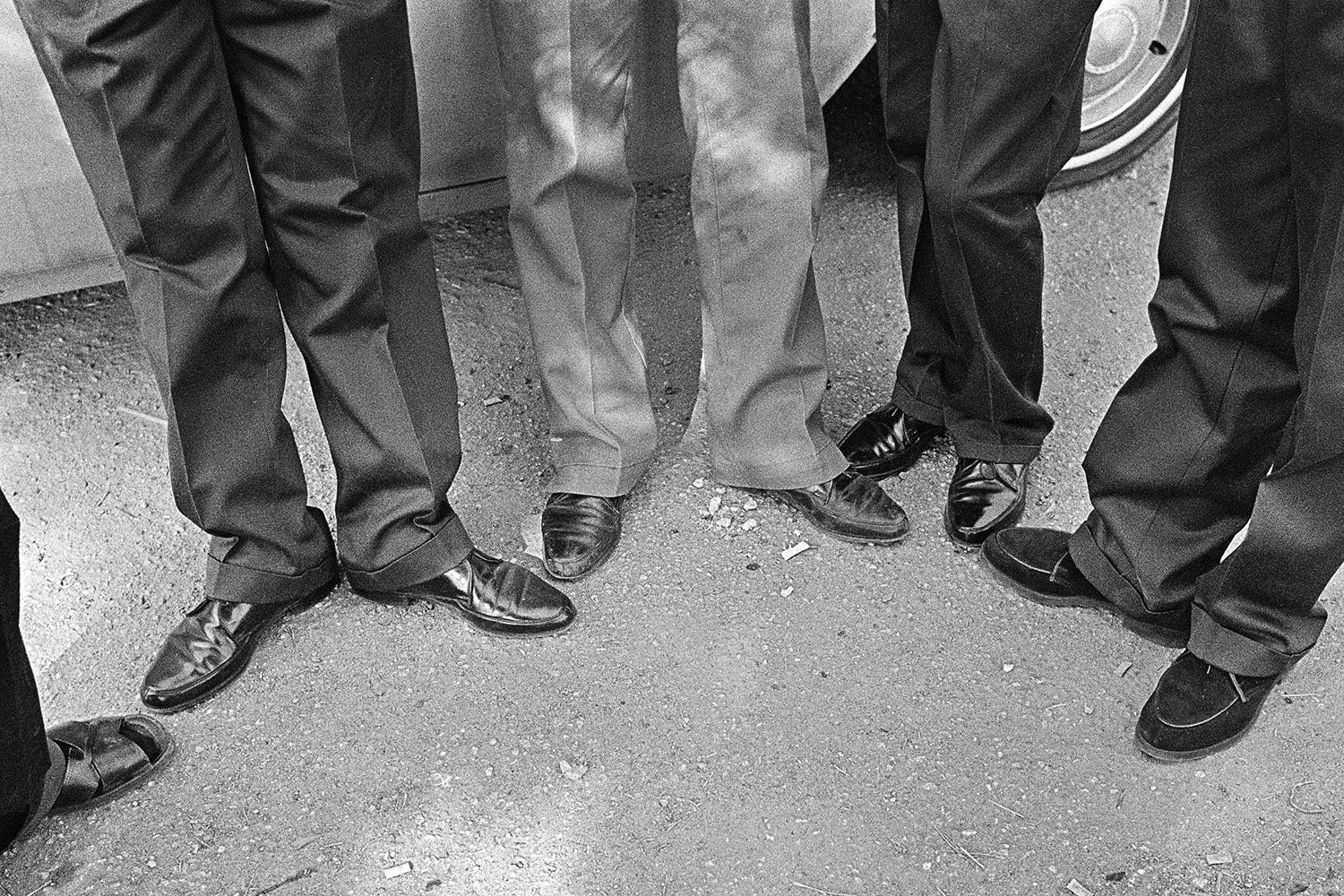
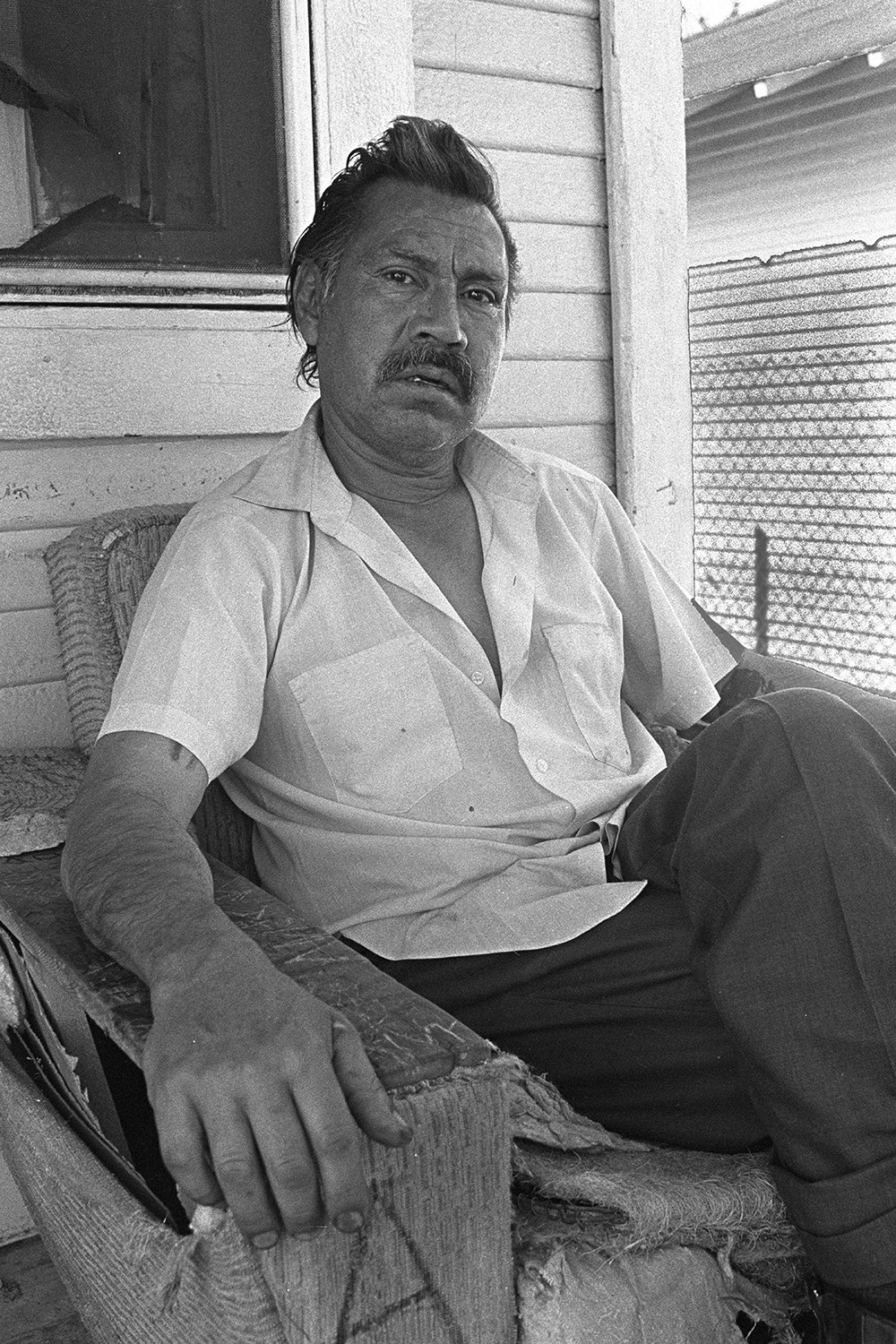
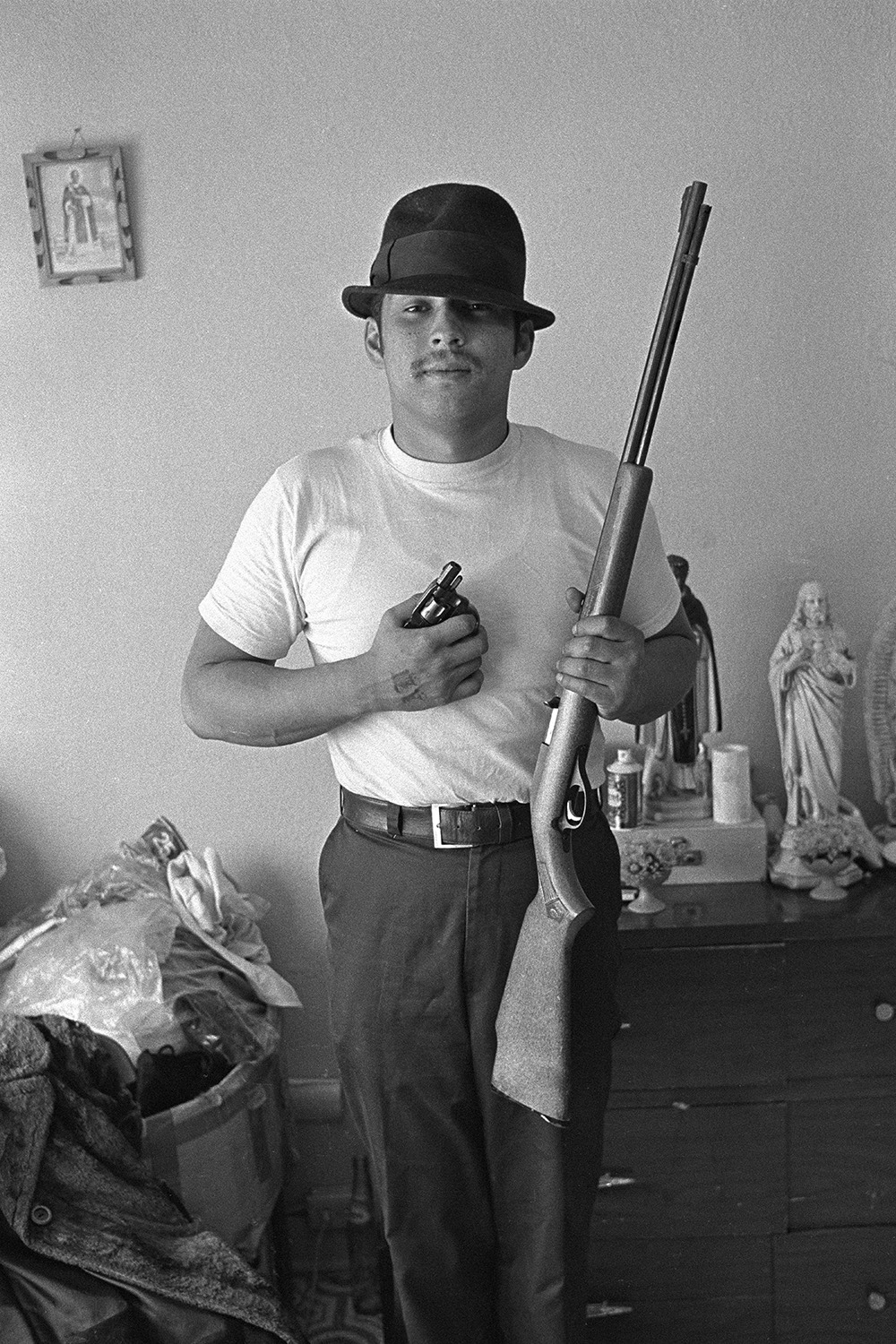
Over the next year, Miller would spend his weekends in the area, creating a series of black and white environmental portraits. Recently on view in the exhibition On the Edge of Society, his photographs are an intimate look at the brotherhood in a disenfranchised community living on the margins of society.
“The guys were really close to one another,” Miller says. “It wasn’t something I had experienced. I had close friends, but not like this. Most didn’t have jobs. There were a lot of abandoned lots in the area and we would gather around a couple of cars.”
After his first few visits, a couple of members named Lyle and Squire took Miller under their wing and vouched for him: “Some of the guys got serious about harassing me. Fortunately, Squire and Lyle watched over me and got what I was trying to do.”
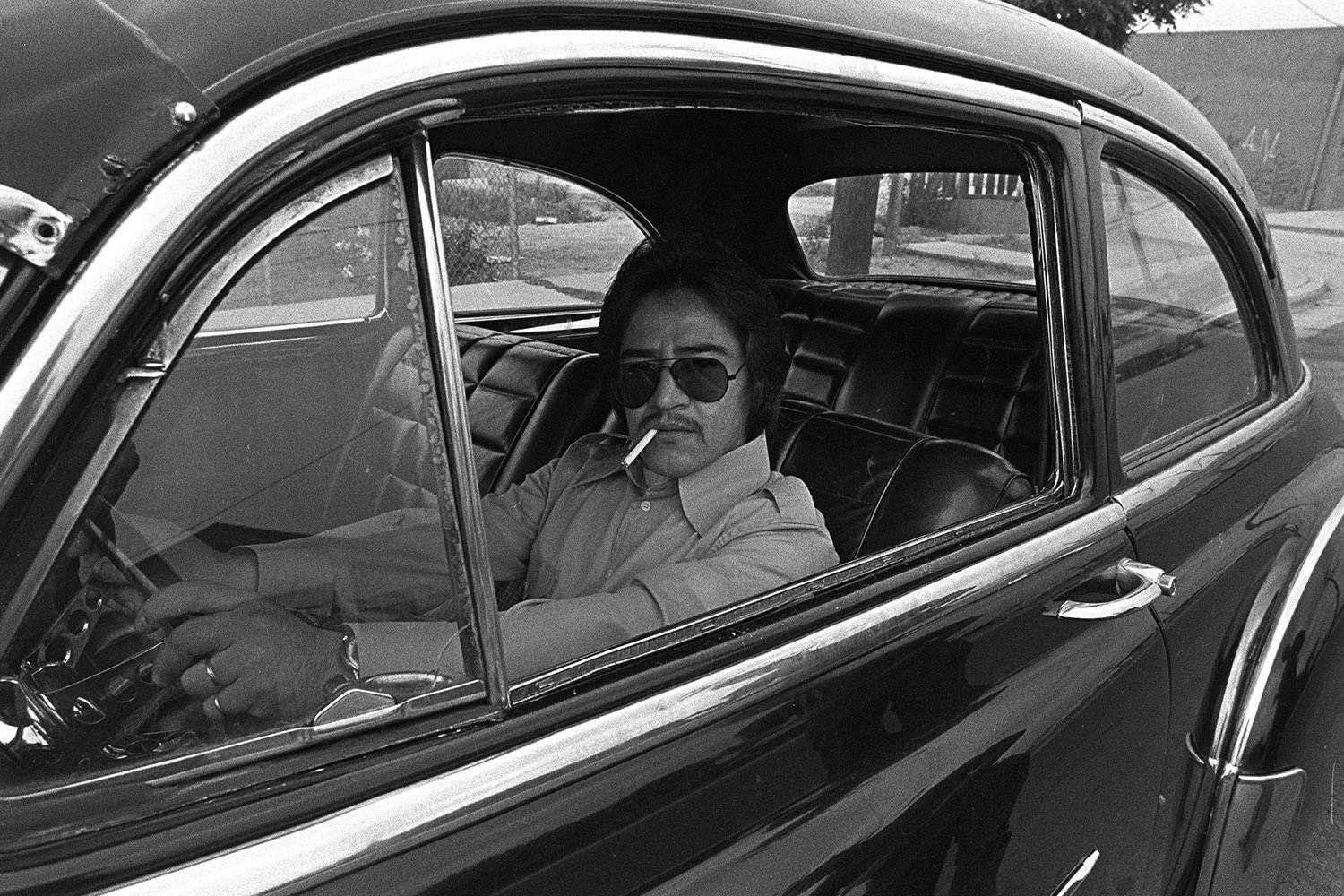
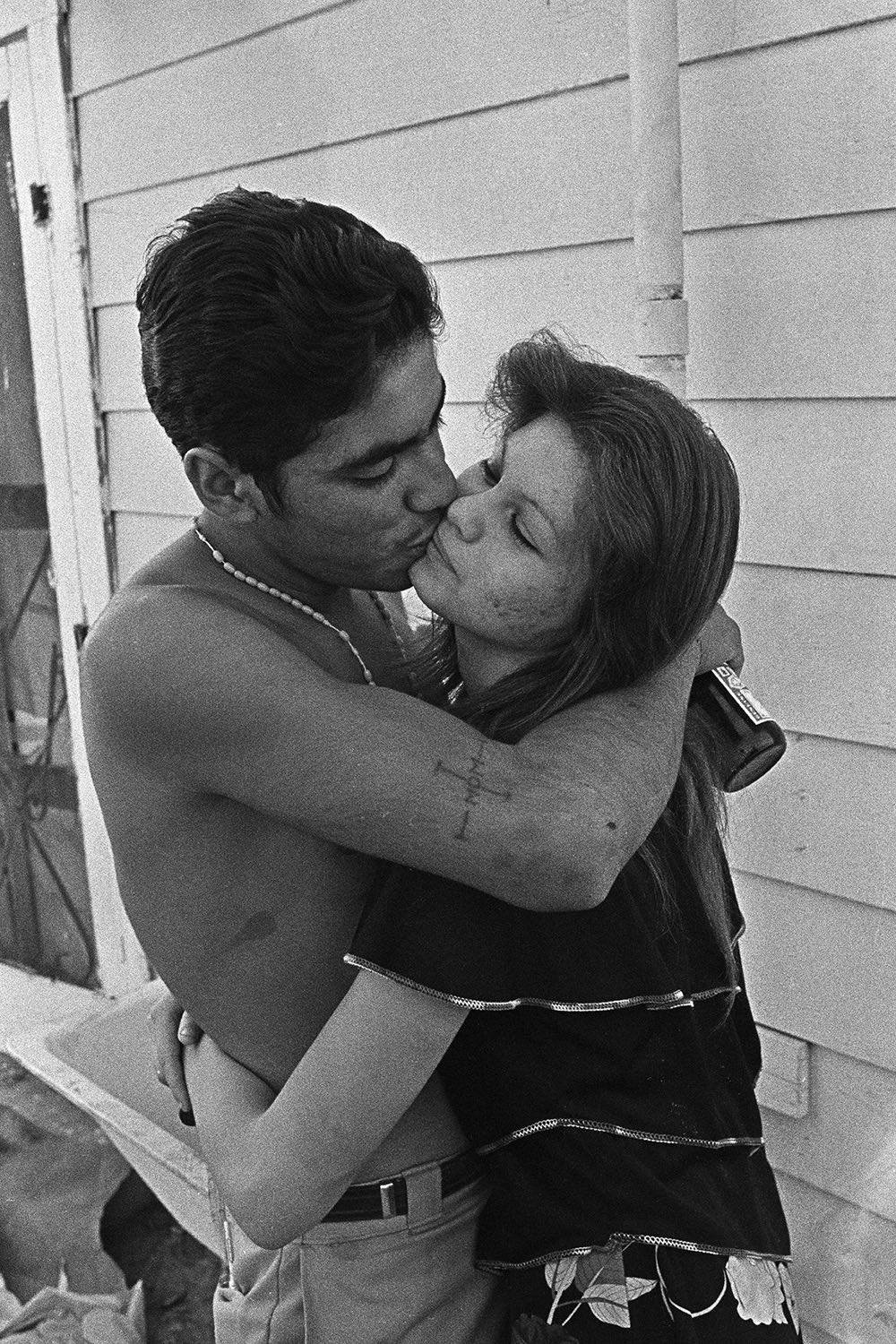
“When I first started, I got some pictures printed in the LA Weekly. The first night they were published, they drove around the Eastside and broke all the vending machines for the newspapers, and took all the papers.”
Although the danger was ever-present, Miller says he was largely kept out of the mix: “They didn’t always want me around. They’d run out every now and then to do some mischief but they never let me go along with them.”
“I stopped going because one of the guys that I had gotten close to was shot and killed on a weekend when I wasn’t there. When I went back, they told me what had happened. I had an epiphany: ‘Okay I am done. I am not coming back here anymore’. I didn’t go back for 40 years.”
When Miller finally returned, the neighbourhood had changed so much that he no longer recognised it. “I asked around and nobody was willing to talk to me, but I had an old phone number for a guy named Ruben so I called him,” Miller recalls. “We met up and he said, ‘oh yeah, I remember you. You were scared the whole time you were there.’ He was right.”
“People always ask how I got these photographs. I worked my way in. I wasn’t the enemy. There were 50 gangs in East LA at that time, they had their hands full. I was just a scared guy from West LA.”
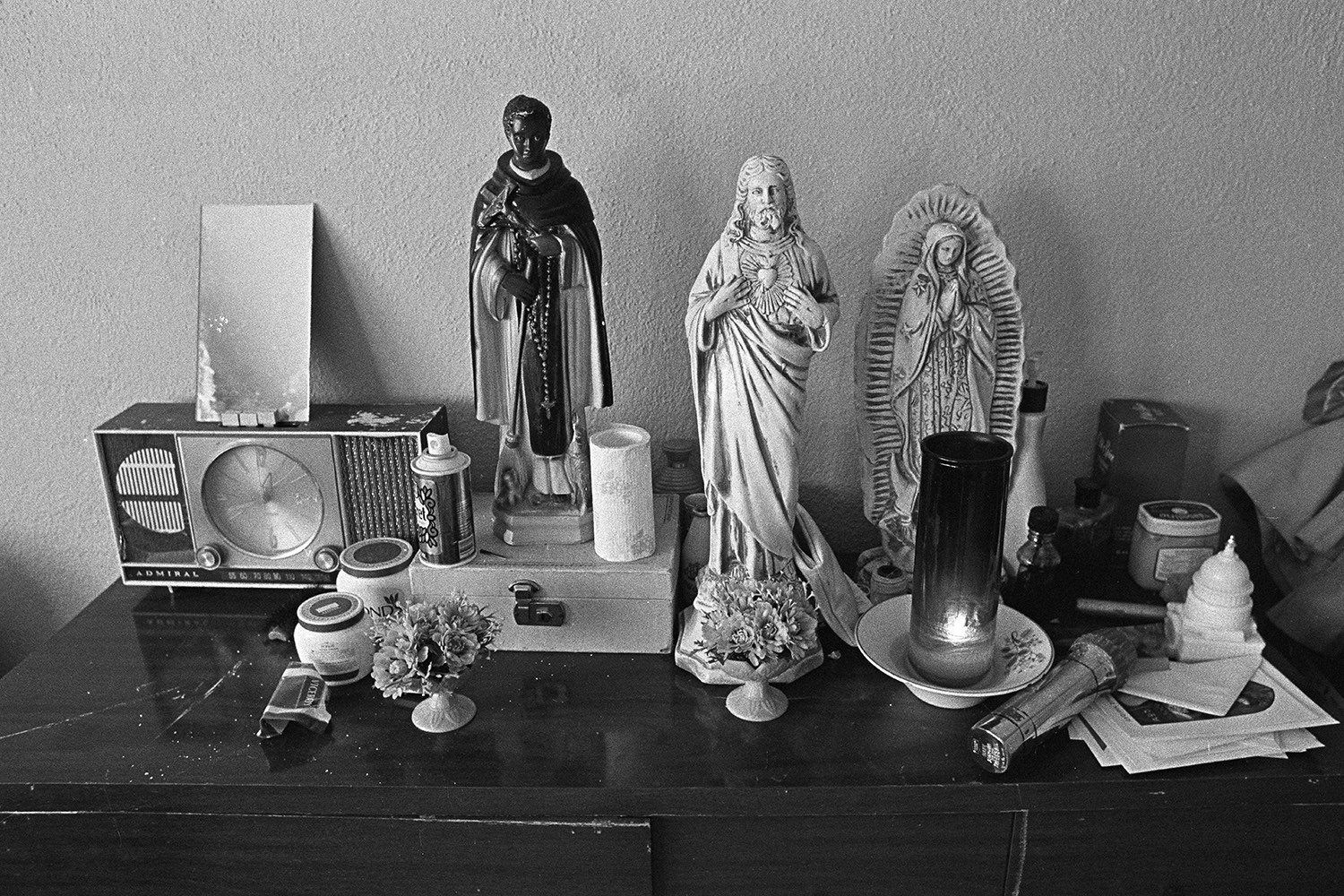
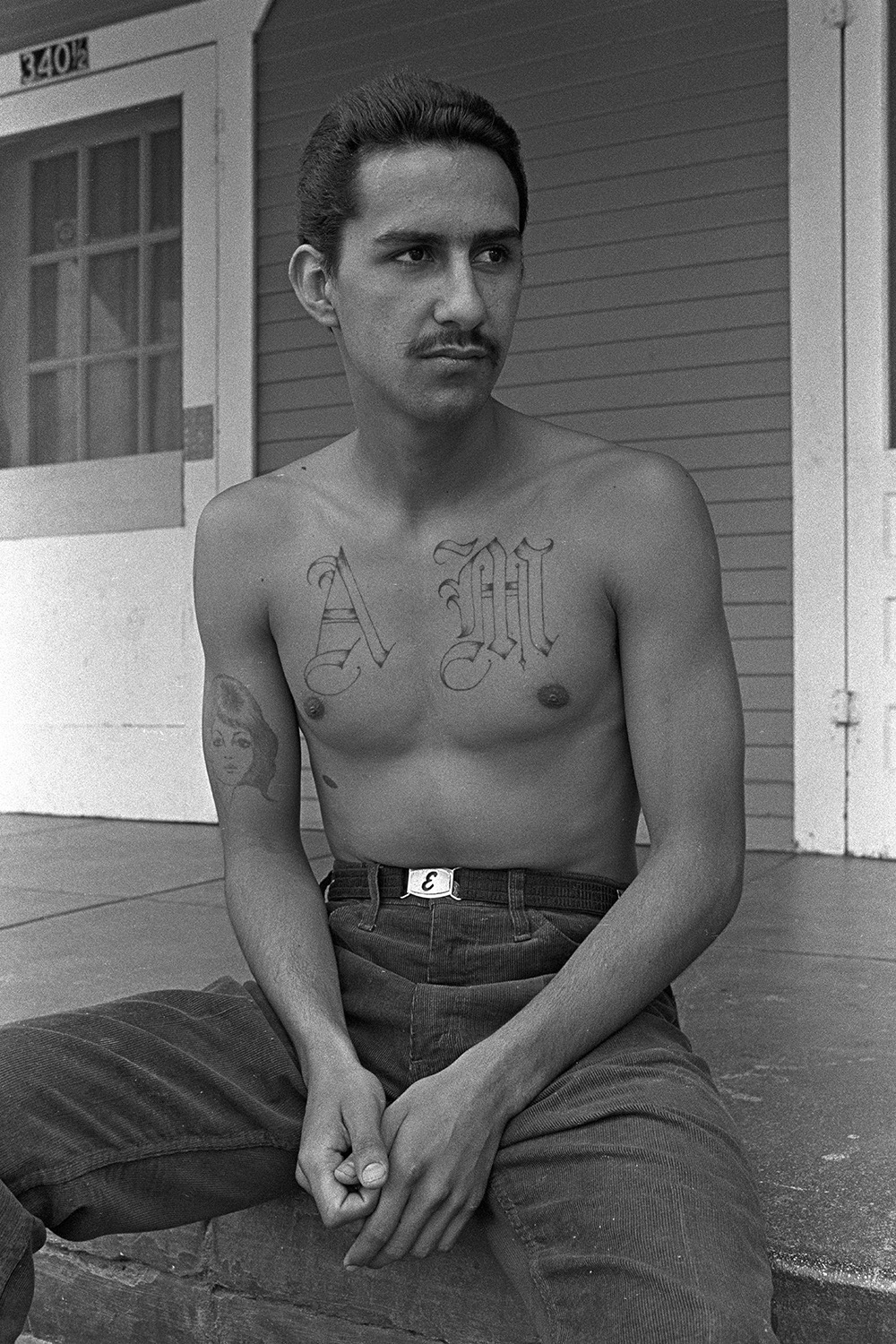
Follow Miss Rosen on Twitter.
Enjoyed this article? Like Huck on Facebook or follow us on Twitter.
You might like

Behind the curtain at Alternative Miss World 1981
Olympia glamour — Running a subversive take on the traditional beauty pageant, the Andrew Logan organised event prioritised underground creativity and invention. Photographer David Corio went behind the scenes at its biggest edition.
Written by: Miss Rosen

New exhibition highlights British radical living over 200 years
Earthly Paradise — Taking place at the William Morris Gallery, it explores the homes and lives of artists, writers, musicians and more, as well as the conditions that allowed them to thrive.
Written by: Isaac Muk

What life on the Strait of Hormuz is really like
Southern Winds — Bandar Abbas based photographer Morteza Niknahad has been capturing the diverse communities and stories of his local region since he first picked up a camera. His new series highlights the human impact of war.
Written by: Isaac Muk

Nick Haymes’s intimate portrait of his family’s life
Chronograph — Over 25 years, the photographer documented his son’s lives as they grew into adults. The resulting photobook is an exploration of the passage of time, as well as the optimism of youth.
Written by: Miss Rosen

Kristina Rozhkova’s scatty, confronting portrait of captivity
Gut Feeling — The Russian artist’s 2024 arrest and subsequent detention opened her eye towards the omnipresent dynamics of power and control. Her new photobook is a stark exploration of being trapped.
Written by: Isaac Muk

UK’s first ever Latino film festival is coming to London
LoLaFF — Taking place between October 2-6, it will feature 55 filmmakers from Latin America, with an opening night at the Barbican.
Written by: Isaac Muk


