A portrait of teenage resistance in Brazil
- Text by Miss Rosen
- Photography by Alicia Esteves

When the São Paulo government proposed closing over 100 public schools in October 2015, high school students rose up in rebellion against the state. After tagging a series of hostile street protests they took it to the next level. Over the next three months, they organised occupations of the schools themselves – climbing over school walls, breaking the locks, barricading the doors, and declaring: “the school is ours.”
“The reorganisation project was so absurd that it felt like everyone was against it; the community, intellectuals, students and teachers,” says Brazilian photographer Alicia Esteves.
Soon a booklet – translated into Portuguese from a Chilean leaflet made by students who occupied their schools in 2006 – began to circulate through the hands of students in São Paulo.
“Suddenly the first school was occupied, and then another one,” Esteves remembers. “10 schools were occupied, and then more than 100 schools. At the end over 250 schools were occupied. I had just got my first digital camera around this time and thought I could help the occupation by photographing it.”
Esteves’s photographs are included in When It Breaks It Burns, a play from coletivA ocupação, a group of 15 student activists who were involved in the movement. The performance sees them re-enact this historic moment in Brazilian history through live music and dance, for an immersive theatre experience.
“We all knew each other in one way or another,” Esteves says of the members of coletivA ocupação, “but we were all together for the first time in the occupation of the Paula Souza Center, an administrative building, which was occupied less than a year after the occupations of public schools. Martha, our director, was filming and supporting the fight. She came up with the idea of doing a performance to tell what we had experienced.”
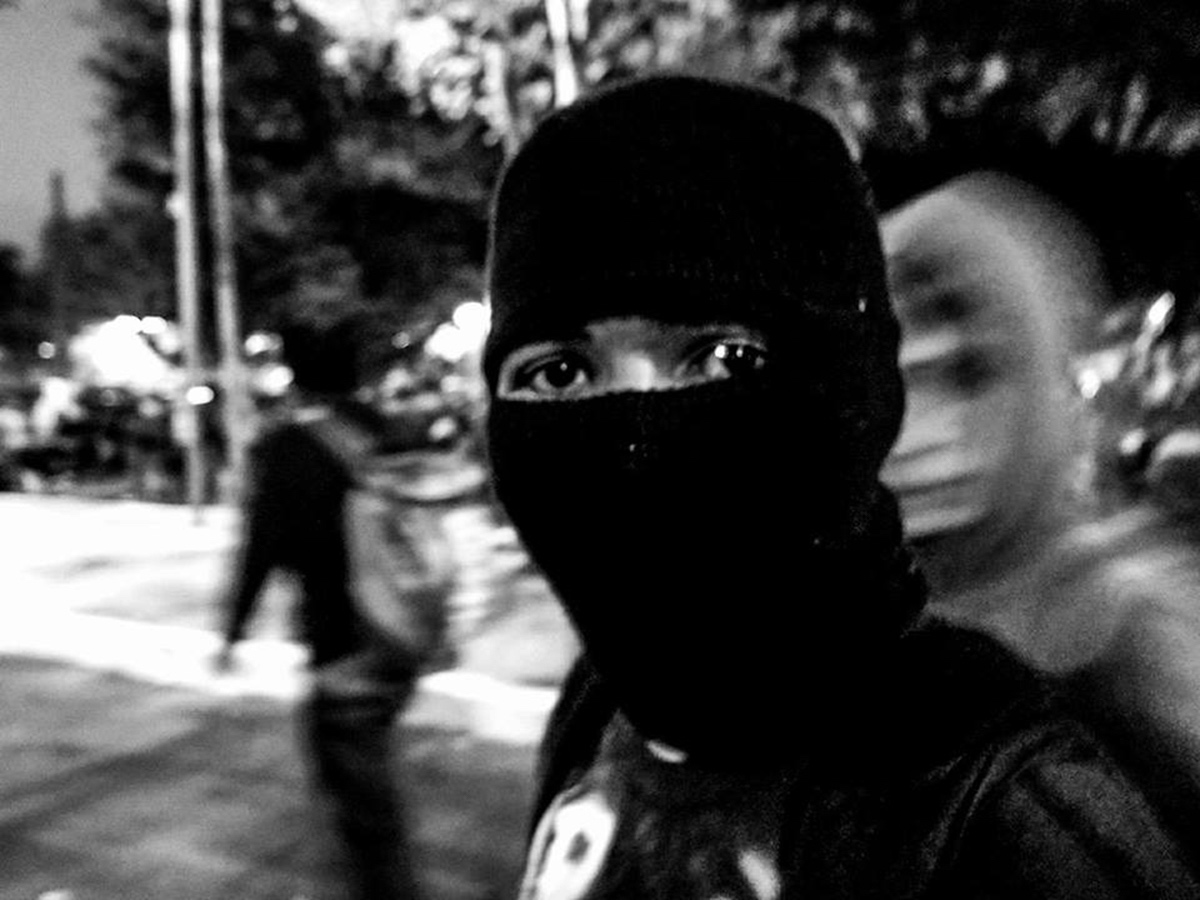
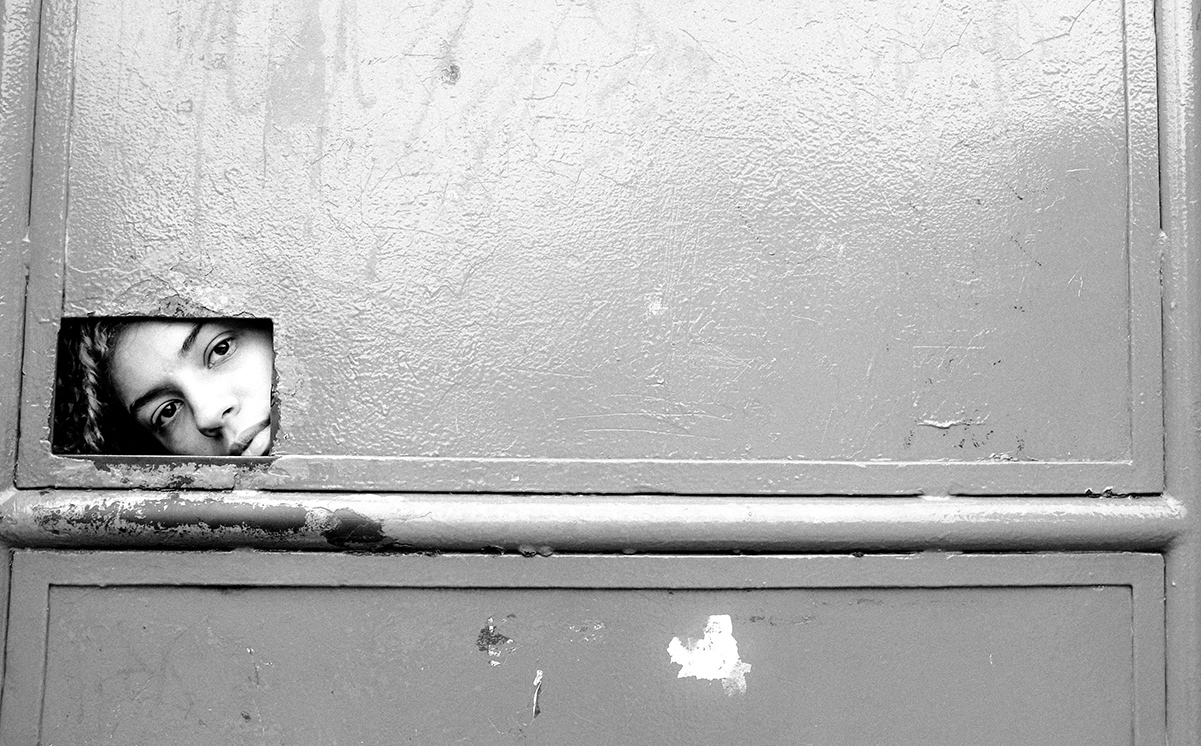
Esteves first occupied Silvio Xavier Antunes High School in the north of the city alongside at least 30 other activists. A few weeks later she went to Fidelino de Figueiredo High School, in the centre of the city.
Due to police violence in the early occupations, the students obtained a court order that protected the occupations from the police “It was our first victory,” Esteves says. “We were reclaiming physically and collectively our own futures. There was this feeling of invulnerability. The occupied schools were our sacred territory, where we were collectively creating our desires and agreements.”
During the occupation, the students made decisions collectively, organising commissions for food, cleaning, communication and security. They became agents in their own education, discarding the traditional model in favour of creating a decentralised environment where they could teach themselves anything – from how to cook rice for 20 people, to the tenets of Marxism.
“The government responded very violently,” Esteves says, noting that then-Governor Geraldo Alckimin was infamous for being violent towards social movements. “The police could not enter the occupation so they attacked us on the street. A friend was kidnapped. We spent the night in despair until he reappeared bleeding on a road. The police showed him a folder with pictures of students and supporters and when he declined to identify them, they beat him up.”
Many occupants, then only 14-20 years old, have developed PTSD and anxiety as a result. Yet, as coletivA ocupação reveals, they have not given up hope. “Everything is possible when you are not alone,” Esteves adds. “Find the others and you will know what to do.”
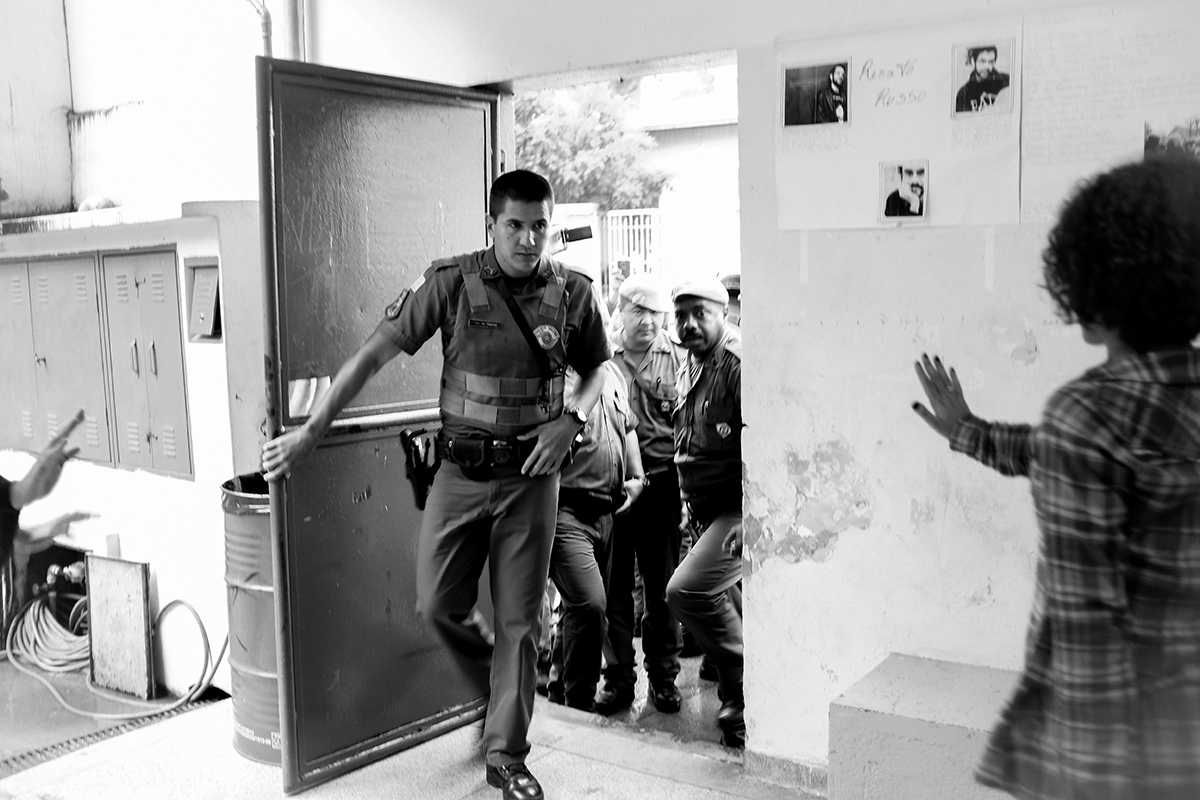
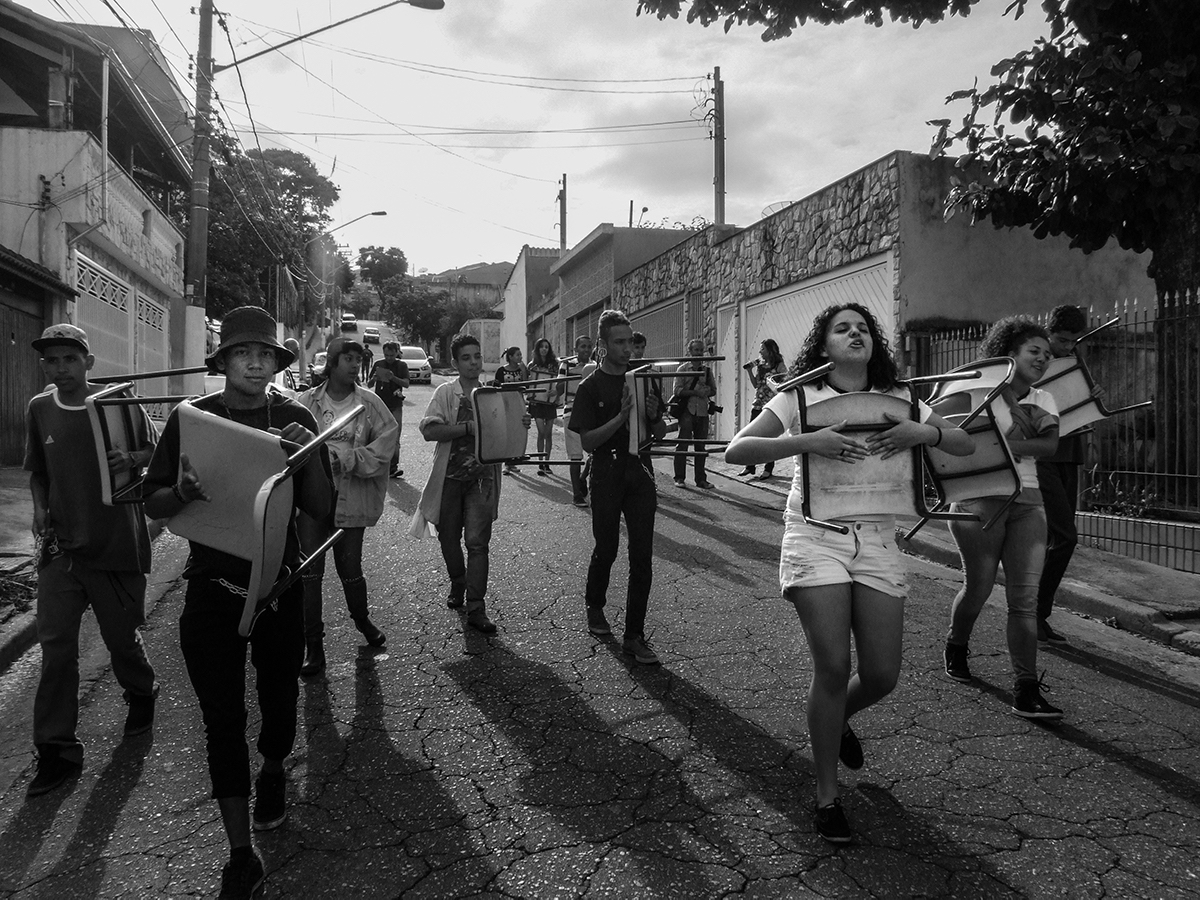
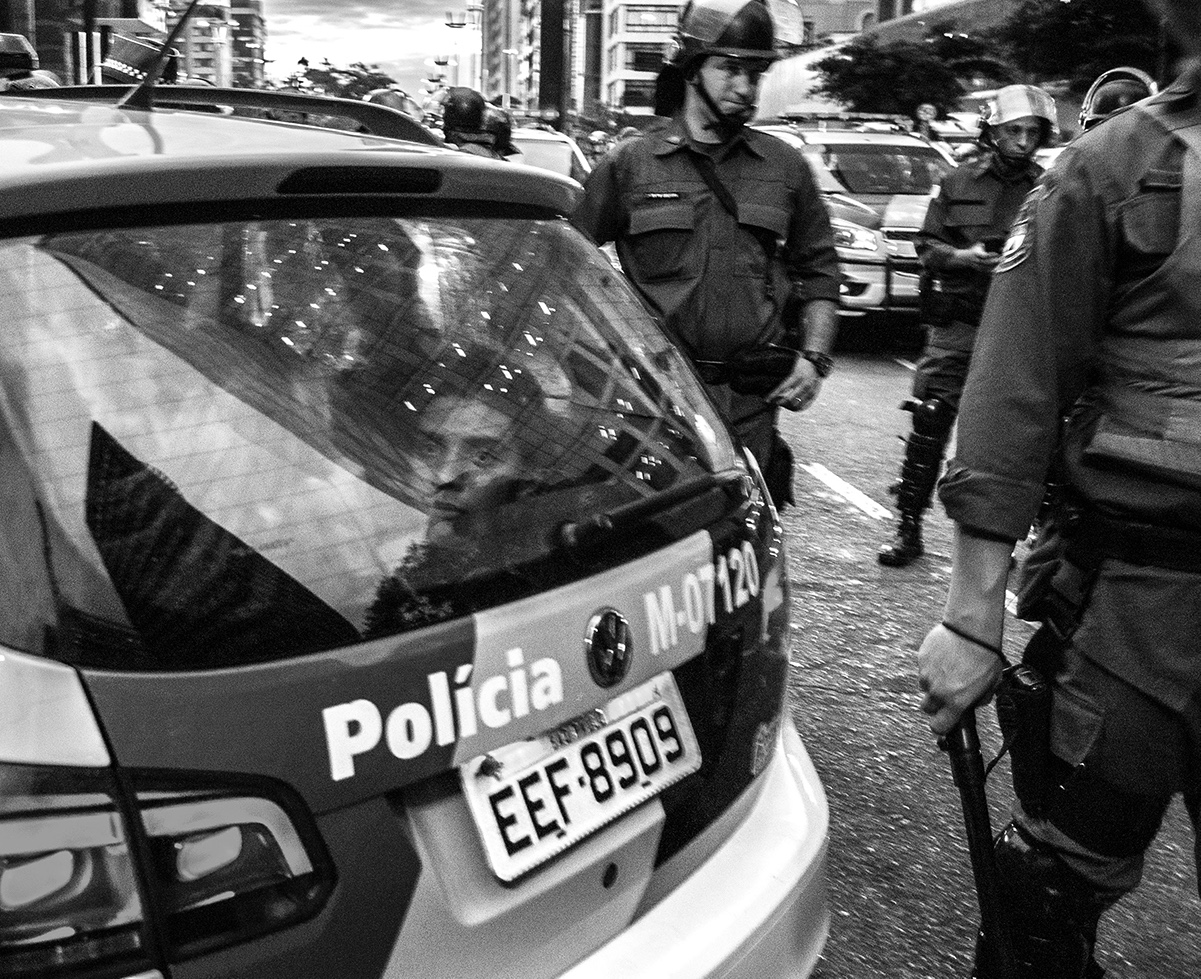
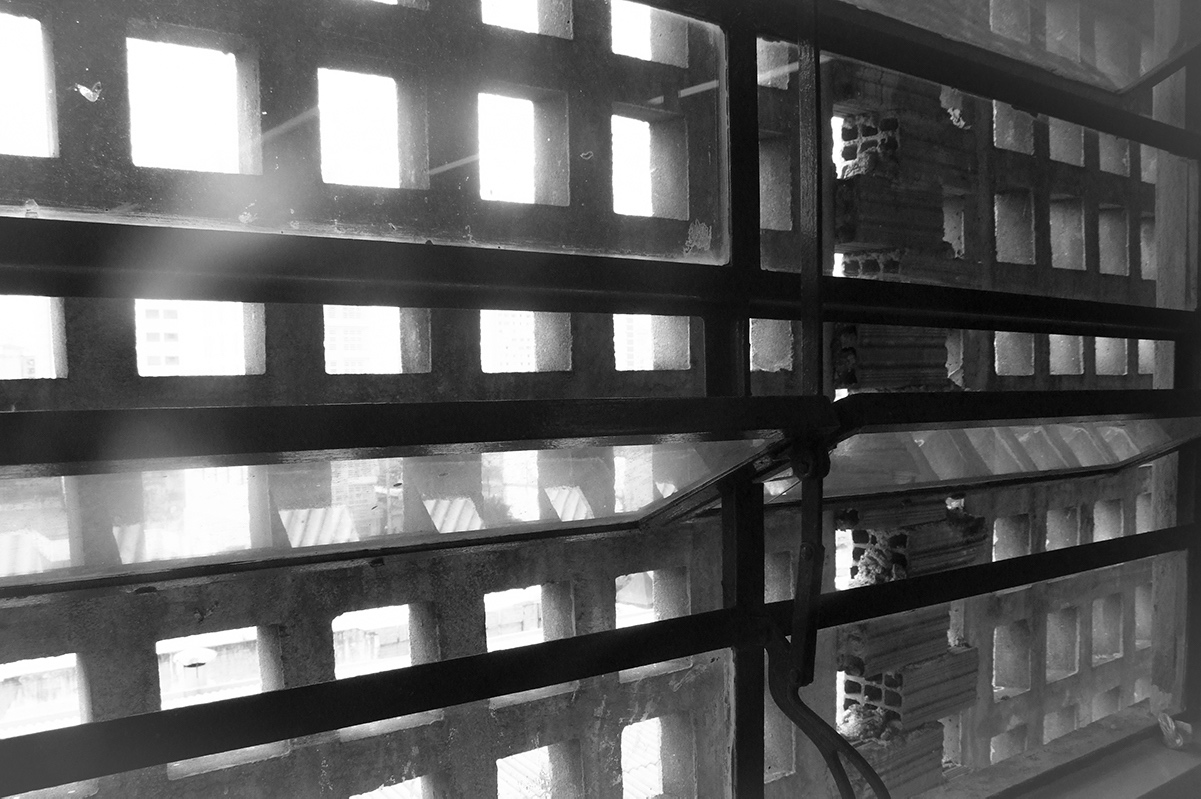
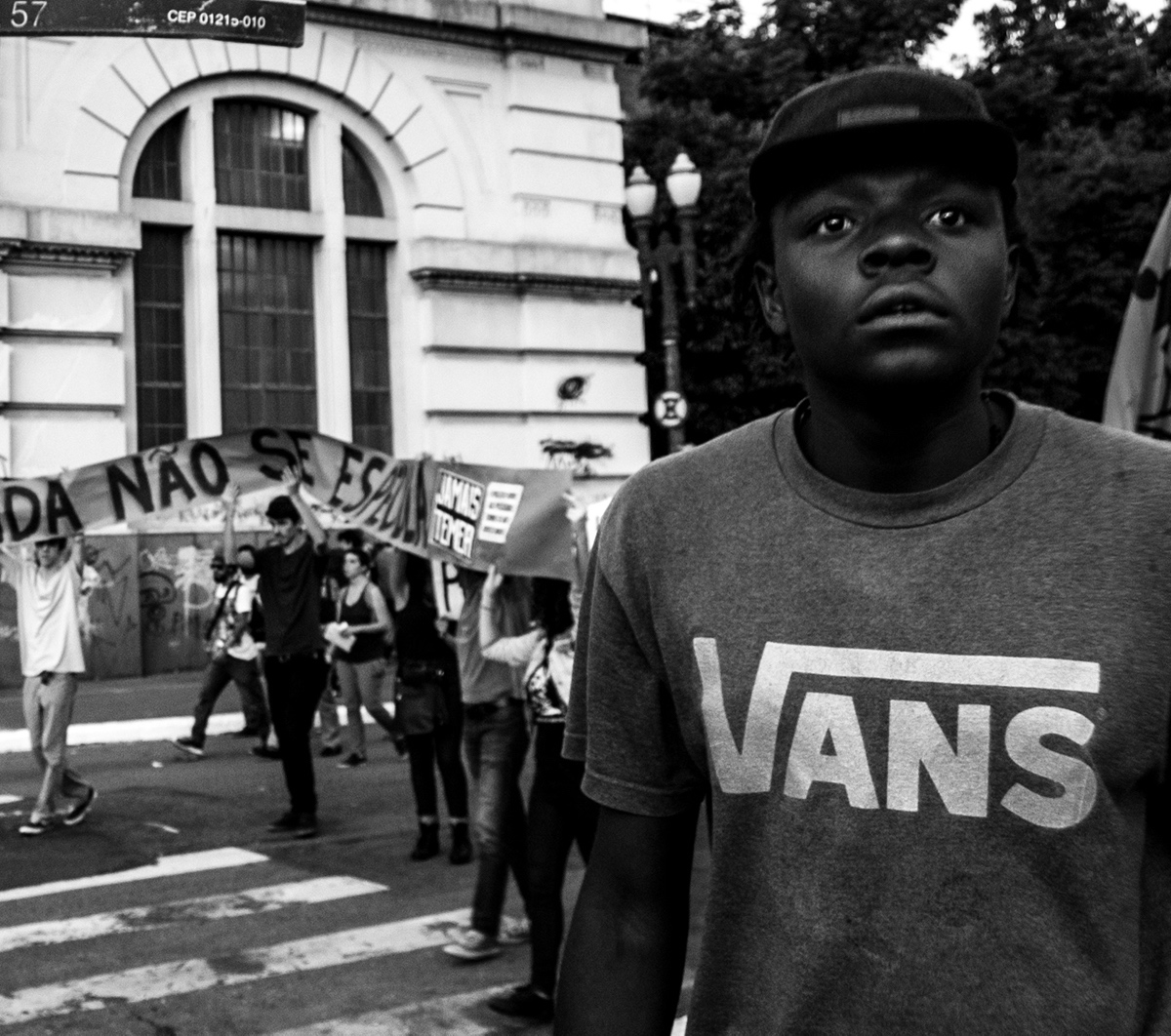
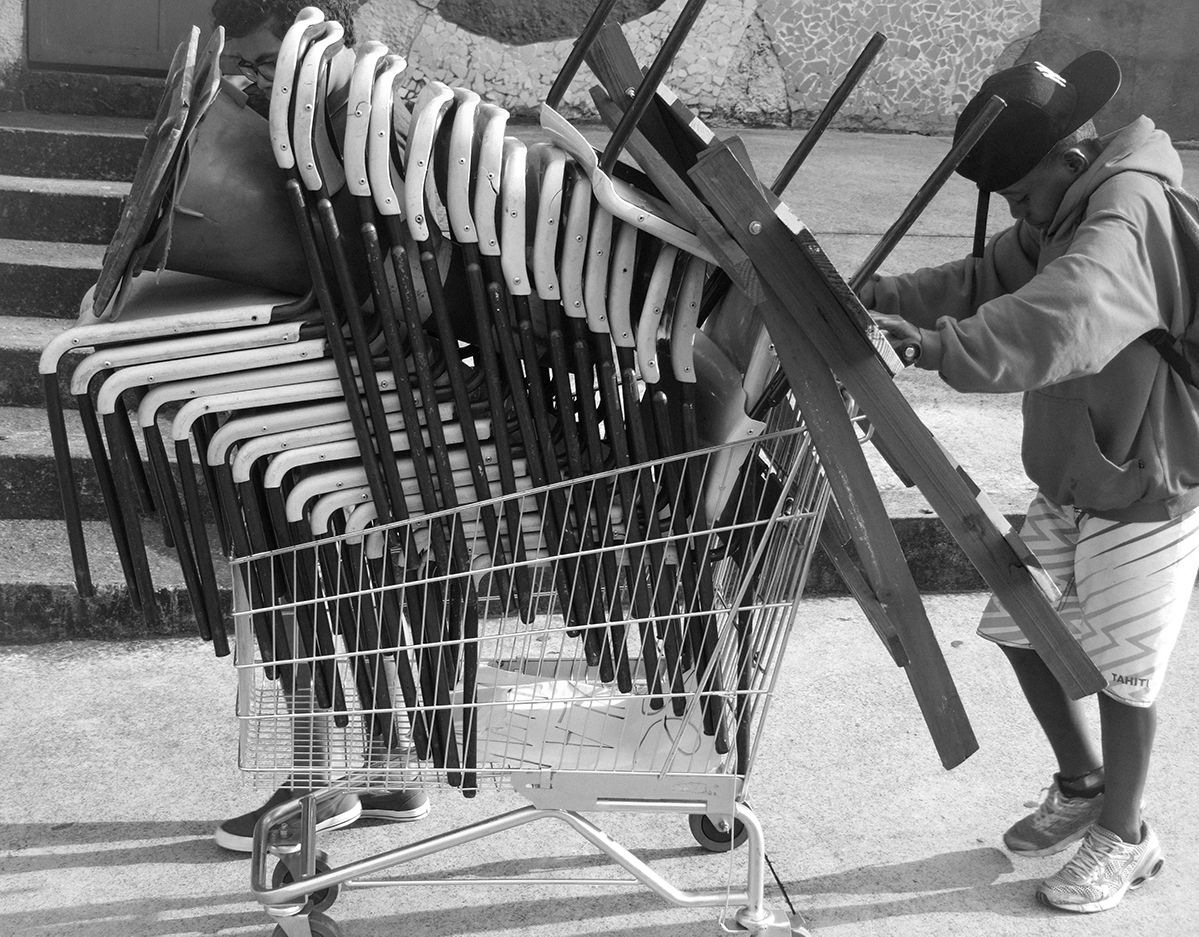
When It Breaks It Burns is at Battersea Arts Centre in London from February 19-26, 2020.
Follow Miss Rosen on Twitter.
Enjoyed this article? Like Huck on Facebook or follow us on Twitter.
You might like

In photos: Euphoric joy at the UK’s biggest ever anti-racism march
Together — 500,000 people marched through central London on Saturday to protest the far right and racism, followed by a packed House Against Hate rave taking place in Trafalgar Square.
Written by: Isaac Muk

Louis Theroux’s ‘Manosphere’ shows men aren’t the problem, platforms are
No Ws for Good Men — The journalist’s new documentary sees him dive headfirst into the toxicities and machinations of the male influencer economy. But when young creators are monetarily incentivised to make more and more outrageous content, who really is to blame?
Written by: Emma Garland

In the 1960s, African photographers recaptured their own image
Ideas of Africa — An exhibition at the Museum of Modern Art explores the 20th century’s most important lensers, including Seydou Keïta, Malick Sidibé and Kwame Brathwaite, and their impact on challenging dominant European narratives.
Written by: Miss Rosen

Reynaldo Rivera’s intimate portrait of queer Latino love
Propiedad Privada — Growing up during the AIDS pandemic, the photographer entered a world where his love was not only taboo, but dangerous. His new monograph presents inward-looking shots made over four decades, which reclaim the power of desire.
Written by: Miss Rosen

In photos: The newsagents keeping print alive
Save the stands — With Huck 83 hitting shelves around the world, we met a few people who continue to stock print magazines, defying an enduringly tough climate for physical media and the high street.
Written by: Ella Glossop

Inside Bombay Beach, California’s ‘Rotting Riviera’
Man-made decay — The Salton Sea was created by accident after a failed attempt to divert the Colorado River in the early 20th century. Jack Burke reports from its post-apocalyptic shores, where DIY art and ecological collapse meet.
Written by: Jack Burke


