
A strange, lyrical look at street life in Mexico

Harvey Stein first fell under the spell of Mexico as a teen coming of age in Pittsburgh, Pennsylvania. The American photographer dreamed of life south of the border, of a sun-drenched utopia where indigenous and colonial cultures mixed, where life and death met, and where public life on the streets was a photographer’s paradise.
Between 1993 and 2010, Stein made 14 trips to small towns and villages across the nation during key celebrations such as Day of the Dead, Semana Santa (Easter), and Independence Day, capturing the multifaceted glories of public life. In his new book Mexico: Between Life and Death (Kehrer), Stein takes us along on a journey we won’t soon forget.
“I have always feared death,” explains Stein. “I thought Mexico dealt with dying in a more sensible way than we did.”
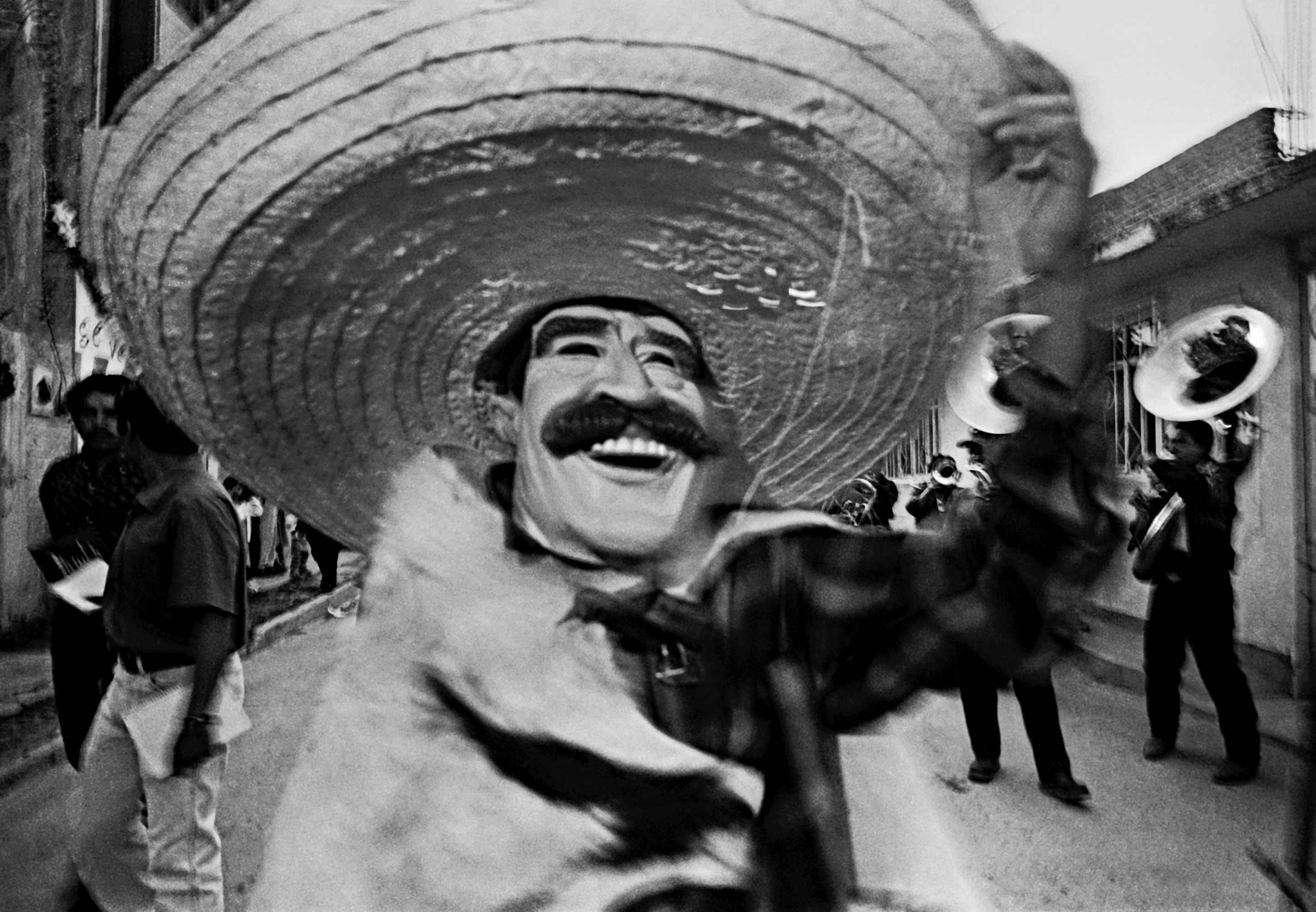
Man in President Fox Mask and Sombrero, Etla, 2001
“Death is seen as a passage to another, more reasonable life. They revere the elderly; they don’t hide away their family in old age homes. They celebrate death and welcome their dead ancestors back into their lives. Mexicans often view death as a natural part of life and their rituals and myths all celebrate it.”
“Festivals, parades, and local events are a way into the culture and a way to photograph strangers without a lot of pushback. People are open, happy, and are mostly glad to see you – even with a camera. They are acting out, performing, having fun, but often are serious about playing the various roles that are dictated by their costumes and the meaning of the event.”
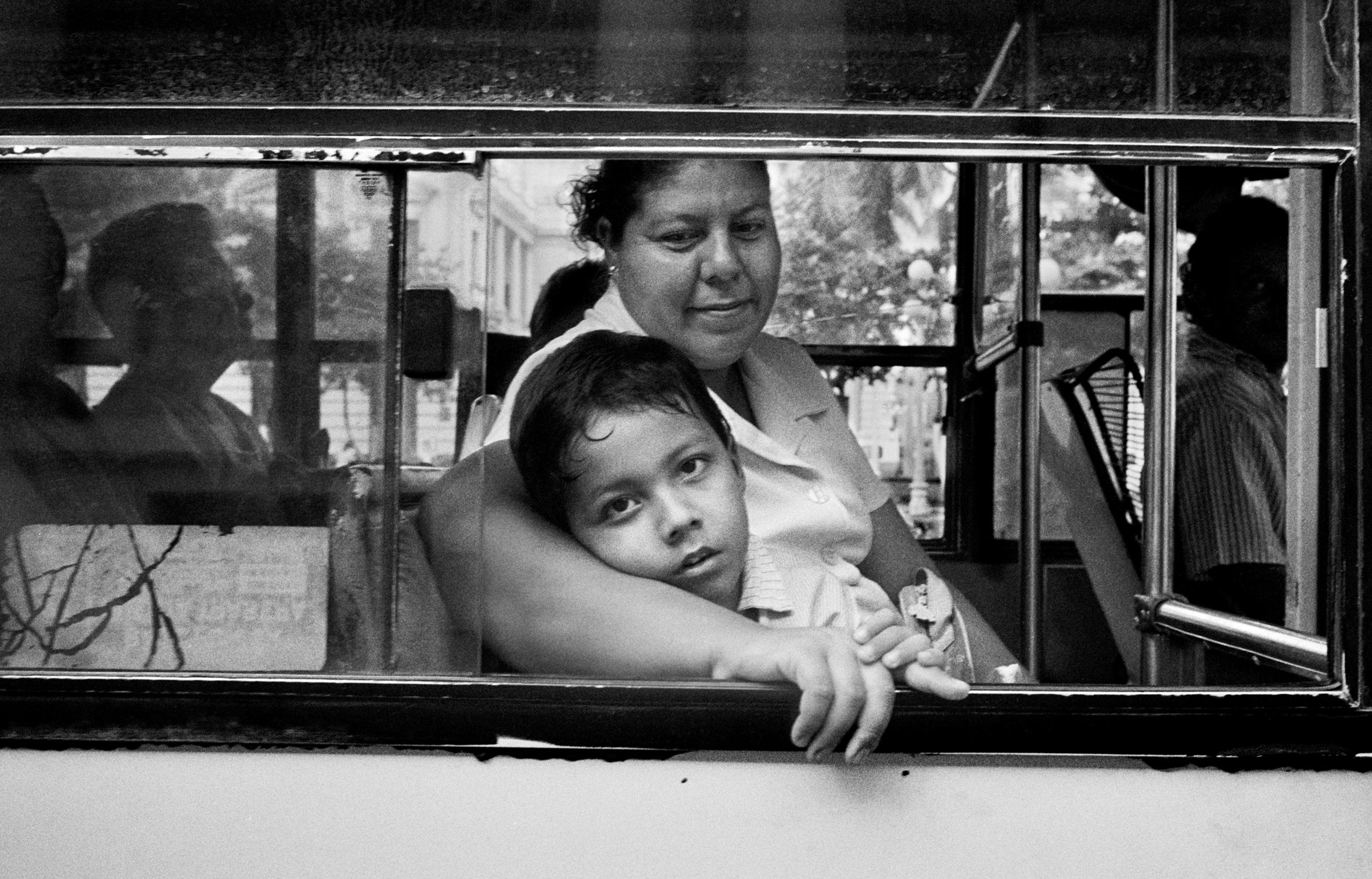
Woman and Child on Bus, Veracruz, 2007
This energy flows throughout the book, as we come upon a magnificent array of characters who are giving themselves over to the spirit of the day. “I have found festivals to be particularly soulful, religious, and serious,” Stein notes. “The silent procession in the city of Queretero during Semana Santa, stemming from the 14th century, is acutely mournful. The only thing heard is a persistent drumbeat. The sizeable audience is mostly silent and looking on with reverence.”
As Stein does not speak Spanish, his interactions with the people are purely body language, gesture, and expression. “Photography heightens my perceptions and awareness and I use the camera to meet people. I try to be close to subjects and have them know that I am photographing. I feel this makes me more aware and sensitive to the situations and people I see, and results in what I consider stronger and more meaningful images.”
In Mexico: Between Life and Death, Stein reconciles the paradoxes of Western thought by showing that duality is a false construct. Here, it is not the false binary of “life or death” but rather the inclusive, holistic understanding of the complementary nature of opposites. It is the inclusive “and” that removes conflict, and allows us new levels of perception.
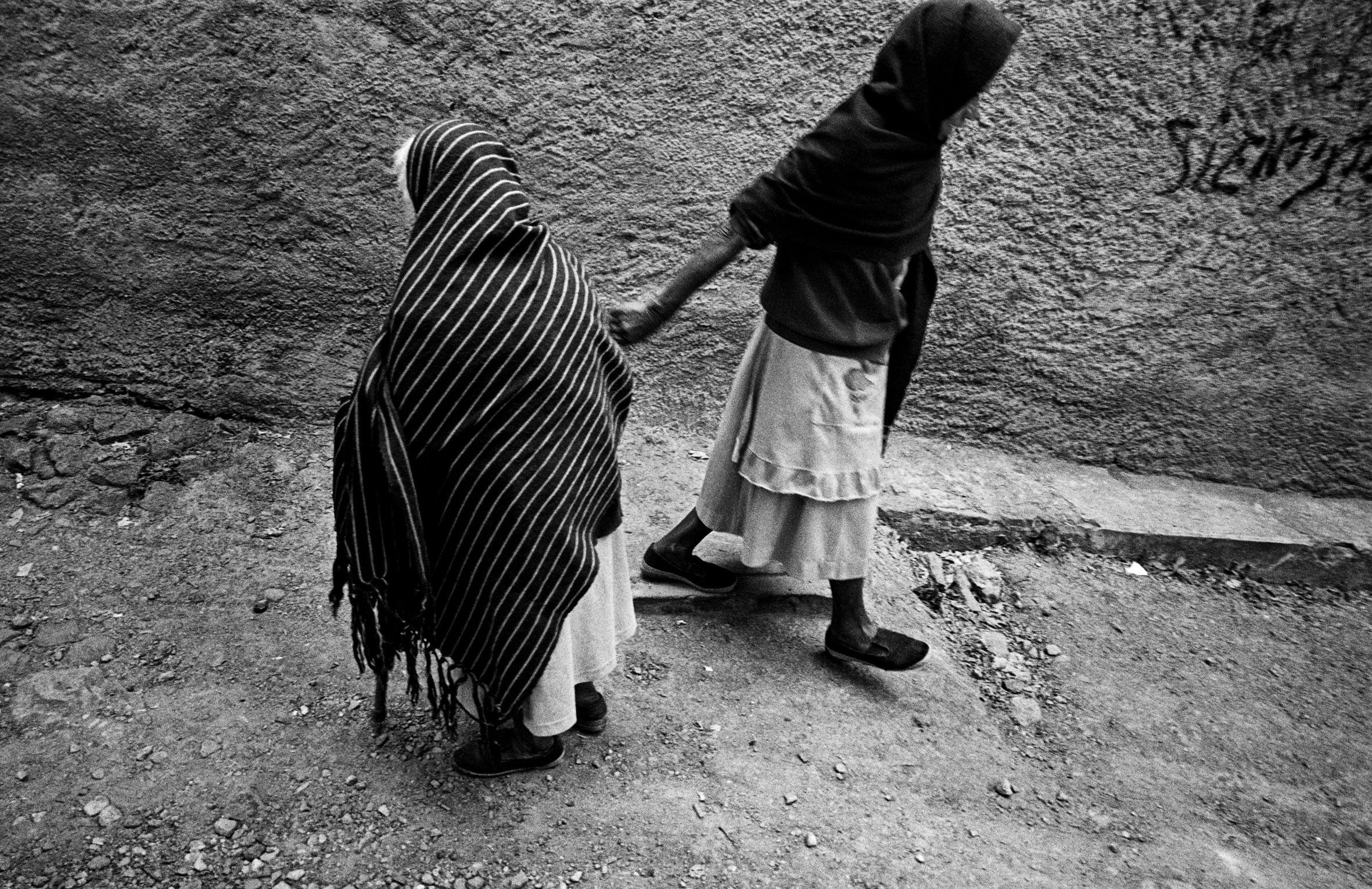
Two Women Passing Each Other, San Miguel de Allende, 1993
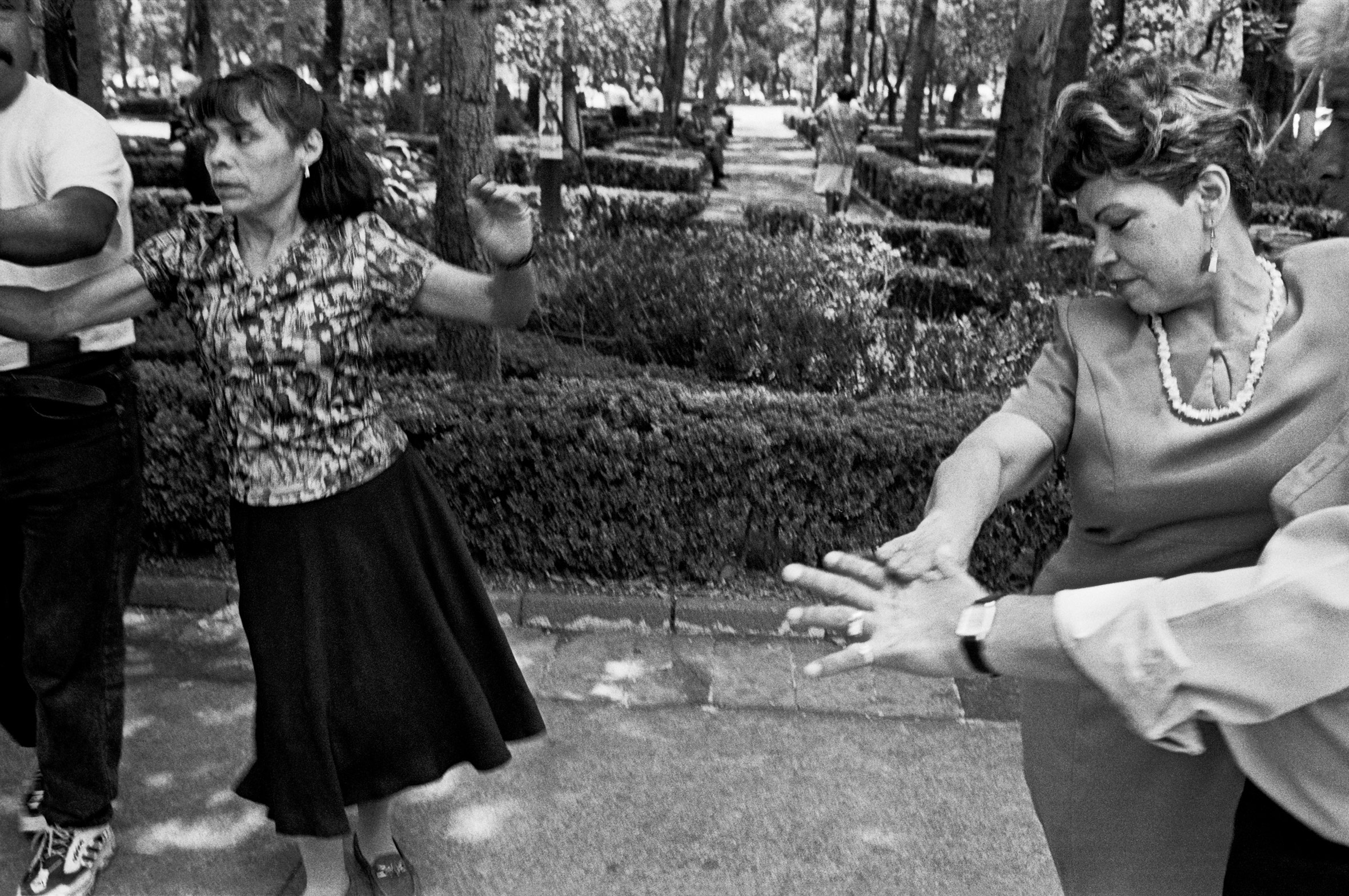
Two Couples Dancing the Danzón, Mexico City, 2000
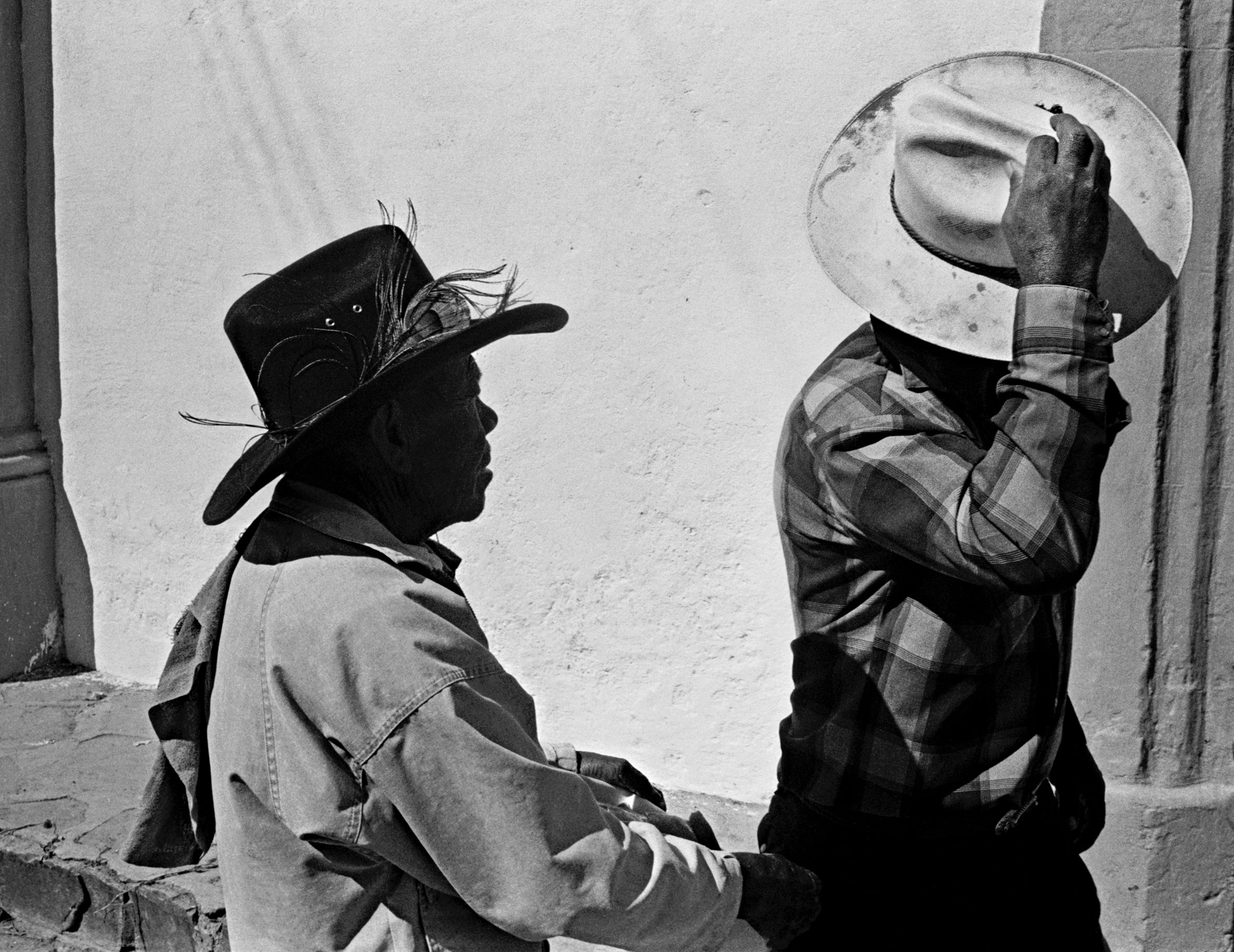
Two Men Wearing Sombreros, Atotonilco, 1997
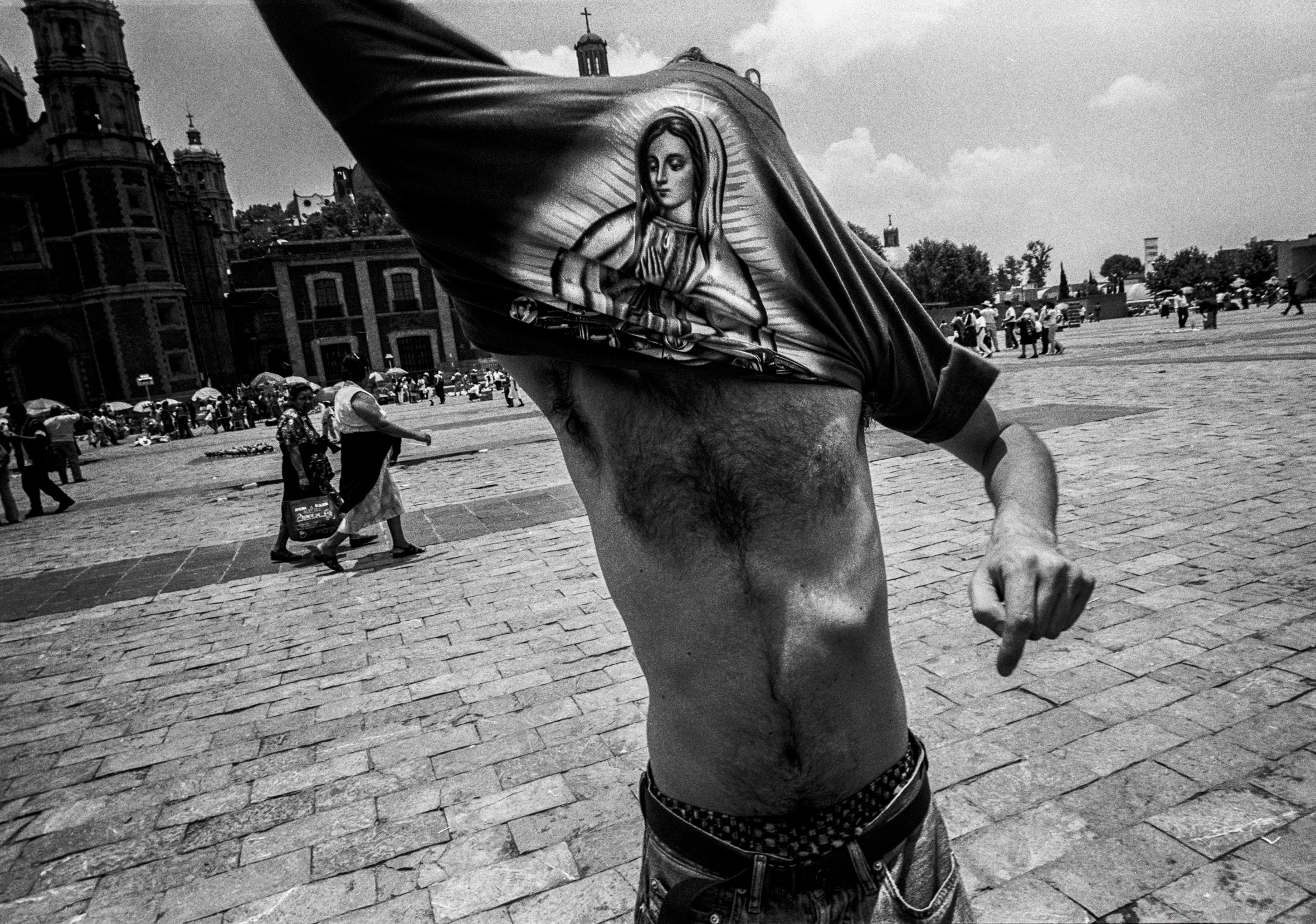
Man Putting on Guadalupe Shirt, Mexico City, 2000
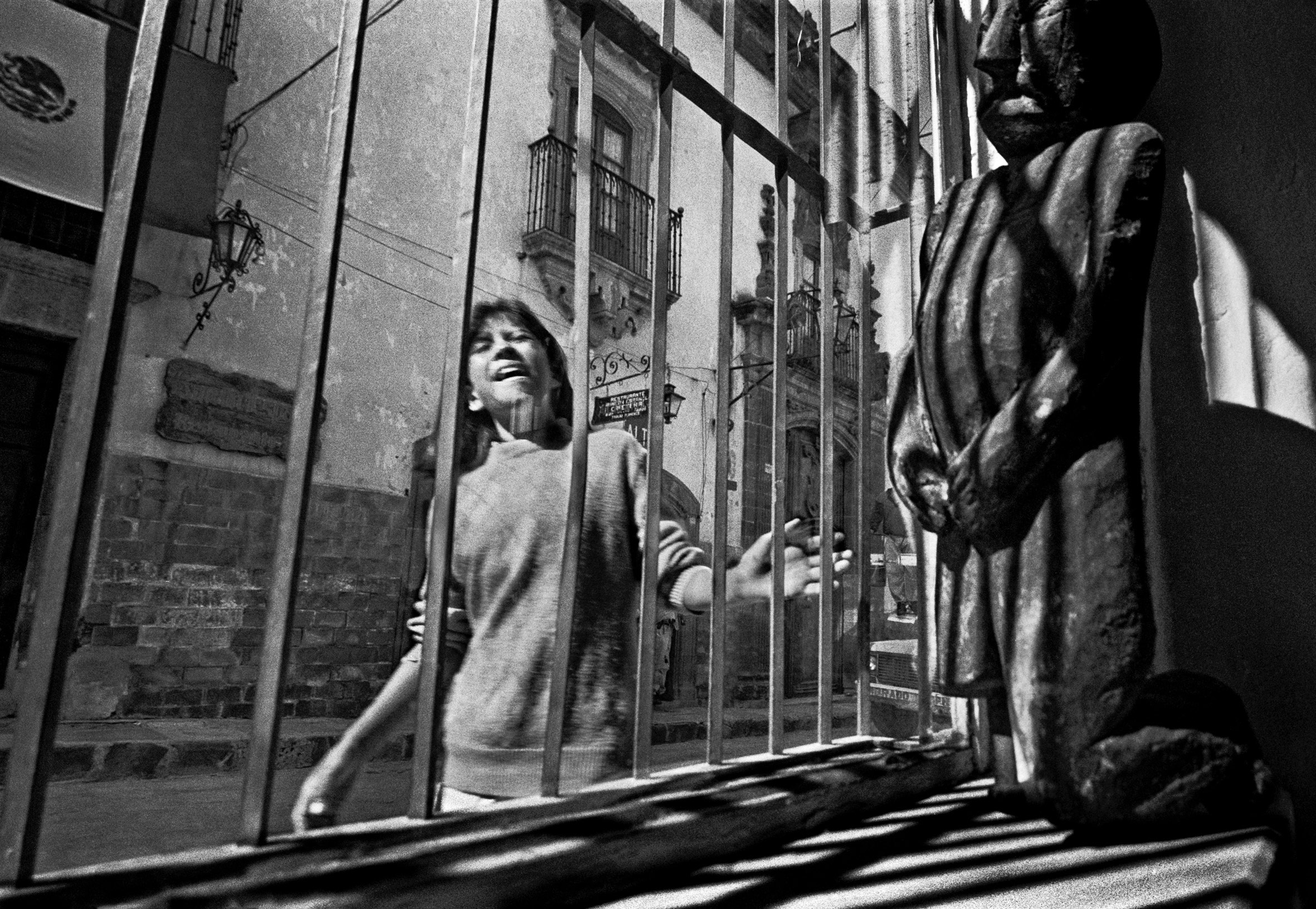
Woman Outside Window, San Miguel de Allende, 1995
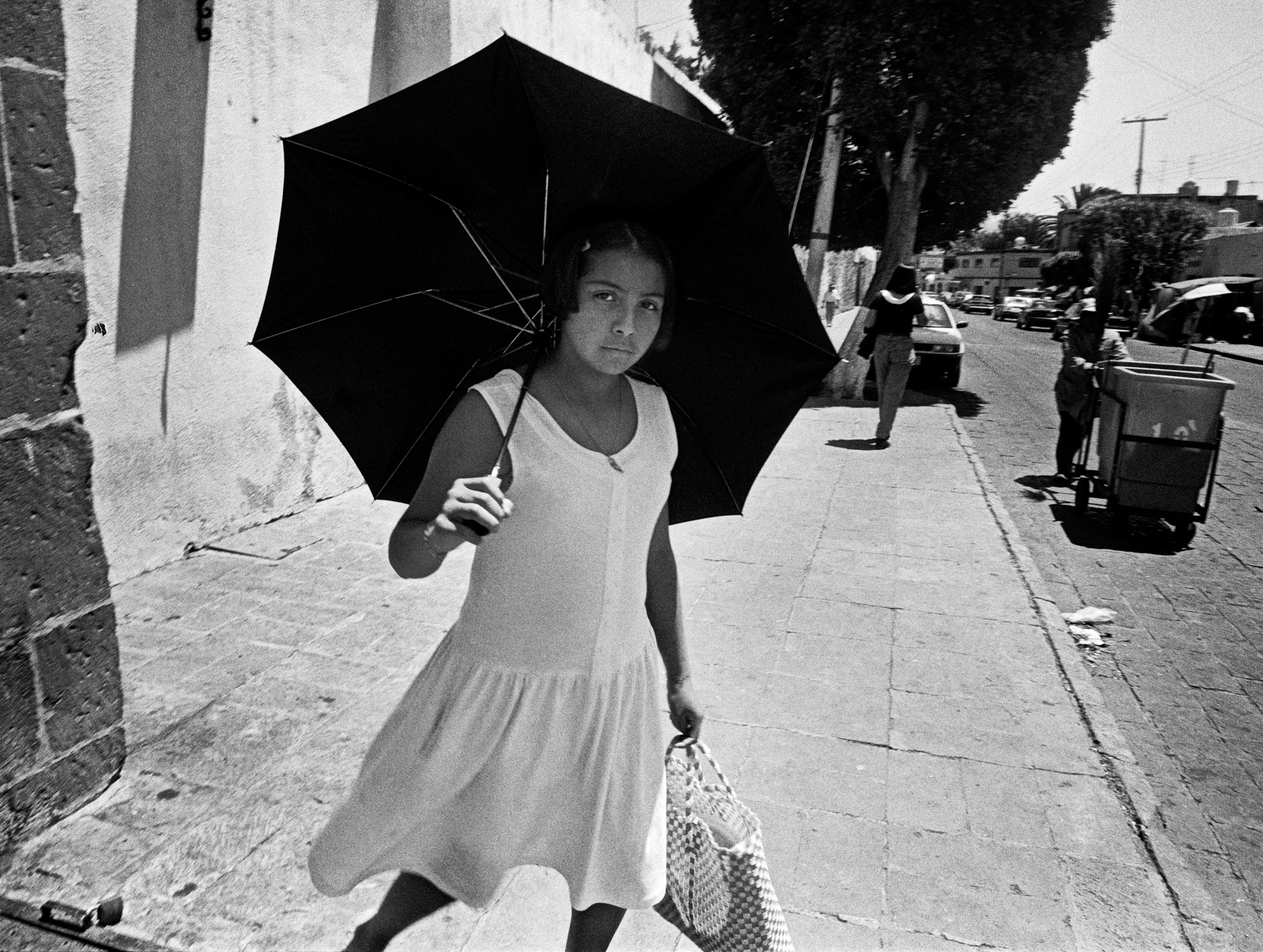
Young Woman Holding Umbrella, Querètaro, 1999
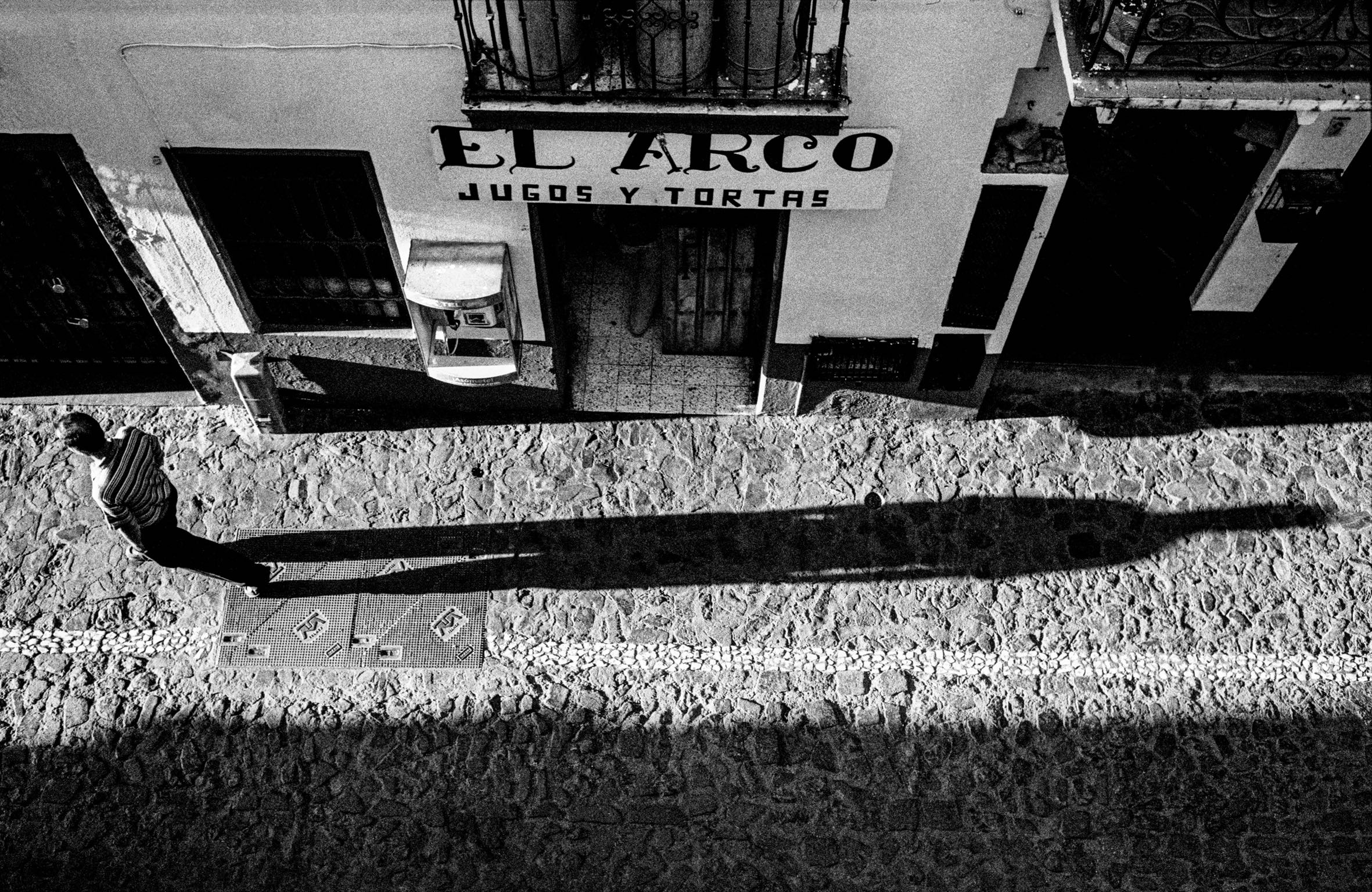
Man and Long Shadow from Above, Taxco, 2009
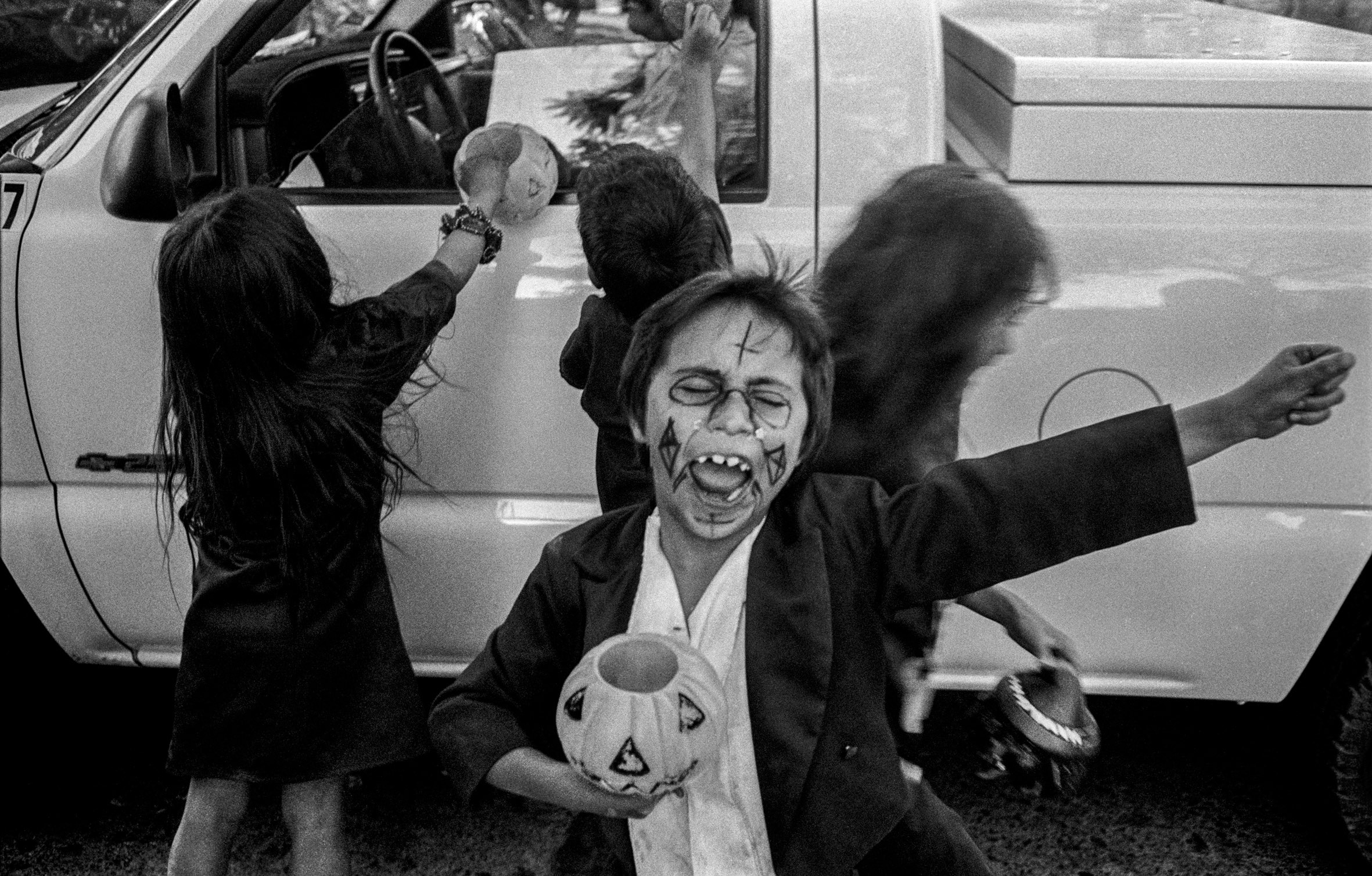
Boy with Outstretched Arm and Pumpkin, Morelia, 1999
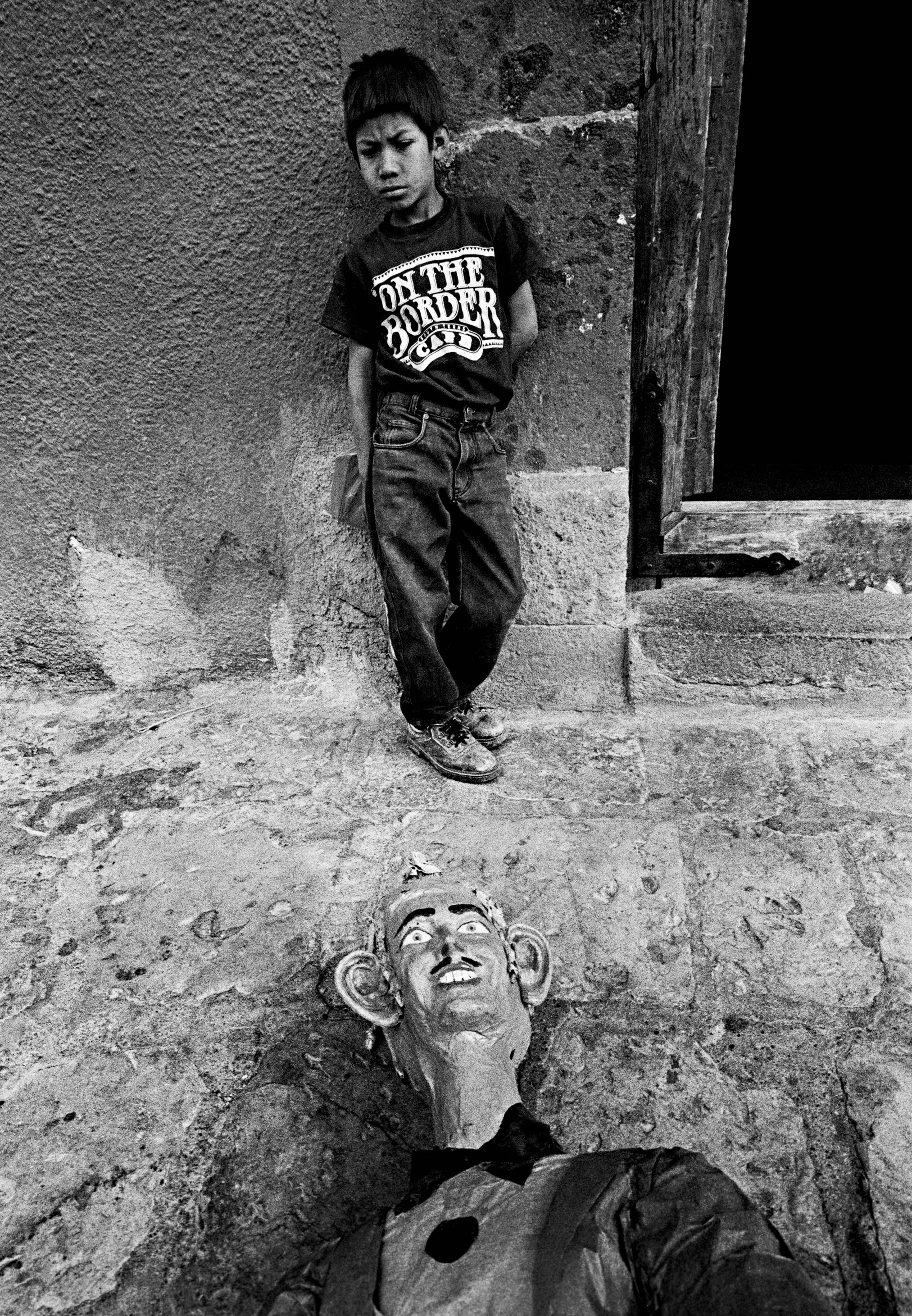
Boy with Effigy on Ground, San Miguel de Allende, 1999
Mexico: Between Life and Death is available now on Kehrer.
Follow Miss Rosen on Twitter.
Enjoyed this article? Like Huck on Facebook or follow us on Twitter.
You might like

The sharp rise of video game photography
Point, shoot — As the entertainment medium’s fidelity levels increase and developers build more powerful tools, a growing community of gamers are pushing the boundaries of image making in virtual worlds. Vicky Jessop meets people at the forefront of the emerging artform.

Joyous photos from the heart of the UK’s radical free festival movement
Common Grounds — The photographer has been capturing British counterculture for the past half century. A new exhibition looks at his archive sitting at the intersection of music, community and grassroots protest.

The lasting community legacy of a legendary Californian boxing gym
Moretón — Since opening in the ’80s, the Coachella Valley Boxing Club has trained multiple world champions, while providing a vital hub for local youth. In his new photobook, Darren Vargas documents its tight-knit, Chicano-led community, while also weaving a deeply personal story.

Inside the grunge golden age with Hole’s former bassist
My ’90s Rock Photographs — Melissa Auf der Maur’s new photobook is a sprawling visual memoir of her time at the heart of the US scene, from Tinker to The Smashing Pumpkins.

Introducing ‘The Chaos Isles’, a new photozine by Huck and Yushy
Normal Island — From unlicensed raves to the solstice at Stonehenge, furries to giant vegetable growers, Yushy is one of the UK’s best lensmen of its wild side. ‘The Chaos Isles’ will be sent out exclusively to Club Huck+ members.

Join Club Huck+ to get the most from Huck
Dispatches from the sharp edge of culture — Members get our print magazine, special photozines, The Huck Long Read newsletter, discounts from our friends and partners, digital versions of back issues and priority access to events.


