The bleak beauty of England’s forgotten towns
- Text by Dominique Sisley
- Photography by John Spinks

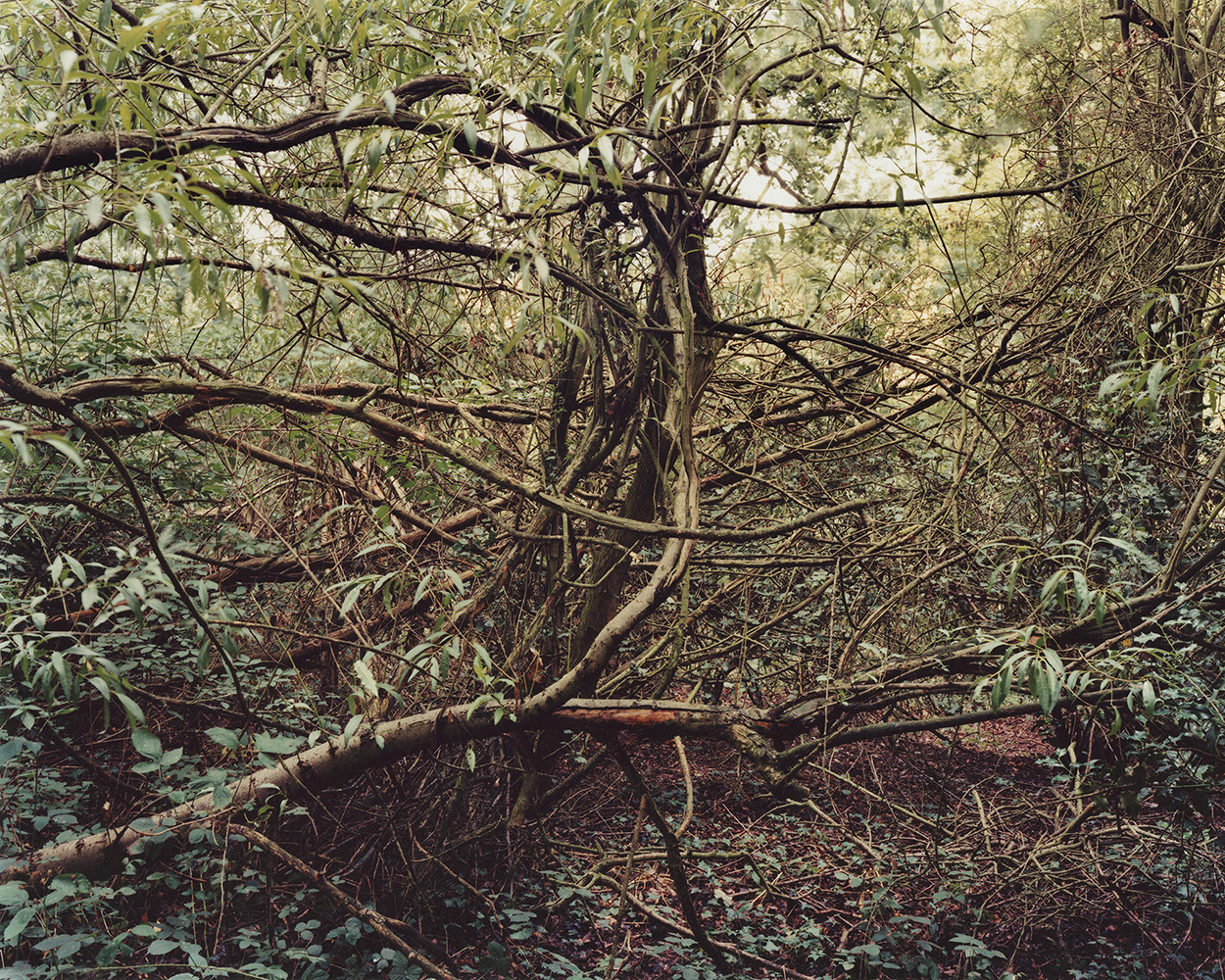
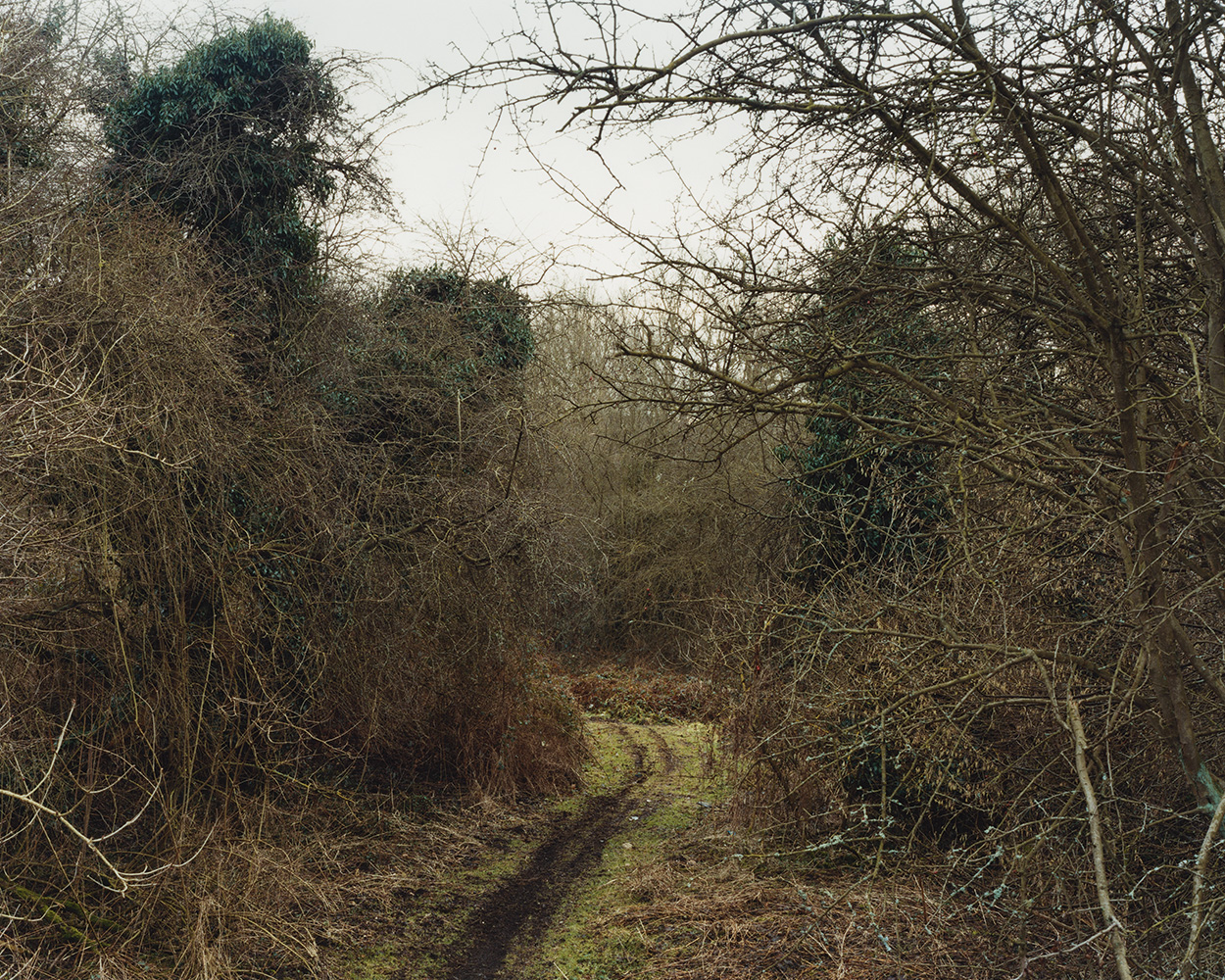
“The rough, uncared-for woodlands that cluster around the built-up residential areas and council estates of post-war Britain are places where dreams and reality are intertwined,” writes academic David Chandler in the opening pages of John Spinks’ latest book, The New Village. “They are places of escape, of refuge, and of remnants, where the fears and frustrations of confined lives spill over and drain away.”
England’s past – rooted in folklore, myths and legends – has always haunted its landscape. It lurks in its remote towns and villages, defining itself with a kind of bleak, uncanny beauty. It’s this mystical quality that Spinks has attempted to capture in The New Village. The book, published by Bemojake, sees the photographer return to his hometown – a small, unnamed mining village in North Warwickshire.
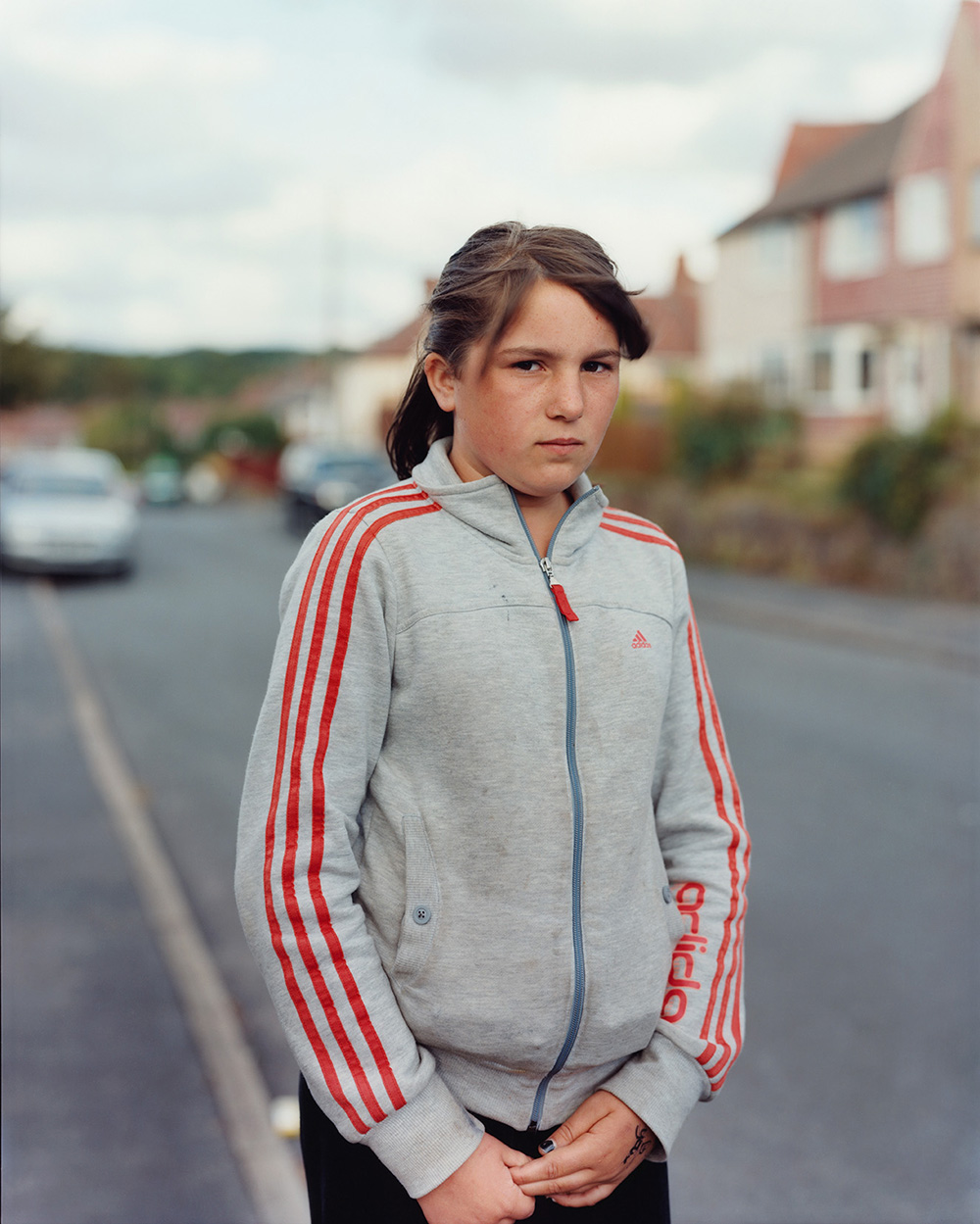
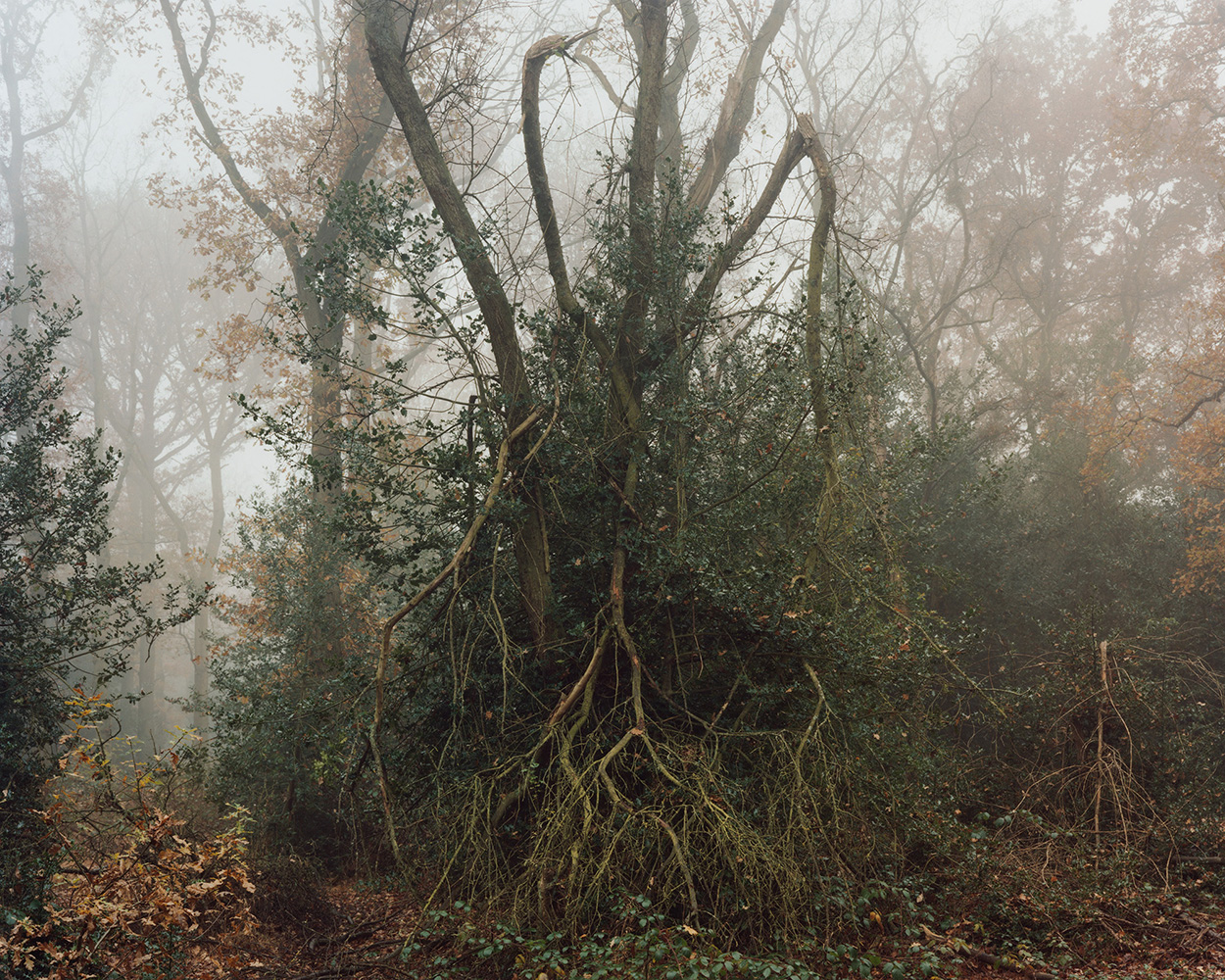
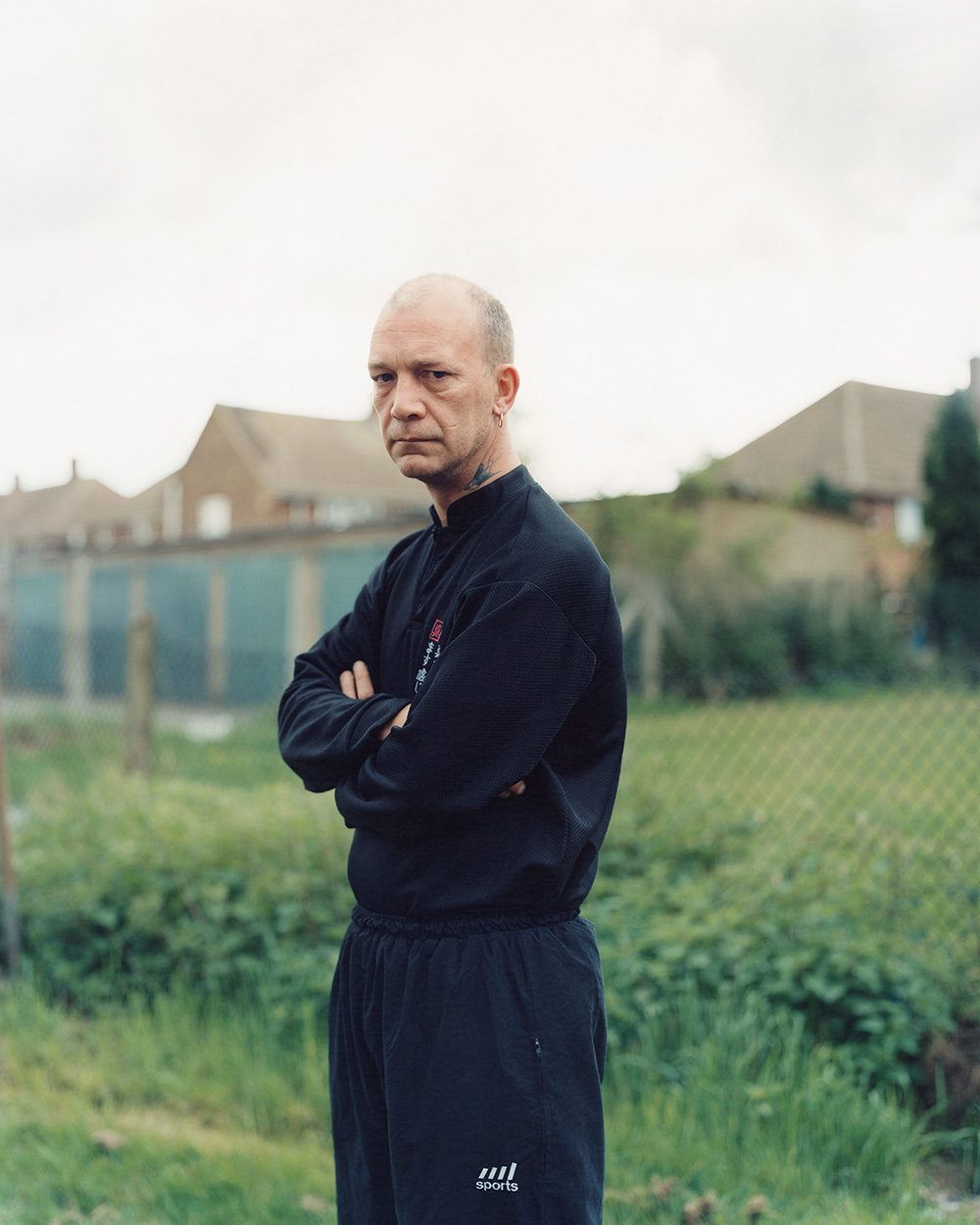
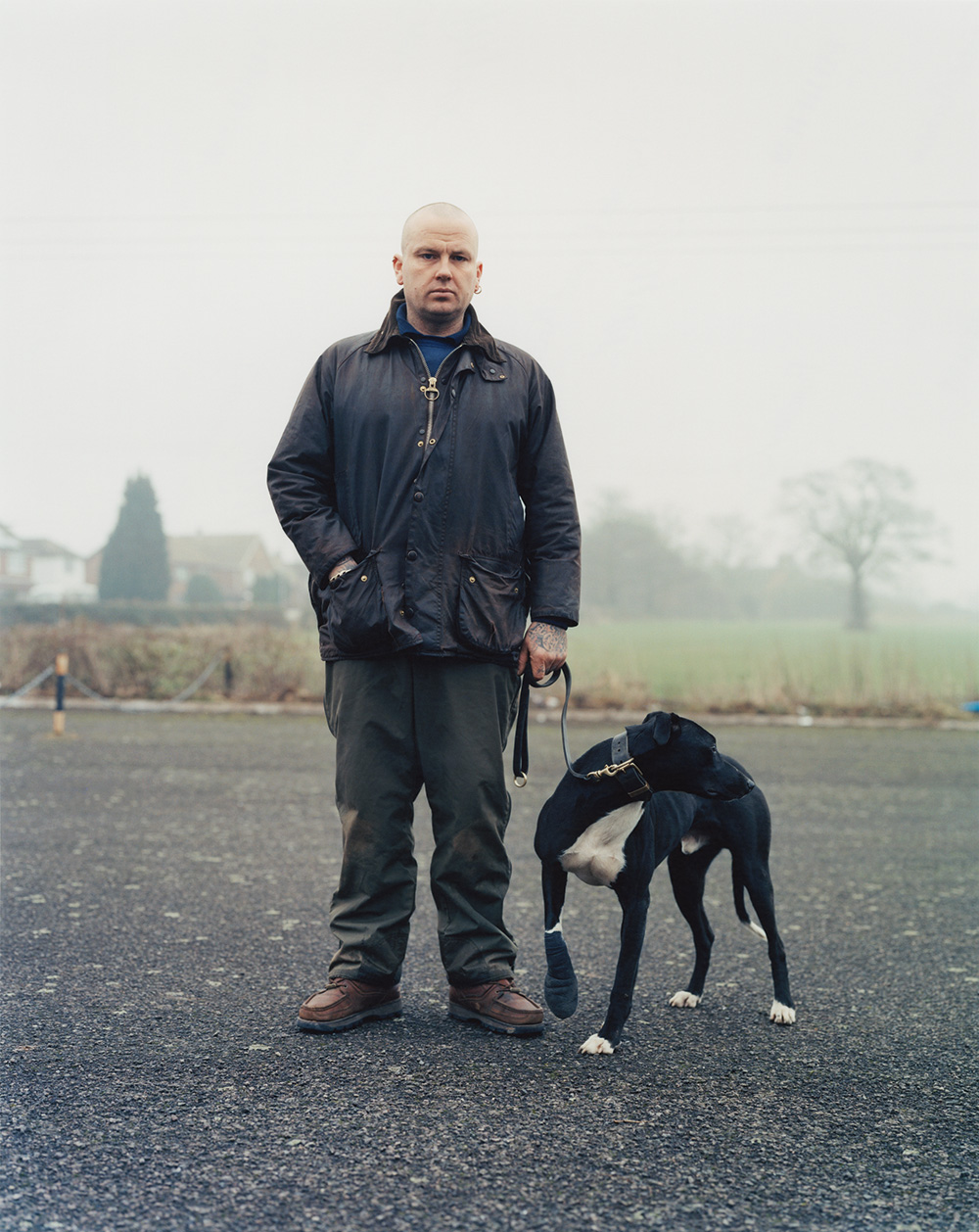
Although he left the village when he was 18, Spinks has been returning to shoot it for the last 15 years. His photos see him act as both an insider and an outsider; capturing people who he’s known all his life, in a town which never truly felt like home. “I had a very secure and stable childhood, but unfortunately I am possessed of a rather melancholy temperament,” Spinks explains. “As a result, I have never really felt at home or comfortable anywhere, even when I was very young.”
The country has changed almost immeasurably in recent years, with Brexit, rising immigration, and Tory-inflicted austerity shaking up the social landscape. It’s a change that the photographer has been steadily documenting. “When I began the village was quite different, unsettled,” he says. “People have been working very hard with few resources to deal with a range of complex social problems.”
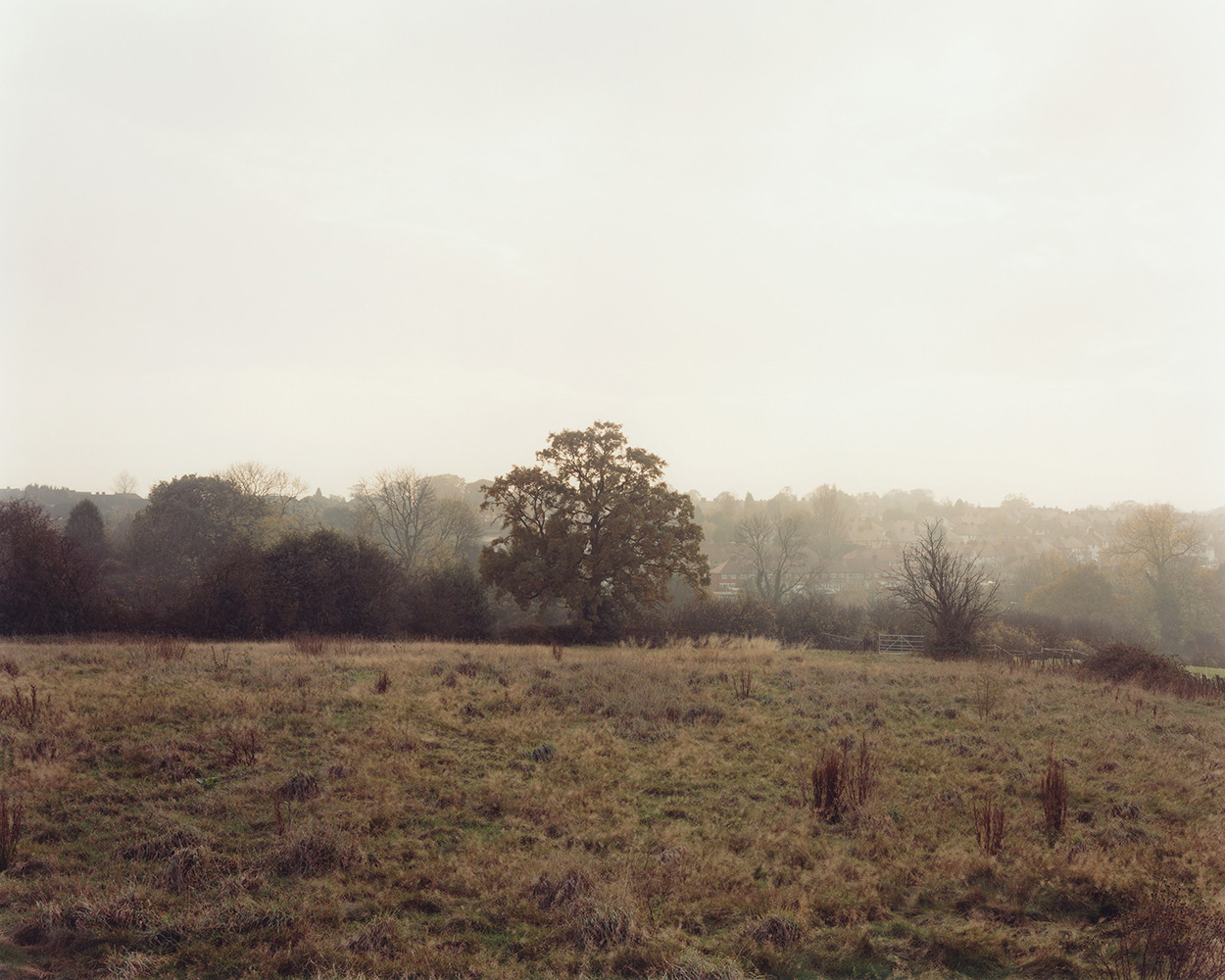
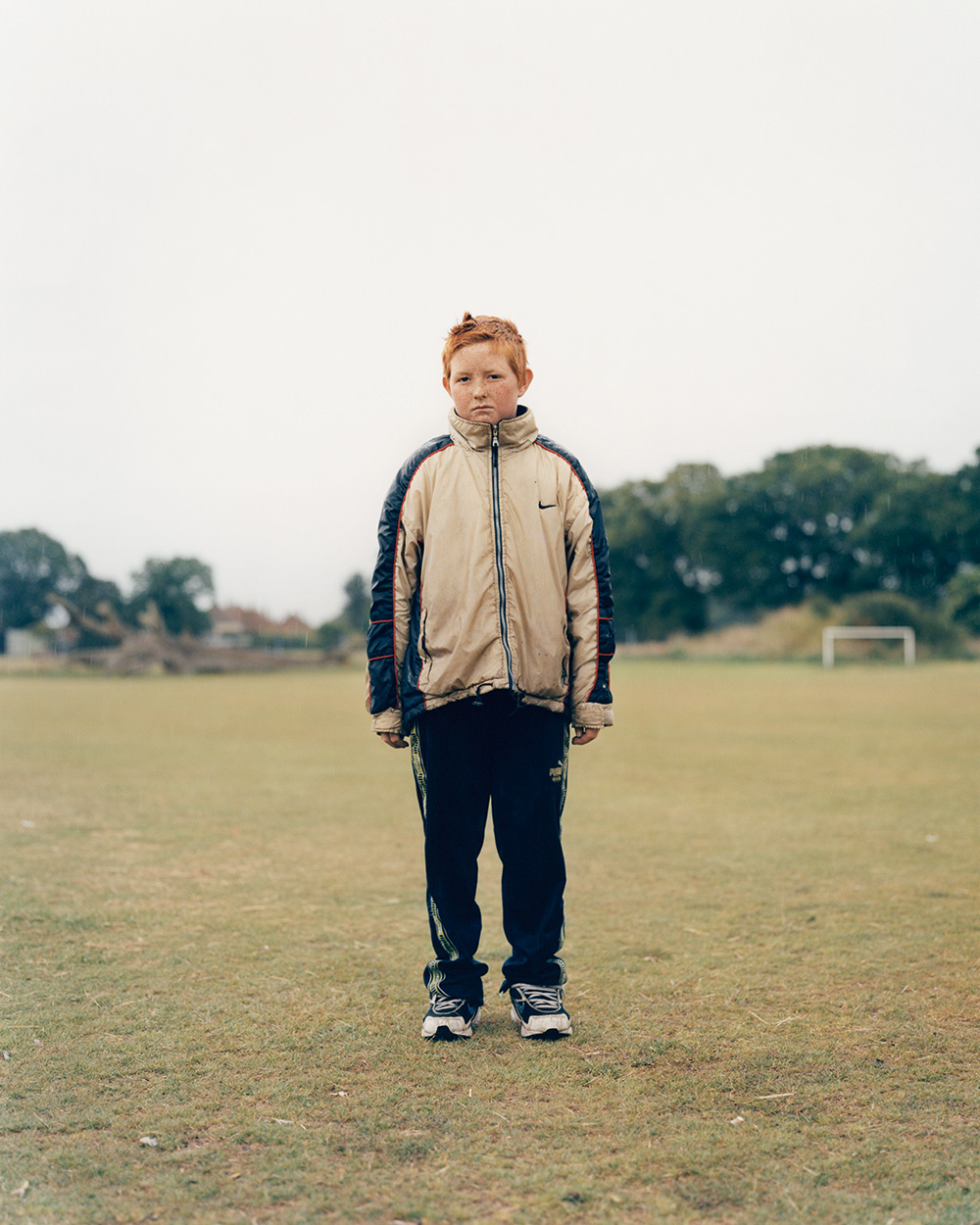
The town, he says, has done well at reflecting the overall mood of England. “Election results locally have closely, very closely, mirrored national results, to the extent that it has been used as a bellwether seat in the last couple of General Elections,” Spinks says. “As for Brexit, people voted very significantly in favour, austerity has bitten as deeply as many other places.”
The New Village, however, is not a political project. It is an attempt to capture ‘Englishness’ – a concept much more elusive and timeless. “It is getting increasingly difficult to follow the threads of quite recent history,” the photographer adds, with an air of mysticism. “There is a strange sense of a place becalmed.”
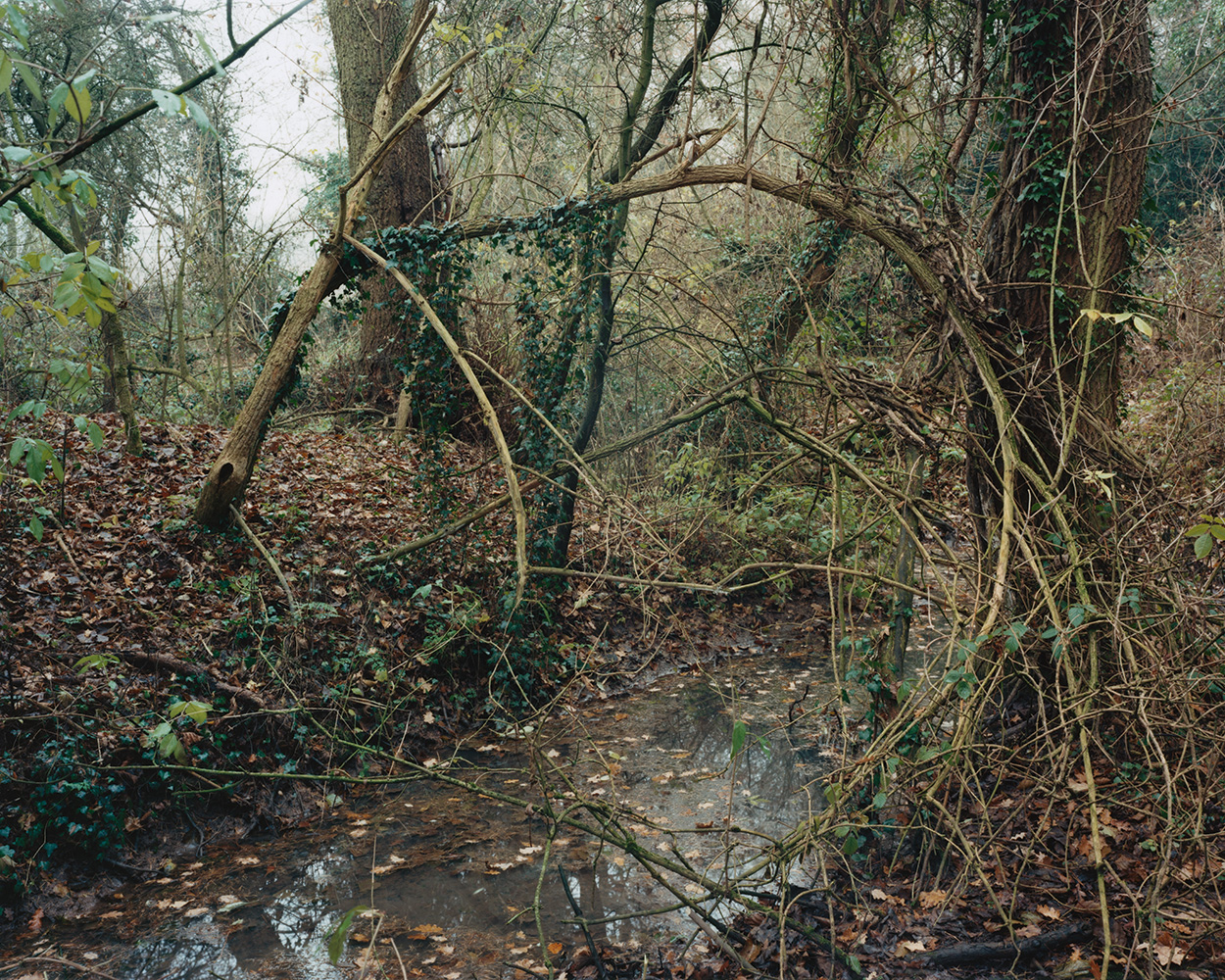
John Spink’s The New Village is published by Bemojake.
Enjoyed this article? Like Huck on Facebook or follow us on Twitter.
You might like

A chaotic portrait of an ’80s American farming family
Holy Cow! — Melonie Bennett grew up on a farm in Maine in the ’80s, and documented her family’s idiosyncratic daily life. She presents those humorous, everyday memories in a new exhibition and photobook.
Written by: Miss Rosen

Exploring girlhood and land ancestry in Sudan’s cotton fields
Cotton Queen – A new feature debut from filmmaker Suzannah Mirghani explores the legacy of colonialism and the fight for self-determination through the tender eyes of a teenage girl.
Written by: Roxana Diba

Portraits of gay bears through a rooftop hatch
Big Boys On My Roof™ — Growing up, Anthony Stockdale struggled with his love for bigger men. His new photo series celebrates the bear community.
Written by: Anthony Stockdale

In photos: Lives of solitude at the world’s edge
Coirón — Pie Aerts’s new photobook documents years spent in close quarters with puesteros in Patagonia – a group of aging gauchos who live almost completely isolated existences.
Written by: Isaac Muk

The raw, fledgling intimacy of Peter Hujar’s contact sheets
Hujar:Contact — A new photobook highlights the process of the legendary queer photographer, and his process of growing into the artist he ultimately became.
Written by: Miss Rosen

Jesse Glazzard’s messy portrait of queer friends, lovers and chosen family
The Sound of Dirt and Beauty — The photographer’s debut monograph explores tender, unpolished moments shaped by the people who he surrounds himself with, while offering a window into the UK’s working-class LGBTQ+ community.
Written by: Sunny Sunday


