
Bloody Chunks: Vietnam's underground metal scene

As soon as photographer Neil Massy moved to Vietnam, he wanted to cut through its veneer: a vibrant country with a young population still defined by war.
There was something about the culture, the people and their attitude to life that he and his wife connected with – so much so that after three visits, they settled in for six years.
“I had travelled a lot with my work but had never lived in another country,” he says. “The only way I felt I could learn anything of meaning about Vietnam was to spend time there, to get under the skin of day-to-day life.”
His instincts lead him to a sporadic series of free gigs in Saigon (Ho Chi Minh City) where teenagers freaked out to the sounds of rock and metal.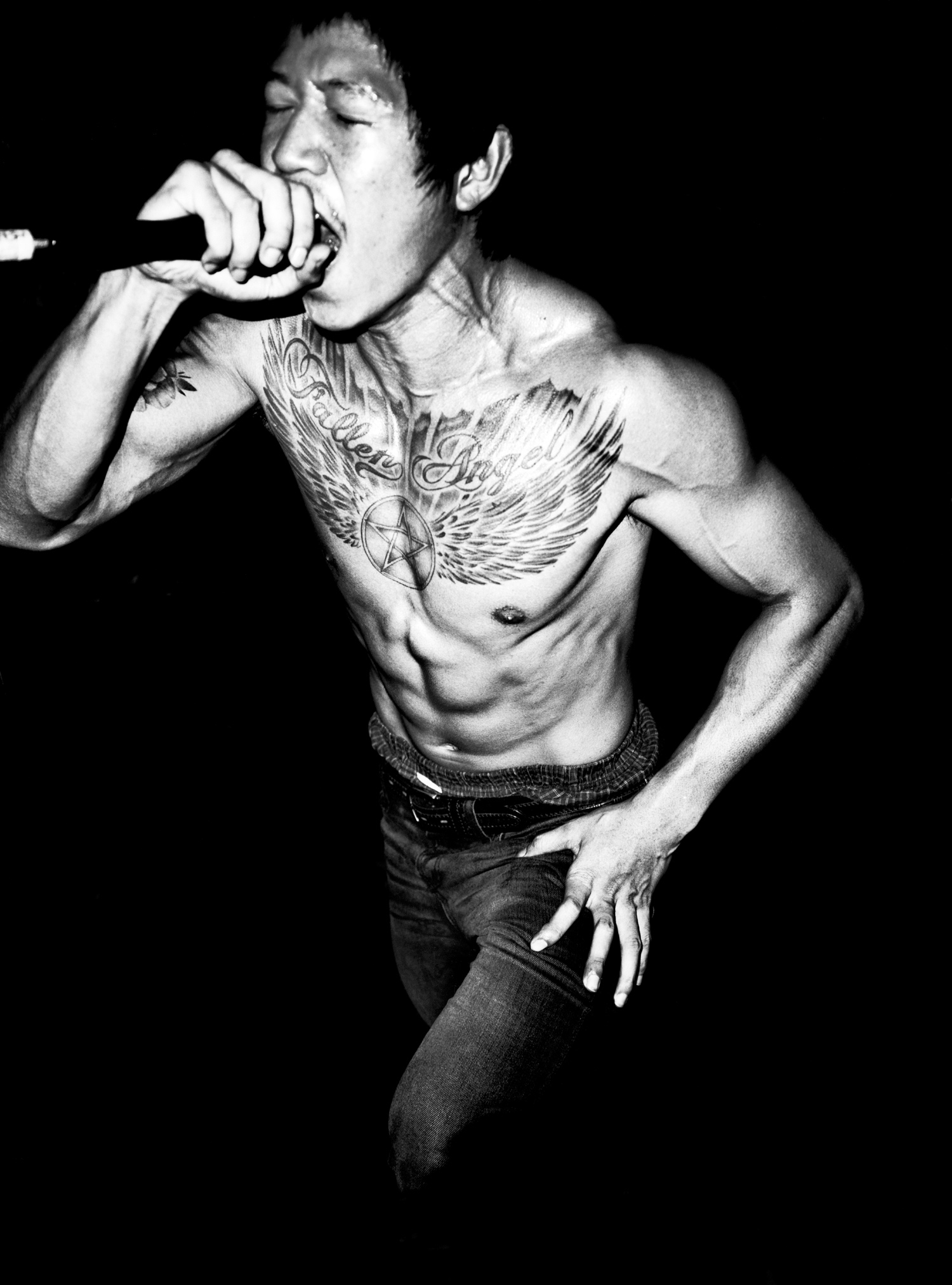
Eventually he befriended musician Trung (pronounced ‘Choum’) of grindcore band Wuu. He’s the founder of Vietnam’s first and only metal label, Bloody Chunks Records, and the man widely credited for developing Vietnam’s current metal scene.
Through Trung, Massey gradually developed a better understanding of that subculture and saw the potential in capturing its combination of brutal energy and hardcore following.
“My formative years were spent shooting and watching bands like the Damned and Fugazi,” he says. “The energy and spirit of the metal gatherings resonated with my early experiences at punk gigs: full-on and exhilarating.”
Though Massy hadn’t shot in black-and-white for 12 years, just developing the film proved difficult. It was only salvaged when a search for processing chemicals in the backroom of a photo shop in Saigon turned up a kilo of powdered developer and some crystal fixer.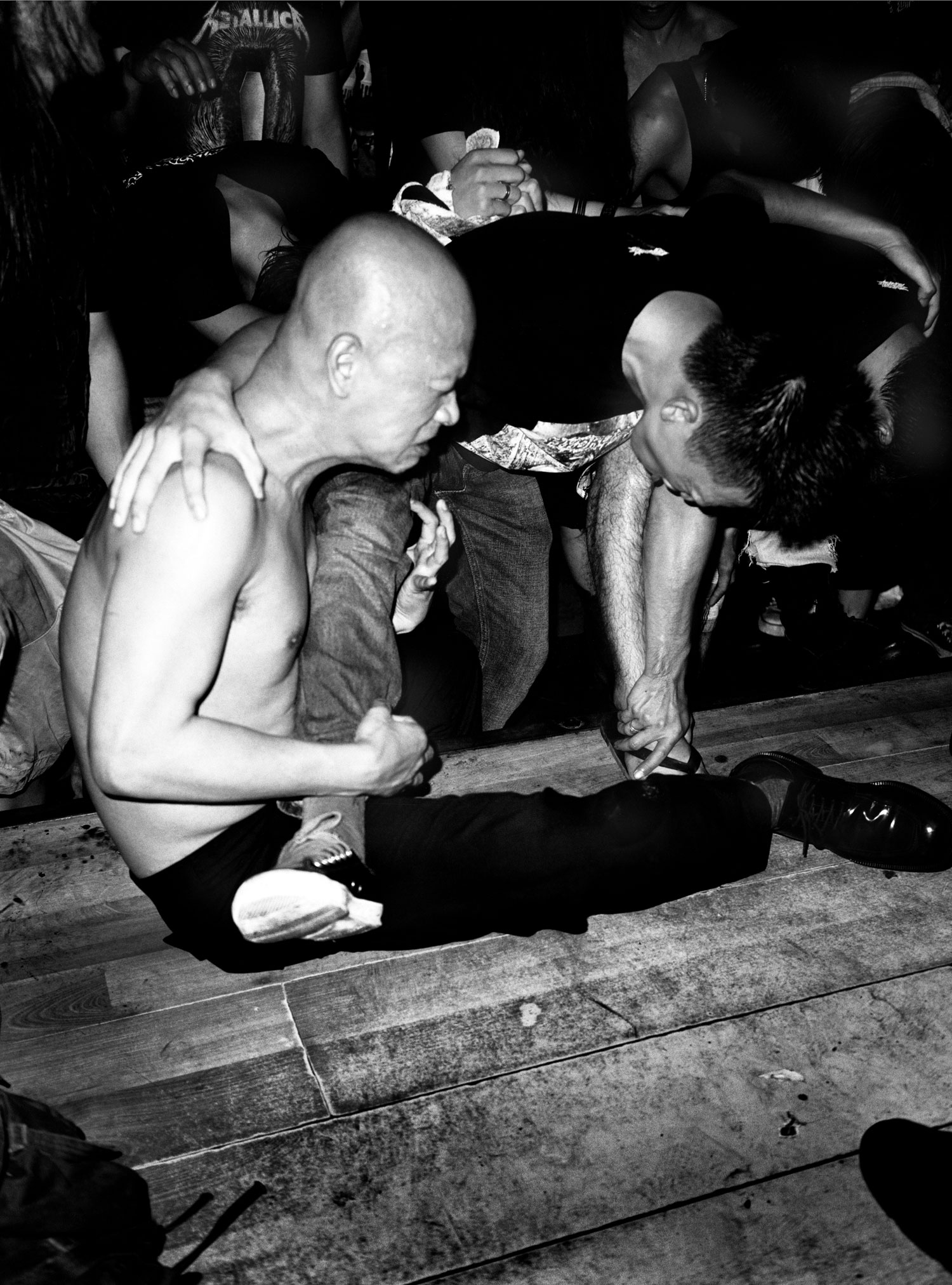
Using used some clear vinegar as stop bath and some old German medium format film, Massy came up with a home processing kit that felt perfectly in keeping with the DIY spirit of his subject.
While editing over a thousand shots, Massey quickly recognised that there was more to these gigs than just music. For many young Vietnamese, it was a welcome means of escape.
“Pressure to conform in Vietnam comes from all sides,” he says. “From the communist government but, even more so, from within the family unit itself. In Vietnam, filial responsibility and obligation is central to the family structure… which makes self-expression and finding your own voice more challenging.”
Check out more of Neil Massey’s work.
Enjoyed this article? Like Huck on Facebook or follow us on Twitter.
You might like

The lasting community legacy of a legendary Californian boxing gym
Moretón — Since opening in the ’80s, the Coachella Valley Boxing Club has trained multiple world champions, while providing a vital hub for local youth. In his new photobook, Darren Vargas documents its tight-knit, Chicano-led community, while also weaving a deeply personal story.

Inside the grunge golden age with Hole’s former bassist
My ’90s Rock Photographs — Melissa Auf der Maur’s new photobook is a sprawling visual memoir of her time at the heart of the US scene, from Tinker to The Smashing Pumpkins.

How the Home Counties took over UK rap

Introducing ‘The Chaos Isles’, a new photozine by Huck and Yushy
Normal Island — From unlicensed raves to the solstice at Stonehenge, furries to giant vegetable growers, Yushy is one of the UK’s best lensmen of its wild side. ‘The Chaos Isles’ will be sent out exclusively to Club Huck+ members.

Join Club Huck+ to get the most from Huck
Dispatches from the sharp edge of culture — Members get our print magazine, special photozines, The Huck Long Read newsletter, discounts from our friends and partners, digital versions of back issues and priority access to events.

Signs of solidarity as London marks three years of genocide in Palestine
Never forget — 250,000 people gathered on Saturday as Israeli attacks have continued in Gaza and the West Bank. Daisy Schofield photographed the diverse people and placards in attendance.


