Bringing street photography to life by creating fiction from photos
- Text by Millie Morris
- Photography by Stephen Leslie

Are you an avid people-watcher? Do you like to sit and watch the world go by, wondering where people are marching off to, getting lost in the mystery of their lives?
Stephen Leslie does – and he’s created a whole book which offers back stories to the passing characters and fleeting glimpses of lives we see on the street.
With Stephen’s background ranging from directing and screenwriting to photography, it is easy to see how SPARKS came to fruition. Combining the weird and the whimsical, it promises a comic insight into imagined lives by taking inspiration from photographs he’s taken– resulting in short stories and new worlds.
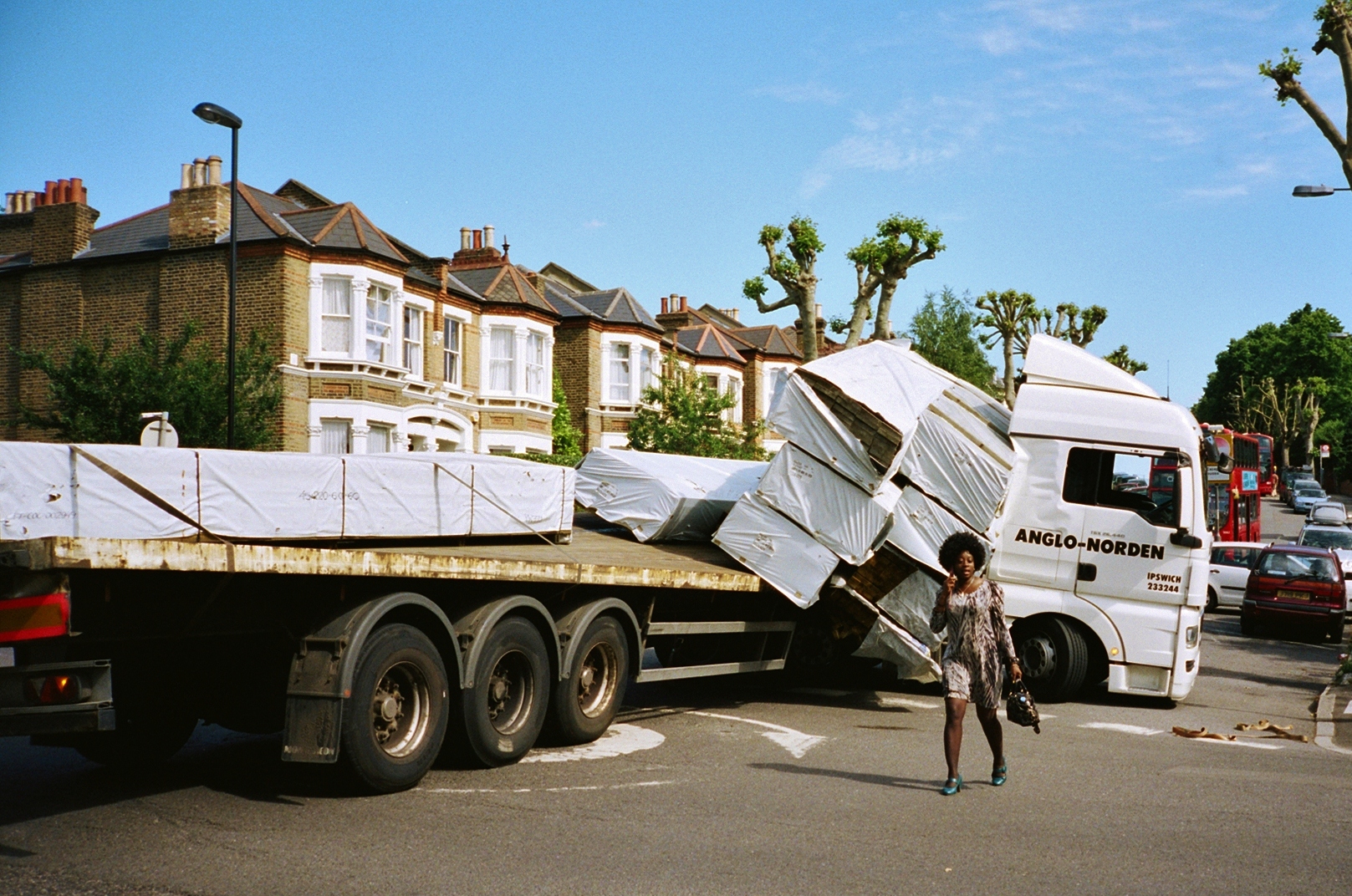
“Street photography means that every time I leave the house I haven’t got a clue what I might end up photographing and I love that,” says Stephen, who has been taking photos for over two decades. “Gradually I came to appreciate that many of my favourite shots were suggestive, they acted as the starting point or ‘spark’ for an extended narrative”, he continues. Five years ago he decided to start writing short fictional stories to accompany his real life shots.
Thus became SPARKS. “My career as a screenwriter means I’m always thinking about characters and interesting narrative situations, and I’m very fortunate that I’ve now found a way to combine that with my photography,” Stephen says.
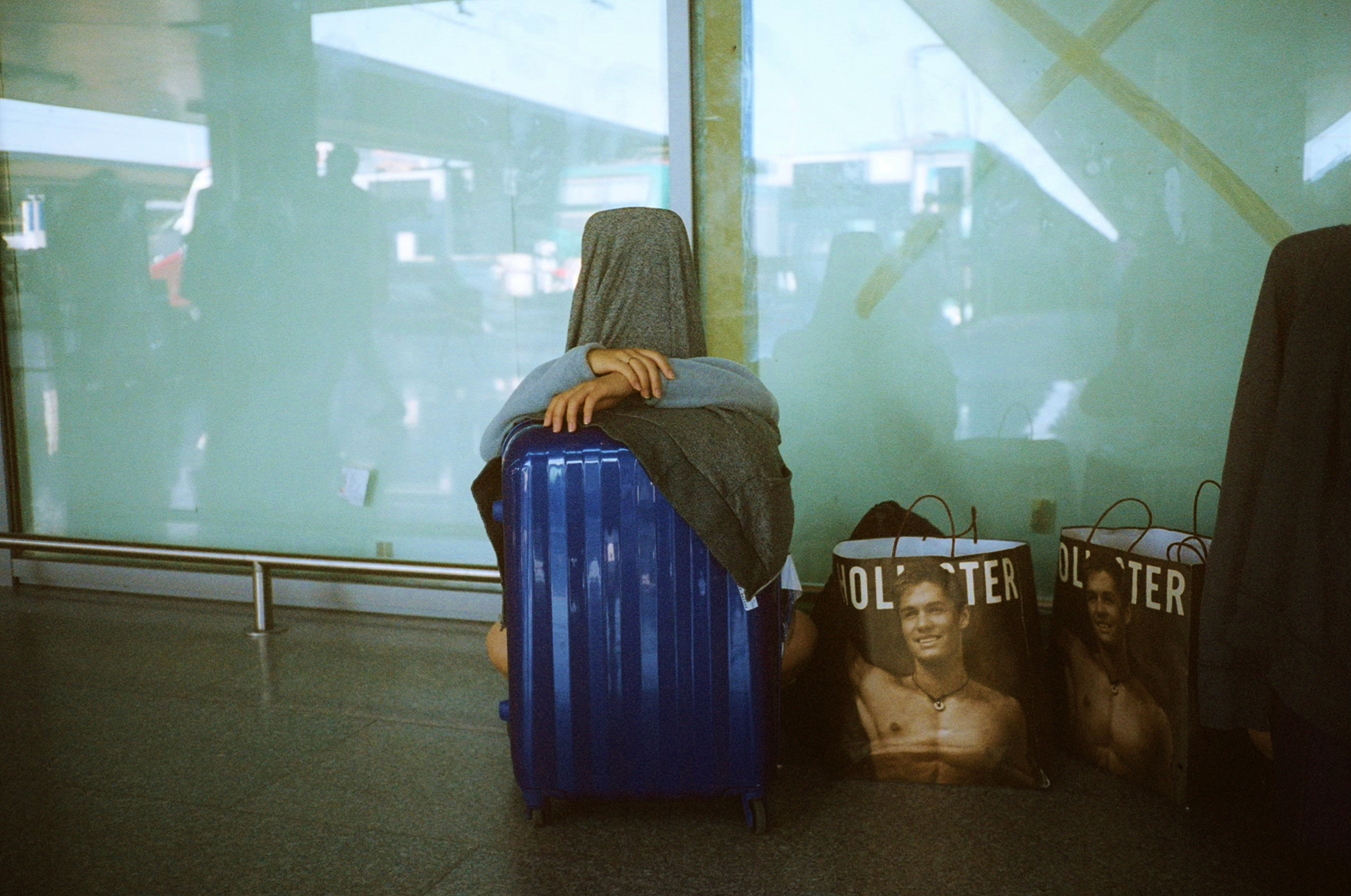
Extending a tradition which spans history – from William Blake’s poetry and illustrations to the picture books we read as children – Stephen finds photography an instantly gratifying antidote to the world of film-making, and the perfect complement to written words.
As his website explains, SPARKS aims to “match photographs with convincing lies that complement and, even possibly, explain the images.” This emphasis on photography offering a portal to “truth” has led Stephen to reconsider whether or not pictures snapped on the street really do this, or instead provide a misleading relationship with reality.
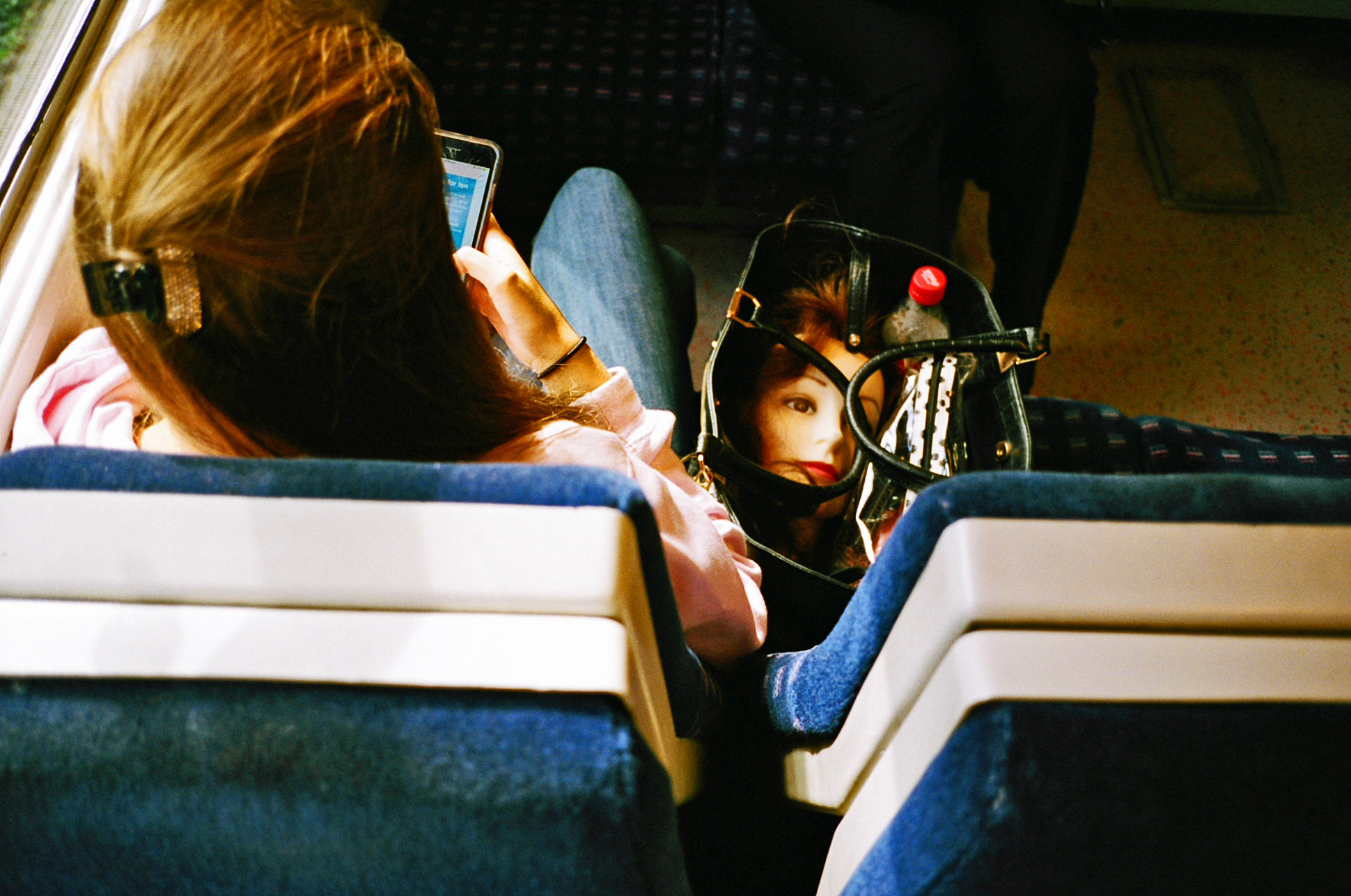
“Street photography gains a lot of its power by taking images out of context. When I take photographs I don’t really know what’s going on – I rarely interact with my subjects and neither does the viewer,” he says. “So now what I’m doing is providing fake contexts for my supposedly ‘real’ images and I enjoy the new, hybrid thing that this creates.”
From the lonely tale of Mr Biscuits the dog on a blind date to the unpredictable actions of a chiropodist who fantasises about becoming a pirate, the stories are amusing, longing, delightful and absurd. Revisiting one of the photographs after reading its pretend back story forces the reader to think twice about their original perception of the picture, colouring it in a very different light – and there lies the joy of the combination.
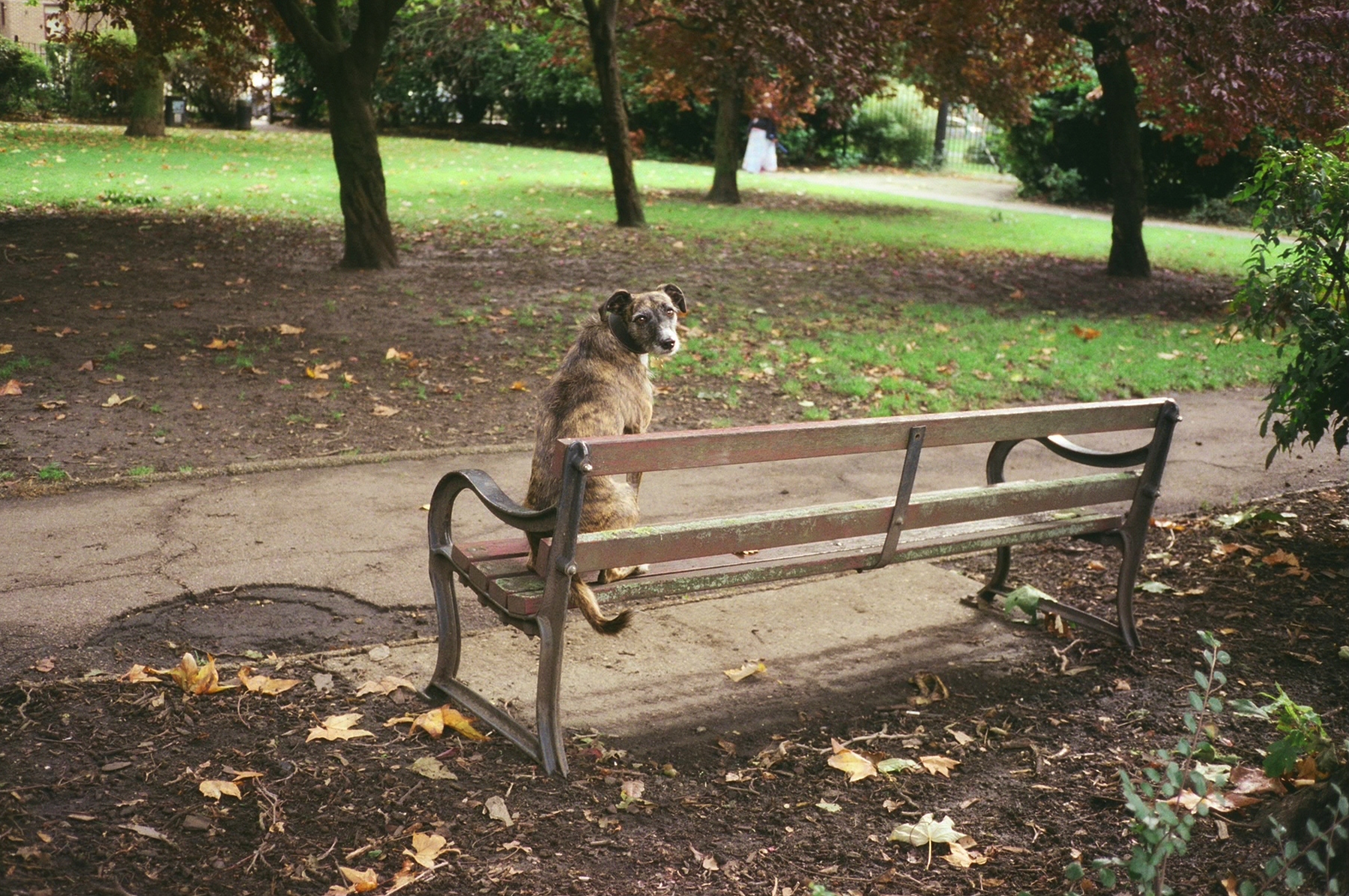
Exploring new realms of the age-old relationship between literature and art, Stephen Leslie is bringing still images to life, whipping up a whole new world in the process.
You can pledge to SPARKS now.
Enjoyed this article? Like Huck on Facebook or follow us on Twitter.
You might like

The raw, fledgling intimacy of Peter Hujar’s contact sheets
Hujar:Contact — A new photobook highlights the process of the legendary queer photographer, and his process of growing into the artist he ultimately became.
Written by: Miss Rosen

Jesse Glazzard’s messy portrait of queer friends, lovers and chosen family
The Sound of Dirt and Beauty — The photographer’s debut monograph explores tender, unpolished moments shaped by the people who he surrounds himself with, while offering a window into the UK’s working-class LGBTQ+ community.
Written by: Sunny Sunday

Behind the curtain at Alternative Miss World 1981
Olympia glamour — Running a subversive take on the traditional beauty pageant, the Andrew Logan organised event prioritised underground creativity and invention. Photographer David Corio went behind the scenes at its biggest edition.
Written by: Miss Rosen

New exhibition highlights British radical living over 200 years
Earthly Paradise — Taking place at the William Morris Gallery, it explores the homes and lives of artists, writers, musicians and more, as well as the conditions that allowed them to thrive.
Written by: Isaac Muk

What life on the Strait of Hormuz is really like
Southern Winds — Bandar Abbas based photographer Morteza Niknahad has been capturing the diverse communities and stories of his local region since he first picked up a camera. His new series highlights the human impact of war.
Written by: Isaac Muk

Nick Haymes’s intimate portrait of his family’s life
Chronograph — Over 25 years, the photographer documented his son’s lives as they grew into adults. The resulting photobook is an exploration of the passage of time, as well as the optimism of youth.
Written by: Miss Rosen


