
Living off-the-grid on the Isle of Tanera Mòr

In 2012, photographer Kevin Percival packed up and moved to the Isle of Tanera Mòr – a remote, other-worldly shelter based off Scotland’s northwest coast.
As a part of the island’s tiny, periodical population, he lived and working there seasonally (eight months on, four months off) for a total of two years, surrounded by breathtaking landscapes and never out-of-sight of the sea. At times, he was one of just five people staying on Tanera.
Since then, he has returned for “at least a few weeks every year” as part of an ongoing photo series that sees him documenting the off-grid, faraway existence of the island and the different people – much like himself – that visit and leave their unique mark on it.


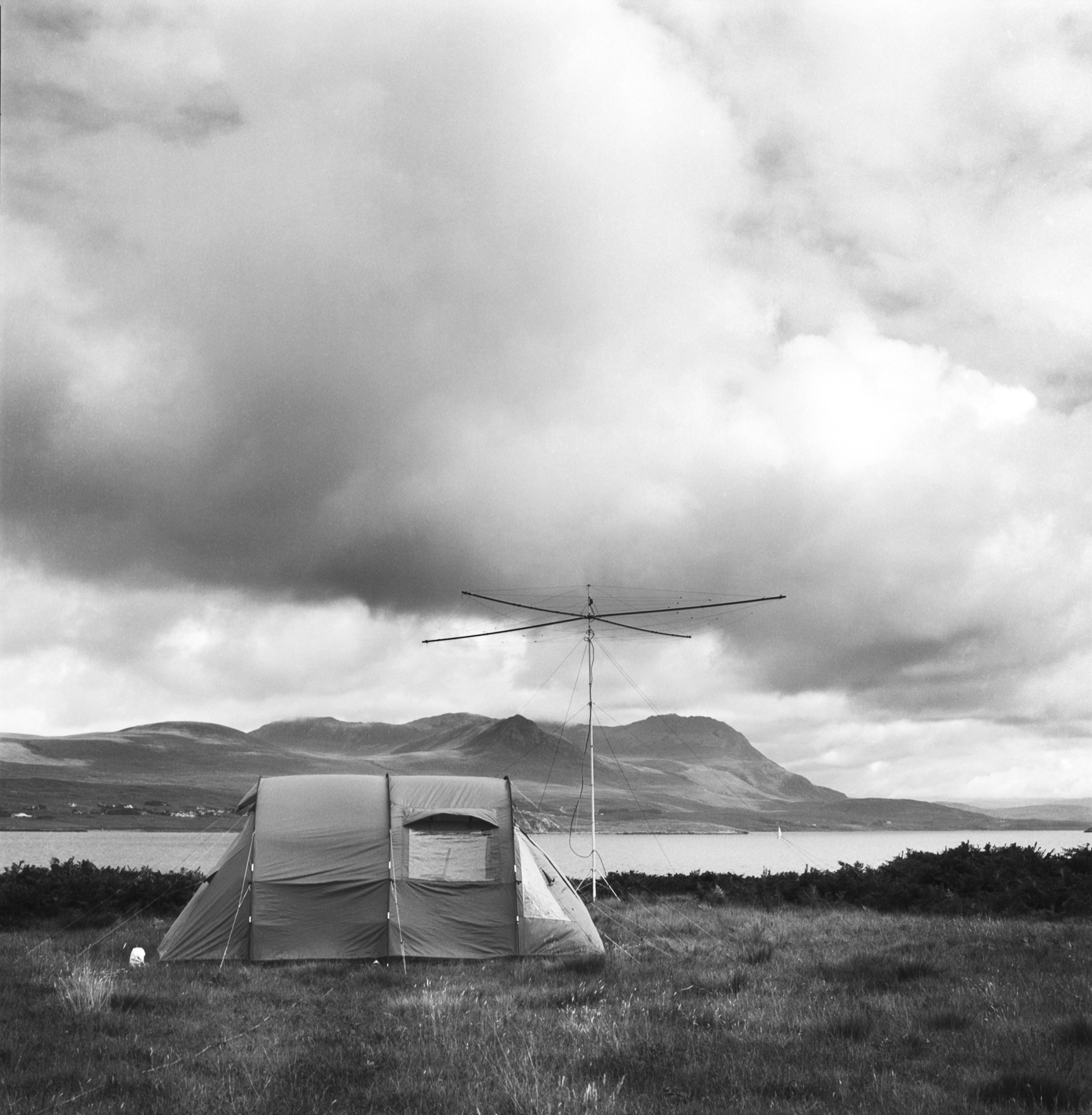
“I grew up in rural Derbyshire and I think that’s probably the single biggest influence on the photography I do,” Percival explains.
“I’ve always felt quite passionate about rural issues – both the environmental and the socio-political. Scotland became a second home, it’s the most truly wild-feeling corner of the UK: like where I grew-up, times ten.”
Titled Tanera (Ar Dùthaich), the project – which is showing in an exhibition at London’s Hotel Elephant space – entangles portraiture with distinctive shots of the island’s shapes, forms and textures, all captured – à la Chris Killip, Paul Strand – in black and white.


Framed as a “portrait of a place”, the work operates as a window into life on Tanera. From the wry smile of a young fisher, to the rock formations that long predate him, Percival traces the past and present of a place unlike any other, joining them together as one.
“Making a project about the island drew me in, because it was such a tiny area – but so full of history.”
“You can really see it written into and onto the landscape. Peat cuttings, evidence of previous fires (wild and man-made), buildings, graves, and fields – all remain visible hundreds of years after the original creators pass on.”


 Tanera (Ar Dùthaich) is showing from 1 – 31 March, 2017 at Hotel Elephant.
See more of Kevin Percival’s work on his official website.
Enjoyed this article? Like Huck on Facebook or follow us on Twitter.
You might like

Joyous photos from the heart of the UK’s radical free festival movement
Common Grounds — The photographer has been capturing British counterculture for the past half century. A new exhibition looks at his archive sitting at the intersection of music, community and grassroots protest.

The lasting community legacy of a legendary Californian boxing gym
Moretón — Since opening in the ’80s, the Coachella Valley Boxing Club has trained multiple world champions, while providing a vital hub for local youth. In his new photobook, Darren Vargas documents its tight-knit, Chicano-led community, while also weaving a deeply personal story.

Inside the grunge golden age with Hole’s former bassist
My ’90s Rock Photographs — Melissa Auf der Maur’s new photobook is a sprawling visual memoir of her time at the heart of the US scene, from Tinker to The Smashing Pumpkins.

Introducing ‘The Chaos Isles’, a new photozine by Huck and Yushy
Normal Island — From unlicensed raves to the solstice at Stonehenge, furries to giant vegetable growers, Yushy is one of the UK’s best lensmen of its wild side. ‘The Chaos Isles’ will be sent out exclusively to Club Huck+ members.

Join Club Huck+ to get the most from Huck
Dispatches from the sharp edge of culture — Members get our print magazine, special photozines, The Huck Long Read newsletter, discounts from our friends and partners, digital versions of back issues and priority access to events.

Signs of solidarity as London marks three years of genocide in Palestine
Never forget — 250,000 people gathered on Saturday as Israeli attacks have continued in Gaza and the West Bank. Daisy Schofield photographed the diverse people and placards in attendance.


