Chris Stein of Blondie talks shooting NYC’s ragged heyday
- Text by Niall Flynn
- Photography by Chris Stein

Chris Stein came of age in a New York City that’s since been lost.
As co-founder and guitarist of new-wave leaders Blondie, the Brooklyn native was a stalwart of the city’s creative scene throughout the ’70s – a time when renting an apartment for $100 a month was still a viable reality for an artist.
As well as the music, however, Stein was also an accomplished photographer. Though things really took off in his late teens when he began studying at New York’s School of Visual Arts, he first started taking pictures long before that, as a “little kid” with a “little brownie camera”.
 “I just really enjoyed the time travel aspects of photography, I’d get very absorbed into an image,” he remembers.
“When everybody saw [1966 film] Blow-Up, they all wanted to be a photographer. All the kids I knew who were dabbling in photography, that was a big inspiration for them.”
Now, the photos that Stein took during NYC’s heyday have been collated for a new book titled Point of View: Me, New York City, and the Punk Scene.
From the apartments that he and his bandmates lived in, to the parties they attended and the venues they played, the book presents an intimate visual history of the city’s music and art scene, captured from the inside.
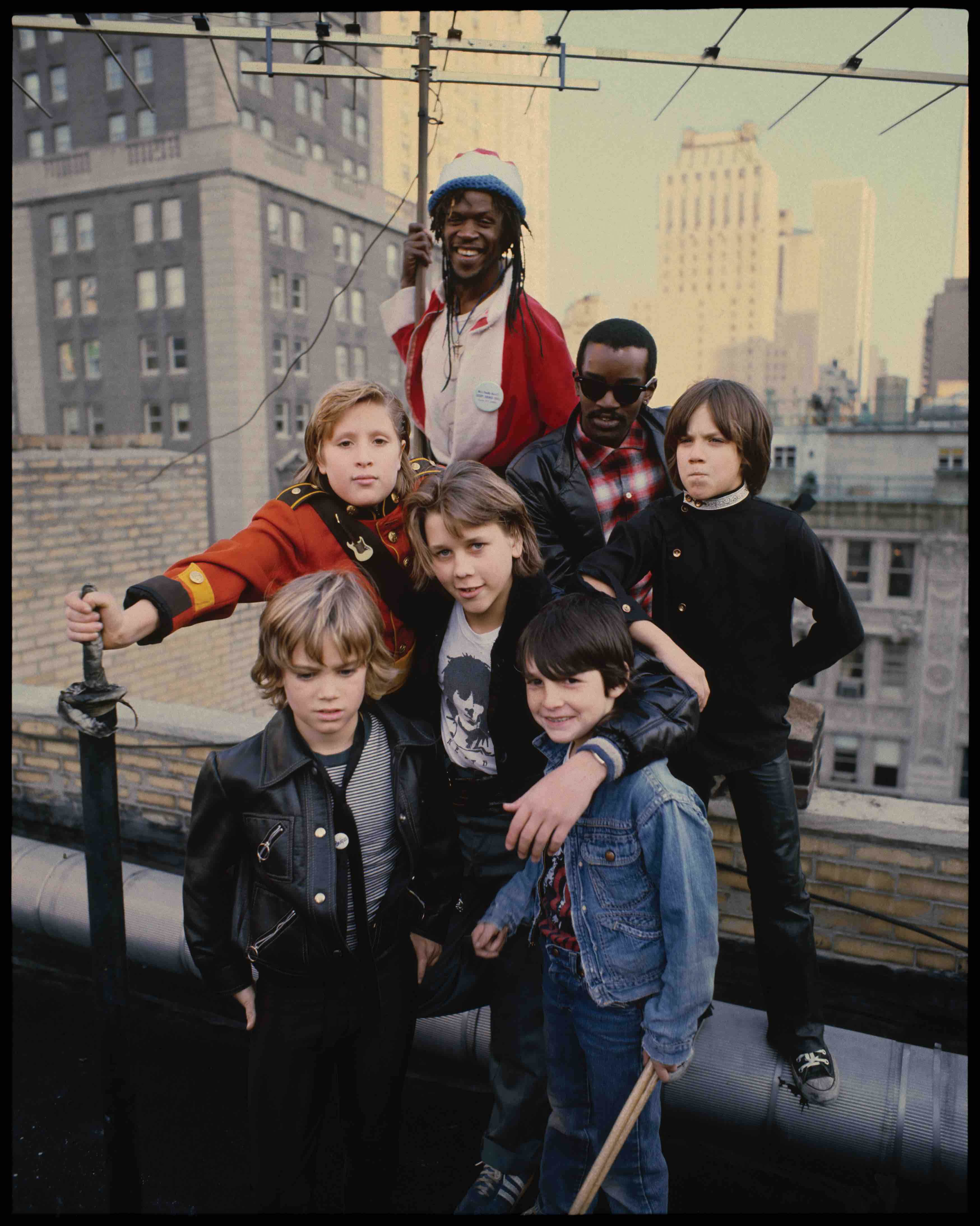 “Everyone in the music scene was really isolated. Nowadays, there’s a lot of great punk bands in New York, but they’re connected – almost worldwide – to this whole community.”
“We were pretty much off by ourselves. It wasn’t a big area and the [creative] scene was very incestuous. it was the same bunch of people up until ’75, ’76.”
Those people – Bowie, Warhol, Burroughs, Iggy Pop, and, naturally, Debbie Harry – provide the book’s iconic cast, though Stein’s lens goes further than just his friends and contemporaries. Alongside the likes of the aforementioned, street photography and candid shots of the city’s residents make it an all-encompassing portrait.
 “It was different then. It wasn’t a time where everybody had a fucking camera. I think if you had a camera, you got a little bit of credit just from the fact you had this thing, this object,” he says.
“Sure, everyone complained about New York being horrible, but nobody wanted to leave. It was a nice period – and exciting, too. My age keeps me from going out all the time, but there are kids who still do this stuff. Maybe the context is a little bit different. But it’s still there.”


 Point of View: Me, New York City, and the Punk Scene is out now from Rizzoli.
Enjoyed this article? Like Huck on Facebook or follow us on Twitter.
You might like

Lost photos from the heyday of punk and new wave
Crash Bang — DB Burkeman’s latest photobook unearths photographs from his younger years as an aspiring music photographer, which sat undeveloped in his family home for decades.
Written by: Miss Rosen

Analogue Appreciation: Xmunashe
Make Yourself At Home — In an ever more digital, online world, we ask our favourite artists about their most cherished pieces of physical culture. Today, it’s elusive freeform explorer Xmunashe.
Written by: xmunashe

Gold-tinged togetherness as Londoners flock to Primrose Hill for the solar eclipse
Celestial gathering — Ella Glossop photographs the once in decades event from one the city’s most popular gathering spots, and the community spirit that encapsulated the moment.
Written by: Ella Glossop

Surveying community and resistance in LGBTQ+ nightlife
Sex, Clubs Dissent — A new book collates queer nightlife photography over the past 50 years, and the people who found refuge and safe spaces after dark.
Written by: Miss Rosen

In photos: Electric nights in ’70s Japan
Tokyo–Koza — Keizō Kitajima’s new photobook explores the explosion of party culture of Tokyo and Okinawa during an era of rapid change in the country, as well as its stranger turns.
Written by: Miss Rosen

“Magazines are cultural artefacts”: magCulture’s Jeremy Leslie on the enduring importance of print
We love magazines — Despite the ever creeping digitalisation of the world and culture, physical objects are taking on different, yet vital, roles in culture today. Ella Glossop chats to one of London’s biggest proponents of the art about why we need to support independent publications.
Written by: Ella Glossop


