
Documenting addiction in a small U.S. neighbourhood

In Philadelphia, 80 per cent of overdose deaths involve opioids.
Those numbers – as outlined in a 2017 report by the city’s designated task force – have been rising sharply over the past five years. In 2016, 907 people died due to drug overdose, compared to 702 the previous year. In 2017, there were over 1,200 estimated overdose fatalities.
It’s a crisis that local photographer Jordan Baumgarten has come to witness first-hand. Born in Philadelphia and raised in New Jersey, he returned to the city for college, before moving back permanently once he’d completed grad school. It was there, in Philly, that he eventually met and married his wife.
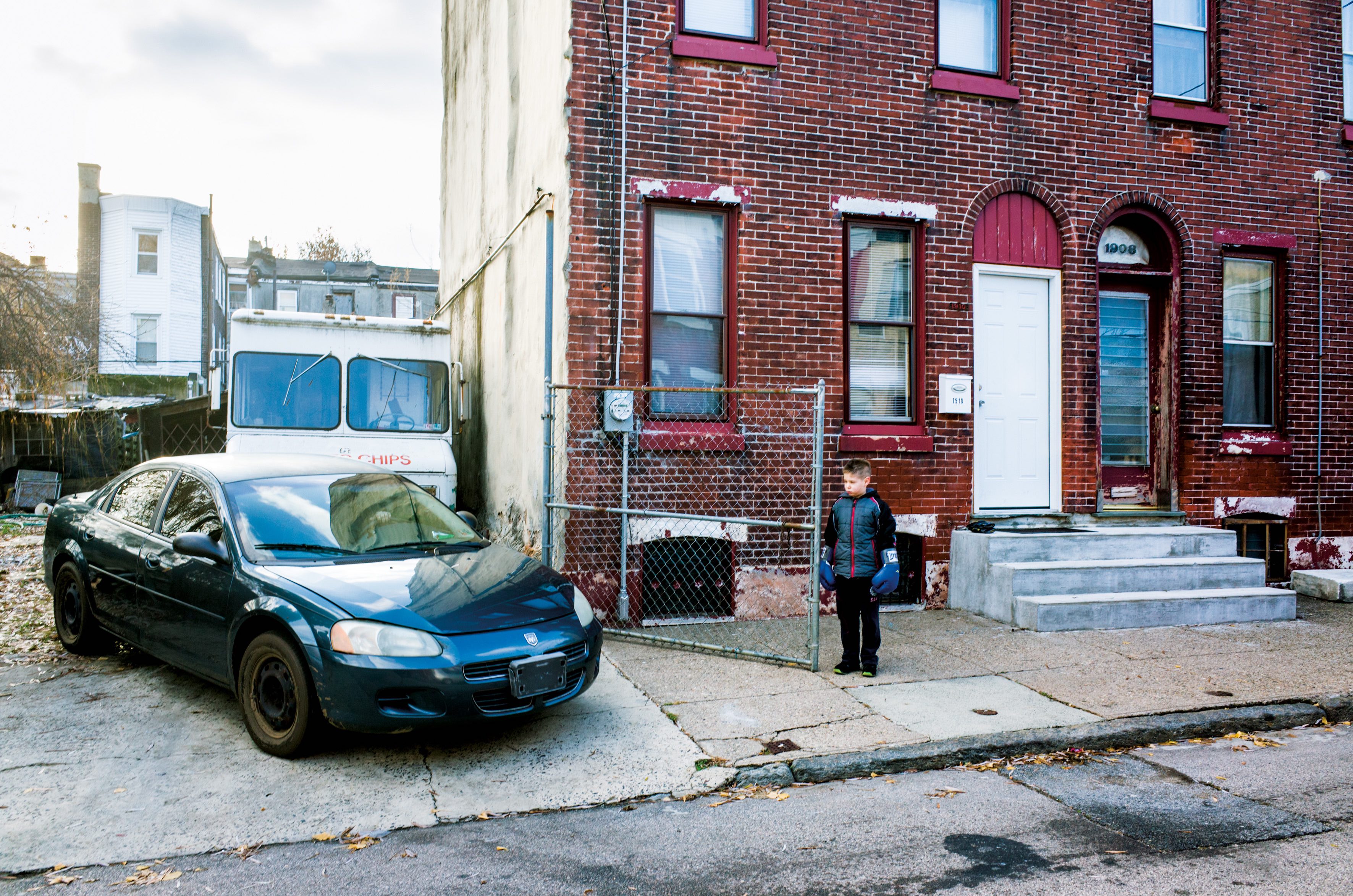
From the series ‘Good Sick’ © Jordan Baumgarten

From the series ‘Good Sick’ © Jordan Baumgarten
In 2013 – when the city’s opioid numbers first began to spike – the Baumgartens moved to Kensington, a neighbourhood sandwiched between North Philadelphia and the area known as its Lower Northeast section. It was here, in his new home, he first began to understand the extent of Philadelphia’s problem.
“I saw a lot of things that were going on out in the open, and that was really foreign to me,” he recalls. “I wanted to use my camera to put myself out there, so I could understand more. This a big city, and I wanted to learn about what was happening.”
Over the course of five years, Baumgarten documented what he observed in Kensington. Operating as a microcosm of a much larger crisis, the project – titled Good Sick – represents a visual portrait of the neighbourhood’s battles, depicting the strain and disorder of a community being torn apart by addiction.

From the series ‘Good Sick’ © Jordan Baumgarten

From the series ‘Good Sick’ © Jordan Baumgarten
Visually speaking, the series exists in a confused space. While Baumgarten’s pictures are stark in their portrayals of the effects of the crisis has had on Kensington, there’s also a certain ambiguity in their other-worldliness.
“I wanted some images to be very direct, but within the sequence, I wanted to include images that confuse the idea, so you didn’t really have a good footing on where you were.”
“This crisis exists in the open, in a way that was very complicated. With that, comes confusion. Whether [the images] are magical or beautiful, or terrifying, sometimes it’s hard to figure out. I was really interested in how to communicate that idea.”

From the series ‘Good Sick’ © Jordan Baumgarten
That duality – private and public, alluring and vulgar – resonates throughout Good Sick’s pages. Though the project is foremostly a depiction of Philadelphia’s opioid crisis, it’s also an exploration of Baumgarten’s relationship with the city: a place he appears to adore and fear in equal measure.
“I’m not sure how that would have panned down if I was living anywhere else in the United States,” he says. “This is where I’m from, so it’s meaningful to make work about a place that is so special to me.”
“But I see that [the crisis] is going to kill an entire generation. The public needs to be educated about what this is: heroin addiction is not a choice. I think that the responsibility of the city is to educate people. It’s my hope that this has a place in that.”
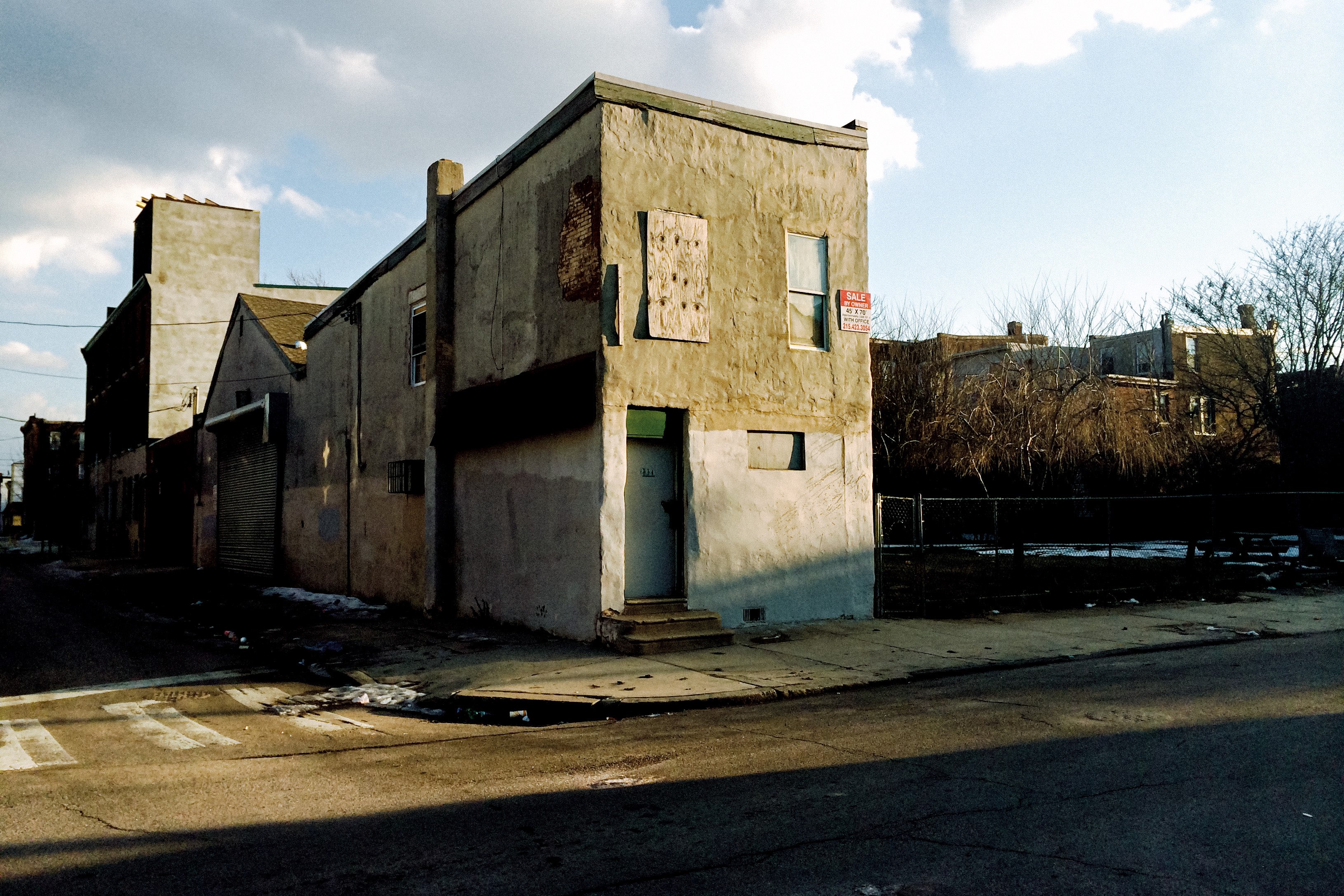
From the series ‘Good Sick’ © Jordan Baumgarten

From the series ‘Good Sick’ © Jordan Baumgarten

From the series ‘Good Sick’ © Jordan Baumgarten
From the series ‘Good Sick’ © Jordan Baumgarten

From the series ‘Good Sick’ © Jordan Baumgarten

From the series ‘Good Sick’ © Jordan Baumgarten
Good Sick is available to pre-order via GOST.
Enjoyed this article? Like Huck on Facebook or follow us on Twitter.
You might like

Introducing ‘The Chaos Isles’, a new photozine by Huck and Yushy
Normal Island — From unlicensed raves to the solstice at Stonehenge, furries to giant vegetable growers, Yushy is one of the UK’s best lensmen of its wild side. ‘The Chaos Isles’ will be sent out exclusively to Club Huck+ members.

Join Club Huck+ to get the most from Huck
Dispatches from the sharp edge of culture — Members get our print magazine, special photozines, The Huck Long Read newsletter, discounts from our friends and partners, digital versions of back issues and priority access to events.

Signs of solidarity as London marks three years of genocide in Palestine
Never forget — 250,000 people gathered on Saturday as Israeli attacks have continued in Gaza and the West Bank. Daisy Schofield photographed the diverse people and placards in attendance.

Landmark new exhibition is celebrating 50 years of female punk
God Save the Queens – The Museum of Youth Culture is bringing together rare photography, archive material and a one-night-only supergroup featuring members of X-Ray Spex, The Slits and The Raincoats.

Halcyon, end of summer days in ’80s Massachusetts
Bell Pond — Stephen DiRado’s new photobook is a nostalgic look at blissed out moments of young love, family and coming of age at a swimming pond in Worcester, Massachusetts.

Photographing America’s 20th century rebels
Rebels With a Cause — A new monograph looks back at Jean-Pierre Laffont’s extensive archive documenting counterculture, art, activism and more, shaping the country as it is today.


