Dystopian photos of London’s bankers in meltdown
- Text by HUCK HQ
- Photography by Stephen McLaren

During the summer of 2008, there were whispers that the City of London was in bad health. However, few could have predicted the calamity that would follow.
Having been a fixture in and around the banks since the rumours of trouble first started circulating, photographer Stephen McLaren was embedded on the frontlines when what would become the 2008 Global Financial Crisis (considered by many to be the worst of its kind since The Great Depression) began to first take shape.
Ten years later, the photos that he took as London’s financial district collapsed around him have been collated for The Crash, a new book – published by Hoxton Mini Press – that remembers the strange combination of alarm, helplessness and demented ambivalence as the market went into meltdown.

“As October 2008 became the month when the City lost its bottle, I assumed I would see ‘blind panic’ outside banks, mass protests and hordes of sacked bankers heading home for the suburbs with their possessions,” says McLaren.“Ultimately, there would be some of all those things, but it happened incrementally.
“Somehow, the medieval nature of the City manages to throw a blanket of deference over people, such that major events sometimes go unwitnessed unless you look really hard. I had to look harder than I thought I would to see all the psychic disturbance that was taking place in people’s working lives.”

The images present a monumental moment in recent British history with an eerie surrealism. And, as well as the obvious helpings of fear and misery, The Crash manages to capture the City’s Machiavellian influence – a greed that created the environment for such crisis.
For McLaren, the book serves as a grim reminder of the inevitably of repeat, as the shadow of an all-powerful city – carnivorous as ever – looms in the distance, showing no signs of slowing in its cheerless growth. A decade has passed, but little has changed.
“The ‘too big to fail’ nature of British banks is even more of a systemic booby-trap these days, as competition has been stripped out and some are still relying on tax-payers’ money.”
“Last time round few saw the calamity coming. I think next time will be more foreseeable but just as unavoidable. Can someone else take the photographs next time though, please?”


The Crash is available now from Hoxton Mini Press.
Enjoyed this article? Like Huck on Facebook or follow us on Twitter.
You might like

Jesse Glazzard’s messy portrait of queer friends, lovers and chosen family
The Sound of Dirt and Beauty — The photographer’s debut monograph explores tender, unpolished moments shaped by the people who he surrounds himself with, while offering a window into the UK’s working-class LGBTQ+ community.
Written by: Sunny Sunday
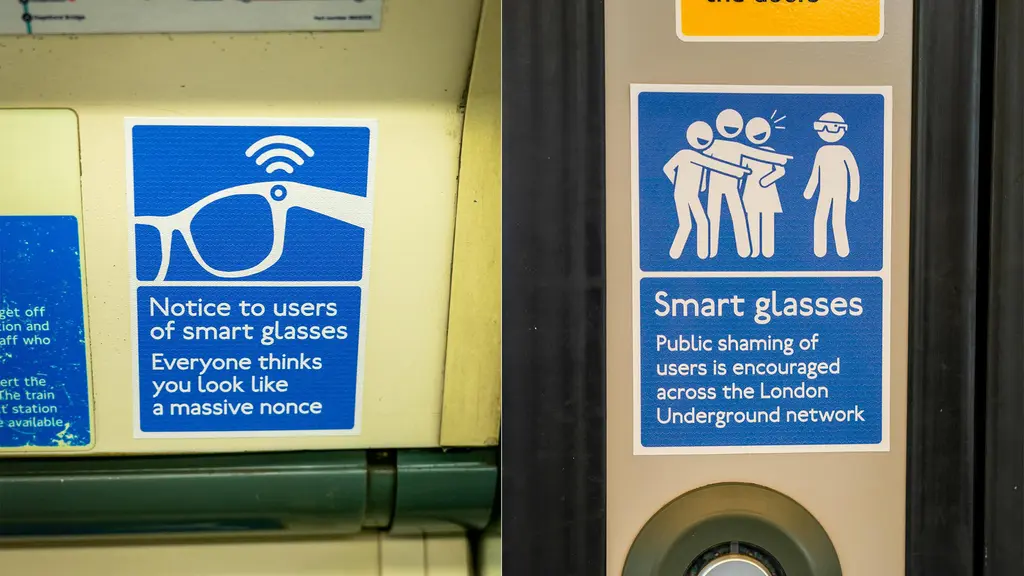
Activists slam “pervert glasses” in new guerrilla campaign
Everyone Hates Elon — Stickers have appeared on the London Underground network, criticising the wearable technology’s covert filming capabilities.
Written by: Isaac Muk

Behind the curtain at Alternative Miss World 1981
Olympia glamour — Running a subversive take on the traditional beauty pageant, the Andrew Logan organised event prioritised underground creativity and invention. Photographer David Corio went behind the scenes at its biggest edition.
Written by: Miss Rosen

Dan Lacey: “BMX is forever evolving”
Overground — Steph Pomphrey caught up with the two-wheel legend after his latest meet in east London, chatting about fatherhood, music and action sports within the outdoor industry.
Written by: Steph Pomphrey

The battle for the soul of lockpicking
Under locksport and key — In recent years, breaking locks for fun has grown from a niche hobby into an activity followed by millions of people. As it has matured, so have tensions over who sets the rules.
Written by: Jack Dennison-Thompson

New exhibition highlights British radical living over 200 years
Earthly Paradise — Taking place at the William Morris Gallery, it explores the homes and lives of artists, writers, musicians and more, as well as the conditions that allowed them to thrive.
Written by: Isaac Muk


