The Travel Diary: Walking the streets in one of America's most dangerous cities
- Text by Matthew Smith
- Photography by Matthew Smith

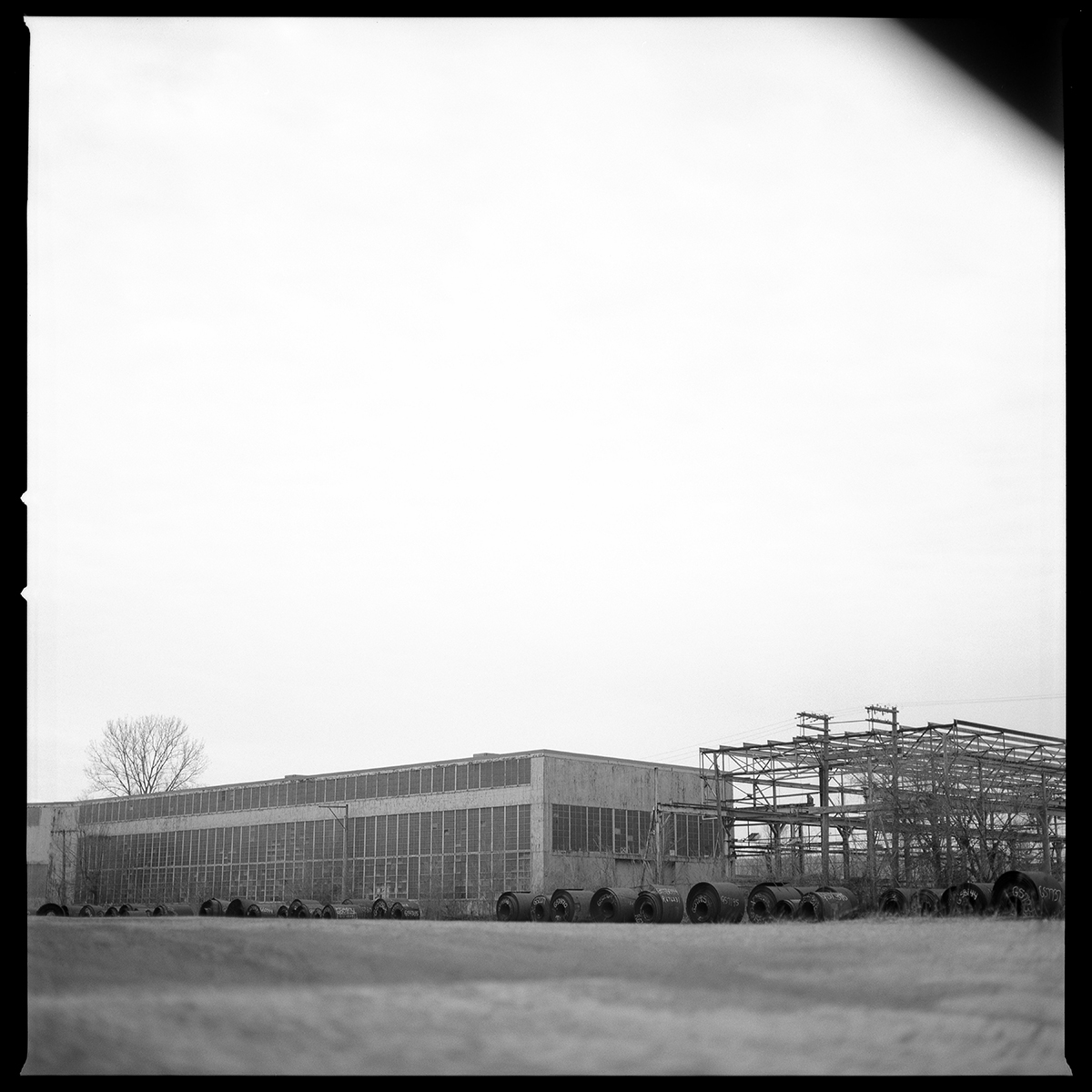
Gary, Indiana is a small industrial city just 30 miles outside of Chicago. It’s a city that used to be a thriving, bustling community, but now an estimated 6,500 of the 7,000 properties that make up the place have been abandoned. The city’s streets are now a hotbed of criminality. Over the past three years, some 80% of jobs in Gary have disappeared, the US’s declining steel industry the most obvious explanation as to why. 
 The town is now also infamous for the actions of depraved serial killer Darren Deon Vann, who hid the bodies of his seven female victims in the derelict buildings that populate the city. Over the years there’ve been endless proposals of ways to improve Gary, to make it once more a city that lives and breathes. Back in 1993 Donald Trump himself drew up plans to open a casino here. Then Trump Casino went bankrupt.
 That’s not to say the place doesn’t have other noteworthy, more positive, claims to fame. On 29 August 1958 it was right here in the city that Michael Jackson was born, spending his early years in a two-bedroom house on the aptly named Jackson Street. A hand-painted still sits proudly on a wall case to City Hall, a monument to a time when the city was alive and kicking.
  If you were to research “Gary, Indiana”, what you would just see the murder convictions, the crime stories, its name emblazoned as one of the worst cities in America. You’ll be offered tips on how to stay safe, most people online suggesting to not leave your car at all, or even stop for gas. After having spent a few days in the city I can tell you that the internet is not over exaggerating the dangers of this place.
 It feels like a desolate urban wasteland, where anything could happen. It’s almost like an apocalyptic city where everyone is simply fighting for survival. I felt very exposed every time I left my car to take a photograph; my head was on a swivel the entire time, and when I headed home for the day I was completely exhausted from constantly keeping watch.
As a photographer, I’m always looking for new and unique places to capture. Places that will challenge me mentally, emotionally, and artistically. Gary, Indiana is hugely different from any other place I have been, in that it changed me and challenged me the most. It changed the way I see the world, and it changed the way I see myself. 

I can honestly tell you that I have no idea how to fix Gary, Indiana, and I certainly don’t claim to have answers. I’m a photographer, I document, and I look on. But what I can tell you is that I left the city feeling like I needed to do something, anything to help. The best I can do is show my photographs, start conversations, show a city in the midst of a crisis and despair. I originally drove in to Gary with the intentions of making some black and white landscape images of the desolate church and a few of the decaying buildings. I left with a strong desire to do something. 


 Check out more of Matthew’s work on his website. Enjoyed this article? Like Huck on Facebook or follow us on Twitter.
You might like

Photographing America’s 20th century rebels
Rebels With a Cause — A new monograph looks back at Jean-Pierre Laffont’s extensive archive documenting counterculture, art, activism and more, shaping the country as it is today.
Written by: Isaac Muk

A chaotic portrait of an ’80s American farming family
Holy Cow! — Melonie Bennett grew up on a farm in Maine in the ’80s, and documented her family’s idiosyncratic daily life. She presents those humorous, everyday memories in a new exhibition and photobook.
Written by: Miss Rosen

Nick Danziger’s striking vision of everyday British life in the ’90s
The British 1994-1999 — The renowned photojournalist returned to his birth country on the cusp of the Millennium, capturing its contradictions with humour and wit.
Written by: Miss Rosen

Exploring girlhood and land ancestry in Sudan’s cotton fields
Cotton Queen – A new feature debut from filmmaker Suzannah Mirghani explores the legacy of colonialism and the fight for self-determination through the tender eyes of a teenage girl.
Written by: Roxana Diba

Portraits of gay bears through a rooftop hatch
Big Boys On My Roof™ — Growing up, Anthony Stockdale struggled with his love for bigger men. His new photo series celebrates the bear community.
Written by: Anthony Stockdale

In photos: Lives of solitude at the world’s edge
Coirón — Pie Aerts’s new photobook documents years spent in close quarters with puesteros in Patagonia – a group of aging gauchos who live almost completely isolated existences.
Written by: Isaac Muk


