The reality of growing up as a young woman in the Gaza Strip
- Text by Cristian Angeloni

When most people think of the Gaza strip, they imagine a place torn and wrecked by violence. However, photographer and journalist Monique Jaques has decided to turn her lenses away from the conflict to find examples of strength and resilience in Gazan women and girls.
Her award-winning photo book, Gaza Girls: Growing Up in the Gaza Strip, looks at the difficult and constrained reality of young girls in Gaza. Despite their existence being defined by geographical and political boundaries, Jaques shifts the focus towards those instants where the girls were free to laugh and daydream, providing a different narrative to the one that outsiders are accustomed to. The book is currently fundraising on Kickstarter, and hopes to be released in early 2018.
Told from a completely Palestinian perspective, Gaza Girls follows the journey of young women as they attempt to defy adversity and claim back the happiness that was taken away from their daily life. We caught up with Monique to find out more about how she put the project together, and the lessons she learned along the way.
What drew you to Gaza in the first place?
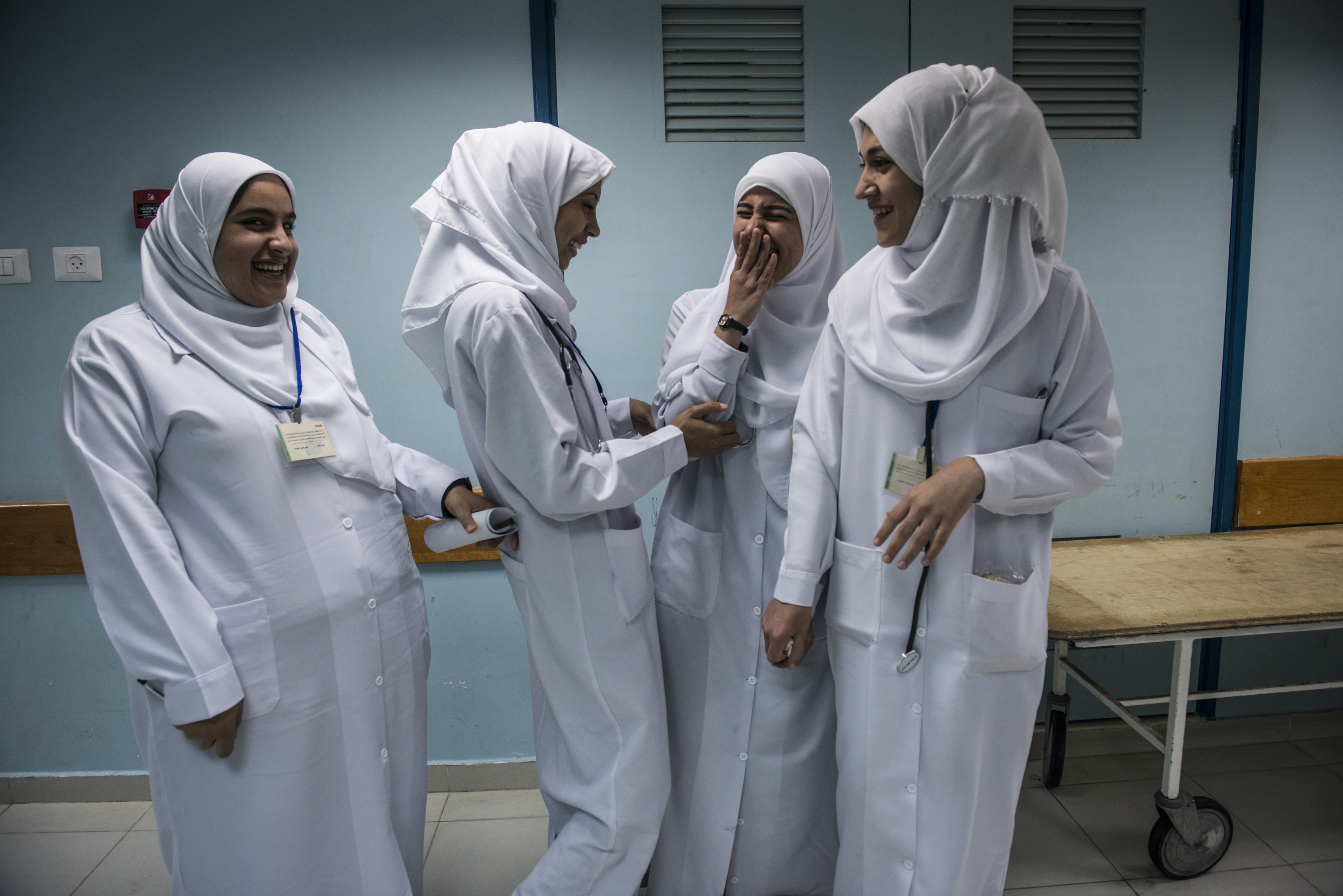
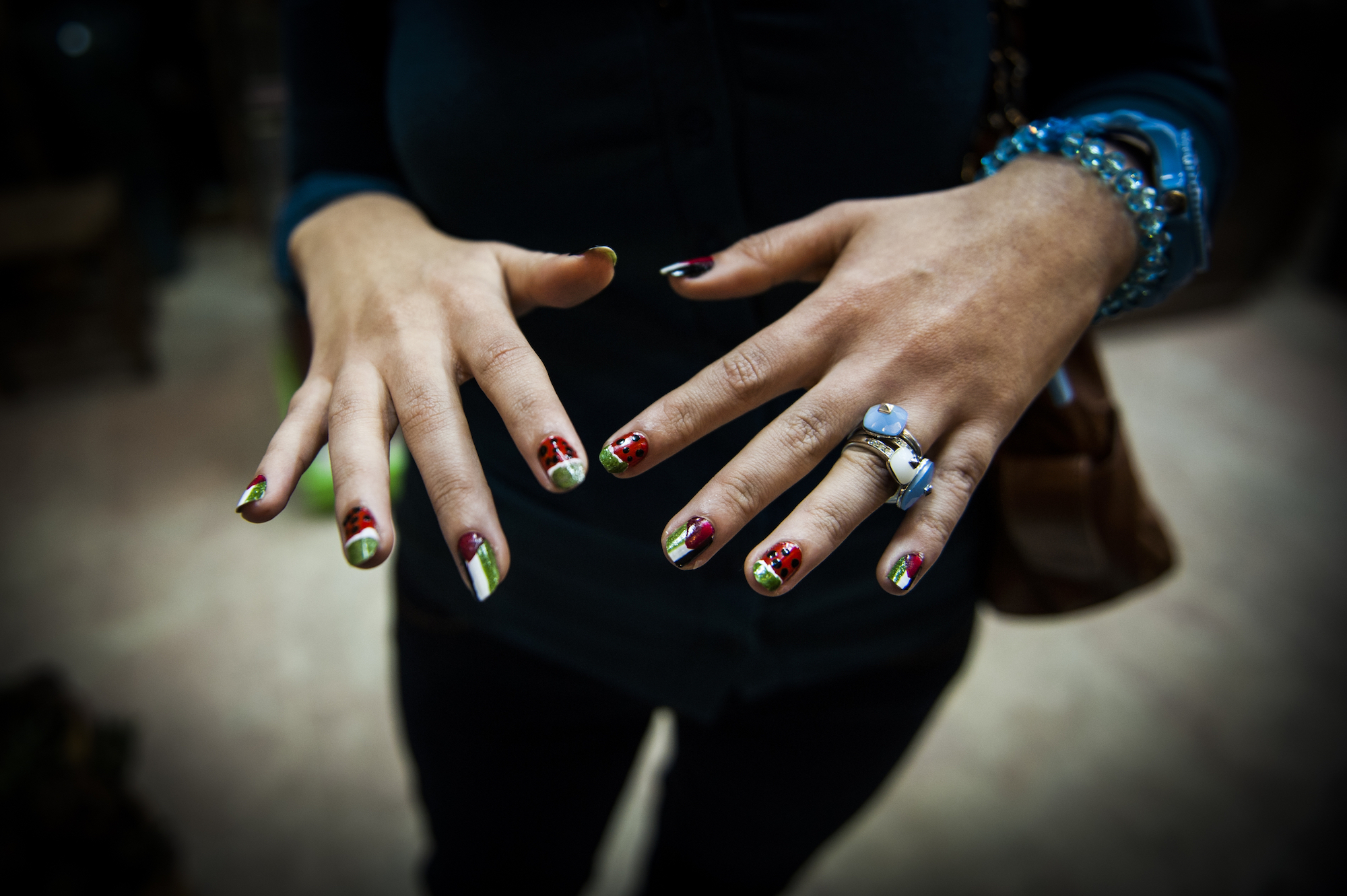
I went to Gaza to cover the war, like every other journalist, but I stayed because I met the most amazing group of girls and young women who were so inspiring. They were focused on making positive changes in their lives and the lives of others. I started documenting them and then expanded the work to tell more stories of the women. Often we see Gaza through a dimensional lens of violence and conflict. Stories about quieter moments like these are often overlooked, though they offer a powerful look into a world unseen by many. This work amplifies the everyday moments of joy and hope.
Are the challenges facing young women in Gaza universal? Or are there specific barriers and struggles many there need to overcome?
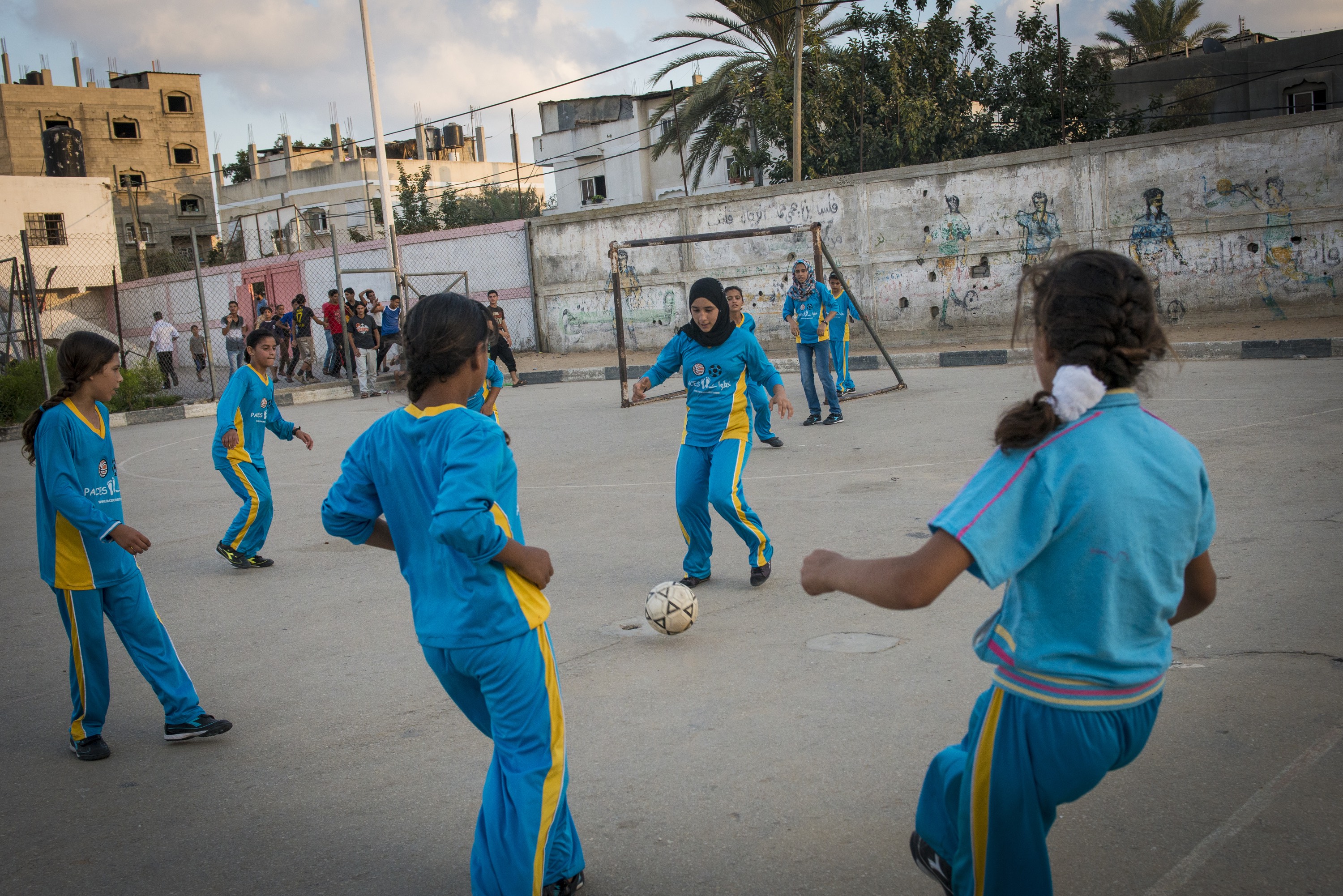
Many of the challenges are universal. But what I’m trying to convey with this book is that growing up in Gaza is much more difficult. When you’re a young girl in Gaza, your existence is defined by its boundaries — literal and metaphorical, defined by both regional and cultural politics. Families are tight-knit and watchful over their daughters. Privacy and mobility are both scarce. Many women say that in a place as small as Gaza, it is impossible to be truly free. Yet, there are moments of joy found in laughs at school, shared secrets with friends and moments alone to dream. Like many peers around the world, these girls are figuring out who they are in a world built by grown-ups. Navigating girlhood is universal, even if the circumstances are not.
I see so much of myself in the girls, I see similar hopes and dreams. When I was young I dreamed endlessly of travelling and exploring the world, the girls in Gaza have the same dreams – except they can’t leave the strip.
How has the place changed over the years you have spent there?
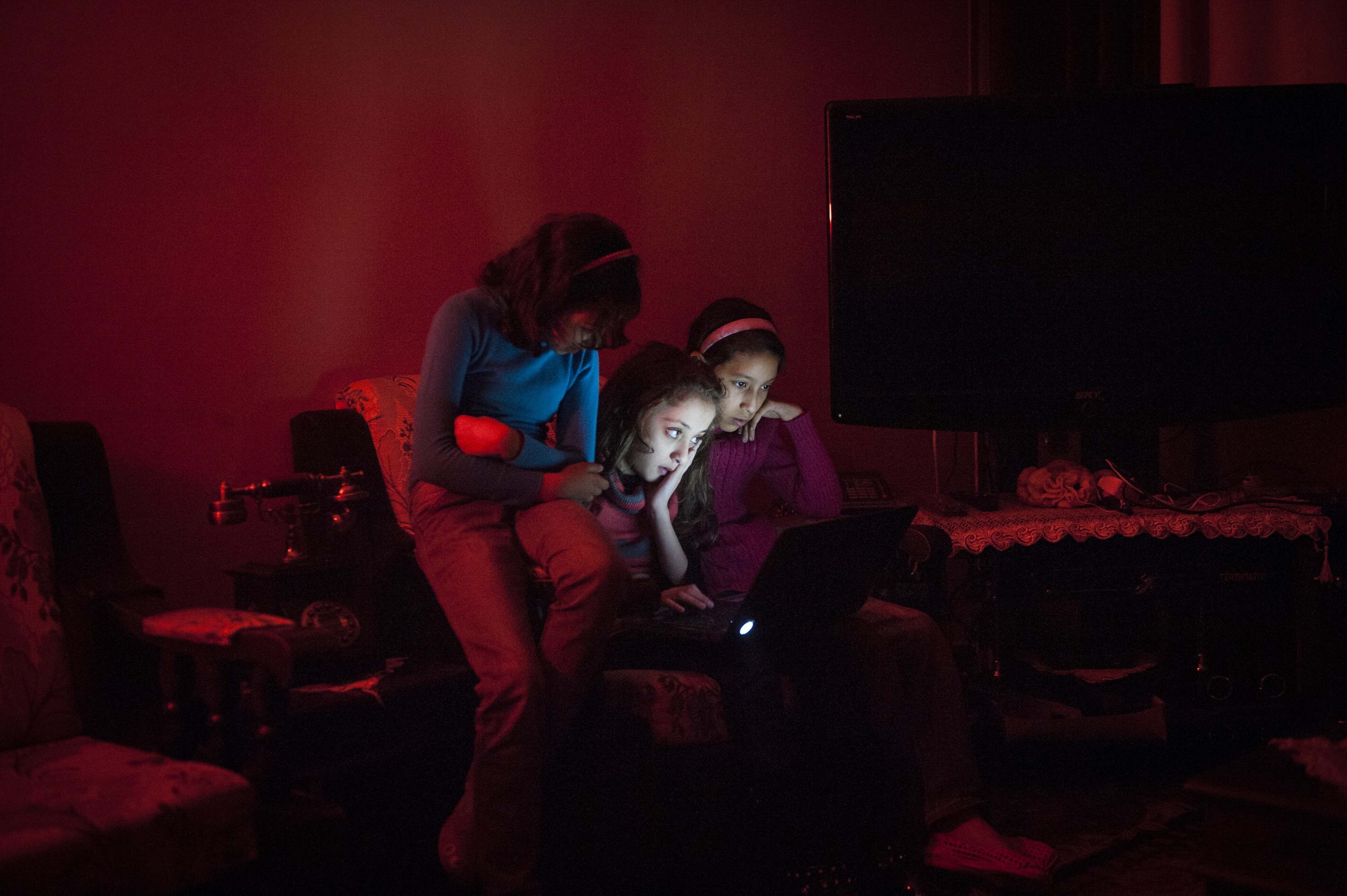
Gaza has gotten worse, the lack of electricity is worse now than ever. Many of the girls there say that it’s the worst they have ever known aside from 2012 and 2014 when there was active conflict.
What’s your relationship like with the young women you’ve been shooting? Did they collaborate with you on the book and on your work?
The most important thing everyone knows is that every word written in this book, including the forward and introduction, is by Palestinian women in their own words. It’s the stories the girls chose to tell and the words they used. My only input in the book is the images, which I photographed over five years in the Gaza Strip.
What have you learnt about womanhood from your time in Gaza?
I learned so much about resilience and the special kind of resilience that women have to have to survive and thrive. Hope is so important as well. I think the girls there, who despite appalling conditions, continue to hope for better days. It’s so inspiring and humbling. Every girl I’ve met is so strong and resilient in the most amazing way. I’m completely in awe of these women, as I hope are the readers of the book.
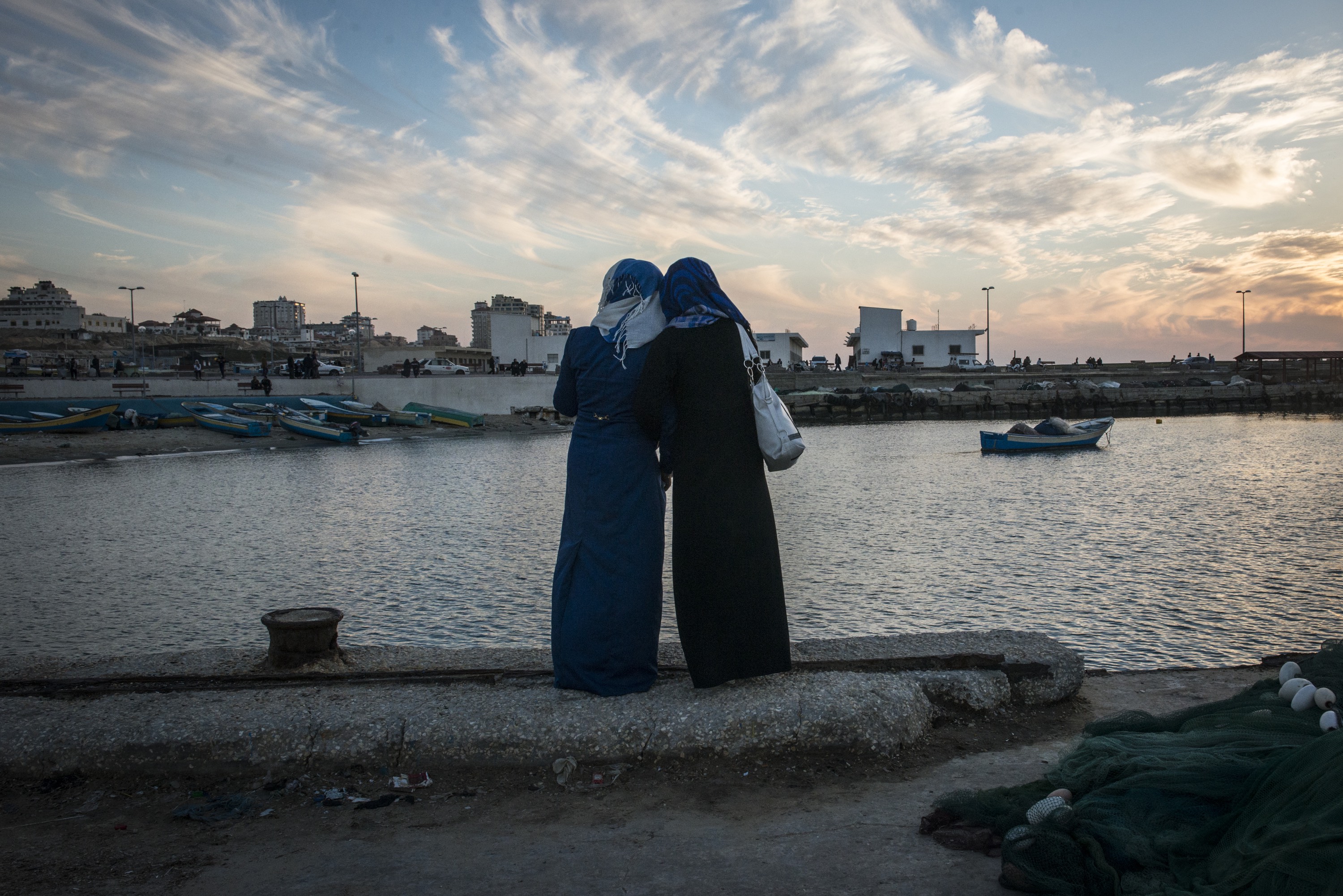
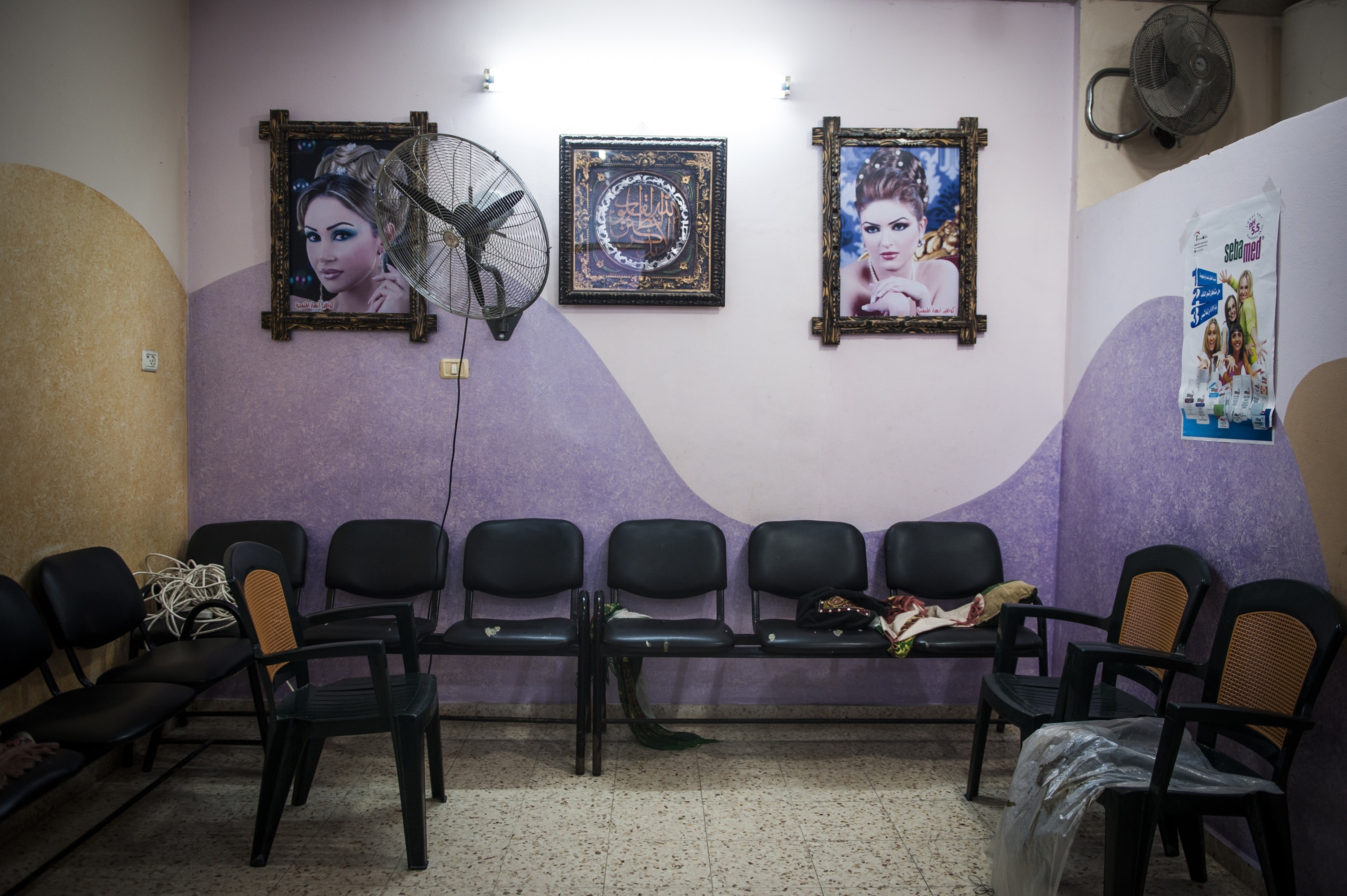
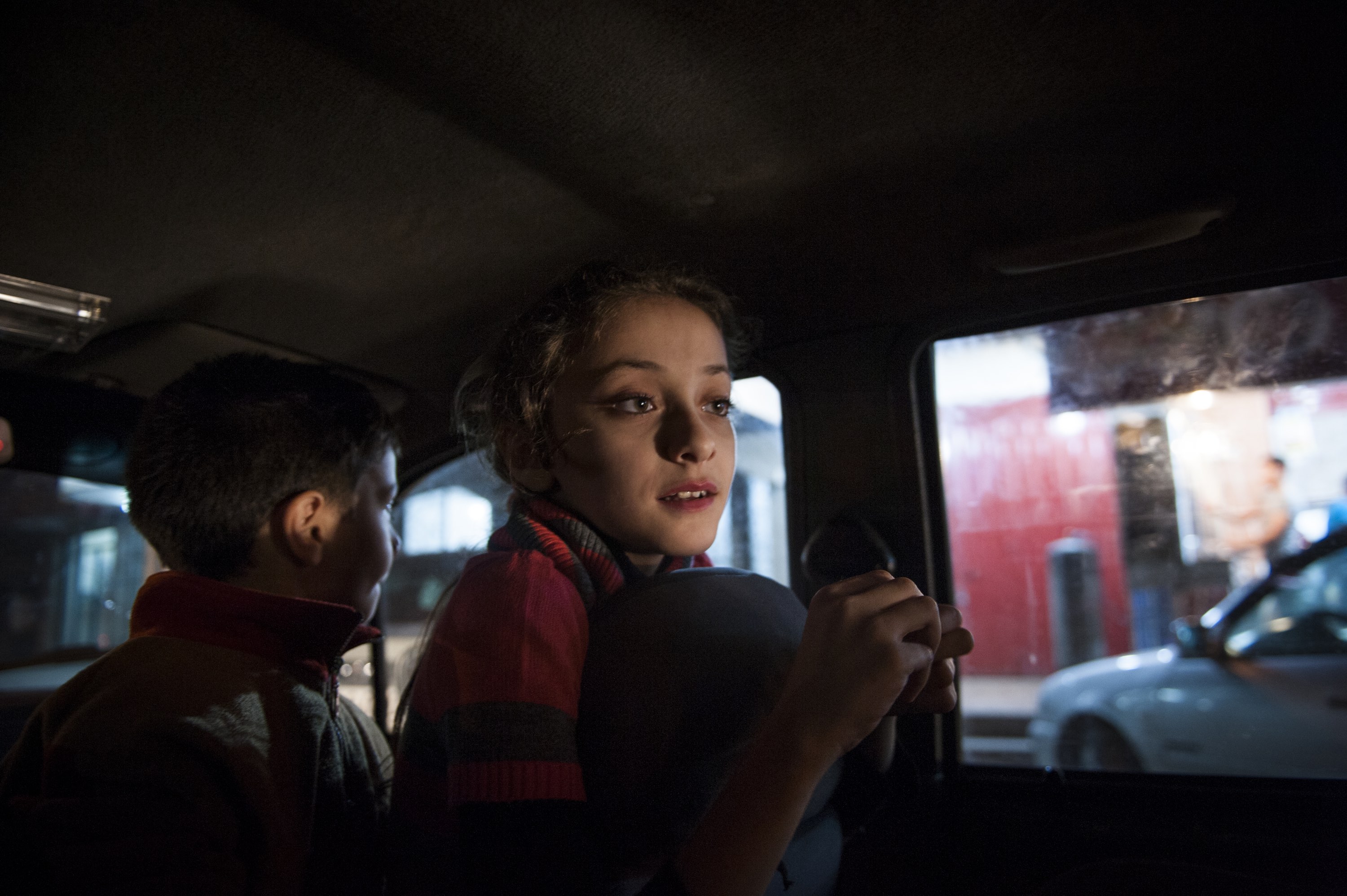
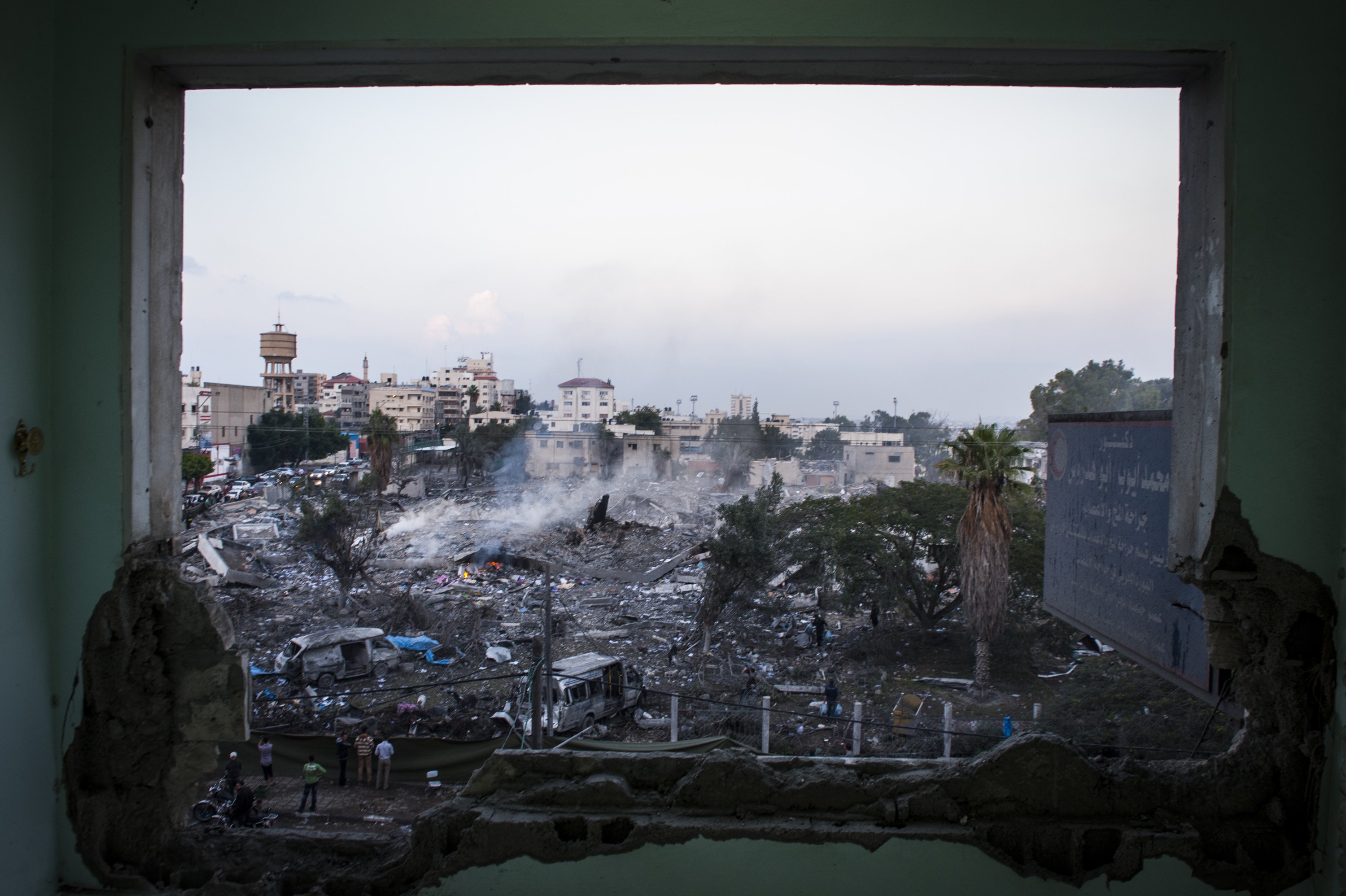
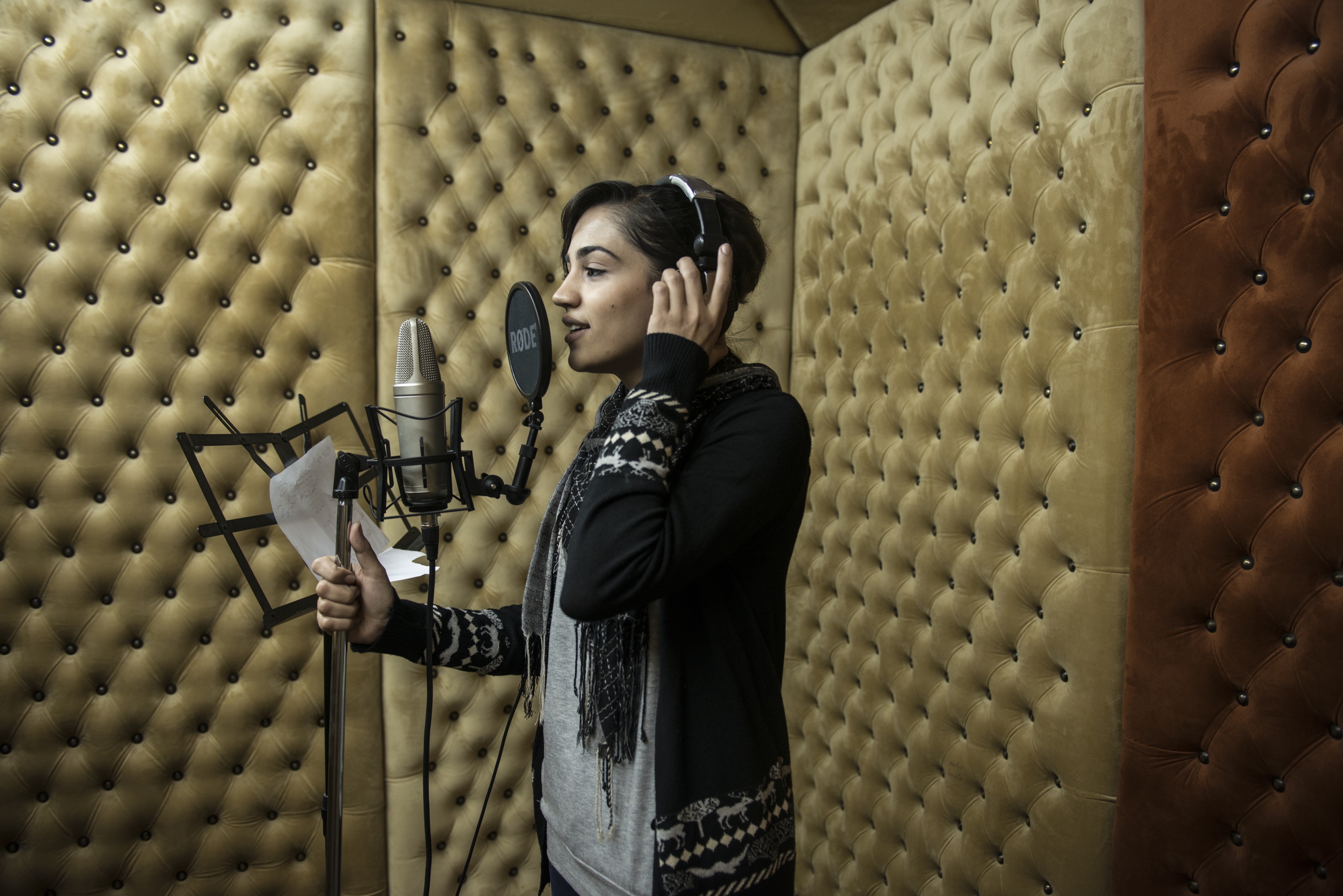
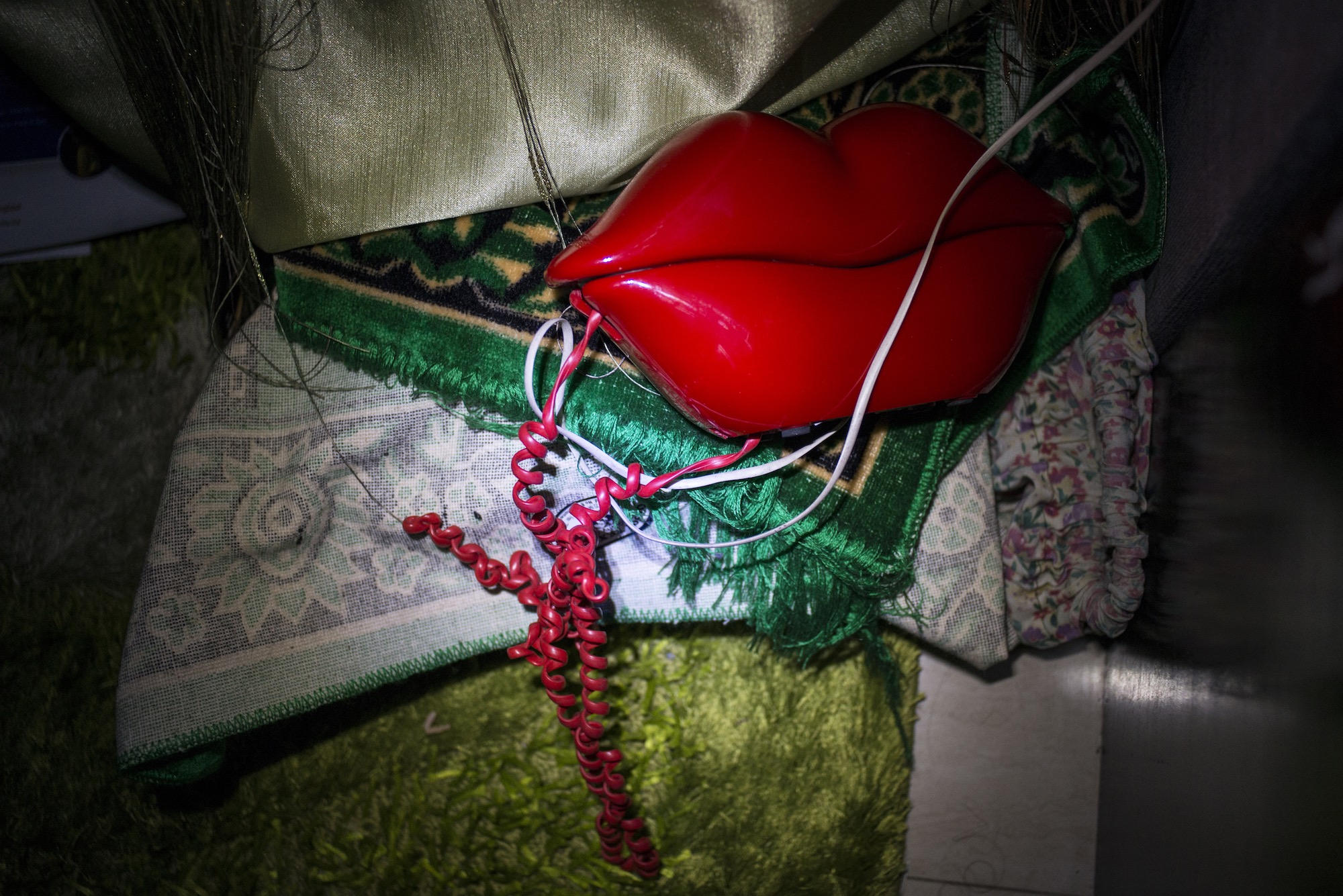
Gaza Girls: Growing Up in the Gaza Strip is currently fundraising on Kickstarter and will be released in early 2018.
Enjoyed this article? Like Huck on Facebook or follow us on Twitter.
You might like

The suave style and subtle codes of gay San Francisco in the ’70s
Seminal Works — Hal Fischer’s new photobook explores the photographer’s archive, in which he documented the street fashion and culture of the city post-Gay Liberation, and pre-AIDS pandemic.
Written by: Miss Rosen

The stripped, DIY experimentalism of SHOOT zine
Zine Scene — Conceived by photographer Paul Mpagi Sepuya in the ’00s, the publication’s photos injected vulnerability into gay portraiture, and provided a window into the characters of the Brooklyn arts scene. A new photobook collates work made across its seven issues.
Written by: Miss Rosen

Eating concrete with London Skate Mums
Parental steeze — Founded during the pandemic, the group has ballooned into a community, giving mothers of various ages and abilities space to pull tricks, fall and express themselves. Sydney Lobe meets them at the legendary Southbank Undercroft.
Written by: Sydney Lobe

The heady bliss of Glastonbury Festival after the music
Not Done Yet — While the weekend’s headliners and stacked line-ups usually draws the majority of the attention, much of its magic occurs after the music stops. Mischa Haller’s new photobook captures the euphoria and endless possibilities of Glasto’s “in between” moments.
Written by: Isaac Muk

Confronting America’s history of violence against student protest
Through A Mirror, Darkly — In May 1970, two separate massacres at American college campuses saw deaths at the hands of the state. Naeem Mohaiemen’s new three-channel film memorialises the brutality.
Written by: Miss Rosen

Kneecap, Brian Eno, Erika de Casier sign Eurovision boycott letter protesting Israel’s involvement
No Music For Genocide — It calls upon the European Broadcasting Union to ban Israel from the upcoming competition, which is set to take place in Vienna between May 12 and May 14. Other signatories include Massive Attack, Hot Chip and Nadine Shah.
Written by: Sydney Lobe


