How webcams revolutionised pornography and sex work
- Text by Miss Rosen
- Photography by Lindsay Dye, Photo by Noelle Duquette (header)

Life is driven by survival – not only of the self, but also of the collective whole. In nature’s quest to keep the species alive, the drive for sex constantly adapts and reinvents itself, forever pushing the boundaries of what is possible to stay ahead of the curve.
Invariably, sex drives more than just our physical needs. It also drives political power, economic gain and technological innovation: areas in which we have seen some of the greatest changes in the shortest amount of time with the advent of the internet. Digital culture has introduced new ways of creating intimate connections in the world.
“As soon as technology became available, people began using it in a way to create sexual content,” says Lissa Rivera, co-curator of the new exhibition, Cam Life: An Introduction to Webcam Culture. “People were trying to make 8-bit video games erotic but they’re just completely absurd, or trying to navigate the heteronormative exchange of male desire while experimenting with a text-based pickup game in 1981.”
Cam Life traces the technological revolution through exclusive interviews with internet pioneers and commissioned work by contemporary artists. It also documents how cam culture has changed the way we communicate; blurring the lines between private and public, and ushering in a new age of sex work.

Tanya Corrin, 2000, Photo by Jelle Wagenaar

Lorenzo Maccotta, Live Chat Studio Industry, Romania, 2016
“Cam models are able to transcend a lot of the limitations of the adult film industry where people have to fit into a certain genre and deal with a production company, director, or actors that you might not connect to,” Rivera explains. “Now you can be anywhere and work for yourself. If you’re not enjoying an interaction with a particular user you can block them.”
“Clients can explore the models they want to interact with outside of social expectations. The longstanding successful client and model relationships hear about their day to day life and have someone listen to them. Some people casually go online to direct a visual or interactive experience but the bulk of the business is driven by the ability to connect on a deeper level.”
By removing the industry from the equation, sex workers are in control, rather than forced to conform to a pre-existing market. “It has broken the stereotype of what genders traditionally want,” Rivera says. “It opens things up and empowers women, LGBTQ and gender non-conforming people as well as men who want to be the model.”
Cam Life also includes dynamic interactive installations, including an audience participation cam stage for anyone who wants to try their hand at a new hobby or career opportunity. “The broader public is going to catch up to it,” Rivera adds.
“It’s not very different than social media in terms of how people are monetising their daily life on IG as an influencer. Beyond the adult webcam, people are creating their own original content. I feel like it is the future.”

Beat ‘Em and Eat ‘Em, Mystique, 1982, Artari 2600 Game Cartridge

Vex Ashley, A Cyborg Manifesto (Video Still), Commission for the Museum of Sex, 2019

Lindsay Dye, Cake Money (Video Still), Commission for the Museum of Sex, 2019

Mickey Mod, BFE: Boy Friend Experience (Video Still), Commission for the Museum of Sex, 2019
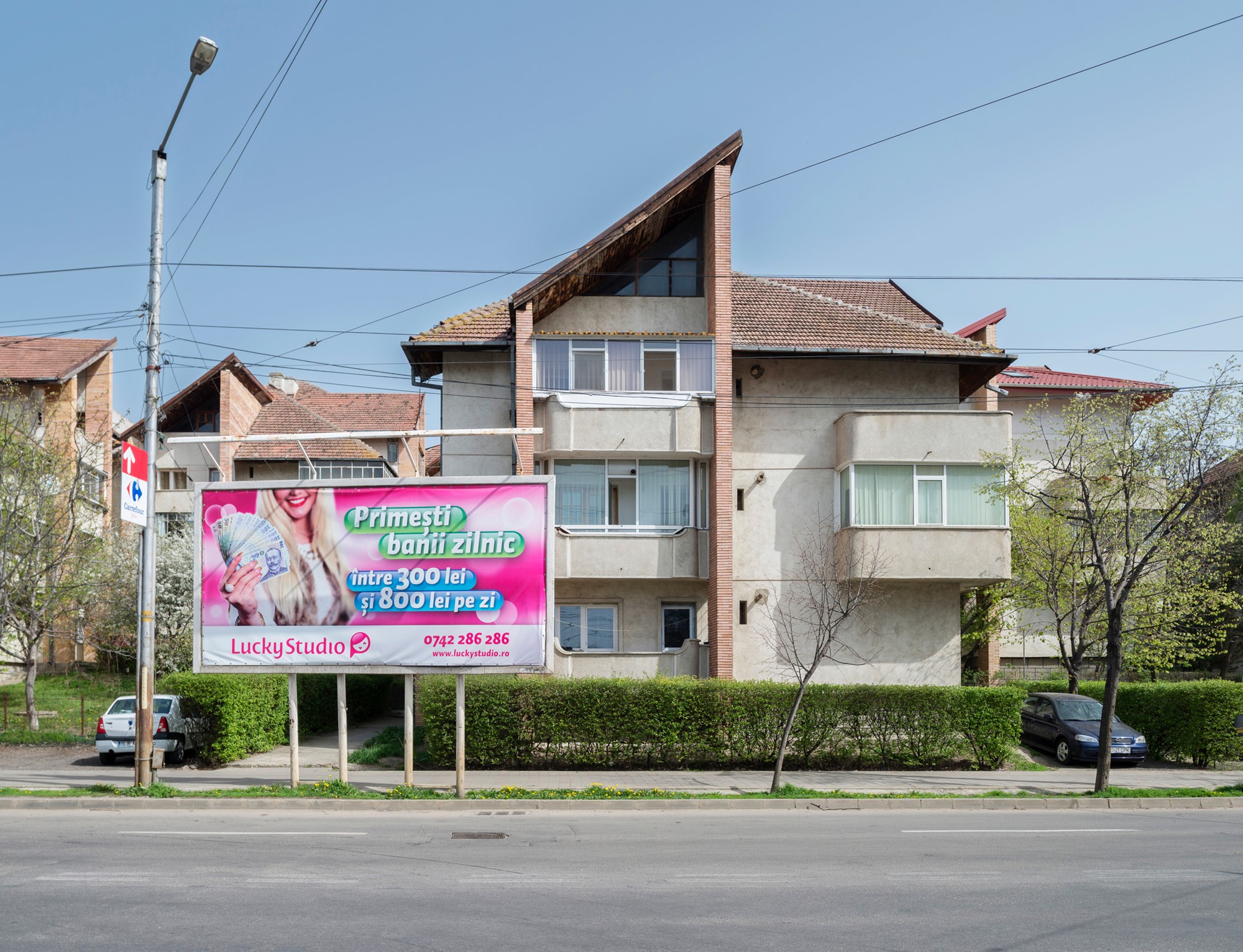
Lorenzo Maccotta, Live Chat Studio Industry, Romania, 2016

Lorenzo Maccotta, Live Chat Studio Industry, Romania, 2016
Cam Life: An Introduction to Webcam Culture is on view at the Museum of Sex in New York through May 31, 2020.
Follow Miss Rosen on Twitter.
Enjoyed this article? Like Huck on Facebook or follow us on Twitter.
You might like

Landmark new exhibition is celebrating 50 years of female punk
God Save the Queens – The Museum of Youth Culture is bringing together rare photography, archive material and a one-night-only supergroup featuring members of X-Ray Spex, The Slits and The Raincoats.
Written by: Ella Glossop

Halcyon, end of summer days in ’80s Massachusetts
Bell Pond — Stephen DiRado’s new photobook is a nostalgic look at blissed out moments of young love, family and coming of age at a swimming pond in Worcester, Massachusetts.
Written by: Miss Rosen

Photographing America’s 20th century rebels
Rebels With a Cause — A new monograph looks back at Jean-Pierre Laffont’s extensive archive documenting counterculture, art, activism and more, shaping the country as it is today.
Written by: Isaac Muk

The groundbreaking photography of Gordon Parks
Voices in the Mirror — A new exhibition dives deep into the legendary lensman’s archive, who captured the Civil Rights Movement and Black America like no other.
Written by: Miss Rosen

A chaotic portrait of an ’80s American farming family
Holy Cow! — Melonie Bennett grew up on a farm in Maine in the ’80s, and documented her family’s idiosyncratic daily life. She presents those humorous, everyday memories in a new exhibition and photobook.
Written by: Miss Rosen

Nick Danziger’s striking vision of everyday British life in the ’90s
The British 1994-1999 — The renowned photojournalist returned to his birth country on the cusp of the Millennium, capturing its contradictions with humour and wit.
Written by: Miss Rosen


