
Documenting the lives of Britain’s unlikely rodeo stars

If asked to picture a competitive rodeo event, it’s unlikely that the scene you’d construct in your head would take place in the southwest of England.
Instead, you’d probably think of plucky Texans, squaring off amidst the roar of a US stadium crowd on a swelteringly hot day. Or perhaps you’d come up with the daring vaqueros of Mexico: equal-parts athletes, equal-parts performance artists. Either way, it’s unlikely that your imagination would produce anything remotely rooted in Britain. It’d be strange if it did.
So, when Falmouth photographer Maisie Marshall stumbled across an event hosted by the ‘British Rodeo Cowboy Association’ in the neighbouring county of Devon, she was suitably taken aback.
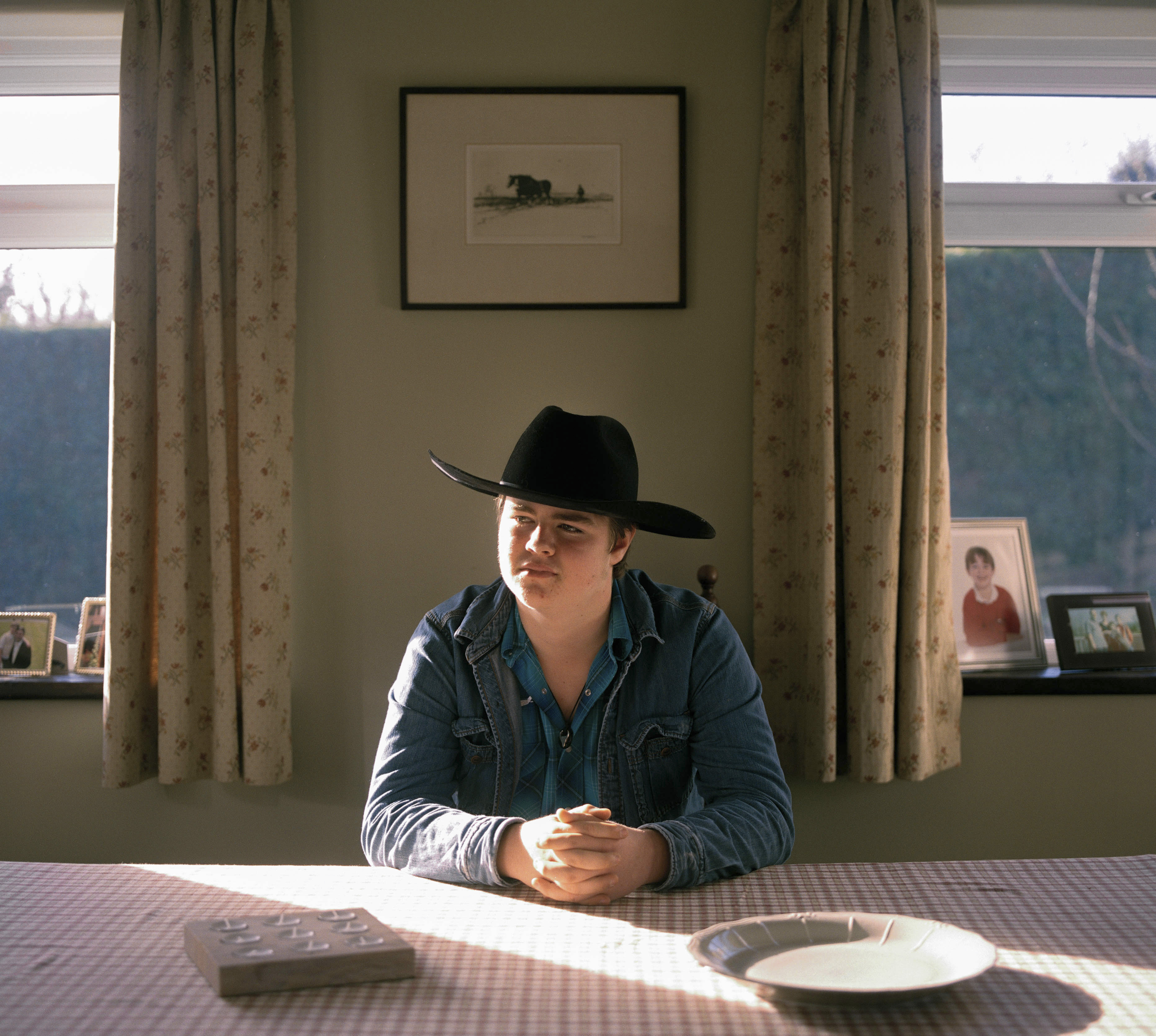
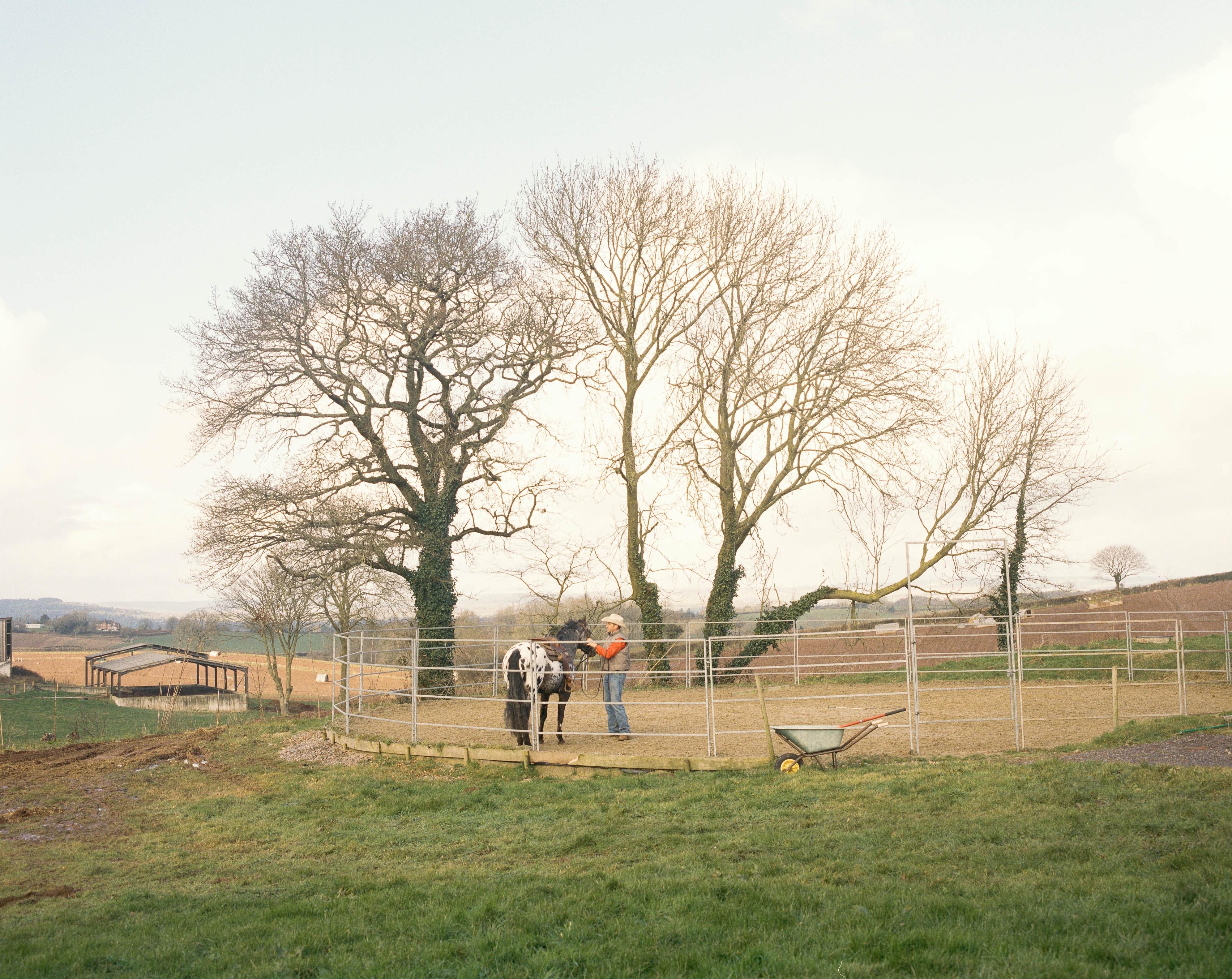
On the hunt for a long-term project and fascinated by the existence of such a unique UK subculture, she quickly set to work. After contacting the organisers, she gained access to photograph the final series of events they were hosting towards the end of 2017.
“While I was there, I soon became interested in the personal stories of the riders and why they participated in the sport,” Marshall says, recalling her introduction. “So, I started to run interviews with them and photograph them in their homes.”
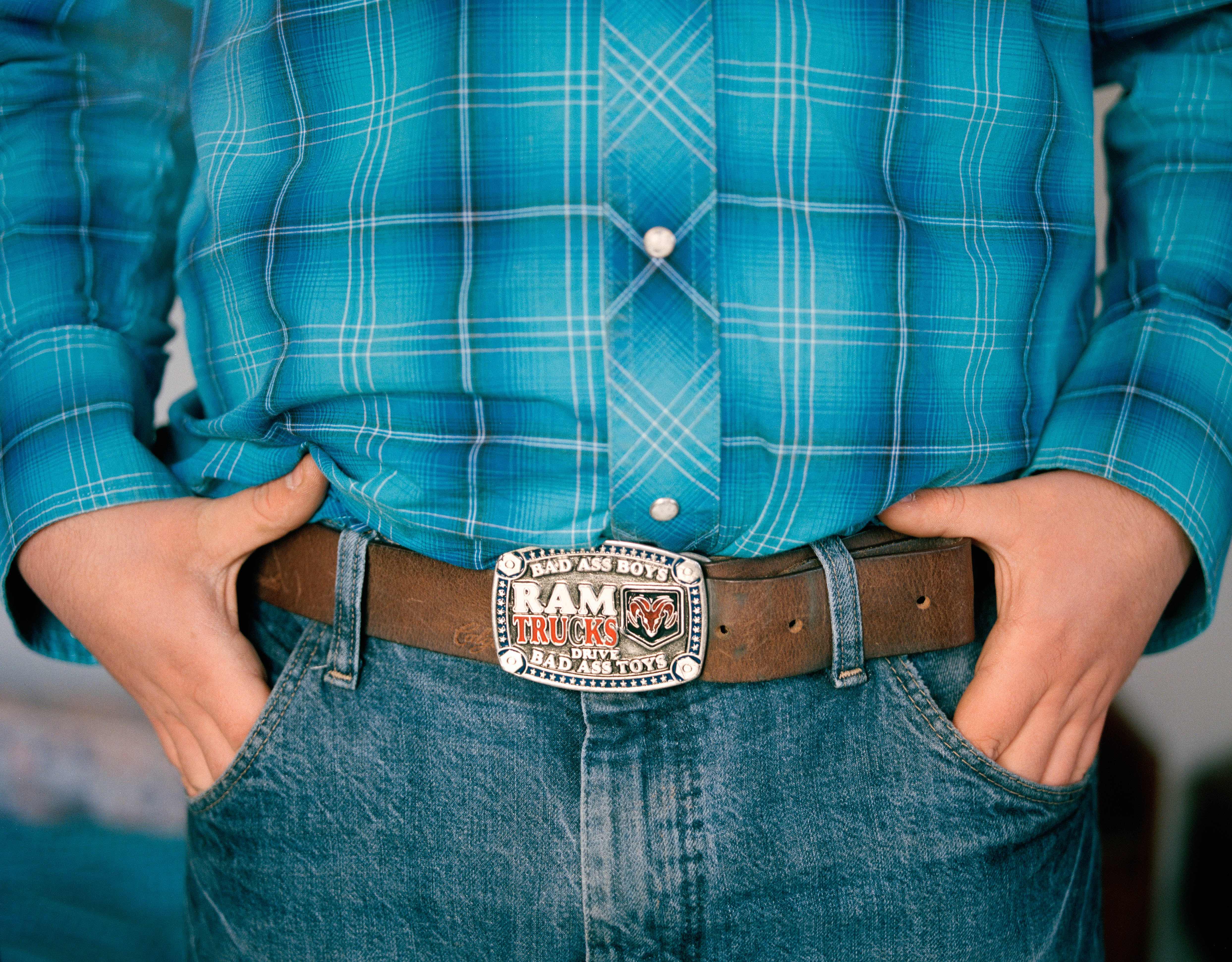
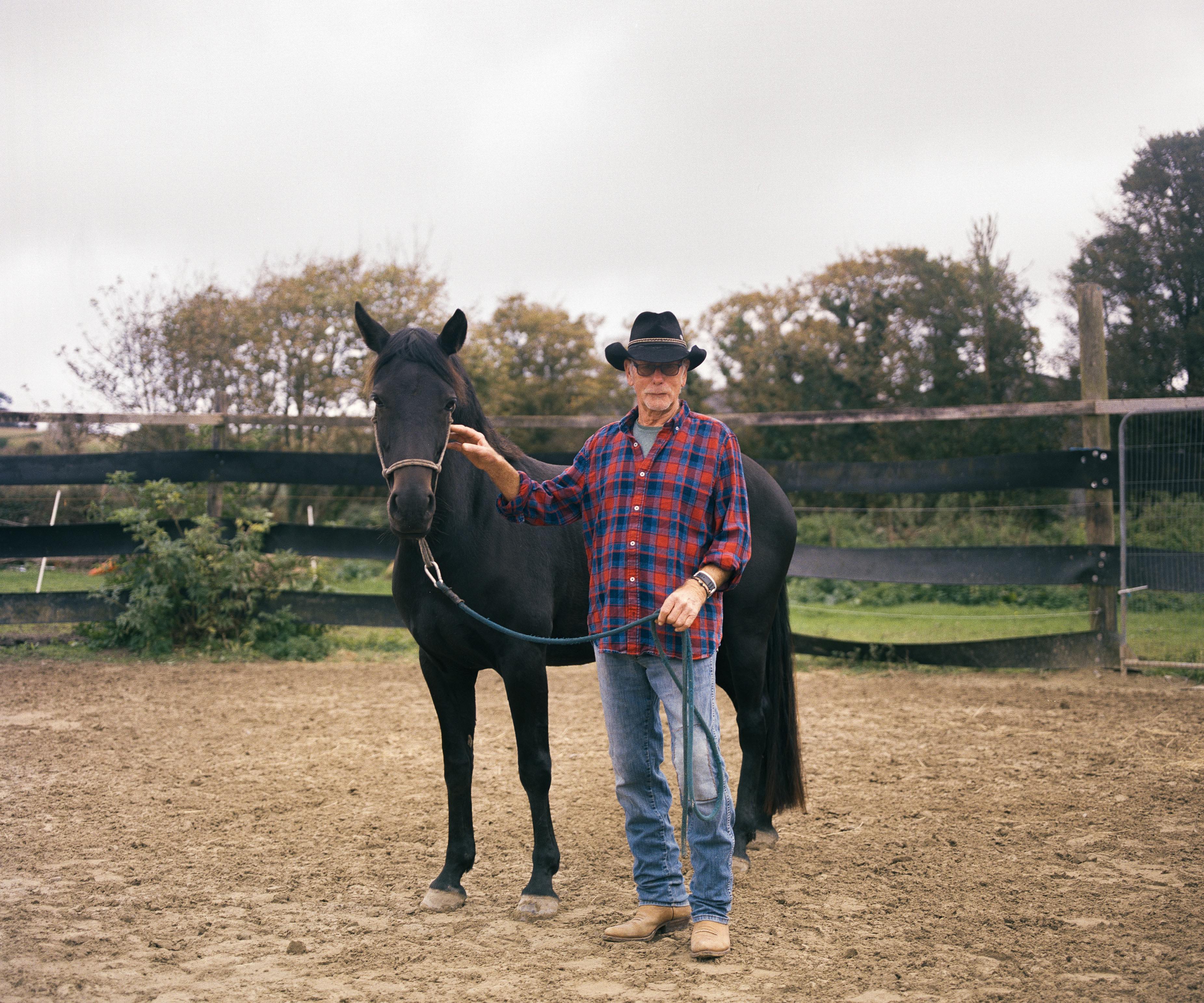
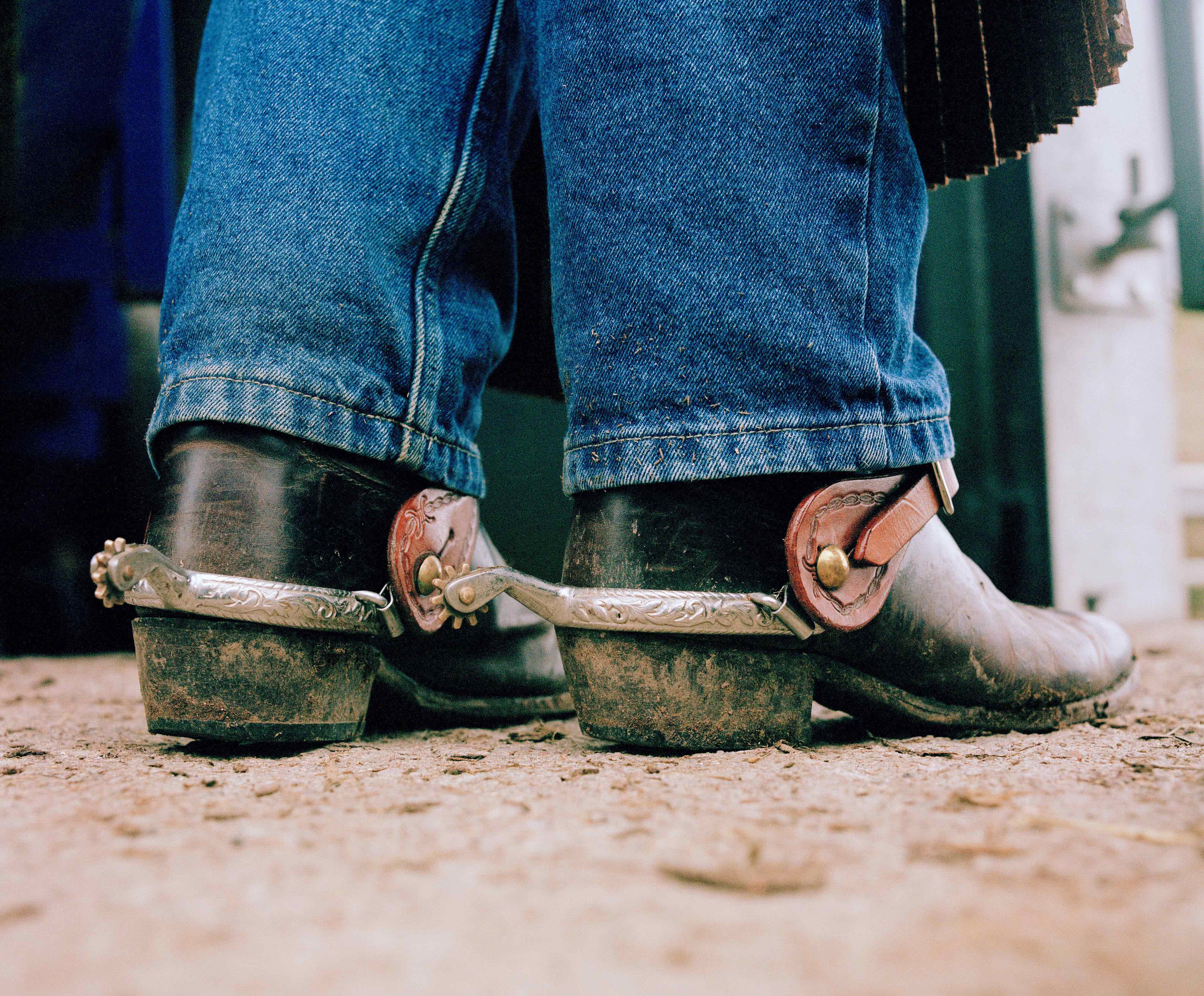
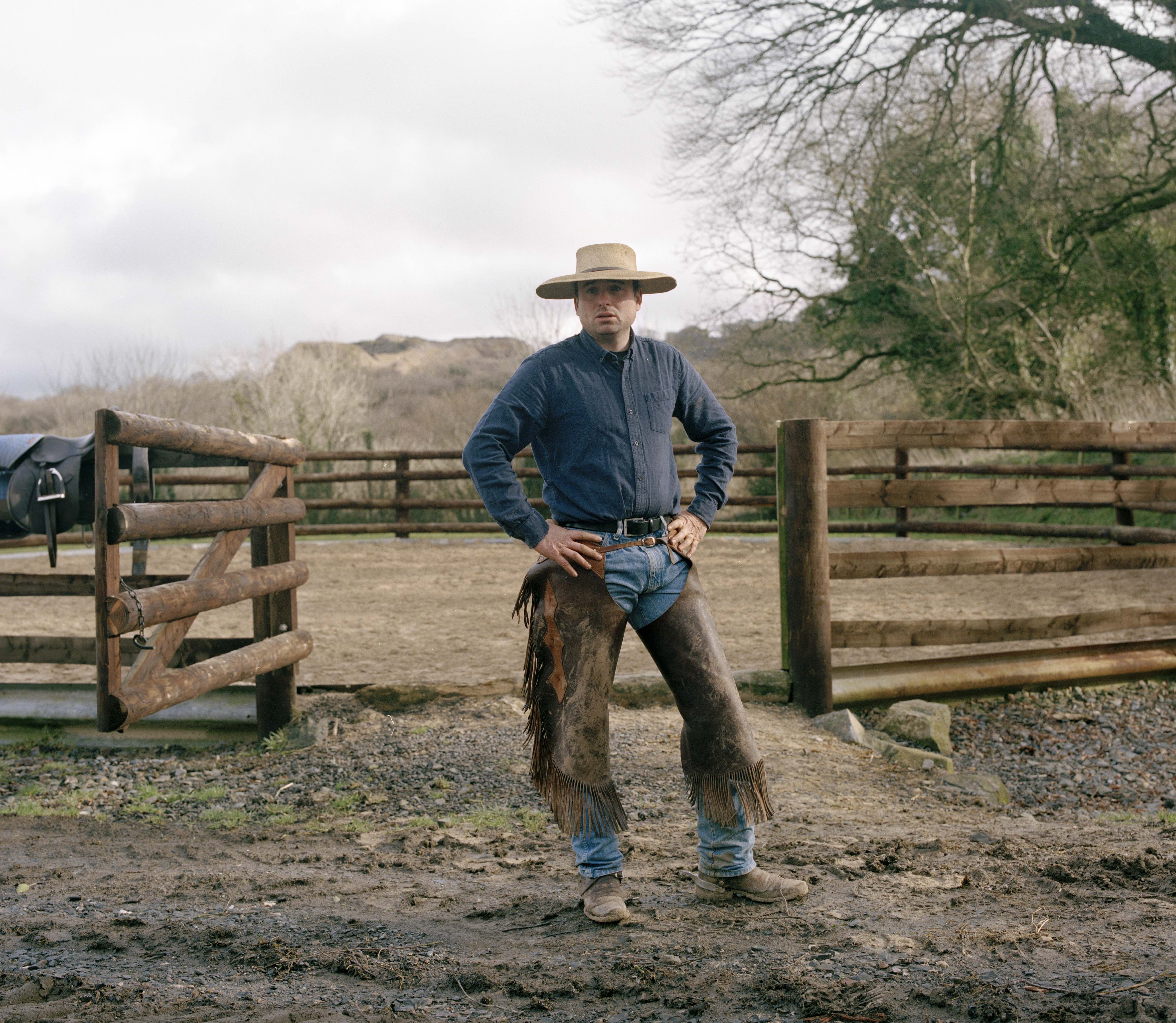
Beginning at the close of last year and continuing on into today, the resulting project – aptly titled British Rodeo Riders – is a window into the world of UK Rodeo and the lives of those embedded in it. Entangling intimate portraiture with shots of the riders (and their horses) working away on ranches, the series depicts a clash of cultures, as the day-to-day of modern Britain meets the adventures of the old American West.
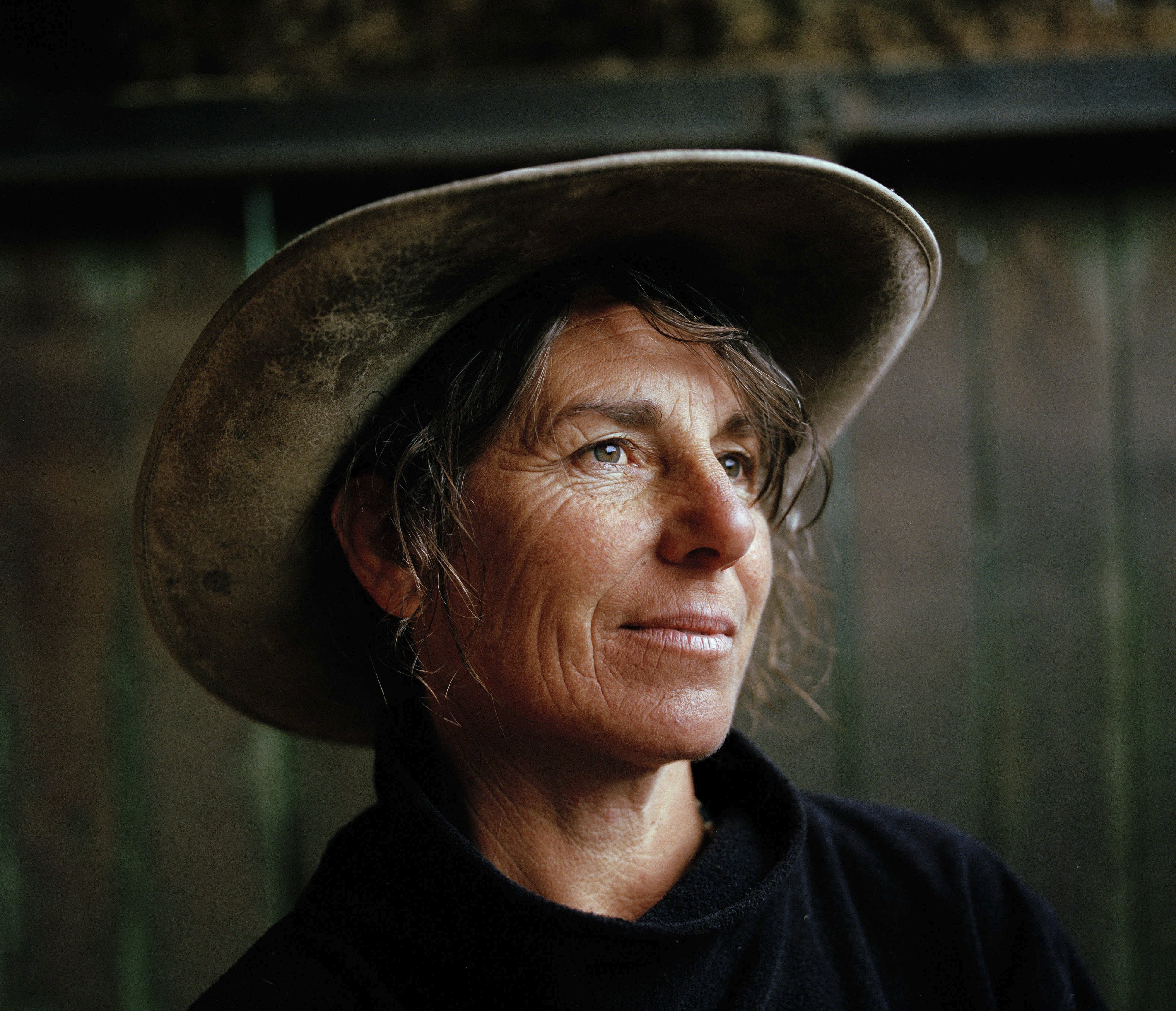
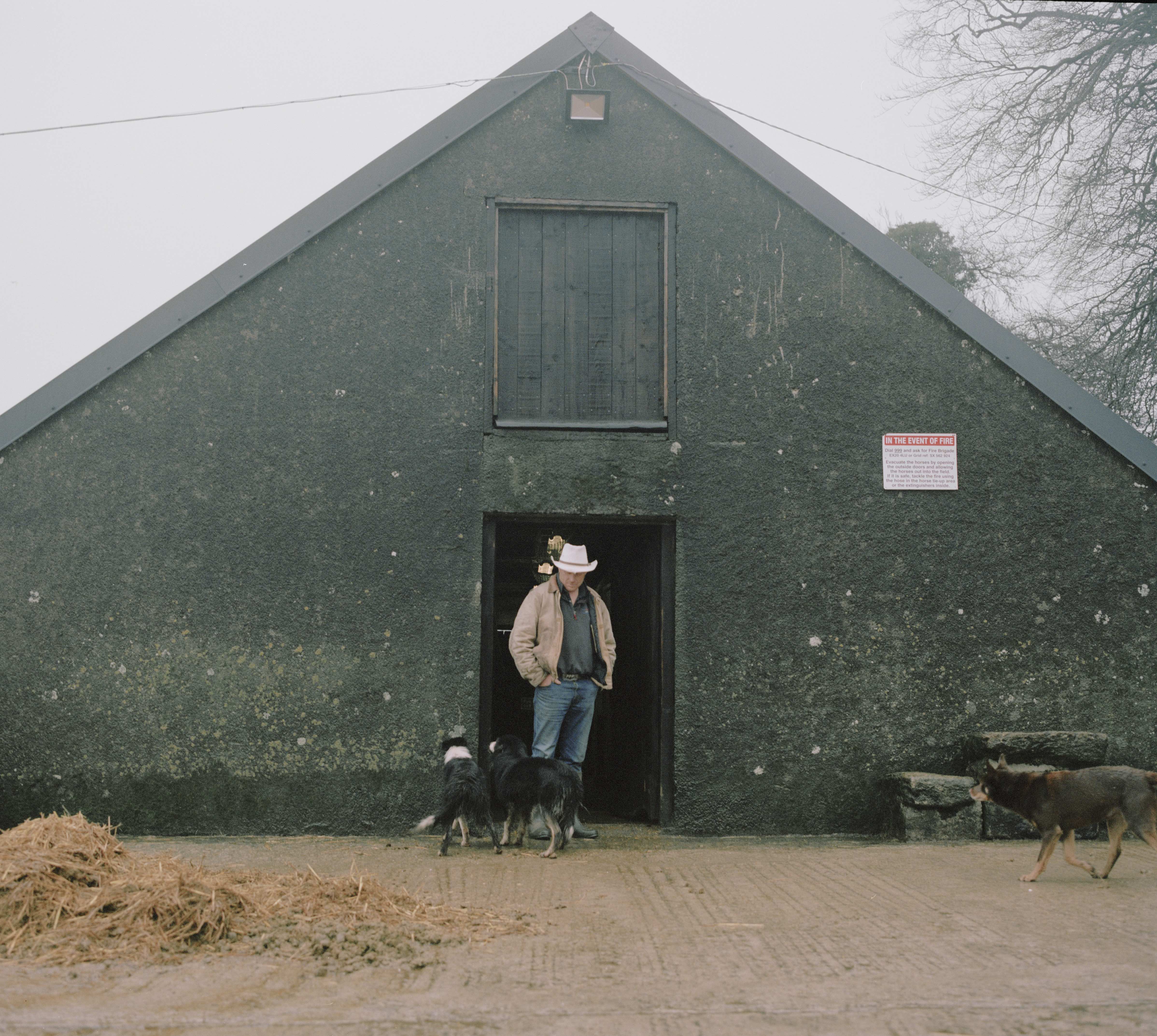
As a photographer, Marshall harbours an affinity for the unlikely, seeking to give voice to the movements that would otherwise go unnoticed, or overlooked. With British Rodeo Riders, the colourful cast – from elder riders who trained in the US, to younger members who fell in love with the excitement western films – are banded together under a common desire to experience the freedom of their heroes.
“They claim that when you are riding across open land there is nothing like the freedom that you feel,” Marshall explains.
“This style of riding strips away any pomp that is associated with riding in Britain, it is more practical. I think that is why it’s so desirable as a sport, it is much more about the freedom that you and your horse can have together.”
Maisie Marshall is currently curating this week’s edition of the 71a Instagram Takeover. See more of her work on her official website.
Enjoyed this article? Like Huck on Facebook or follow us on Twitter.
You might like

What went down at Huck’s 20th birthday party
84 issues and counting — We took over east London’s Jaguar Shoes with friends old and new to celebrate two decades and our new issue, with Tony Bontana taking the decks for a special set.

Photos of friends, lovers and afters in Berlin’s party scene
Dreams and How to Keep Them – Vincent Wechselberger’s new monograph documents a decade of hedonism in the German capital, and the people he met along the way.

Inside the Los Angeles scene kid revival
The Rawring ’20s — For the cover of Huck 84, photographer Alexis Gross and writer Anna Zanes meet the latest faces of scene, who are finding freedom to express themselves through its technicolour, unafraid aesthetic.

Introducing our new issue of Huck Magazine: It Starts With Us
Huck 84 — For our second 20th anniversary issue, we spotlight 20 people and groups providing the world with a hopeful future.

The sharp rise of video game photography
Point, shoot — As the entertainment medium’s fidelity levels increase and developers build more powerful tools, a growing community of gamers are pushing the boundaries of image making in virtual worlds. Vicky Jessop meets people at the forefront of the emerging artform.

Joyous photos from the heart of the UK’s radical free festival movement
Common Grounds — The photographer has been capturing British counterculture for the past half century. A new exhibition looks at his archive sitting at the intersection of music, community and grassroots protest.


