Intimate shots of the London Underground in the ’70s
- Text by Huck
- Photography by Mike Goldwater

As a young photographer in the ’70s still honing his craft, Mike Goldwater was fascinated by the London Underground. A “labyrinthine” system with limited lighting, he saw it as a technical challenge: how, despite the conditions, could he produce strong images there?
Back then, the Underground was a markedly different beast. Smoking was allowed, busking was strictly forbidden, while old ticket booths were an important fixture at every station. (Oyster cards were still decades away.) For Goldwater, it was a special place to document from the get-go.
“Almost everyone on the tube travels with a purpose and a destination,” he says. “On the days that I chose to photograph on the underground I would travel on a whim; jumping on and off trains, wandering a corridor here, taking an escalator there, lingering at places that felt that they might produce interesting images. This set me apart from everyone else. I felt in some way I could enter a different time, a sort of time in-between.”
 “Being in very close proximity to one another during rush hours people have to shrink their personal space, while at other times of the day, parts of the system could be almost deserted. How people responded to both situations had picture potential.”
He shot there on and off for a decade, shelving the project in 1980 when he co-founded the agency Network Photographers and began travelling extensively for work. In fact, it wasn’t until recently that he engaged with the work at all, finally deciding to go back through the old contact sheets on a quiet day. Upon doing so, he discovered a host of images he’d missed the first time round.
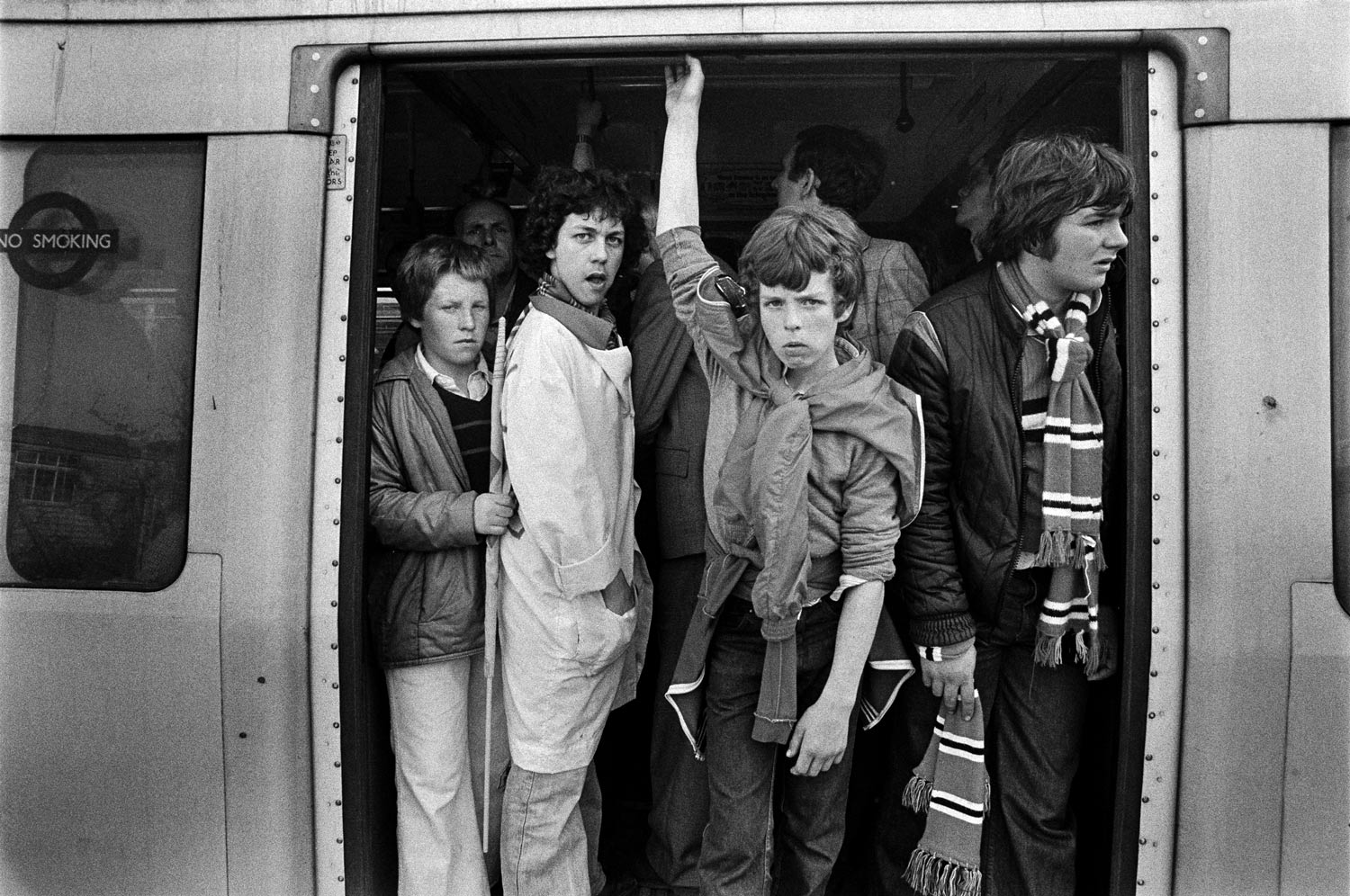
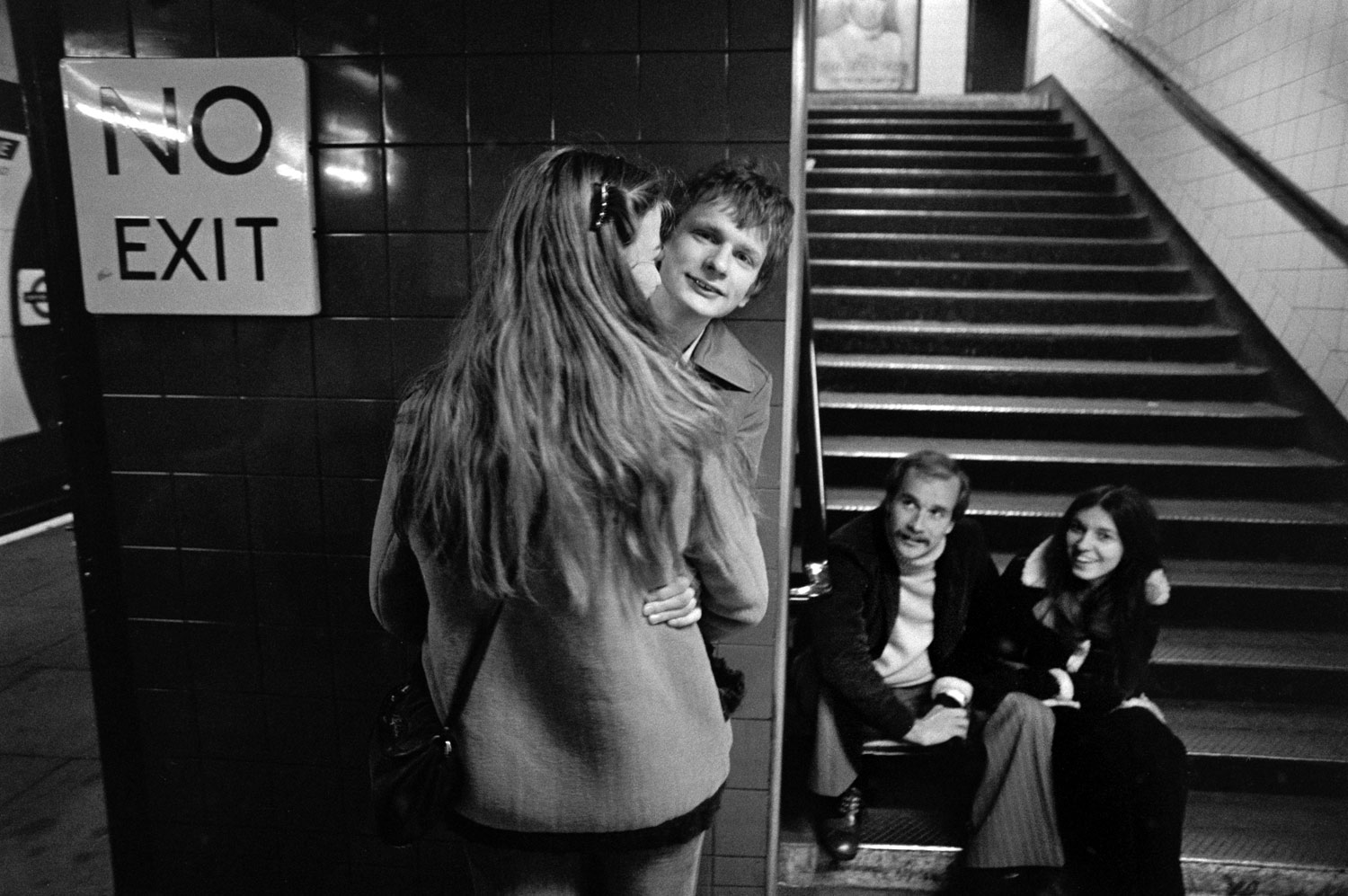
After deciding on a set of over 100 that he was happy with, he approached Hoxton Mini Press about making a book. Today, that takes the form of the aptly-titled London Underground 1970 – 1980 – a celebration of the eponymous network’s early days.
The work harks back to a much simpler time – where things were slower, and the space was much more intimate than it is today. For Goldwater, it’s a sentiment best expressed in the photo that appears on the book’s cover: of a couple, still among the moving bodies, leaning in for a kiss. “It is a moment of stillness and intimacy,” he says, “in a space often characterised by rush and anonymity.”


 London Underground 1970 – 1980 is out now on Hoxton Mini Press.
Enjoyed this article? Like Huck on Facebook or follow us on Twitter.
You might like

Jesse Glazzard’s messy portrait of queer friends, lovers and chosen family
The Sound of Dirt and Beauty — The photographer’s debut monograph explores tender, unpolished moments shaped by the people who he surrounds himself with, while offering a window into the UK’s working-class LGBTQ+ community.
Written by: Sunny Sunday
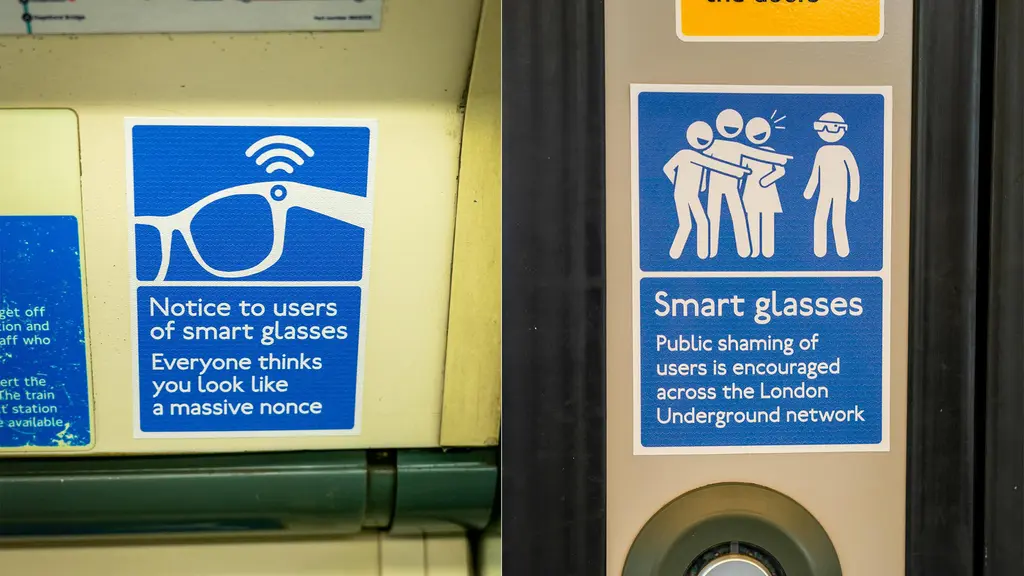
Activists slam “pervert glasses” in new guerrilla campaign
Everyone Hates Elon — Stickers have appeared on the London Underground network, criticising the wearable technology’s covert filming capabilities.
Written by: Isaac Muk

Behind the curtain at Alternative Miss World 1981
Olympia glamour — Running a subversive take on the traditional beauty pageant, the Andrew Logan organised event prioritised underground creativity and invention. Photographer David Corio went behind the scenes at its biggest edition.
Written by: Miss Rosen

Dan Lacey: “BMX is forever evolving”
Overground — Steph Pomphrey caught up with the two-wheel legend after his latest meet in east London, chatting about fatherhood, music and action sports within the outdoor industry.
Written by: Steph Pomphrey

The battle for the soul of lockpicking
Under locksport and key — In recent years, breaking locks for fun has grown from a niche hobby into an activity followed by millions of people. As it has matured, so have tensions over who sets the rules.
Written by: Jack Dennison-Thompson

New exhibition highlights British radical living over 200 years
Earthly Paradise — Taking place at the William Morris Gallery, it explores the homes and lives of artists, writers, musicians and more, as well as the conditions that allowed them to thrive.
Written by: Isaac Muk


