Lost in the streets: a visual love letter to New York
- Text by Huck
- Photography by Jonathan Higbee

As a kid, Jonathan Higbee dreamed of New York City.
Growing up in Independence, Missouri – a satellite of Kansas City – during the ’80s, life was often tough. “I don’t want to be mean to it, but it certainly wasn’t an easy place to live,” he remembers.
“We moved around a lot, mainly because of money. My mom and my stepdad went between jobs all over the region, so we bounced between living with my mom’s parents and different apartments.”
But New York offered escapism. Camped out in front of the TV, Higbee would spend hours watching various different talk shows filmed in the city, many of which provided a platform to the LGBT community that simply didn’t exist in his hometown.
“I remember paying attention when a queer person would come on. We had nothing like that in Missouri,” he says. “I knew that I was something like that and tried to ignore it, because I thought I was weird, different, unusual.”
“But when I saw these people on these talk shows speaking so vividly – and the talk show host typically being warm and receptive to them, and my mom being chill watching them – it really seemed like New York was a welcoming place, where I could go and be myself without feeling like an alien.”
In that sense, photography was somewhat similar. During family events, Higbee would quickly co-opt the cameras brought over by his aunts and uncles, infatuated by the idea of capturing memories and disappearing inside them. On his eighth birthday, he received a camera of his own – a Polaroid 600 – and carried it around with him everywhere.
During his teenage years, however, life got in the way. As he experimented with other creative outlets – art, theatre, design and, most significantly, writing – photography found itself on the backburner. At college, he studied Media Communication, before landing himself a “dream job” as an editor at Instinct, a gay men’s lifestyle magazine based out of Los Angeles.
“I thought writing was the way my life was going to go. But as time progressed and the world changed, Instinct needed to be creative with its budget. A lot of stories I was assigned, I’d need to be the photographer as well as the writer. I was like, ‘Yes, I used to love this, let’s give it a go.’”
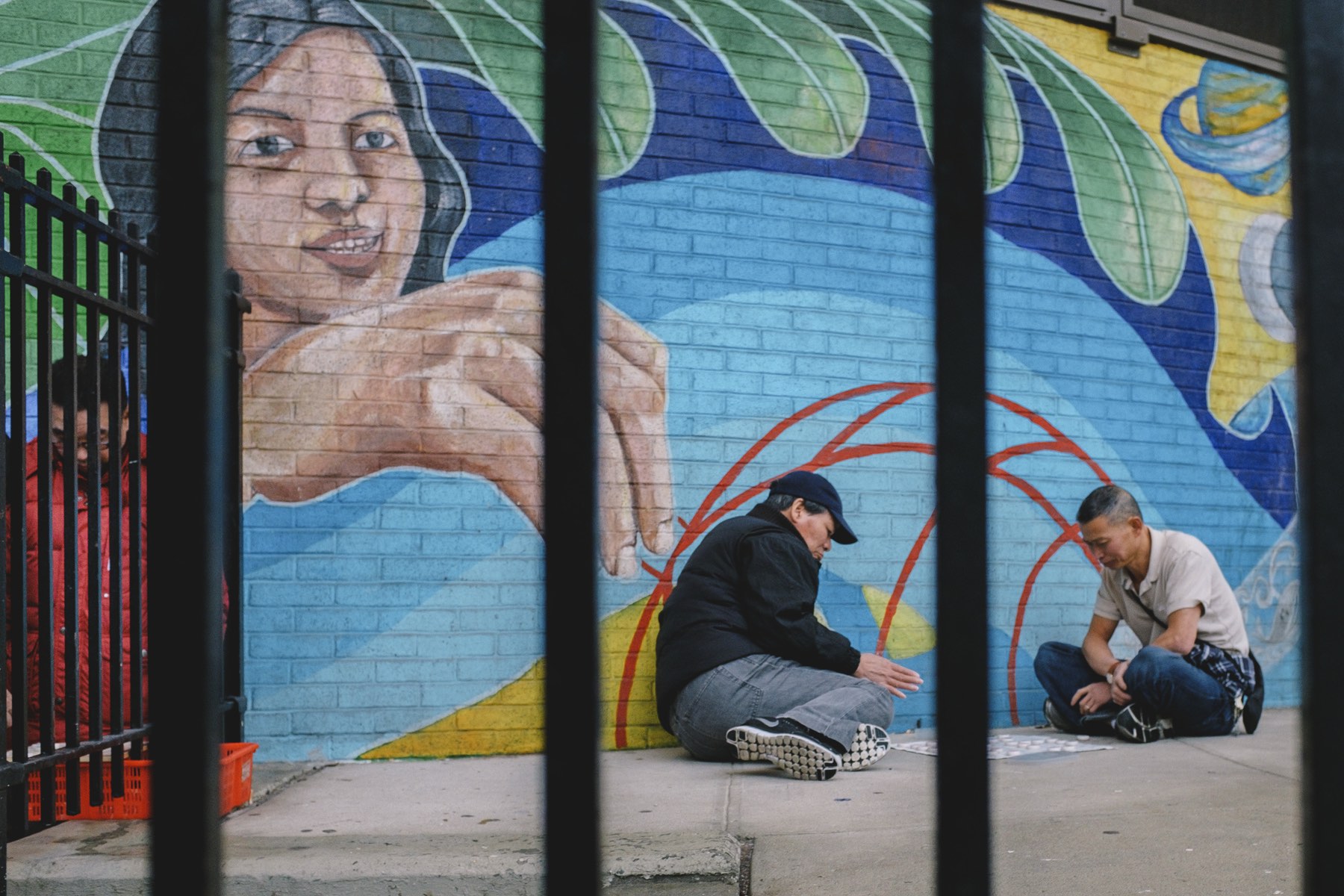 At around the same time, Higbee had also secured his move to New York, relocating to Instinct’s NYC branch. As he began to shoot more and more, living in the city that he was “infatuated by”, it felt as if everything was falling into place.
“It wasn’t even a slow gradual progression from photography overtaking my interest in the written word. It was pretty hardcore head-over-heels. All I wanted to do, almost immediately, was photograph. So that’s what I did.”
That was around five years ago. Today, Higbee counts himself as a photographer who’s worked across documentary, fine art and commercial. He won the World Street Photography grand prize in 2015 and the LensCulture Street Photography Award the following year, while 2018 saw him named a Masselblad Masters finalist.
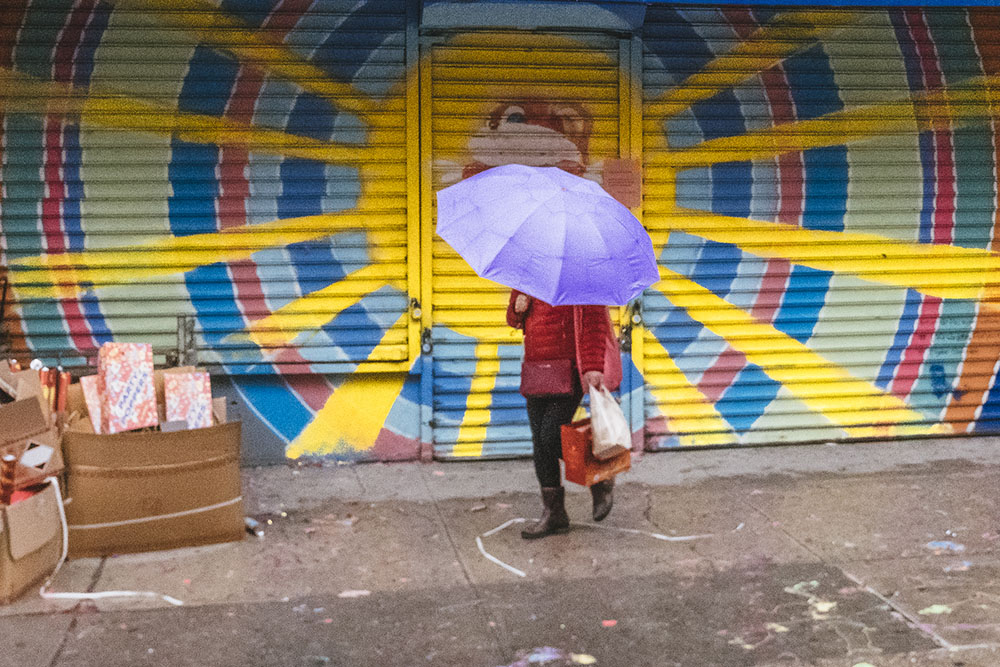
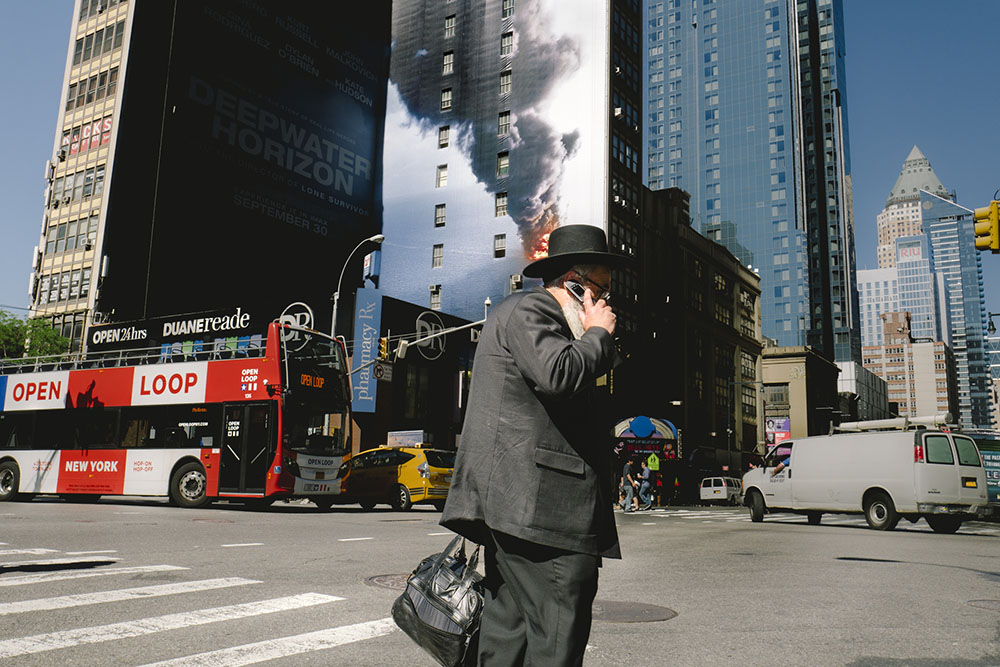
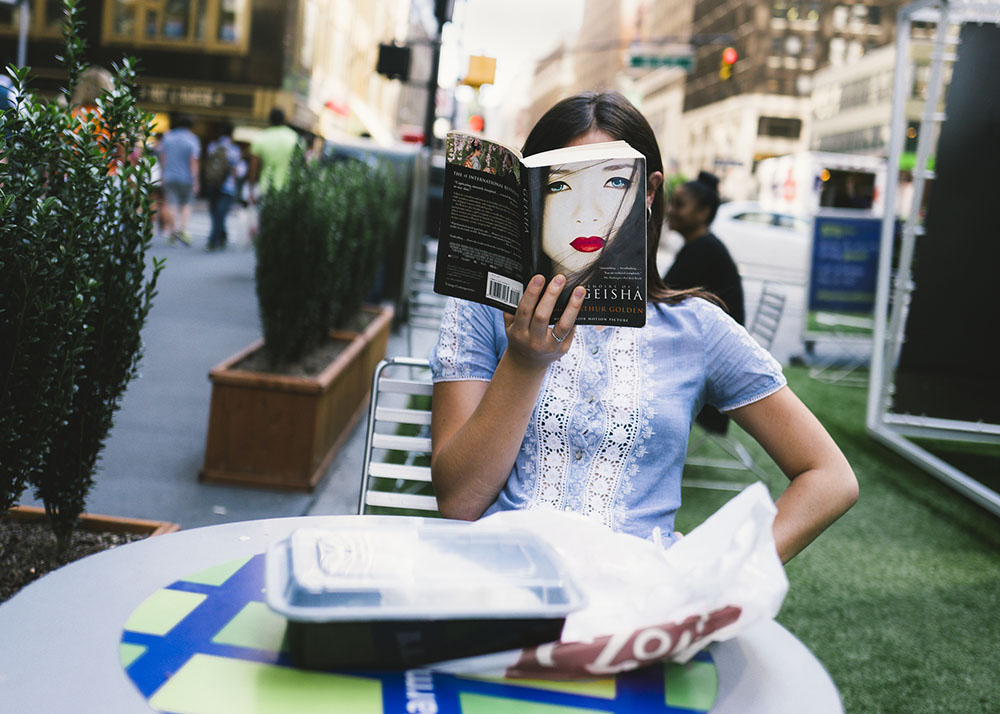
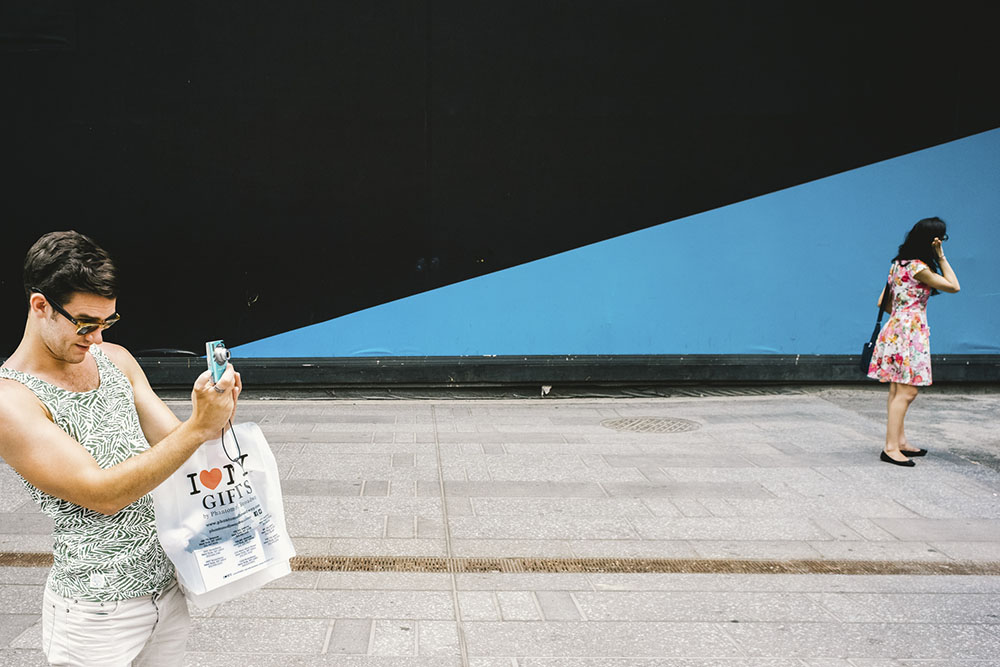
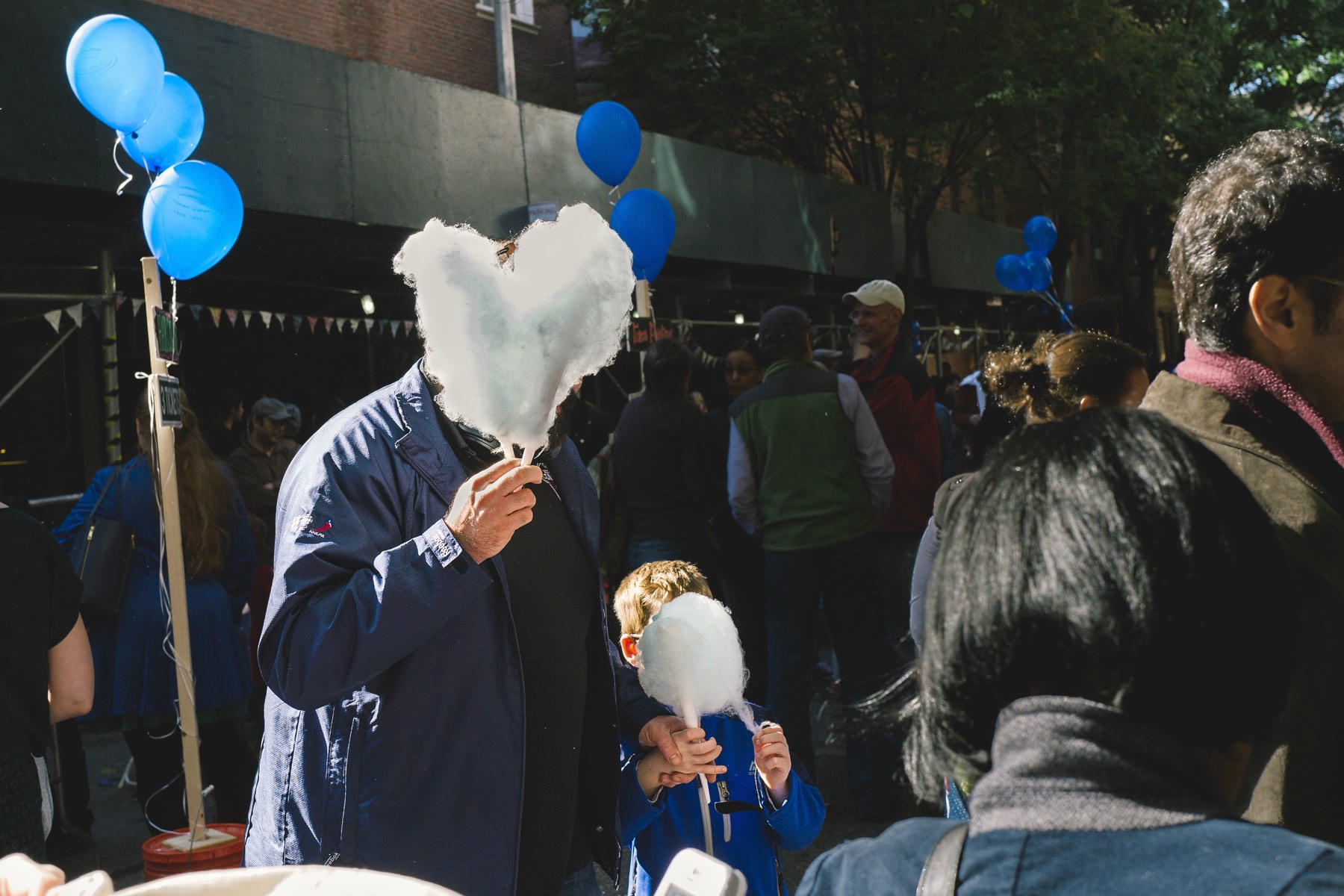
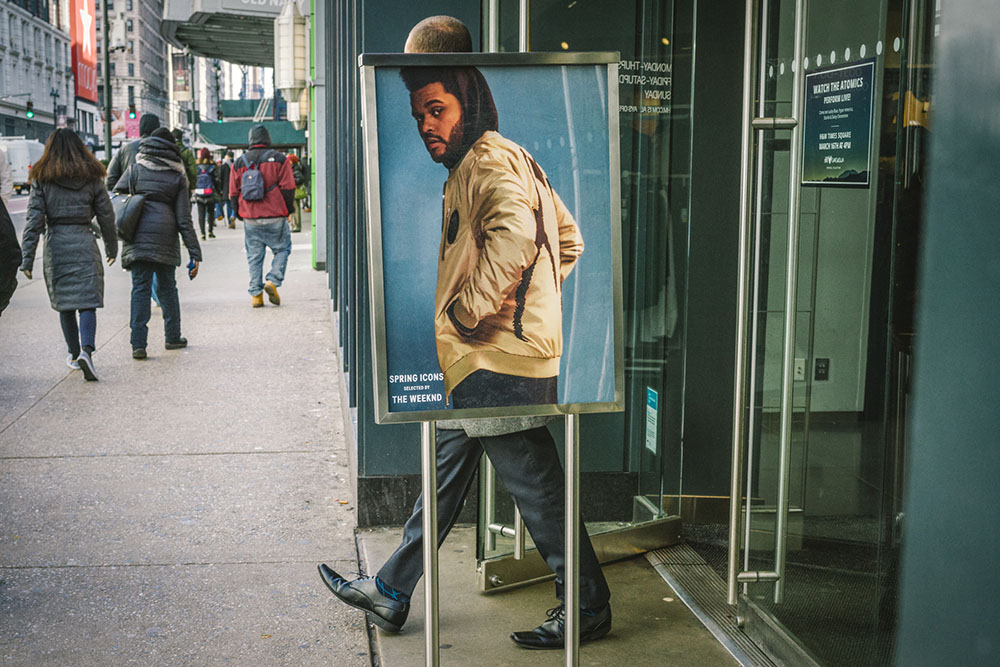
In a move that feels suitably full-circle, his first monograph, Coincidences, serves as a love letter to New York City. Featuring images captured over the course of his time there, the book sees Higbee seeking out moments of joy and serendipity among the whir of daily life in his adopted home.
For Higbee, the work represents his journey from naive Southern kid to fully-fledged New Yorker. The camera, in that sense, operates as a tool for distilling the environment around him. It’s about paying tribute to the place, but also learning to understand it too.
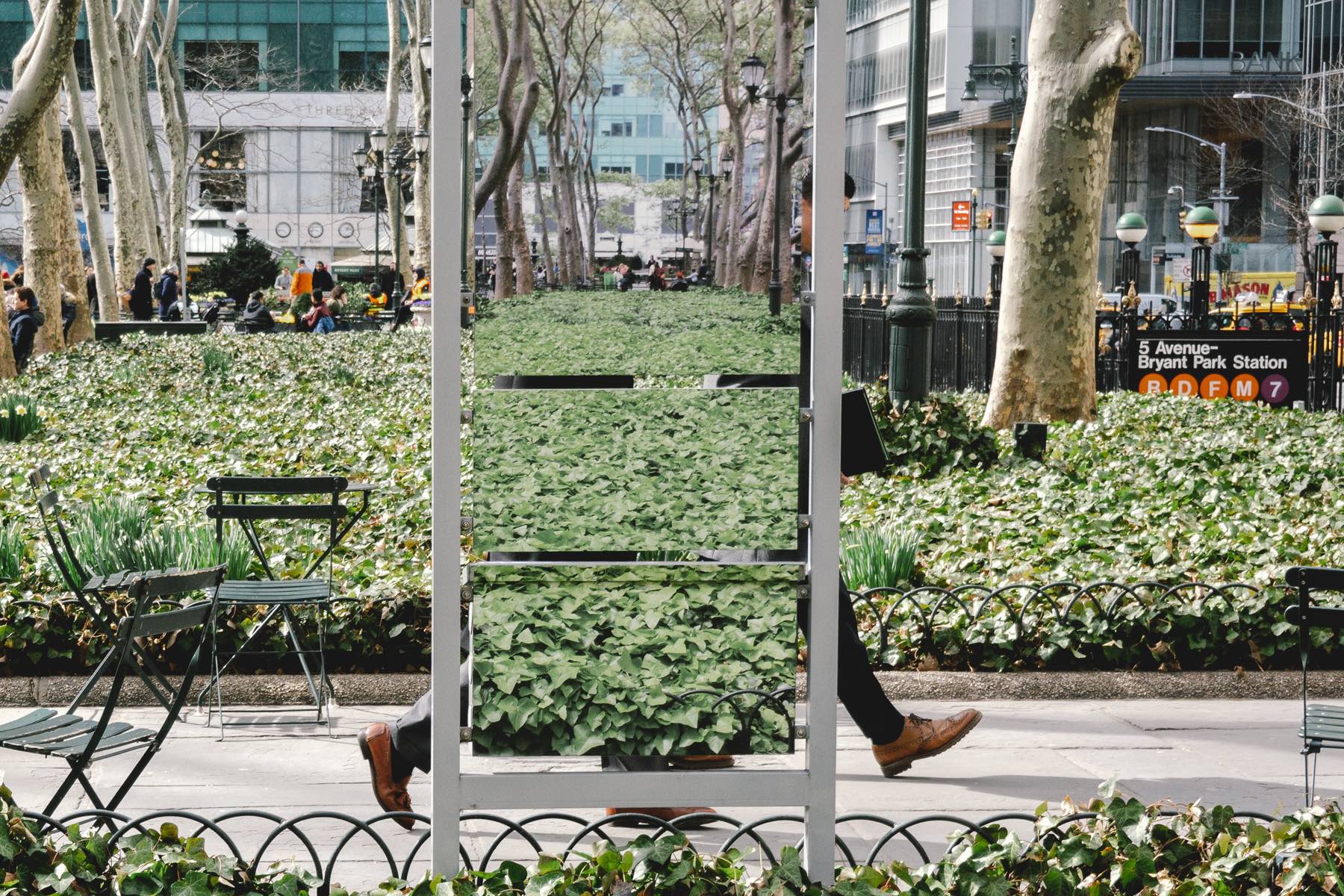
“Whenever I return to New York after being away, I think, ‘What is it that makes this so special?’ It’s that I have that decades-old emotional tie to the city – of it being a refuge for people who may find they’re different than the other people in their communities. It’s a place to escape to, a place to find yourself. I can’t break that bond.”
“But there’s just something about walking around endlessly in it too. Whether it’s Lower Manhattan, the lower East Side, or somewhere else, there’s just something about being able to get lost in the city – lost in yourself – and the sense of exploration that comes with that. I don’t really feel that anyone else.”
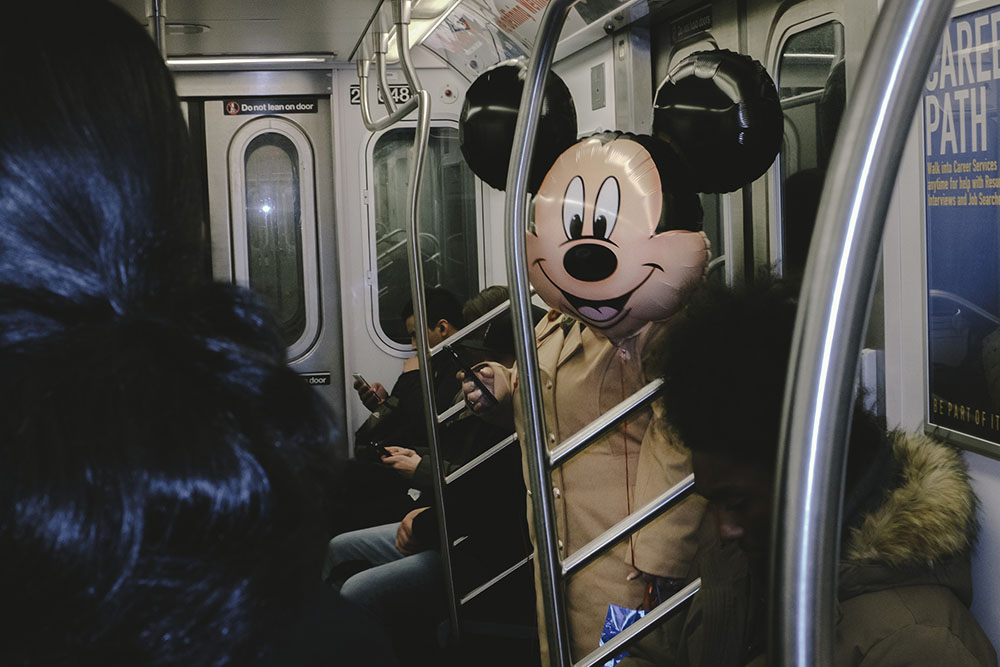
Coincidences is out now on Anthology Editions.
Enjoyed this article? Like Huck on Facebook or follow us on Twitter.
You might like

On the set of ‘La Bamba’, lost Latino legend Ritchie Valens’s biopic
The overnight rockstar — The Chicano rock & roll star exploded overnight in the late ’50s, but just as quickly he was gone, killed in a plane crash along with Buddy Holly. An ’80s biopic saw him immortalised on the big screen, which photographer Merrick Morton captured behind the scenes.
Written by: Miss Rosen

Louis Theroux’s ‘Manosphere’ shows men aren’t the problem, platforms are
No Ws for Good Men — The journalist’s new documentary sees him dive headfirst into the toxicities and machinations of the male influencer economy. But when young creators are monetarily incentivised to make more and more outrageous content, who really is to blame?
Written by: Emma Garland

In the 1960s, African photographers recaptured their own image
Ideas of Africa — An exhibition at the Museum of Modern Art explores the 20th century’s most important lensers, including Seydou Keïta, Malick Sidibé and Kwame Brathwaite, and their impact on challenging dominant European narratives.
Written by: Miss Rosen

Reynaldo Rivera’s intimate portrait of queer Latino love
Propiedad Privada — Growing up during the AIDS pandemic, the photographer entered a world where his love was not only taboo, but dangerous. His new monograph presents inward-looking shots made over four decades, which reclaim the power of desire.
Written by: Miss Rosen

In photos: The newsagents keeping print alive
Save the stands — With Huck 83 hitting shelves around the world, we met a few people who continue to stock print magazines, defying an enduringly tough climate for physical media and the high street.
Written by: Ella Glossop

Inside Bombay Beach, California’s ‘Rotting Riviera’
Man-made decay — The Salton Sea was created by accident after a failed attempt to divert the Colorado River in the early 20th century. Jack Burke reports from its post-apocalyptic shores, where DIY art and ecological collapse meet.
Written by: Jack Burke


