
Cruising the streets with New York’s lowriders

Regardless of what the name might lead you to believe, Lowriding is not, by any means, a lowkey, discreet practice. Quite the opposite really – the men and women who parade through the streets of Los Angeles and New York pride themselves in standing out, and on the vibrant colours and paint jobs of their highly-customised cars, sometimes equipped with gravity-defying bouncing hydraulics, always with floorboards low, almost scraping the tarmac.
Lowriding, an originally Mexican-American subculture that has been around since 1940s, has had a huge, largely unnamed influence in pop culture, and has been repeatedly immortalised in a number of music videos and live performances – from Dr. Dre and Snoop Dogg’s iconic stage entrance during the Up in Smoke tour, back in the 2000s, all the way through Cypress Hill’s 60 million-view strong music video for “Lowrider.”
“I first saw lowriding when I was about 12 years old, in music videos and images of rappers such as Dr Dre, Snoop Dog, N.W.A, Notorious BIG,” writes British photographer Owen Harvey. Naturally drawn to subcultures as he got older, Owen’s interest in the customised cars, their lasting influence, and the communities surrounding them was piqued.
It was a while before the photographer finally took to the United States, determined to capture the world of the Lunatic Lowriders – a New York-based club, known for “not being timid with the switches” and cruising around Times Square. Unsure of what to expect, but armed with a camera, the Londoner headed on his first, three-month long trip to Manhattan.

“I think the first night going lowriding was the one that really stood out to me,” he tells me. “I’d been shooting Jazz musicians during the day in The Bronx and was becoming sceptical if the lowriding project would go ahead, as I hadn’t had a response from anyone in a little while.”
“I was about to jump on the subway to head back down to Manhattan, when I got a call from Willy, one of the members of the Lunatic Lowriders Club, who is now a good friend, asking me to meet them. I was waiting for them for half an hour or so and then around 12 cars pulled up, I jumped in and we went cruising around the whole of Manhattan until 3AM or so. Straight away, they were very welcoming and I knew it was going to be an amazing first 3 months working on the project. I felt a bit like I’d stepped straight in to a film, the whole night was very surreal.”
That was the beginning of his Ground Clearance series, shot over the course of four trips to America throughout 2016 and 2017. During that time, Owen became entirely immersed in the subculture, going to events, meet-ups and learning all he could about the scene, that embodied both a passion for DIY and a strong sense of community, cultural identity and pride.

Julio, Orchard Beach, NYC

Dancers at the Fish Fry BBQ, The Bronx
“All of the guys in the clubs came into lowriding in different ways,” Owen tells me. “Some had joined because they’d seen other clubs in the streets and decided there and then they needed their own lowrider. For others, it was about expressing their Mexican American culture and for some, it was their initial interest in music and iconic music imagery during their youth that had sparked the interest.”
He continues: “I think lowriding brings a huge amount into the lives of those involved in the scene. The excitement of cruising on three wheels or bouncing up and down on the hydraulics to the rap music of your youth. The buzz you get from seeing others on the street react all the hard work you’ve put into your car. It’s the brotherhood and community aspect.”
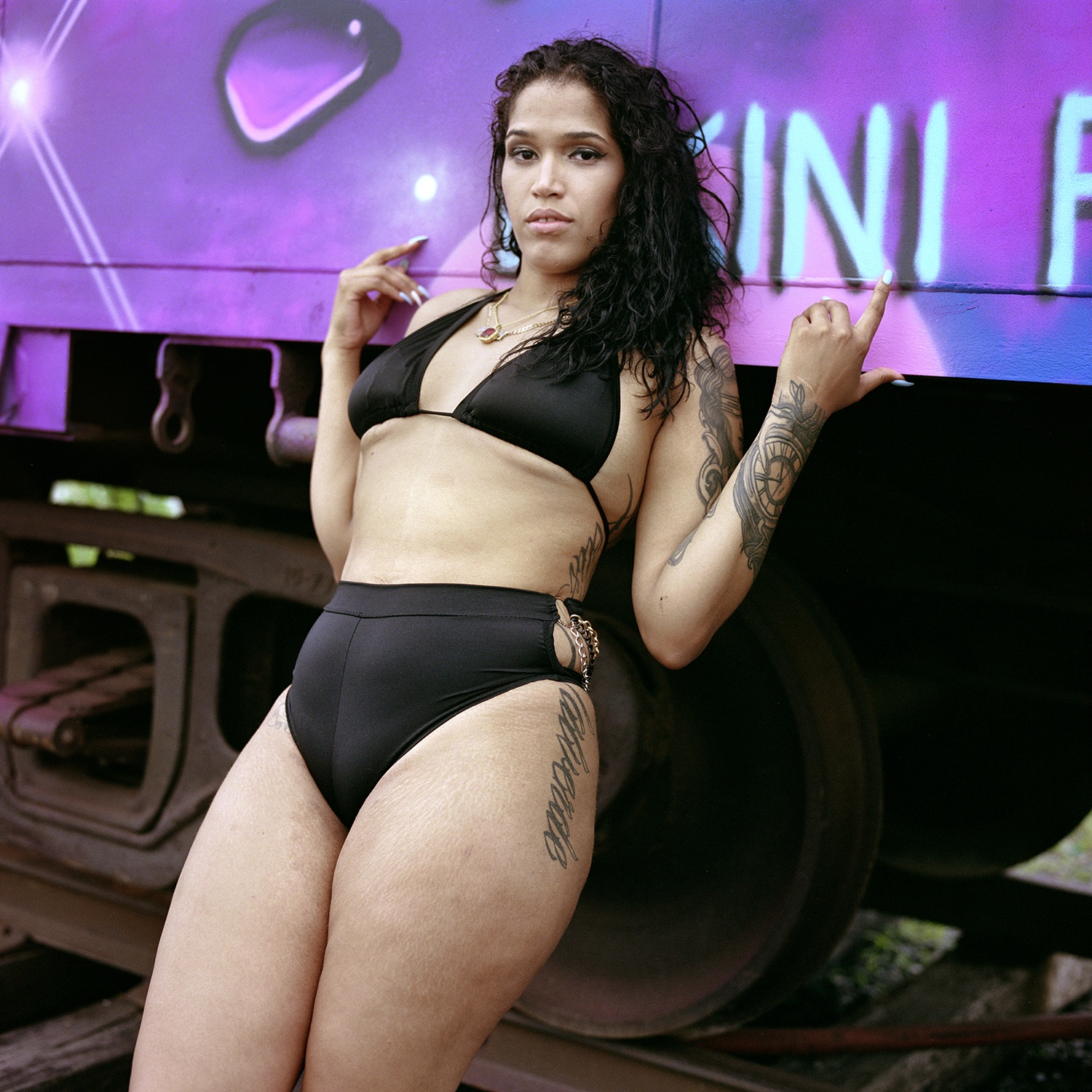
Dancer at the Fish Fry BBQ, The Bronx, NYC

Chicanos, The Bronx, NYC

Sanchez, Tarry Town,NYC

Fish Fry BBQ, The Bronx
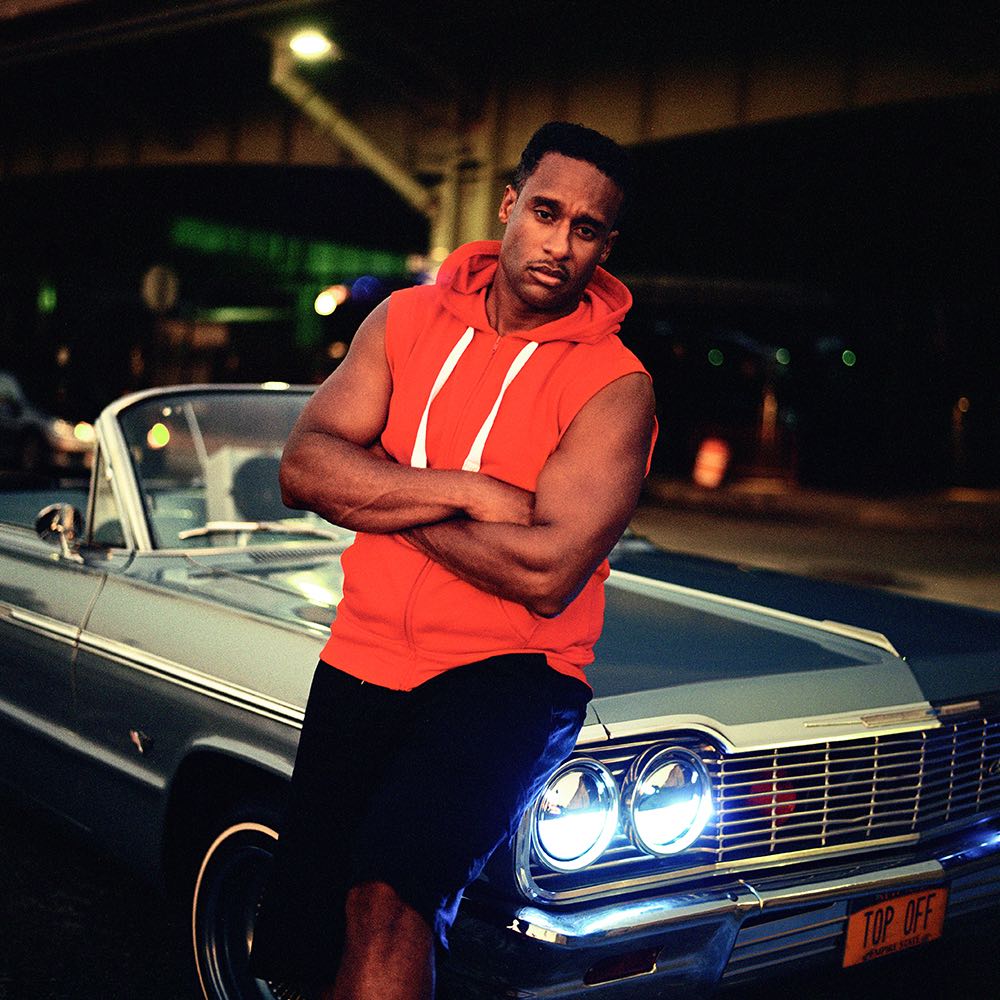
Sosa, Harlem, NYC

See more of Owen’s work on his website.
Enjoyed this article? Like Huck on Facebook or follow us on Twitter.
You might like

Joyous photos from the heart of the UK’s radical free festival movement
Common Grounds — The photographer has been capturing British counterculture for the past half century. A new exhibition looks at his archive sitting at the intersection of music, community and grassroots protest.

The lasting community legacy of a legendary Californian boxing gym
Moretón — Since opening in the ’80s, the Coachella Valley Boxing Club has trained multiple world champions, while providing a vital hub for local youth. In his new photobook, Darren Vargas documents its tight-knit, Chicano-led community, while also weaving a deeply personal story.

Inside the grunge golden age with Hole’s former bassist
My ’90s Rock Photographs — Melissa Auf der Maur’s new photobook is a sprawling visual memoir of her time at the heart of the US scene, from Tinker to The Smashing Pumpkins.

Introducing ‘The Chaos Isles’, a new photozine by Huck and Yushy
Normal Island — From unlicensed raves to the solstice at Stonehenge, furries to giant vegetable growers, Yushy is one of the UK’s best lensmen of its wild side. ‘The Chaos Isles’ will be sent out exclusively to Club Huck+ members.

Join Club Huck+ to get the most from Huck
Dispatches from the sharp edge of culture — Members get our print magazine, special photozines, The Huck Long Read newsletter, discounts from our friends and partners, digital versions of back issues and priority access to events.

Signs of solidarity as London marks three years of genocide in Palestine
Never forget — 250,000 people gathered on Saturday as Israeli attacks have continued in Gaza and the West Bank. Daisy Schofield photographed the diverse people and placards in attendance.


