Documenting urban underbellies across the world
- Text by Huck
- Photography by Miguel Rio Branco

Miguel Rio Branco has been taking photos in cities most of his life. However, back in 2008 while living in Rio de Janeiro, he came to the realisation that he didn’t necessarily feel comfortable in them.
That understanding proved to be the starting point – “ground zero” – for Maldicidade, a long-term project that examines our relationships with cities. Focusing on four separate locations – New York, Havana, Salvador da Bahia and Tokyo – the French and Brazilian photographer shines a light on the lonelier, less affirming aspects of living in a metropolis.

Encompassing work taken over the duration of his career, Maldicidade begins in New York, between 1970 – 1972. “It was A place I had already lived in, between 1964 – 1967 when I was still a student, [and] a son of a diplomat,” he says.
“In those early seventies my situation was of a beginner in photography… [but] I could see cities being in the lower side of society. And living near the Bowery I could not understand how a rich country could live with such fallen people.”

Now a book, Maldicidade refrains from flooding the viewer with context or history. Instead, the images are presented as depicting one single location, separate from a particular time or place. In this sense, the urban experience is a universal one.
“In a way, [cities] all have their slums. The Brazilian cities became more like giant slums with small portions that could be called organised and civilised. Cities like Paris are getting more parts that appear exactly like third-world cities, where the centres are transformed into places for rich people surrounded by people less fortunate who don’t exactly like the situation.”

For Rio Branco, who refers to his relationship with cities as one of “attraction and repulsion”, the healthiest lives are lived outside of huge urban spaces. If there’s one thing he wants people take away from Maldicidade, it’s that there are always other options. With a 2018 UN report stating that two thirds of the world’s population will live in a city by 2050, he hopes that people remember that.
“My problem is with the gigantic cities. I really would hope to see people moving out and cherishing nature, and understanding that we need nature more than ever. You know what I mean? Whenever a city member can, they should escape into nature.”
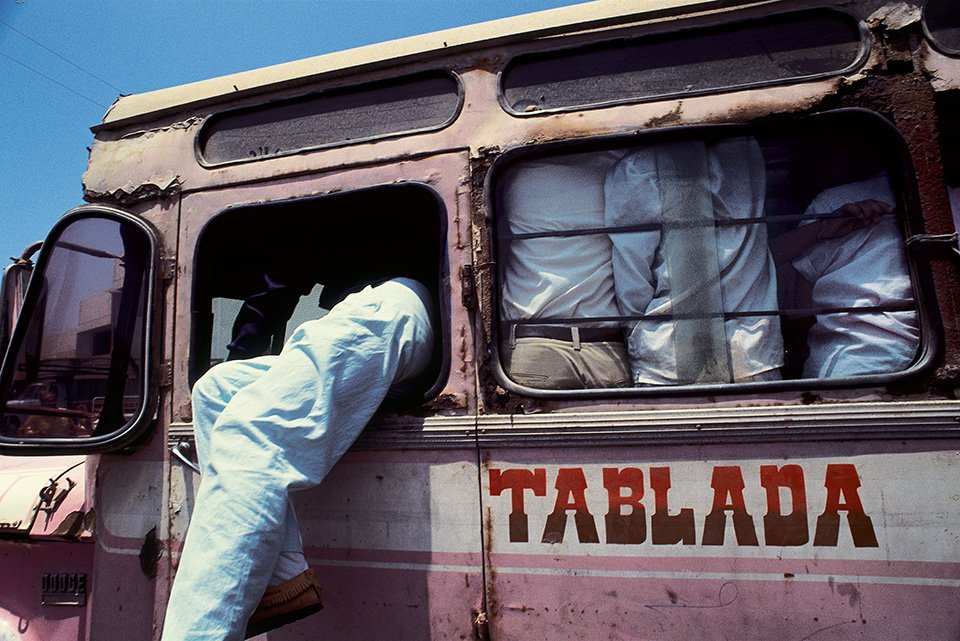
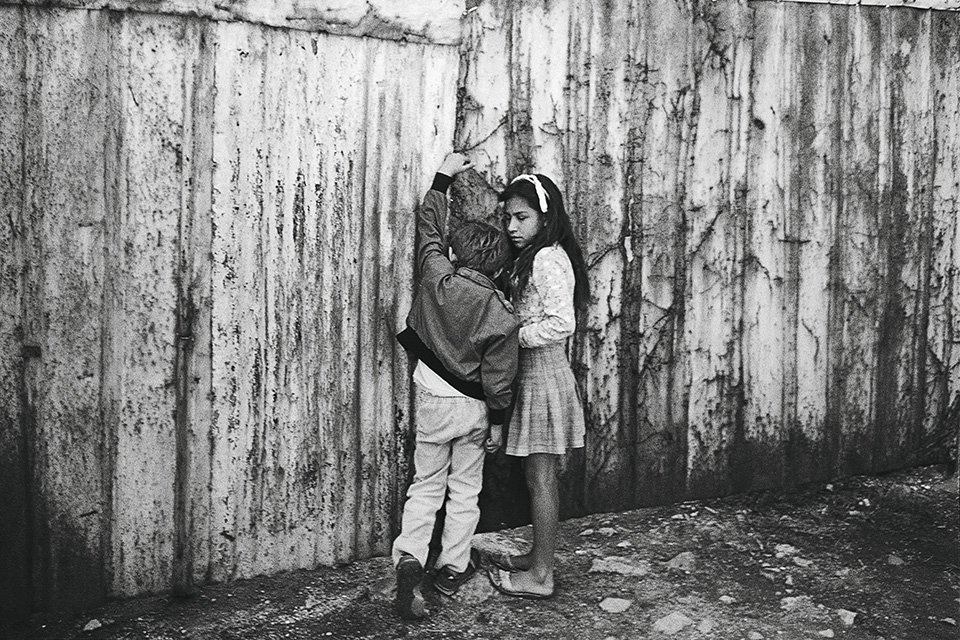
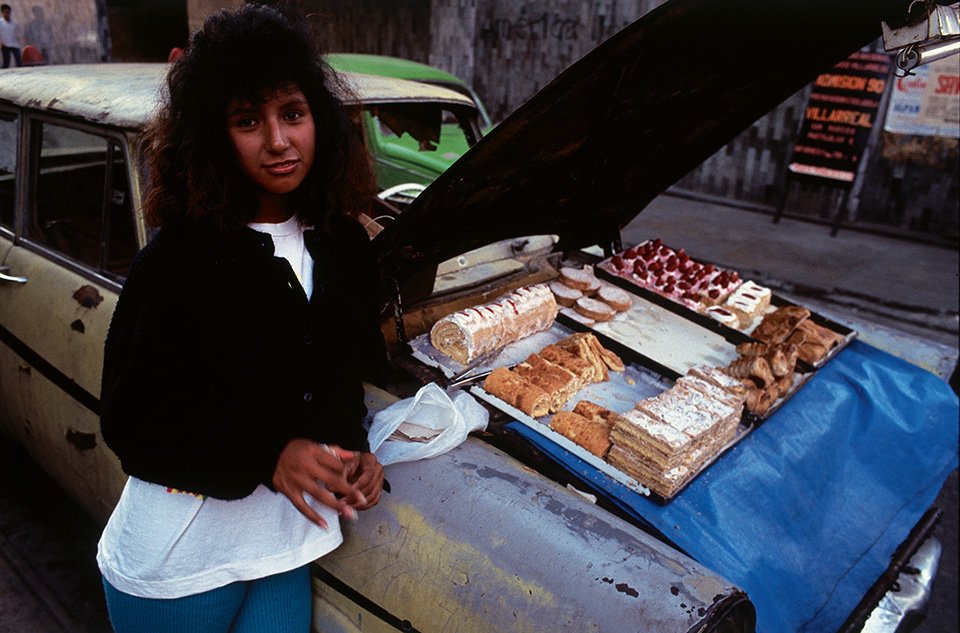

Maldicidade is available now from Taschen.
Enjoyed this article? Like Huck on Facebook or follow us on Twitter.
You might like

Louis Theroux’s ‘Manosphere’ shows men aren’t the problem, platforms are
No Ws for Good Men — The journalist’s new documentary sees him dive headfirst into the toxicities and machinations of the male influencer economy. But when young creators are monetarily incentivised to make more and more outrageous content, who really is to blame?
Written by: Emma Garland

In the 1960s, African photographers recaptured their own image
Ideas of Africa — An exhibition at the Museum of Modern Art explores the 20th century’s most important lensers, including Seydou Keïta, Malick Sidibé and Kwame Brathwaite, and their impact on challenging dominant European narratives.
Written by: Miss Rosen

Reynaldo Rivera’s intimate portrait of queer Latino love
Propiedad Privada — Growing up during the AIDS pandemic, the photographer entered a world where his love was not only taboo, but dangerous. His new monograph presents inward-looking shots made over four decades, which reclaim the power of desire.
Written by: Miss Rosen

In photos: The newsagents keeping print alive
Save the stands — With Huck 83 hitting shelves around the world, we met a few people who continue to stock print magazines, defying an enduringly tough climate for physical media and the high street.
Written by: Ella Glossop

Inside Bombay Beach, California’s ‘Rotting Riviera’
Man-made decay — The Salton Sea was created by accident after a failed attempt to divert the Colorado River in the early 20th century. Jack Burke reports from its post-apocalyptic shores, where DIY art and ecological collapse meet.
Written by: Jack Burke

The quiet, introspective delight of Finland’s car cruising scene
Pilluralli — In the country’s small towns and rural areas, young people meet up to drive and hang out with their friends. Jussi Puikkonen spent five years photographing its idiosyncratic pace.
Written by: Josh Jones


