Documenting urban underbellies across the world
- Text by Huck
- Photography by Miguel Rio Branco

Miguel Rio Branco has been taking photos in cities most of his life. However, back in 2008 while living in Rio de Janeiro, he came to the realisation that he didn’t necessarily feel comfortable in them.
That understanding proved to be the starting point – “ground zero” – for Maldicidade, a long-term project that examines our relationships with cities. Focusing on four separate locations – New York, Havana, Salvador da Bahia and Tokyo – the French and Brazilian photographer shines a light on the lonelier, less affirming aspects of living in a metropolis.

Encompassing work taken over the duration of his career, Maldicidade begins in New York, between 1970 – 1972. “It was A place I had already lived in, between 1964 – 1967 when I was still a student, [and] a son of a diplomat,” he says.
“In those early seventies my situation was of a beginner in photography… [but] I could see cities being in the lower side of society. And living near the Bowery I could not understand how a rich country could live with such fallen people.”

Now a book, Maldicidade refrains from flooding the viewer with context or history. Instead, the images are presented as depicting one single location, separate from a particular time or place. In this sense, the urban experience is a universal one.
“In a way, [cities] all have their slums. The Brazilian cities became more like giant slums with small portions that could be called organised and civilised. Cities like Paris are getting more parts that appear exactly like third-world cities, where the centres are transformed into places for rich people surrounded by people less fortunate who don’t exactly like the situation.”

For Rio Branco, who refers to his relationship with cities as one of “attraction and repulsion”, the healthiest lives are lived outside of huge urban spaces. If there’s one thing he wants people take away from Maldicidade, it’s that there are always other options. With a 2018 UN report stating that two thirds of the world’s population will live in a city by 2050, he hopes that people remember that.
“My problem is with the gigantic cities. I really would hope to see people moving out and cherishing nature, and understanding that we need nature more than ever. You know what I mean? Whenever a city member can, they should escape into nature.”
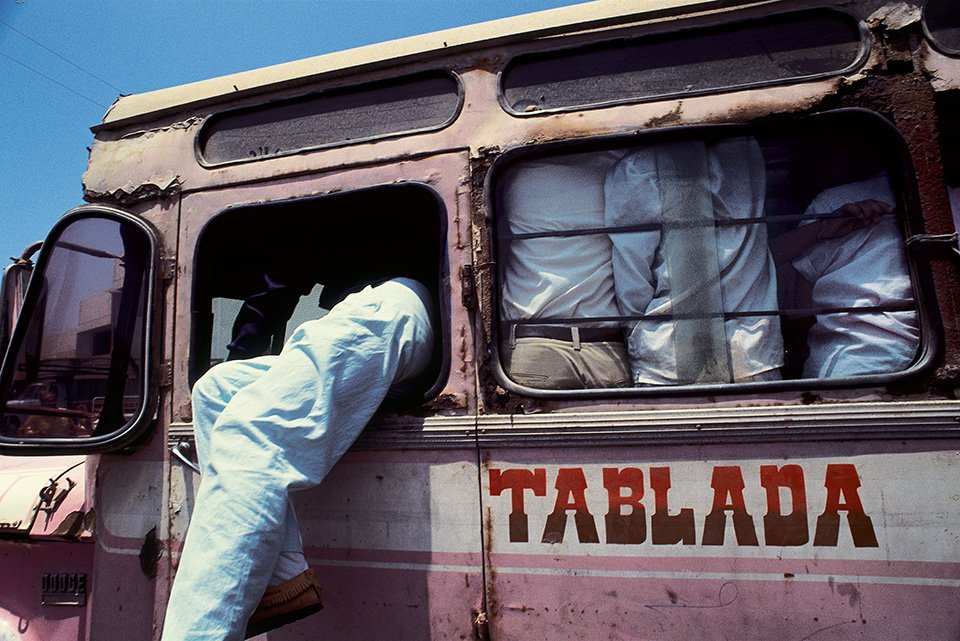
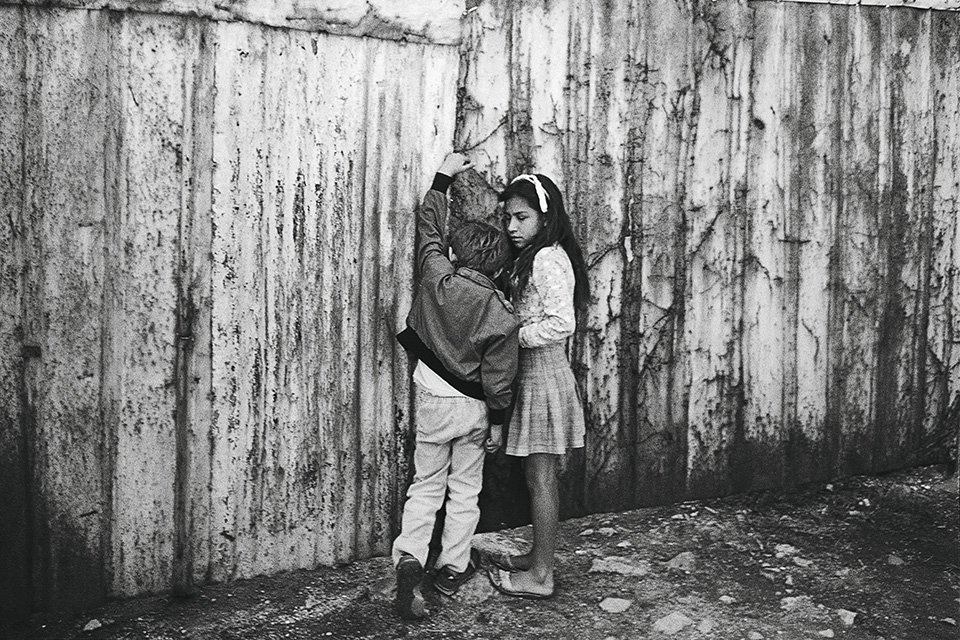
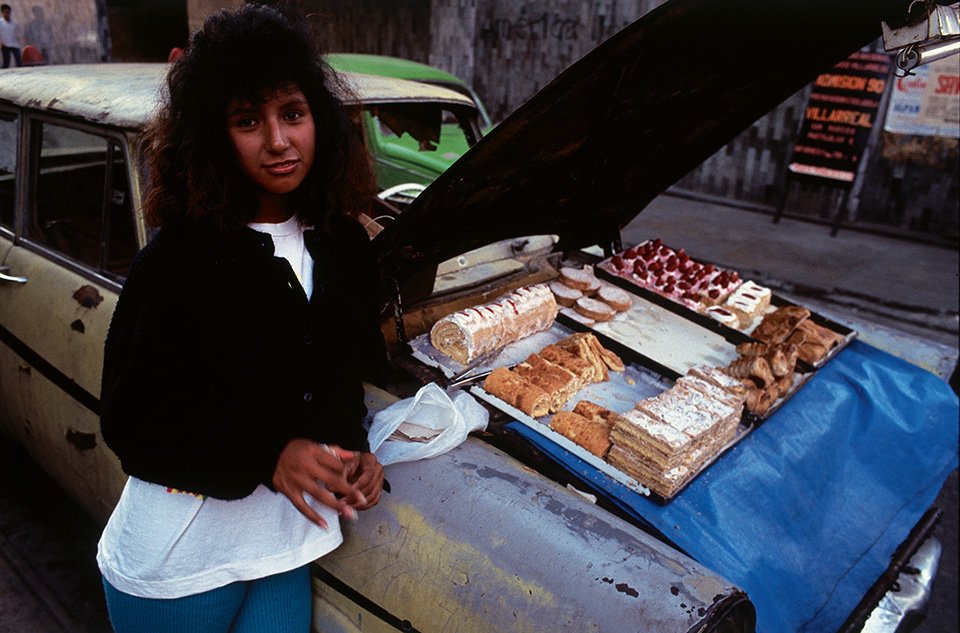

Maldicidade is available now from Taschen.
Enjoyed this article? Like Huck on Facebook or follow us on Twitter.
You might like

Jesse Glazzard’s messy portrait of queer friends, lovers and chosen family
The Sound of Dirt and Beauty — The photographer’s debut monograph explores tender, unpolished moments shaped by the people who he surrounds himself with, while offering a window into the UK’s working-class LGBTQ+ community.
Written by: Sunny Sunday

Behind the curtain at Alternative Miss World 1981
Olympia glamour — Running a subversive take on the traditional beauty pageant, the Andrew Logan organised event prioritised underground creativity and invention. Photographer David Corio went behind the scenes at its biggest edition.
Written by: Miss Rosen

New exhibition highlights British radical living over 200 years
Earthly Paradise — Taking place at the William Morris Gallery, it explores the homes and lives of artists, writers, musicians and more, as well as the conditions that allowed them to thrive.
Written by: Isaac Muk

What life on the Strait of Hormuz is really like
Southern Winds — Bandar Abbas based photographer Morteza Niknahad has been capturing the diverse communities and stories of his local region since he first picked up a camera. His new series highlights the human impact of war.
Written by: Isaac Muk

Nick Haymes’s intimate portrait of his family’s life
Chronograph — Over 25 years, the photographer documented his son’s lives as they grew into adults. The resulting photobook is an exploration of the passage of time, as well as the optimism of youth.
Written by: Miss Rosen

Kristina Rozhkova’s scatty, confronting portrait of captivity
Gut Feeling — The Russian artist’s 2024 arrest and subsequent detention opened her eye towards the omnipresent dynamics of power and control. Her new photobook is a stark exploration of being trapped.
Written by: Isaac Muk


