Photography that fought for major social & political change
- Text by Miss Rosen
- Photography by Dorothea Lange

In 1918, at the age of 23, Dorothea Lange (1895–1965) and a close friend set out to see the world. They drove from New York City to San Francisco, where they were robbed, thus ending their youthful adventures on the road. Lange then fell in love with the San Francisco scene and opened a photo studio where she took portraits of the city’s bohemian and artistic elite. Then the Great Depression hit, and everything changed.
One day in 1933, Lange is said to have looked out the window at a bread line that started near her downtown San Francisco studio. “Lange dared to venture out with her bulky camera, taking the picture we now know as ‘White Angel Bread Line’,” says Sarah Hermanson Meister, curator of Dorothea Lange: Words & Pictures and accompanying exhibition catalogue (The Museum of the Modern Art).
“Once she took that picture, it’s as if she never looked back. Her sense of commitment to equity, justice, and paying attention to those less fortunate then became the hallmark of her career.”

Dorothea Lange. White Angel Bread Line, San Francisco. 1933
Lange got her start working with her future husband Paul Schuster Taylor, an agricultural economist. He quickly recognised the transformative impact of her images when combined with research.
Together they embarked on a series of projects that used photography as a tool for political and social change. With Words & Pictures, Meister explores how Lange paired image and text into a complex portrait of mid-century American life at its most bleak.
Whether bringing to public attention the plight of sharecroppers and migrant workers living in extreme states of rural poverty; the harrowing impact of Jim Crow laws on black Americans in the South; or the devastating impact of internment on Japanese-Americans following the attack on Pearl Harbor; Lange took immense care to provide the necessary context for her work. She would write field notes detailing her subject’s circumstances, and would sometimes include direct quotes.

Dorothea Lange. Migratory Cotton Picker, Eloy, Arizona. November 1940
“All photographs – not only those that are so-called ‘documentary,’ as every photograph really is documentary and has a place in history – can be fortified by words,” Lange said in 1960. She understood that content and context are two sides of the same coin, for better and for worse.
Lange’s most iconic work, Migrant Mother (1936), became one of the most effective images used as New Deal propaganda, perhaps in large part because Lange did not make field notes that day. In the absence of reporting, an inaccurate story made the rounds, catapulting the image to mythic stature.
It was only in 1978 that the subject was identified as Florence Owens Thompson, a woman of Cherokee descent, who was not the hungry, desperate figure portrayed in the press. “These histories are written by fallible human beings, some of whom are very well-meaning, some of who have terrible intentions,” Meister says. “The truth can rest uneasily among them. It’s our responsibility to look at our own biases and learn what we can about what we information we accept as fact.”

Dorothea Lange. The Defendant, Alameda County Courthouse, California. 1957

Dorothea Lange. Tractored Out, Childress County, Texas, 1938

Dorothea Lange. Richmond, California. 1942
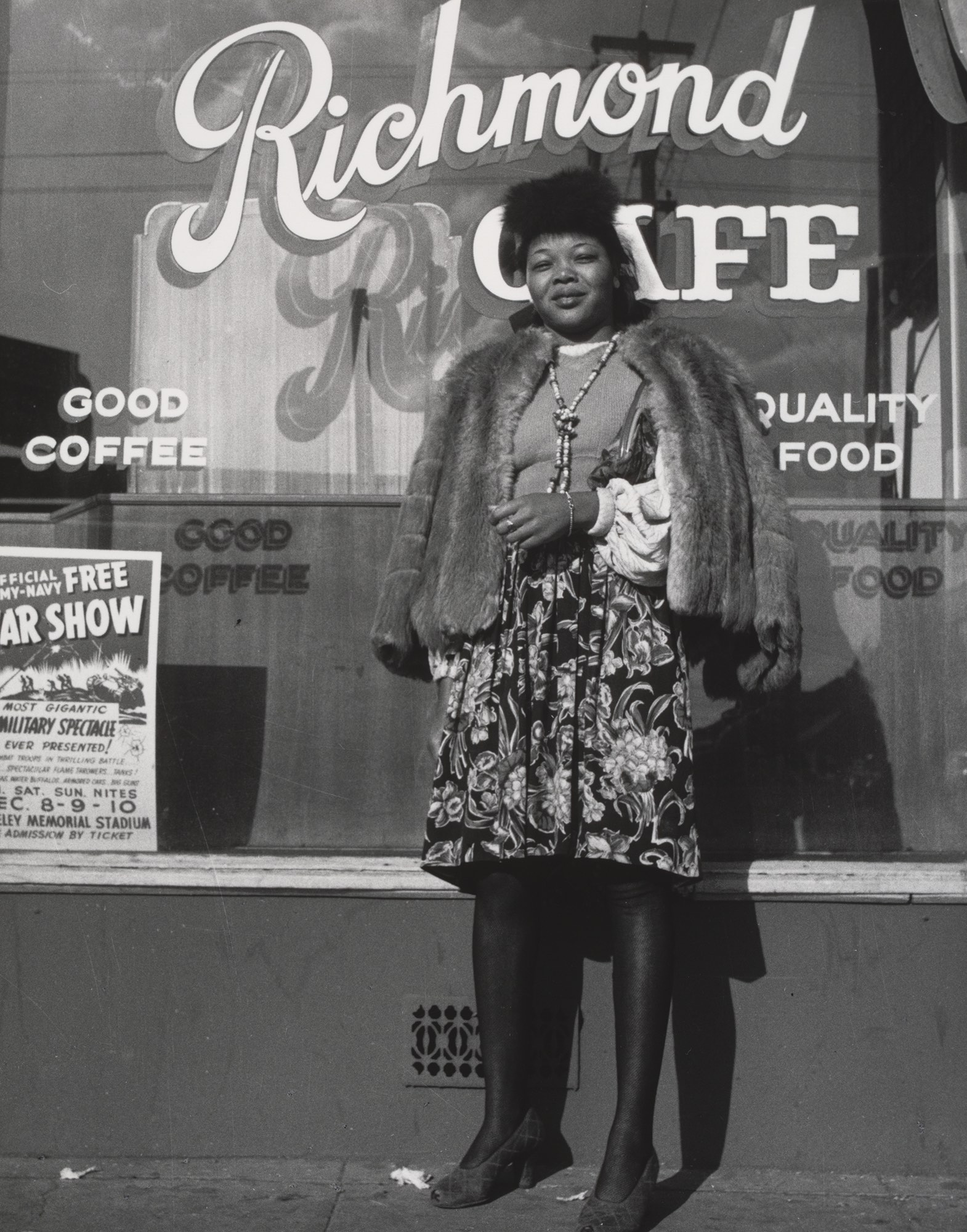
Dorothea Lange. Richmond, California. 1942

Dorothea Lange. Kern County, California. 1938

Dorothea Lange. Man Stepping from Cable Car, San Francisco. 1956

Dorothea Lange. Migrant Mother, Nipomo, California. March 1936
Dorothea Lange: Words & Pictures is currently on show on the Museum of Modern Art website, and comes with an accompanying exhibition catalogue.
Follow Miss Rosen on Twitter.
Enjoyed this article? Like Huck on Facebook or follow us on Twitter.
You might like
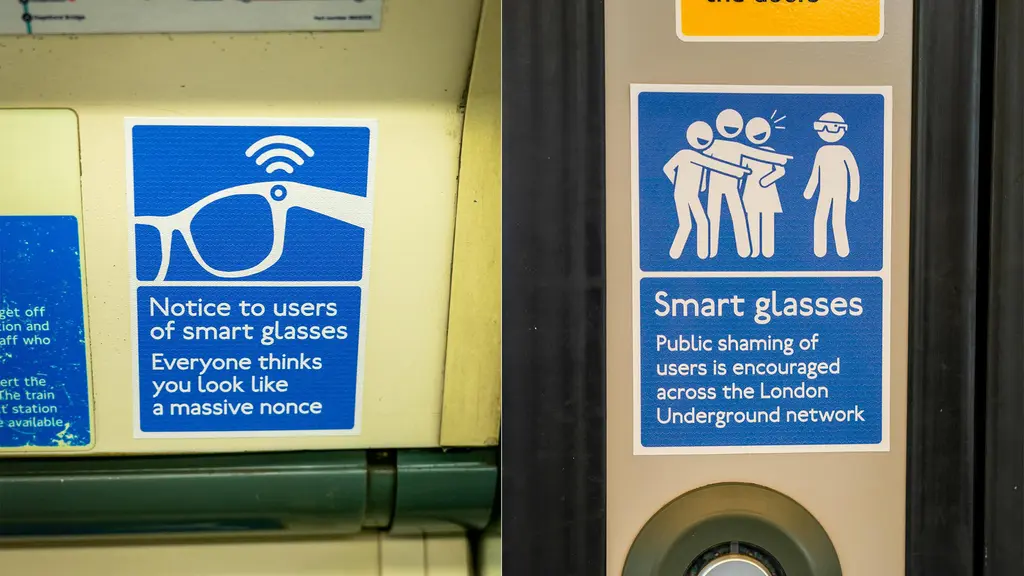
Activists slam “pervert glasses” in new guerrilla campaign
Everyone Hates Elon — Stickers have appeared on the London Underground network, criticising the wearable technology’s covert filming capabilities.
Written by: Isaac Muk

Behind the curtain at Alternative Miss World 1981
Olympia glamour — Running a subversive take on the traditional beauty pageant, the Andrew Logan organised event prioritised underground creativity and invention. Photographer David Corio went behind the scenes at its biggest edition.
Written by: Miss Rosen

New exhibition highlights British radical living over 200 years
Earthly Paradise — Taking place at the William Morris Gallery, it explores the homes and lives of artists, writers, musicians and more, as well as the conditions that allowed them to thrive.
Written by: Isaac Muk

What life on the Strait of Hormuz is really like
Southern Winds — Bandar Abbas based photographer Morteza Niknahad has been capturing the diverse communities and stories of his local region since he first picked up a camera. His new series highlights the human impact of war.
Written by: Isaac Muk

Pink Floyd’s Roger Waters joins team of new Palestinian resistance documentary
Freedom Theatre — Directed by Rishi Pelham, the film spotlights a theatre operating in the Jenin refugee camp.
Written by: Ella Glossop

Just Stop Oil holds first protest in 17 months
No new drilling — Having previously said that it was “hanging up the hi-vis”, the climate activist group has blocked a road outside Parliament to protest Andy Burnham opening the door for new oil and gas extraction licenses in the North Sea.
Written by: Ella Glossop


