Inside the Latinx community’s Rockabilly revolution
- Text by Miss Rosen
- Photography by Alexander Thompson

In the 1950s, Rockabilly music burst on the scene in the form of Elvis Presley, Johnny Cash, Buddy Holly, and Bill Haley. Coming out of the American South, it fused country music with rhythm & blues, bluegrass, and boogie woogie into a sound all its own.
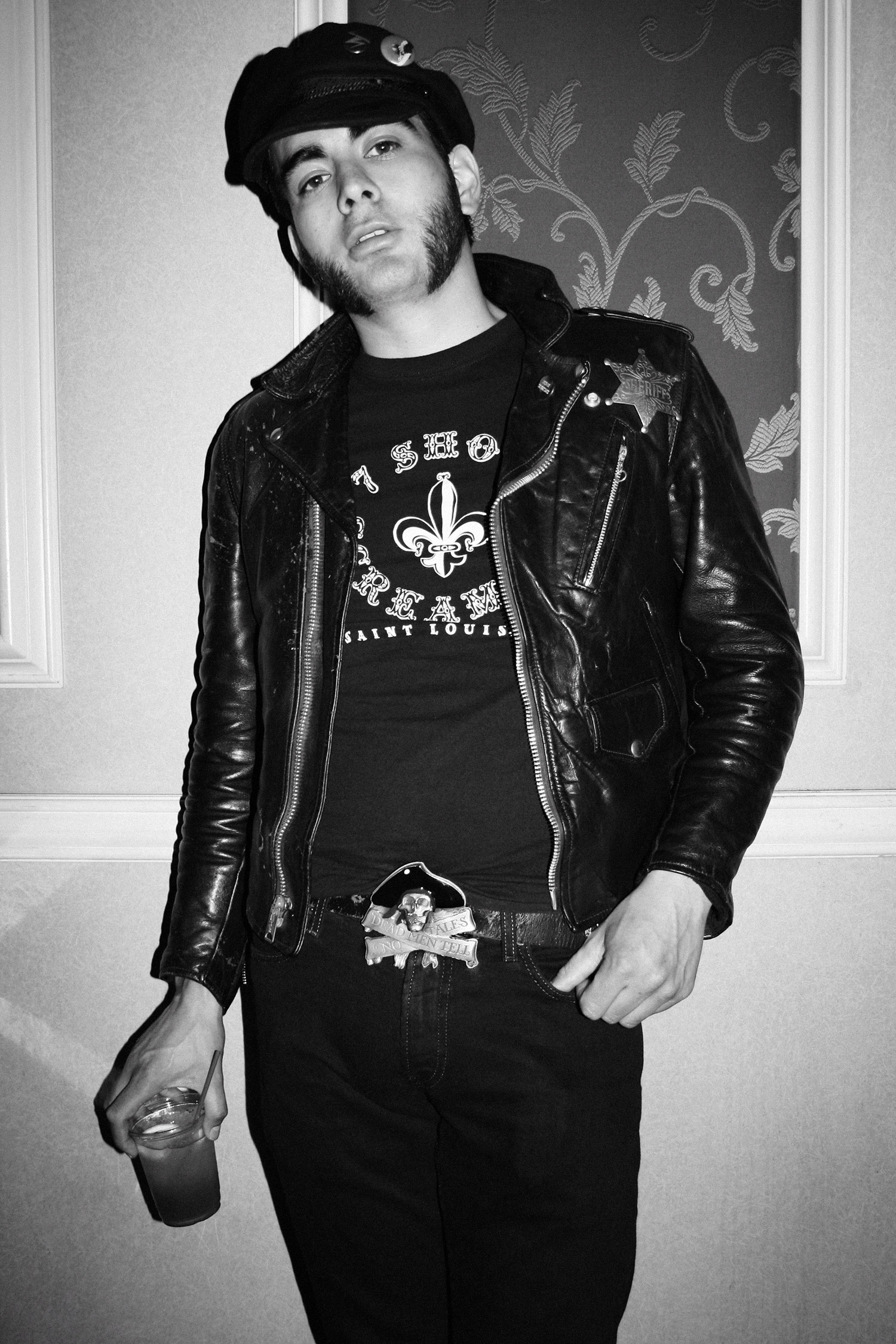
But it wasn’t just a sound: it was a style and attitude as well, defined by James Dean in Rebel Without a Cause and Marlon Brando in The Wild One. It was leather jackets and jeans, pompadours and tattoos, pin-up girls and burlesque, hot rods and drag races. It was an act of defiance against an oppressive society.
In the decades since, Rockabilly has taken different forms, enjoying a resurgence in the 1970s with the Teddy Boys and Girls in London and an American revival with the Stray Cats during the 1980s. Since then, it’s maintained its place among subcultures, paying homage to the roots of teenage rebellion in music, fashion, and cars – most notably among the Latinx community on the West Coast.
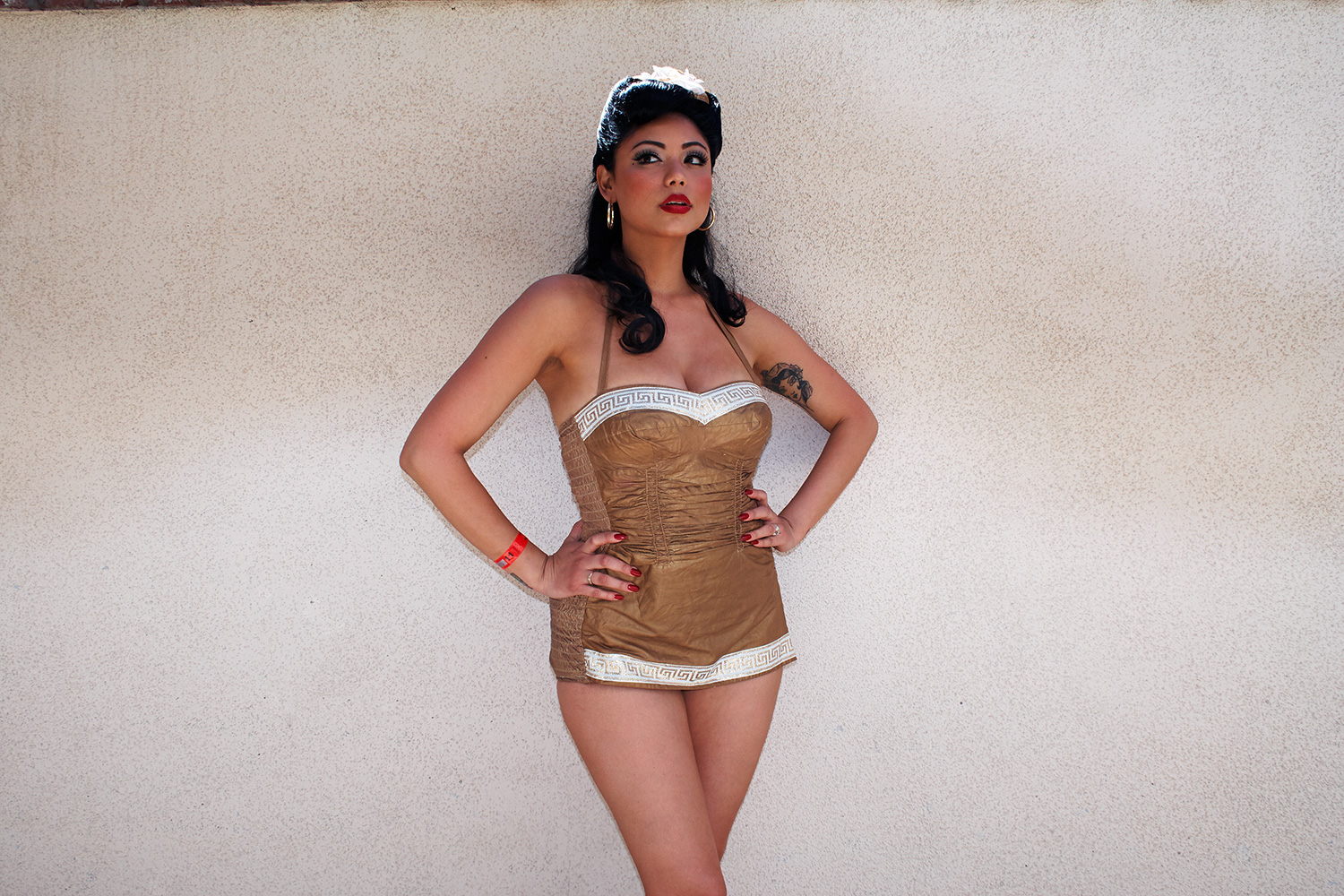
Mexican-Americans have embraced Rockabilly from its earliest years, going back to Ritchie Valens of “La Bamba” fame. Today, a new generation embraces the styles of the past as a way to create an identity distinct from older generations as well as their non-Latinx contemporaries.
“It’s a way of life,” Colombian-American photographer Alexander Thompson notes. Based in New York, Thompson first fell into the scene in the late ’90s, when he was hitting up Ivan’s Drive-In at Coney Island High on St. Mark’s Place. “It was primarily a Rockabilly party,” he recalls. “I remember seeing Robert Gordon, who was a big Rockabilly singer in the mid-’70s. I was in awe of the scene, the style, and the look, and started going to shows at CBGB’s and Rodeo Bar.”
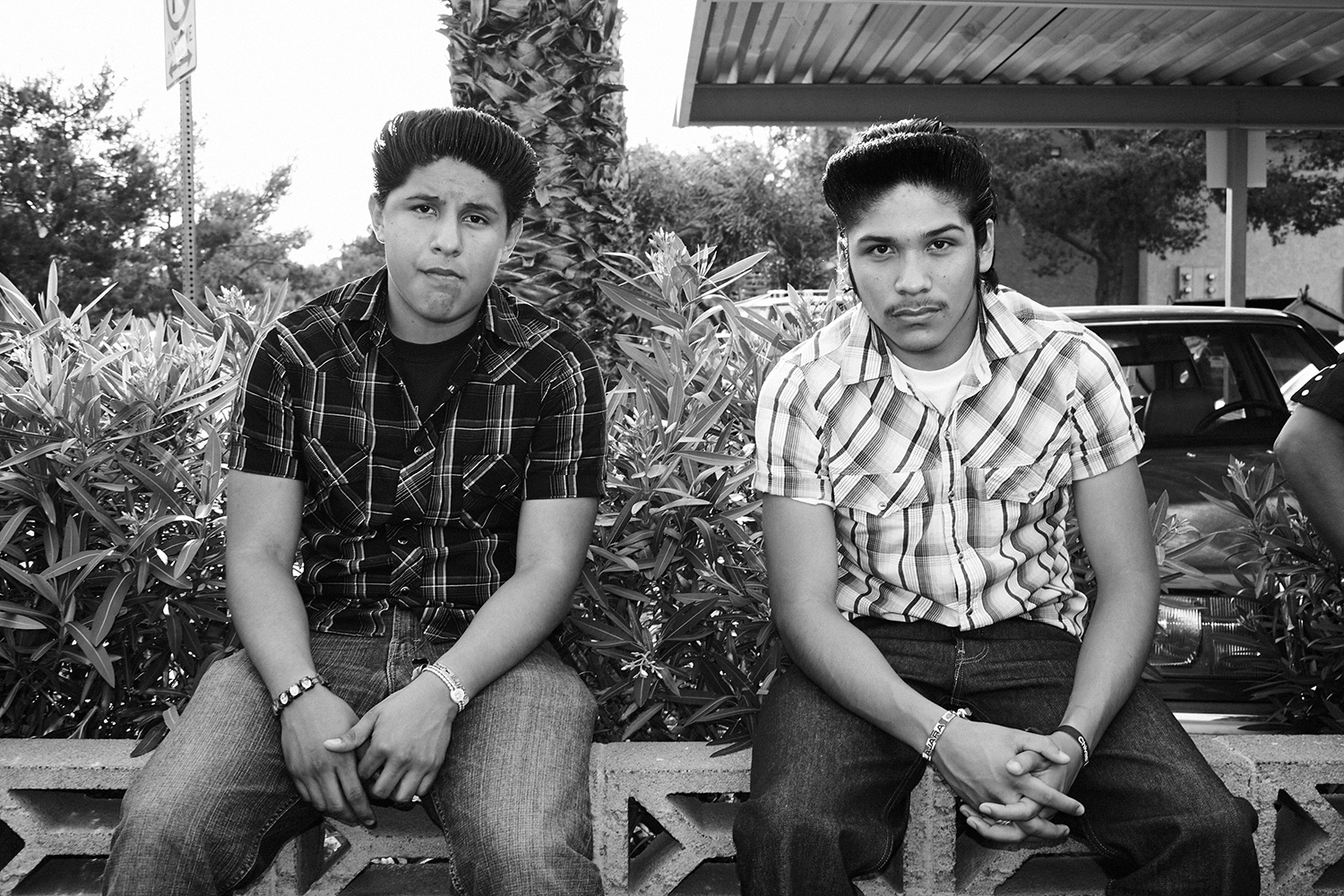
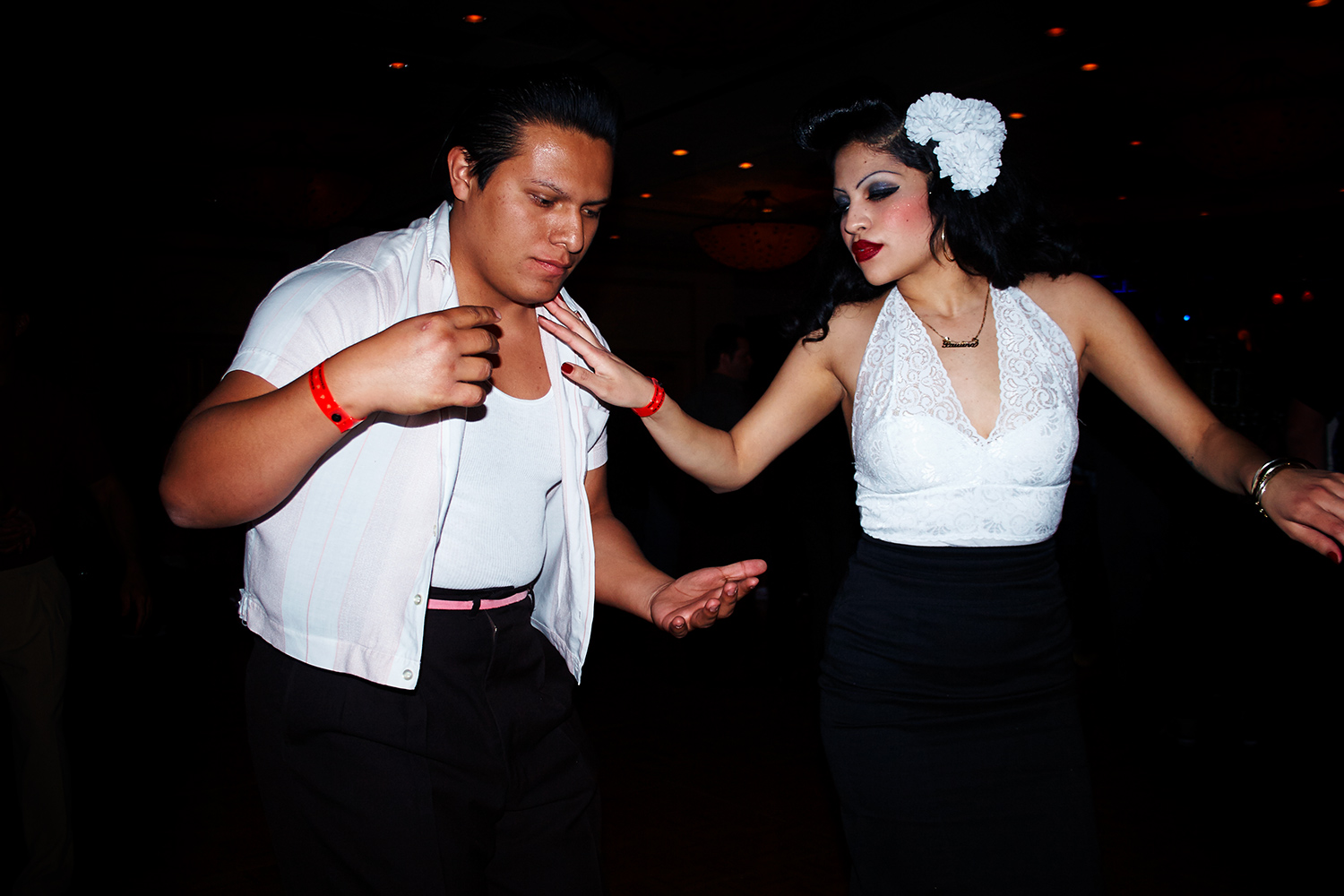
In 1998, he went to Viva Las Vegas, the annual Rockabilly weekend now in its 20th year. “That took it to another level for me. I saw these incredible people, the music, the cars,” he reveals. “I showed up on a Thursday and had taken some portraits during the day. Then that night, in the ballroom, where they have bands and DJs, I remember these young kids walking in. A lot of them seemed to know each other. The were dancing together and had this kind of family.”
At Viva Las Vegas, legends like Jerry Lee Lewis and Little Richard headline while contemporary acts like Desperados, Luis & the Wildfires, and Omar & the Stringpoppers represent for the Latinx community. “A lot of bands come out of a West Coast label called Wild Records and they are the forefront of the scene,” Thompson explains. “The bands are very young, very stylish, and when they get on stage they really perform. They will drop down and swirl on the ground. It’s what you would think: wild, rebellious music. It’s really incredible.”
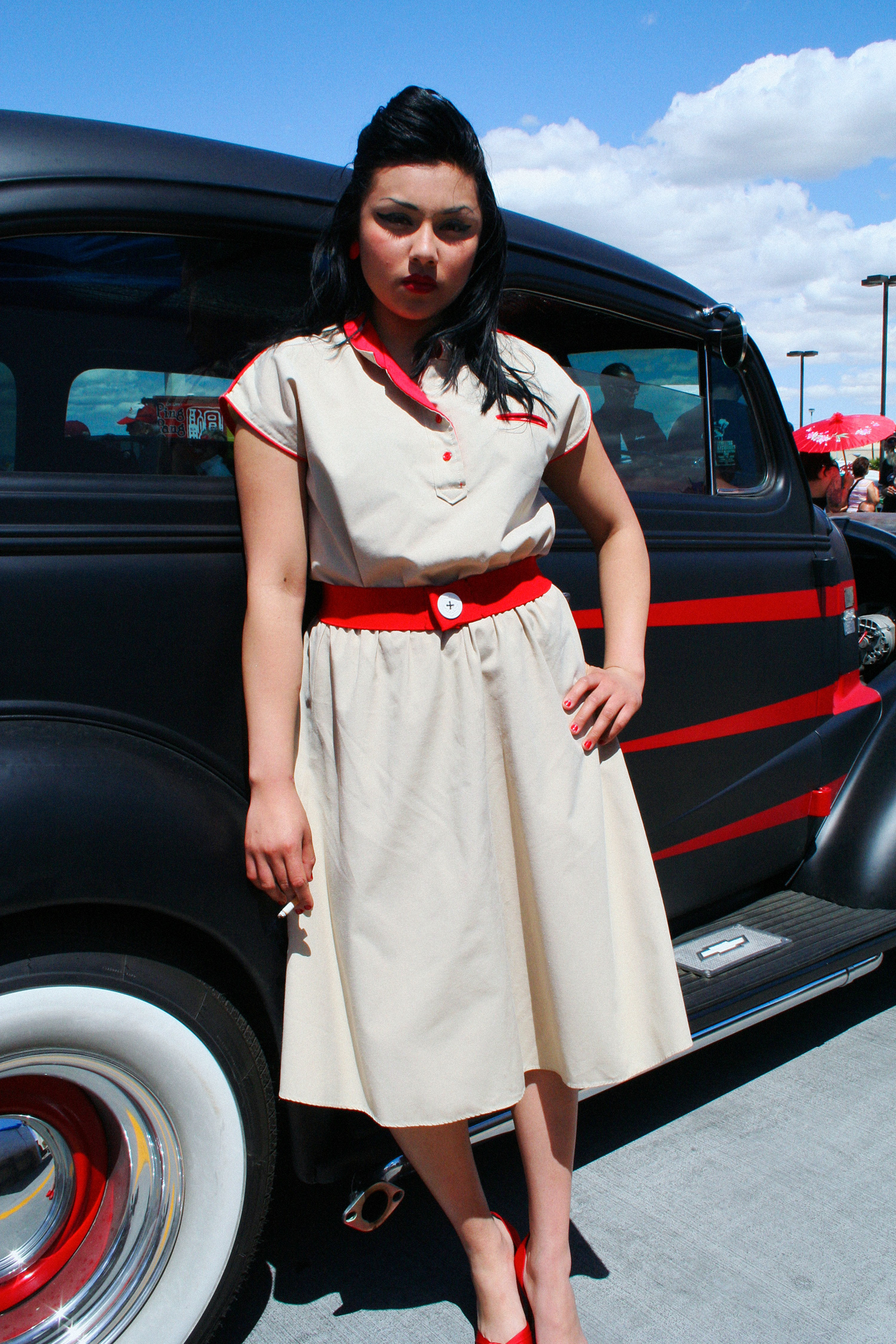
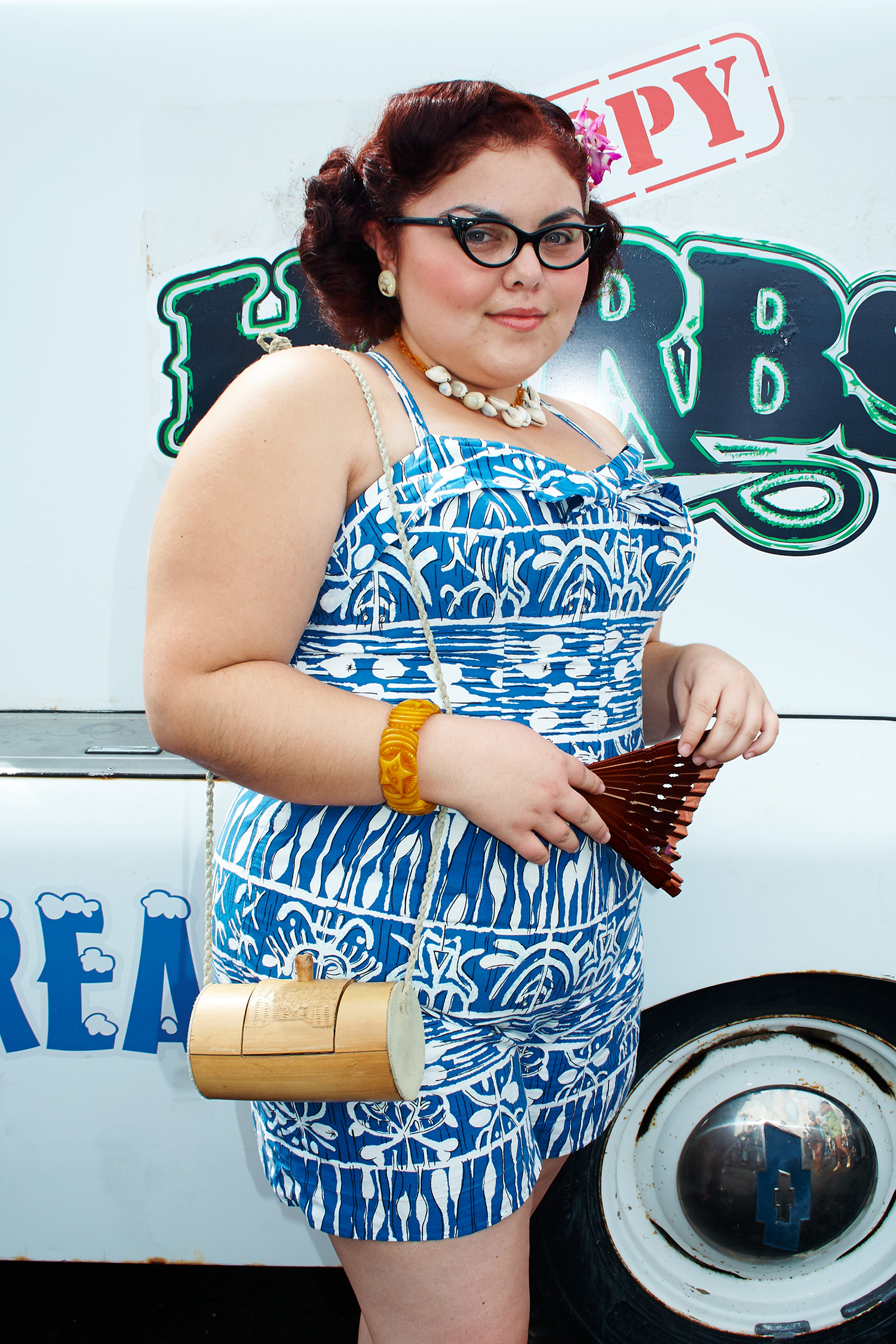
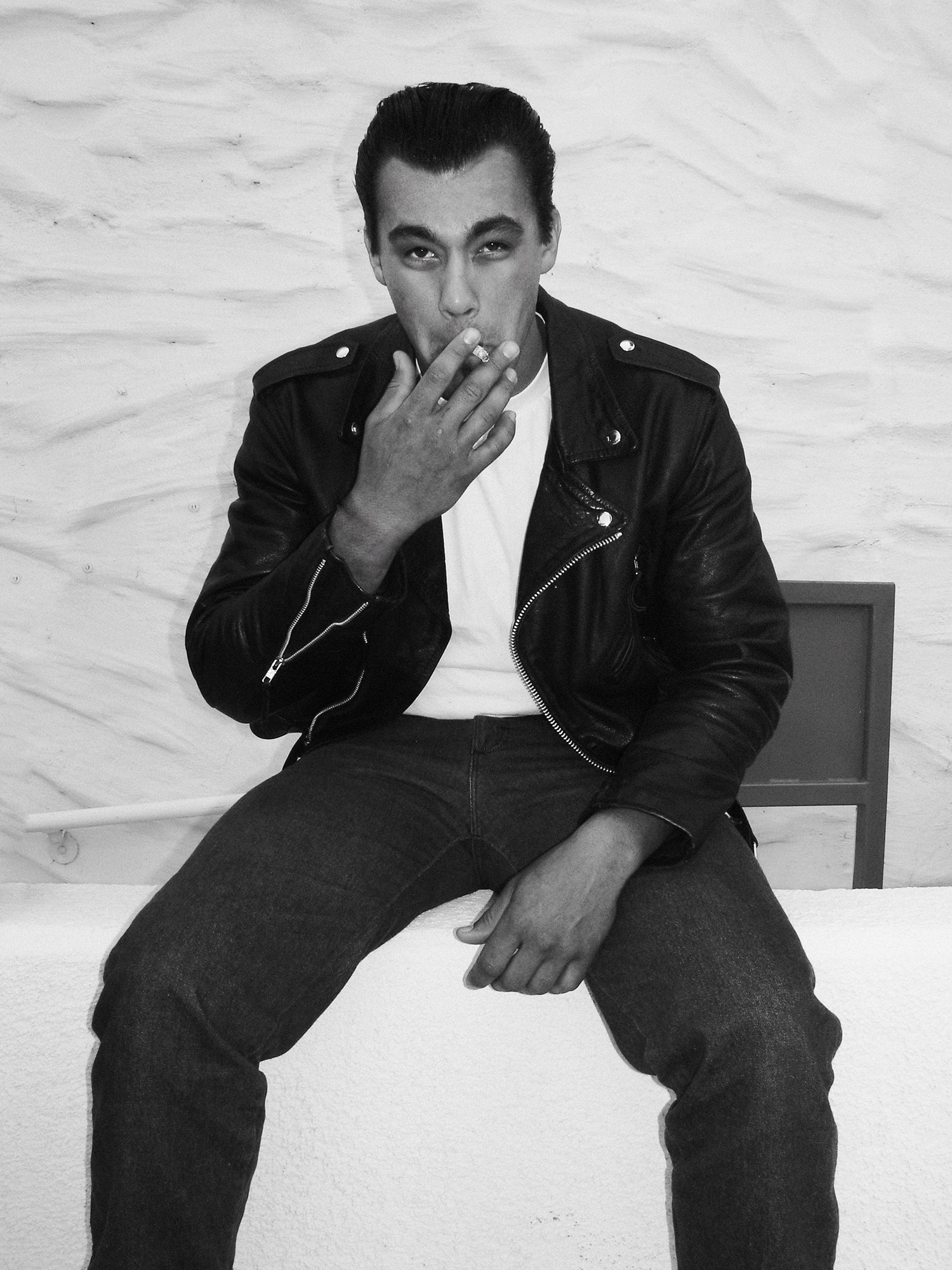
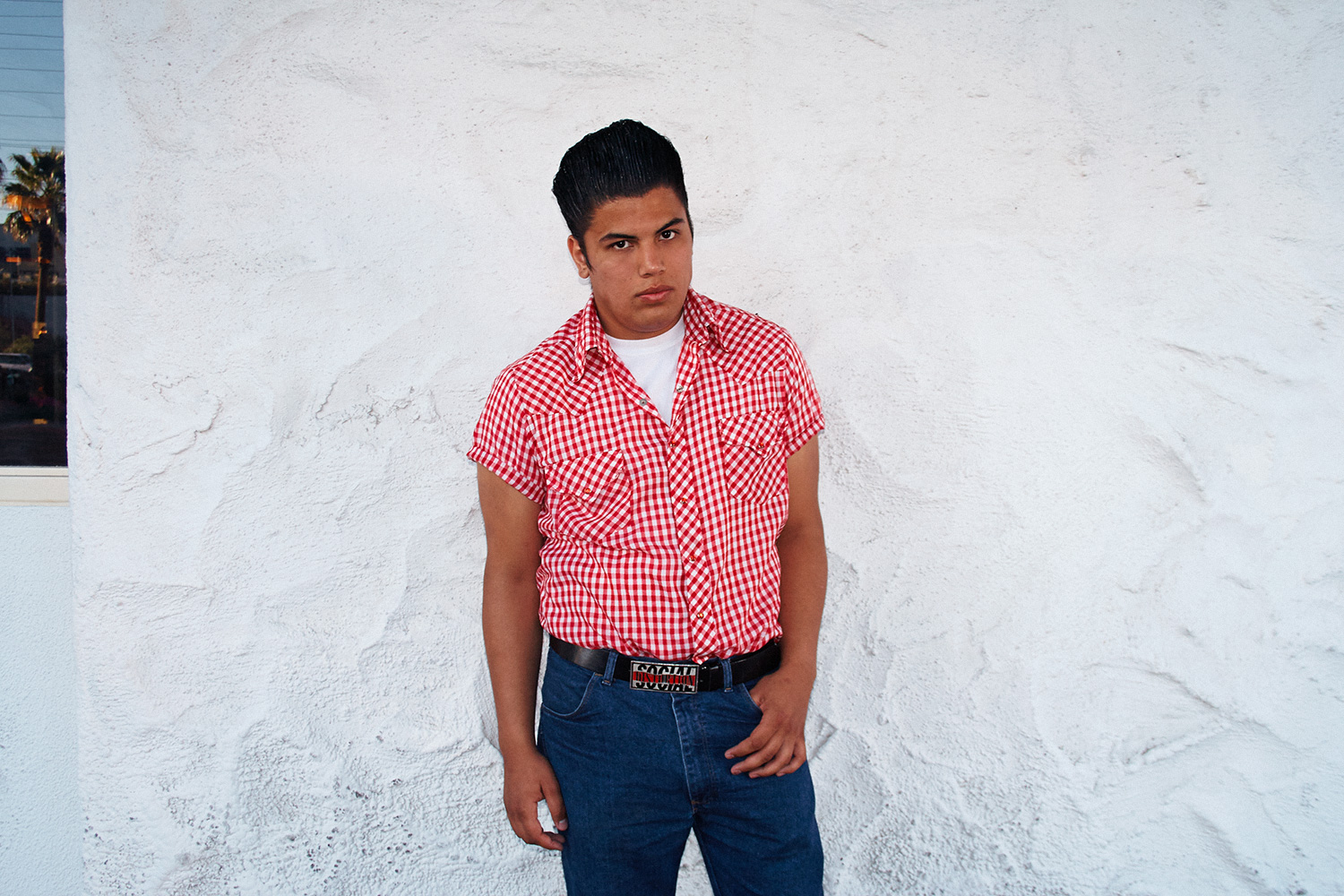
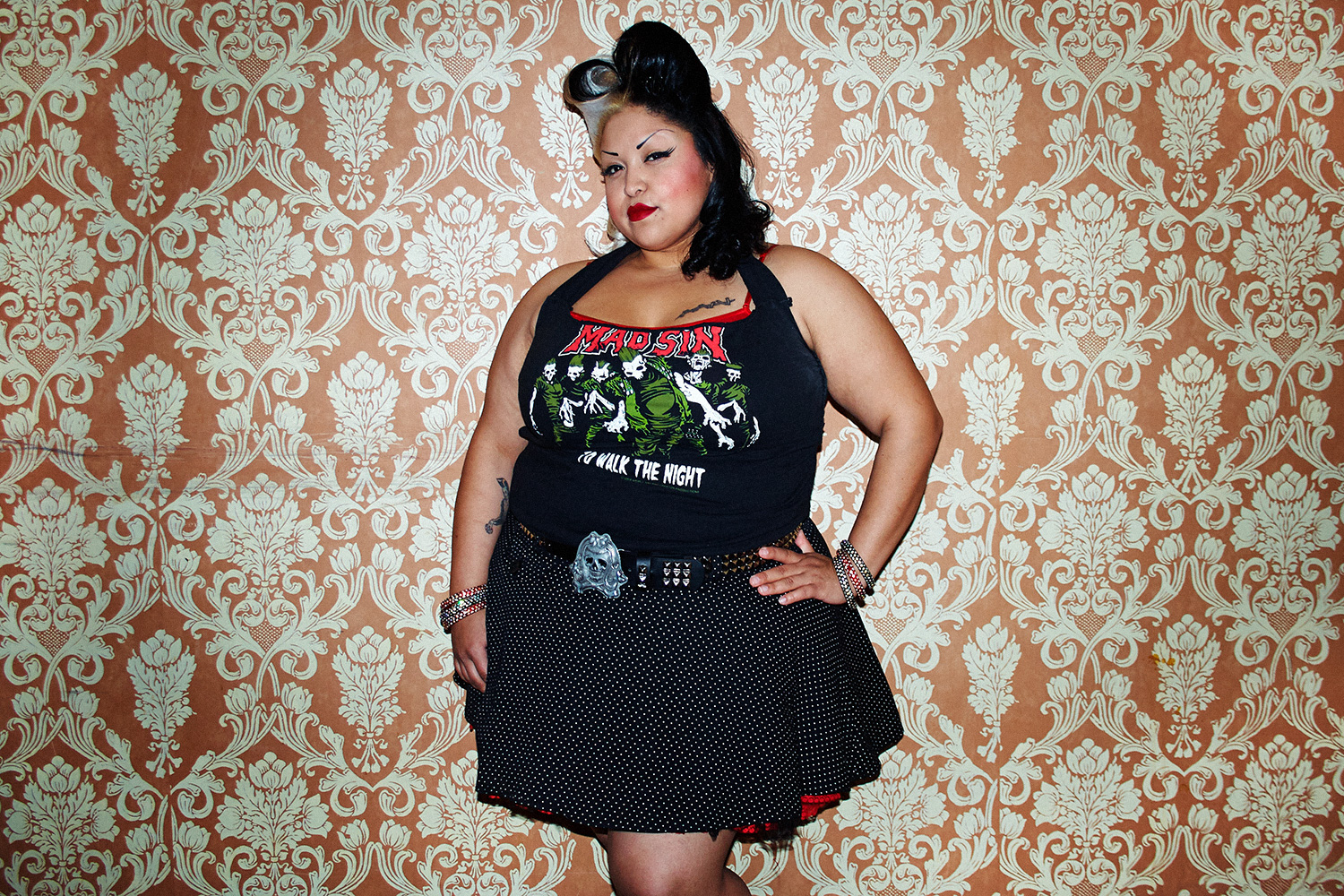
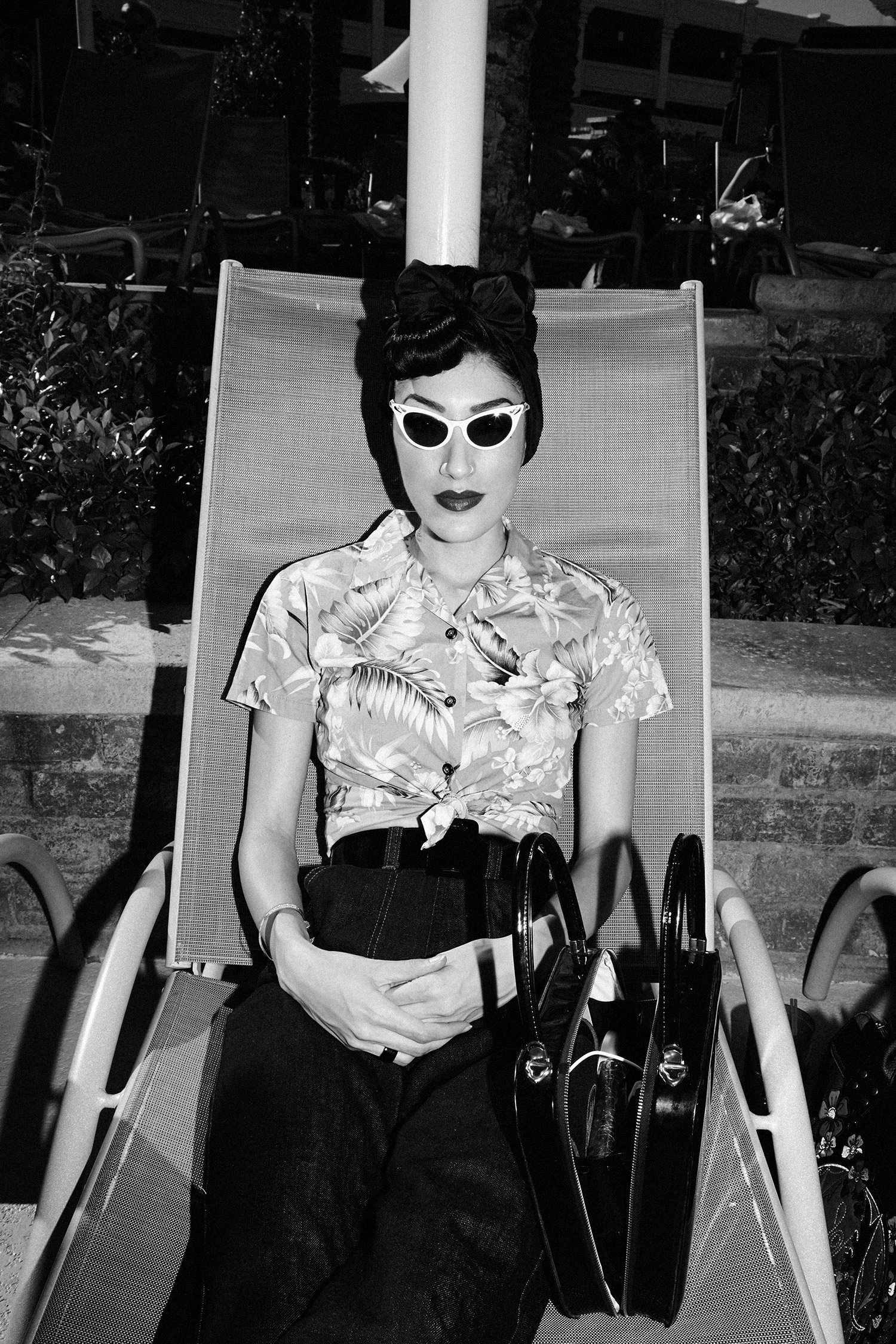
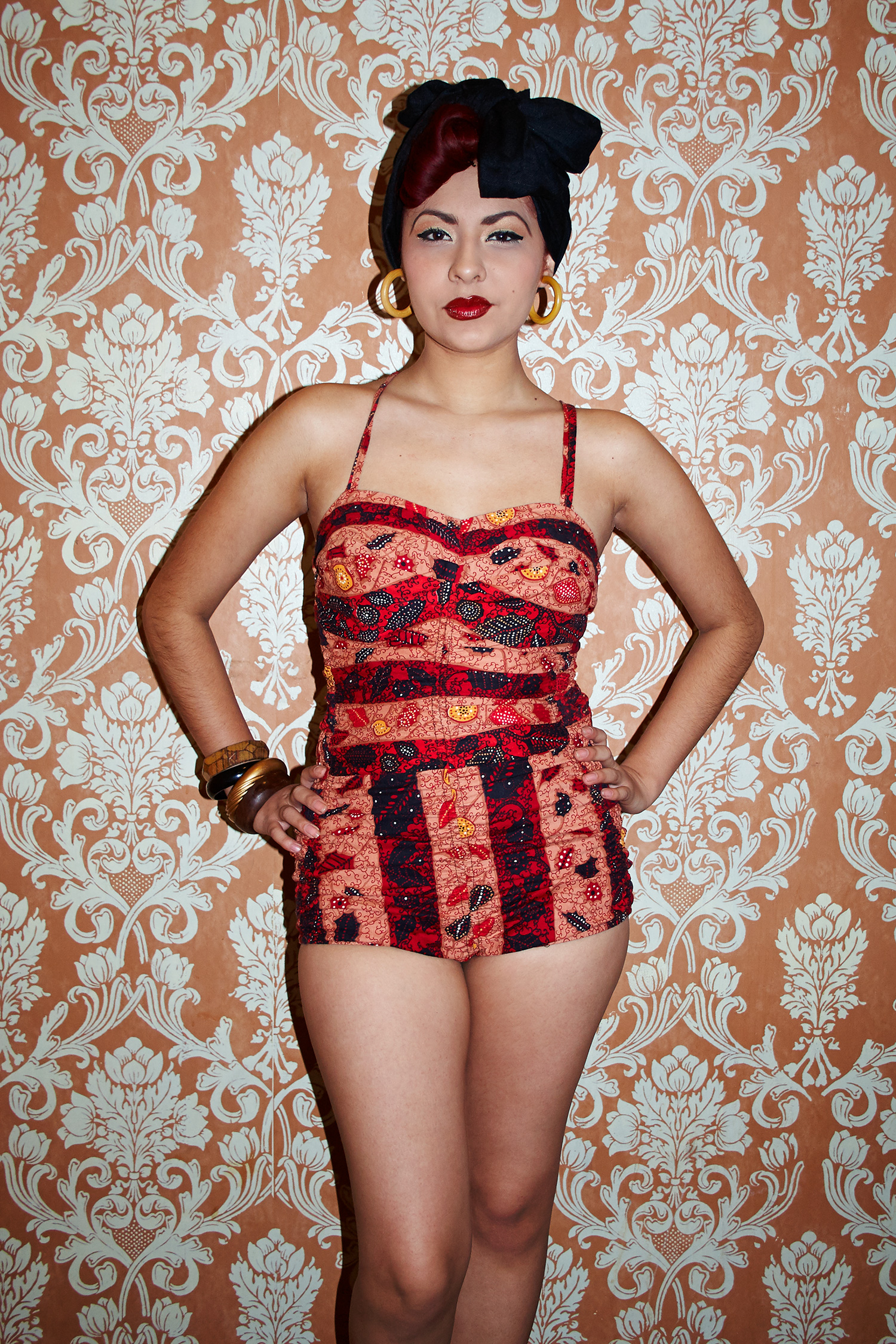
See more of Alexander Thompson’s work on his official website.
Follow Miss Rosen on Twitter.
Enjoyed this article? Like Huck on Facebook or follow us on Twitter.
You might like

Behind the curtain at Alternative Miss World 1981
Olympia glamour — Running a subversive take on the traditional beauty pageant, the Andrew Logan organised event prioritised underground creativity and invention. Photographer David Corio went behind the scenes at its biggest edition.
Written by: Miss Rosen

New exhibition highlights British radical living over 200 years
Earthly Paradise — Taking place at the William Morris Gallery, it explores the homes and lives of artists, writers, musicians and more, as well as the conditions that allowed them to thrive.
Written by: Isaac Muk

What life on the Strait of Hormuz is really like
Southern Winds — Bandar Abbas based photographer Morteza Niknahad has been capturing the diverse communities and stories of his local region since he first picked up a camera. His new series highlights the human impact of war.
Written by: Isaac Muk

Nick Haymes’s intimate portrait of his family’s life
Chronograph — Over 25 years, the photographer documented his son’s lives as they grew into adults. The resulting photobook is an exploration of the passage of time, as well as the optimism of youth.
Written by: Miss Rosen

Kristina Rozhkova’s scatty, confronting portrait of captivity
Gut Feeling — The Russian artist’s 2024 arrest and subsequent detention opened her eye towards the omnipresent dynamics of power and control. Her new photobook is a stark exploration of being trapped.
Written by: Isaac Muk

UK’s first ever Latino film festival is coming to London
LoLaFF — Taking place between October 2-6, it will feature 55 filmmakers from Latin America, with an opening night at the Barbican.
Written by: Isaac Muk


