
Photos of Houston's famed Fourth Ward in the 1980s

A few months after Elbert D. Howze died in 2015, his widow Barbara Howze paid a visit to the Houston Centre for Photography. The photographer had requested that his archive was donated to the centre, and she wanted to honour his final wishes.
Director and curator Ashlyn Davis remembers Mrs. Howze’s distress after learning that the Centre was not a collecting institution. “She said, ‘But I have a whole trunk full!’ So we went and got six portfolio boxes with hundreds of photos,” Davis recalls.
That summer, Davis went through the boxes and discovered a spiral-bound maquette for a photo book Howze had titled Fourth Ward. The book featured a collection of portraits made 1985 of the residents of Freedmen’s Town, a historically black community founded in 1866 by people finally liberated from the shackles of chattel slavery.
Rather than move north, residents built at least 558 settlements that formed the heart and soul of black Houston. Originally built on swamps no one wanted, Freedmen’s Town occupied prime real estate in the centre of the city – and in due time began attracting developers and gentrifiers who wanted a stronghold downtown as the city began to rapidly expand during the 20th century.


Among Howze’s collection were newspaper clippings from the summer of 1984 that described the ongoing battle for control over the neighbourhood. Understanding the rising threat, Howze set out to create a portrait of the people who called the Fourth Ward their home, collecting signed and dated model releases and identifying their occupation in a larger project he titled Motherward, which Davis believes has never been shown — until now.
In the new exhibition, Motherward, 1985: Photographs by Elbert Howze, we see Freedmen’s Town through Howze’s eyes: the story of a community, one person at a time. It is a story that continues to this very day, as visitors to the gallery recognise family members and homes in Howze’s photographs.
When the exhibition concludes, Howze’s collection will be donated to the African-American Library at the Gregory School, the first school for free Black children in Houston, where it will be accessible to the public.
At the same time, the fight to preserve Freedmen’s Town soldiers on, as the city is petitioning to have the Fourth Ward listed as a UNESCO World Heritage site as part of the Slave Route Project — in recognition of the city bricks that were laid in accordance with West African traditions.
“This is a story that needs to be told right now,” Davis says. “It has not ended.”


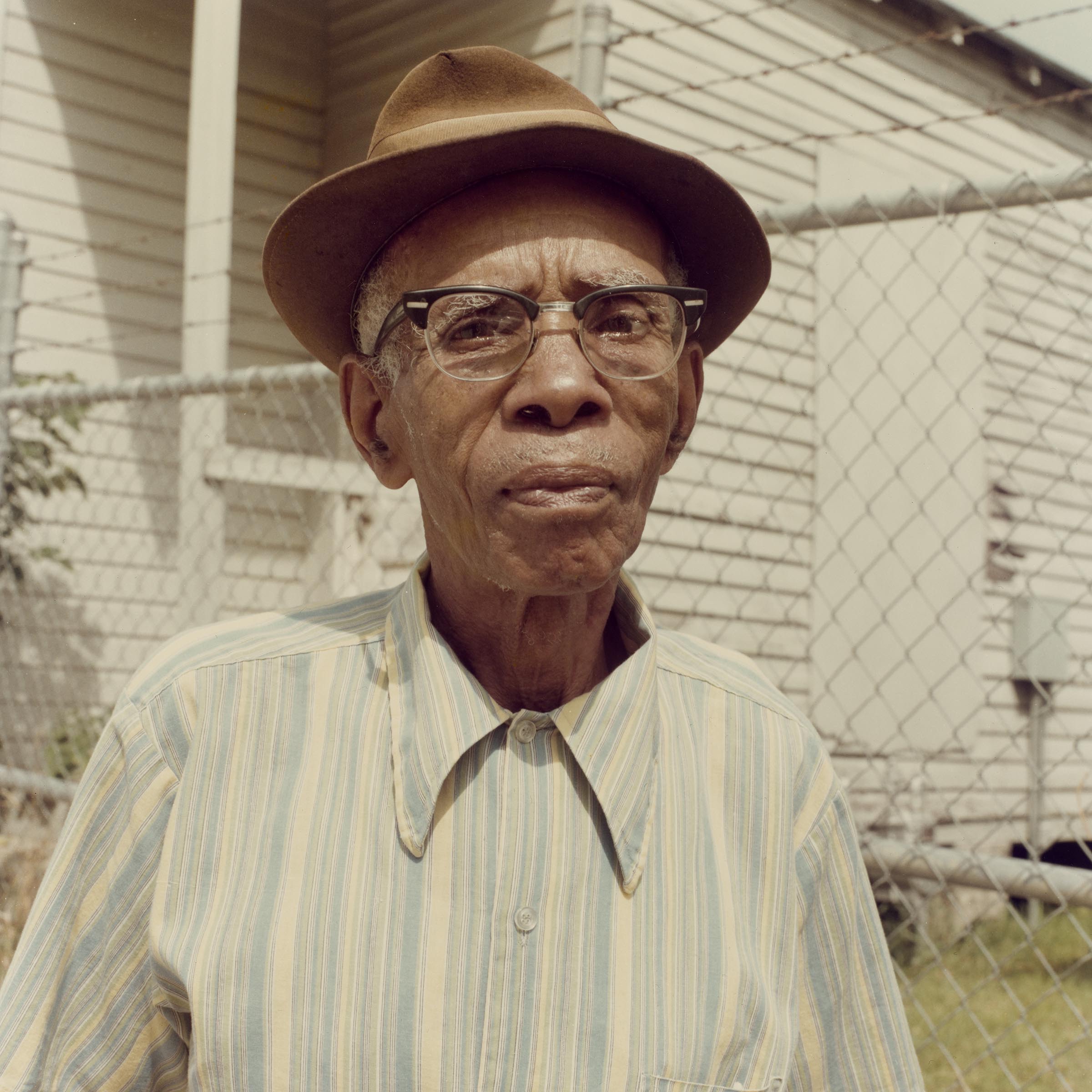


Motherward, 1985: Photographs by Elbert Howze is on view at the Houston Center for Photography through July 7, 2019.
Follow Miss Rosen on Twitter.
Enjoyed this article? Like Huck on Facebook or follow us on Twitter.
You might like

Ahilya Bamroo is Gen Z India’s authentic ambassador
Reel relatable — The influencer turned actor speaks about trolls, beauty standards and youth activism.

What went down at Huck’s 20th birthday party
84 issues and counting — We took over east London’s Jaguar Shoes with friends old and new to celebrate two decades and our new issue, with Tony Bontana taking the decks for a special set.

Photos of friends, lovers and afters in Berlin’s party scene
Dreams and How to Keep Them – Vincent Wechselberger’s new monograph documents a decade of hedonism in the German capital, and the people he met along the way.

Inside the Los Angeles scene kid revival
The Rawring ’20s — For the cover of Huck 84, photographer Alexis Gross and writer Anna Zanes meet the latest faces of scene, who are finding freedom to express themselves through its technicolour, unafraid aesthetic.

Introducing our new issue of Huck Magazine: It Starts With Us
Huck 84 — For our second 20th anniversary issue, we spotlight 20 people and groups providing the world with a hopeful future.

The sharp rise of video game photography
Point, shoot — As the entertainment medium’s fidelity levels increase and developers build more powerful tools, a growing community of gamers are pushing the boundaries of image making in virtual worlds. Vicky Jessop meets people at the forefront of the emerging artform.


