In Pictures: The Japanese photographers who revolutionised the aesthetic of protest
- Text by Alex King
- Photography by See captions

In a society that still highly values obedience and hierarchy, creating space for dissent can be problematic. In the West, protest is understood as a vital part of a functioning democracy and celebrated – if only in hindsight (think of the glorification of the Civil Rights movement versus the backlash against #BlackLivesMatter today).
In 1960s Japan, a society making the transition from a traditional empire to a nation in a new American-dominated and consumerism-driven world, the role protest would play was still to be defined. But a new generation of innovative and creative activists rose to the challenge – supported by photographers who helped to amplify their battles, fix them in the popular imagination and explore the nation modern Japan was to become.
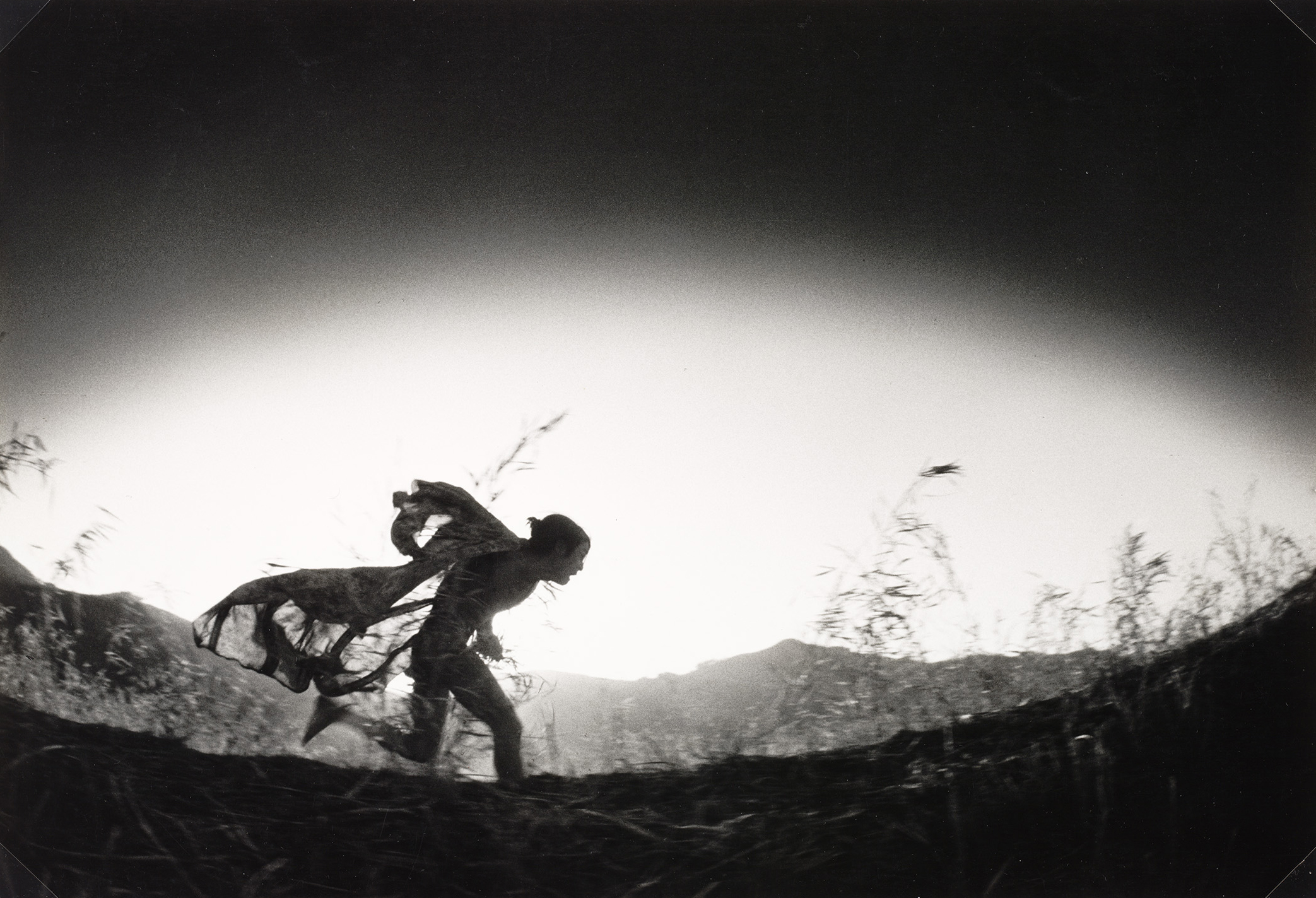
Eikoh Hosoe
“Kamaitachi” #31, taken in 1968
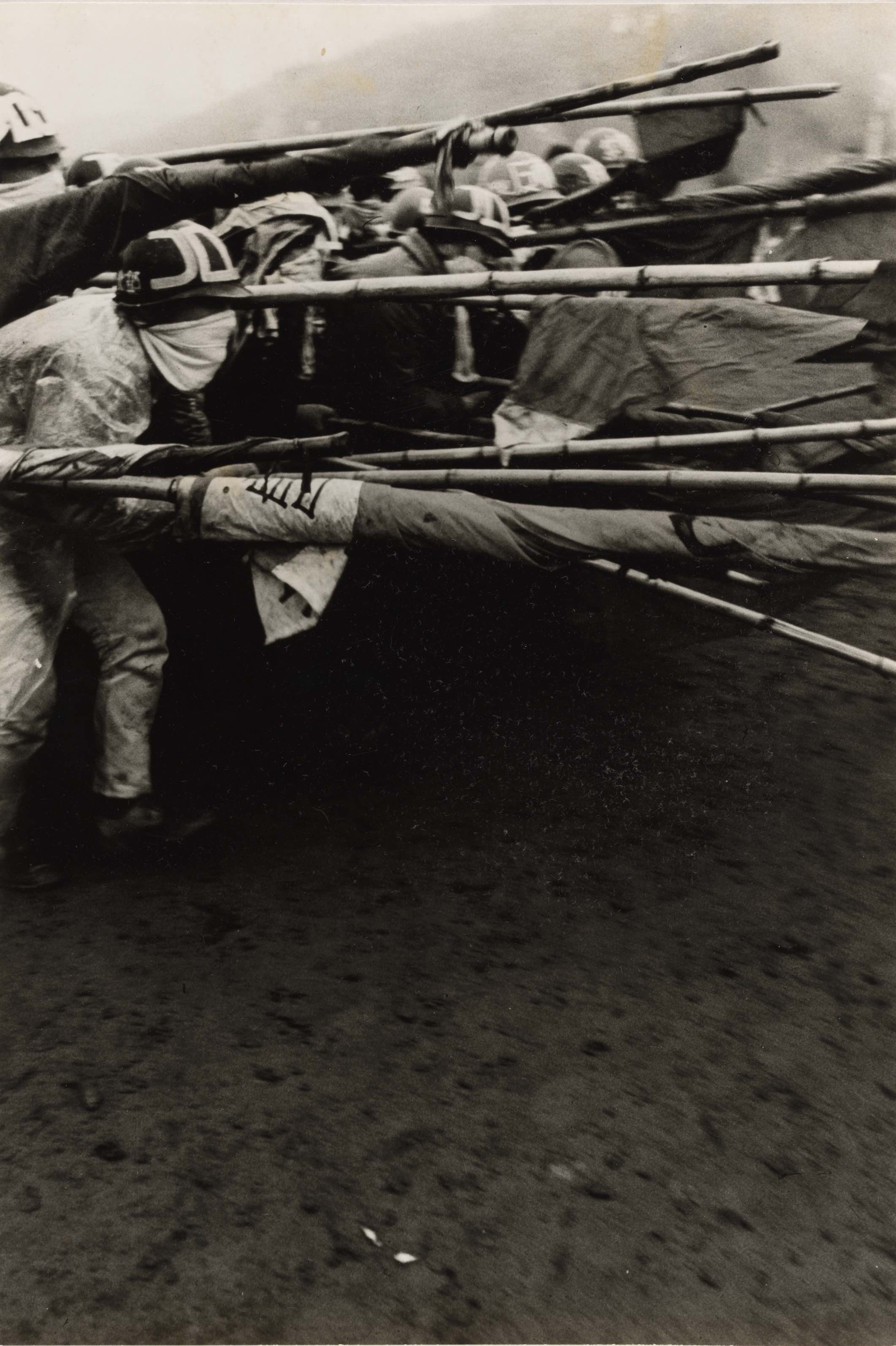
Anonym (Bild 2)
Protest Surrounding the Construction of Narita Airport, ca. 1969
The camera became an activists tool, but also a mirror for Japanese society to reflect on itself – who it was and where it was going. Although it only ran for three issues from 1968-69, Japanese photo magazine Provoke, is where all of these questions were discussed by some of Japan’s most influential photographers, including Daidō Moriyama, Yutaka Takanashi, Shōmei Tōmatsu, and Nobuyoshi Araki.
Provoke: Between Protest and Performance – Photography in Japan, 1960–1975 at Vienna’s Albertina Gallery surveys a decade-and-a—half of conflict, creativity and struggle – in which photography played a key role in the evolution of modern Japan. Photography’s internal revolutions during this period saw it move beyond a mechanical document of events, to flourish as a powerful medium of expression to explore its practitioners subjective experience of Japan’s postwar reality.
![Kōji Enokura Symptom – Lump of Lead into Space I [P.W.-No.41], 1972](https://www.tcocdn.com/wp-content/uploads/2016/02/main9.jart_.jpg)
Kōji Enokura
Symptom – Lump of Lead into Space I [P.W.-No.41], 1972
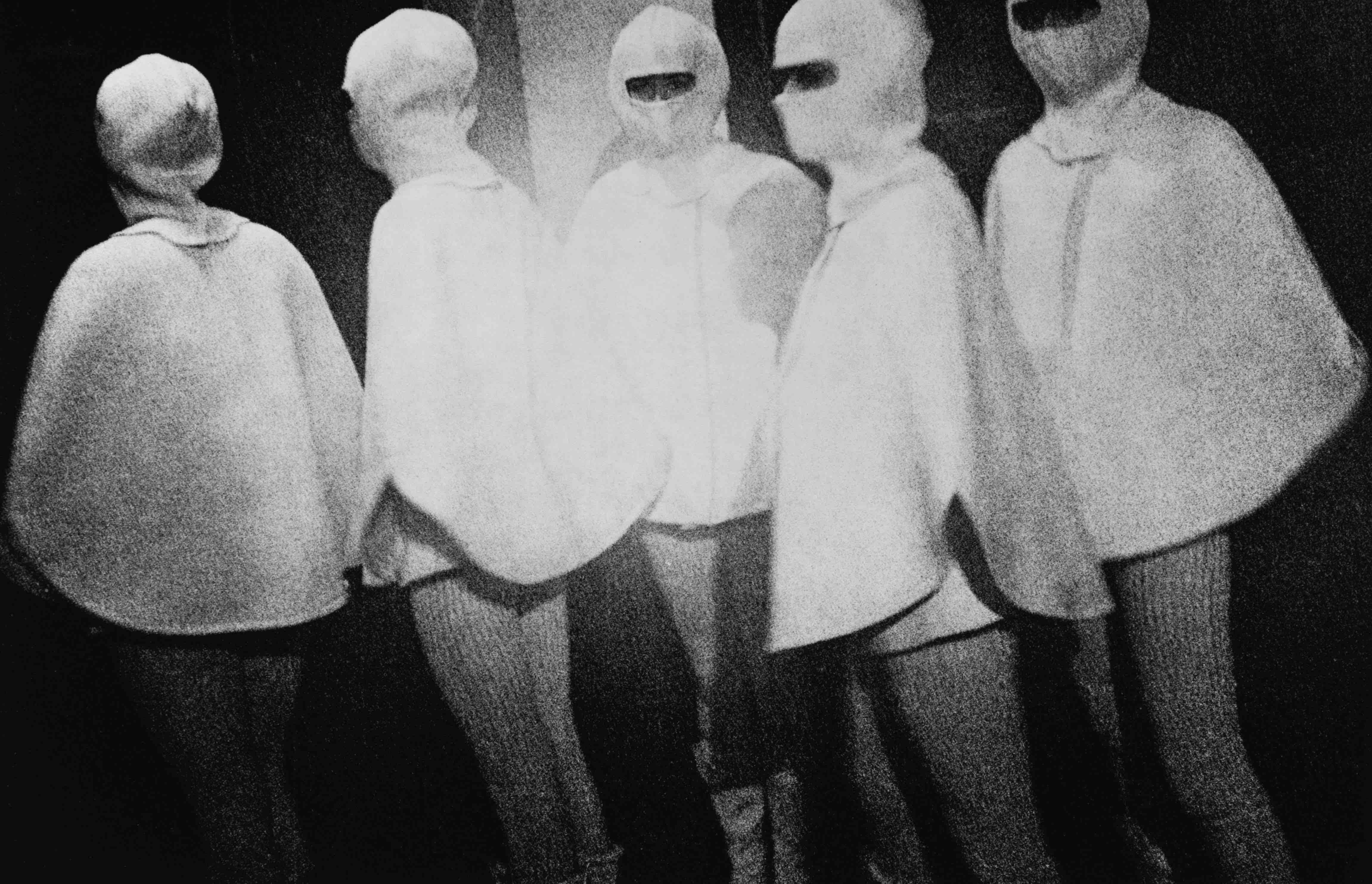
Yutaka Takanashi
Ohne Titel (Toshi-e), 1969
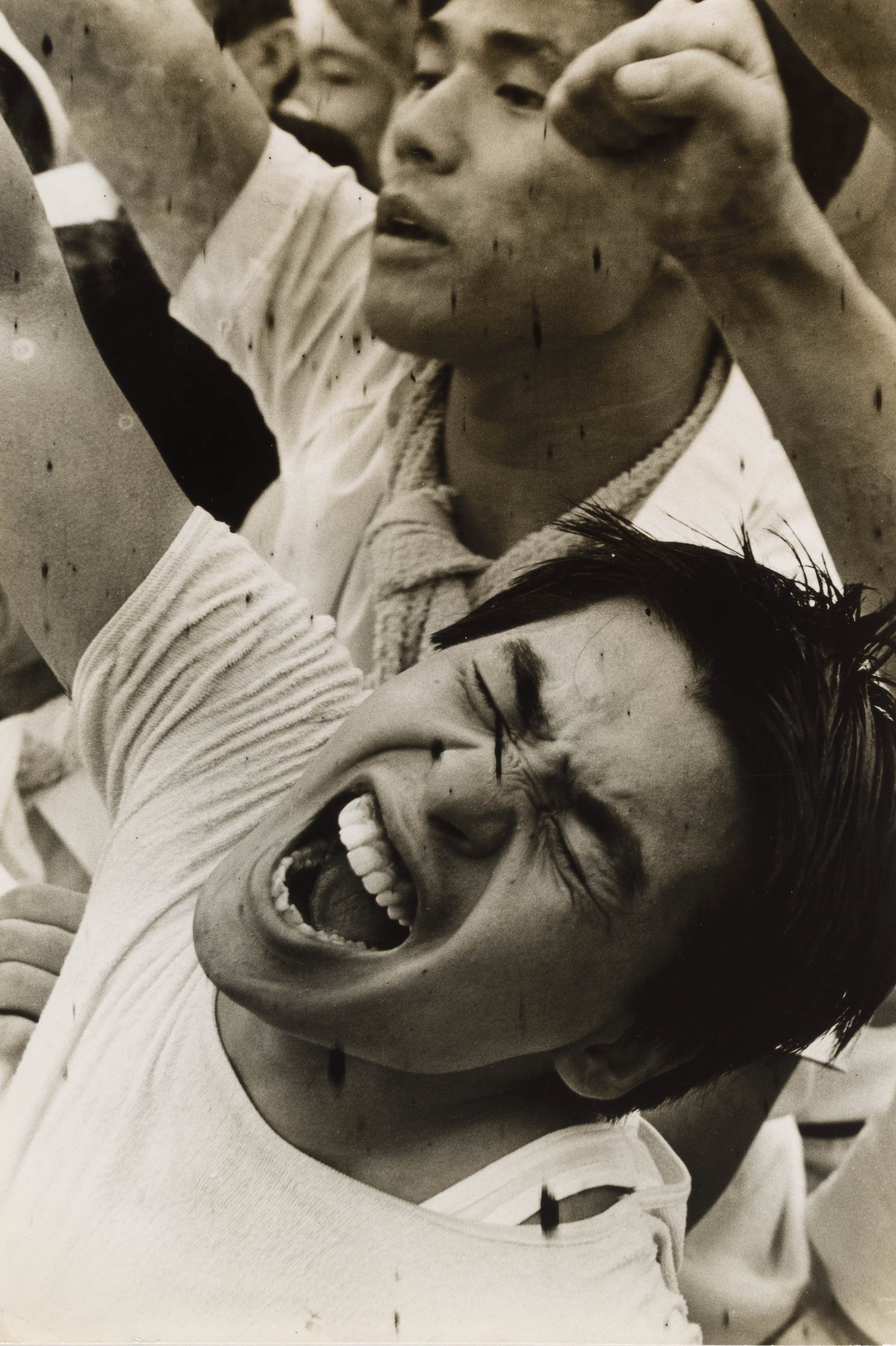
Anonym (Bild 1)
Protest Surrounding the Construction of Narita Airport, ca. 1969
1960 saw the first great wave of Japanese protest, kicking off against renewal of the alliance with the USA. But as the decade progressed and rolled into the ‘70s, activists reassessed the nuclear bombing of Hiroshima and Nagasaki, challenged the illegal actions of large corporations, the despotism of the neoliberal Japanese state and Japan’s support for the US’s war in Vietnam. In each of these fights, protest books produced by student associations, trade unions and professional photo journalists were crucial in spreading information and mobilising people for further protest.
Eventually, although each of the contributors to Provoke were politically active, they came see to that the possibilities of protest photography had been exhausted and felt it could no longer bring about political change. However, the experiments by the photographers who worked on Provoke and the discussions that occurred on its pages, sparked a golden-era of post-war Japanese photography. They informed the group’s later diverse work, which critiques the American consumerist culture spreading throughout Japan, meditates on the industrialisation and modernisation of the country’s urban centres and questions the illusionary nature of photography.
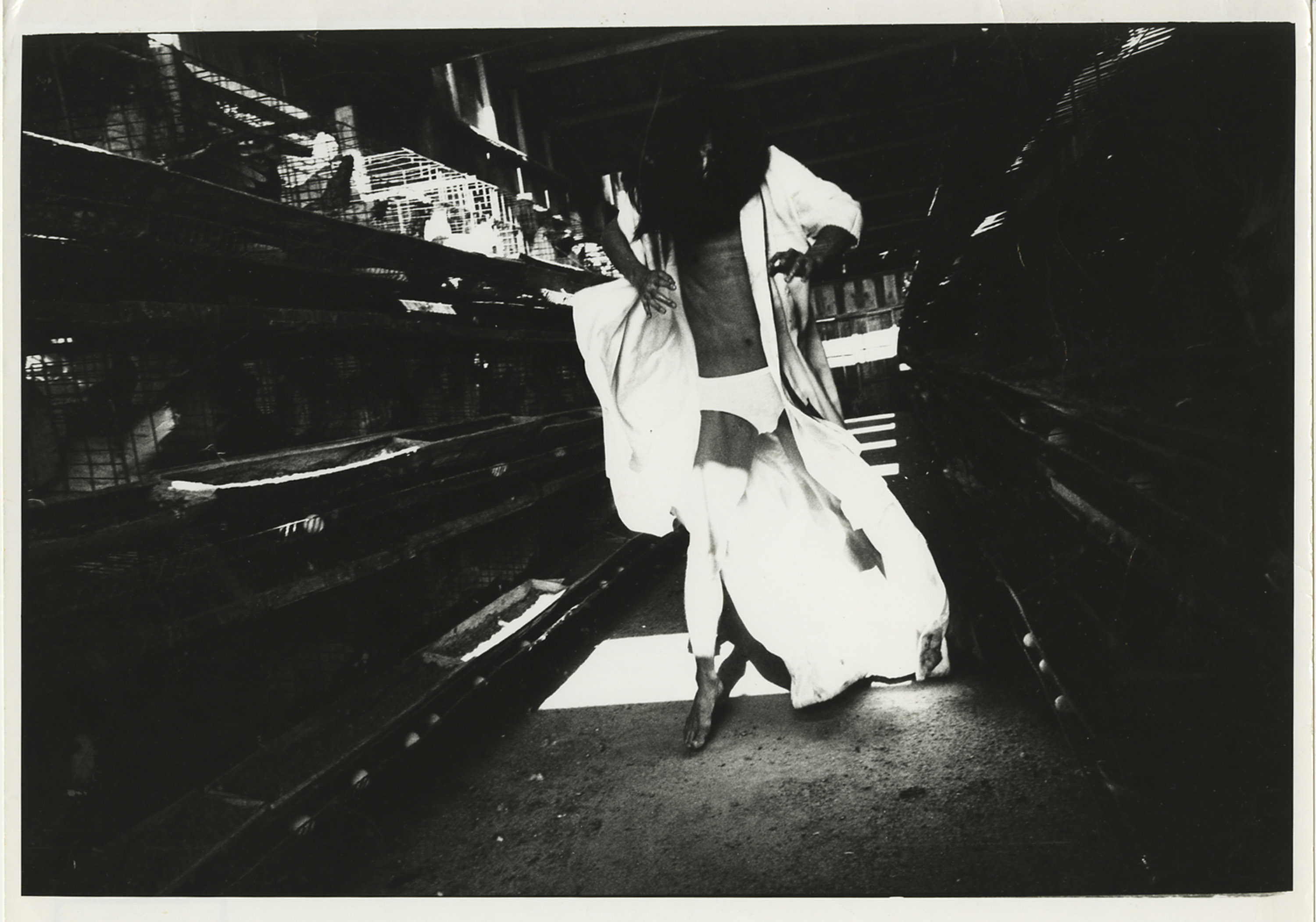
Yutaka Takanashi
Untitled (Tatsumi Hijikata), 1969
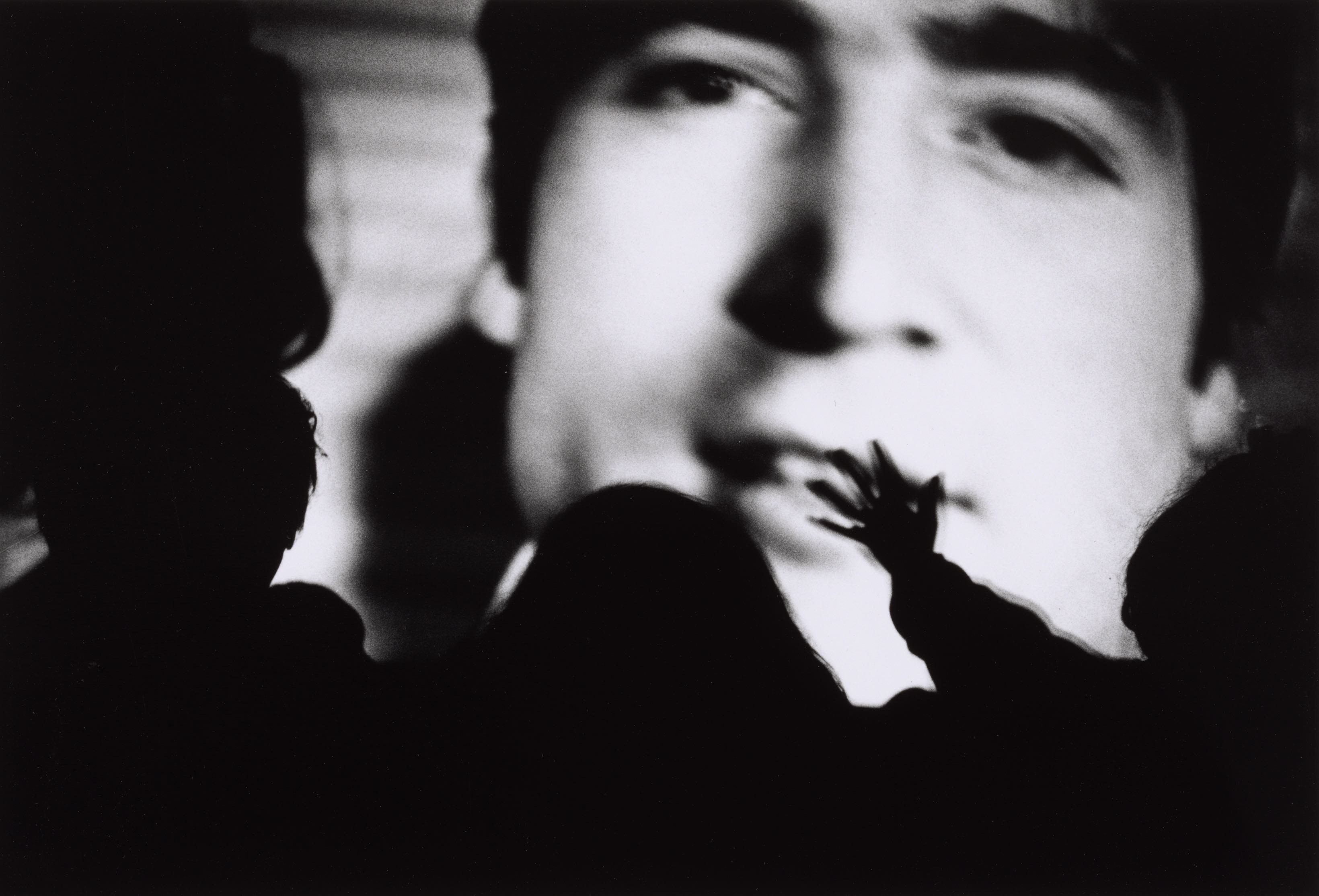
Yutaka Takanashi
The Beatles, from the series Tokyoites, 1965
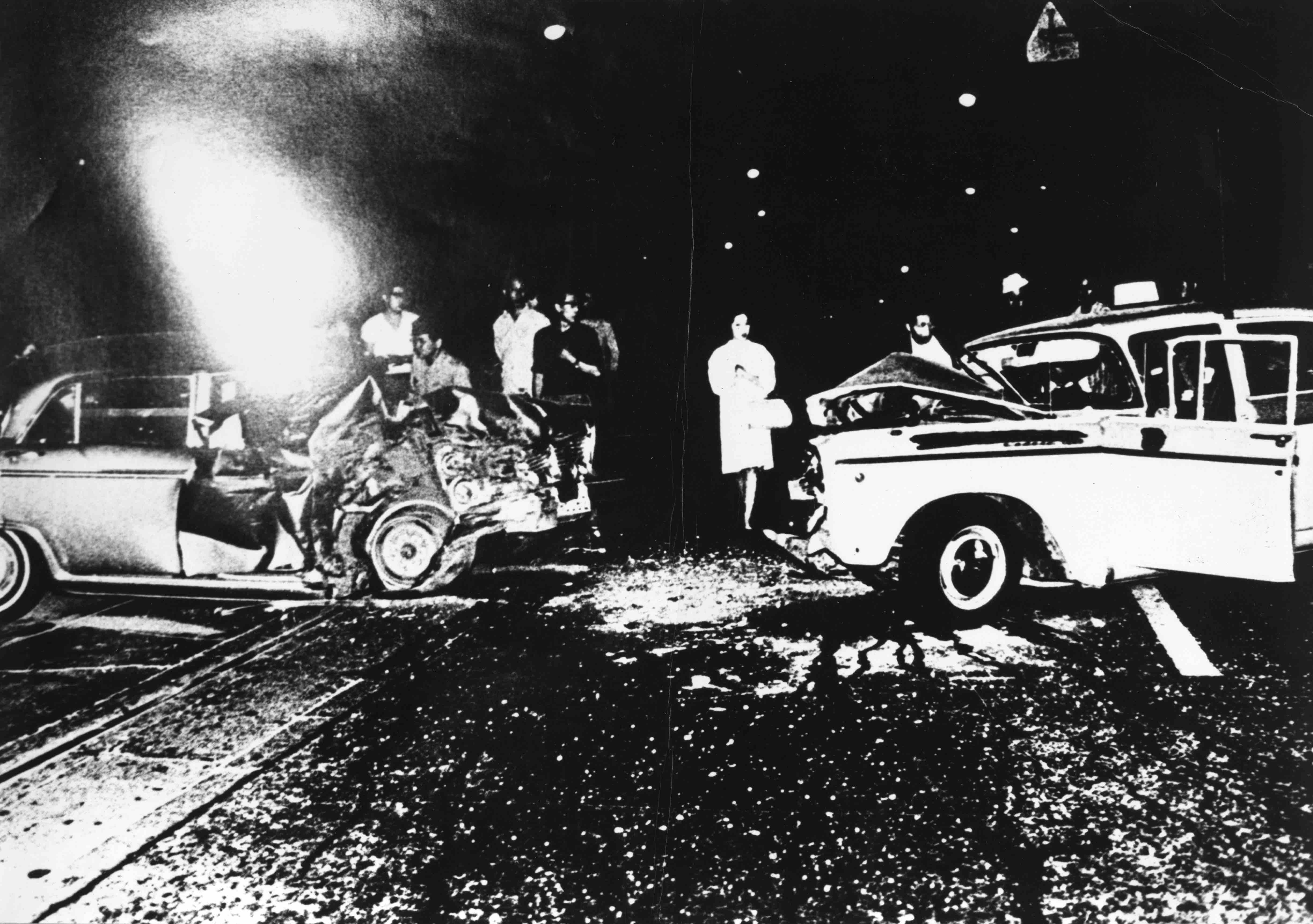
Daidō Moriyama
Untitled, from the series Akushidento (Accident), 1969
Provoke: Between Protest and Performance – Photography in Japan, 1960–1975 is at Vienna’s Albertina Gallery, until May 8.
You might like

On the set of ‘La Bamba’, lost Latino legend Ritchie Valens’s biopic
The overnight rockstar — The Chicano rock & roll star exploded overnight in the late ’50s, but just as quickly he was gone, killed in a plane crash along with Buddy Holly. An ’80s biopic saw him immortalised on the big screen, which photographer Merrick Morton captured behind the scenes.
Written by: Miss Rosen

Louis Theroux’s ‘Manosphere’ shows men aren’t the problem, platforms are
No Ws for Good Men — The journalist’s new documentary sees him dive headfirst into the toxicities and machinations of the male influencer economy. But when young creators are monetarily incentivised to make more and more outrageous content, who really is to blame?
Written by: Emma Garland

In the 1960s, African photographers recaptured their own image
Ideas of Africa — An exhibition at the Museum of Modern Art explores the 20th century’s most important lensers, including Seydou Keïta, Malick Sidibé and Kwame Brathwaite, and their impact on challenging dominant European narratives.
Written by: Miss Rosen

Reynaldo Rivera’s intimate portrait of queer Latino love
Propiedad Privada — Growing up during the AIDS pandemic, the photographer entered a world where his love was not only taboo, but dangerous. His new monograph presents inward-looking shots made over four decades, which reclaim the power of desire.
Written by: Miss Rosen

In photos: The newsagents keeping print alive
Save the stands — With Huck 83 hitting shelves around the world, we met a few people who continue to stock print magazines, defying an enduringly tough climate for physical media and the high street.
Written by: Ella Glossop

Inside Bombay Beach, California’s ‘Rotting Riviera’
Man-made decay — The Salton Sea was created by accident after a failed attempt to divert the Colorado River in the early 20th century. Jack Burke reports from its post-apocalyptic shores, where DIY art and ecological collapse meet.
Written by: Jack Burke


