The subculture archive preserving the history of British youth
- Text by Noora Ismail
- Photography by Ted Polhemus

From the Teddy Boys through to the Mods, Rockers, Punks, Ravers and beyond, it’s in subcultures that British youth have found strength and identity. Coming together around shared dress, music and outlook, they’ve kicked against the walls to announce the presence of new generations no longer content to follow the old ways.
Youth Club is a not-for-profit archive and network of creatives that works to preserve, share and celebrate youth culture history for the benefit of past, present and future generations. Its new Subculture Diary project on Kickstarter is an attempt to serve as a daily reminder of the ongoing relevance of youth culture, containing images that illustrate key dates in youth history, such as the birth of the Teddy Boys, the Mods and Rocker wars, and dates of significant festivals and protests.
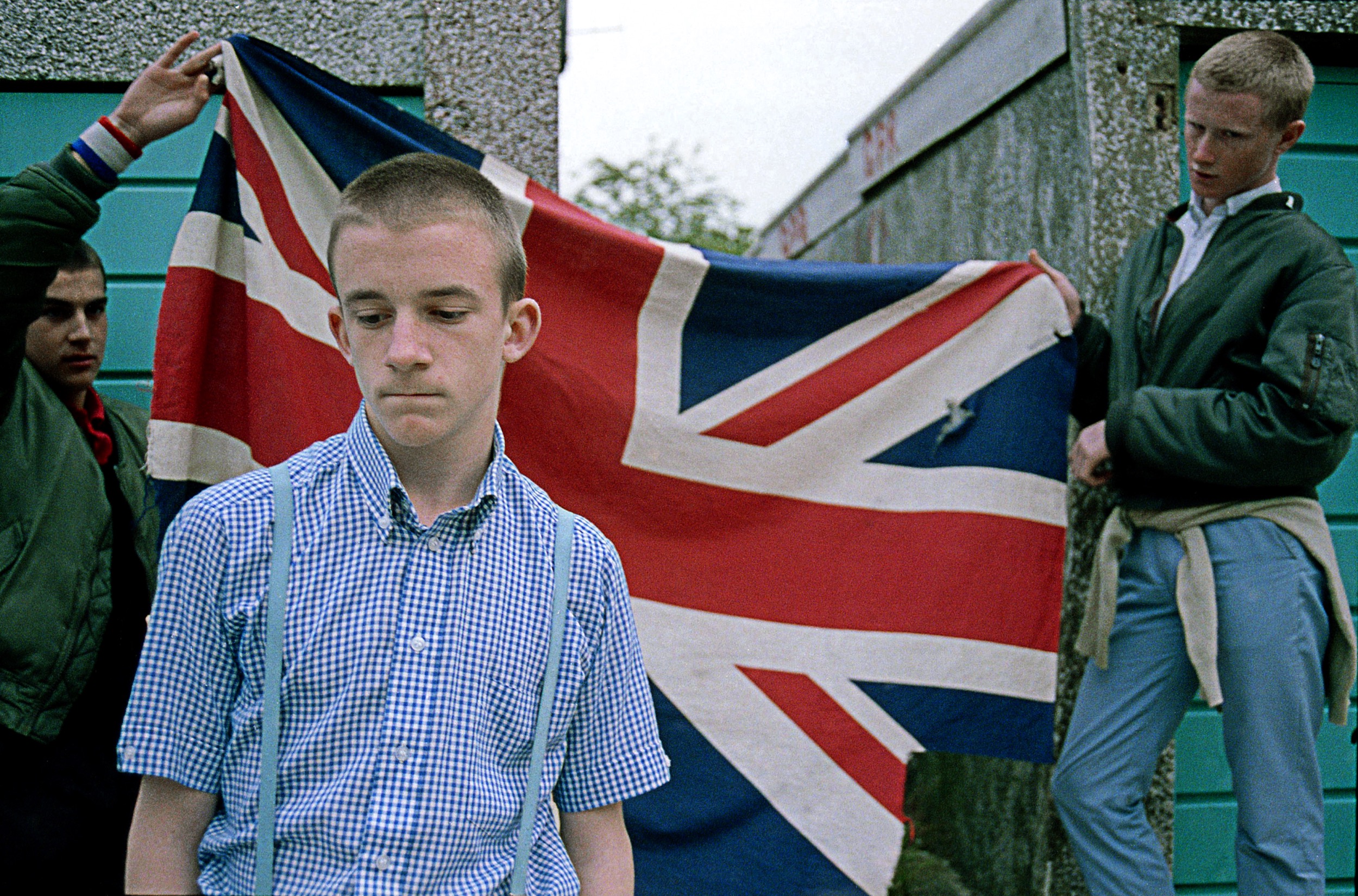
Gavin Watson
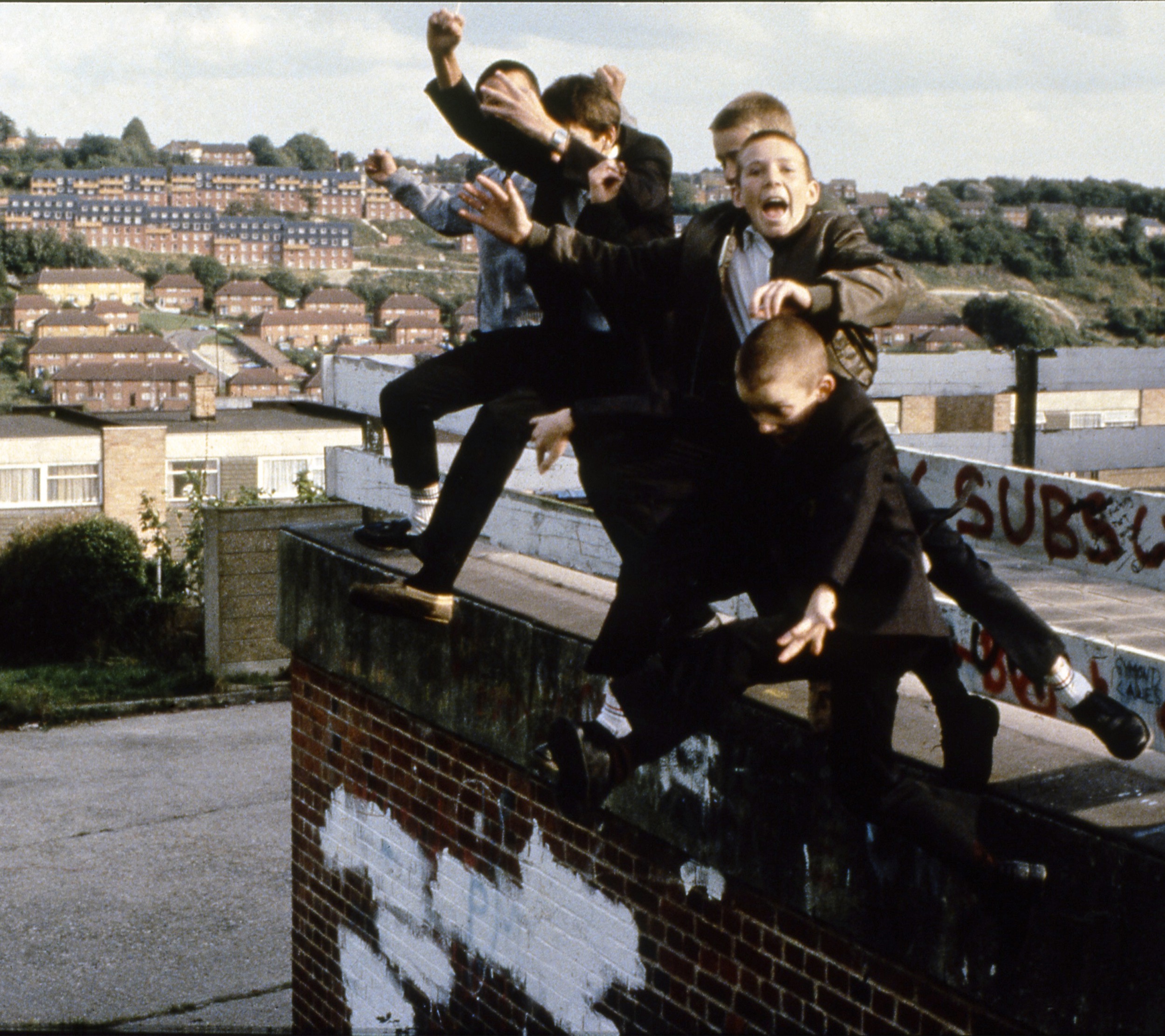
Gavin Watson
“Culture is worth celebrating, especially youth culture,” explains Jamie Brett, Youth Club’s head of Creative Projects. “The reason that we do this is to celebrate the self-expression and creativity that British culture encourages in young people.”
Youth Club began life as an image library in 2013 and has its roots in Sleaze Nation, founder Jon Swinstead’s pioneering but now defunct DJ/lifestyle magazine. Photographers who have themselves participated in different movements around the world helped assemble a rich collection of images through the magazine.
Developed into a full-fledged archive in 2014, its recognition was given a significant boost through involvement in a 2015 Southbank exhibition on subcultures called One Nation under One Groove. The organisation is working towards opening the world’s first ever Museum of Youth Culture in London, in order to share the fruits of the archive in the most open and engaging way possible.
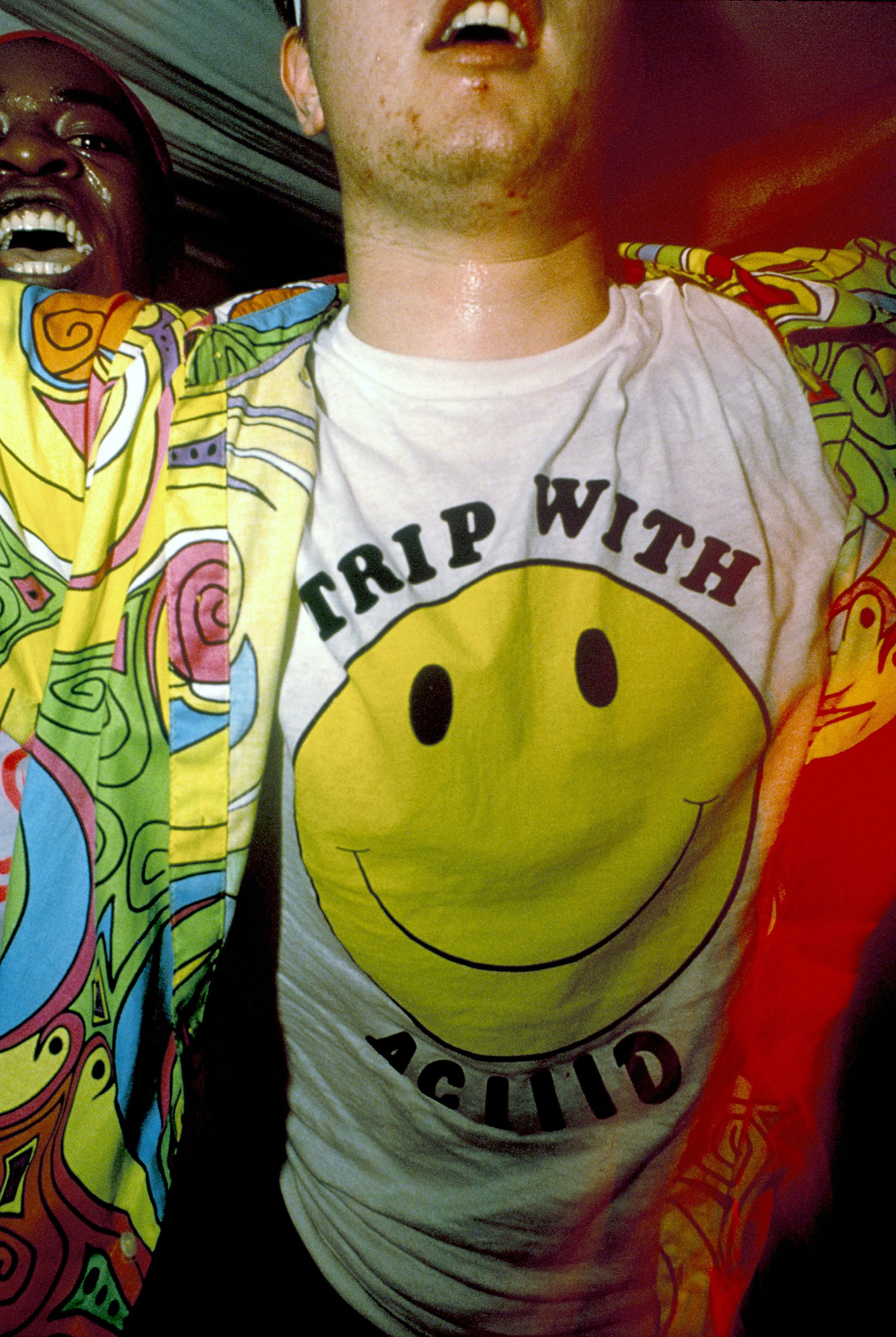
Dave Swindells
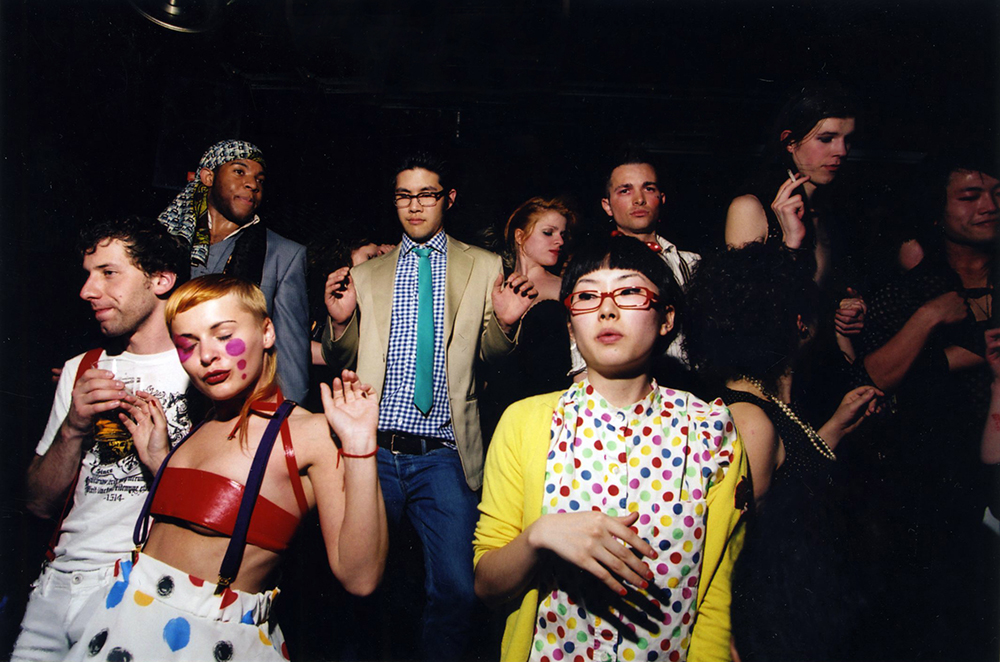
Dave Swindells
“The way we work with archive is that it has to feel authentic,” Jamie says. “Even though we do things that might be seen as incriminating, we don’t shy from them. Drug taking and underage drinking are undeniable elements in teenage life, and it only makes sense to portray this reality fairly and honestly.”
Grassroots youth movements have long flourished in the UK, but what does Jamie make of the cultures of today? “[There are] more micro movements among younger teenagers aged around 16,” he says. “People are becoming more aware of their politics, more than adults.”
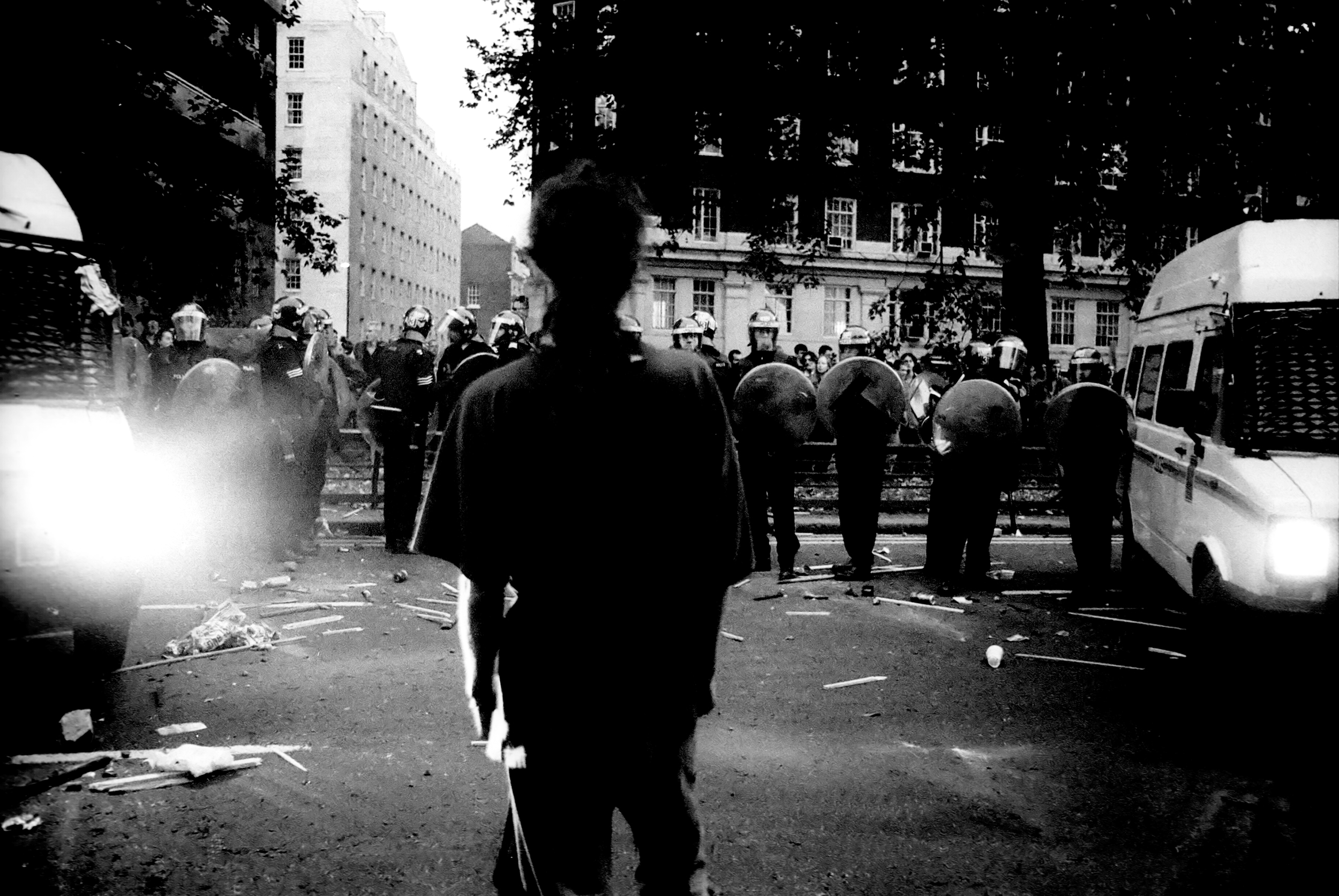
Matthew Smith
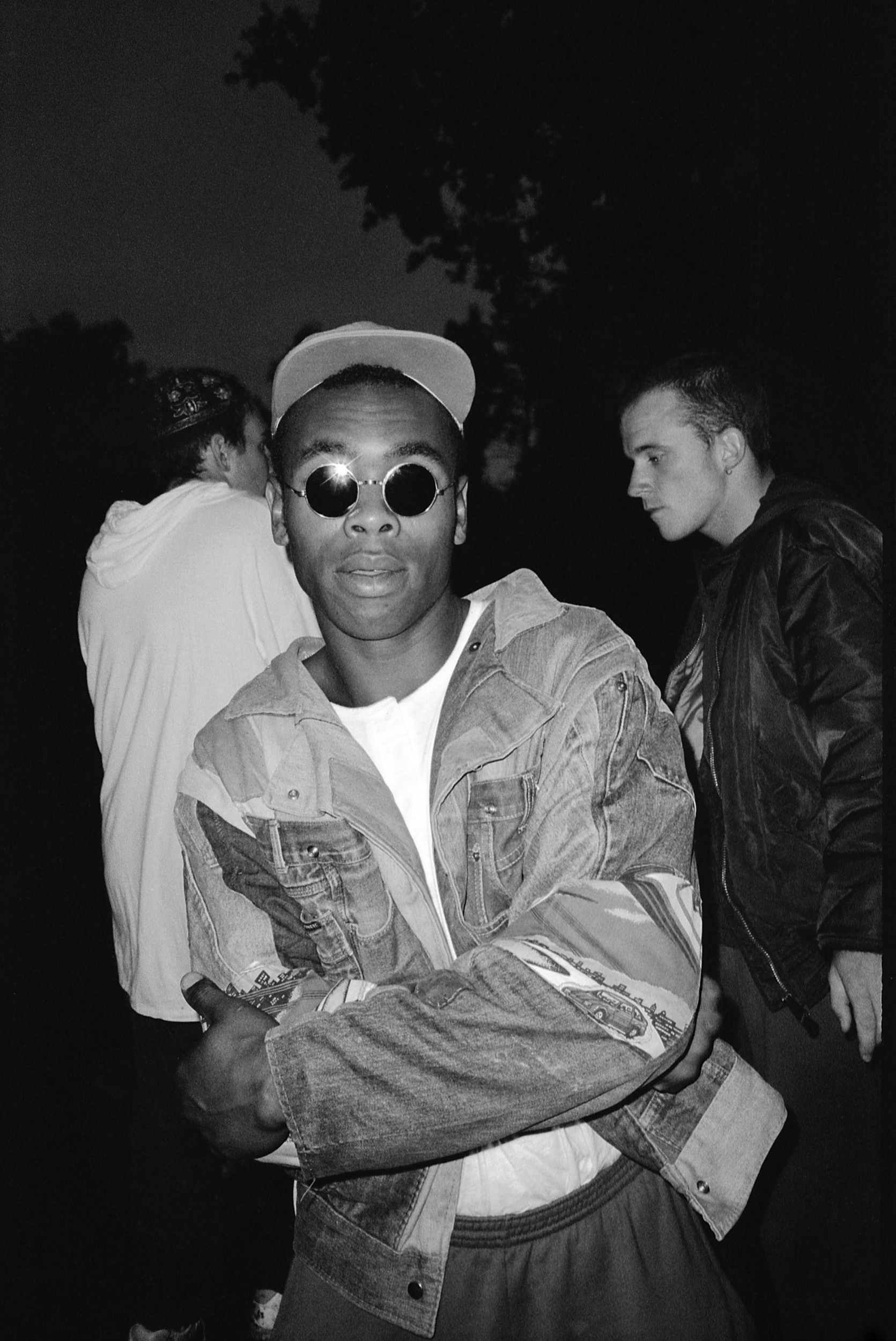
Gavin Watson
In particular, a new wave of feminist movement is developing in the UK. Young people are more openly expressing themselves and flaunting their affiliations with patches, clothing, through social media or joining organisations such as Anonymous and exercising their right to protest, Jamie says. The globalising quality of the internet has spread movements that could have been narrow or regional affairs, across social groups and borders.
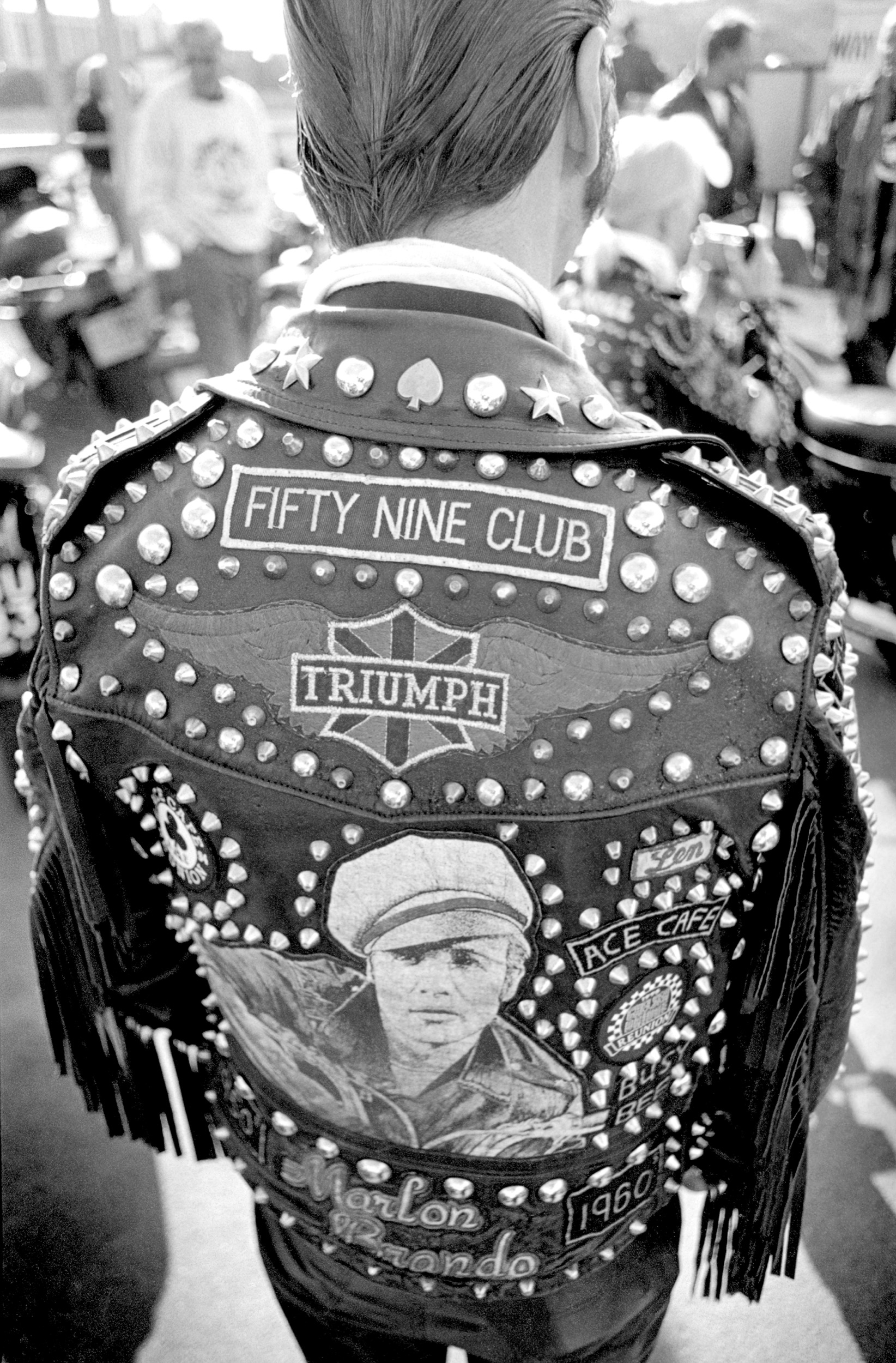
Ted Polhemus
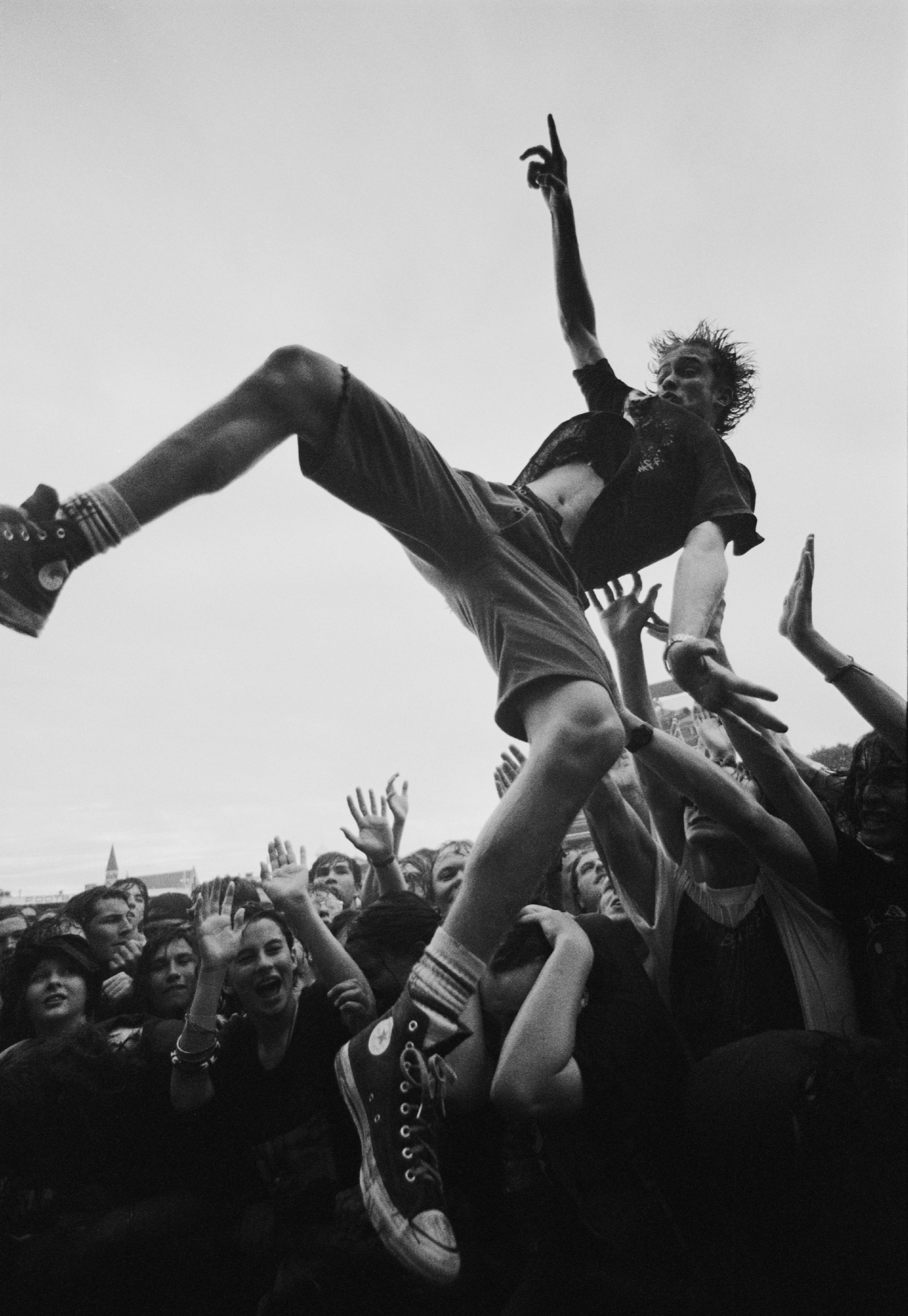
Mike Wylie
Subculture has a strong future, Jamie argues, but it’s important to preserve the youth movements of today, and those from the past, which continue to influence contemporary developments.
“There’s a greater freedom in British youth culture than in Europe, there’s an inherent activist culture in the UK,” Jamie says. “The youth have always found a great way to protest. Now you’re getting that in Italy and Spain, too. There’s a lot of skinhead culture, that’s not necessarily racist but expresses a countercultural message. You’re also seeing rising movements on the continent that echo what happened in the UK in the ‘60s, ‘70s and 80s, like punk for example.”
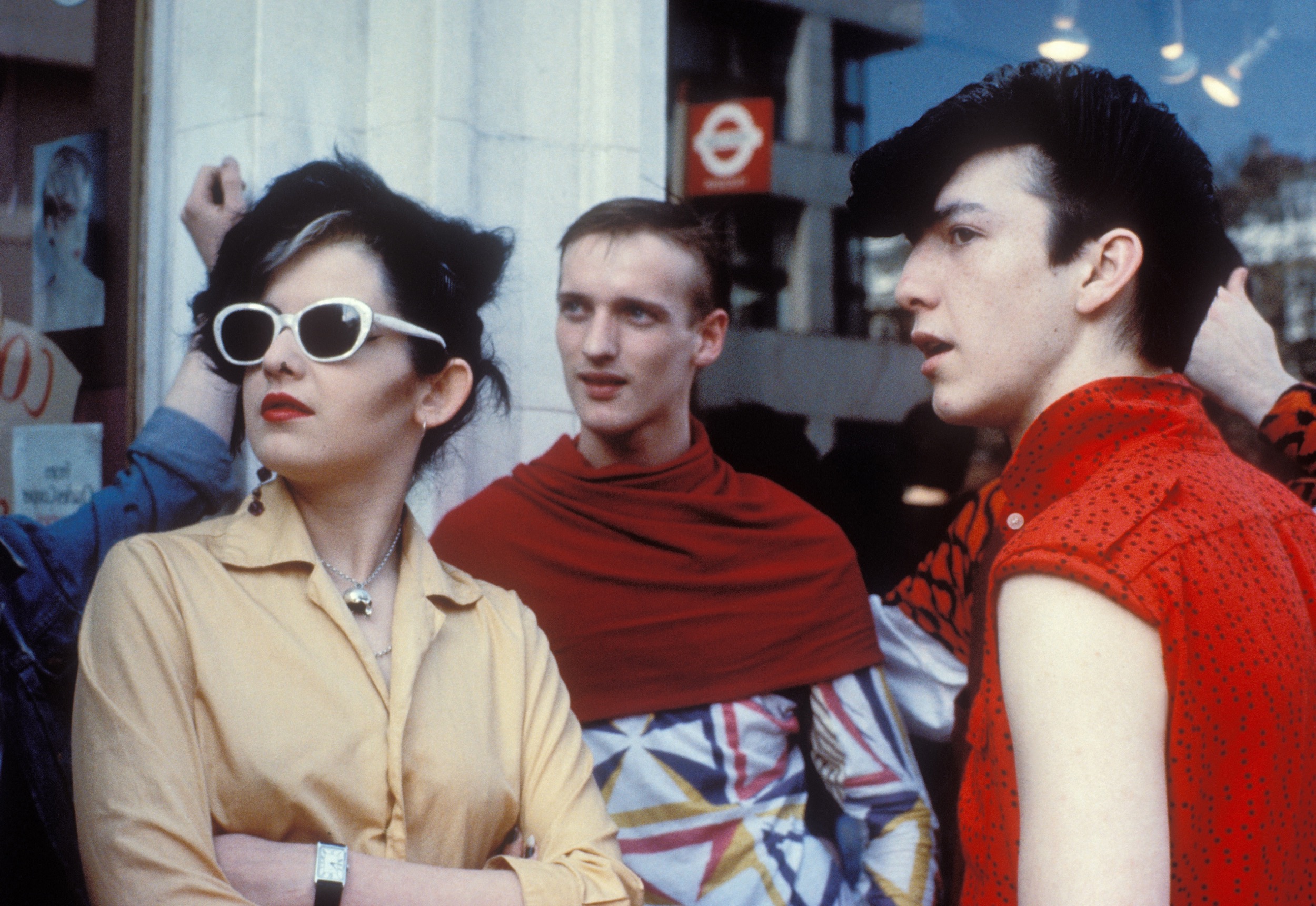
Ted Polhemus
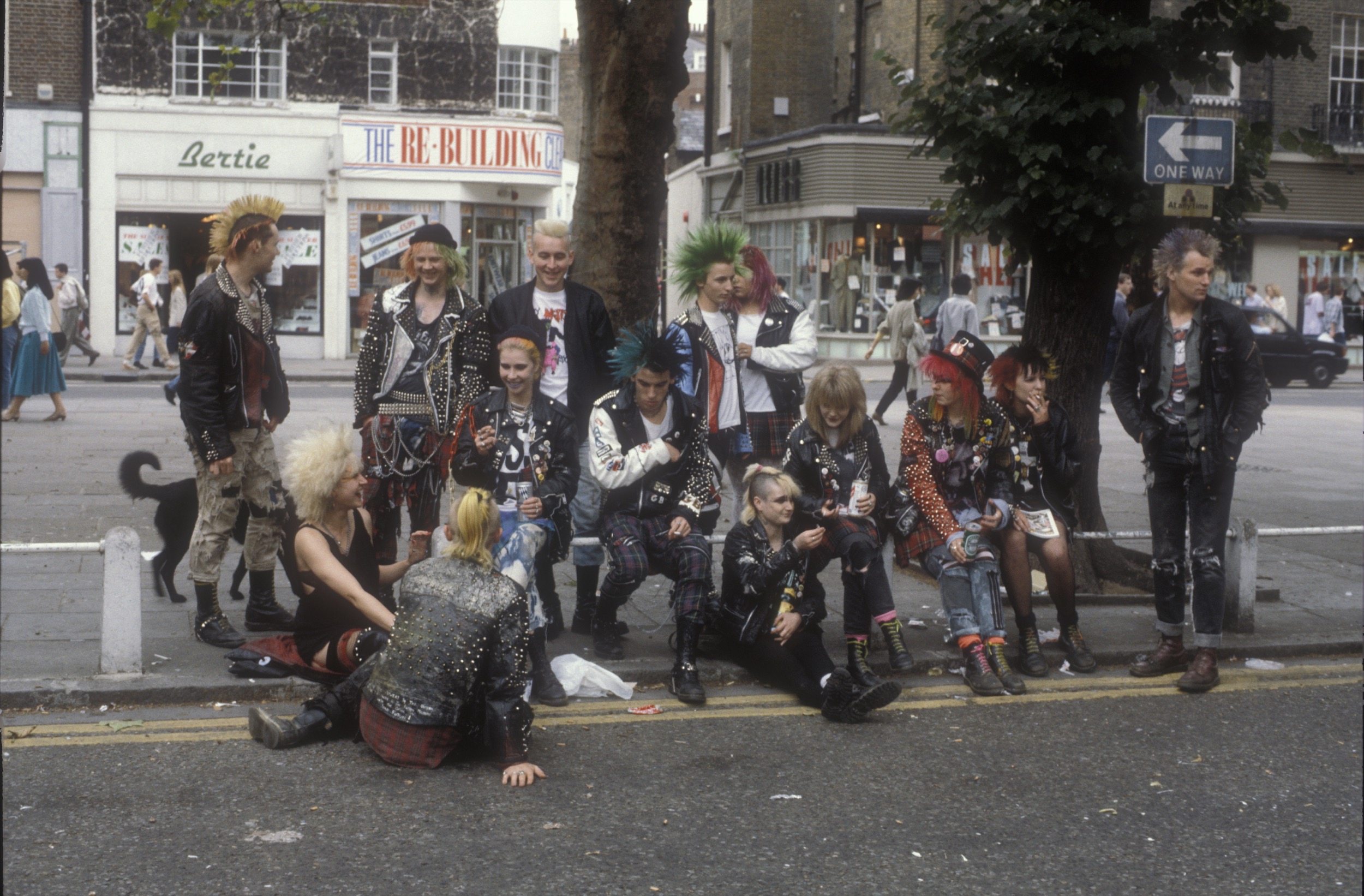
Ted Polhemus
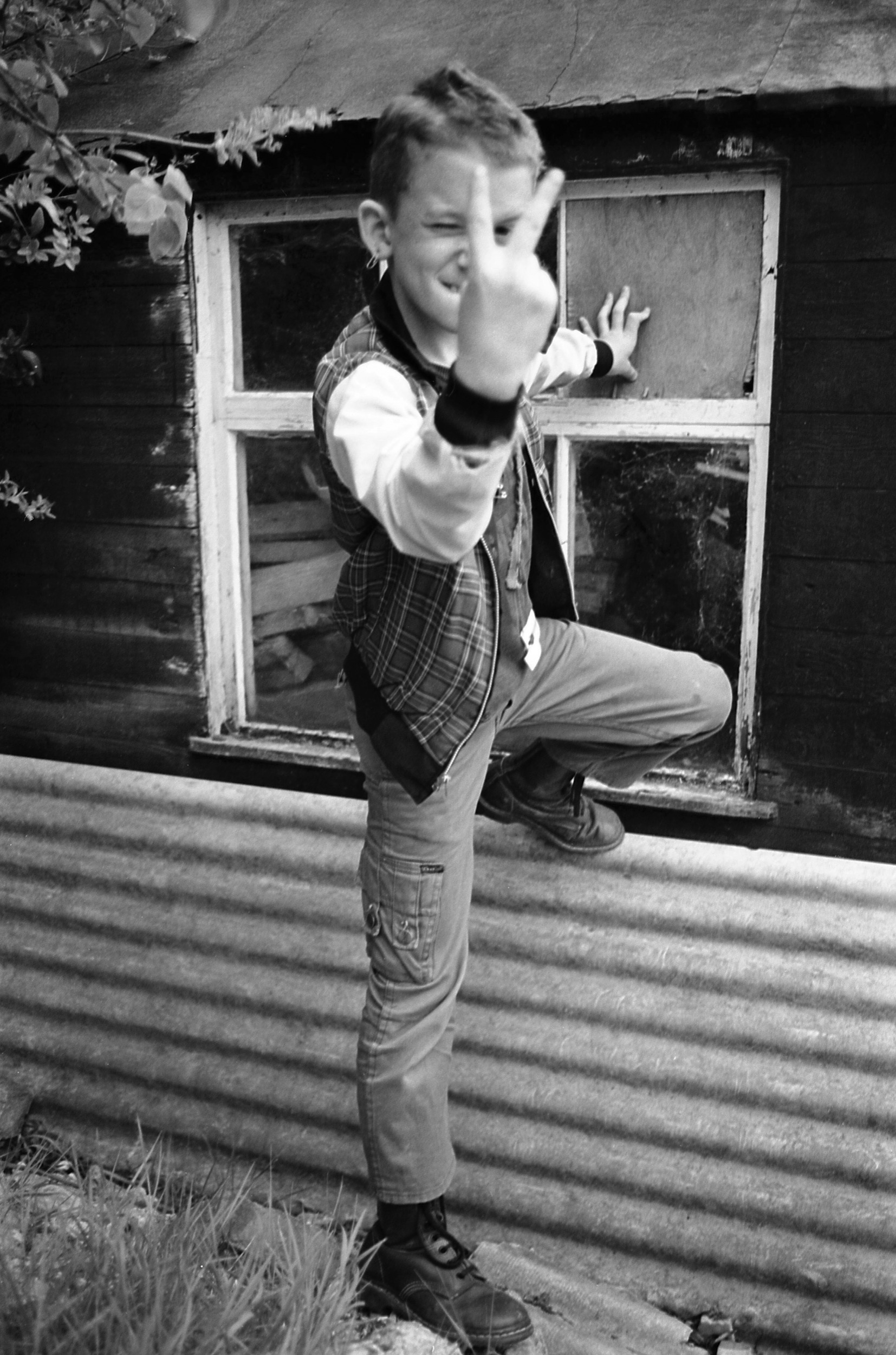
Gavin Watson
Find out more about Youth Club and their Subculture Diary Kickstarter.
Enjoyed this article? Like Huck on Facebook or follow us on Twitter.
You might like

Behind the curtain at Alternative Miss World 1981
Olympia glamour — Running a subversive take on the traditional beauty pageant, the Andrew Logan organised event prioritised underground creativity and invention. Photographer David Corio went behind the scenes at its biggest edition.
Written by: Miss Rosen

New exhibition highlights British radical living over 200 years
Earthly Paradise — Taking place at the William Morris Gallery, it explores the homes and lives of artists, writers, musicians and more, as well as the conditions that allowed them to thrive.
Written by: Isaac Muk

What life on the Strait of Hormuz is really like
Southern Winds — Bandar Abbas based photographer Morteza Niknahad has been capturing the diverse communities and stories of his local region since he first picked up a camera. His new series highlights the human impact of war.
Written by: Isaac Muk

Nick Haymes’s intimate portrait of his family’s life
Chronograph — Over 25 years, the photographer documented his son’s lives as they grew into adults. The resulting photobook is an exploration of the passage of time, as well as the optimism of youth.
Written by: Miss Rosen

Kristina Rozhkova’s scatty, confronting portrait of captivity
Gut Feeling — The Russian artist’s 2024 arrest and subsequent detention opened her eye towards the omnipresent dynamics of power and control. Her new photobook is a stark exploration of being trapped.
Written by: Isaac Muk

UK’s first ever Latino film festival is coming to London
LoLaFF — Taking place between October 2-6, it will feature 55 filmmakers from Latin America, with an opening night at the Barbican.
Written by: Isaac Muk


