
18 photographers capturing the way we live now

In the new millennium, photography has been democratised en masse, inviting all comers to create an image that can speak a thousand words in all languages at the same time.
In the new group exhibition, The Way We Live Now, currently on view at Aperture Gallery, New York, 18 artists from around the globe explore how photography has the power to shape how we see the world and ourselves.
The exhibition draws on more than 1,000 submissions to the Aperture Summer Open, in which artists were invited to reflect on how photography informs our beliefs about society, politics, beauty, and self-expression. A jury of four curators – including critic Antwaun Sargent – chose works that reflect on life in Latinx, Native American, African American, and queer communities in the United States, as well as life in Israel, South Africa, South Korea, and China.
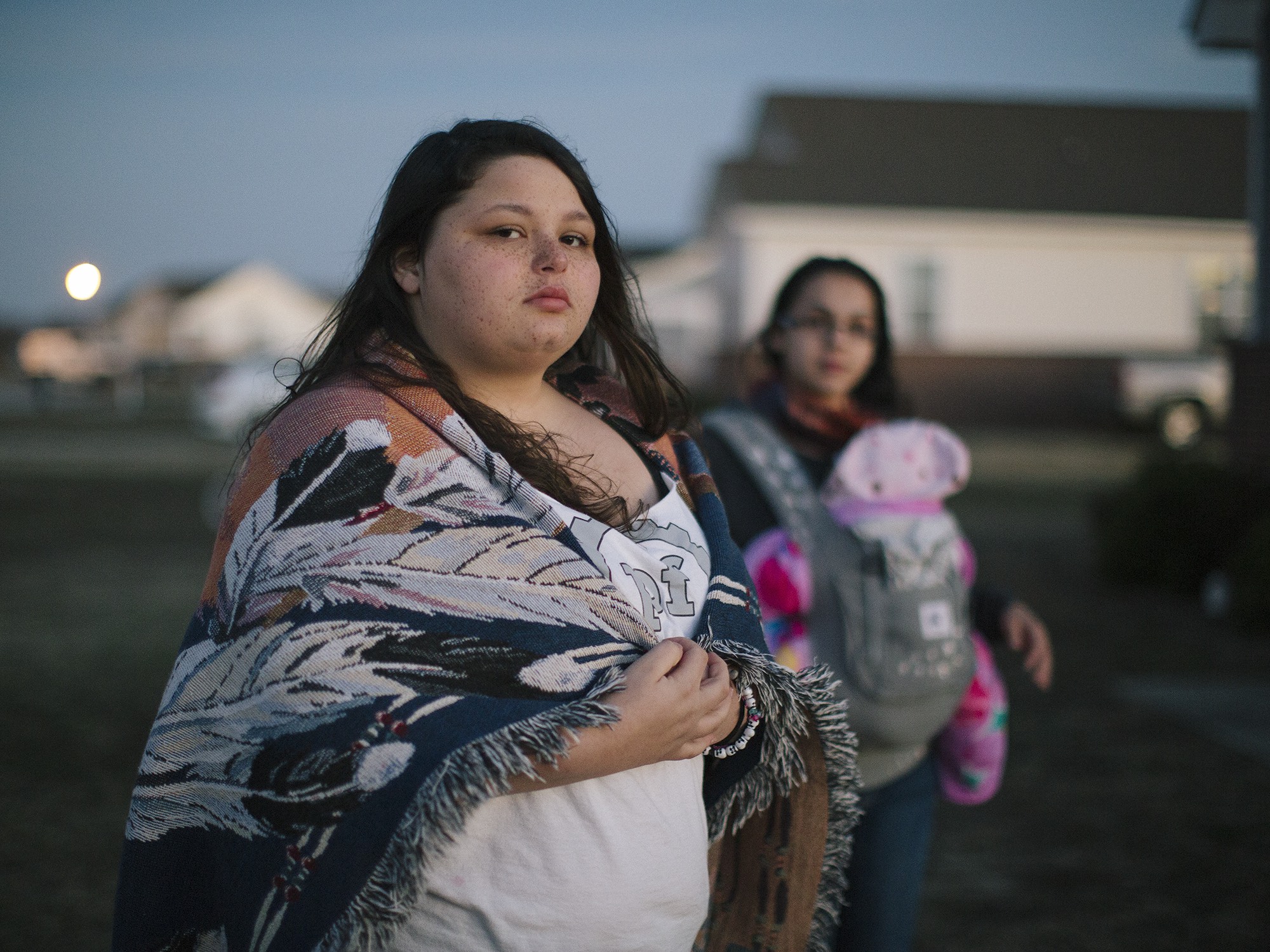
Maria Sturm, Patricia, Mescal and Frankie, 2017 © Maria Sturm
“When we think about representation and visibility, what has aided and sped up the process of people being seen, their truth being amplified, and their voices added to our cultural landscape is the photograph,” says Sargent. “People want to show themselves, one of the easiest ways is by taking a picture.”
“The democratisation of photography has allowed people to tell the stories they want to tell. We are no longer relying on magazines or museums and galleries because we can create our own images to say what we want. It really gets at the root of why people take pictures of themselves and why we have become so fascinated with the image.”
The Way We Live Now presents a mélange of multifaceted histories; from Diego Camposeco’s 2017 portrait of Sabrina, as a metaphorical goddess of fertility amid the ongoing wave of Latinx immigration to North Carolina; to South Africa’s Bubblegum Collective, looking at post-apartheid life through portraits of young artists and activists.
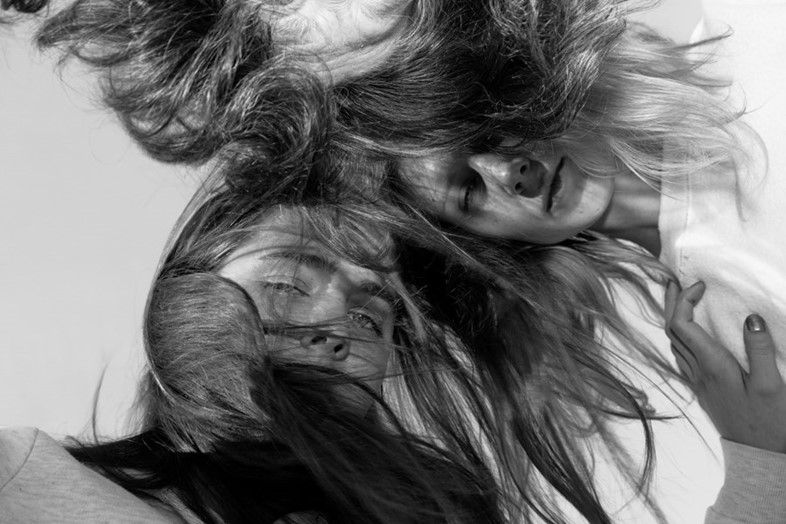
Jillian Freyer, Three Women, 2018 © Jillian Freyer
The Way We Live Now highlights stories from insider perspectives, taking us beyond the headlines and hype, to see the underlying humanity. For example, Lily Kobielski’s work at the Cook County Jail in Chicago documents the issue of mental health for inmates.
“Cook County is not only the largest jail in the country but also the largest government-run mental health provider because 35 per cent of the inmates there have mental health issues,” Sargent explains. “Not only did Lily take photos of the inmates, but she interviewed them and is creating a book where the transcripts are running with the images, creating a second portrait through words. There are two million people incarcerated in America, and she chose to show the human side within the reality of the situation.”
Perhaps most notably, photography itself is an integral feature of The Way We Live Now, transforming our relationship between the production, distribution, and consumption of the still image in ways never imaginable before the advent of camera phones.
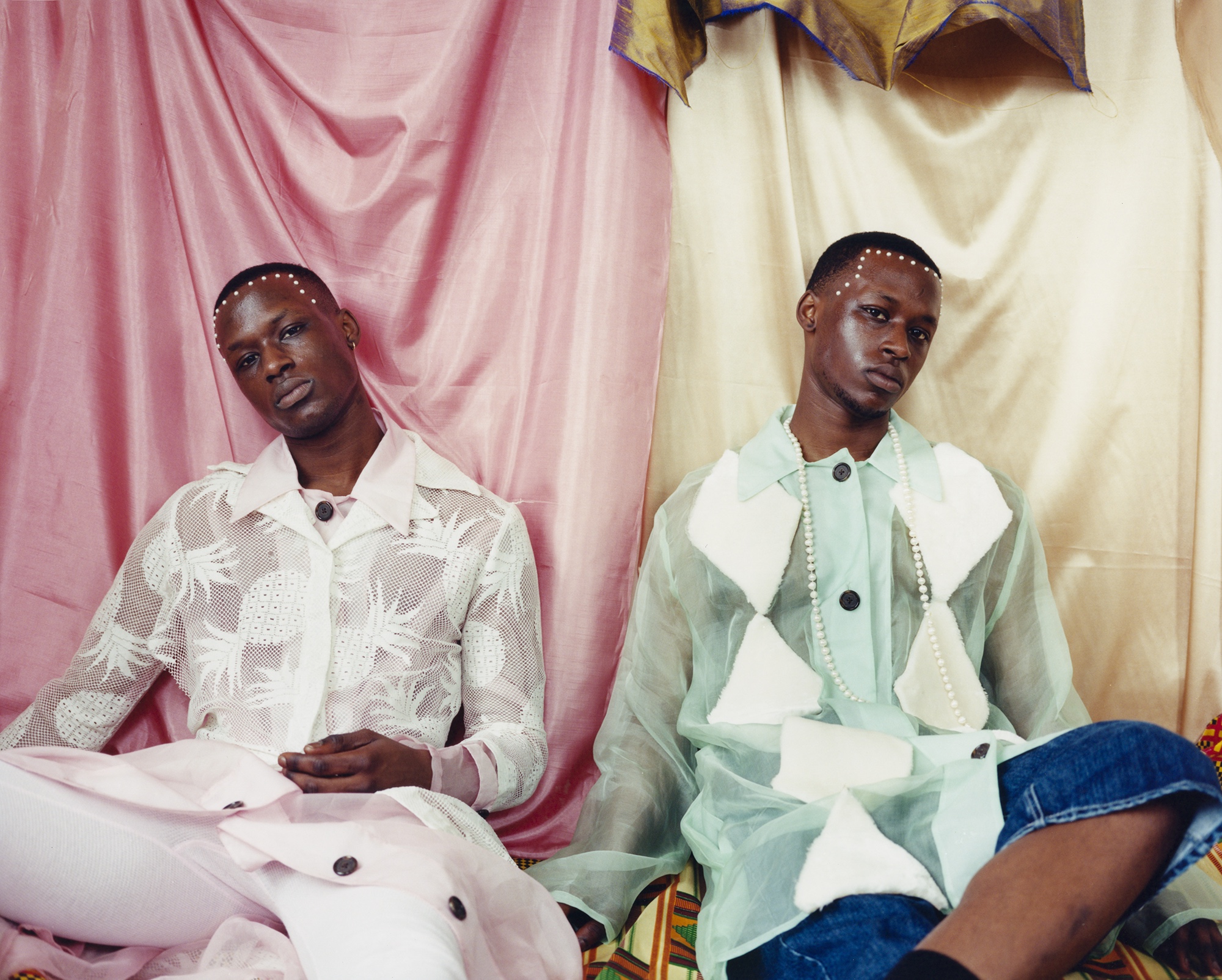
Tyler Mitchell, Untitled (Twins), 2016 © Tyler Mitchell
“There’s an image by Jonathan Gardenhire, ‘Requiem for the Price of Culture 1,’” continues Sargent. “The project is about knowledge: how do we create knowledge, who gets to represent it, and how do we hold it? This is as important as people seeing themselves represented because what it speaks to is the ways that we talk about those people who are in the photos, migrant workers, immigrants, Black men and women, South Koreans queer communities – the knowledge production.”
“It’s a challenge to the ways we have spoken about them and the way they deserve to be spoken about and the ways in which people from those communities should be authoring the knowledge around their visibility. People want the power to determine how they are seen, not just physically in a picture but also on the page, and that mark their history.”
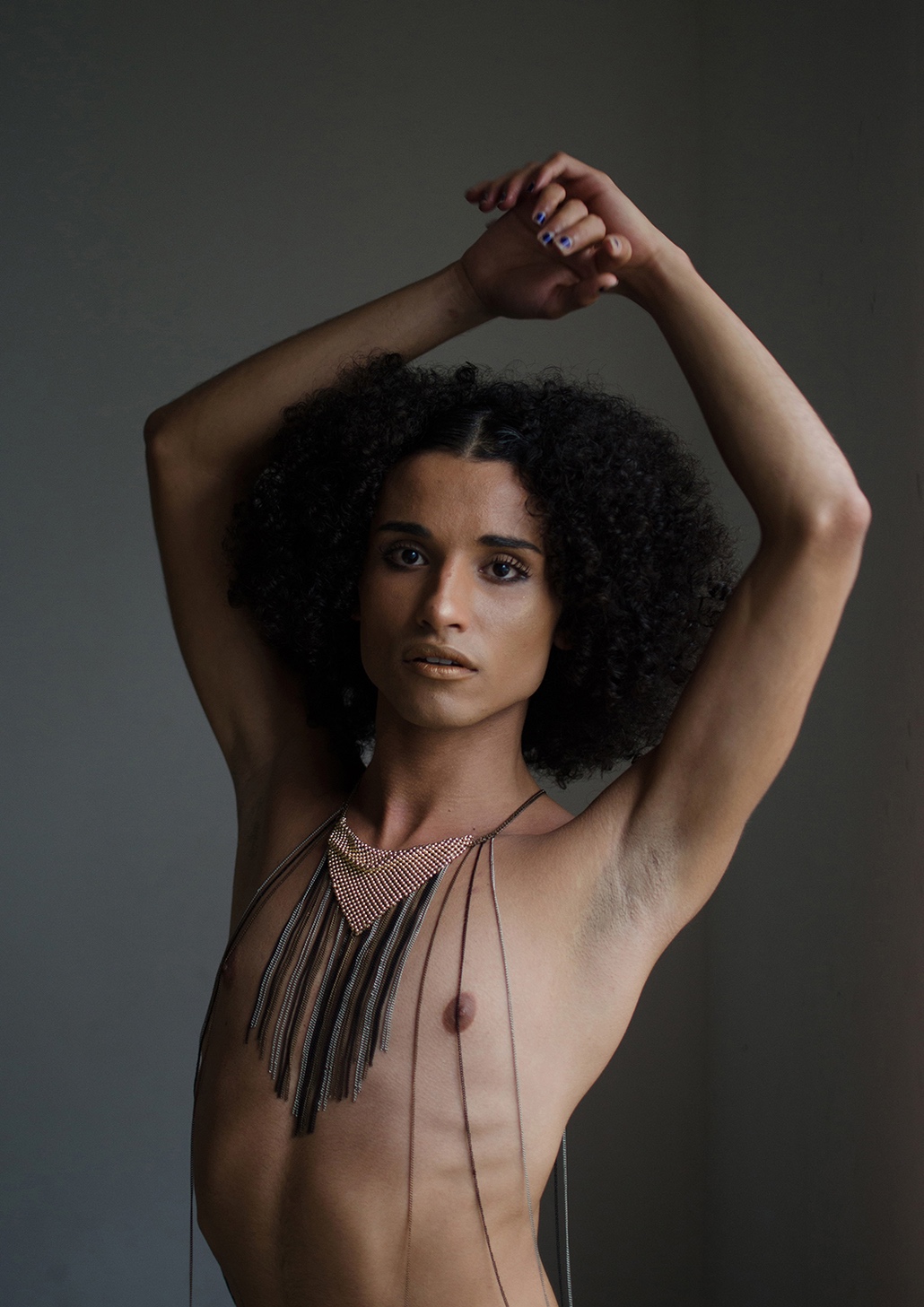
Camila Falcão, Terra , 2017 © Camila Falcão
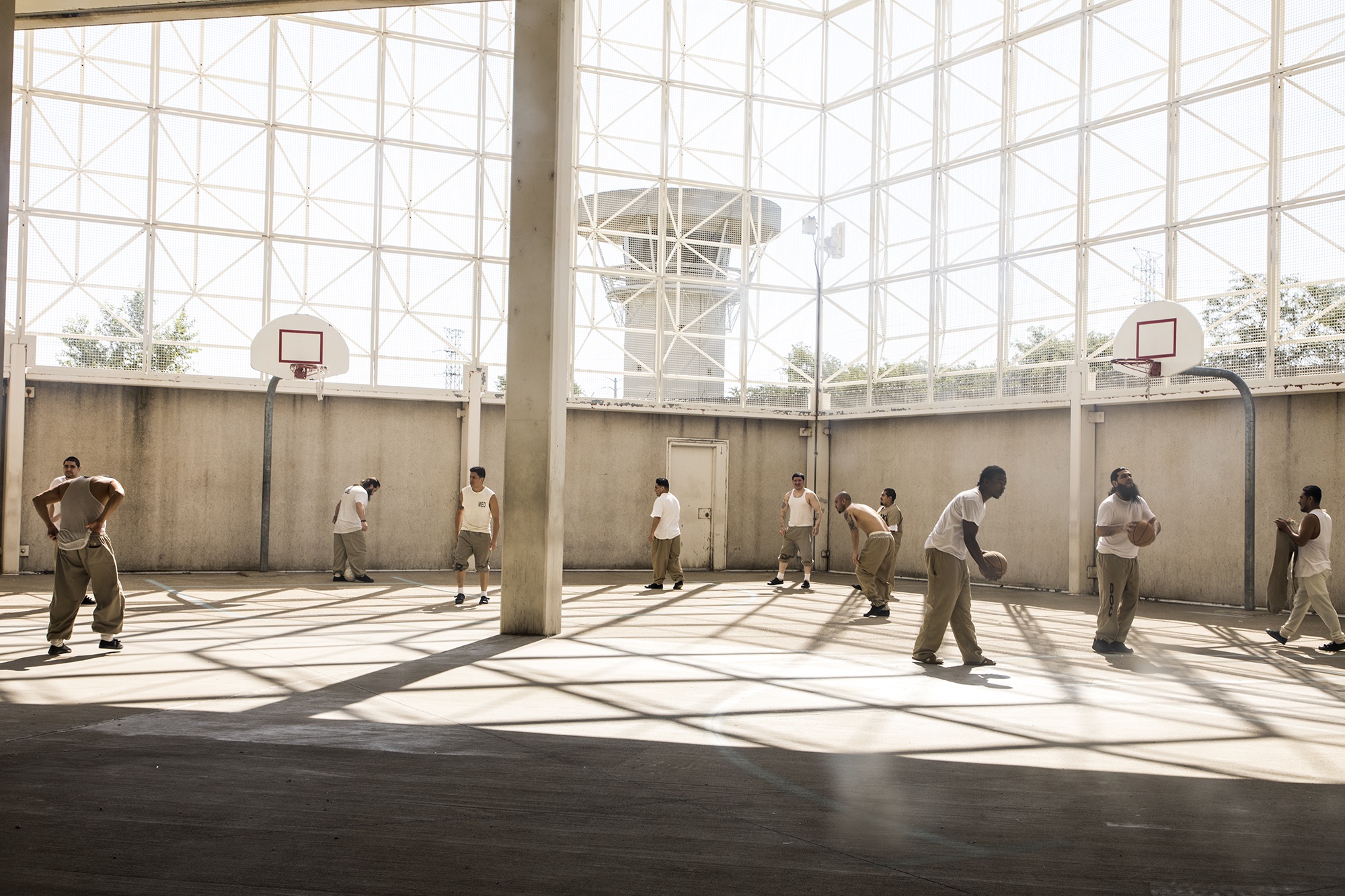
Lili Kobielski, Untitled , Cook County Jail, 2017
© Lili Kobielski
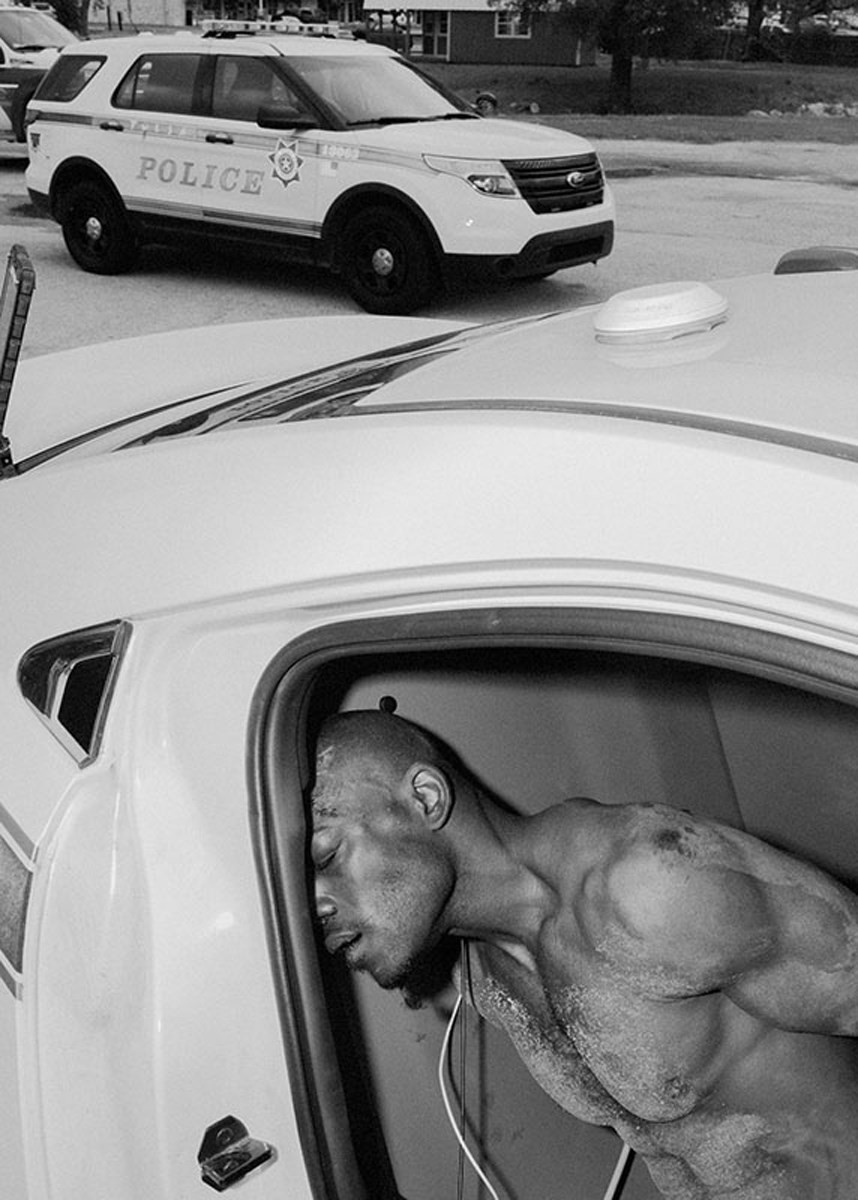
Philip Montgomery, Untitled © Philip Montgomery
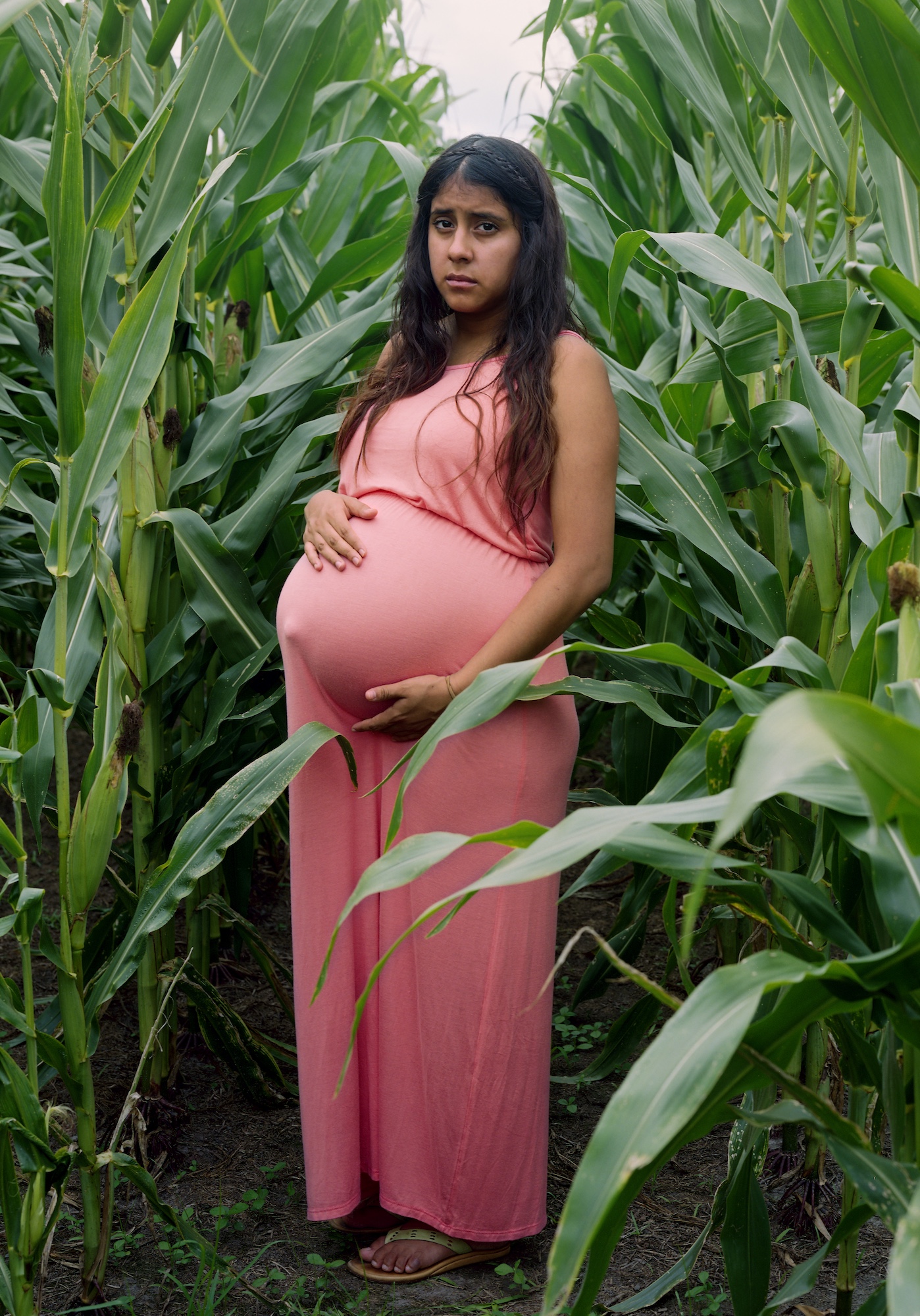
Diego Camposeco, Sabrina, 2017 © Diego Camposeco
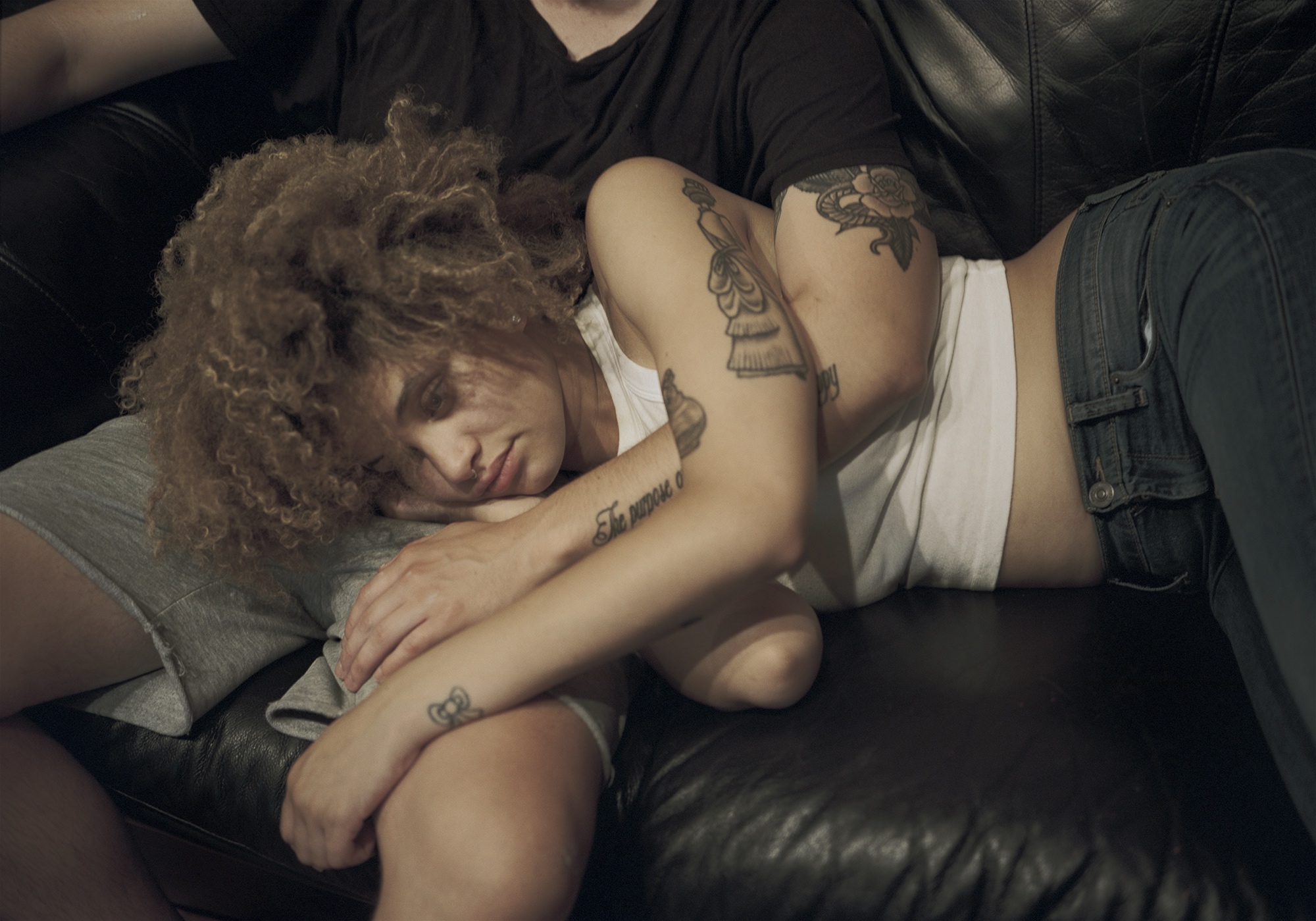
Vincent Hung, Untitled , 2017 © Vincent Hung
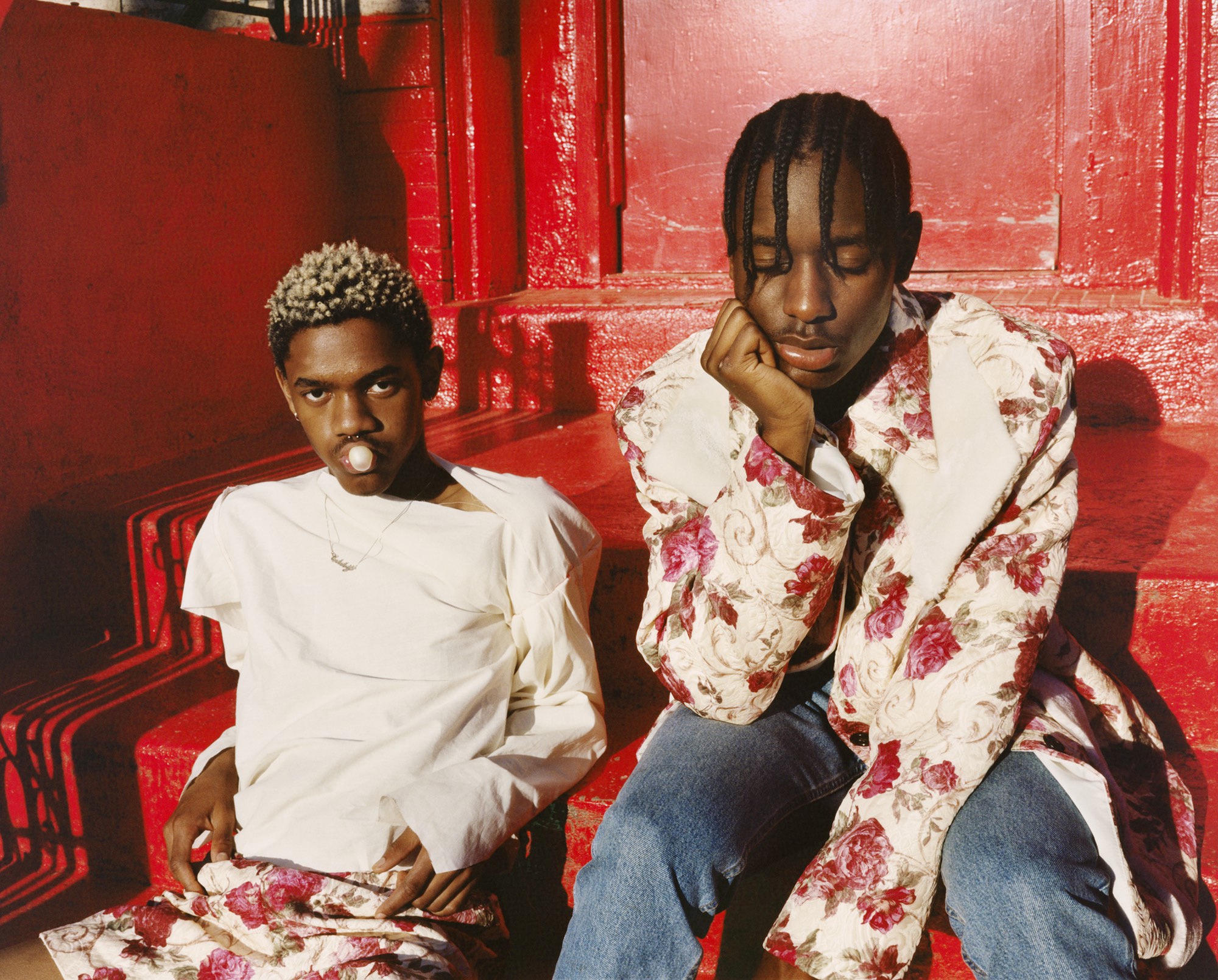
Tyler Mitchell, 2 Men, 2016 © Tyler Mitchell
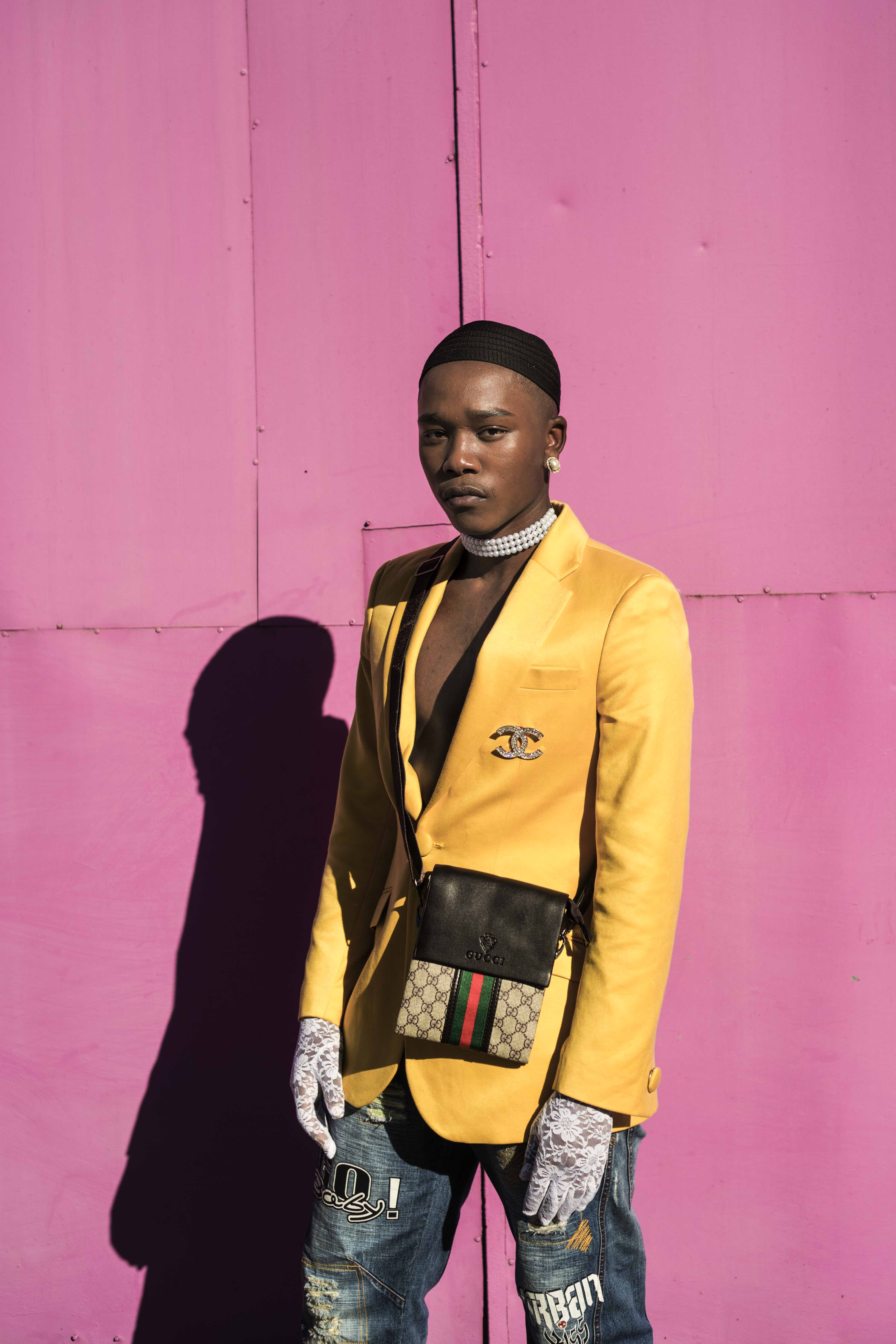
Jamal Nxedlana, Langa Mavuso , 2017 © Bubblegum Club
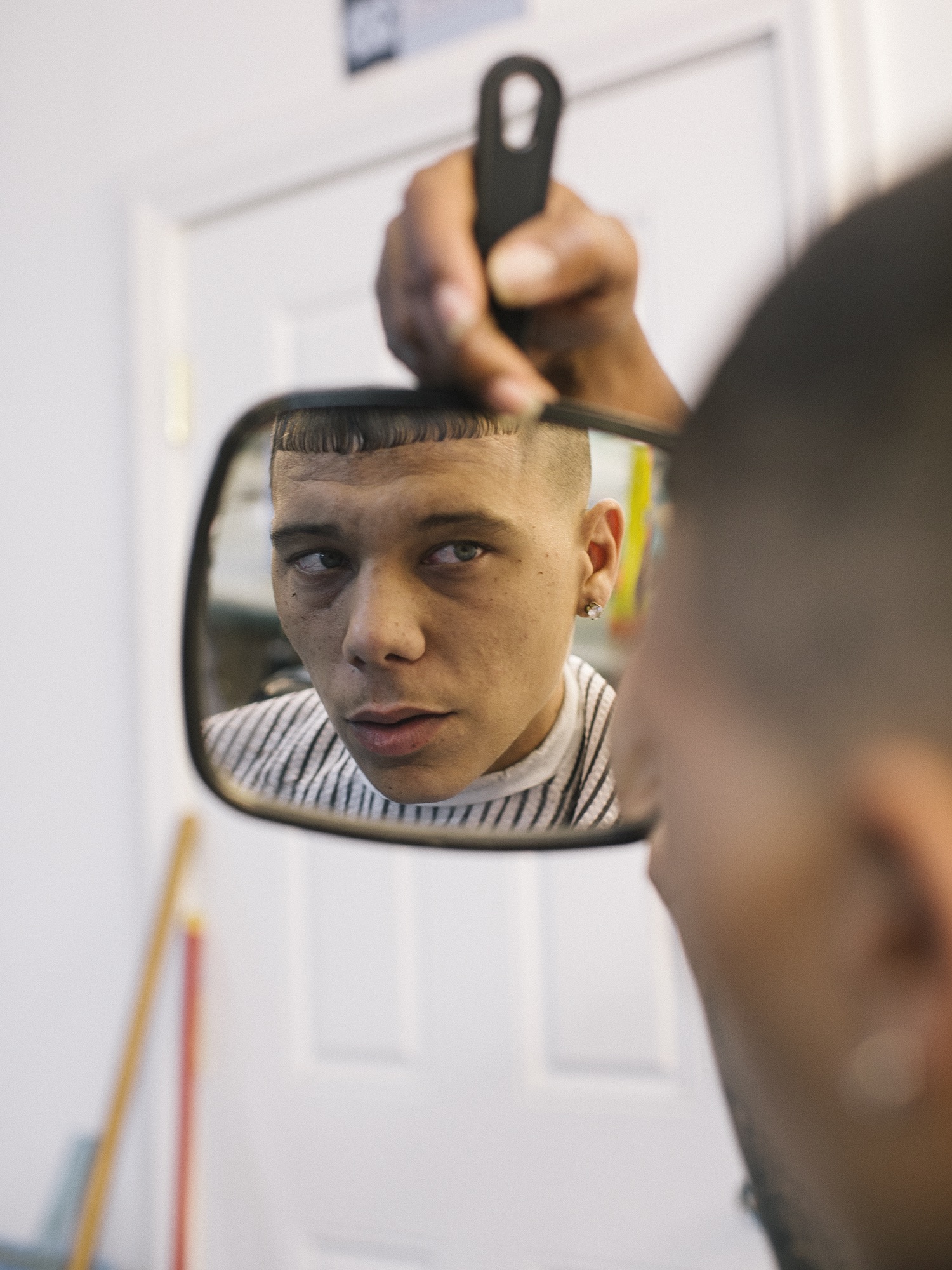
Maria Sturm, Robert looking at himself, 2016 © Maria Sturm
The Way We Live Now is currently on view at Aperture Gallery, New York until August 16.
Follow Miss Rosen on Twitter.
Enjoyed this article? Like Huck on Facebook or follow us on Twitter.
You might like

The sharp rise of video game photography
Point, shoot — As the entertainment medium’s fidelity levels increase and developers build more powerful tools, a growing community of gamers are pushing the boundaries of image making in virtual worlds. Vicky Jessop meets people at the forefront of the emerging artform.

Joyous photos from the heart of the UK’s radical free festival movement
Common Grounds — The photographer has been capturing British counterculture for the past half century. A new exhibition looks at his archive sitting at the intersection of music, community and grassroots protest.

The lasting community legacy of a legendary Californian boxing gym
Moretón — Since opening in the ’80s, the Coachella Valley Boxing Club has trained multiple world champions, while providing a vital hub for local youth. In his new photobook, Darren Vargas documents its tight-knit, Chicano-led community, while also weaving a deeply personal story.

Inside the grunge golden age with Hole’s former bassist
My ’90s Rock Photographs — Melissa Auf der Maur’s new photobook is a sprawling visual memoir of her time at the heart of the US scene, from Tinker to The Smashing Pumpkins.

Introducing ‘The Chaos Isles’, a new photozine by Huck and Yushy
Normal Island — From unlicensed raves to the solstice at Stonehenge, furries to giant vegetable growers, Yushy is one of the UK’s best lensmen of its wild side. ‘The Chaos Isles’ will be sent out exclusively to Club Huck+ members.

Join Club Huck+ to get the most from Huck
Dispatches from the sharp edge of culture — Members get our print magazine, special photozines, The Huck Long Read newsletter, discounts from our friends and partners, digital versions of back issues and priority access to events.


