
The project championing the creativity of inmates

While more than two million people are currently incarcerated in the United States, Black and Latinx communities are affected disproportionately by the prison industrial complex. For generations, families have been torn apart leaving few untouched by a system that amounts to legalised slavery under the 13th amendment.
Coming of age during the 1980s and early 90s, the subject hit close to home for curator and author Nicole R. Fleetwood. “So many forces coalesced to restructure Black life—our homes, families, institutions, neighbourhoods. I felt like my community was under siege,” she says, “As a teenager, I worried all the time about people I knew—that they would end up jobless, on crack, in prison.”
“I remember the horror of younger people going to prison for longer periods of time. It was collectively traumatising. There are now tens of thousands of middle-aged people in prison who have been there for decades, sentenced as teenagers.”

The seeds for Fleetwood’s book Marking Time: Art in the Age of Mass Incarceration (Harvard University Press) and exhibition of the same name were planted while visiting her cousin Allen, imprisoned in Ohio between 1994 and 2015.
“Those visits were hard. We were happy to see each other but we also felt forced to perform joviality when all around us were signs of imprisonment,” Fleetwood says.
“I grew curious about the visiting room. I noticed the artwork on display. We would end each visit by taking a photo against a backdrop painted by imprisoned artists. The backdrops first caught my attention, then the role of the incarcerated photographer who took our picture.”
“Allen also would send home handmade greeting cards and drawings he had commissioned. I became fascinated by the visual culture and art practices taking place in prison.”
Fleetwood began displaying photos of incarcerated relatives in her home as a means to bring them into her daily life and in 2012, she gave a presentation speaking about her family in prison and the visual records of their lives. After the talk, people in the audience began to share their own experiences with Fleetwood and the emotional challenges they faced discussing these experiences in public.
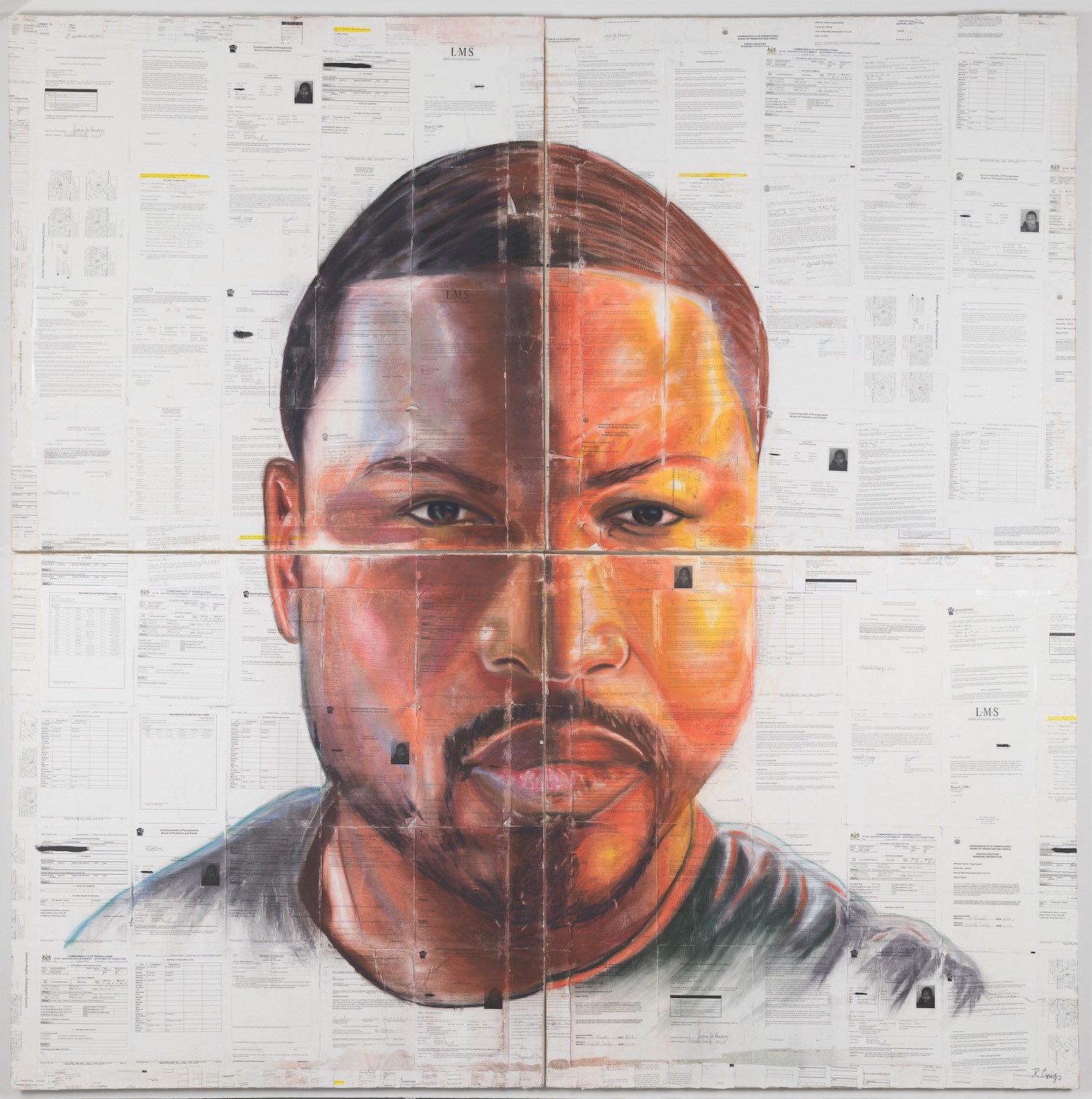

Recognising the need for communal healing, Fleetwood discovered a space for solidarity that lay underneath the grief and rage. Over the next nine years, she would create Marking Time, an extraordinary study of art in prison life drawn from interviews, site visits, personal collections, institutional archives, and family narratives.
“Marking Time is about amplifying the creativity and the aesthetic visions of people who have been rendered not only disposable but as people who deserve to be punished and stripped of everything, including their most intimate relations,” Fleetwood says.
“Dominant society too easily accepts the logic of carceral divides that keep a significant population incapacitated, caged and warehoused far from their communities, loved ones, and networks of care. We are at a moment when these issues are gaining traction. We have to stay vigilant and keep pushing. We can’t let power holders neutralise the demands of abolitionists.”


Marking Time: Art in the Age of Mass Incarceration will be on view at MoMA PS1 when the museum reopens following the COVID-19 crisis.
Follow Miss Rosen on Twitter.
Enjoyed this article? Like Huck on Facebook or follow us on Twitter.
You might like

The sharp rise of video game photography
Point, shoot — As the entertainment medium’s fidelity levels increase and developers build more powerful tools, a growing community of gamers are pushing the boundaries of image making in virtual worlds. Vicky Jessop meets people at the forefront of the emerging artform.

Joyous photos from the heart of the UK’s radical free festival movement
Common Grounds — The photographer has been capturing British counterculture for the past half century. A new exhibition looks at his archive sitting at the intersection of music, community and grassroots protest.

The lasting community legacy of a legendary Californian boxing gym
Moretón — Since opening in the ’80s, the Coachella Valley Boxing Club has trained multiple world champions, while providing a vital hub for local youth. In his new photobook, Darren Vargas documents its tight-knit, Chicano-led community, while also weaving a deeply personal story.

Inside the grunge golden age with Hole’s former bassist
My ’90s Rock Photographs — Melissa Auf der Maur’s new photobook is a sprawling visual memoir of her time at the heart of the US scene, from Tinker to The Smashing Pumpkins.

Introducing ‘The Chaos Isles’, a new photozine by Huck and Yushy
Normal Island — From unlicensed raves to the solstice at Stonehenge, furries to giant vegetable growers, Yushy is one of the UK’s best lensmen of its wild side. ‘The Chaos Isles’ will be sent out exclusively to Club Huck+ members.

Join Club Huck+ to get the most from Huck
Dispatches from the sharp edge of culture — Members get our print magazine, special photozines, The Huck Long Read newsletter, discounts from our friends and partners, digital versions of back issues and priority access to events.


