The shocking human cost of the climate crisis in India
- Text by Eva Clifford
- Photography by Federico Borella

Earlier this month, The Guardian made changes to its house style guide, saying that the terminology used to refer to climate change no longer reflects the severity of the situation. Instead, the favoured terms are now “climate crisis, emergency or breakdown”.
Echoing the words of Swedish teen activist Greta Thunberg, who inspired school protests this May, the underlying sentiment is the same: climate change is not an issue we can afford to ignore; we must take action.
In his project Five Degrees, Italian photojournalist Federico Borella turns his lens on a lesser-known consequence of the climate crisis: the mental health of Indian farmers. “For me, it was important to photograph something invisible, but extremely real and concrete,” Borella tells Huck.
While researching for his project, he came across a study that revealed a positive correlation between climate change and suicide. The study – published in the scientific journal PNAS by Berkeley University researcher Tamma Carleton – analysed climate data from the past 47 years, and compared the figures with the number of farmer suicides in the same period. The research concluded that changes in temperatures which have been occurring since the ’80s, have played a role in the decision by thousands of farmers to take their own lives.

India, Tamil Nadu, May 2018.

India, Tamil Nadu, May 2018. An aerial view of dry fields near Lalgudi, in Tamil Nadu.
“It is estimated that 59,300 farmer suicides over the last 30 years are attributable to global heating and climate change, and according to experts, temperatures in India could increase by a further 5℉ by 2050 – with worrying consequences for the agricultural sector,” adds Borella.
For his project, he chose to focus on India’s southernmost state of Tamil Nadu, which is facing its worst drought for 140 years. Describing the land, Borella says the majestic rivers that run through it, have now been transformed into “sand highways that stretch as far as the eye can see, from Tiruchi to Poompuhar.”
In total, Borella spent 19 days in the region in May 2018. Through an association of Tamil farmers who organised a mass demonstration in Delhi, he managed to get access to this community and spent time photographing widows left behind by their husbands, who had committed suicide. “For these families fallen into debts, and almost lacking in state help, it is very difficult to raise their voice and to bring this problem to light,” says Borella.

India, Tamil Nadu, May 2018. A farmer in his banana plantation.

India, Tamil Nadu, May 2018. The commemorative picture of Selvarasy, 65, a farmer who committed suicide on May 2017.
“Because of this, they were all very helpful and open in telling their stories, even though for Indian society, what happened to their family head is considered a huge humiliation.”
“When I landed in India, I had a very clear idea in my mind regarding the way to take pictures. But I spent two months before my departure to understand which was the best way to obtain a certain atmosphere, focusing on two keywords ‘absence’ and ‘loss.’”
A portrait in the series shows one of the women months after her husband committed suicide by drinking a lethal bottle of pesticide. Borella describes how the husband was tired of getting constant requests and intimidations from a manager who granted him a loan. Another photo is an aerial shot of an expanse of arid land, ghostly in its emptiness.
“In my opinion,” says Borella, “the problem is that in the heat of our homes during winter and the cool of our homes during summer, people tend to forget about climate change. As photojournalists, we are here as a reminder, for everybody, even for ourselves.”
“The impact of climate change affects global human well-being. It goes beyond Indian boundaries and threatens mankind as a whole.”
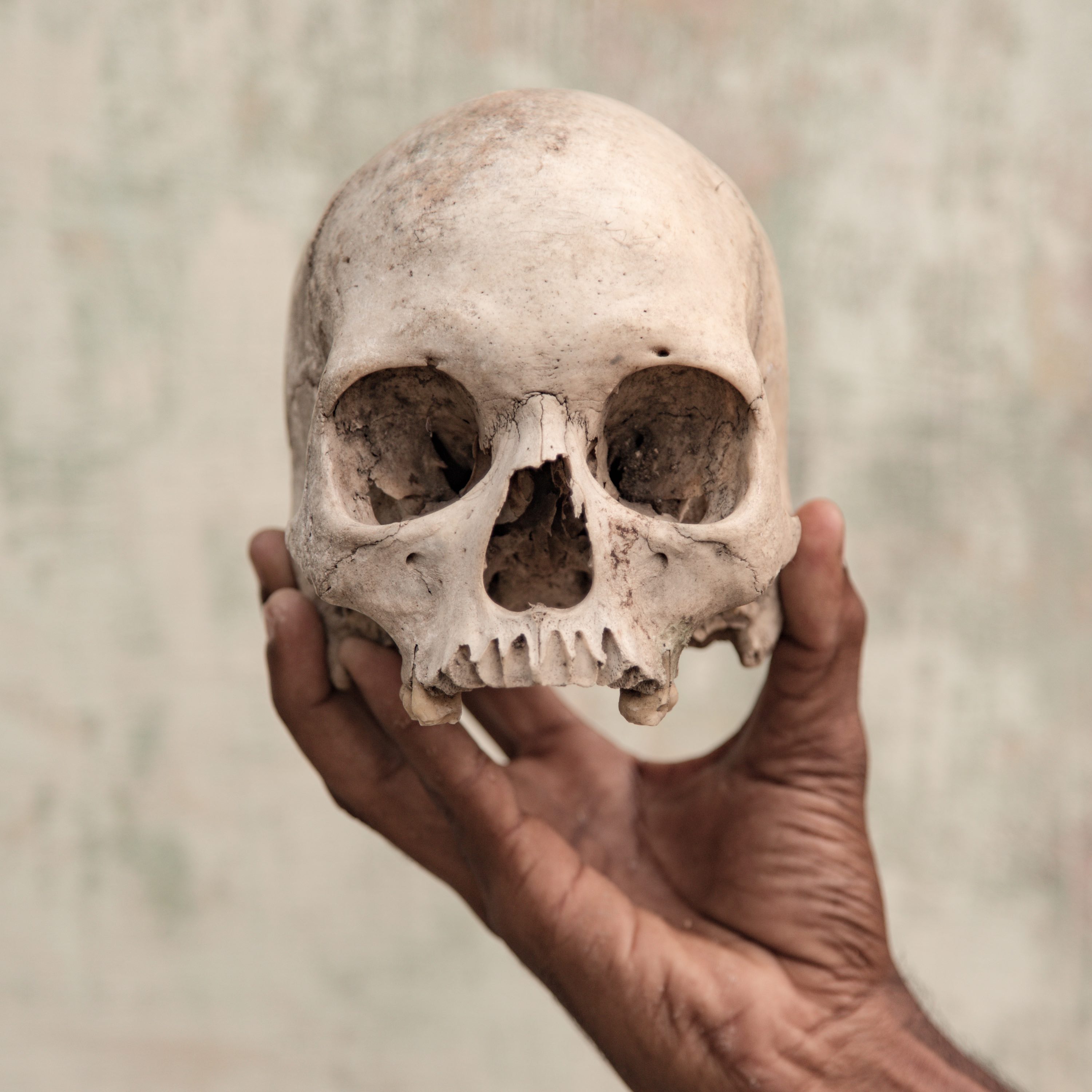
India, Tamil Nadu, May 2018.
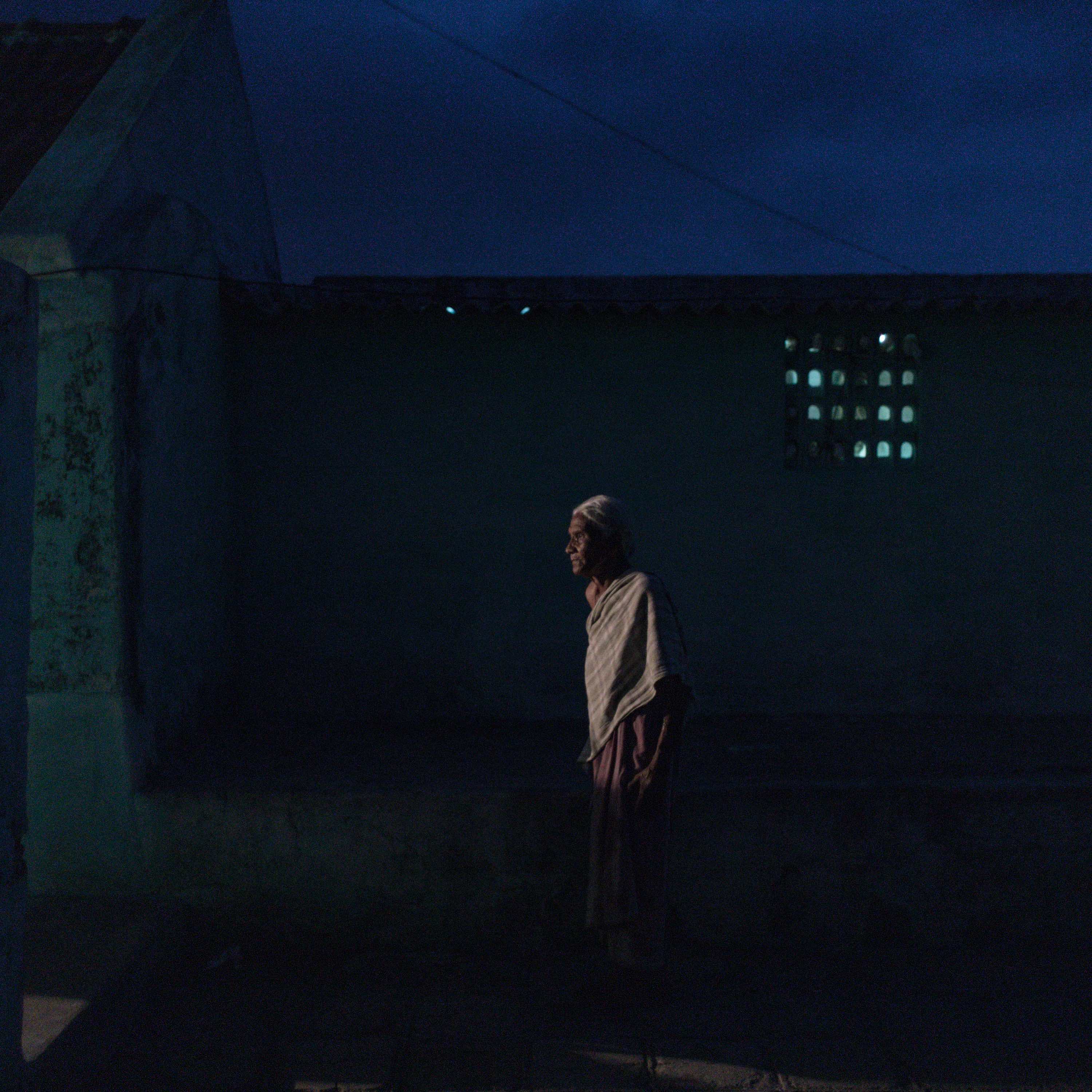
India, Tamil Nadu, May 2018. Ammangudi village.
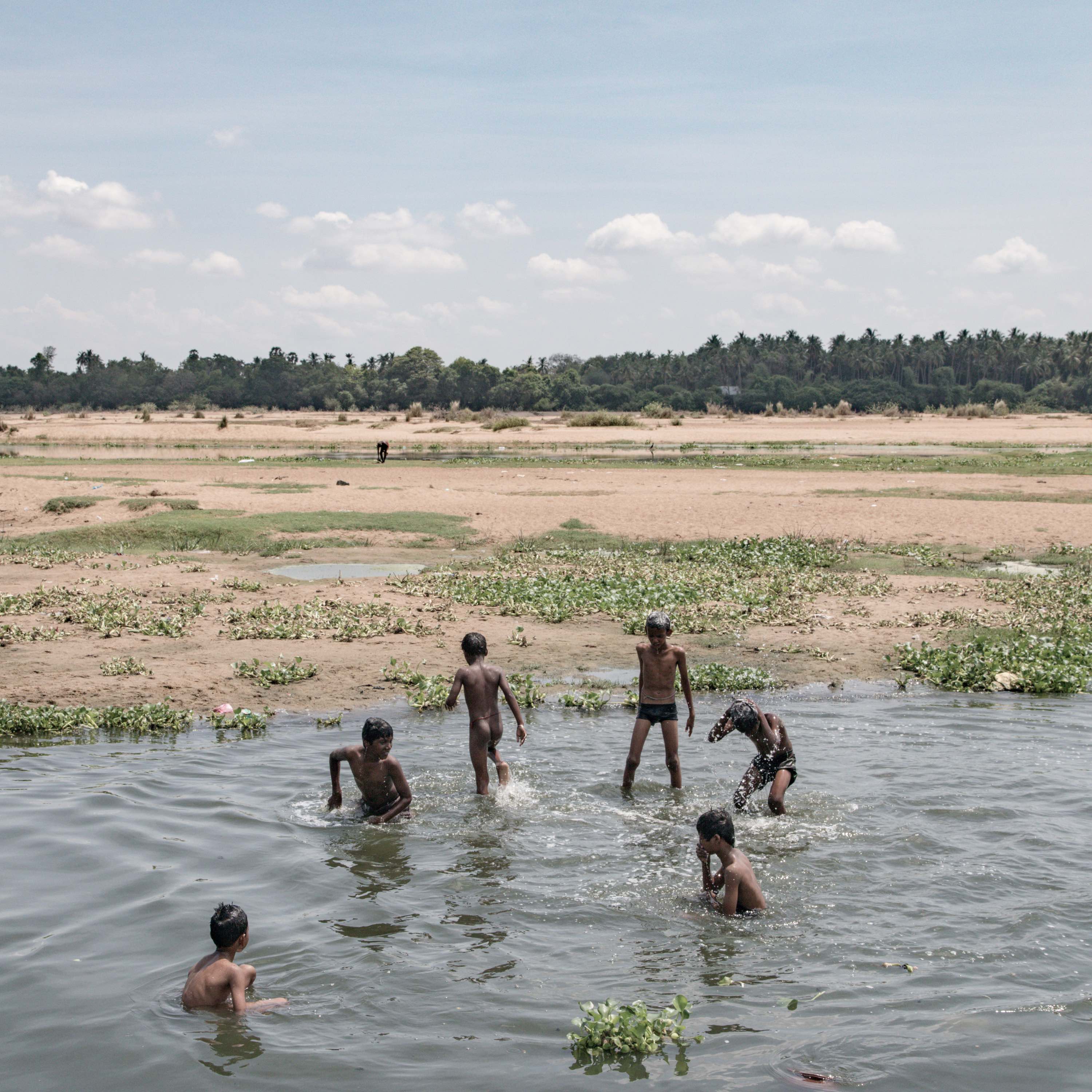
India, Tamil Nadu, May 2018. The reduced flow of water in Kavery river has also caused a spike in pollution levels.
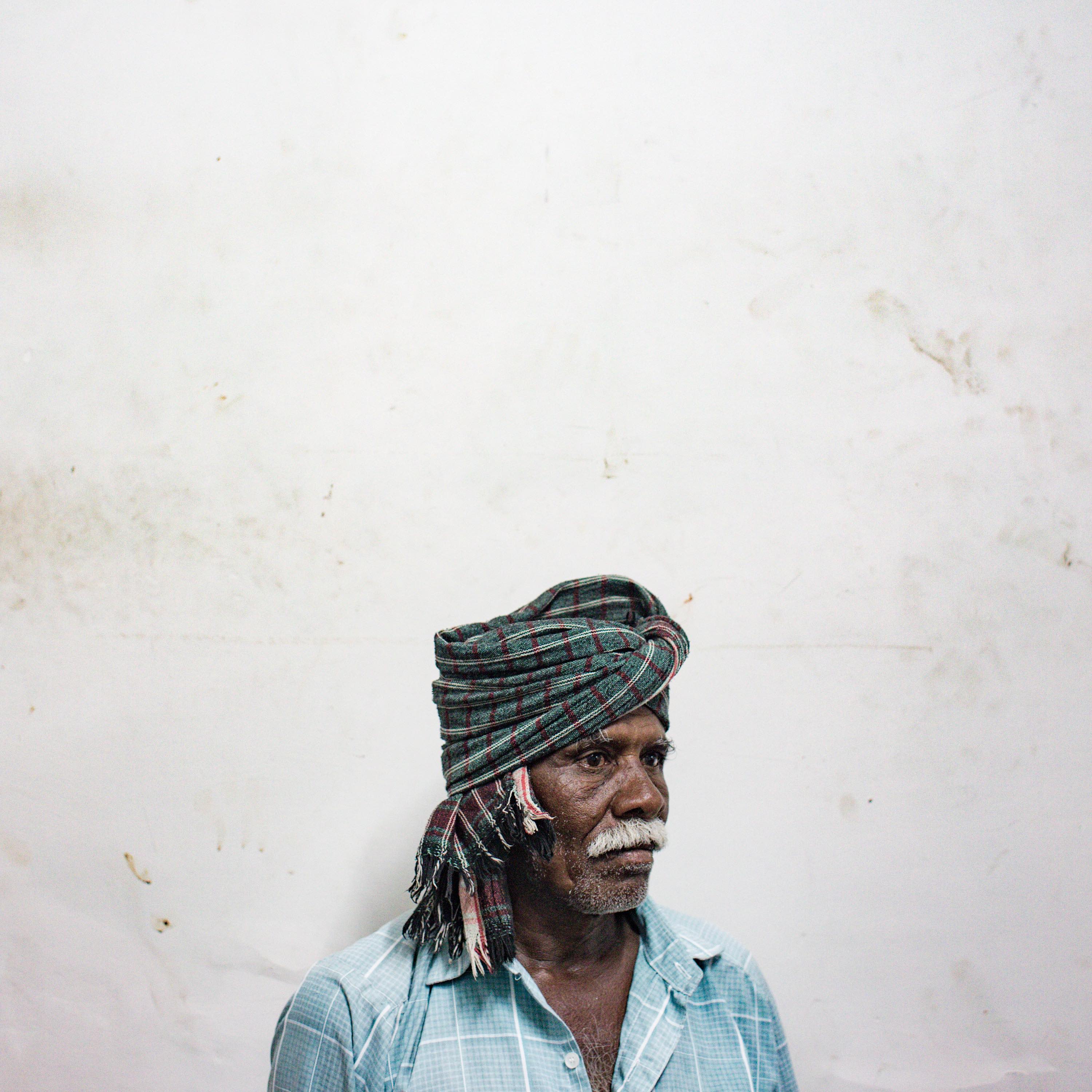
India, Tamil Nadu, May 2018. A portrait of Karpule, a farmer of Tamil Nadu who once worked as farmer.
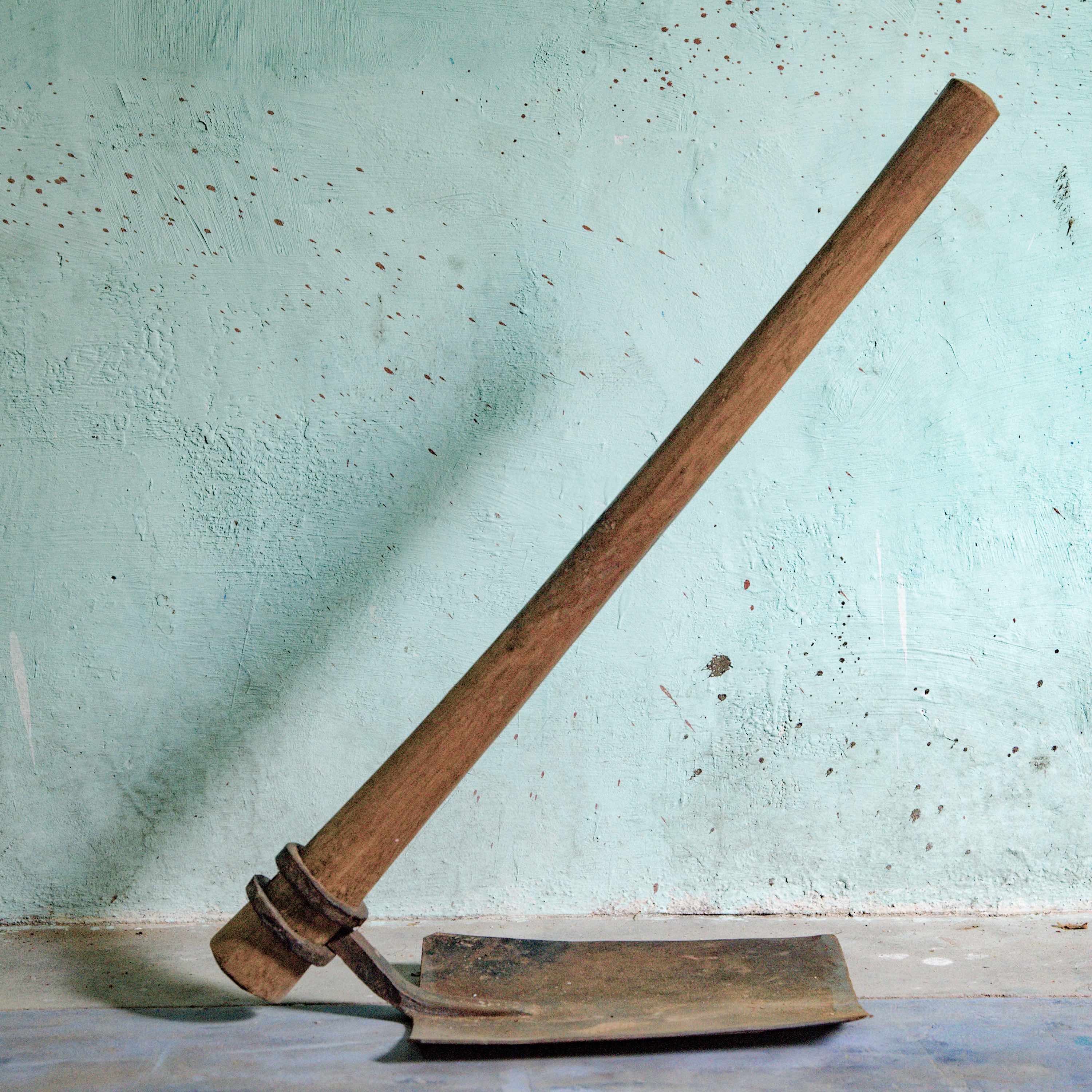
India, Tamil Nadu, May 2018. The shovel used by Selvarasy to work on fields.
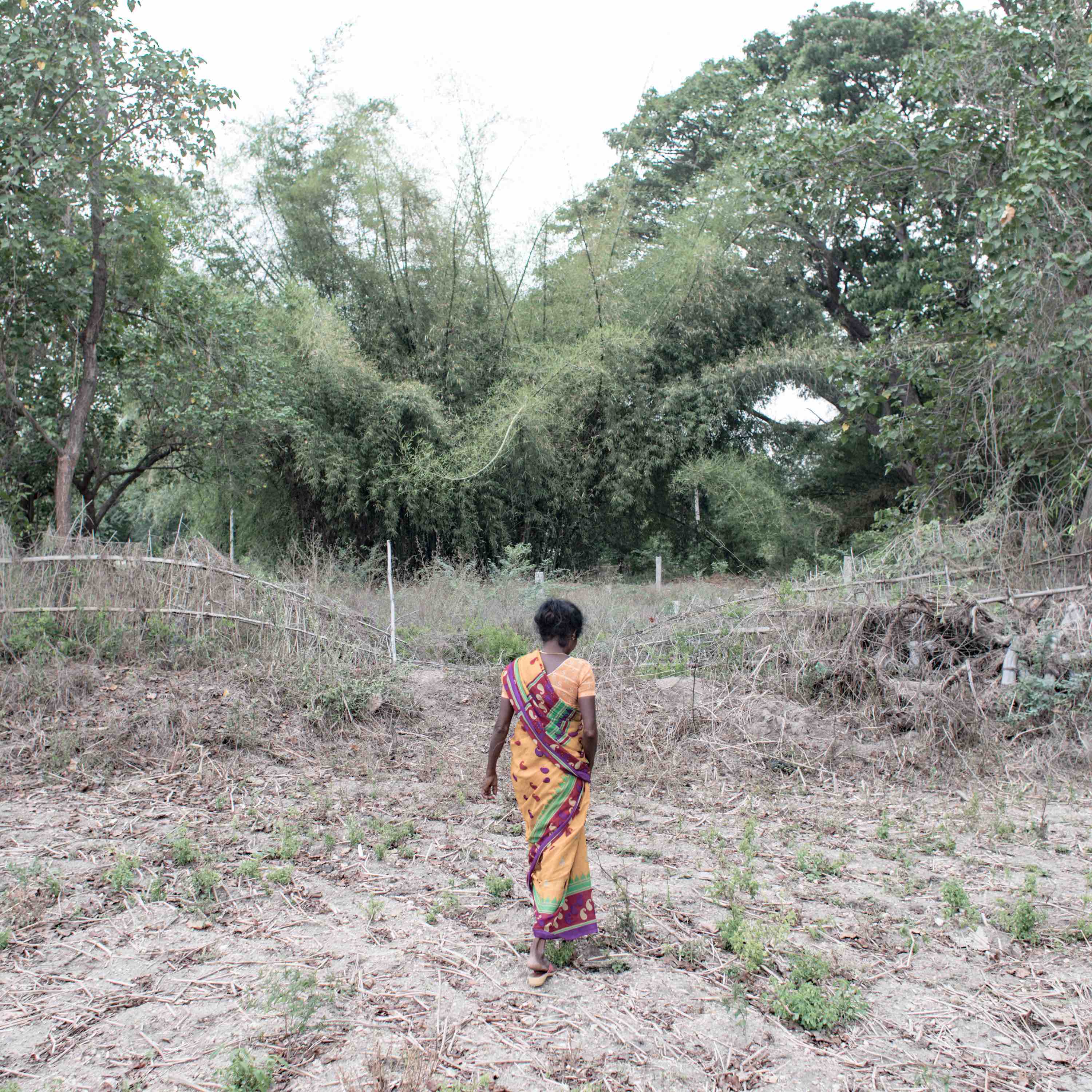
India, Tamil Nadu, May 2018. Laalgudhi village.
Federico Borella was named Photographer of the Year in the Sony World Photography Awards for his project Five Degrees.
Enjoyed this article? Like Huck on Facebook or follow us on Twitter.
You might like

The last days of St Agnes Place, London’s longest ever running squat
Off the grid — Photographer Janine Wiedel spent four years documenting the people of the Kennington squat, who for decades made a forgotten row of terraced houses a home.
Written by: Isaac Muk

As salmon farming booms, Icelanders size up an existential threat
Seyðisfjörður — The industry has seen huge growth in recent years, with millions of fish being farmed in the Atlantic Ocean. But who benefits from its commercial success, and what does it mean for the ocean? Phil Young ventures to the remote country to find out.
Written by: Phil Young

How Japan revolutionised art & photography in the ’60s and ’70s
From Angura to Provoke — A new photobook chronicles the radical avant-garde scene of the postwar period, whose subversion of the medium of image making remains shocking and groundbreaking to this day.
Written by: Miss Rosen

Artifaxing: “We’ve become so addicted to these supercomputers in our hands”
Framing the future — Predominantly publishing on Instagram and X, the account is one of social media’s most prominent archiving pages. We caught up with the mysterious figure behind it to chat about the internet’s past, present and future, finding inspiration and art in the age of AI.
Written by: Isaac Muk

The lacerating catharsis of body suspension in Hong Kong
Self-Ferrying — In one of the world’s most densely packed cities, an underground group of young people are piercing their skin and hanging their bodies with hooks in a shocking exploration of pain and pleasure. Sophie Liu goes to a session to understand why they partake in the extreme underground practice.
Written by: Sophie Liu

What we’re excited for at SXSW 2026
Austin 40 — For the festival’s 40th anniversary edition, we are heading to Texas to join one of the biggest global meetups of the year. We’ve selected a few things to highlight on your schedules.
Written by: Huck


