
Vibrant portraits of cosplayers in everyday places

In 2017, photographer Thurstan Redding travelled from his usual base in London to Los Angeles for an assignment. He found himself wandering around the city’s Downtown area while off duty one day, when popping out from the city’s sprawling concrete grey landscape was a flash of hot pink as a cosplayer strode past in an extravagant wig and finely detailed makeup.
“I just remember being transfixed by it,” Redding says. “What was really interesting was that the outfit wasn’t that garish, it was just this amazing hair and makeup.”
Redding was already aware of cosplay – an activity and subculture dedicated to creating detailed costumes to become a specific character, often from a film, TV show or comic series. He’d even seen it around before, but that brief encounter in L.A. was the first time he really noticed it. Soon he would begin to spot cosplay everywhere. When he returned to London, he remembers riding the DLR train and looking up to see someone sat opposite him dressed head-to-toe as a character from Rick and Morty.
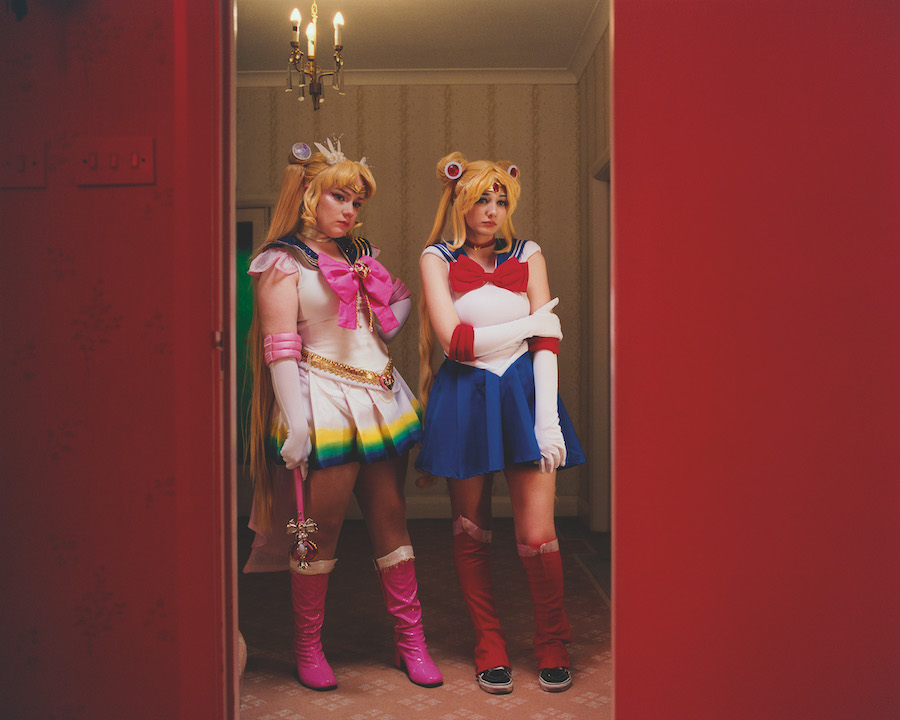
Sailor Moons, student (left), medical science student and content creator (right): “In this costume I feel magical! And powerful. It’s fun to be able to turn into anybody I want to be. Cosplay allows me to express my love for a character by bringing them to life in a way that drawings and traditional art cannot.”
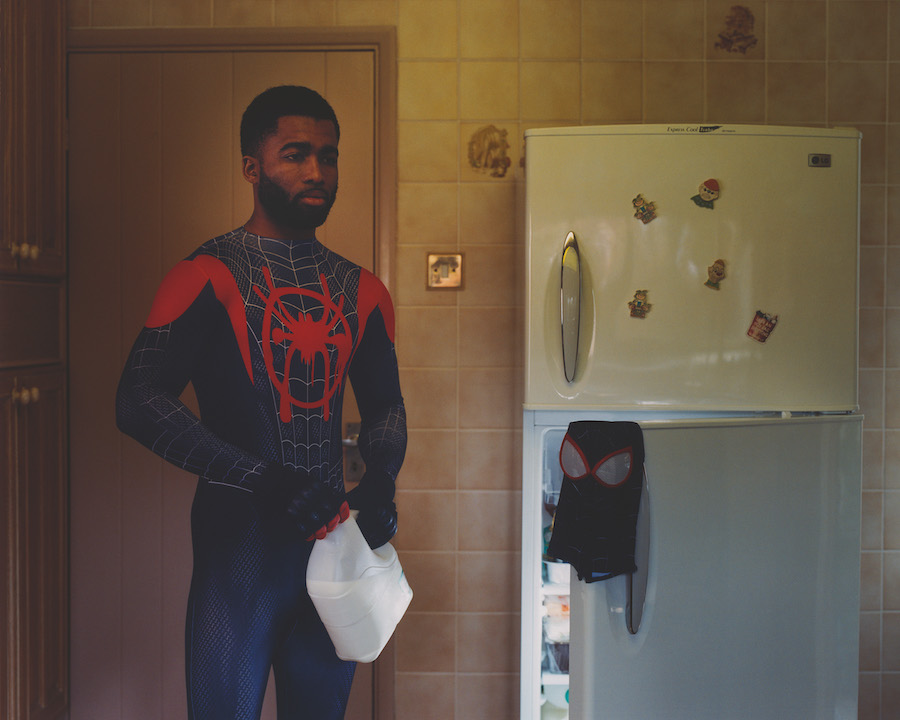
Spider-Man, energy industry worker.
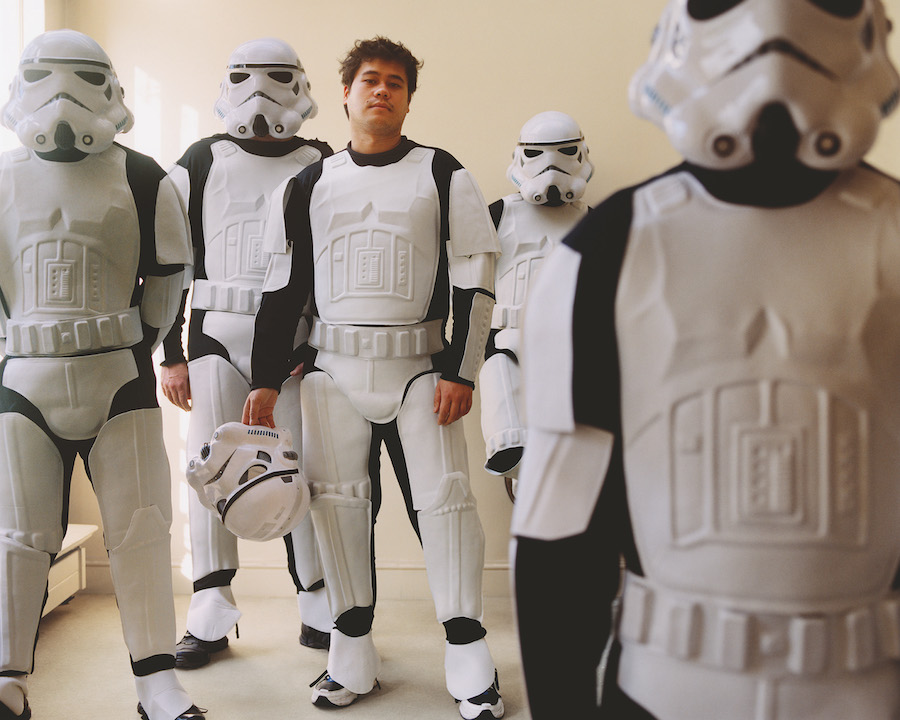
Storm Troopers (Star Wars), photographer (unmasked).
“I think it’s the first time I really understood what was amazing about [cosplay] – seeing someone in Downtown LA with that hair and makeup, there was something disjointed about it, and it was the same thing on the DLR,” Redding says. “There was such a contrast between the environment in which I saw these cosplayers and how they were dressed, and I thought that was really interesting. It felt incredibly subversive – because as garish and outlandish the outfits were, it didn’t feel like something that was really meant to be seen.”
Building on his fascination, Redding decided to create a portrait series of cosplayers. Over the next three years he found himself slowly ingraining himself in the community, taking hundreds of portraits of people in their extravagant costumes and makeup. Now a number are presented in his debut monograph Kids of Cosplay – a vibrant glimpse into the detail, flair and effort cosplayers put into their characters.
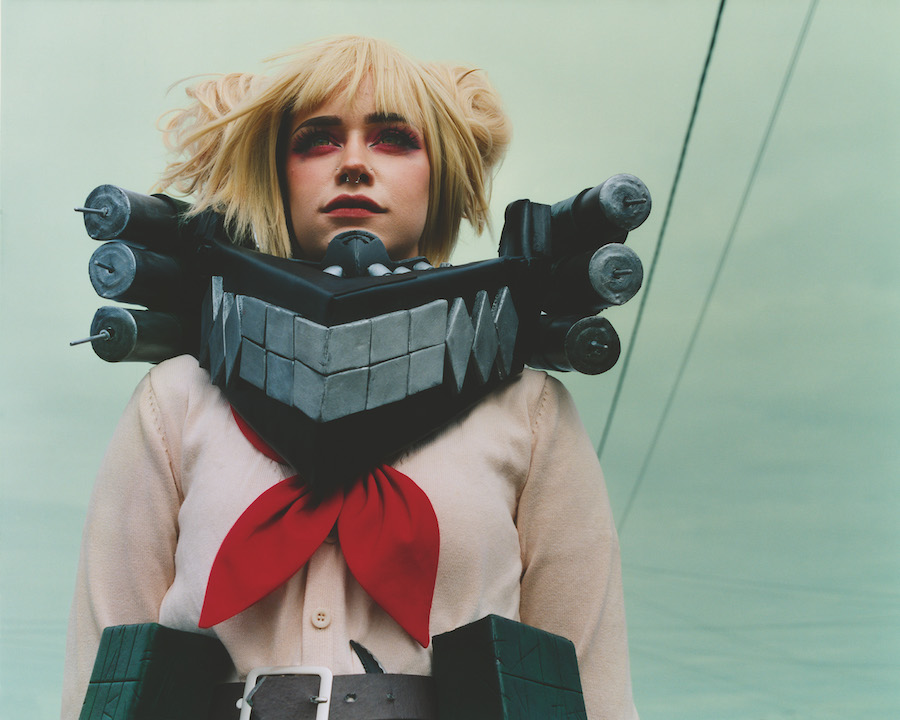
Himiko Toga (My Hero Academia), professional cosplayer: “When I discovered cosplay, I realised that it was truly the confidence boost I needed in my life. I was bullied in school for being weird and different, but I found cosplay and the community allowed me to be me. I found people who didn’t judge me!”
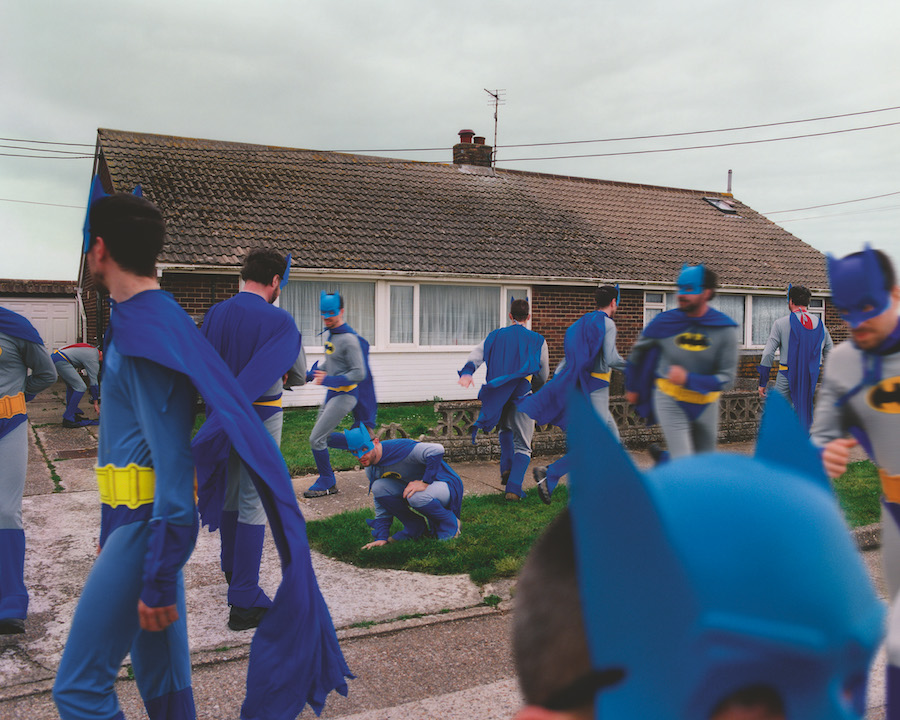
Batmen, lighting technicians.
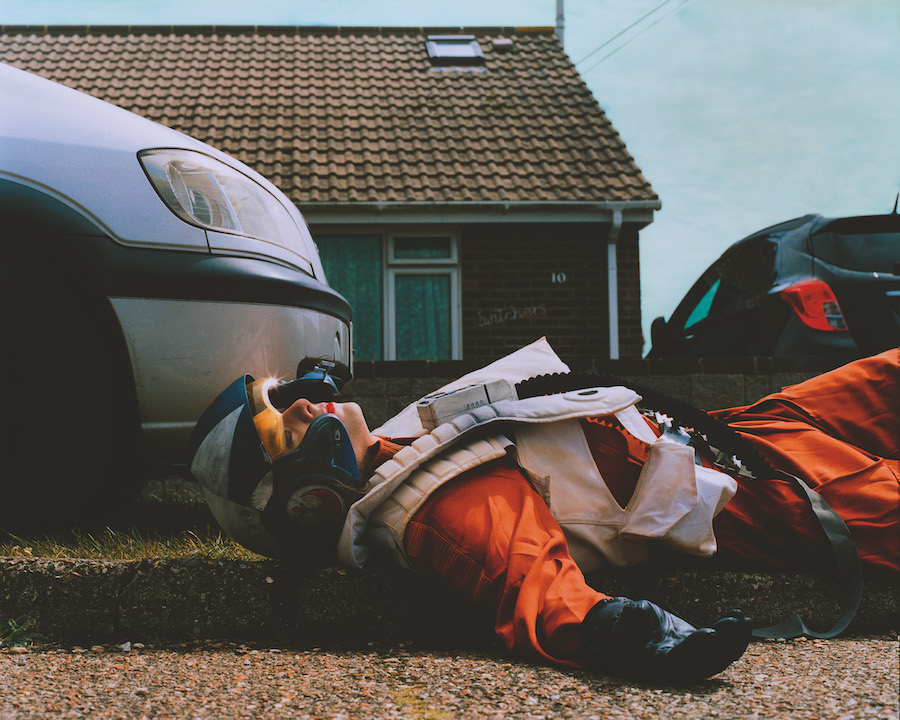
Resistance Pilot (Star Wars), retail worker: “This costume feels like an extension of myself. Because I’ve made it to my liking, I’ve not had to meet anybody else’s criteria or pass their standards. This is a costume I have given a part of myself to, and I’m very proud to put her on. Costuming and cosplay allows you to be completely you, while – ironically – being someone else at the same time. When I first started cosplaying, I was able to hide my face and pretend I was someone else for a while. I felt it was preparation for when I was going to publicly transition to Bella in 2015. Putting that helmet on before I came out, I was able to embrace my true self, detaching my old identity from myself while I explored who I was.”
From intricate, down-to-the-millimetre recreations of Star Wars‘ Wookiees to a simpler turtleneck and sunglasses depiction of Neo from The Matrix, the pictures show a wide range of dedication and personal styles when cosplaying. “Some are more sophisticated than others, [but] people put in huge amounts of effort,” Redding says. “The girl [who cosplayed as] Ursula from The Little Mermaid painted her body for two and a half hours, there was so much makeup. A lot of the costumes are handmade, so the amount of physical effort that goes into it is quite amazing.”
On top of costumes, many would also put that same endeavour into acting. “A lot of cosplayers would refuse to break out of character,” Redding explains. “Which meant sometimes it was impossible to get their contact details, because they wouldn’t break character. If I was asking for their email, they would pretend that they didn’t know what an email was.”
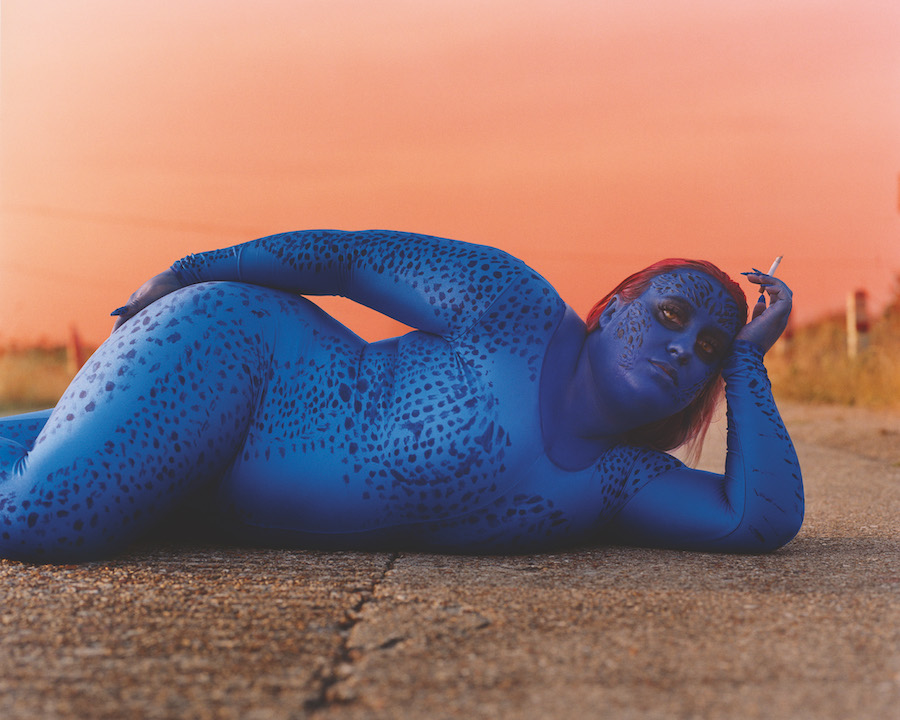
Mystique (X-Men), manicurist. “I love dressing up as different characters. It’s so fun to become someone else for a night. Mystique is such a great role; I love that she is strong and dangerous, yet still feminine. In this costume I feel mysterious and sultry. There’s something about being blue for the day.”
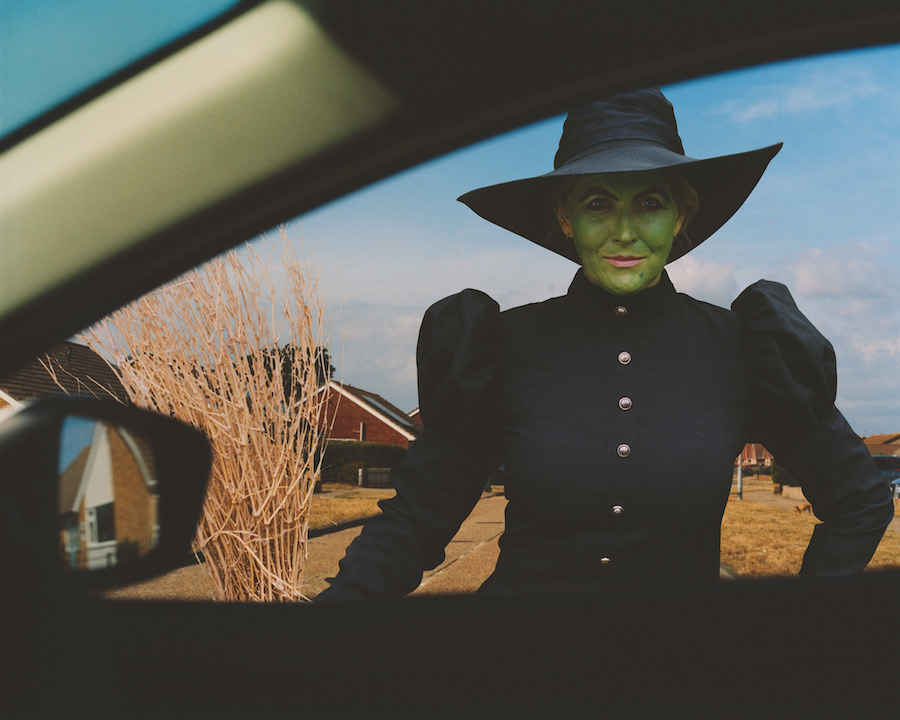
The Wicked Witch of the West (The Wizard of Oz), baby massage teacher and exam invigilator: “I first accompanied my eldest daughter [who appears below as Ursula] to MCM London Comic Con nearly ten years ago. I had no idea what to expect and was not cosplaying then, but it was such a welcoming and encouraging environment that we returned in costume. Cosplay is great fun, challenging and time consuming – painting yourself green effectively is not quick or easy! But it’s a fantastical escape and – more than anything – it’s been a great way to connect with my family creatively.”
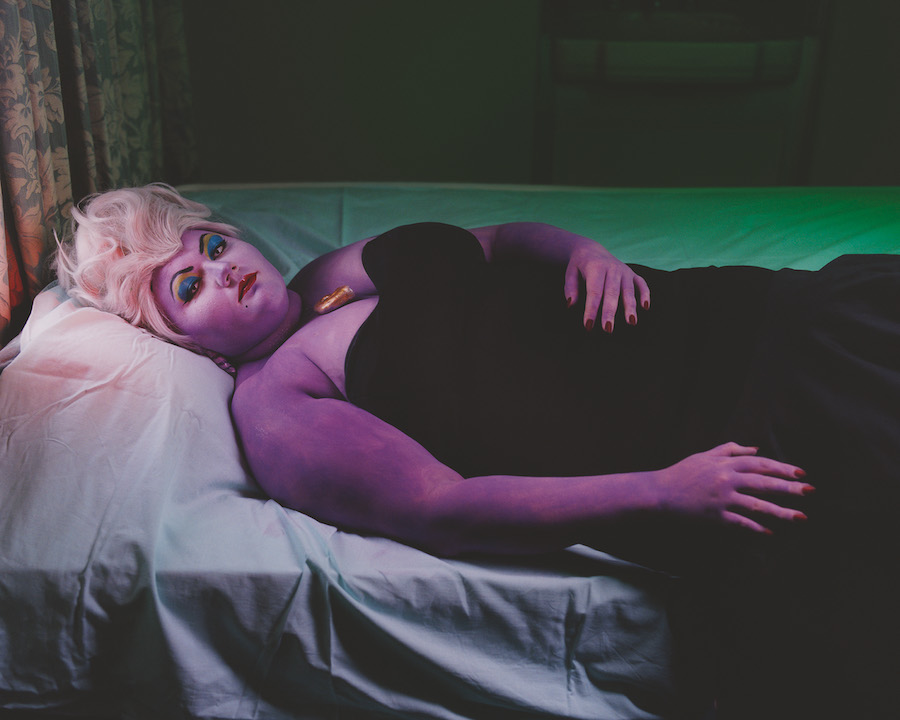
Ursula (The Little Mermaid), hospital receptionist: “My costume took about ten hours to make. I picked Ursula because I adored seeing some confident plus size representation in a Disney film, and it’s nice to try to embody that.”
Like those formative encounters with cosplayers in L.A. and London, the portraits that are made in front of backdrops that contrast with the costumes and characters. Many are taken within homes – a nod to the private, closed spaces where much of the subculture exists.
But through his time embedded in the scene, Redding found an underground yet hugely populous community. Despite being a fringe activity, the global cosplay market was estimated to be worth $4.62 billion USD in 2020, and is growing exponentially each year. “I didn’t realise just how close-knit the cosplay community is,” he says. “They all kind of know each other and really find a lot of solidarity in the community.
“There’s a lot of individual reasons [why people cosplay] – like loving a certain character, or just escaping a childhood of bullying,” he continues. “But I think the overall one was the sense of community it provides.”
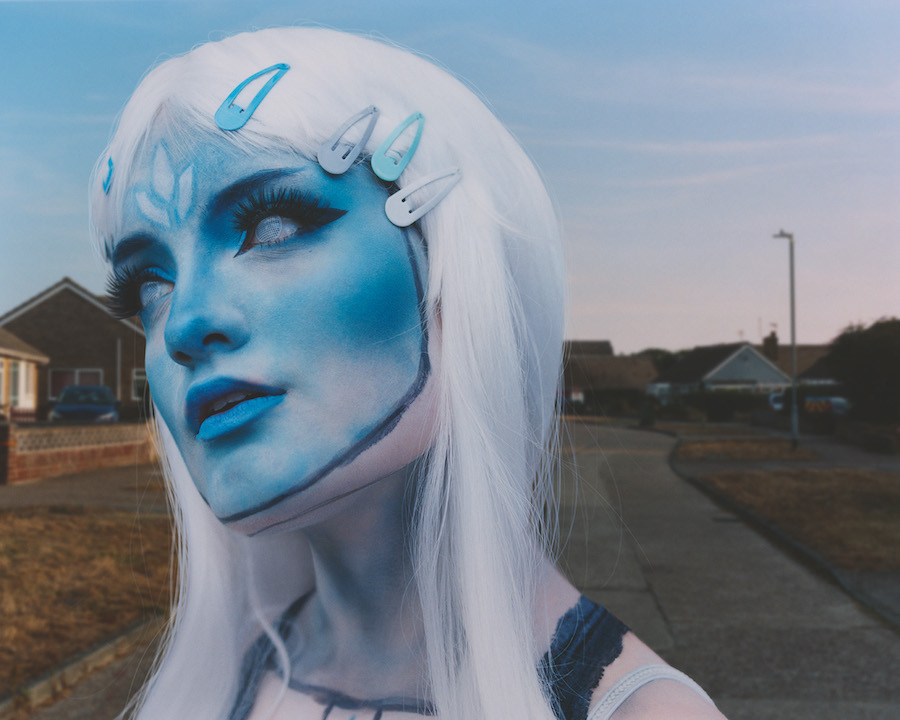
Echo (Overwatch), front of house theatre worker.
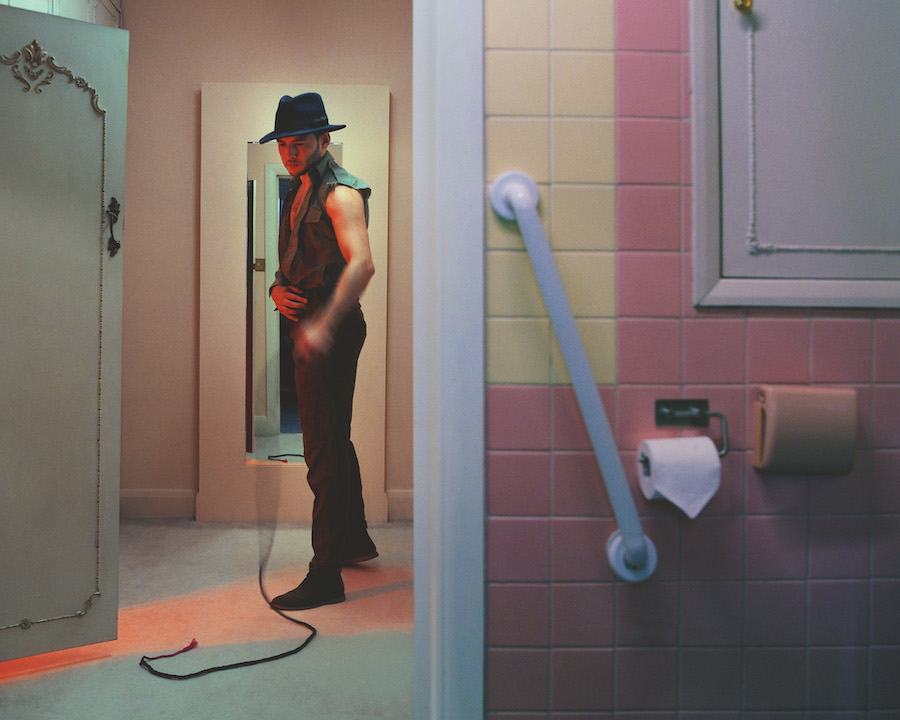
Indiana Jones, supermarket worker: “I started cosplaying because it gave me an outlet to channel my creative side and let me escape from my life for a brief moment.”
Kids of Cosplay by Thurstan Redding is published by Thames & Hudson.
Follow Isaac on Twitter.
Enjoyed this article? Like Huck on Facebook or follow us on Twitter.
You might like

The sharp rise of video game photography
Point, shoot — As the entertainment medium’s fidelity levels increase and developers build more powerful tools, a growing community of gamers are pushing the boundaries of image making in virtual worlds. Vicky Jessop meets people at the forefront of the emerging artform.

Joyous photos from the heart of the UK’s radical free festival movement
Common Grounds — The photographer has been capturing British counterculture for the past half century. A new exhibition looks at his archive sitting at the intersection of music, community and grassroots protest.

The lasting community legacy of a legendary Californian boxing gym
Moretón — Since opening in the ’80s, the Coachella Valley Boxing Club has trained multiple world champions, while providing a vital hub for local youth. In his new photobook, Darren Vargas documents its tight-knit, Chicano-led community, while also weaving a deeply personal story.

Inside the grunge golden age with Hole’s former bassist
My ’90s Rock Photographs — Melissa Auf der Maur’s new photobook is a sprawling visual memoir of her time at the heart of the US scene, from Tinker to The Smashing Pumpkins.

Introducing ‘The Chaos Isles’, a new photozine by Huck and Yushy
Normal Island — From unlicensed raves to the solstice at Stonehenge, furries to giant vegetable growers, Yushy is one of the UK’s best lensmen of its wild side. ‘The Chaos Isles’ will be sent out exclusively to Club Huck+ members.

Join Club Huck+ to get the most from Huck
Dispatches from the sharp edge of culture — Members get our print magazine, special photozines, The Huck Long Read newsletter, discounts from our friends and partners, digital versions of back issues and priority access to events.


