
A portrait of UK life on the edges of gentrification

When photographer Stephen Burridge was young, his father, then a London taxi driver, would often take him driving through the capital’s winding roads. Burridge remembers gazing out of the cab’s window with endless curiosity: “I just had this affinity with watching people on the streets and looking at their mannerisms,” he recalls.
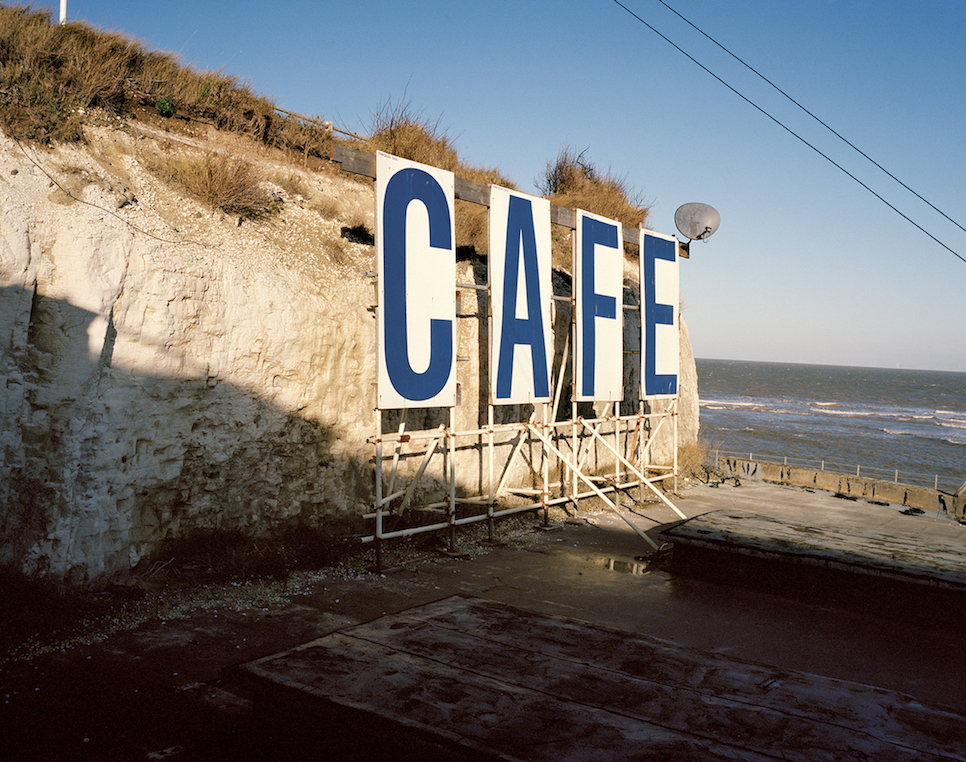
These journeys would grow into Burridge’s love of photographing the streets. “I continued but in a different aspect, with the camera instead of a taxi,” he says. Burridge has since spent much of his career capturing the UK’s diverse, primarily working-class neighbourhoods, among them Deptford in South London, Roman Road and Bethnal Green in East London, and the UK’s coastal regions of Blackpool and South Bay.
These photographs now form a series entitled Homegrown – a reference, Burridge says, to the “authentic, real approach” of being a Londoner photographing his own streets and integrating with the communities that comprise the project.
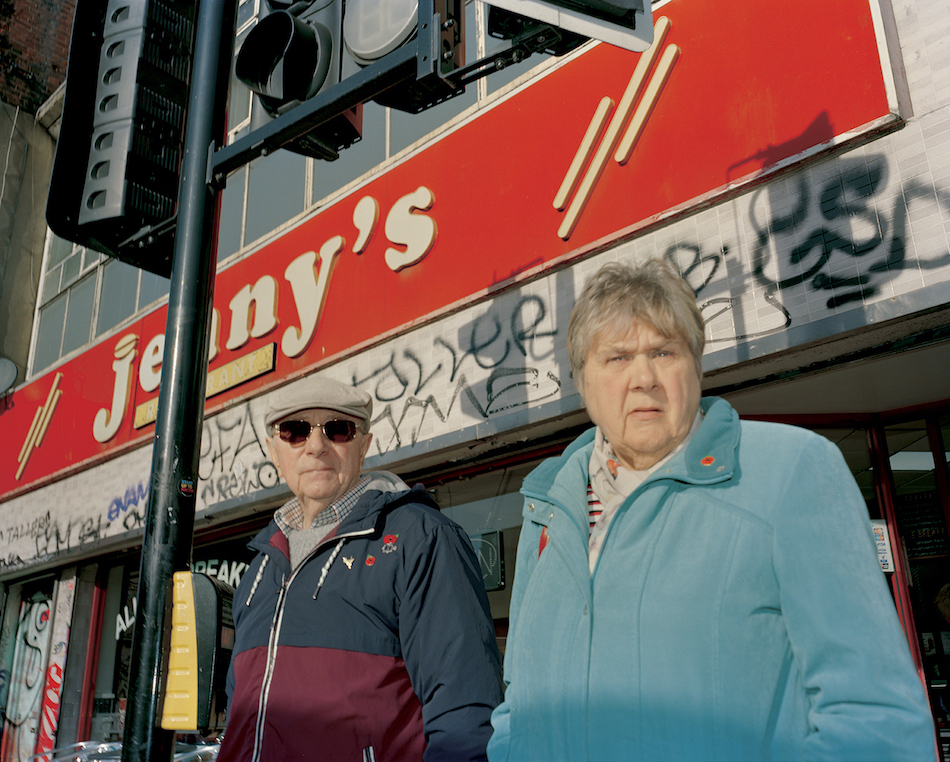
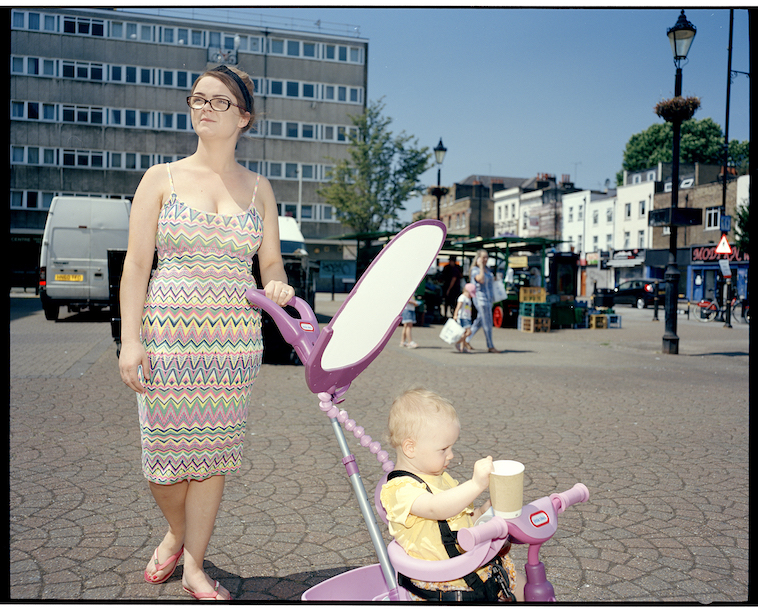
It was through photography that Burridge first became acquainted with Britain’s class system, and in this sense, his work has always had a political dimension. “It’s become a personal challenge of mine to break-down facades, to get close to the people in these communities and to show the individual characteristics of an area.”
Burridge speaks about his role as a photographer with a sense of duty – that being to preserve the memory of areas from the slow creep of gentrification. “The very purpose of gentrification is to take away the soul and life of an area, to commercialise it, and use it as a commodity,” he says. “To show the beauty of these misaligned areas – which are becoming few and far between – is an art form in itself.”
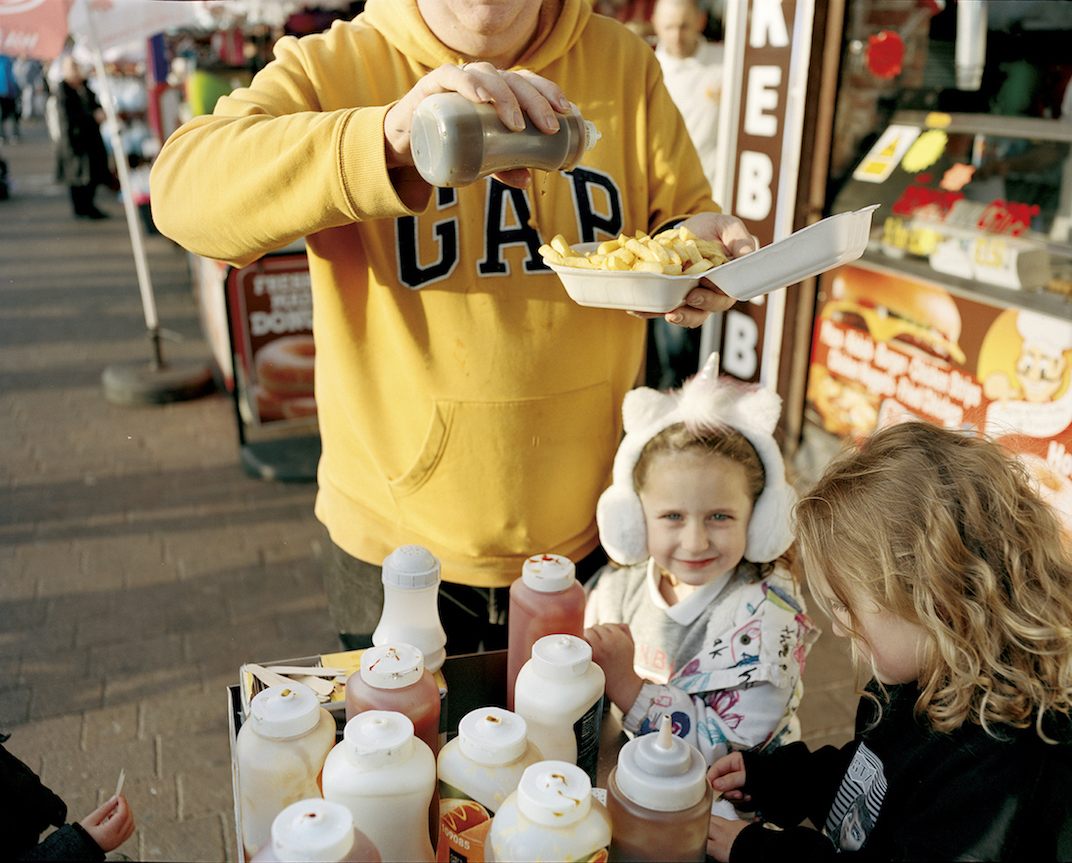
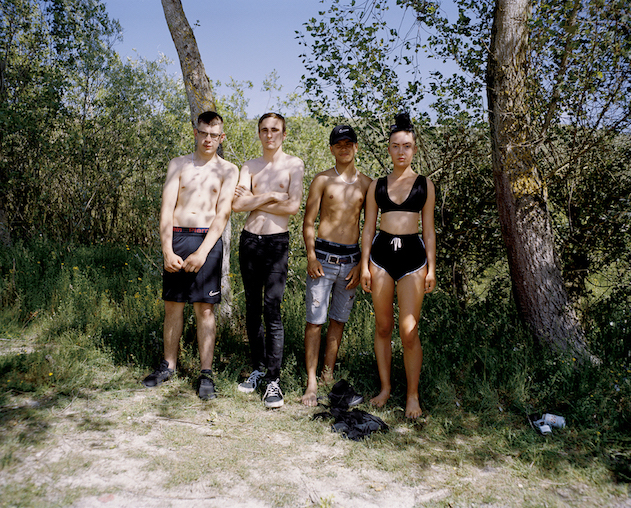
For this reason, he avoids shooting wealthier suburbs, which he describes as homogenised in their appearance. Instead, he chooses to document the “unconventional eloquence” of those existing on the margins of capitalism, whether it’s London’s bustling street markets or takeaways on the beachfront.
His photographs, he says, are a mixture of “semi-arranged” pictures, where he asks to shoot his subject, and “serendipity”, which involves waiting for the right moment to photograph a person without them knowing. It is these chance encounters, Burridge says, that allow for the “nuanced and brutal imagery” that has become a trademark of his work.
In the past, British documentary photography depicting the working classes has attracted criticism for its voyeurism and distance from the lived reality of its subjects. But Burridge’s work offers nuance, something he owes to his own background and compassion for the people behind his lens.
“I have close ties with these groups and I have a natural connection with them,” he says. “Instead of looking down on, I photograph in an intrinsically appreciative way.”


See more of Stephen Burridge’s work on his official website, and follow him on Instagram.
Enjoyed this article? Like Huck on Facebook or follow us on Twitter.
You might like

Ahilya Bamroo is Gen Z India’s authentic ambassador
Reel relatable — The influencer turned actor speaks about trolls, beauty standards and youth activism.

What went down at Huck’s 20th birthday party
84 issues and counting — We took over east London’s Jaguar Shoes with friends old and new to celebrate two decades and our new issue, with Tony Bontana taking the decks for a special set.

Photos of friends, lovers and afters in Berlin’s party scene
Dreams and How to Keep Them – Vincent Wechselberger’s new monograph documents a decade of hedonism in the German capital, and the people he met along the way.

Inside the Los Angeles scene kid revival
The Rawring ’20s — For the cover of Huck 84, photographer Alexis Gross and writer Anna Zanes meet the latest faces of scene, who are finding freedom to express themselves through its technicolour, unafraid aesthetic.

Introducing our new issue of Huck Magazine: It Starts With Us
Huck 84 — For our second 20th anniversary issue, we spotlight 20 people and groups providing the world with a hopeful future.

The sharp rise of video game photography
Point, shoot — As the entertainment medium’s fidelity levels increase and developers build more powerful tools, a growing community of gamers are pushing the boundaries of image making in virtual worlds. Vicky Jessop meets people at the forefront of the emerging artform.


