War and peace: What lockdown looks like in Afghanistan
- Text by Alistair Klinkenberg
- Photography by Andrew Quilty

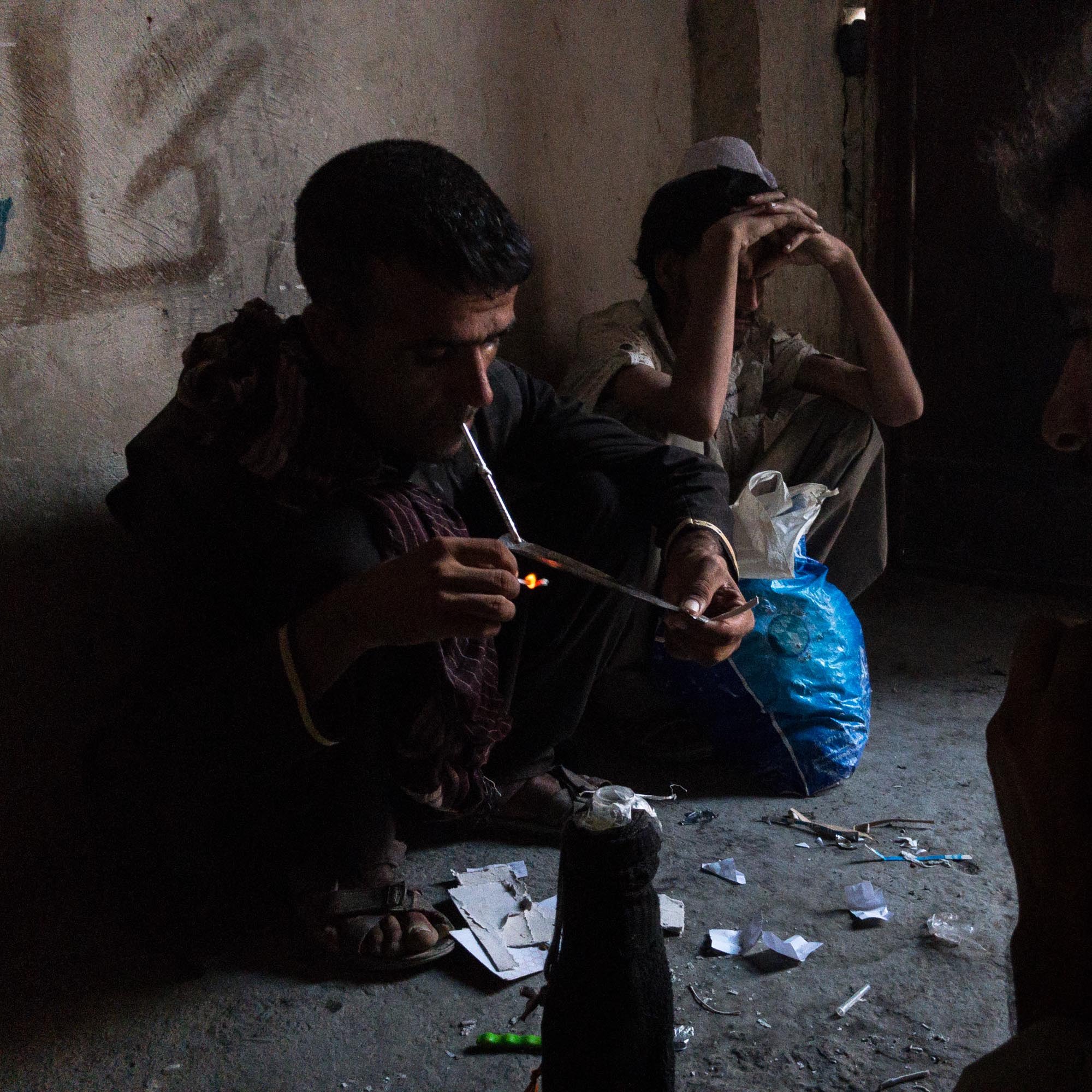
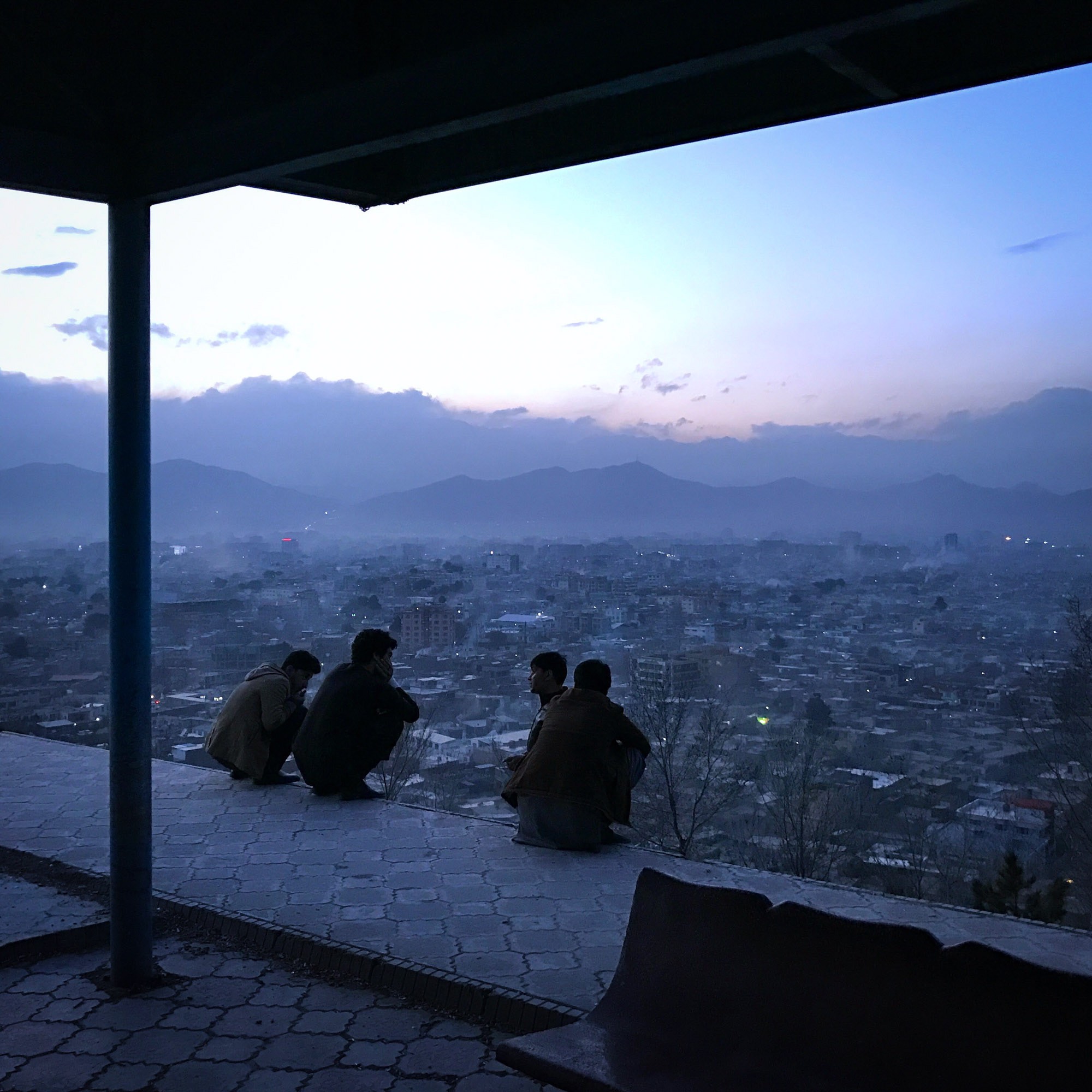
“A picture speaks a thousand words” is one of the more farcical clichés bouncing around the modern lexicon. Apart from being insulting to photo-and-regular journalists alike, it’s both impossible and improbable. “I’m an advocate of pictures accompanied by words,” says award-winning photojournalist Andrew Quilty. “Especially in a place like here where the people viewing the photos are often naive to the context.”
“Here” is Afghanistan. Kabul, to be exact. Australian born Quilty, a budding photojournalist at the time, went to the Afghan capital seven years ago to “check it out” and never left, gradually progressing from promising snapper, to winning Gold Walkleys and shooting covers for revered titles like Time magazine.
Quilty also works with text. Moving to Afghanistan coincided with the photojournalist developing his Instagram feed as a means of straight reporting, pairing photos taken on his iPhone whilst out on assignment (DSLR around his neck) with in-depth captions detailing events, history and context. He credits this as gently steering him towards becoming a total journalist, rather than someone merely hunting for that one, striking frame.
“It’s here that I really started finding worth in my photography, but I started to realise that my photos would be more meaningful accompanied by words,” Andrew tells me on a rickety line from his empty share house in Kabul. “Providing those words requires the photographer to learn, study and read, and understand. So it was probably a natural development.”


While Covid-19 whipped the world into uncertainty, for Quilty – an immigrant living in a war-torn country with little medical resources – the unknown was panic-inducing. And he’s someone who’s used to bombs detonating on a regular basis. “To be honest I was kind of shitting myself,” he says. “I really didn’t know what to do.”
“When the pandemic kicked off in Iran, 250,000 Afghans – mostly young, unskilled labourers – came flocking back across the border to Herat because they’re notoriously badly treated in Iran, and knew they’d get no medical assistance,” he explains. “The healthcare system in Afghanistan is desperate at the best of times, the police force pretty ineffectual, and there’s a war going on. They calculated there could be as many as 250,000 deaths in Kabul alone!”
Quilty was faced with the decision of staying and seeing (plus documenting) how the virus progressed through his adopted home, or drop it all and return to Sydney: “My biggest fear was that it was going to turn into civil unrest and the health system and government would be totally overwhelmed and that there’d be bodies piling up in the streets.”


The photojournalist chose to stay in Afghanistan, and explains in hindsight that his purchasing of $500 worth of rations, 400 litres of drinking water, a sack of flour and planting a vegetable patch in his backyard was, ultimately, overkill. “The way it all transpired was relatively civilised, despite the desperation for a lot of people here,” he says. We joke about the fact that while many in the western world were doing similar – planting permaculture gardens and baking bread – he was doing so for different reasons. And, like plenty of people forced to take a step back from the frantic pace of their regular lives, he enjoyed the more analogue pace that lockdown afforded.
“I really enjoyed the slower pace of work,” Quilty tells me. “The work that I did have I could spend a few hours on each day at a time of my choosing, rather than working until I can’t keep my eyes open. And for the first time in a number of years getting into a healthy routine, eating well and exercising.”
Asking people “what’s next?” at a time like this prompts uncertain answers. But for Quilty, uncertainty’s become a way of life, and it’s something he’s going to continue to roll with.
“Kabul’s the place that I’ve come to feel at home, probably never more so than ever in the last couple of months where I’ve actually been able to enjoy the routine of a home life,” he says. “So I don’t really have an answer, I wish I did. But I’ve also tried to stop worrying about it. I’ve never been much of a planner. I didn’t plan to come here, and it’ll probably be something out of my control that sees me leave.”
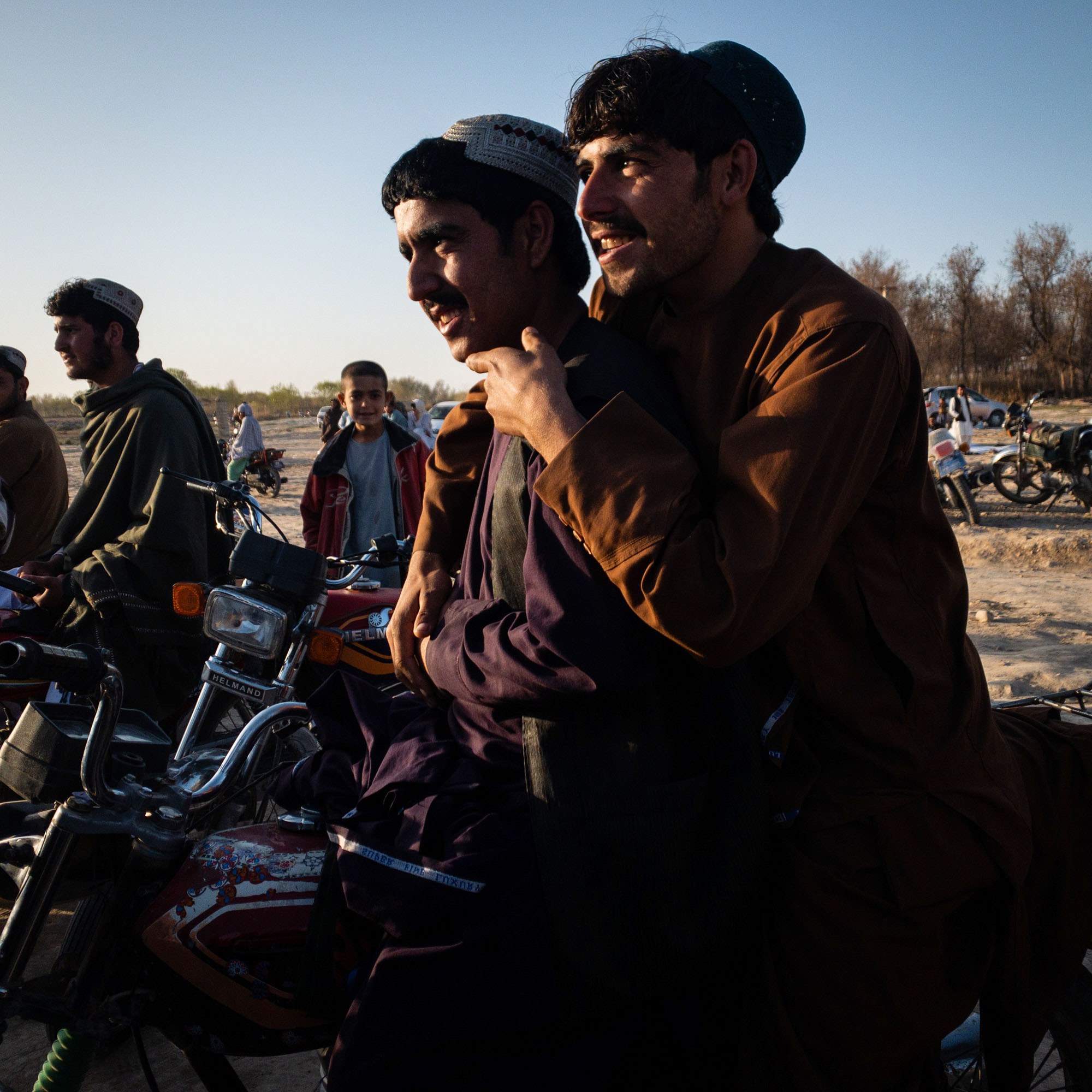
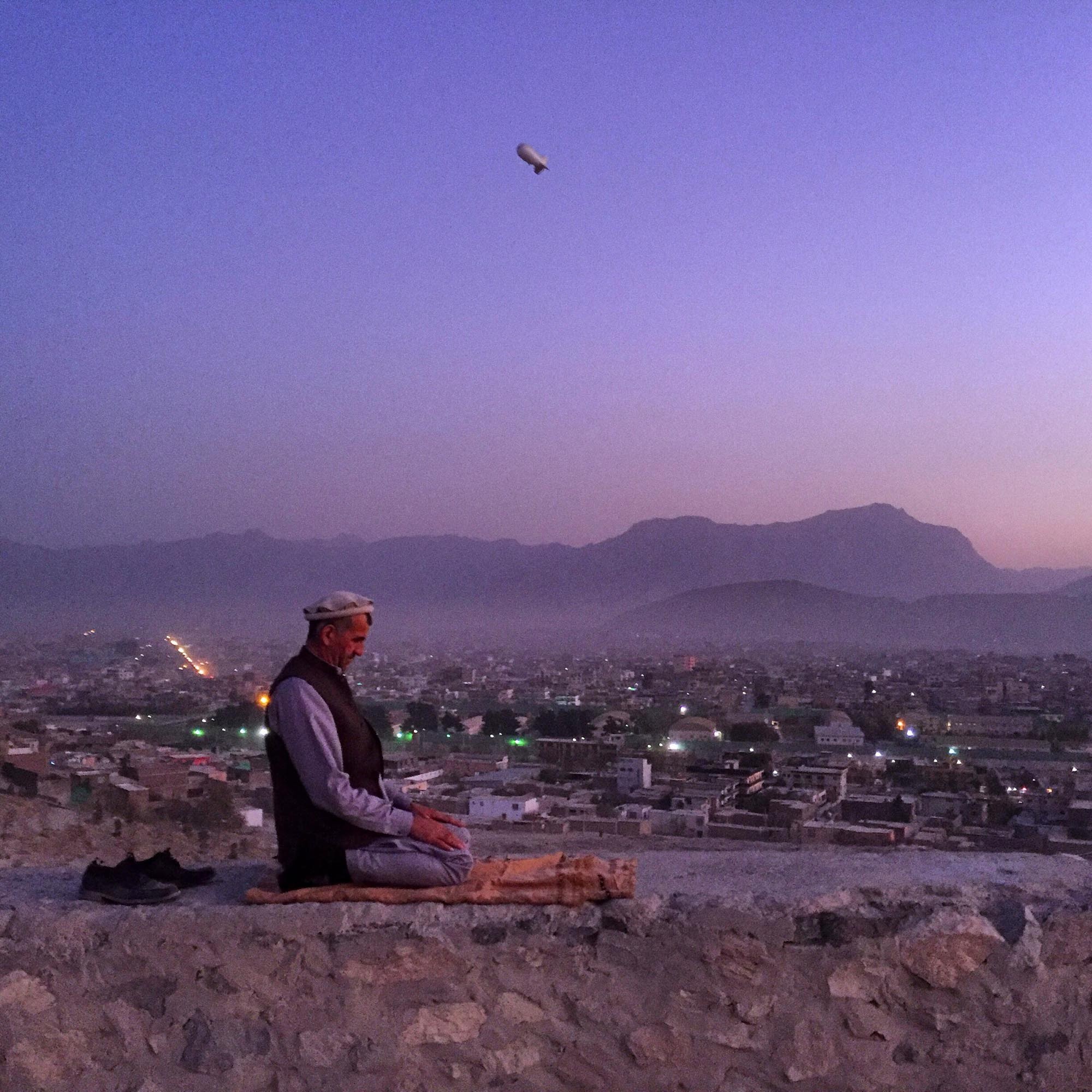
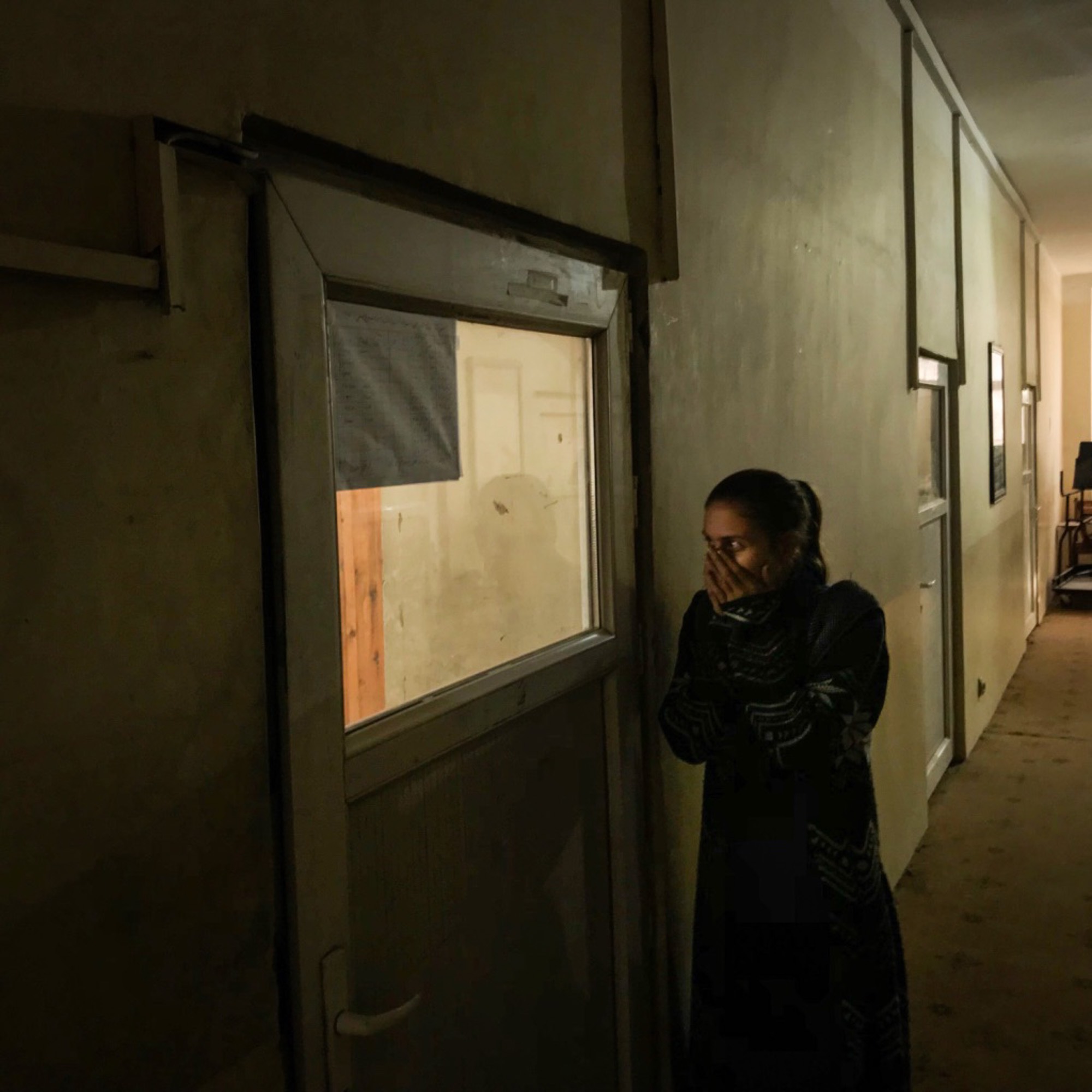
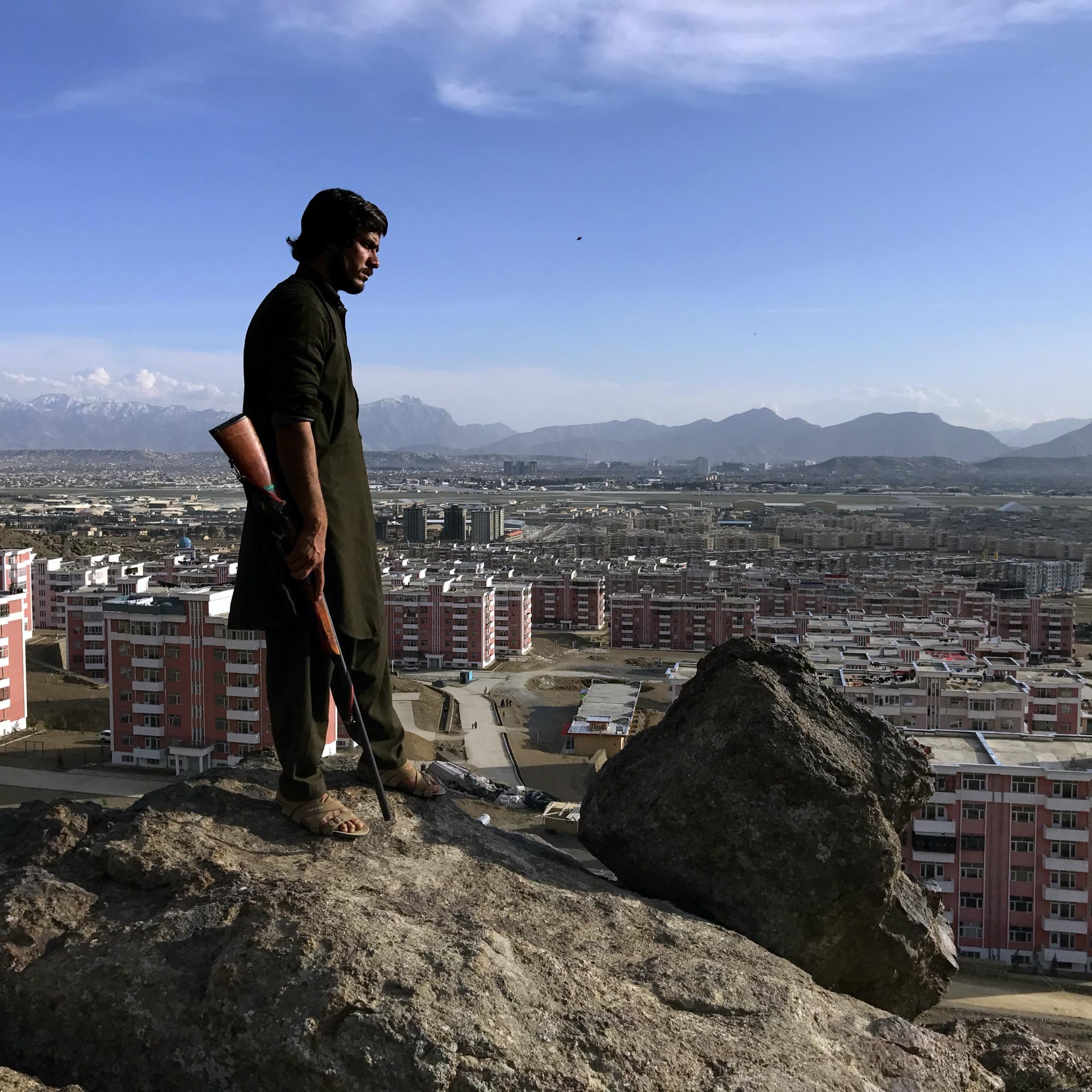
See more of Andrew Quilty’s work on his official website, or follow him on Instagram.
Enjoyed this article? Like Huck on Facebook or follow us on Twitter.
You might like

The art of paying attention: How Austria’s Alps reward slowing down
Lebensgefühl — With a growing movement of art and music rooted in the area’s mountains, trees and waterfalls, the region is showcasing the importance of the human relationship to nature.
Written by: Sophie Lou Wilson

Grainy, yearning memories of Europe’s ’90s free rave heyday
Never Alone — A new photobook from Cheyenne Clementi and Valentina Morandi presents pictures they made over seven years while touring the continent as part of the Tekno Mobil Squad soundsystem crew. It archives parties, people and a lifestyle largely consigned to the past.
Written by: Isaac Muk

Queer resistance & sun-soaked solidarity at the world’s largest trans pride march
Our Future, Our Fight — Over the weekend, over 150,000 people marched at the London Trans+ Pride, with the parade ending at Trafalgar Square for the first time in history.
Written by: Ella Glossop

In photos: Black Texas life since emancipation
Kinship & Community — A new photobook and exhibition showcases the rich culture, history and community of African American folks in the Lone Star State, whose existence in the region predates colonial Britain.
Written by: Miss Rosen

Youthful joy & end-of-era poignancy at a London school prom
Leavers — For several years, Lewis Khan documented young people as they celebrated the last of their school days and the completion of their exams. The series is now collated in a new self-published photobook and short film.
Written by: Zoe Whitfield

Harry Gruyaert’s vintage, kaleidoscopic scenes of New York
A Sense of Place — For 50 years, the Belgian photographer and Magnum Photos member has been capturing NYC’s colourful chaos. A new photobook and exhibition showcase his unique, technicolour view of the city.
Written by: Miss Rosen


