Remembering the incredible women of America’s last crusade
- Text by Miss Rosen
- Photography by Jill Freedman

On April 4, 1967, Dr. Martin Luther King Jr. delivered a speech titled “Beyond Vietnam” at Riverside Church in New York City. Turning the focus from civil rights to human rights, he called for an end to the war, and renewed focus on fighting the enemies within the United States borders: poverty, injustice, and insecurity. One year later, to the day, he was assassinated – a crime for which the US government was finally found guilty in a court of law in 1999.
In the final month of his life, Dr. King called for a national demonstration that would “confront the power structure massively.” Following his death, “The Last Crusade” went forward, and 3,000 people came from across the land to set up a camp called “Resurrection City” on the Washington Mall. They lived in wooden shanties that stood for six weeks in 1968.
The Poor People’s Campaign, as it was officially known, was organised to draw attention to the poverty affecting people of all ethnicities in the United States. “They murdered Dr. King and I was furious,” photographer Jill Freedman remembers. “I had to go.”
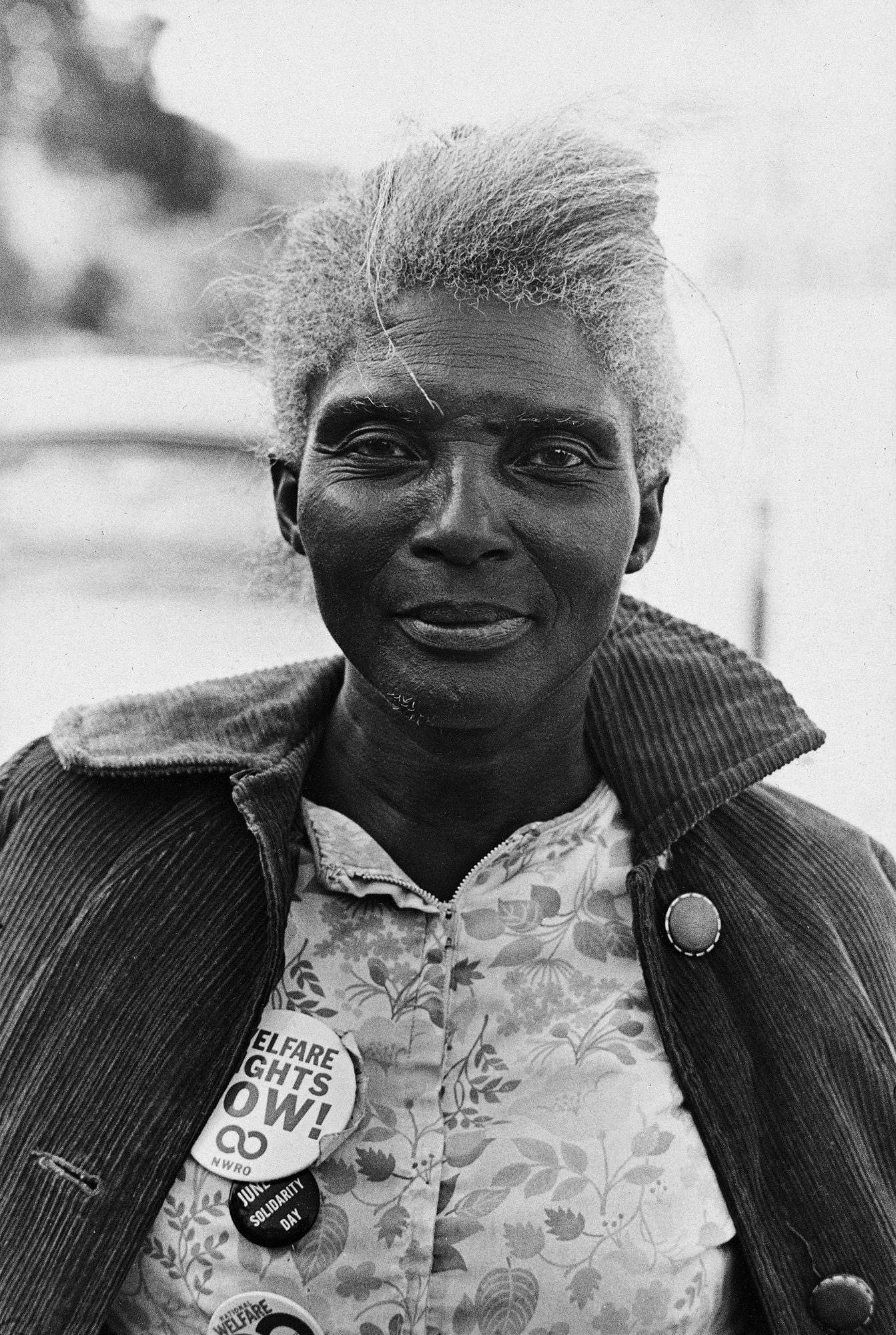
Resurrection City, 1968. Courtesy Steven Kasher Gallery, New York
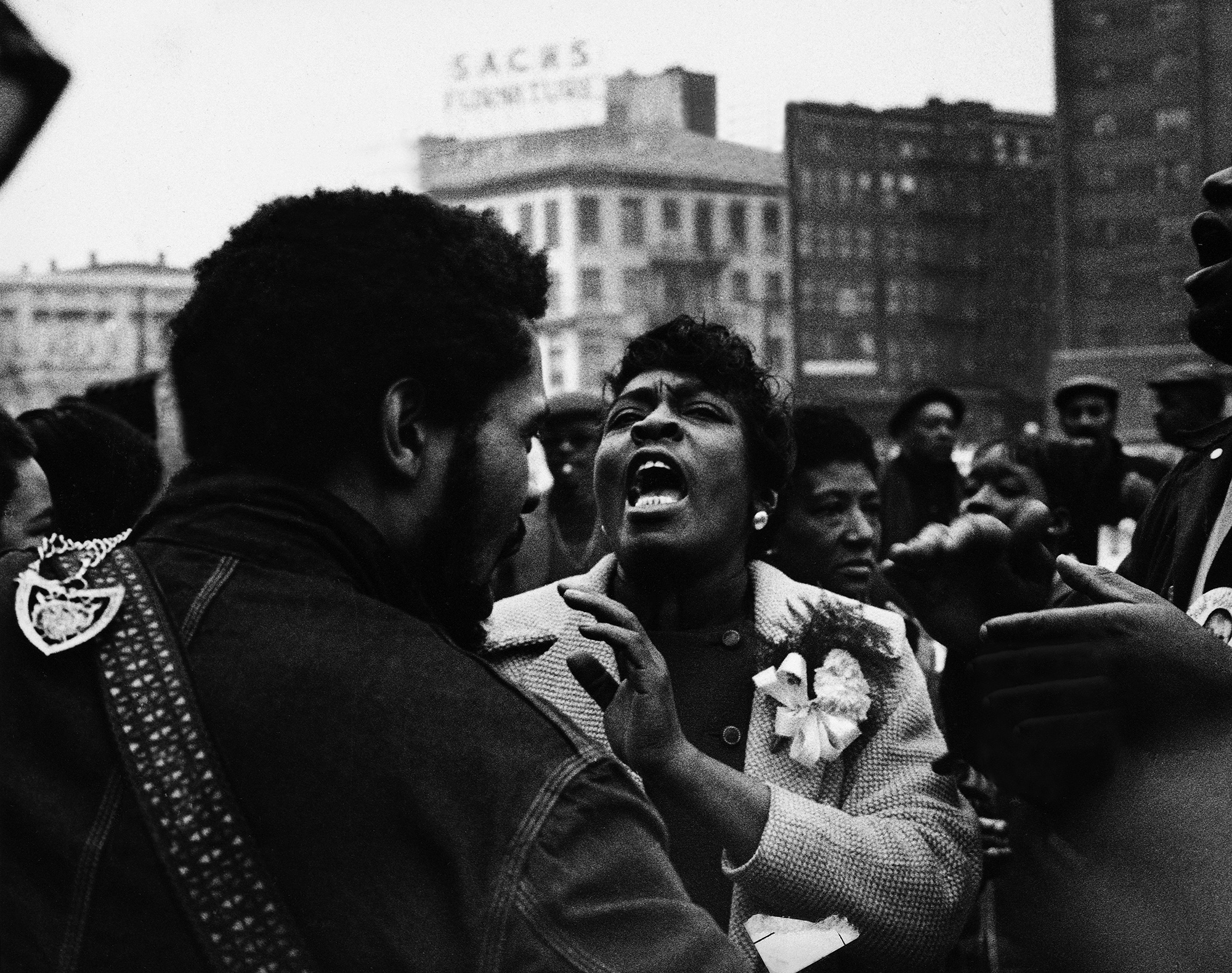
Resurrection City, 1968. Courtesy Steven Kasher Gallery, New York
A self-taught photographer at the very start of her career, Freedman quit her job as a copywriter at an advertising agency, rolled up 100 feet of Tri-X film into cartridges, and headed down to DC. She lived in the camp from start to finish.
Her work, which was first published in 1970, has just been re-released by Damiani as Resurrection City, 1968, in conjunction with an exhibition at Steven Kasher Gallery, New York (October 26 – December 22, 2017).
At the heart of the movement were the women, who held the camps down and marched on the frontline, where they were subject to arrests and police brutality. “Women were the backbone. You look at the strength of those old ladies from Mississippi – holy shit!” Freedman recalls. “It was very fucking rough. It rained every day and it was freezing. When it stopped raining, it became a swamp and was a million degrees out. I never thought of it as joining the movement so much as documenting what was going on. I was there to do what I thought of as a job.”
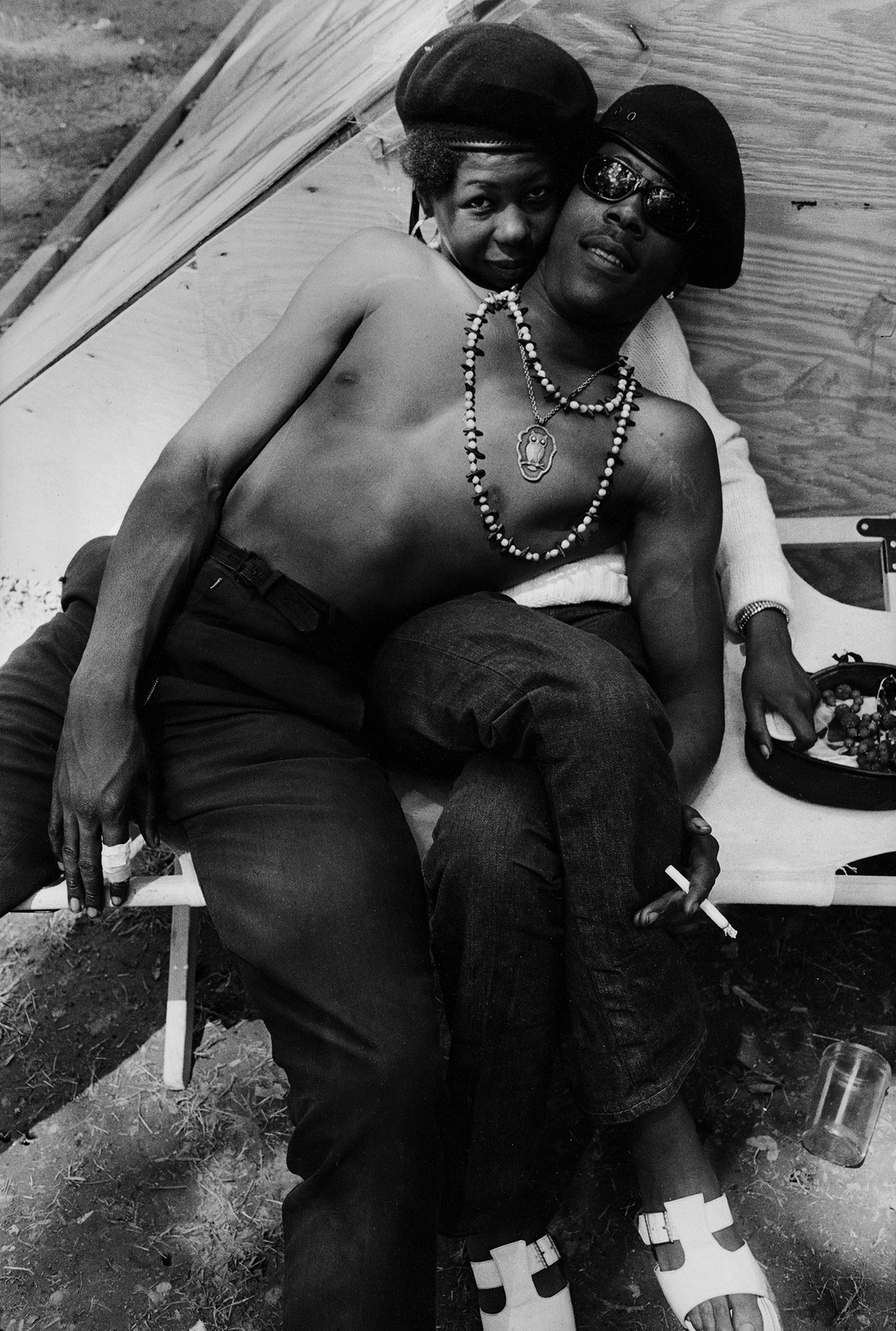
Resurrection City, 1968. Courtesy Steven Kasher Gallery, New York
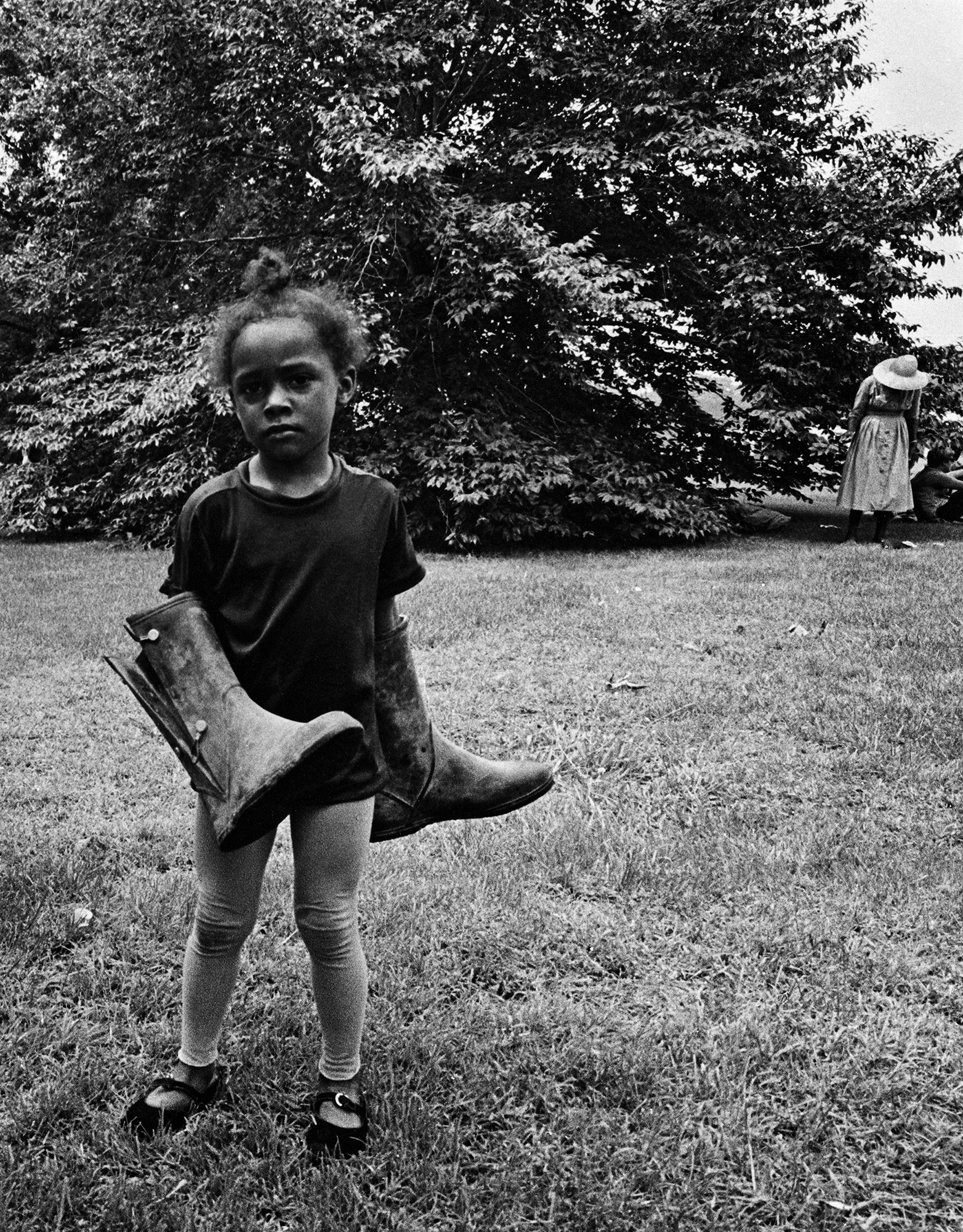
Resurrection City, 1968. Courtesy Steven Kasher Gallery, New York
That job required Freedman to create a portrait of the people as they were, avoiding the clichés that focused on celebrity sightings and power moves in the wake of Dr. King’s death. In Freedman’s work, there are no stereotypes – just people who chose to live in abject poverty on the nation’s stage.
“The daily job was to make yourself seen and demonstrate,” Freedman recalls. “No more invisible poor was the idea of the campaign. It was all demands: the right to have food, education, housing, and medical attention. That’s why Dr. King was killed. Now he was a threat.”
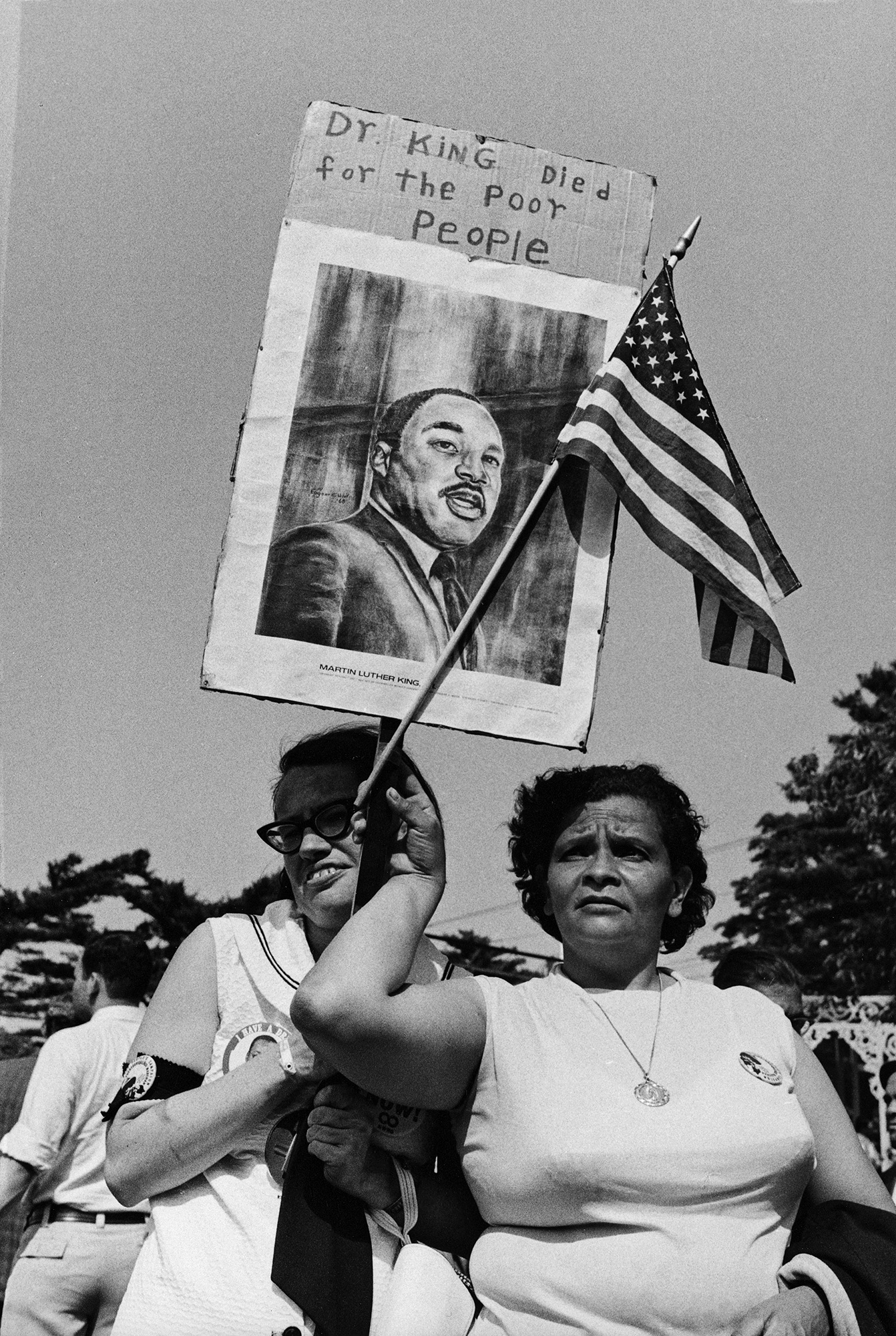
Resurrection City, 1968. Courtesy Steven Kasher Gallery, New York
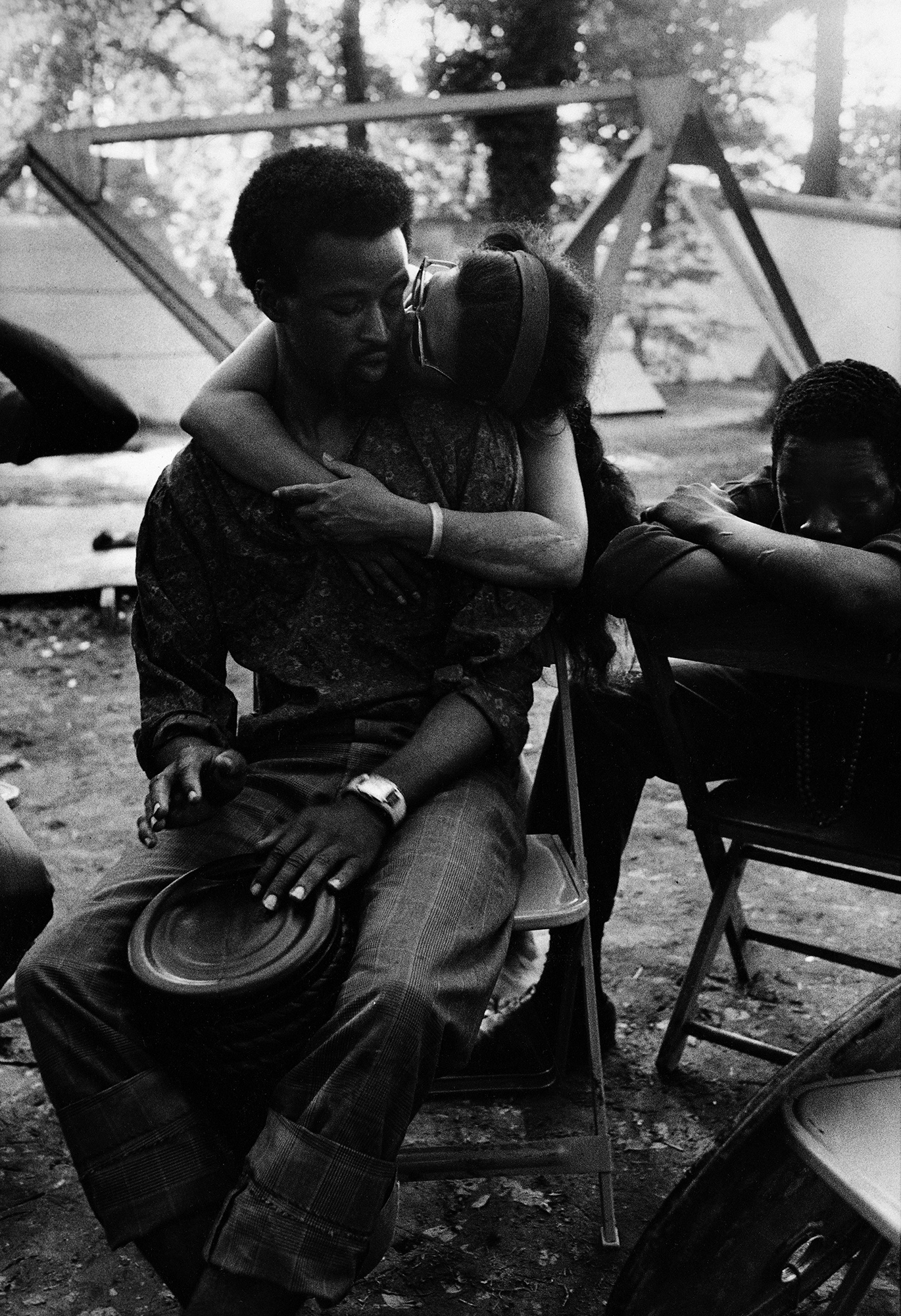
Resurrection City, 1968. Courtesy Steven Kasher Gallery, New York
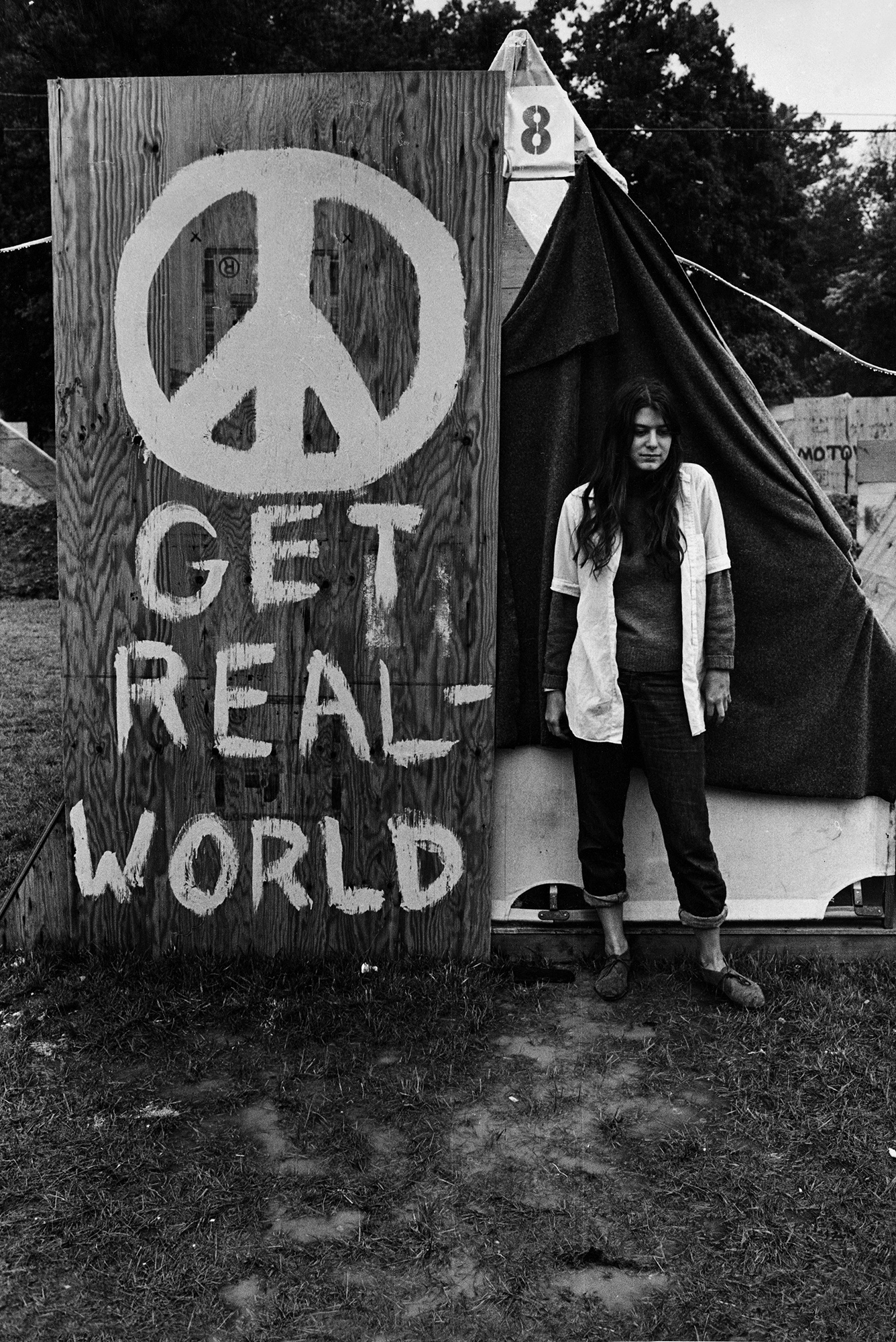
Resurrection City, 1968. Courtesy Steven Kasher Gallery, New York
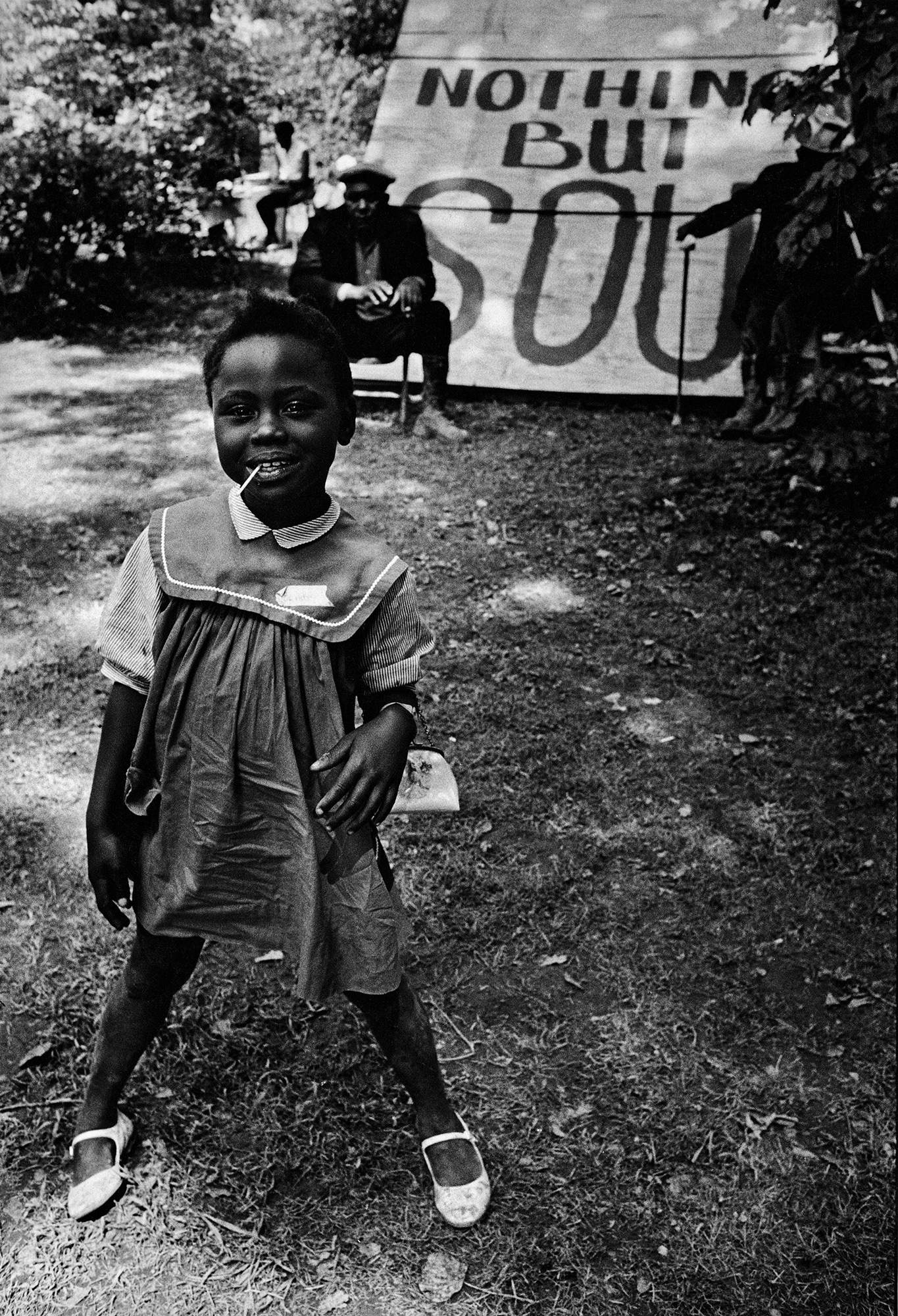
Resurrection City, 1968. Courtesy Steven Kasher Gallery, New York
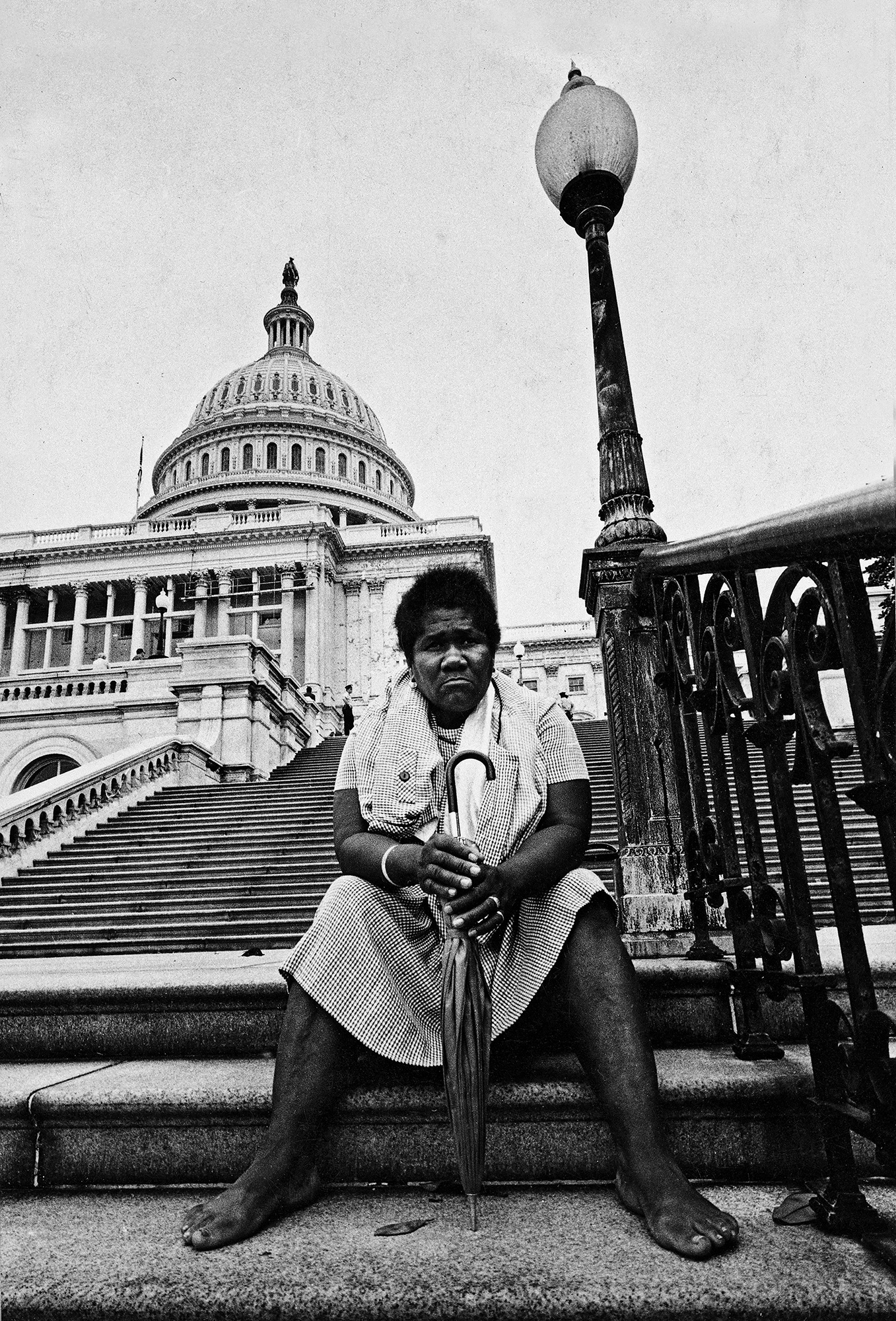
Resurrection City, 1968. Courtesy Steven Kasher Gallery, New York
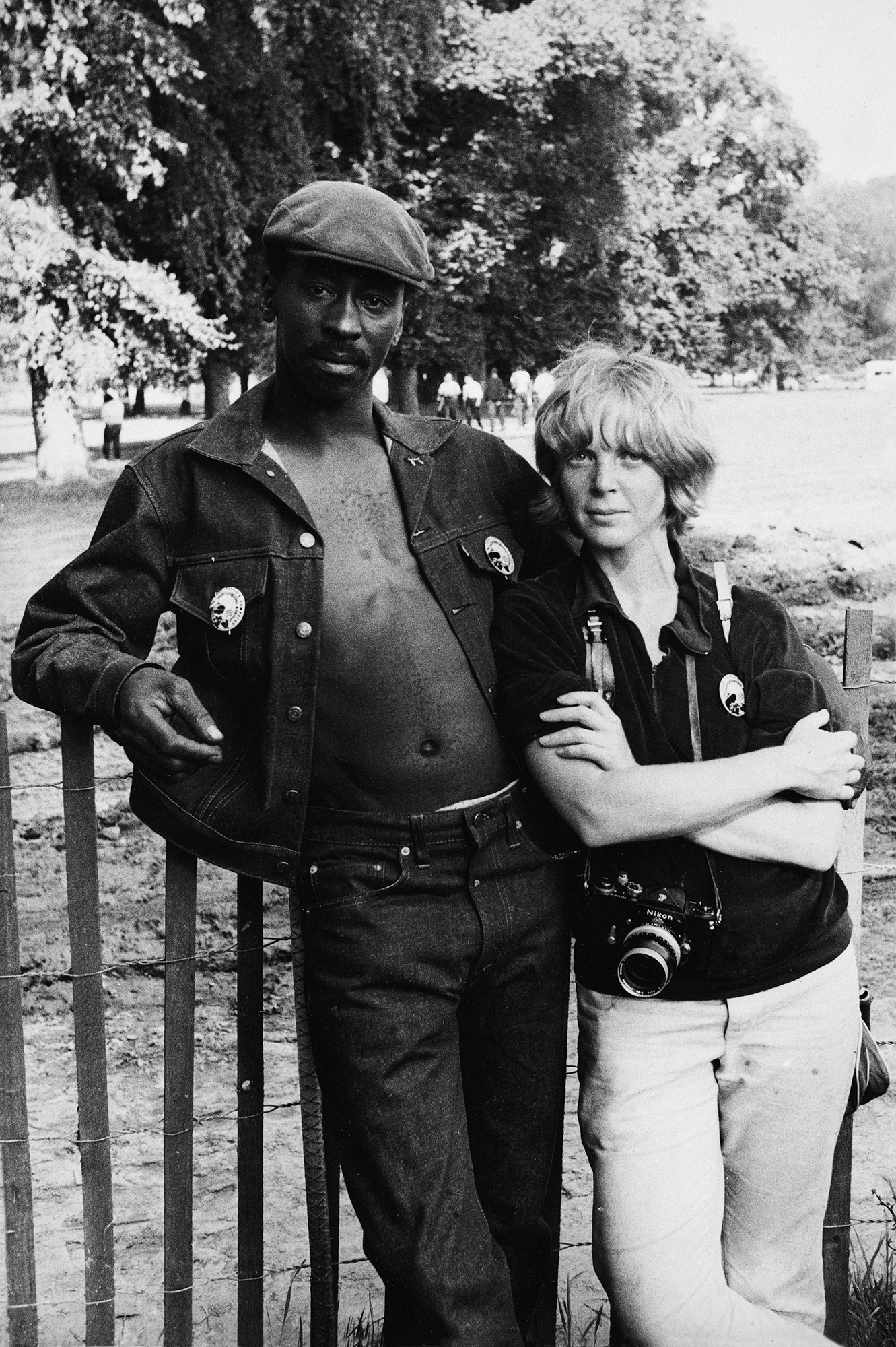
Resurrection City, 1968. Courtesy Steven Kasher Gallery, New York
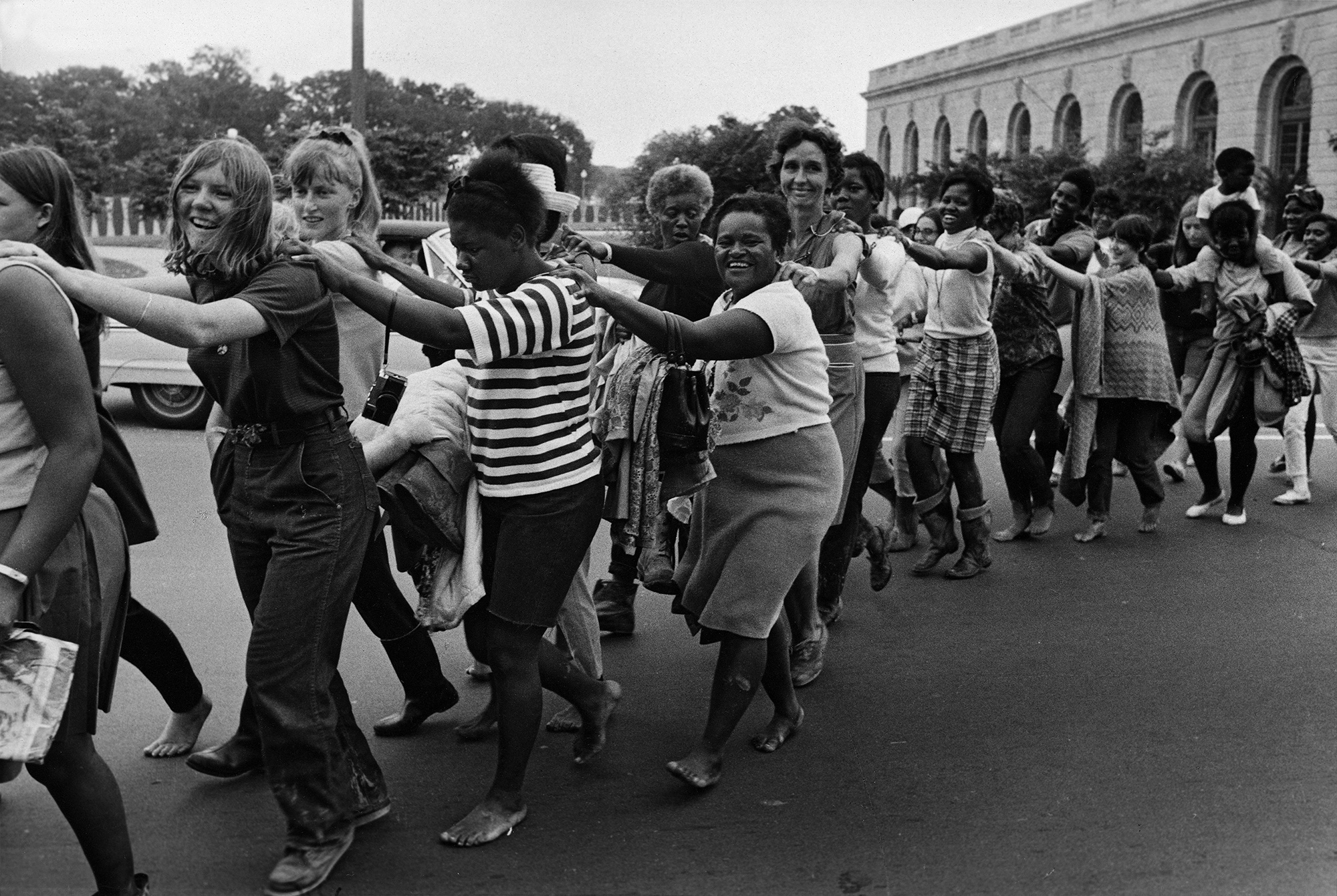
Resurrection City, 1968. Courtesy Steven Kasher Gallery, New York
Resurrection City, 1968 is out now on Damiani, and on display at New York’s Steven Kasher Gallery until December 22.
Follow Miss Rosen on Twitter.
Enjoyed this article? Like Huck on Facebook or follow us on Twitter.
You might like

As salmon farming booms, Icelanders size up an existential threat
Seyðisfjörður — The industry has seen huge growth in recent years, with millions of fish being farmed in the Atlantic Ocean. But who benefits from its commercial success, and what does it mean for the ocean? Phil Young ventures to the remote country to find out.
Written by: Phil Young

How Japan revolutionised art & photography in the ’60s and ’70s
From Angura to Provoke — A new photobook chronicles the radical avant-garde scene of the postwar period, whose subversion of the medium of image making remains shocking and groundbreaking to this day.
Written by: Miss Rosen

Artifaxing: “We’ve become so addicted to these supercomputers in our hands”
Framing the future — Predominantly publishing on Instagram and X, the account is one of social media’s most prominent archiving pages. We caught up with the mysterious figure behind it to chat about the internet’s past, present and future, finding inspiration and art in the age of AI.
Written by: Isaac Muk

The lacerating catharsis of body suspension in Hong Kong
Self-Ferrying — In one of the world’s most densely packed cities, an underground group of young people are piercing their skin and hanging their bodies with hooks in a shocking exploration of pain and pleasure. Sophie Liu goes to a session to understand why they partake in the extreme underground practice.
Written by: Sophie Liu

What we’re excited for at SXSW 2026
Austin 40 — For the festival’s 40th anniversary edition, we are heading to Texas to join one of the biggest global meetups of the year. We’ve selected a few things to highlight on your schedules.
Written by: Huck

Activists hack London billboards to call out big tech harm
Tax Big Tech: With UK youth mental health services under strain, guerrilla billboards across the capital accuse social media companies of profiting from a growing crisis.
Written by: Ella Glossop


