Photos capturing the changing face of Northern England
- Text by Gilda Bruno
- Photography by Sirkka-Liisa Konttinen

Sirkka-Liisa Konttinen’s candid snapshots of life in Northern England are filled with emotion. Transporting viewers to an England that is no more, they serve both as historic documents and poetic meditations on the changing face of the North.
Born in Myllykoski, a paper mill town in Southern Finland, in 1948, Konttinen first came to Britain in the 1960s to study filmmaking at London’s Regent Street Polytechnic. In 1969, alongside fellow students, Konttinen cofounded the Amber Film & Photography Collective – a creative powerhouse with the goal of “living, working and documenting life in the North East of England across photographs and films”.
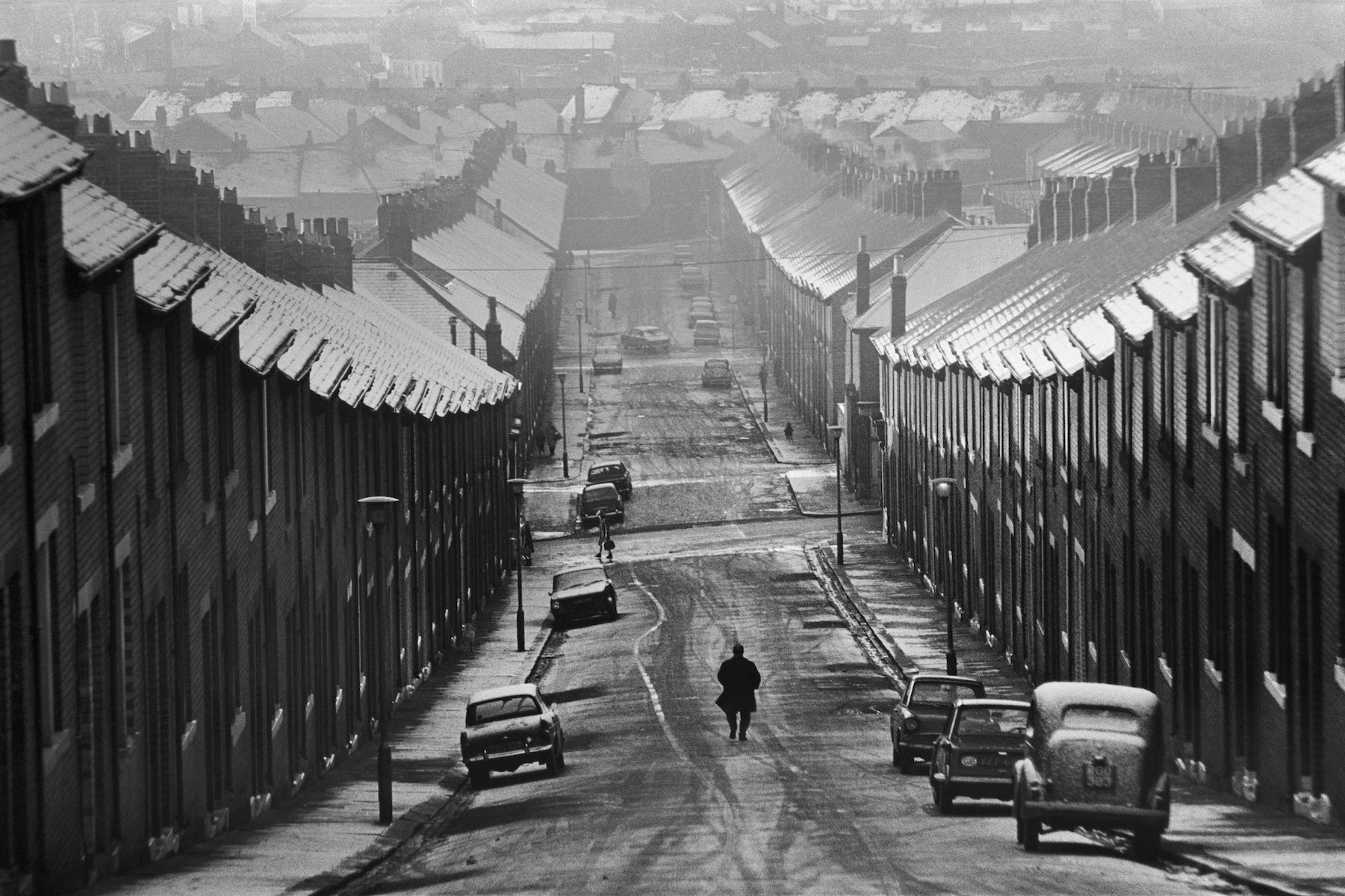
Based in Newcastle upon Tyne ever since, for more than half a century, Konttinen has dedicated herself to capturing the community around her – from the socially-disruptive redevelopment of Newcastle’s East End to the joyful, free-spirited atmosphere of the local coast – in collaboration with the collective. A selection of these photographs are brought together in Tate Photography: Sirkka-Liisa Konttinen – a new book reviving two of her most acclaimed photographic series, Byker (1969-1983) and Writing in the Sand (1978-1998).
Published by Tate Publishing, the volume juxtaposes Konttinen’s documentation of Byker’s evolution over 12 years with her moving portrayal of life and leisure on the North East Coast of England. Drawing on the differences between these two bodies of work, the book provides readers with a nuanced, compelling look at Northern England and the people that inhabited it.
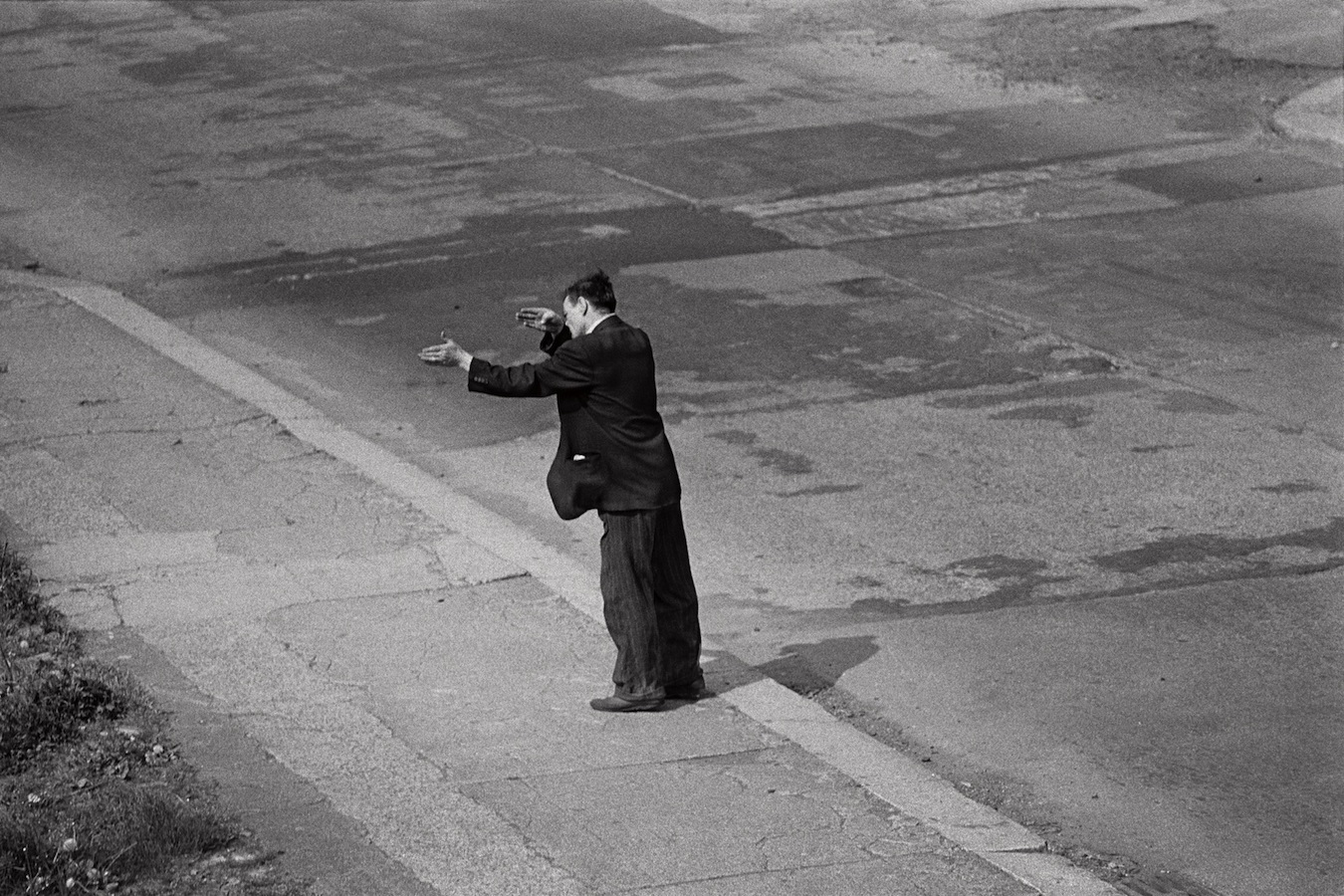
“Byker’s working-class community in Newcastle embraced me with such warmth and humour I knew immediately that this would be my home,” Konttinen says retracing her early memories of the industrial North. “It was the first place that welcomed me right after leaving London; my home for seven years till the whole neighbourhood of Victorian terraced streets was demolished to make way for the Byker Wall estate. People were being moved out and by 1976, when my street came down, all my neighbours had gone. It was the destruction of the local community.”
Condemned as unfit for human habitation in 1953, the original homes were replaced by a 620-maisonettes block designed by architect Ralph Erskine. Though initially intended to rehouse local residents, only 20 per cent of those who used to live in the area were housed by the new complex following its completion in 1982.
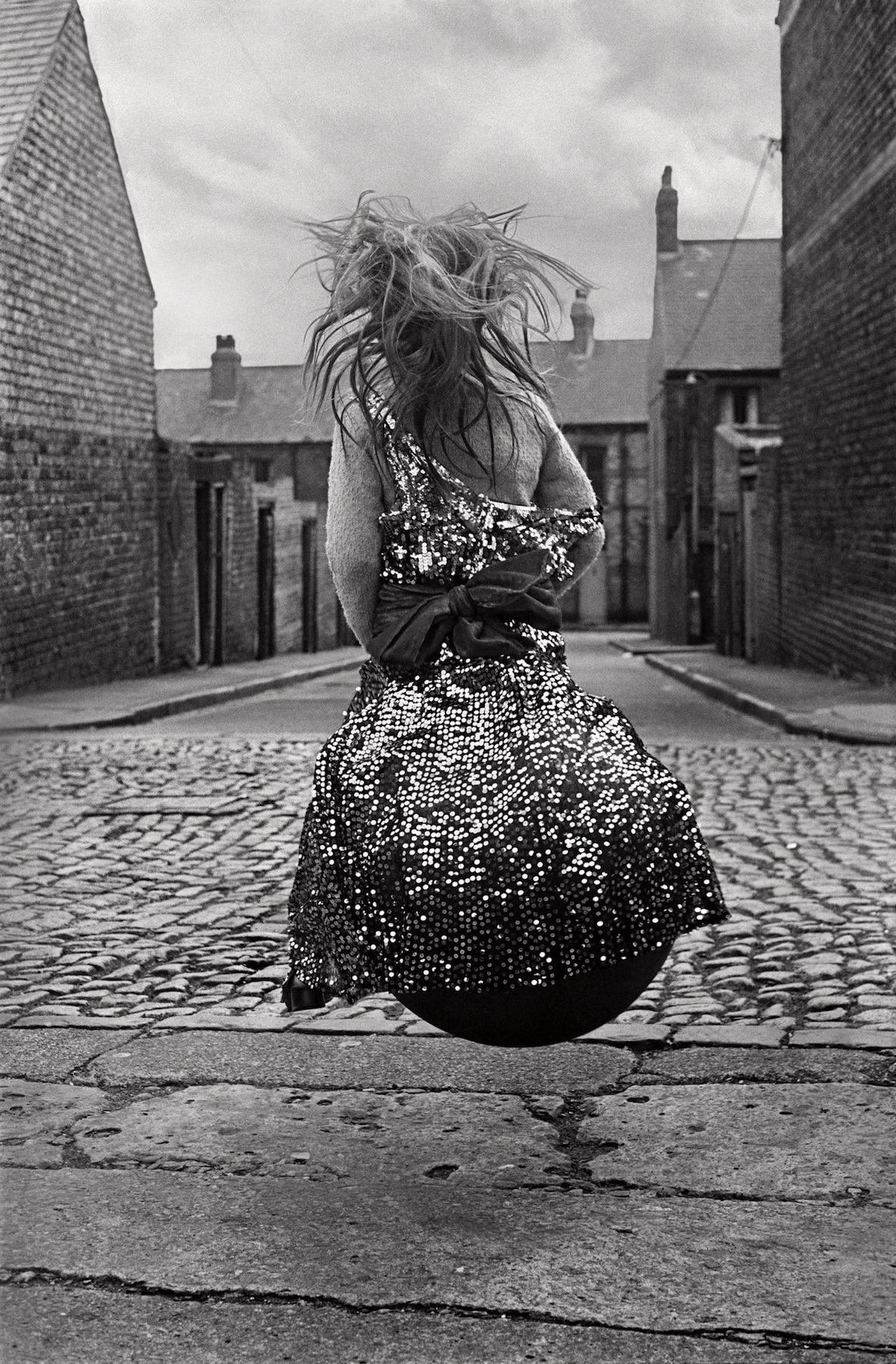
“It was the vibrant life of this neighbourhood that impelled me to return to photography, which had been my first love long before discovering filmmaking,” Konttinen says. She adds that the common thread in all her work is the resilience of communities.
“Writing in the Sand spanned several years, as the coast was where we went from Byker and surrounding areas for a good day out,” says Konttinen of the other series featured in the book. “The beaches are common ground, free for all kinds of spontaneous communality. A place for freedom and leisure, they awaken the child in the toughest of city dwellers.”
Photography, films and public initiatives that she created with the Amber Collective – including their 1977-launched Side Gallery – continuously allow her to engage with the North East communities, and the changing world around her. “Amber has made over 40 feature films and documentaries based in the North East of England, which together with my photography were inscribed in the UNESCO UK Memory of the World Register in 2011,” says Konttinen. “I am humbled by how the communities have taken ownership of my work and hope that people will treasure any aspect of it that is relevant to them today.”
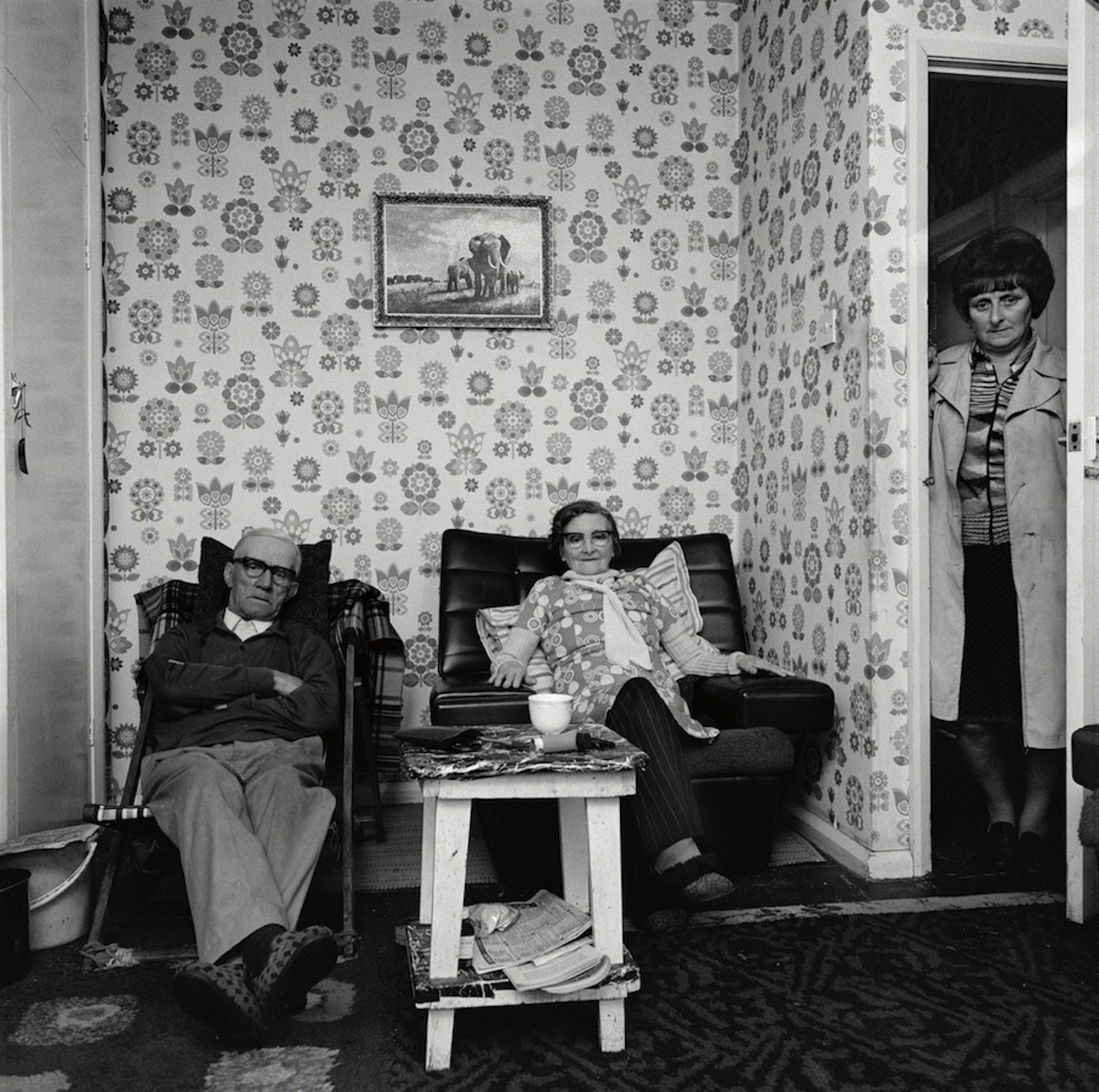
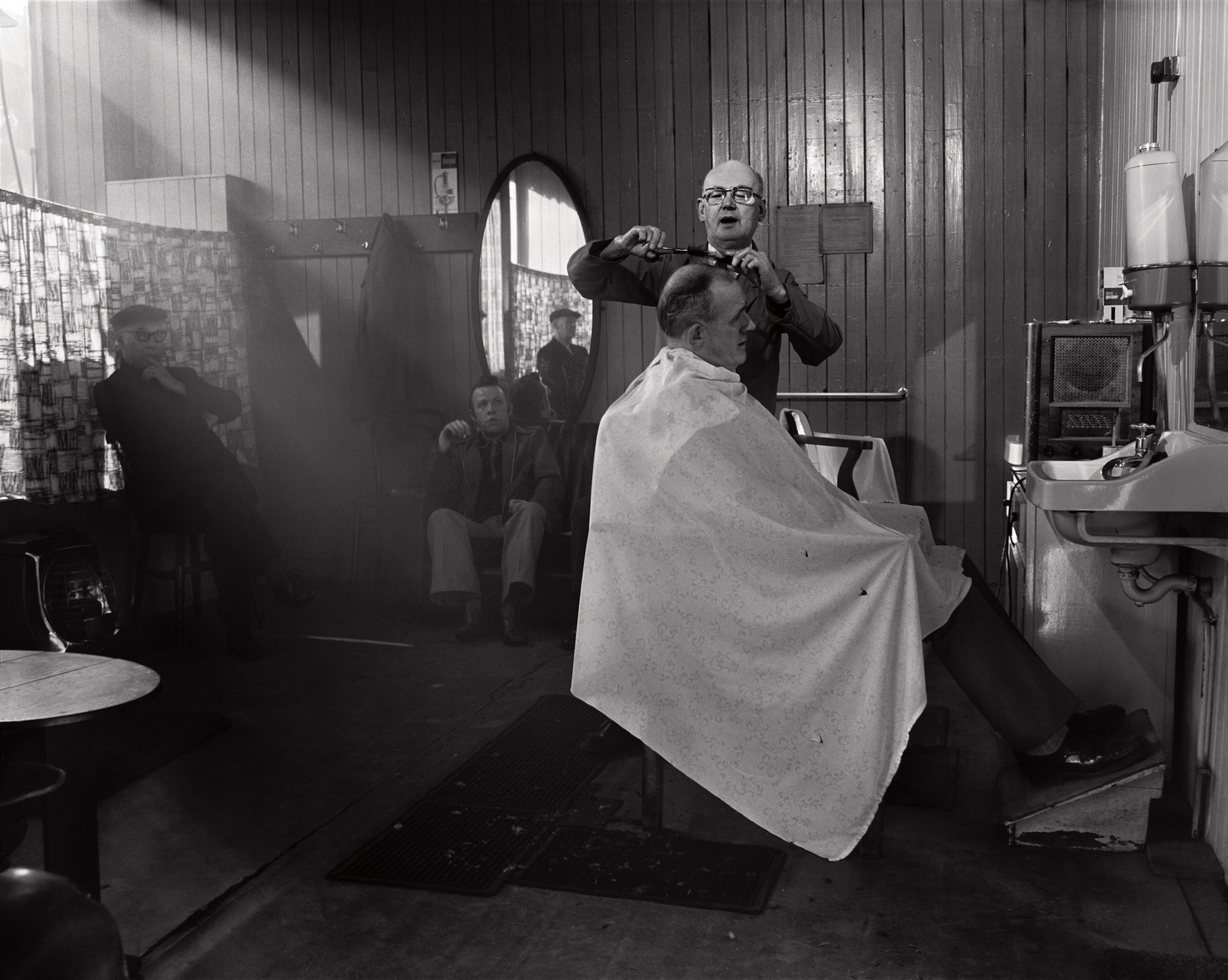
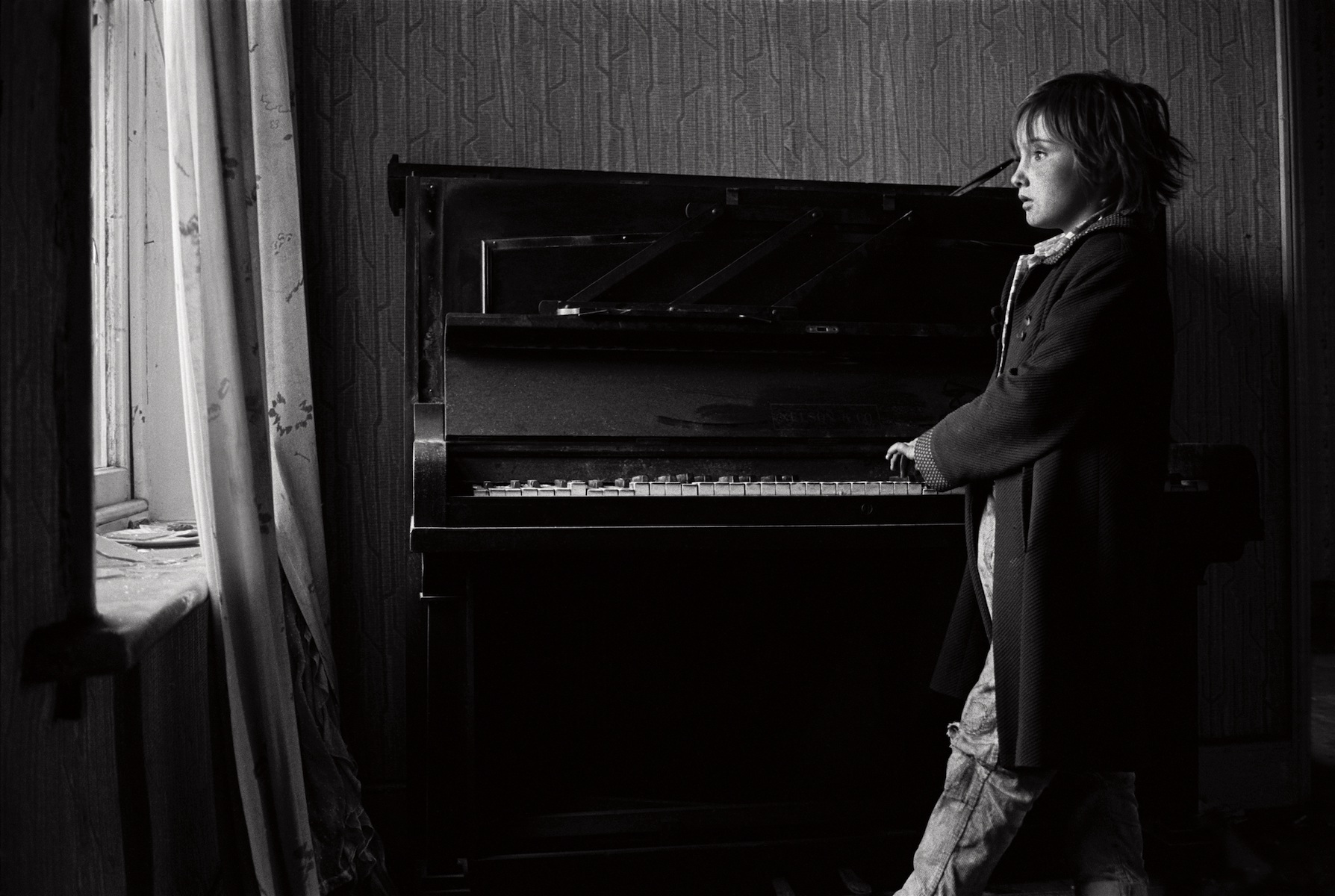
Tate Photography: Sirkka-Liisa Konttinen is available to purchase here.
Follow Gilda Bruno on Twitter.
Enjoyed this article? Like Huck on Facebook or follow us on Twitter.
You might like

On the set of ‘La Bamba’, lost Latino legend Ritchie Valens’s biopic
The overnight rockstar — The Chicano rock & roll star exploded overnight in the late ’50s, but just as quickly he was gone, killed in a plane crash along with Buddy Holly. An ’80s biopic saw him immortalised on the big screen, which photographer Merrick Morton captured behind the scenes.
Written by: Miss Rosen

Louis Theroux’s ‘Manosphere’ shows men aren’t the problem, platforms are
No Ws for Good Men — The journalist’s new documentary sees him dive headfirst into the toxicities and machinations of the male influencer economy. But when young creators are monetarily incentivised to make more and more outrageous content, who really is to blame?
Written by: Emma Garland

In the 1960s, African photographers recaptured their own image
Ideas of Africa — An exhibition at the Museum of Modern Art explores the 20th century’s most important lensers, including Seydou Keïta, Malick Sidibé and Kwame Brathwaite, and their impact on challenging dominant European narratives.
Written by: Miss Rosen

Reynaldo Rivera’s intimate portrait of queer Latino love
Propiedad Privada — Growing up during the AIDS pandemic, the photographer entered a world where his love was not only taboo, but dangerous. His new monograph presents inward-looking shots made over four decades, which reclaim the power of desire.
Written by: Miss Rosen

In photos: The newsagents keeping print alive
Save the stands — With Huck 83 hitting shelves around the world, we met a few people who continue to stock print magazines, defying an enduringly tough climate for physical media and the high street.
Written by: Ella Glossop

Inside Bombay Beach, California’s ‘Rotting Riviera’
Man-made decay — The Salton Sea was created by accident after a failed attempt to divert the Colorado River in the early 20th century. Jack Burke reports from its post-apocalyptic shores, where DIY art and ecological collapse meet.
Written by: Jack Burke


