Photos capturing the soul of Notting Hill in the ‘70s
- Text by Miss Rosen
- Photography by Philip Wolmuth

Socially concerned photography, which dates back to the work of Jacob Riis and Lewis Hine, has the power to change lives by shining a light on how the other half lives. In the 1970s, Philip Wolmuth, then in his 20s, began using photography to document the Horniman’s Adventure Playground in North Kensington where he worked, and got involved with community activism in North Paddington.
“Philip was interested in documenting the society we live in and the way people live and work, and felt very comfortable behind the camera,” says his partner Jane Matheson, and their children Anna and Eva Wolmuth.
“Philip has a strong sense of social justice and has always been strongly anti-establishment. He sought to document the reality of people’s lives in an unjust society, including community struggles, housing problems, low paid work, cuts to public services.”

The Dominica Carnival and Arts Group in Ladbroke Grove, 1981

Emmanual Aimable, a tenant of Hazel Court, a private rooming house in Bayswater, West London, notorious for its disrepair and harassment of tenants by the landlord
Encouraged by local community artists and activists, Wolmuth established the North Paddington Community Darkroom (NPCD) on the borders of Portobello and Notting Hill in 1976. Inspired by Paul Carter, who started the pioneering Blackfriars Photography Project in 1973, Wolmuth developed a vision of community photography that extended far beyond the creation of images.
“Photography came to be an integral part of group activities,” Matheson and the Wolmuths say. “NPCD taught camera and darkroom skills to local residents, and supported the campaigns and regular activities of local community organizations. Philip ran classes, putting together laminated displays and tape-slide shows, and worked with participants to build a photographic archive of local issues and events.”
In the new book, Notting Hill 1970s (Café Royal Books), Wolmuth revisited his archive to explore the political, social, and cultural issues facing the Afro-Caribbean community during a turbulent decade. Inspired by anti-colonial and postcolonial struggles in the 1970s, Wolmuth documented the world right outside his door.

Young bikers on the first skateboard bowl in Meanwhile Gardens, a community-run park next to the Grand Union canal in North Paddington, 1983

A domestic worker at St.Charles Hospital, Notting Hill, newly contracted out to cleaning company Mediclean, watches a televised speech by Prime Minister Margaret Thatcher, 1986
“There was a notion in the 1970s of the ‘concerned’ photographer, but it’s more accurate to describe Philip’s work as socially committed,” says photographer Neil Martinson. “He played a key role in many campaigns that really did change peoples’ lives for the better, and not many photographers can claim that. He documented the lives of people who are often unseen and unheard.”
In Wolmuth’s photographs, we not only see the degradation of the community suffering from an acute housing shortage, substandard private housing, overcrowding, insecurity and high rents, but we also witness the triumph of spirit in the fight to overcome systemic discrimination. In Wolmuth’s hands, photography became a tool that couple be used to empower local residents, promote cooperative approaches, and encourage critical thinking about conventional forms of representation.
Looking back on the era, Wolmuth told the British Journal of Photography in 2010: “The early community arts groups sought to democratise the arts – to engage those who did not otherwise relate to the ‘mainstream’ arts world – by making the arts relevant to their daily lives and experiences…. Community photography was not only part of the wave of grassroots activism of the time, it was also part of a concurrent politicisation of photography itself.”
Philip Wolmuth died the week of February 21, 2021. Our deepest condolences to his family and loved ones.

A young biker flies through the air at Meanwhile Gardens skateboard bowl in West London

Demolition of shops and houses in Kensal Road, North Kensington, 1975
Notting Hill 1970s is out now on Café Royal Books.
Follow Miss Rosen on Twitter.
Enjoyed this article? Like Huck on Facebook or follow us on Twitter.
You might like

In photos: Lives of solitude at the world’s edge
Coirón — Pie Aerts’s new photobook documents years spent in close quarters with puesteros in Patagonia – a group of aging gauchos who live almost completely isolated existences.
Written by: Isaac Muk

The raw, fledgling intimacy of Peter Hujar’s contact sheets
Hujar:Contact — A new photobook highlights the process of the legendary queer photographer, and his process of growing into the artist he ultimately became.
Written by: Miss Rosen

Jesse Glazzard’s messy portrait of queer friends, lovers and chosen family
The Sound of Dirt and Beauty — The photographer’s debut monograph explores tender, unpolished moments shaped by the people who he surrounds himself with, while offering a window into the UK’s working-class LGBTQ+ community.
Written by: Sunny Sunday
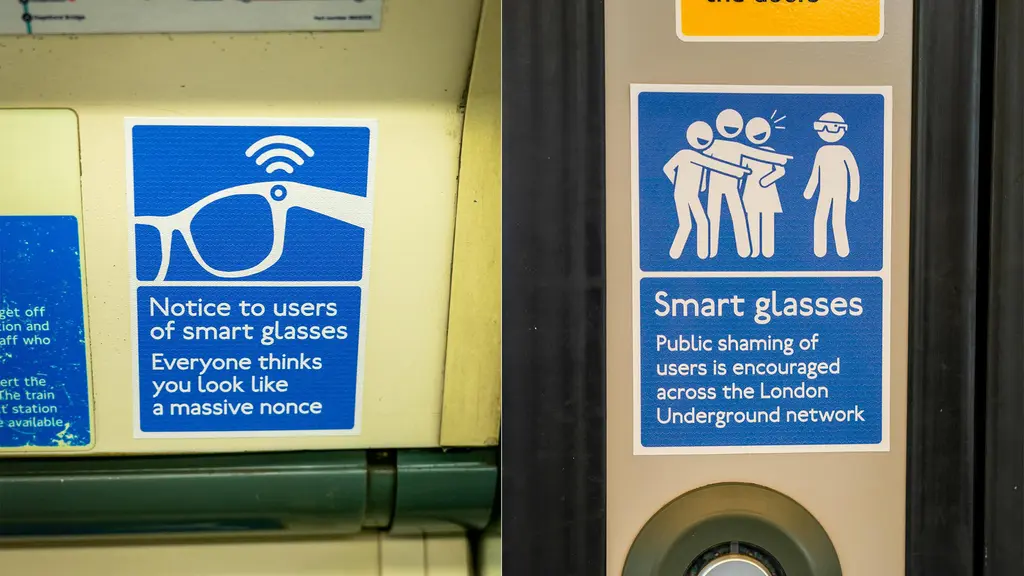
Activists slam “pervert glasses” in new guerrilla campaign
Everyone Hates Elon — Stickers have appeared on the London Underground network, criticising the wearable technology’s covert filming capabilities.
Written by: Isaac Muk

Behind the curtain at Alternative Miss World 1981
Olympia glamour — Running a subversive take on the traditional beauty pageant, the Andrew Logan organised event prioritised underground creativity and invention. Photographer David Corio went behind the scenes at its biggest edition.
Written by: Miss Rosen

Dan Lacey: “BMX is forever evolving”
Overground — Steph Pomphrey caught up with the two-wheel legend after his latest meet in east London, chatting about fatherhood, music and action sports within the outdoor industry.
Written by: Steph Pomphrey


