Photos capturing the wild world of Mexican rodeo
- Text by Eva Clifford
- Photography by Alex Kurunis

Like Pato in Argentina, Buzkashi in Afghanistan, and Skijöring in Switzerland, Mexico’s distinctly equestrian-themed national sport is one steeped in tradition. Charrería, as it’s known, was officially declared Mexico’s national sport in 1933, its origins stretching back to the arrival of horses from Spain in the 16th century. Born from the hacienda (ranch) culture, charreadas were traditionally held between farmworkers looking to flaunt their horse-riding and wrangling skills.
As many haciendas were destroyed in the Mexican Revolution of the early 20th century, a modern charreada was formed. Hosted in special arenas known as lienzos, contemporary charreadas include the events of the past four centuries, whilst merging new additions such as the Cala de Caballo – a form of dressage – and escaramuza, an event for female riders.
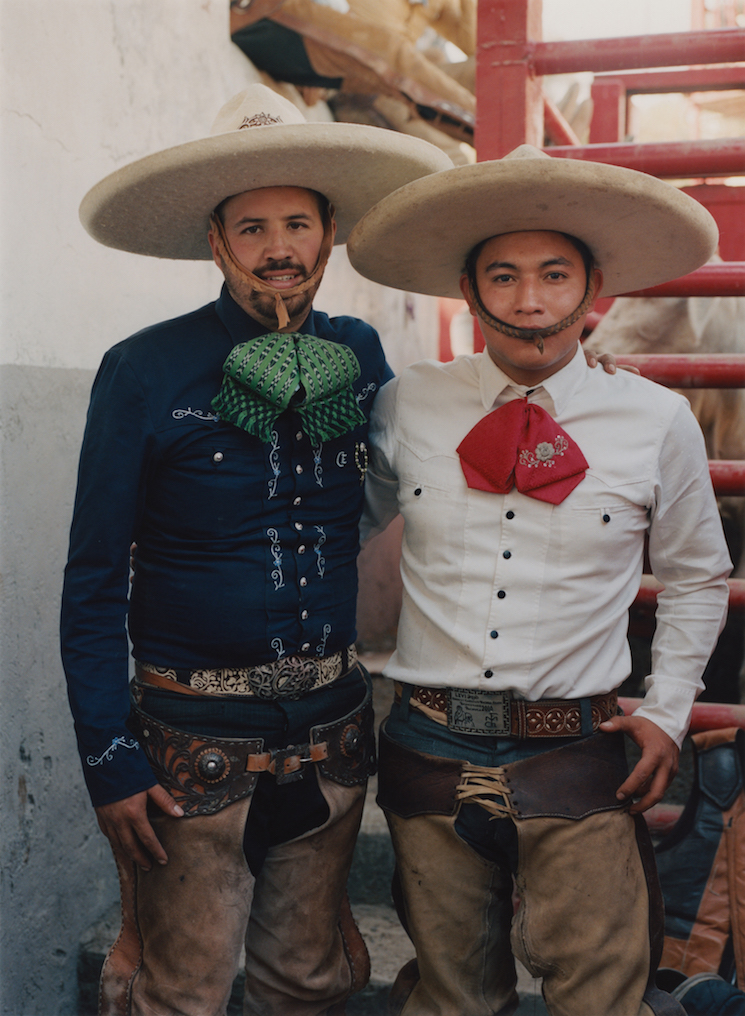
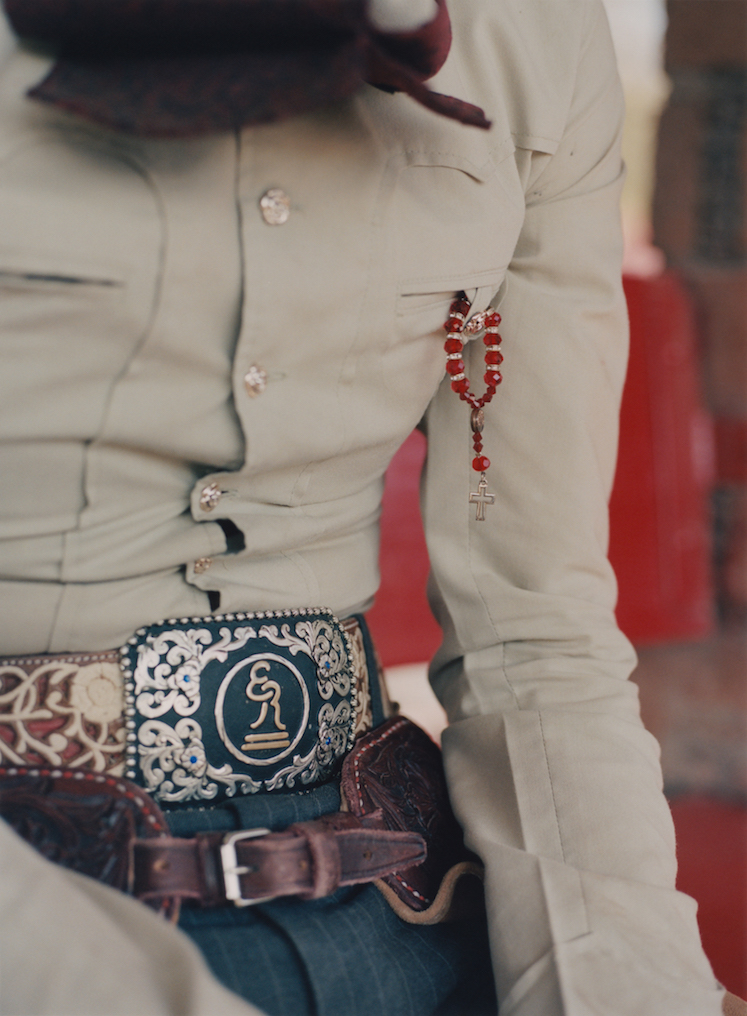
It was during a trip to Mexico in January 2020 that London-based photographer Alex Kurunis first stumbled across Charrería. “I went along with a friend,” he tells Huck. “I’d anticipated that it would be an interesting thing to document so I bought my camera with me, but I didn’t foresee how amazing the place would be.”
“Having shot a project in 2019 in Greece at a religious calendar event involving a horse race, I thought it may be interesting to follow up by exploring a different scenario and tradition with an equestrian focus,” he continues.
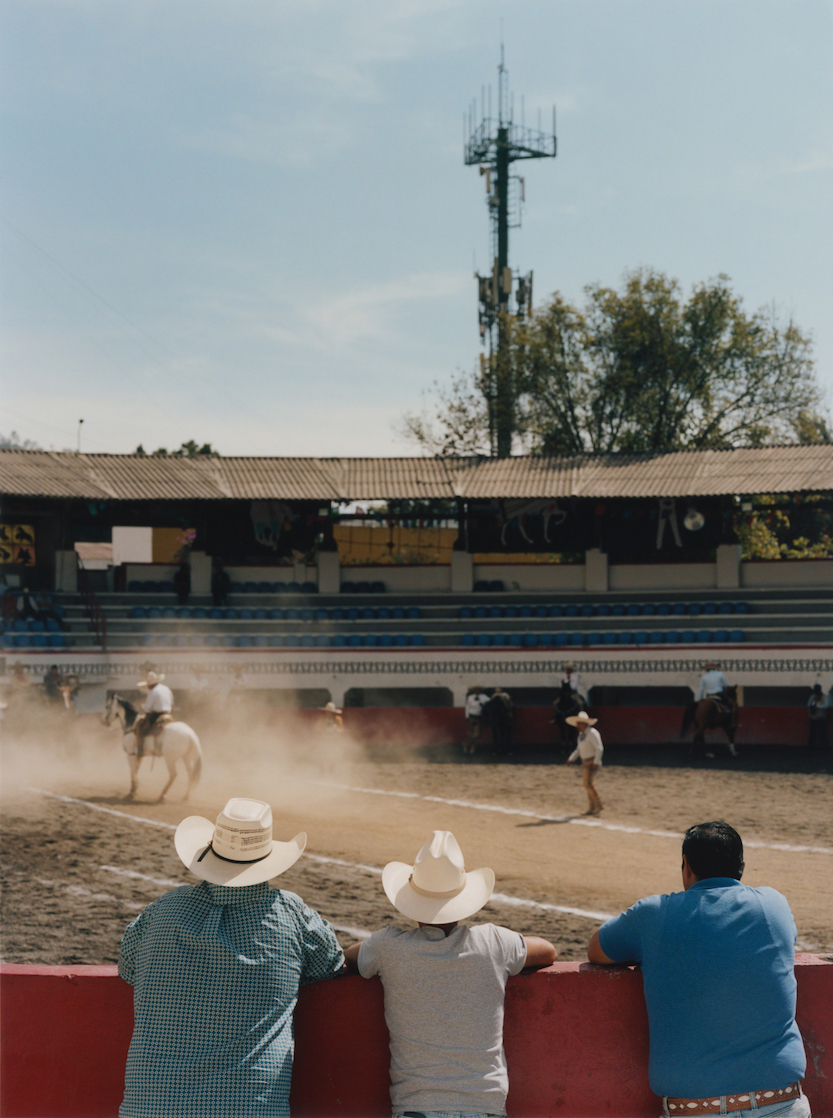
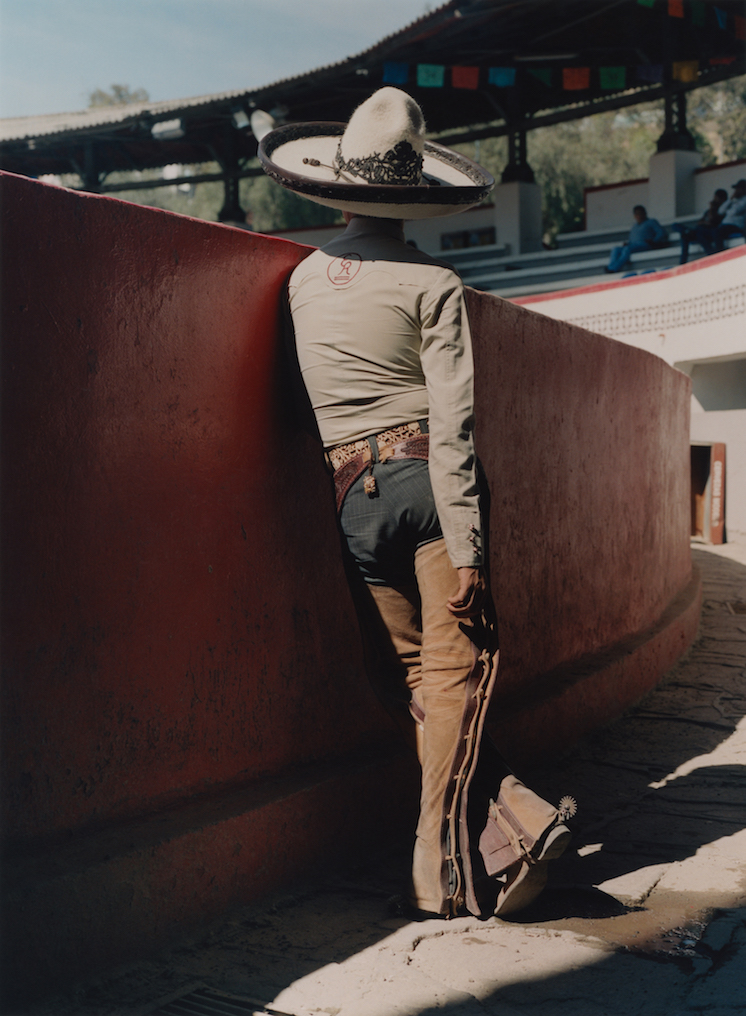
Over two consecutive Sundays, Kurunis visited Lienzo Charro de la Villa on the outskirts of Mexico City and was quickly taken with the energy inside the arena: the bustling crowd, the smells emanating from the grill, the commentator’s voice crackling over the intercom, and the vivid colours.
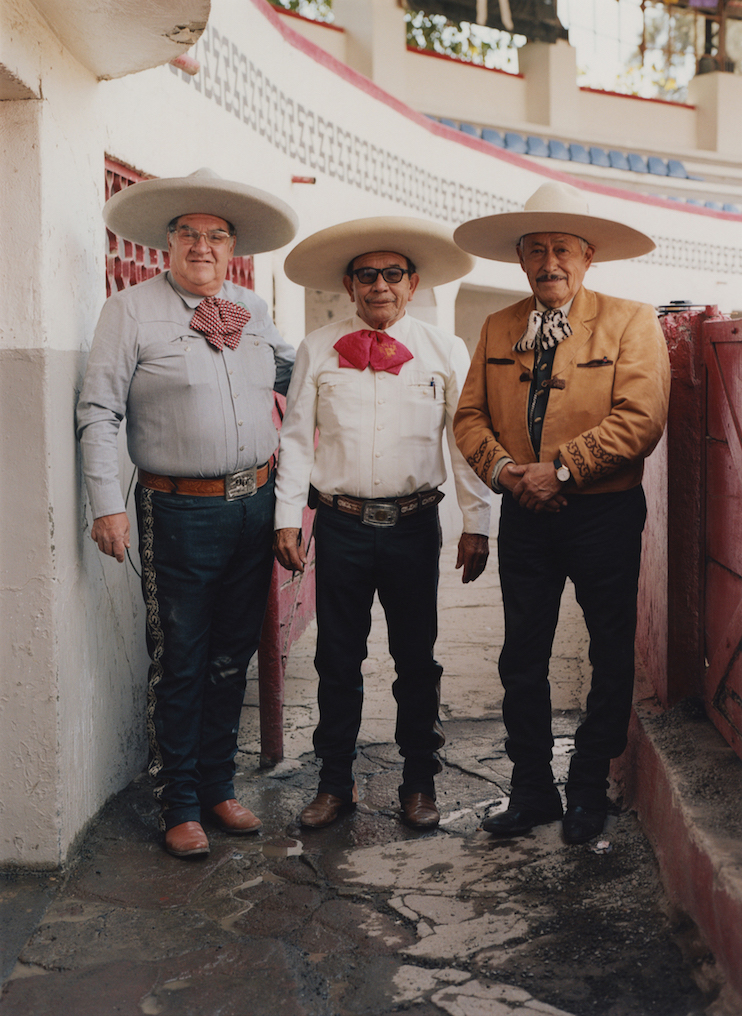
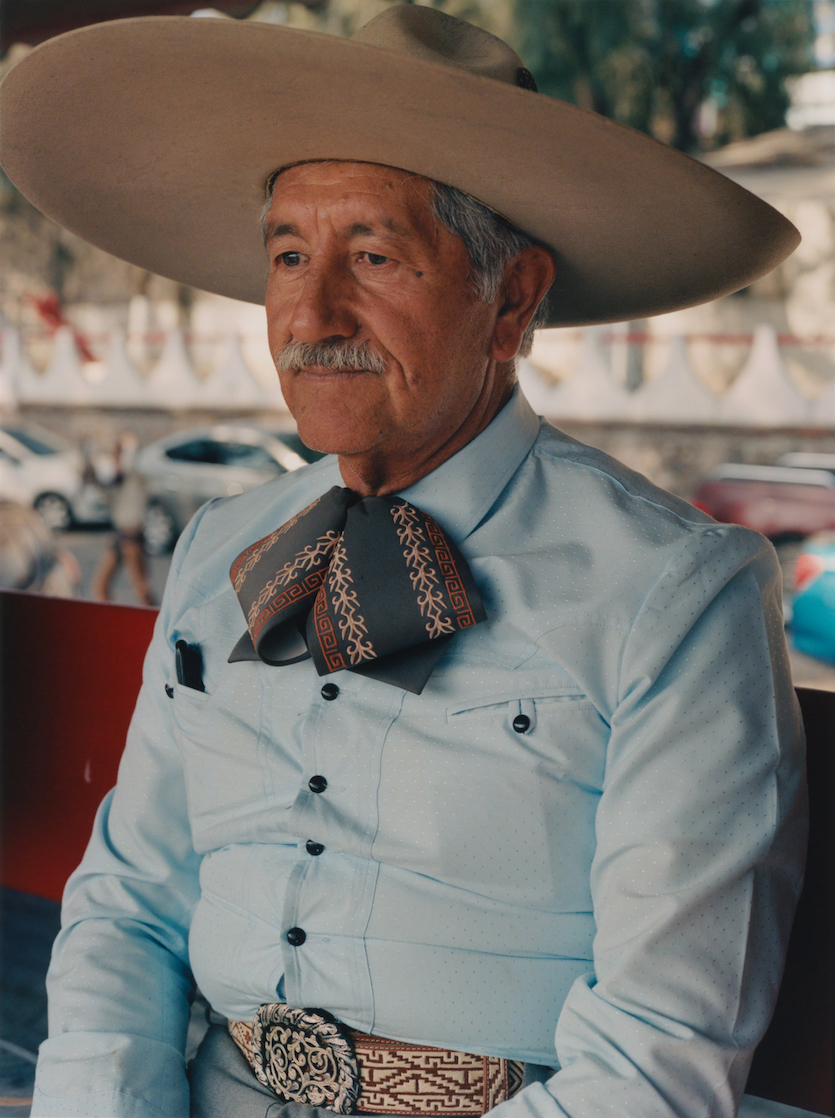
Like American rodeo, Charrería is a competitive sport consisting of a series of scored contests. Instead of being timed, riders are judged on the finesse, handling, execution and elegance of their performance (which all take precedence over speed). Almost as vital as the performance itself, are the costumes that riders wear for the event, which are highly elaborate and stylised.
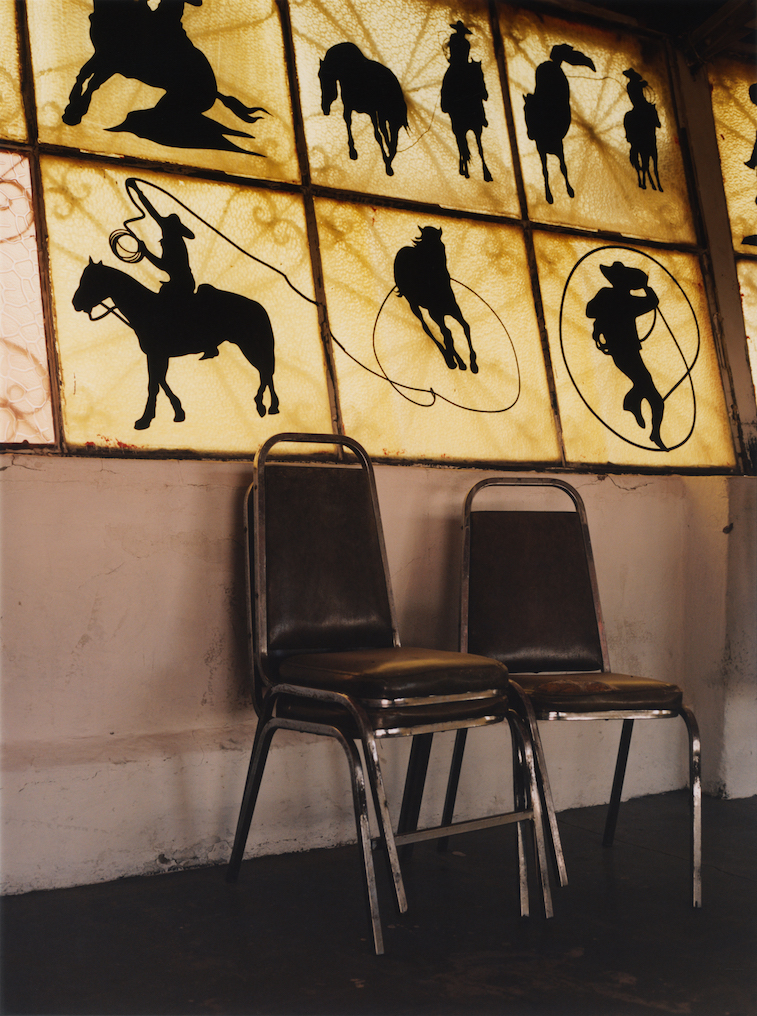
Teams usually compete across nine events, ranging from Piales en Lienzo (‘heeling’: throwing a lasso, letting a horse run through the loop and catching it by the hind legs) to El Paso de Muerte (‘the pass of death’: jumping from a tame horse to the back of a wild horse).
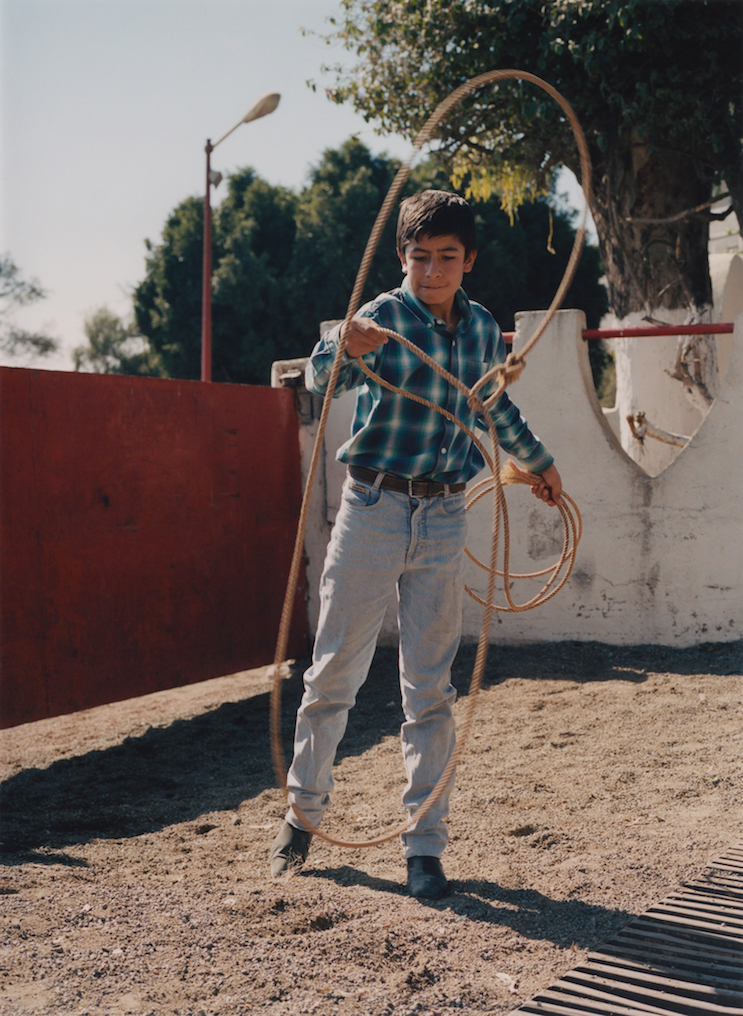
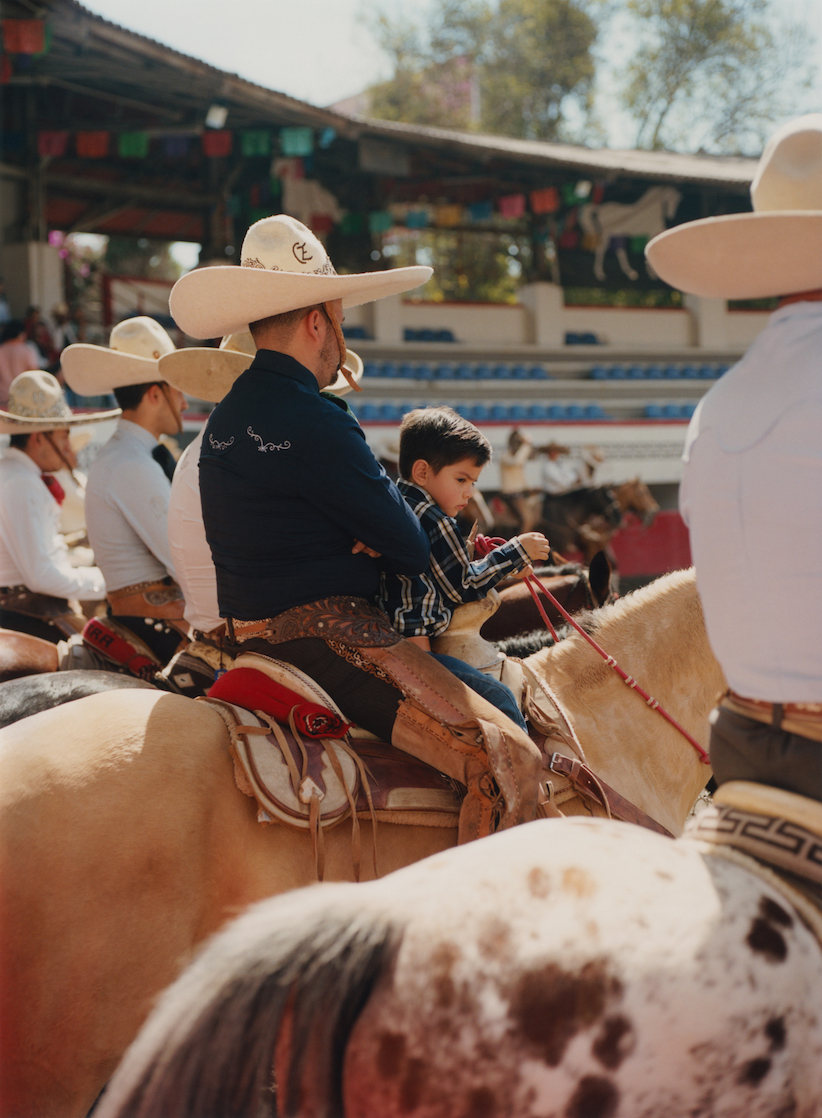
Walking the periphery of the arena, Kurunis chatted with both spectators and participants, from youngsters and teens to the older generations who come to watch and reminisce on their former riding days.
“There were a lot of young spectators who were there without their parents,” says Kurunis. “I met a group of young brothers whose older brother was competing and they were so aspiring to be like him. They were living and breathing the Charro lifestyle; you could really tell they were in awe of everything that was going on.”
“Kids and the younger generation are still really aspiring to be part of it. It’s not like some traditions that fade away – perhaps because it’s such an emblematic part of Mexican culture in many parts of the country.”
As the event stretched into late afternoon, Kurunis stayed on, noticing how it was only after the contests had ended that the sense of camaraderie really emerged. “People were staying behind and chatting, having a laugh; you could tell everyone was very familiar with one another and it was just such a lovely community,” he recalls.
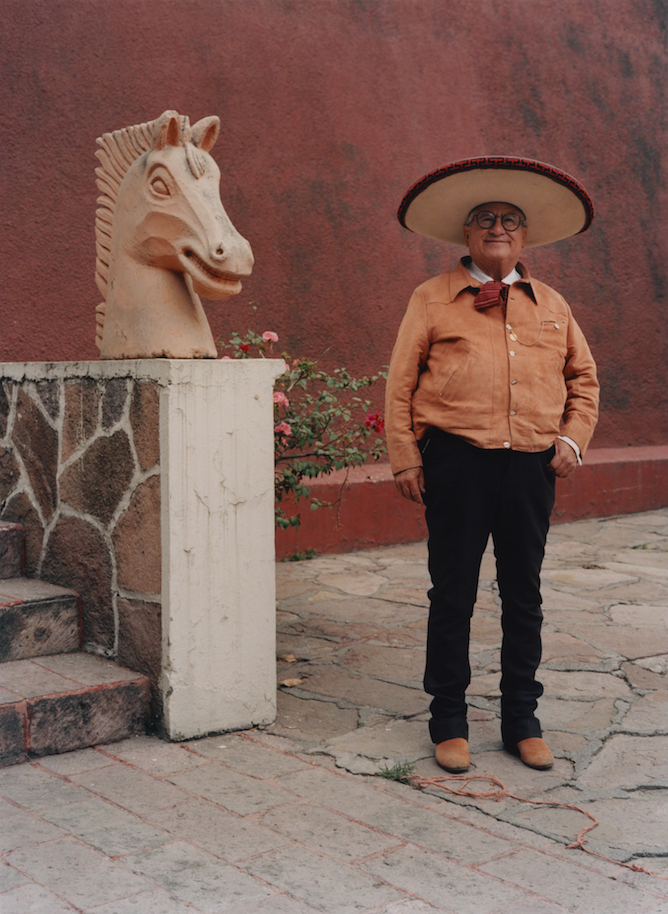
Another encounter that stuck out for Kurunis was meeting an older man named Elloy Salazar (photographed beside a stone statue of a horse). “He took me on a walk around the whole grounds telling me about its history and how he’d been a patron of the place for decades. He was an incredible character – you could really tell how proud he was to be part of it.”
To see more of Alex Kurunis’s work, visit his official website. All photos printed by Sarah England.
Enjoyed this article? Like Huck on Facebook or follow us on Twitter.
You might like

In Glasgow, a queer bike shop is reshaping cycle culture
Dynamo CIC — The sport and industry is often dominated by men, and particularly men with money. But through empowering their community to learn DIY repairs and share resources, Dynamo is creating an alternative vision for riding.
Written by: Alice Austin

The last days of St Agnes Place, London’s longest ever running squat
Off the grid — Photographer Janine Wiedel spent four years documenting the people of the Kennington squat, who for decades made a forgotten row of terraced houses a home.
Written by: Isaac Muk

How Japan revolutionised art & photography in the ’60s and ’70s
From Angura to Provoke — A new photobook chronicles the radical avant-garde scene of the postwar period, whose subversion of the medium of image making remains shocking and groundbreaking to this day.
Written by: Miss Rosen

In west London, Subbuteo is alive and flicking
London Subbuteo Club — The tabletop football game sees players imitate vintage teams with tactics and tiny painted replica kits. Ryan Loftus takes a trip to Fulham to meet a dedicated community and witness a titanic Brazil vs Coventry City showdown.
Written by: Ryan Loftus

Artifaxing: “We’ve become so addicted to these supercomputers in our hands”
Framing the future — Predominantly publishing on Instagram and X, the account is one of social media’s most prominent archiving pages. We caught up with the mysterious figure behind it to chat about the internet’s past, present and future, finding inspiration and art in the age of AI.
Written by: Isaac Muk

Leticia Bufoni is one of the greatest skaters ever. Now she’s tearing up asphalt.
Vamos, Leticia! — The Brazilian trailblazer helped rewrite the rulebook for women in skateboarding – and now she’s setting the pace behind the wheel for Porsche. For Huck’s 20th Anniversary Issue, she reflects on shredding stereotypes, building a career in male-dominated spaces, empowering the next generation, and the lessons that defined her journey.
Written by: Tracy Kawalik


