
Photos capturing the world’s only touring Black rodeo

The only touring Black rodeo on earth, the Bill Picket Invitational Rodeo (BPIR) is named after Bill Pickett (1870–1932): a legendary figure who emerged on the American rodeo circuit that sprung up following the Civil War. Once liberated, Black Americans accounted for 25 per cent of the cowboys working the range across the South and the West.
Pickett appeared in Wild West shows and early Hollywood films alongside luminaries including Buffalo Bill, Will Rogers, and Tom Mix, while also advancing the sport itself with the invention of steer wrestling. Yet it wasn’t until 1972 that Pickett became the first Black person inducted into the National Rodeo Hall of Fame – some 40 years after his death.
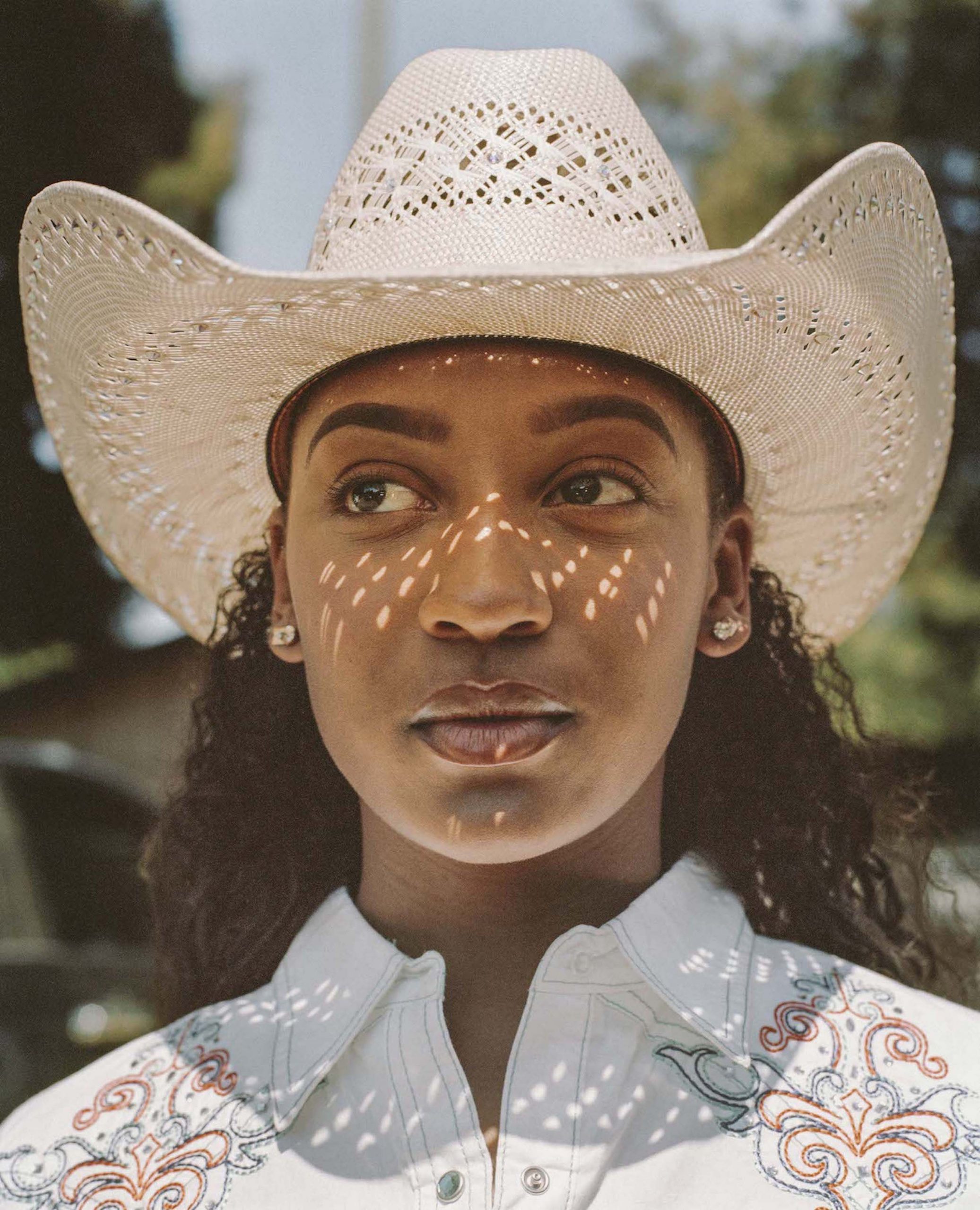
Since 1984, the BPIR has been home to Black Americans with a deep love for their heritage. El Salvadoran photographer Gabriela Hasbun attended her first BPIR in 2007 and quickly fell in love with the majestic displays of sport, style, culture, and pride. “There was so much beauty everywhere, the people, the horses, their clothing and culture,” she says. “My senses were overwhelmed.”
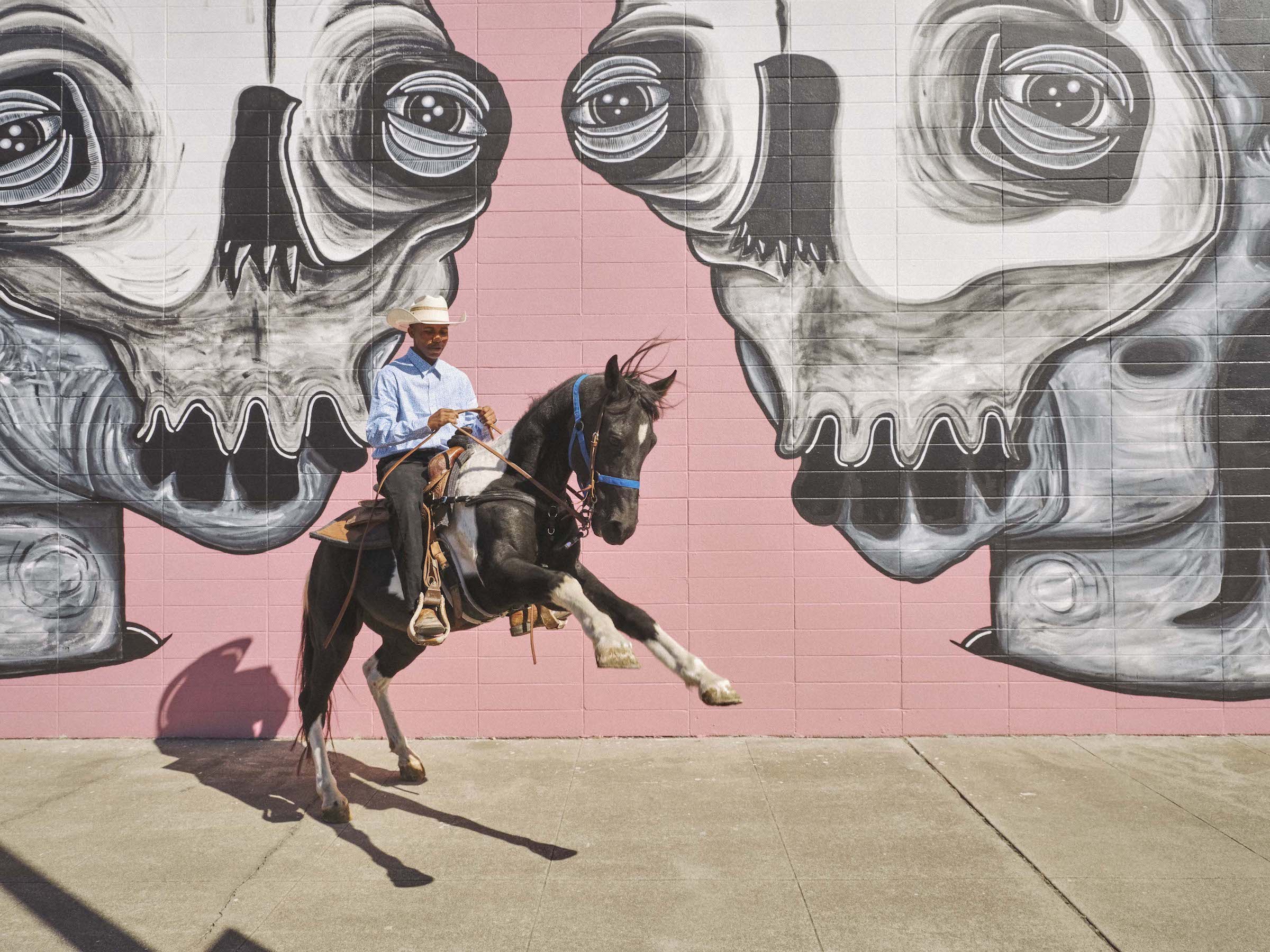
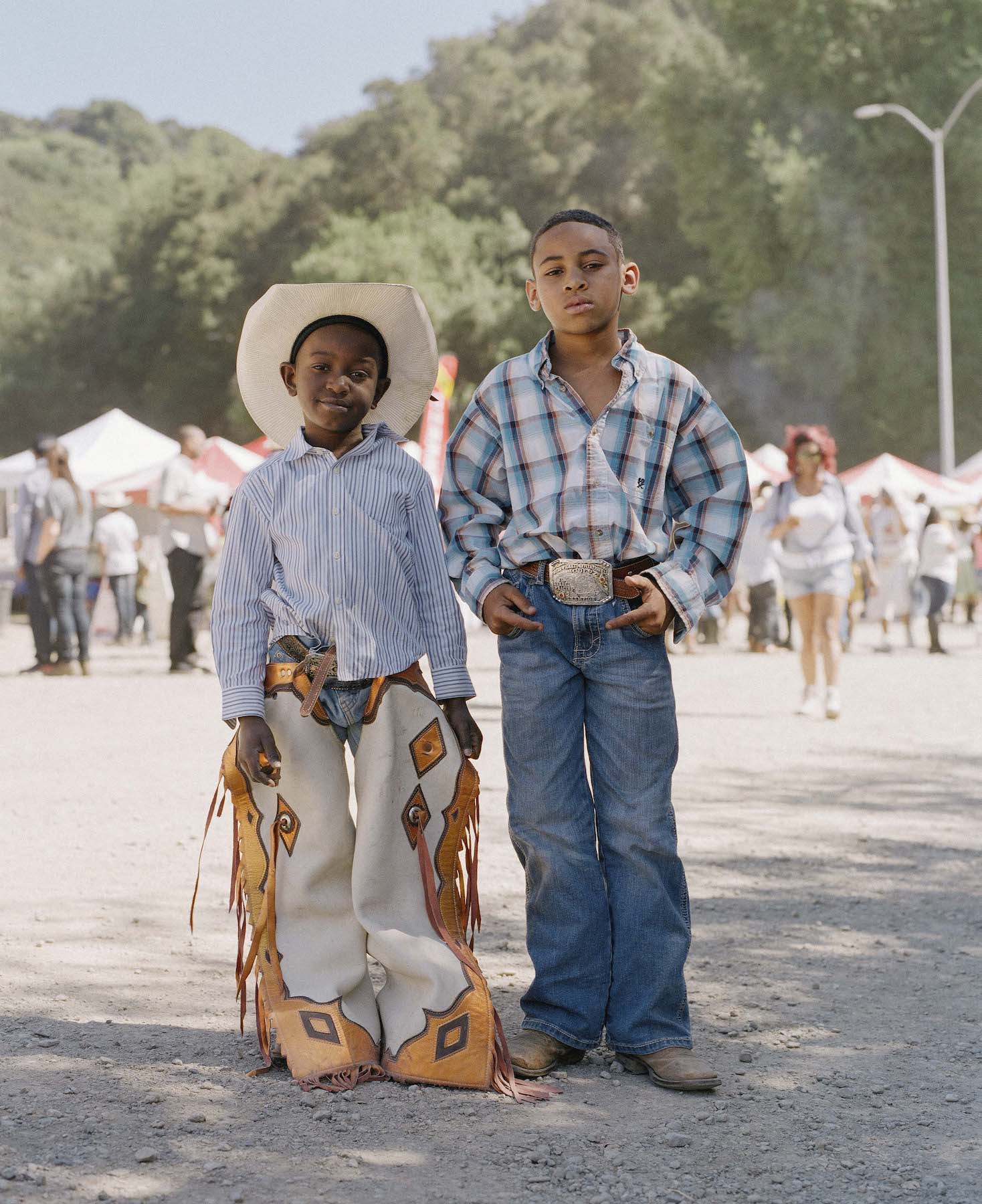
The following year, Hasbun returned with a medium format camera in tow on a mission to make behind-the-scenes photographs of the contestants. The experience left such a profound impression that Hasbun embarked on a 14-year project that has culminated in the recent publication of The New Black West: Photographs from America’s Only Touring Black Rodeo (Chronicle).
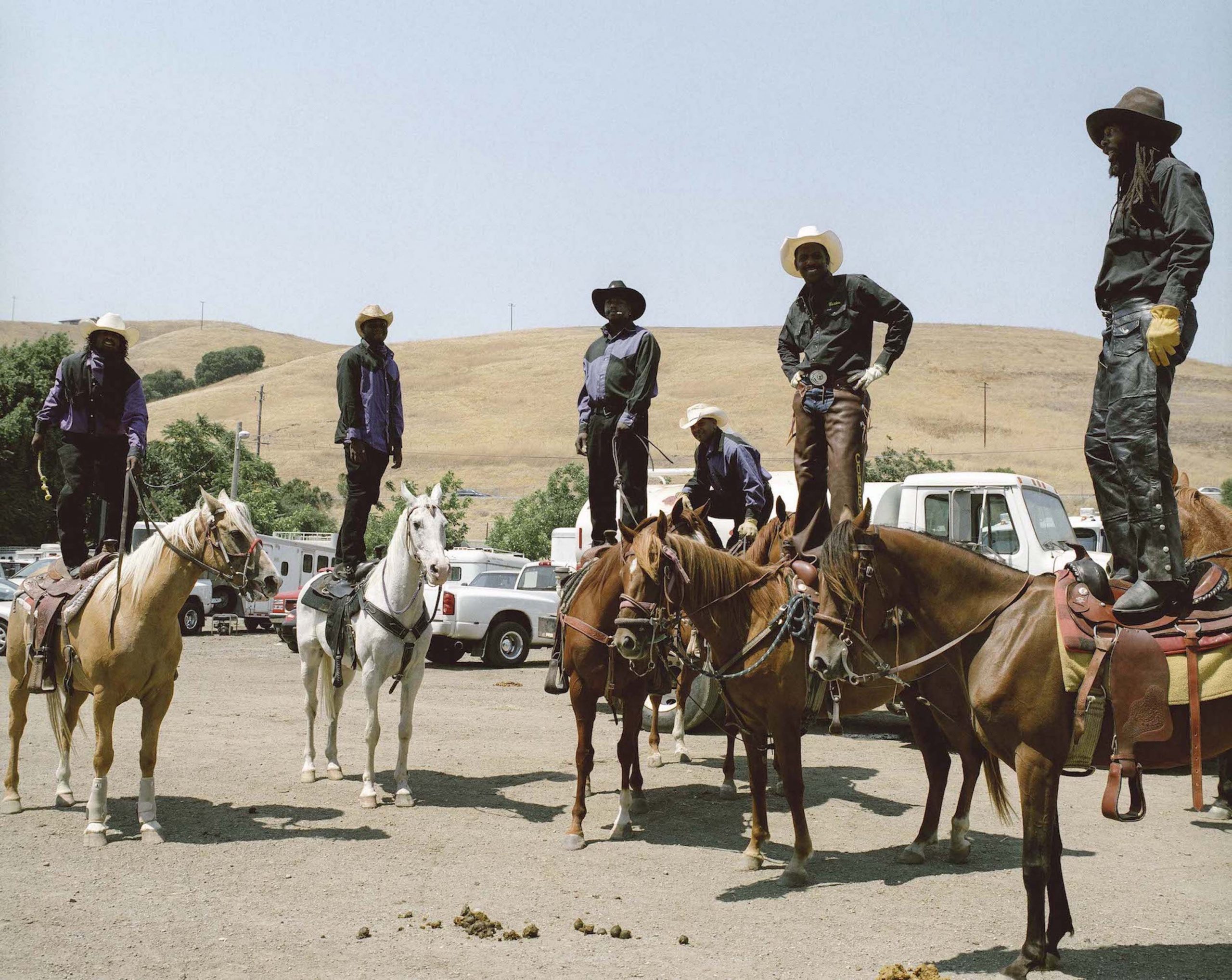
“One of my favourite aspects of documenting folks at the BPIR is that cowboys and cowgirls incorporate a lot of their culture and personal styles to their attire and to their horse wears,” she says. “It’s clear that something completely new is being forged in the collision of classic and contemporary – and in doing so, exploring what it means to be a cowboy today, in and out of the arena.”
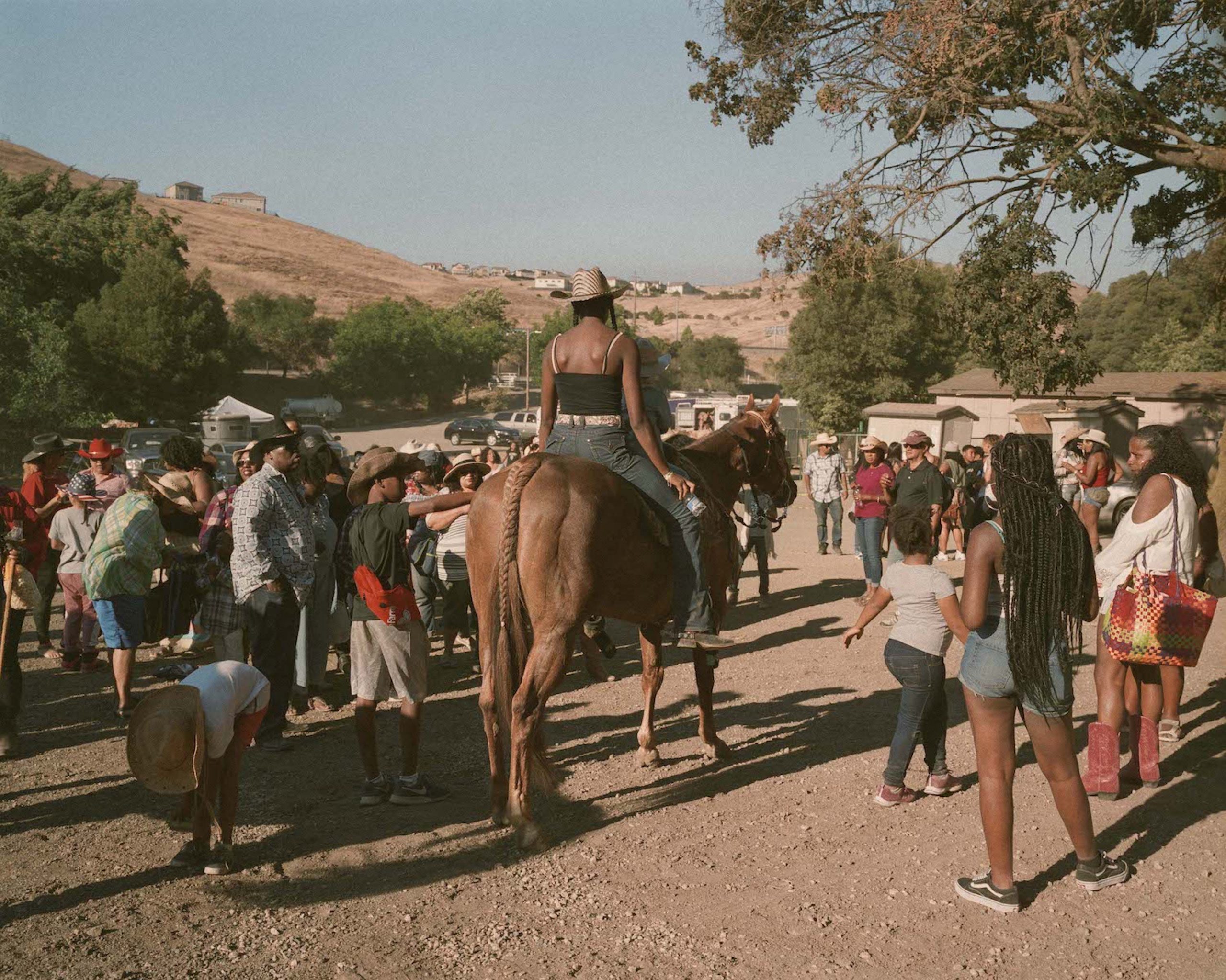
With The New Black West, Hasbun takes us inside the Oakland edition of BPIR, a two-day event. Highlights include the opening ceremony, followed by the Grand Entry, a splashy parade-style event where people who are not competing can show off their horses, training, and hard work. Then come the competitions, which include bareback riding, calf roping, bulldogging, barrel racing, and bull riding, to name just a few of the highly skilled – and sometimes dangerous – athletic events.
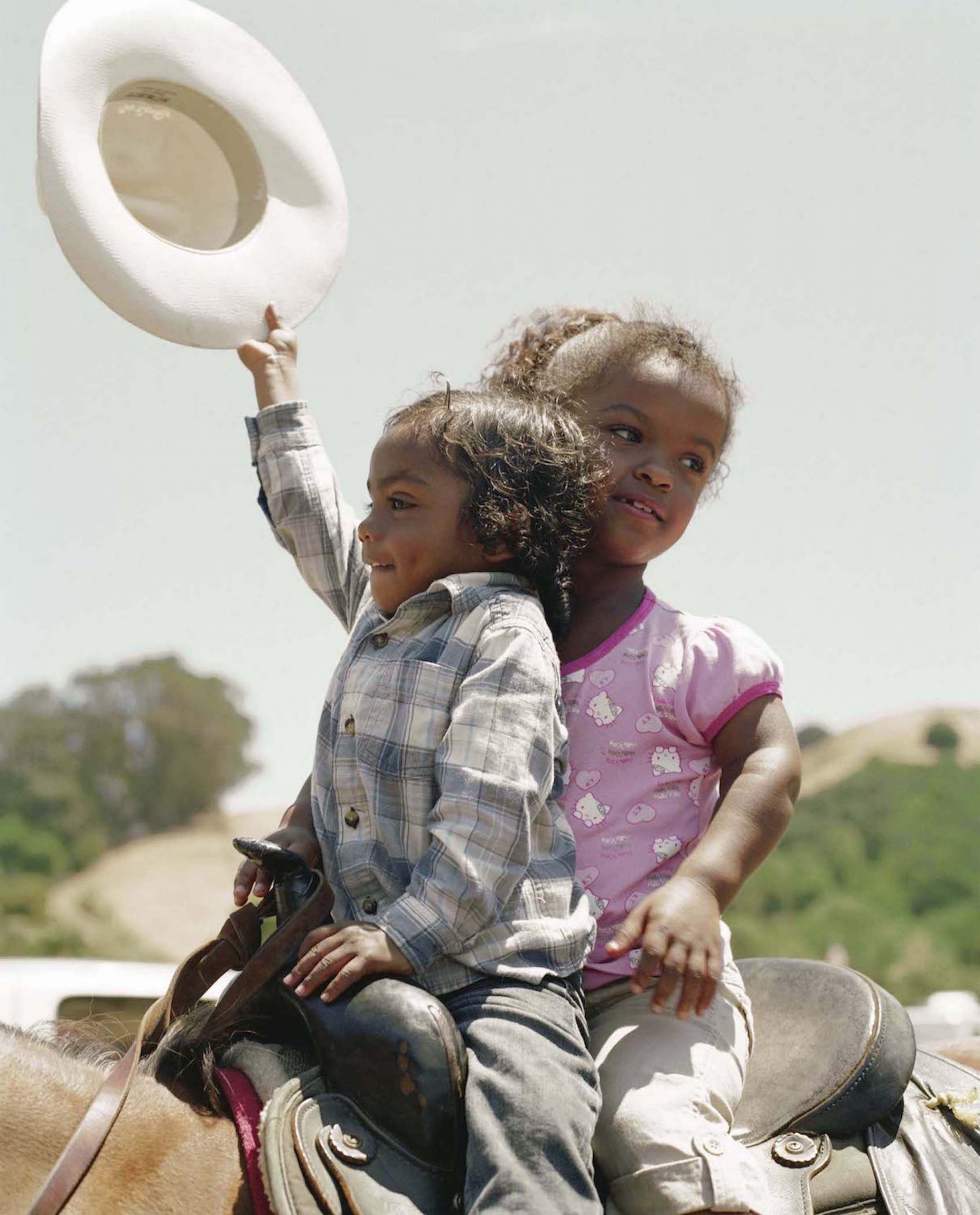
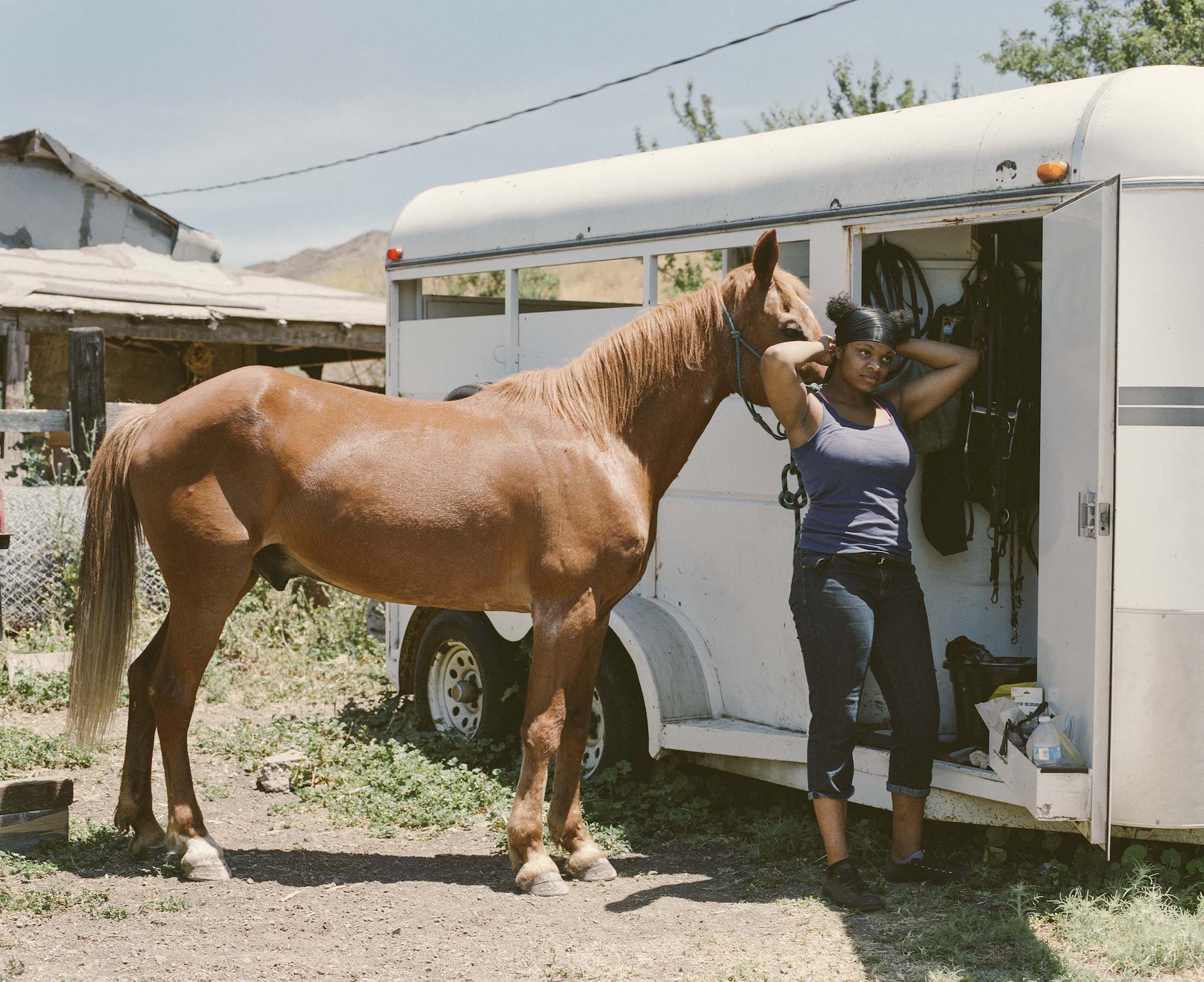
Bull rider Tank Adams told Hasbun, “With bull riding, you’re gambling with your life, and you got one chance to go out there and slay a dragon. The world thinks we’re crazy. For bull riders, the world pretty much disappears when you get on the back of a bull. All your problems disappear. Anything that you’re going through… it’s gone for that period of time.”
Hasbun embraces extraordinary displays of athleticism, aesthetics, and community at the BPIR, a spirit that can be felt through her photographs. “I’ve learned so much from the cowboys and cowgirls, most of all, to commit 100 per cent or more to something you love doing and do it well,” she says. “And to build community where ever you are, as they will always raise you up.”
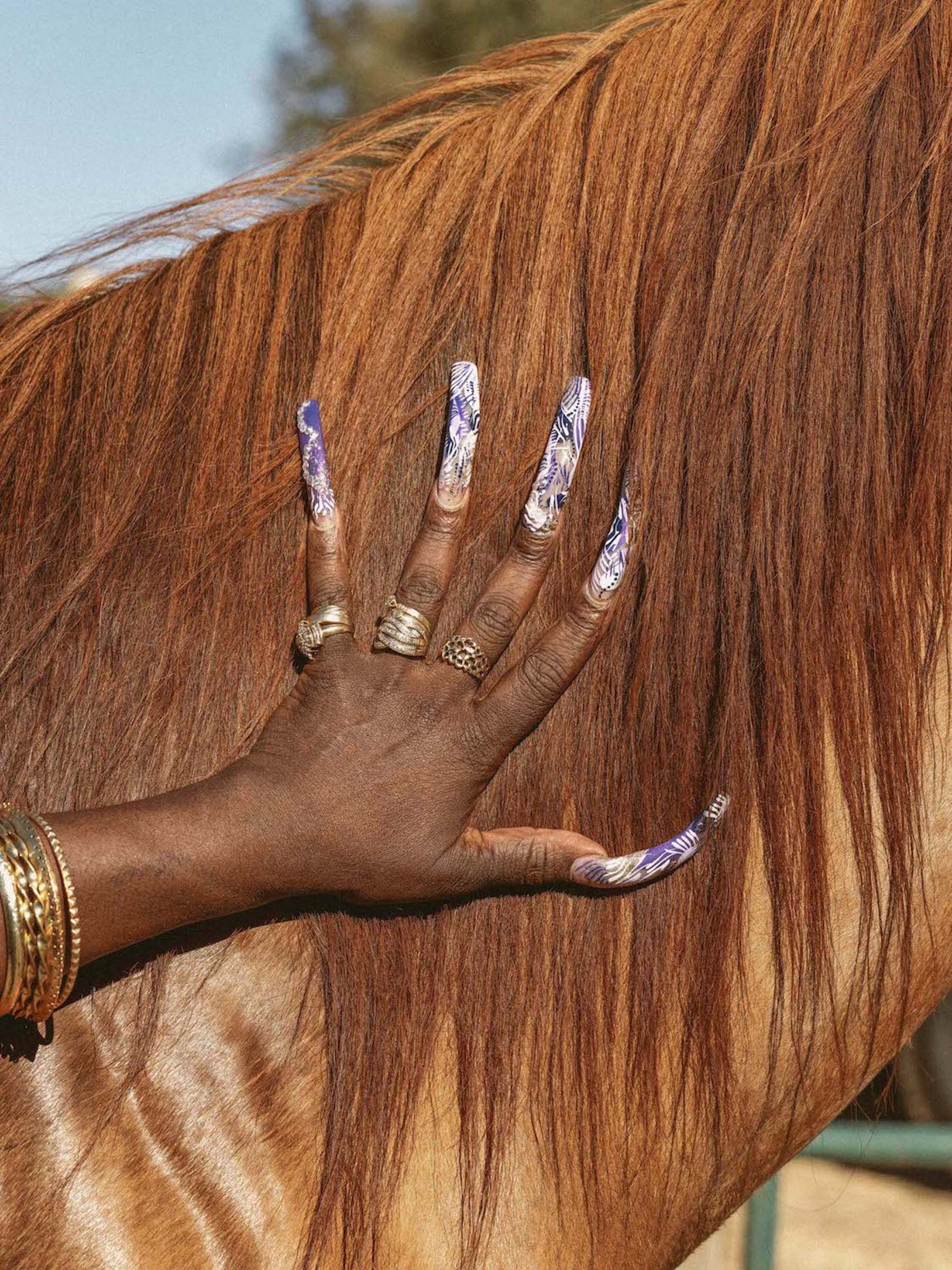
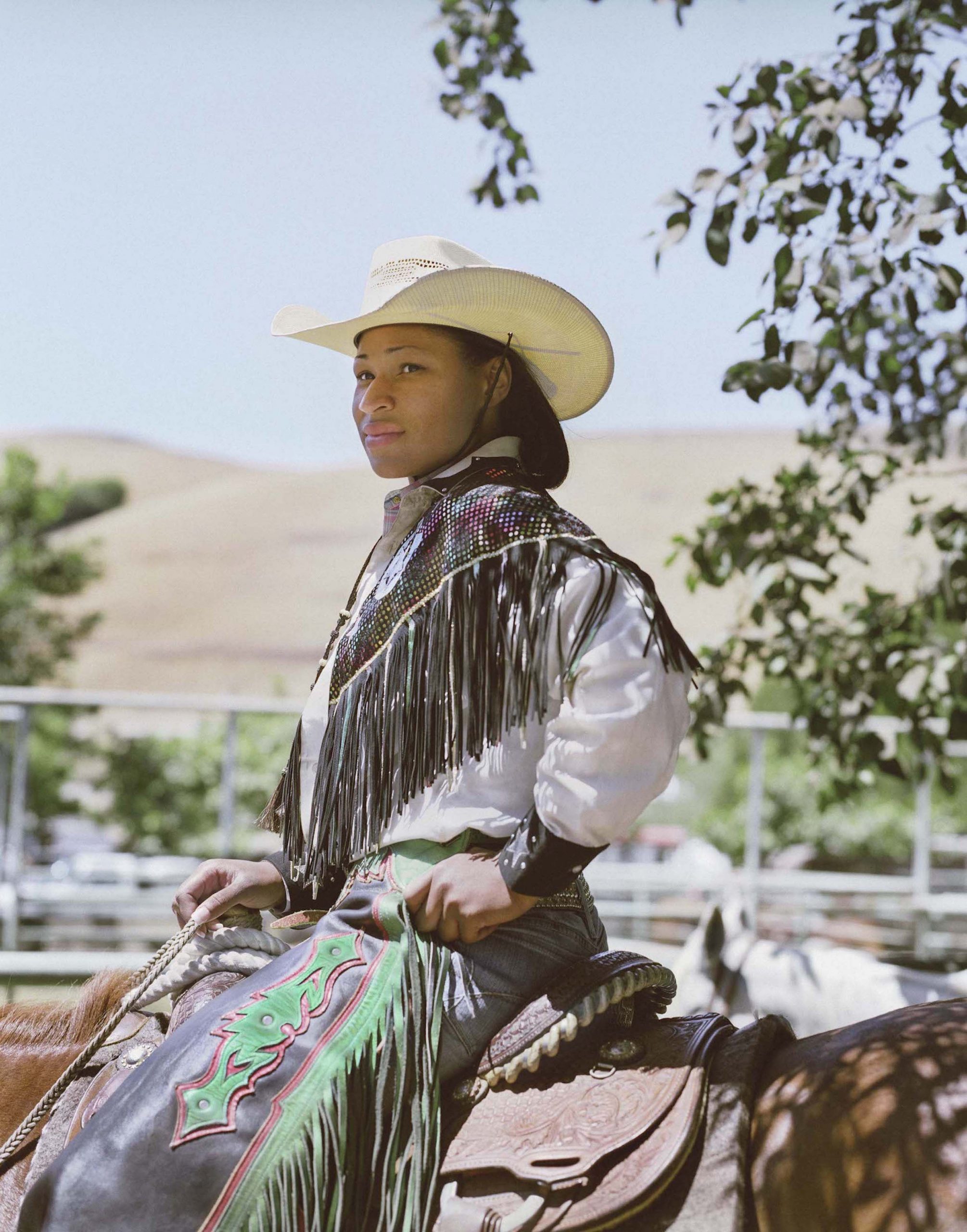
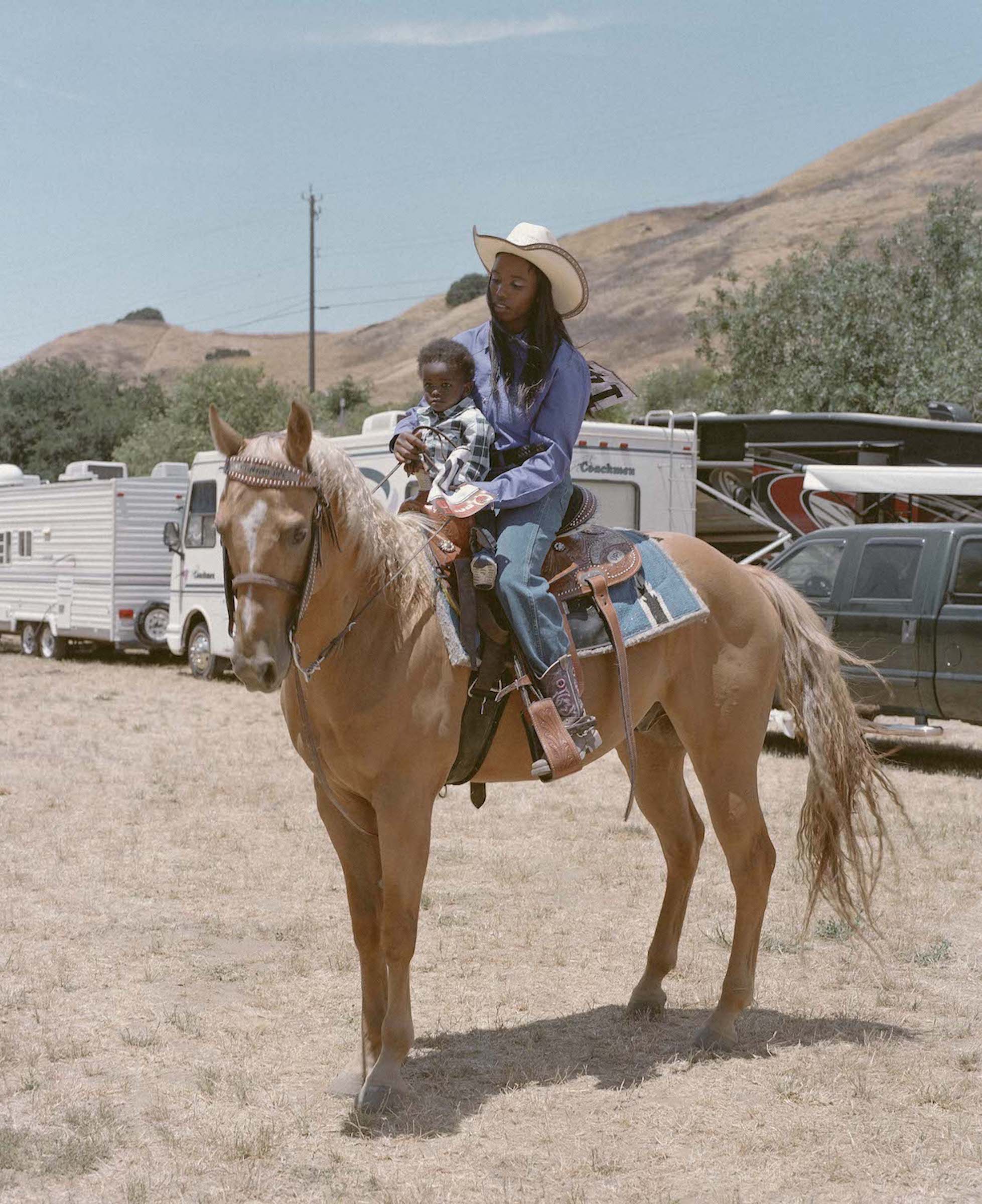
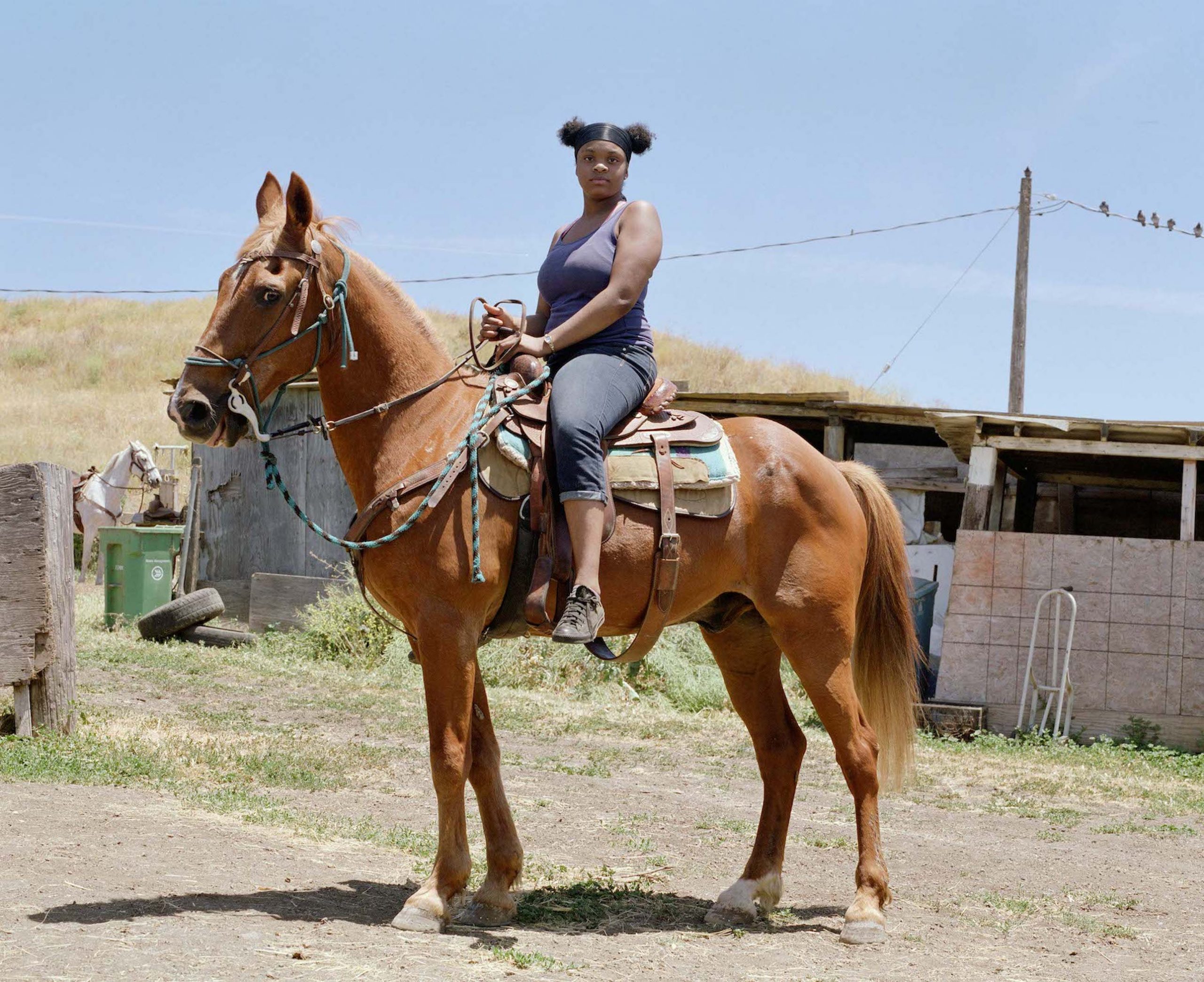
The New Black West: Photographs from America’s Only Touring Black Rodeo is out now on Chronicle.
Enjoyed this article? Like Huck on Facebook or follow us on Twitter.
You might like

The sharp rise of video game photography
Point, shoot — As the entertainment medium’s fidelity levels increase and developers build more powerful tools, a growing community of gamers are pushing the boundaries of image making in virtual worlds. Vicky Jessop meets people at the forefront of the emerging artform.

Joyous photos from the heart of the UK’s radical free festival movement
Common Grounds — The photographer has been capturing British counterculture for the past half century. A new exhibition looks at his archive sitting at the intersection of music, community and grassroots protest.

The lasting community legacy of a legendary Californian boxing gym
Moretón — Since opening in the ’80s, the Coachella Valley Boxing Club has trained multiple world champions, while providing a vital hub for local youth. In his new photobook, Darren Vargas documents its tight-knit, Chicano-led community, while also weaving a deeply personal story.

Inside the grunge golden age with Hole’s former bassist
My ’90s Rock Photographs — Melissa Auf der Maur’s new photobook is a sprawling visual memoir of her time at the heart of the US scene, from Tinker to The Smashing Pumpkins.

Introducing ‘The Chaos Isles’, a new photozine by Huck and Yushy
Normal Island — From unlicensed raves to the solstice at Stonehenge, furries to giant vegetable growers, Yushy is one of the UK’s best lensmen of its wild side. ‘The Chaos Isles’ will be sent out exclusively to Club Huck+ members.

Join Club Huck+ to get the most from Huck
Dispatches from the sharp edge of culture — Members get our print magazine, special photozines, The Huck Long Read newsletter, discounts from our friends and partners, digital versions of back issues and priority access to events.


