Photos of life in the shadow of an American power plant
- Text by Miss Rosen
- Photography by Will Warasila

Earlier this year a group of engineers, researchers, and marketers known as Find Energy issued a report of the 100 dirtiest power plants in the United States, placing Duke Energy Belews Creek Steam Station in Stokes County, North Carolina, at number 78.
While Duke Energy officials argued that the station “is one of the cleanest and most efficient coal plants in the U.S.”, photographer Will Warasila traveled to the town of Walnut Cove to explore its impact on the community for the new book, Quicker than Coal Ash (Gnomic Books).
When he first arrived, Warasila drove around the town and the lake. “It’s an idyllic rural landscape but I had this eerie feeling a smokestack would break the tree line each time I circled Belews Lake,” he says.
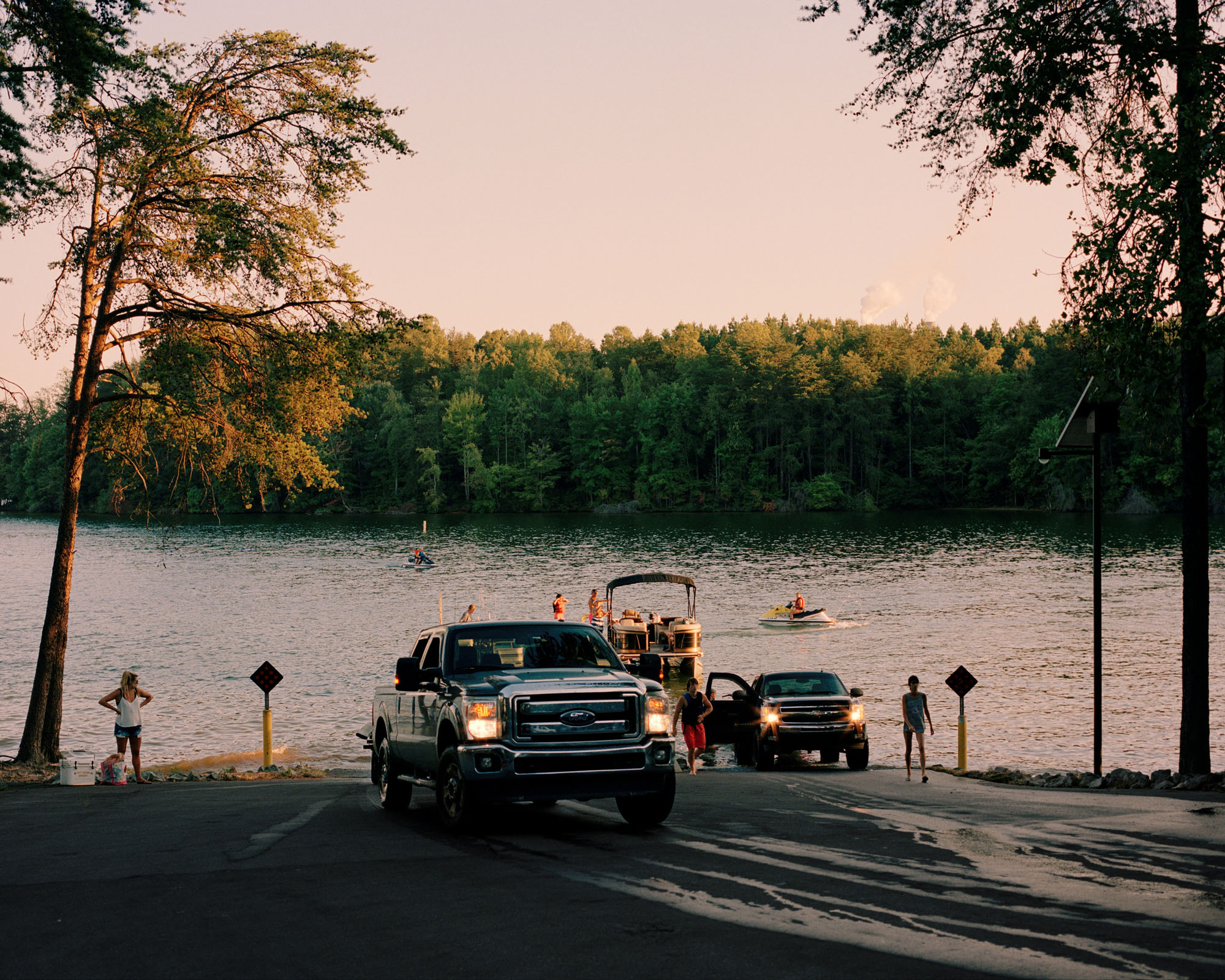

Rather than rush in to make photographs, Warasila spent time getting to know the locals. Though the people were open and friendly, their positions on the steam station was mixed. Some were glad it provided income and jobs, while others shared stories about neighbours who had fallen sick with cancer and died. Yet despite their differing beliefs, Warasila noticed the community remained united in a grassroots fight for the common good.
The book takes its title from the sermon “bitterness will kill you quicker than coal ash” delivered by pastor Leslie Bray Brewer during a coal ash healing service in a revival tent. Warasila was shocked by her message to the town, asking them to forgive Duke Energy for the harm they have done to the land, the water, their bodies, and the community itself. “She asked them to [fight with] love in their heart instead of hate,” he says.
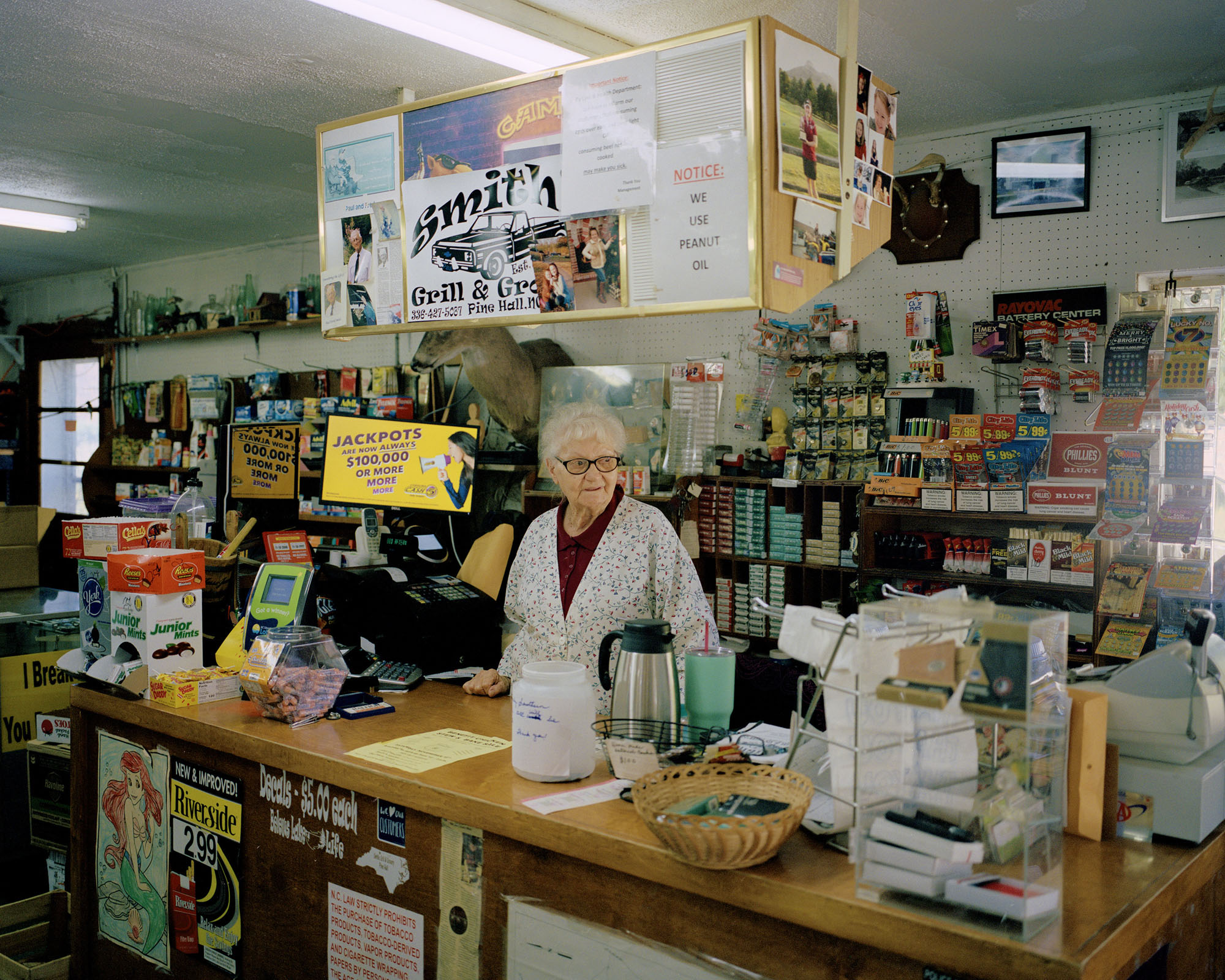
“It was difficult for me to understand how one could ask their congregation, friends, and family to forgive a corporation for poisoning them and causing such detrimental harm to their health. What I came to is that Lesley believed that protesting Duke Energy with hatred will tear you apart instead of being productive.”
Through Brewer, Warasila gained a deeper understanding of how the church provided a space for healing and community, which then guided his approach to image making. Rather than focus on illness, which he believes “can oversimplify a very complicated issue and as a result, dehumanise the person in front of the camera,” Warasila looked for new ways to tell the story to create real change.

Working with local nonprofit The Lilies Project, they compiled a document photographs and interviews presenting the demands of over 30 residents and submitted it to the North Carolina Department of Environmental Quality (DEC).
“The document demanded Duke Energy to clean up the coal ash stored in a large unlined pond and move it to a safe place,” Warasila says. “In January 2020, the DEQ announced that Duke Energy must meet demands of the residents of Walnut Cove, and not only clean up the coal ash at the Belew’s Creek Steam Station but also five other coal ash sites across the state of North Carolina.” It’s a fight which is continuing to gain momentum among residents who bear the brunt of environmental devastation.
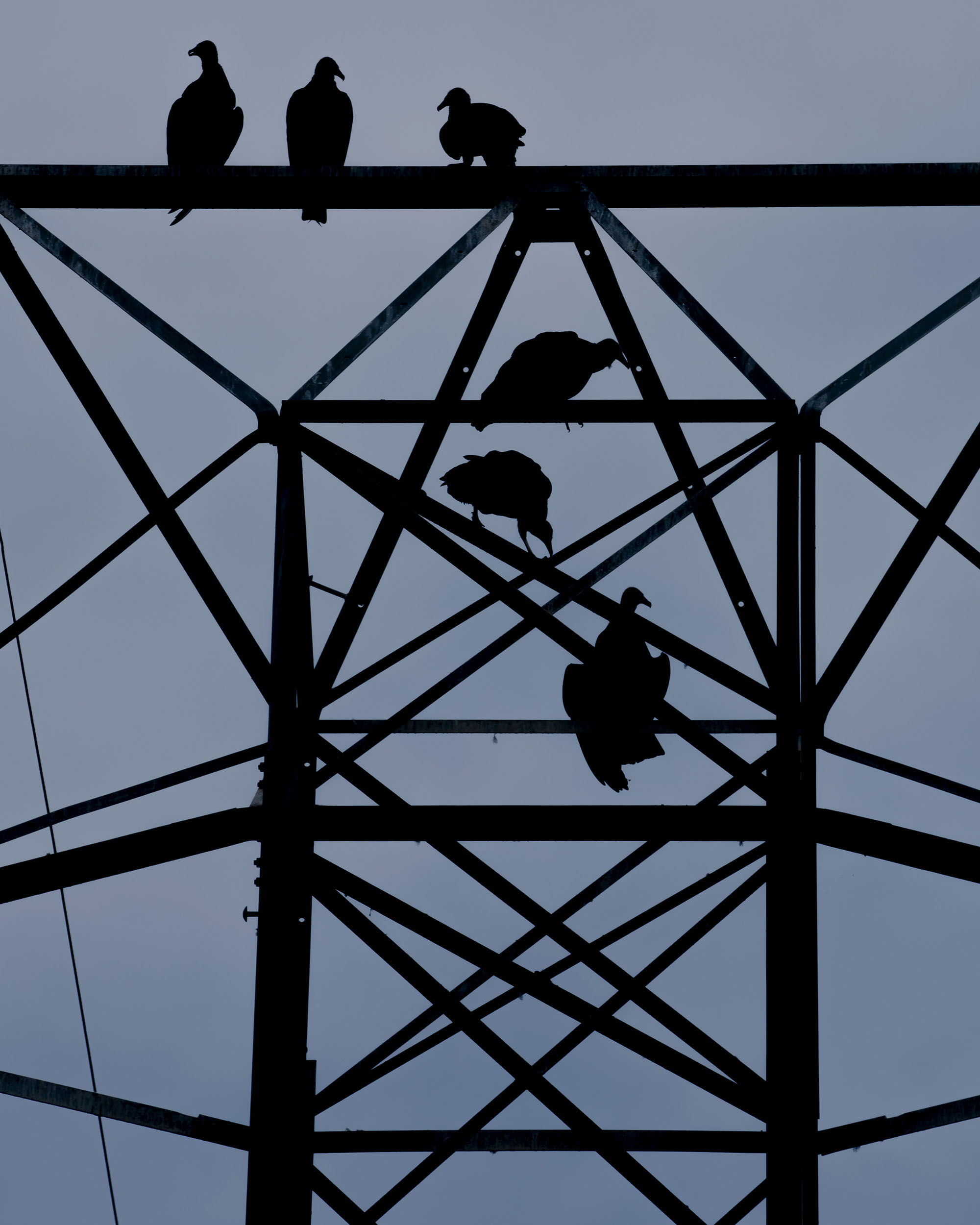
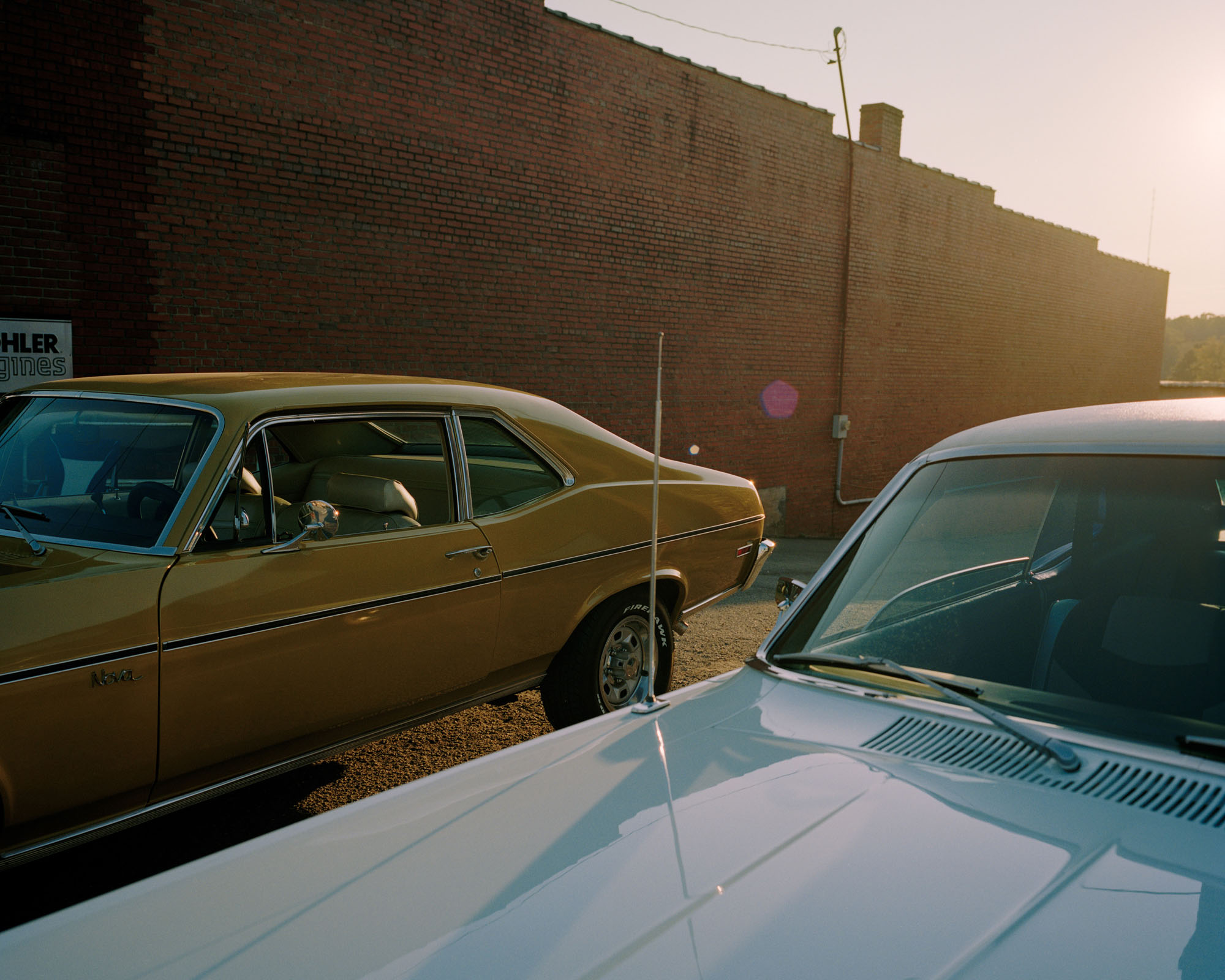
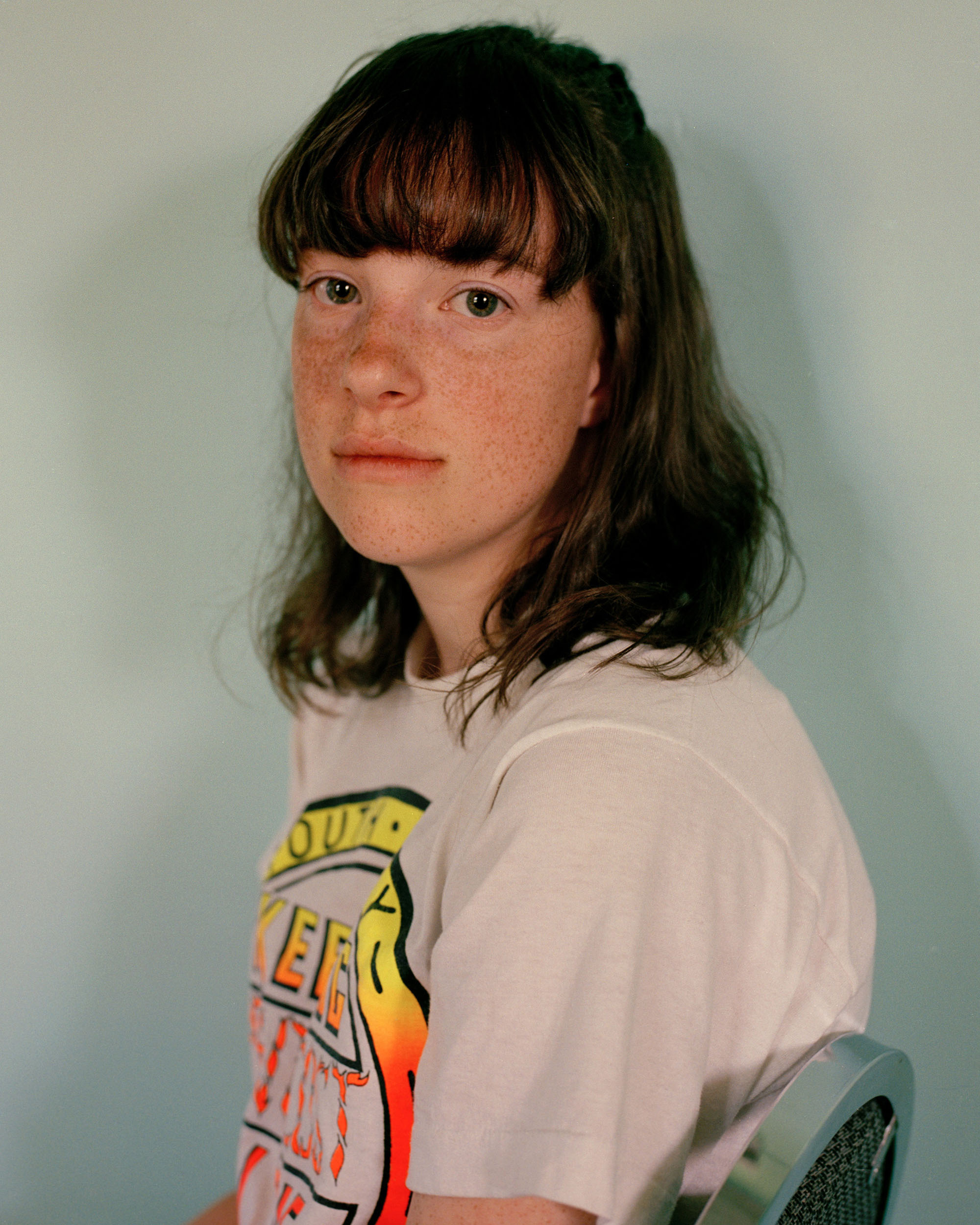
Quicker than Coal Ash is available to pre-order on Gnomic Book.
Enjoyed this article? Like Huck on Facebook or follow us on Twitter.
You might like

Louis Theroux’s ‘Manosphere’ shows men aren’t the problem, platforms are
No Ws for Good Men — The journalist’s new documentary sees him dive headfirst into the toxicities and machinations of the male influencer economy. But when young creators are monetarily incentivised to make more and more outrageous content, who really is to blame?
Written by: Emma Garland

In the 1960s, African photographers recaptured their own image
Ideas of Africa — An exhibition at the Museum of Modern Art explores the 20th century’s most important lensers, including Seydou Keïta, Malick Sidibé and Kwame Brathwaite, and their impact on challenging dominant European narratives.
Written by: Miss Rosen

Reynaldo Rivera’s intimate portrait of queer Latino love
Propiedad Privada — Growing up during the AIDS pandemic, the photographer entered a world where his love was not only taboo, but dangerous. His new monograph presents inward-looking shots made over four decades, which reclaim the power of desire.
Written by: Miss Rosen

In photos: The newsagents keeping print alive
Save the stands — With Huck 83 hitting shelves around the world, we met a few people who continue to stock print magazines, defying an enduringly tough climate for physical media and the high street.
Written by: Ella Glossop

Inside Bombay Beach, California’s ‘Rotting Riviera’
Man-made decay — The Salton Sea was created by accident after a failed attempt to divert the Colorado River in the early 20th century. Jack Burke reports from its post-apocalyptic shores, where DIY art and ecological collapse meet.
Written by: Jack Burke

The quiet, introspective delight of Finland’s car cruising scene
Pilluralli — In the country’s small towns and rural areas, young people meet up to drive and hang out with their friends. Jussi Puikkonen spent five years photographing its idiosyncratic pace.
Written by: Josh Jones


