Photos of NYC capturing the city's frenetic energy
- Text by Miss Rosen
- Photography by Lionel Derimais

Parisian native Lionel Derimais fell into photography by accident. He dreamed of becoming a veterinarian, but his math grades made such aspirations impossible.
“In 1977, a school mate showed me his camera. I immediately thought: ‘I’ll do that too’ – even though I had no idea what ‘that’ meant,” he recalls. That summer, Derimais got a job at a photography shop, bought his first camera, built a darkroom, and never looked back.
In September 1979, he arrived in New York to study English at Columbia University. “But I just wanted to be ‘out there’ with film in my pocket, taking pictures,” he says.
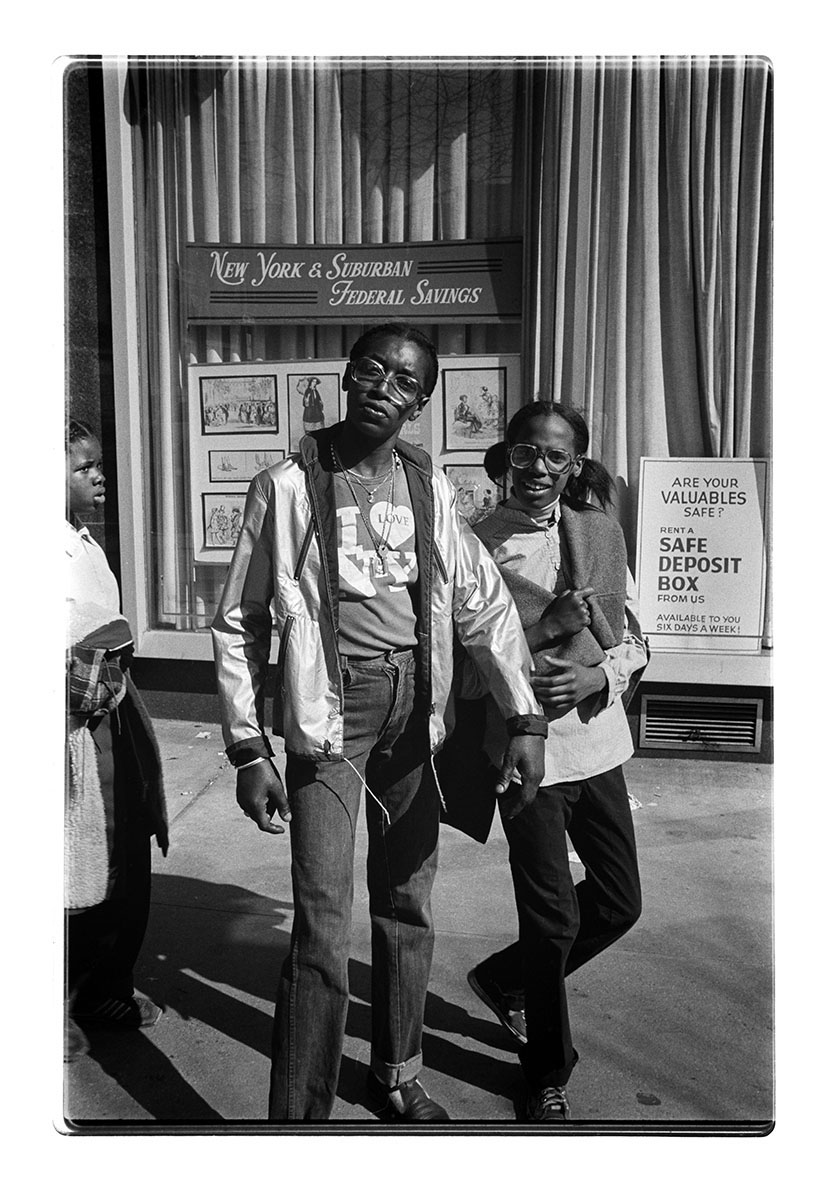
African-American young women, Manhattan, New York City, 1980
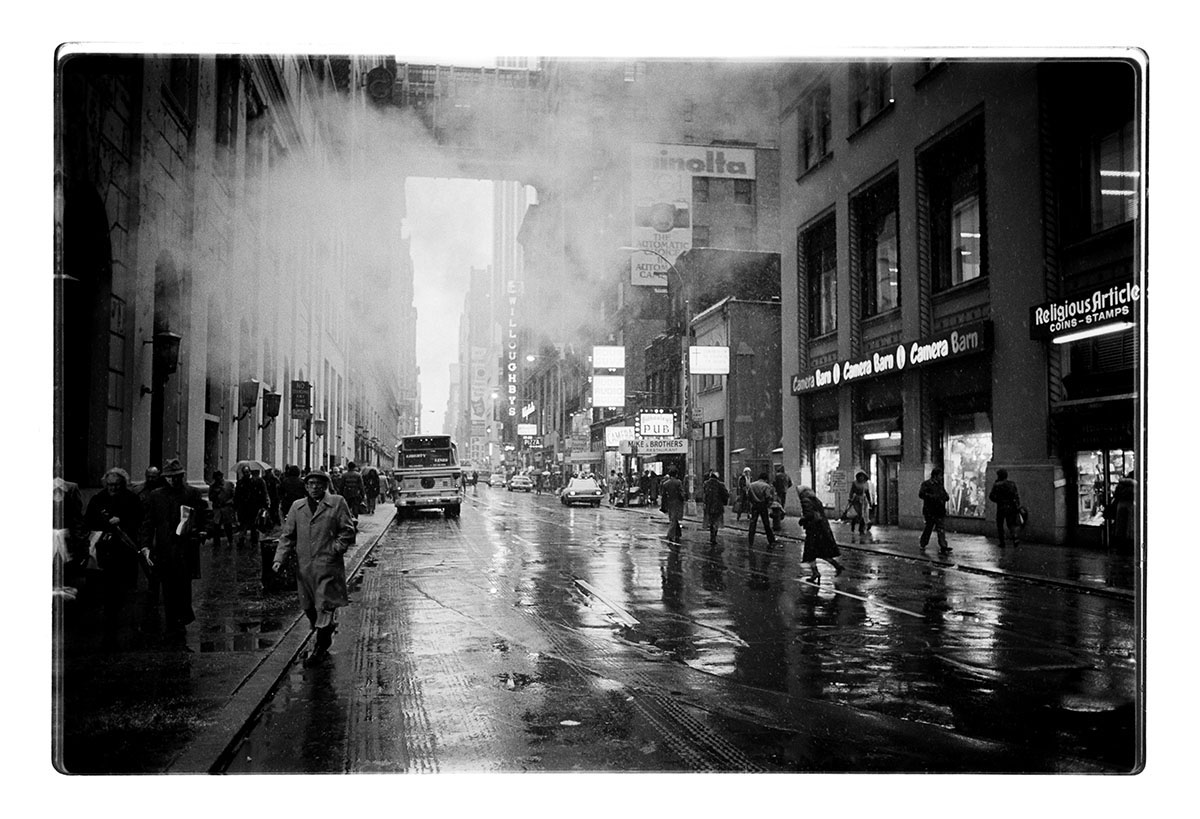
Winter scene in mid-town Manhattan, New York City, 1980
Derimais went home, only to return once more in January 1980 to study at the International Center of Photography. “It was a very happy period of my life: shoot, process, print, repeat. A photographer’s dream,” he says. “Everywhere I turned I saw a great picture, it was ‘cinéma permanent’! The size and the atmosphere of the city was something else: the noise of the New York traffic is so special, the cars were just like in Mean Streets and Taxi Driver, and the height of the buildings on Seventh Avenue was like the Rocky Mountains looming over the streets.”
Over a period of four months, Derimais created a collection of gritty black and white street shots just published in the new books New York 1980 Vol. 1 and II (Café Royal Books) that capture the raw, frenetic energy of the city before gentrification.
“In 1980, New York had a reputation for being dangerous, so there was an atmosphere that you had to be careful when walking around,” he says. “One morning near the Madison Square Garden a guy tried to mug me. I managed to walk away but in my naivety, I went back to the guy, asking why he wanted to take my camera because I didn’t have much more than he did. He let me speak, then put his hand on my shoulder and said, ‘If I’d wanted to take your camera, I’d have taken it!’”
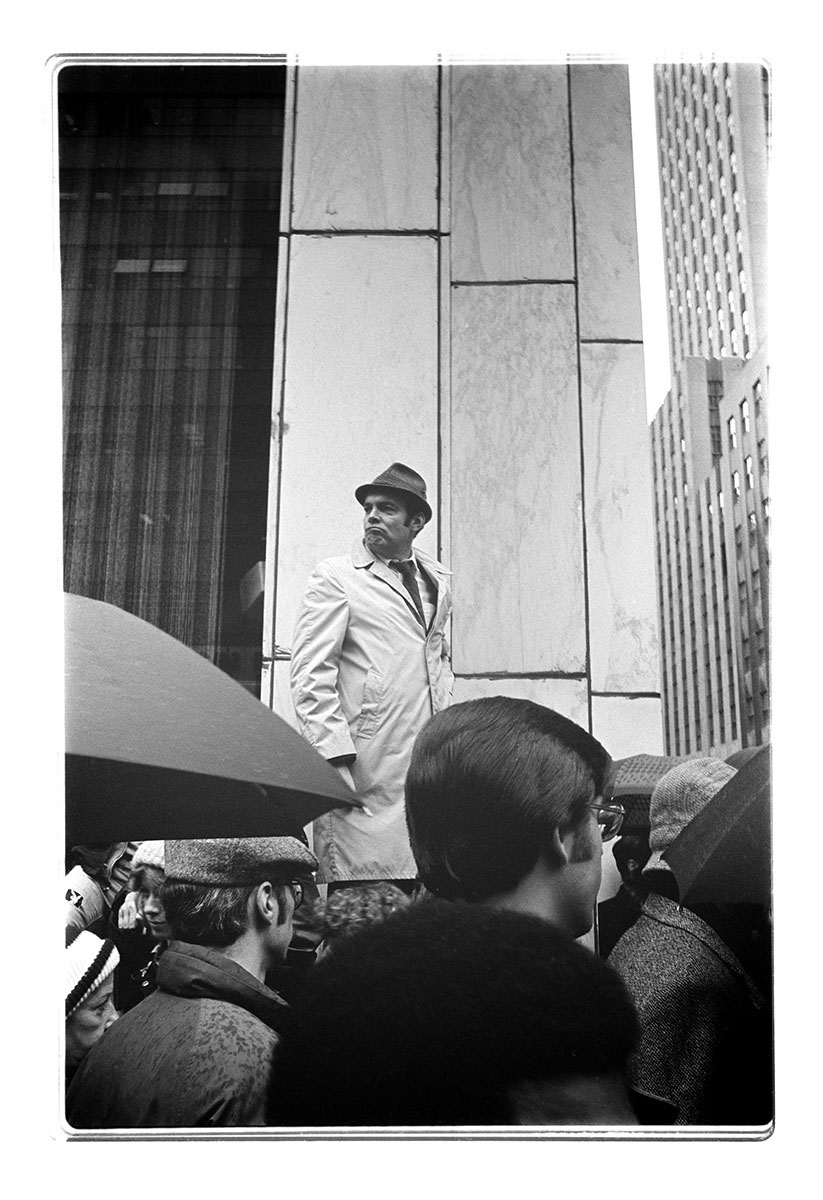
Man wearing a hat, a raincoat and wearing a tie makes a strange face at the St Patrick’s day parade, Manhattan, New York, 1980
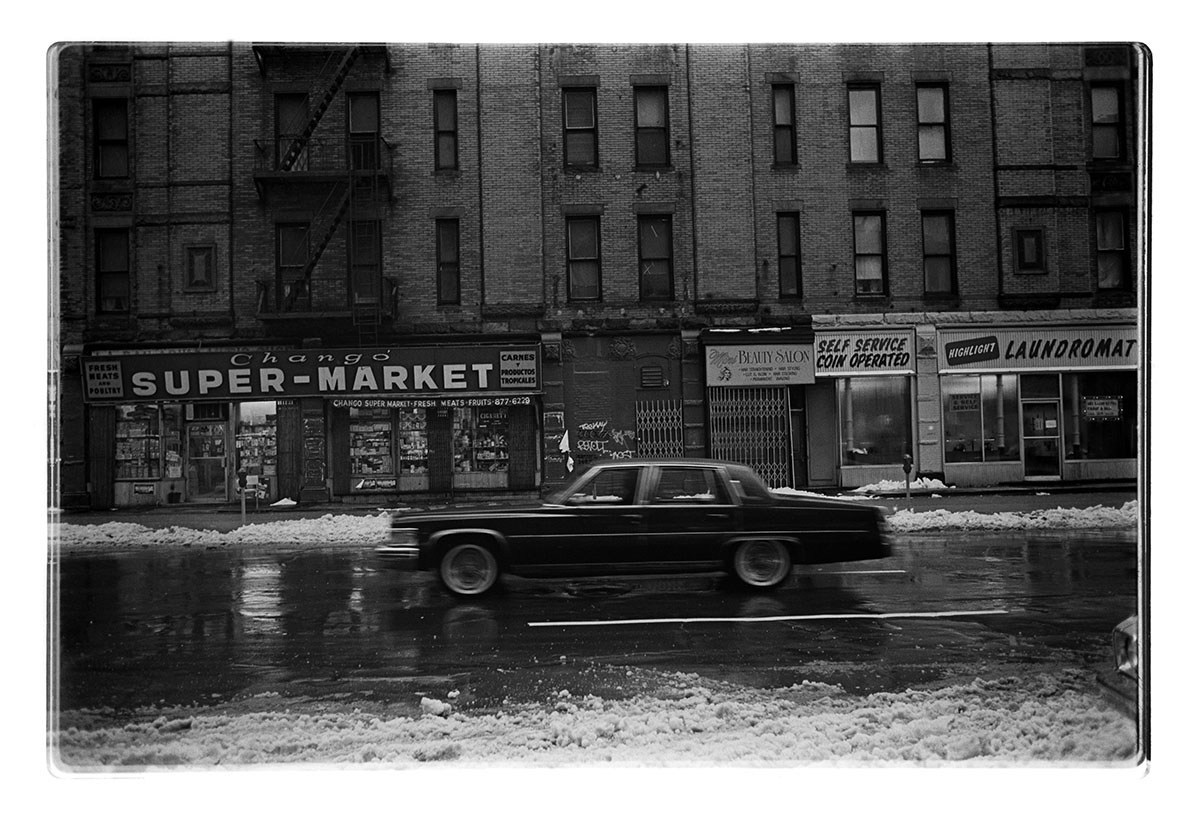
An American car passes a down and out area of Manhattan, New York, 1980
After that encounter, Derimais took care to carry his camera under his coat with a strap long enough that allowed him to shoot. “On one occasion, I saw a young kid running through the subway cars, gun in his hand, with the police running after him,” he recalls. “It seemed to me that if you stayed long enough in New York — about a week by my calculation — you would see someone waving a gun.”
But Derimais loved the free spirit of New York, of the casual exchanges on the street with total strangers, something he notes would never happen in Paris. “There was a sense that everything was quick and simple,” he says.
One night, Derimais spotted Frank Sinatra shooting one of his last feature films, The First Deadly Sin, at a café near his place of residence. “I went to take some pictures of him waiting on the sidewalk. As you might imagine, it was not possible to get very close but he spotted me and asked a cop to tell me to stop taking pictures. The pictures came out very grainy, not good at all, and only I know it’s Frank Sinatra!”
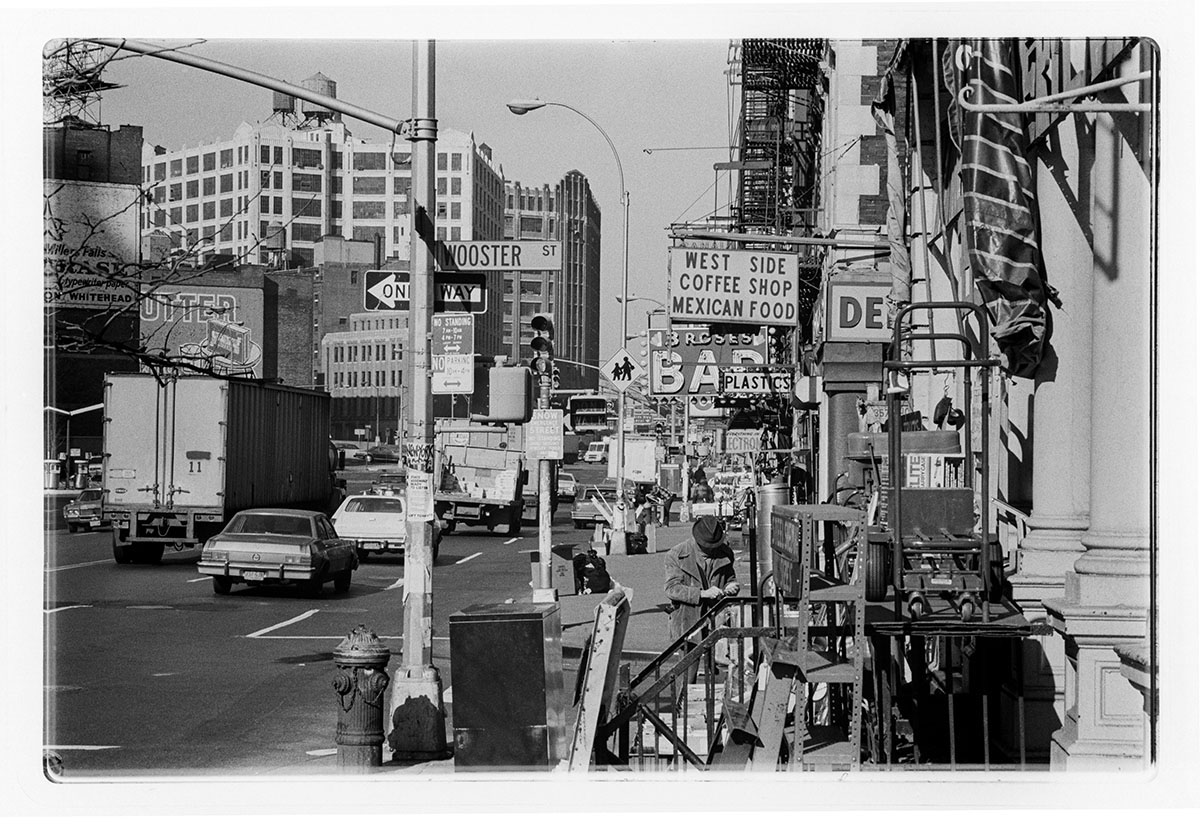
Canal street, New York
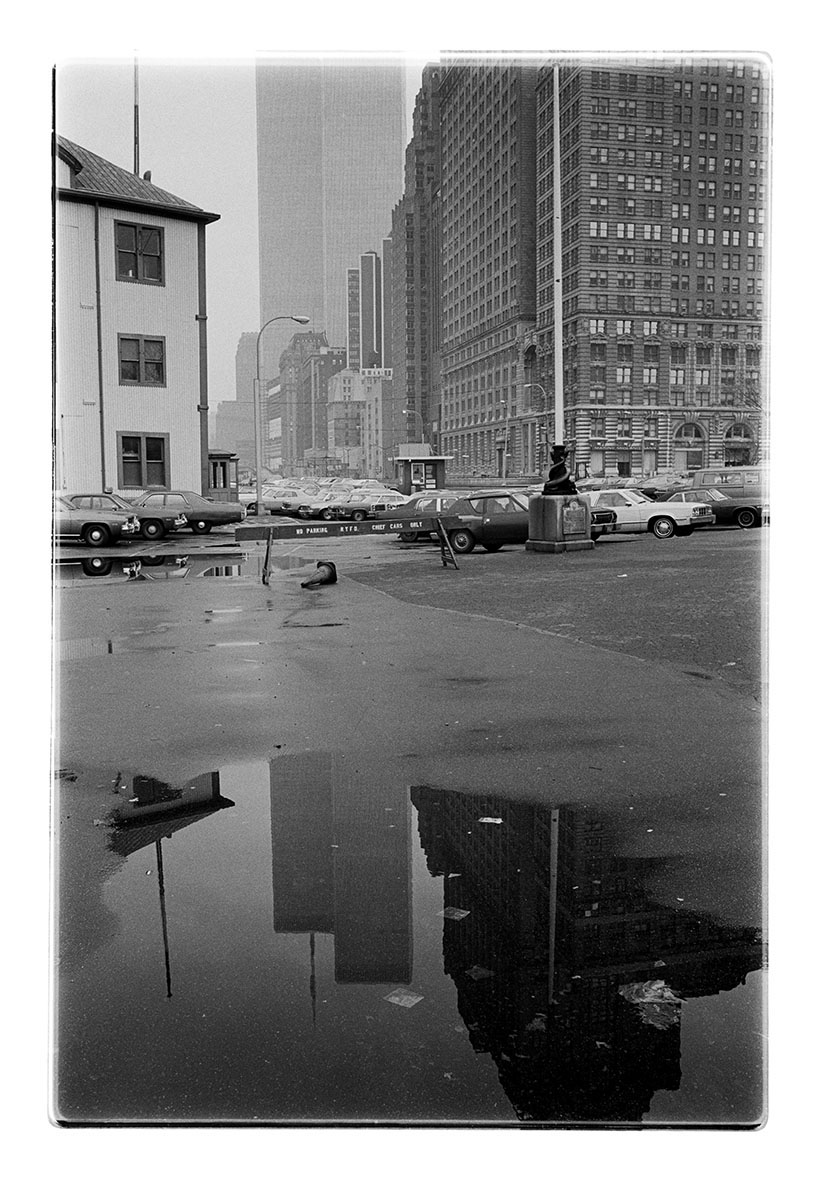
A reflection of the twin towers in downtown Manhattan, Manhattan, New York
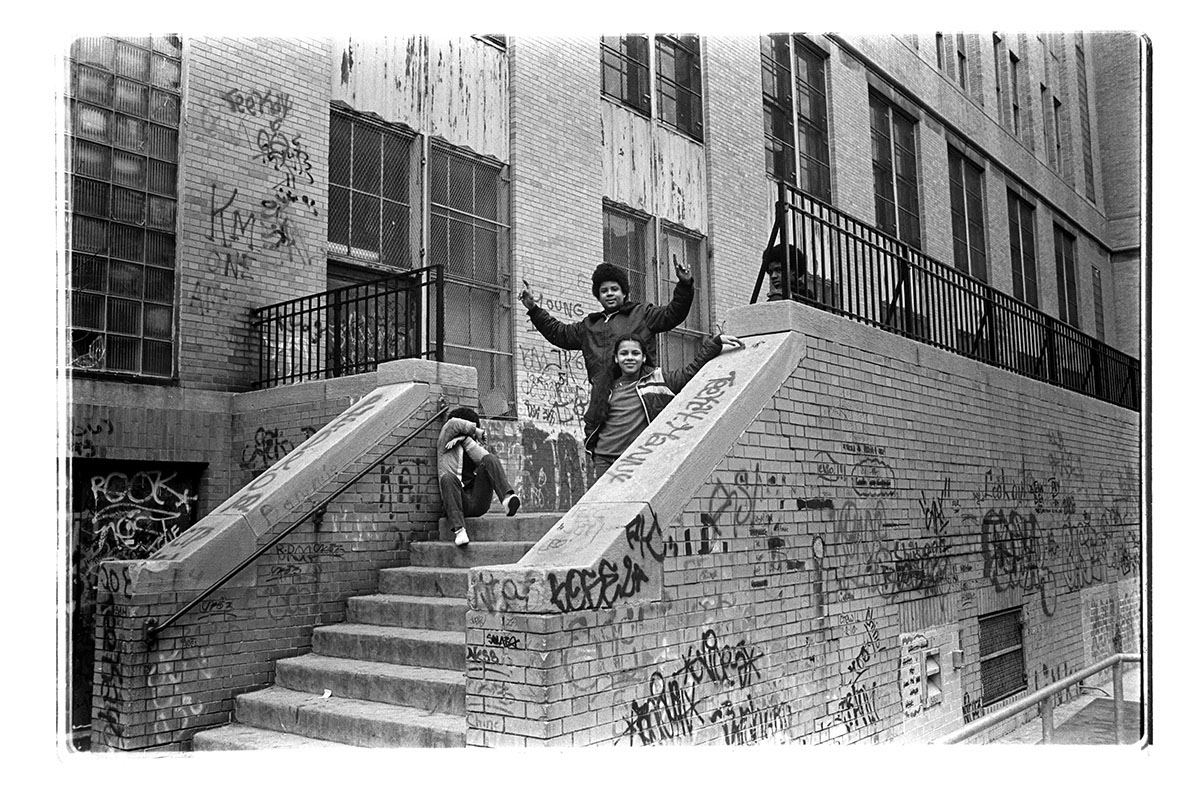
Kids posing for a photo while another one hides, Manhattan, New York City
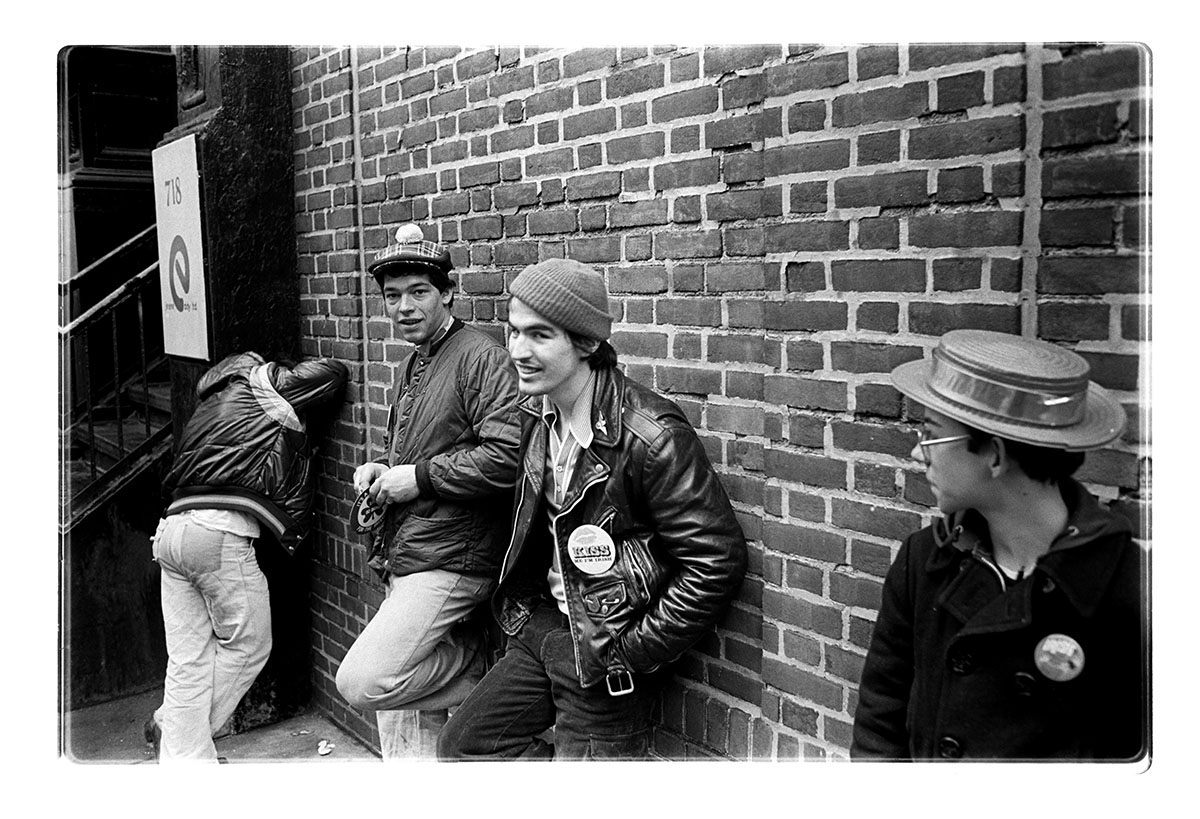
Young men – including one who is sick – at the 1980 St Patrick’s day parade, Manhattan, New York City
Follow Miss Rosen on Twitter.
Enjoyed this article? Like Huck on Facebook or follow us on Twitter.
You might like

Jesse Glazzard’s messy portrait of queer friends, lovers and chosen family
The Sound of Dirt and Beauty — The photographer’s debut monograph explores tender, unpolished moments shaped by the people who he surrounds himself with, while offering a window into the UK’s working-class LGBTQ+ community.
Written by: Sunny Sunday

Behind the curtain at Alternative Miss World 1981
Olympia glamour — Running a subversive take on the traditional beauty pageant, the Andrew Logan organised event prioritised underground creativity and invention. Photographer David Corio went behind the scenes at its biggest edition.
Written by: Miss Rosen

What life on the Strait of Hormuz is really like
Southern Winds — Bandar Abbas based photographer Morteza Niknahad has been capturing the diverse communities and stories of his local region since he first picked up a camera. His new series highlights the human impact of war.
Written by: Isaac Muk

Nick Haymes’s intimate portrait of his family’s life
Chronograph — Over 25 years, the photographer documented his son’s lives as they grew into adults. The resulting photobook is an exploration of the passage of time, as well as the optimism of youth.
Written by: Miss Rosen

Kristina Rozhkova’s scatty, confronting portrait of captivity
Gut Feeling — The Russian artist’s 2024 arrest and subsequent detention opened her eye towards the omnipresent dynamics of power and control. Her new photobook is a stark exploration of being trapped.
Written by: Isaac Muk

Julian Cashwan Pratt: “We fought security until the cops showed up”
Hard Feelings — The lead singer of Show Me the Body joins Rob Kazandjian’s column on fatherhood and masculinity to talk about mentors, scrapping Zionists at shows, and finally making his father proud.
Written by: Robert Kazandjian


