Potent photos of racially segregated proms in Georgia
- Text by Miss Rosen
- Photography by Gillian Laub

It all began with a letter. Anna, a high school student living in Mount Vernon, Georgia, wrote to Spin magazine about how she couldn’t take her boyfriend to the prom because she was white, he was Black, and their proms were still segregated — in 2002.
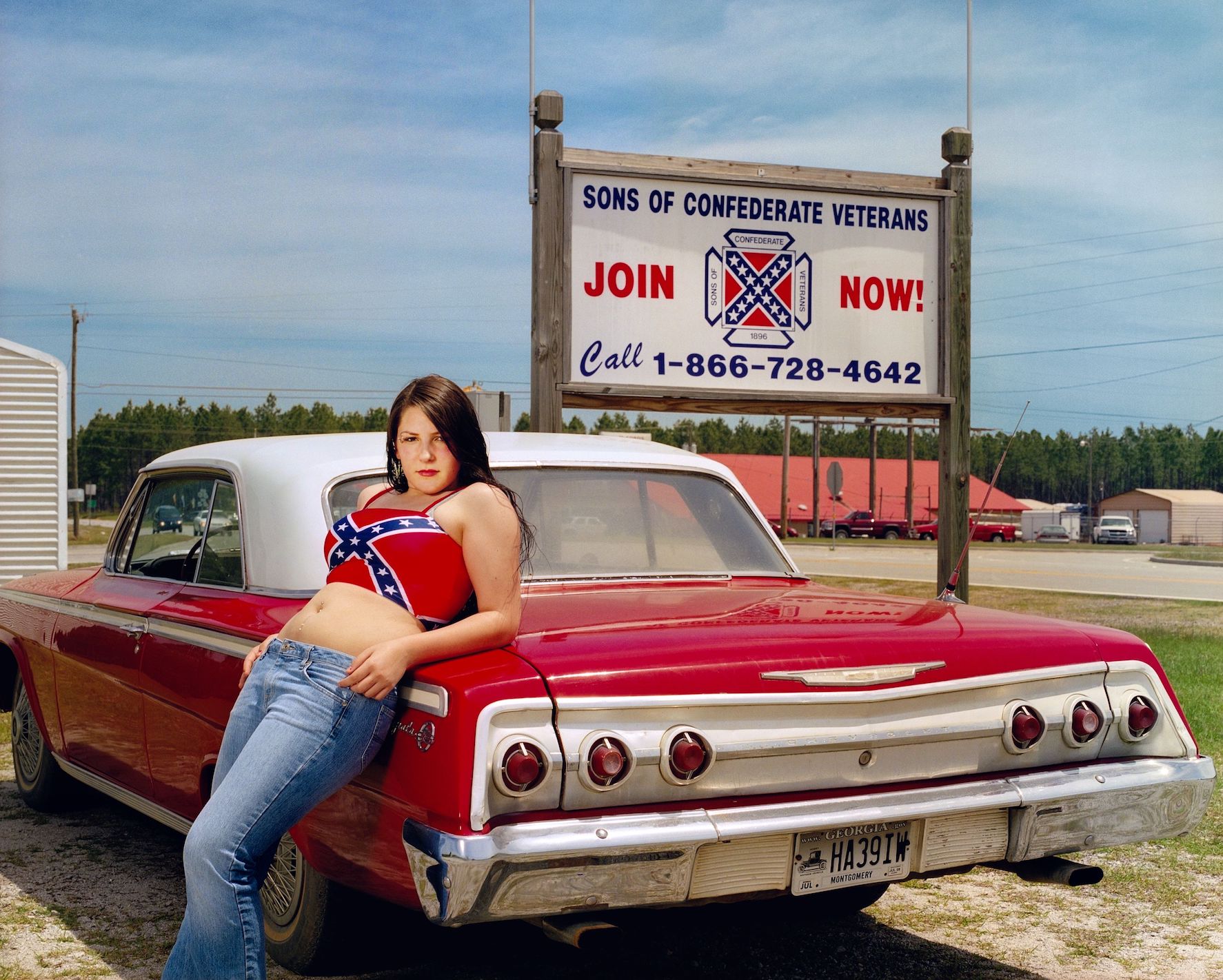
Although it was too late to shoot prom, photographer Gillian Laub decided to cover homecoming, the school’s next segregated event, that fall. Her three-day visit to the town of around 2,500 residents was the start of Southern Rites – now a film, book, and exhibition, documenting race in 21st century America over a period of two decades.
“What was so unsettling was that it felt like a lovely idyllic suburban town that was not unlike my own,” Laub recalls. “The whole community coming together joyously celebrating football games reminded me of where I grew up, but what wasn’t familiar was seeing two queens – a Black queen and a white queen – waving from the homecoming float.”
Laub had never seen such an overt display of segregation coupled with the love students of both races had for one another. “I knew the proms were a symptom of something much larger and I needed to spend time and investigate,” she says.
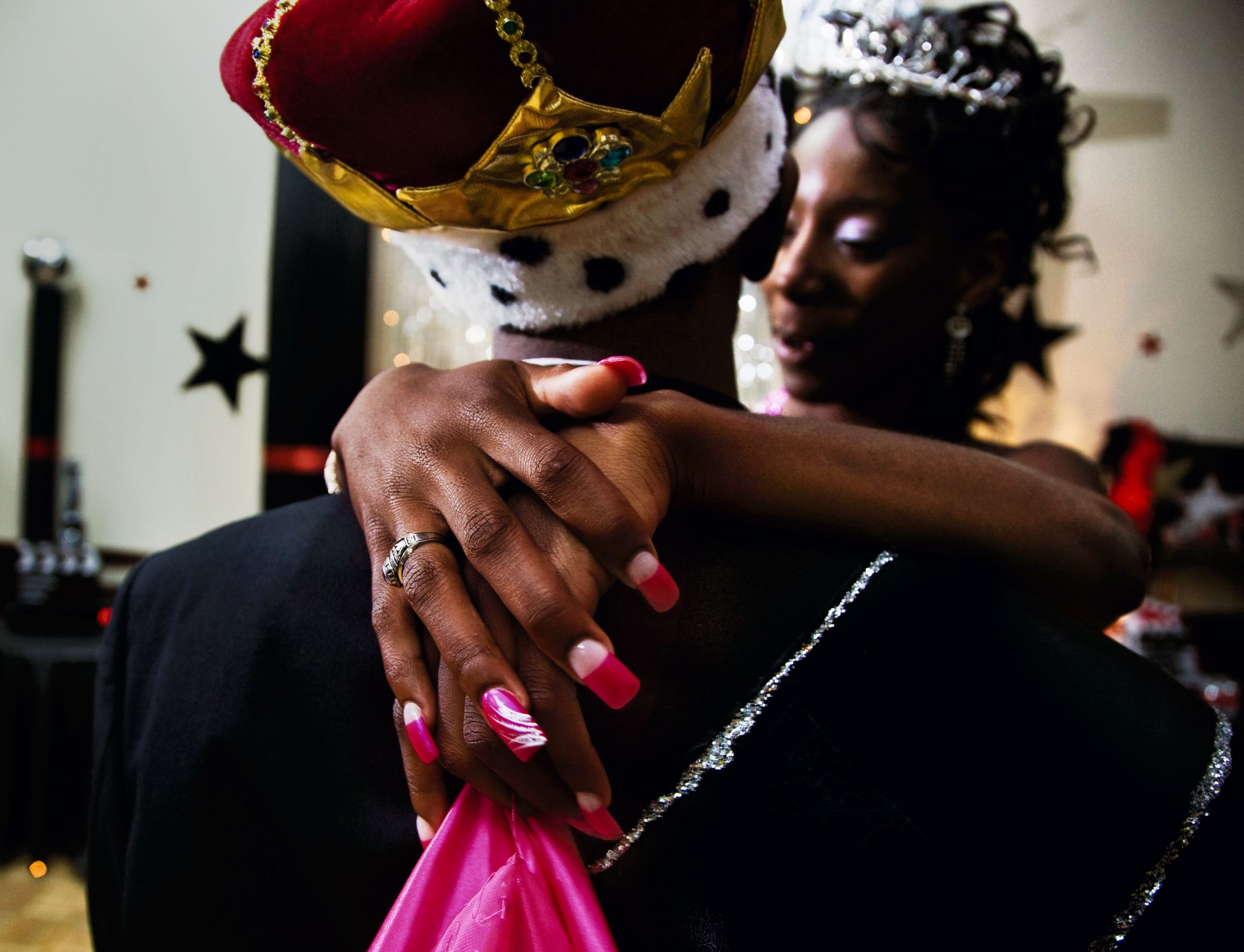
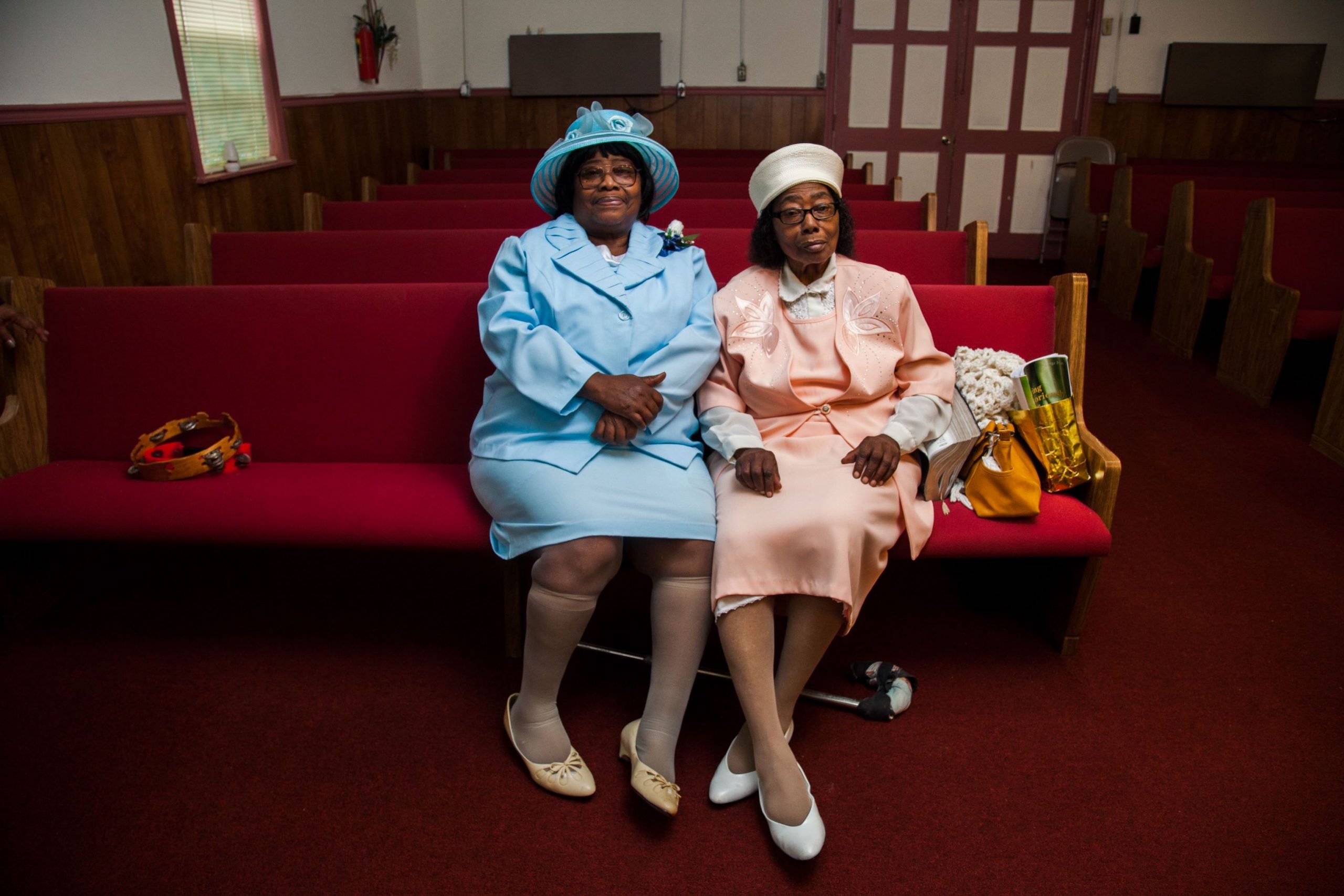
Laub returned in 2008, on an assignment for The New York Times Magazine, just a couple of days before the white prom took place. She met Harley, a white girl on the prom planning committee, and Keyke, a Black girl, about to make history by attending the white prom — until her date cancelled the night before prom, saying his mother wasn’t comfortable with the arrangement.
While photographing Harley outside a hair salon on prom day, a white woman recognised Laub and started screaming: “I know what you’re here to do! Go back to where you came from!”
Things quickly went from bad to worse. “The next thing I knew, our tires were slashed,” Laub says. “The country sheriff came over and warned us to leave town, that people there were NRA members and they would take matters into their own hands. I was chased out of town.”
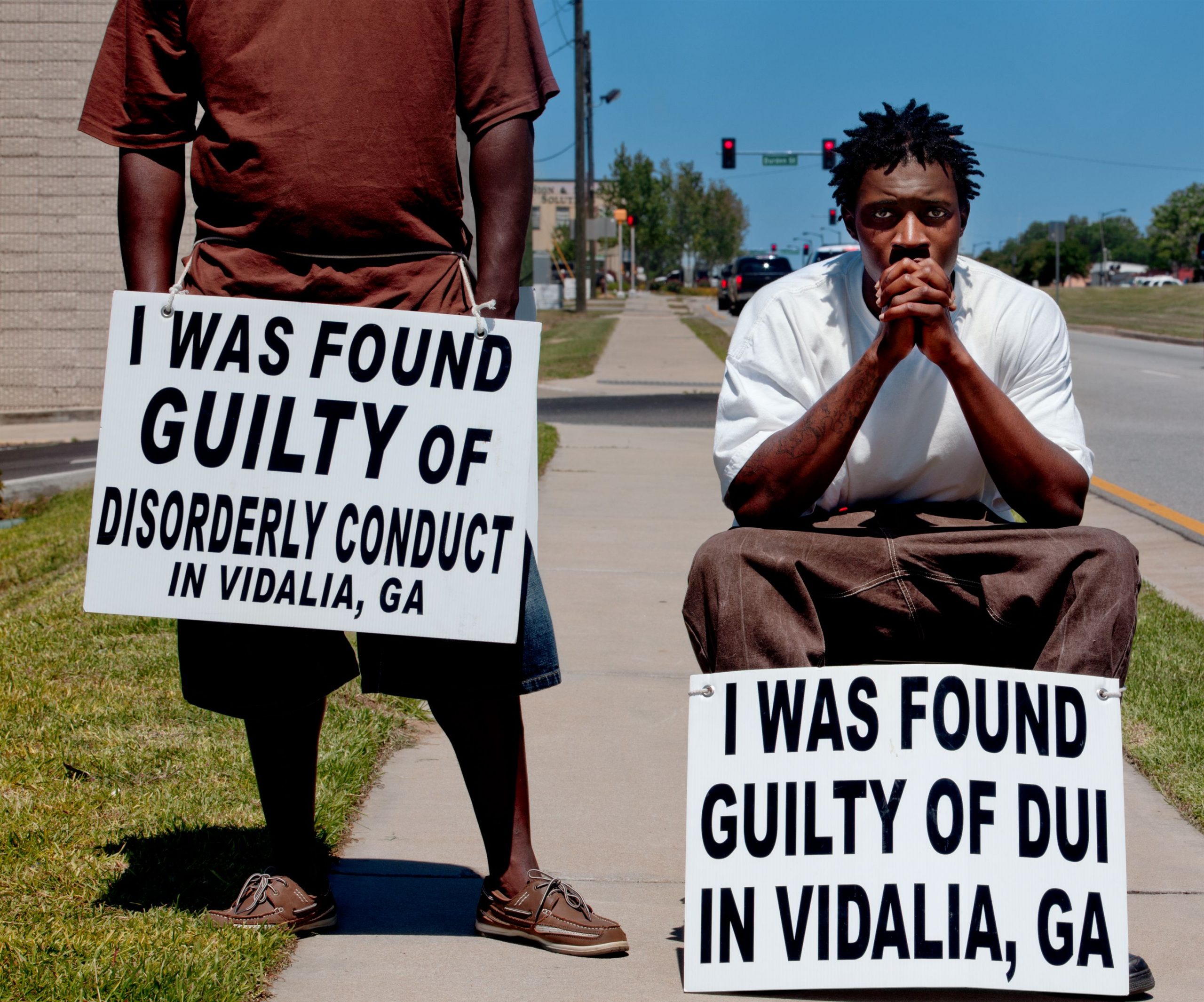
But Laub did not quit. She returned two weeks later to photograph the Black prom, where she was welcomed with open arms. The story was shelved until Laub went back the following year. After the New York Times article, A Prom Divided, was published, and the school was forced to integrate events.
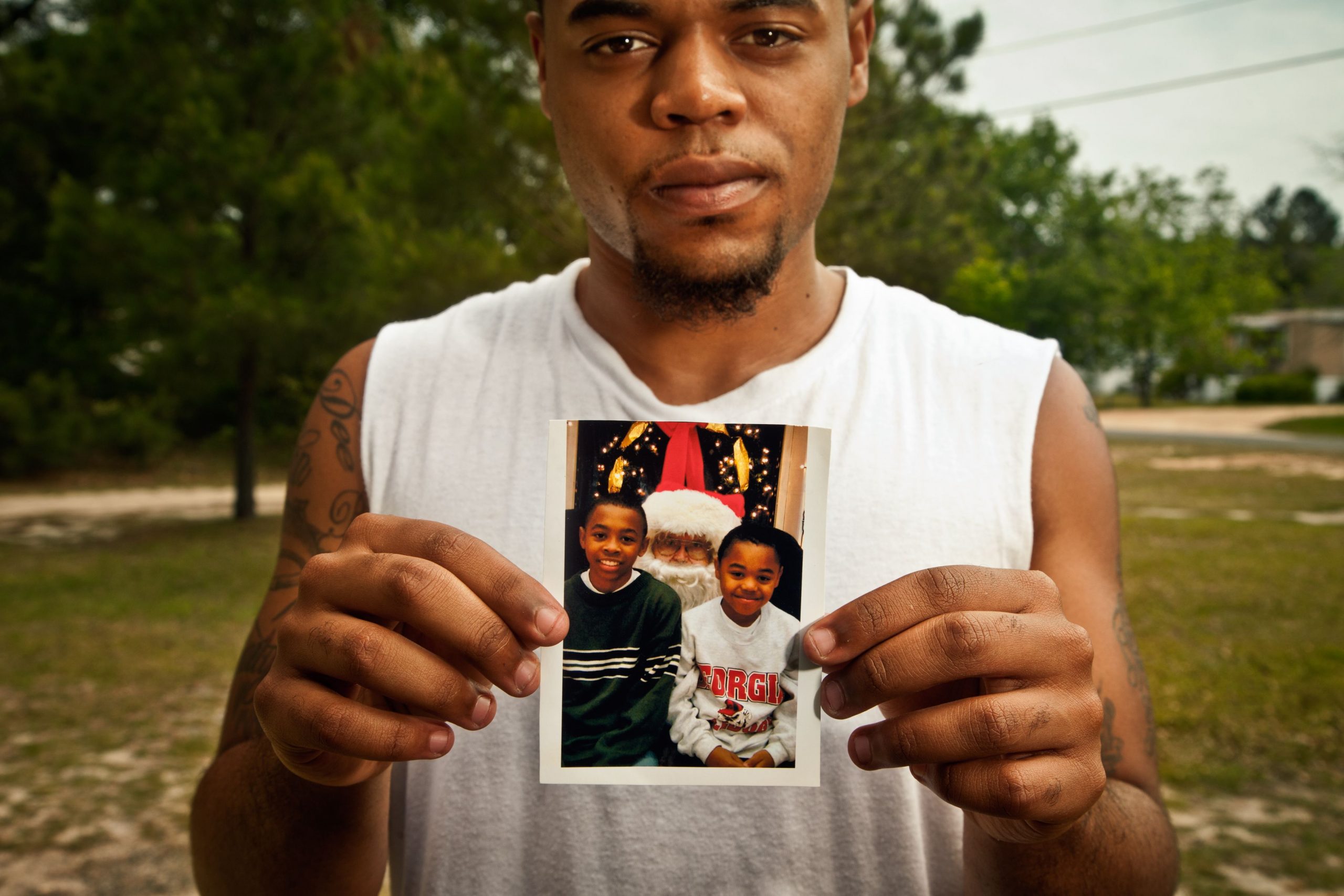
Then in 2011, tragedy struck when a 62-year-old white man killed Justin Patterson – one of the Black teens Laub photographed in 2009 – after finding out Patterson had been in his home with his daughter.
“I witnessed injustice and felt I had a responsibility to do something. When I was filming Justin Patterson’s trial, it was not being covered in the media. At that point, Trayvon Martin had been killed and Justin’s mom said, ‘Look, people are starting to care and pay attention, but no one knows about my son — no one knows his name,’” Laub says.
“I felt her pain. That gave me more impetus to share Justin’s story. I realised Trayvon Martin was one person who represented so many others killed, and whose stories remain unknown.”
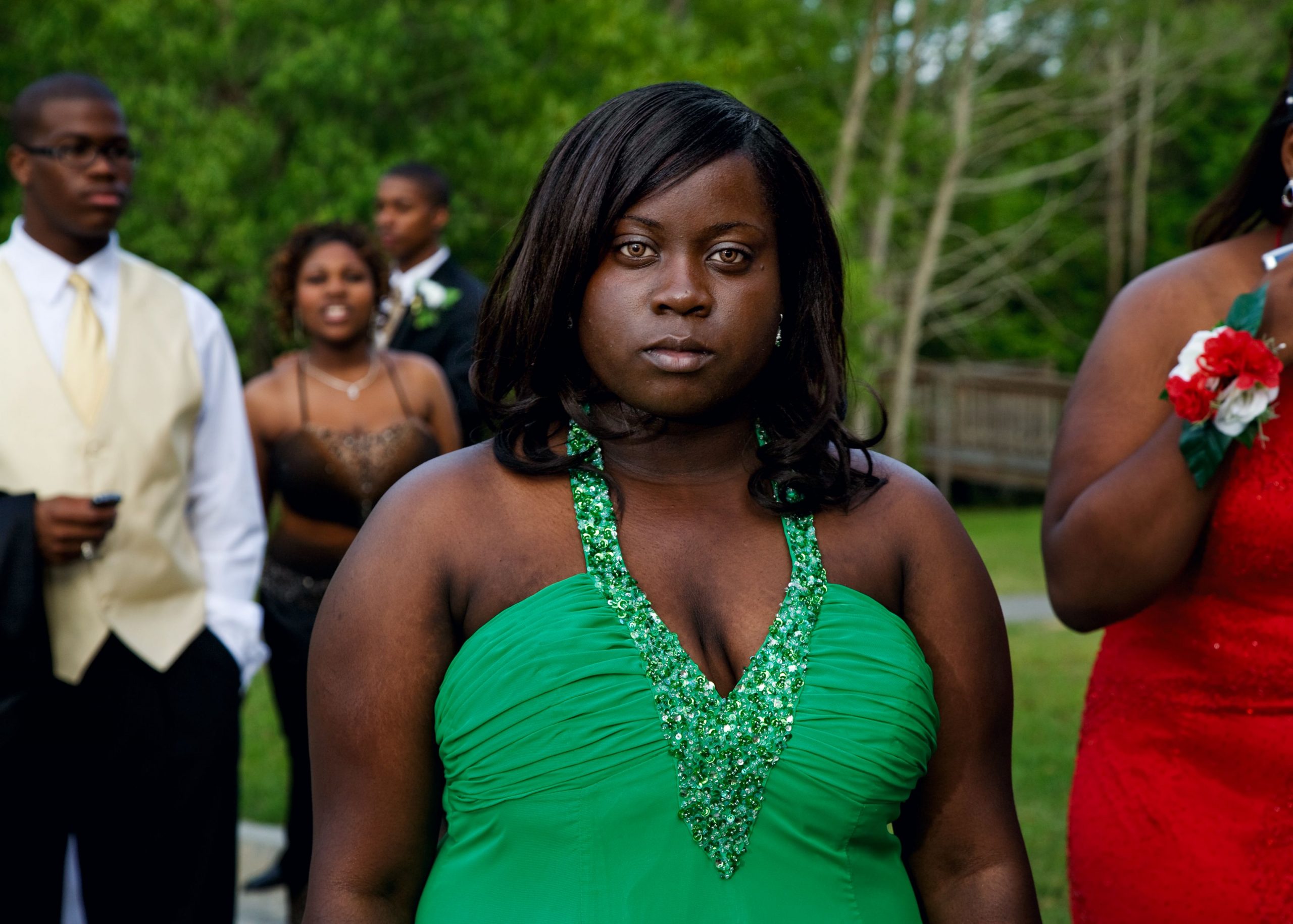
Gillian Laub: Southern Rites is currently streaming on HBO, and the book is out on Damiani now.
Follow Miss Rosen on Twitter.
Enjoyed this article? Like Huck on Facebook or follow us on Twitter.
You might like

Signs of solidarity as London marks three years of genocide in Palestine
Never forget — 250,000 people gathered on Saturday as Israeli attacks have continued in Gaza and the West Bank. Daisy Schofield photographed the diverse people and placards in attendance.
Written by: Daisy Schofield

Landmark new exhibition is celebrating 50 years of female punk
God Save the Queens – The Museum of Youth Culture is bringing together rare photography, archive material and a one-night-only supergroup featuring members of X-Ray Spex, The Slits and The Raincoats.
Written by: Ella Glossop

Halcyon, end of summer days in ’80s Massachusetts
Bell Pond — Stephen DiRado’s new photobook is a nostalgic look at blissed out moments of young love, family and coming of age at a swimming pond in Worcester, Massachusetts.
Written by: Miss Rosen

Photographing America’s 20th century rebels
Rebels With a Cause — A new monograph looks back at Jean-Pierre Laffont’s extensive archive documenting counterculture, art, activism and more, shaping the country as it is today.
Written by: Isaac Muk

The groundbreaking photography of Gordon Parks
Voices in the Mirror — A new exhibition dives deep into the legendary lensman’s archive, who captured the Civil Rights Movement and Black America like no other.
Written by: Miss Rosen

A chaotic portrait of an ’80s American farming family
Holy Cow! — Melonie Bennett grew up on a farm in Maine in the ’80s, and documented her family’s idiosyncratic daily life. She presents those humorous, everyday memories in a new exhibition and photobook.
Written by: Miss Rosen


