The erotic magazine making porn more inclusive
- Text by Ione Gamble

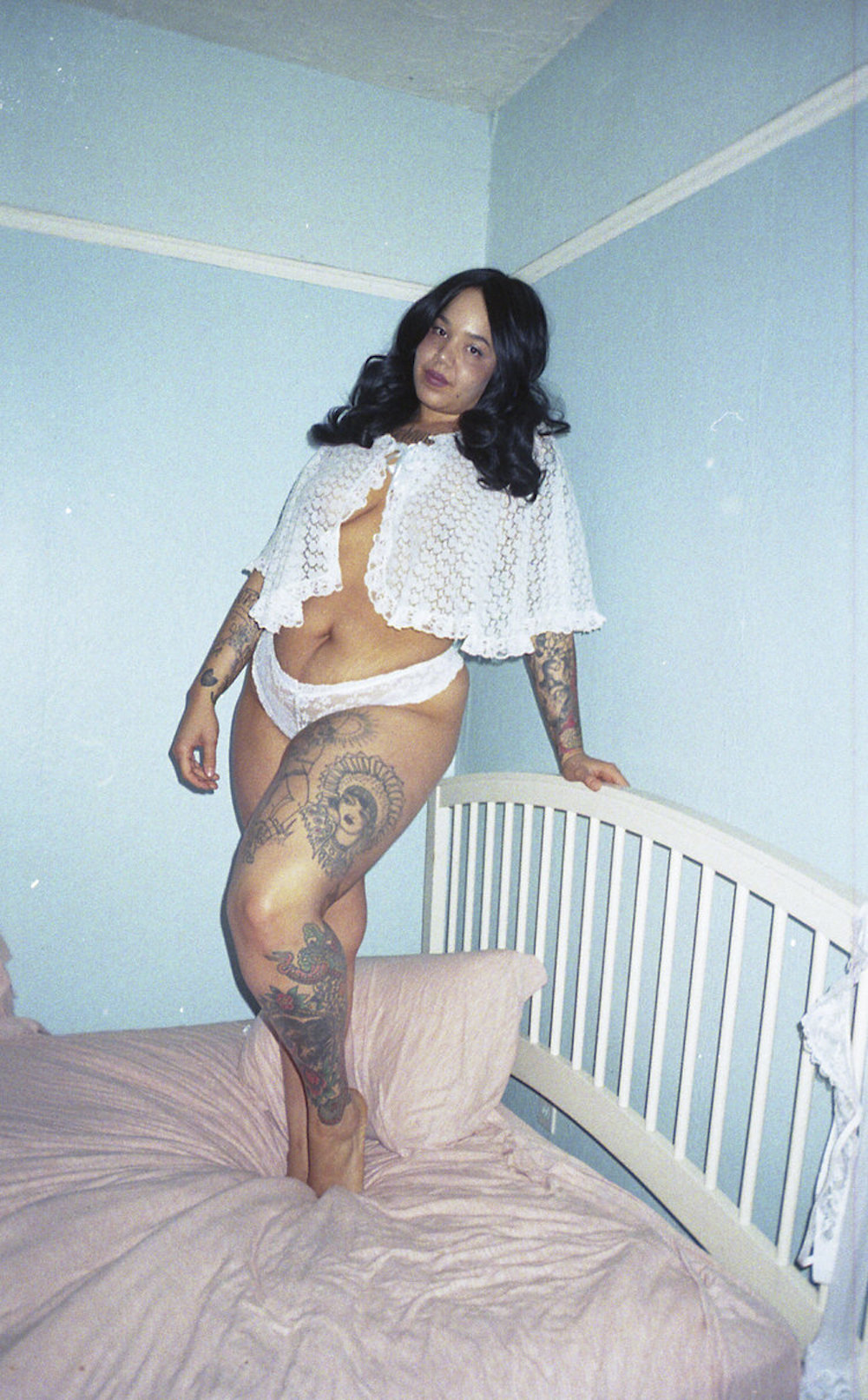
“I was not seeing myself represented in popular media, and if my body was being represented, it was the butt of the joke,” says Lauren Crow, the California-based artist who first picked up the camera to help make objective sense of her “young, fat, queer body.”
When it comes to fat bodies in visual culture, visibility is – to put it generously – lacking. Porn and sexual imagery, though, is a whole other ball game: at best, plus size people are festishised, at worst, we’re ridiculed. However, by using her own body as the impetus, Crow is looking to change that.
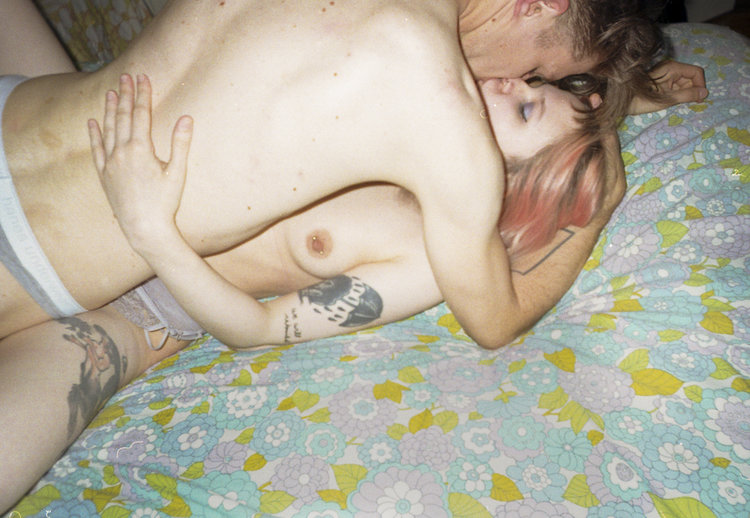
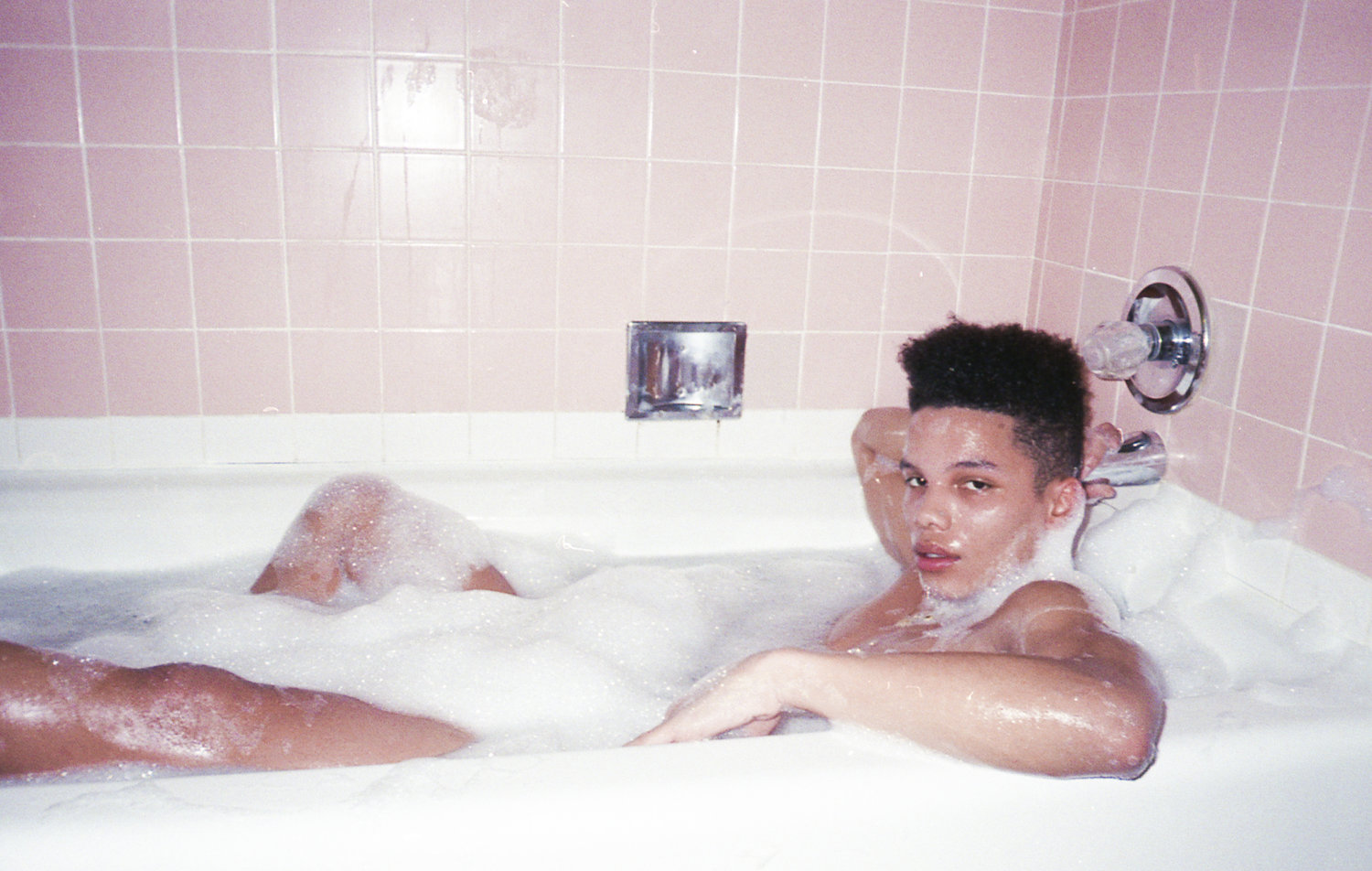
Through her publication Lascivious, Crow takes queues from bygone eras to reset the agenda on how we explore our desires. Operating as a modern day porn magazine, it sees glossy, high production values offset by grainy, harshly lit imagery harking back to the ‘60s and ‘70s. “Lascivious was just a logical way for me to organise and present about a year’s worth of images I was shooting,” she says.
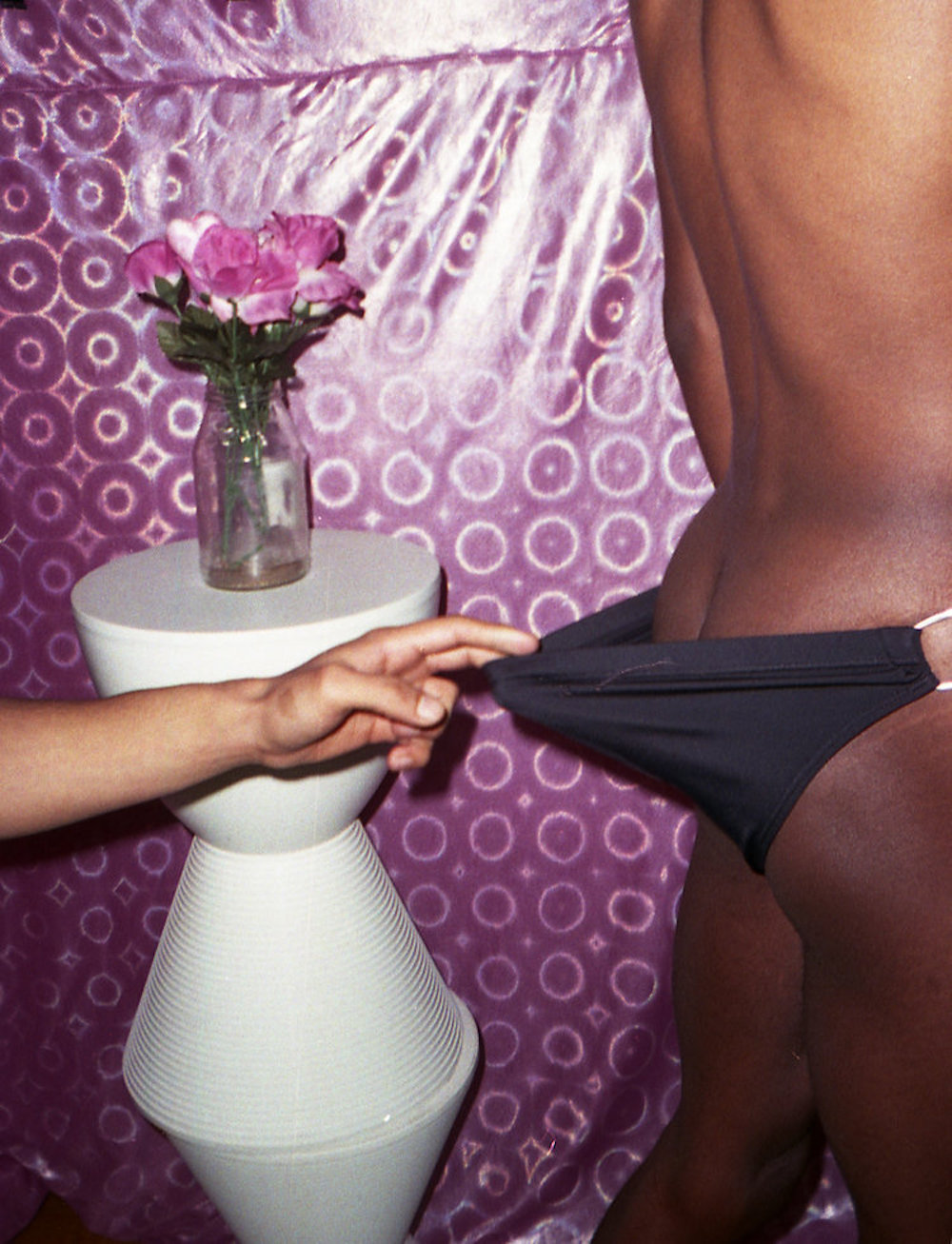
Although the publication began with an initial focus on Crow herself, her gaze has since widened. Depicting all bases of sexual behaviour from snogging to squirting, Lascivious prioritises consent when it comes to casting models.
Establishing boundaries and fostering a relationship based on mutual respect is key when it comes to photographing people’s most private moments. “While I know there are no 100 percent safe spaces, I am eager to have a detailed discussion prior to shooting, to let the model know they are in control.”

For Crow, sex and sexual imagery itself isn’t her primary interest. She’s more interested in intimacy in a much larger sense – be it platonic, romantic, or sexual. “What doesn’t fascinate me about intimacy?” she says. “It is such a multi-layered, beautiful, weird and complex thing that exists, lacks, ebbs and flows in every single person’s life.”
And while her work may have vastly expanded since her first self portraits, she finds that even the photographs she takes of others ultimately end up revealing something to – or about – herself. “Looking through my work” she says, “I am able to see my mental health and personal relationship with intimacy reflected back to me.”
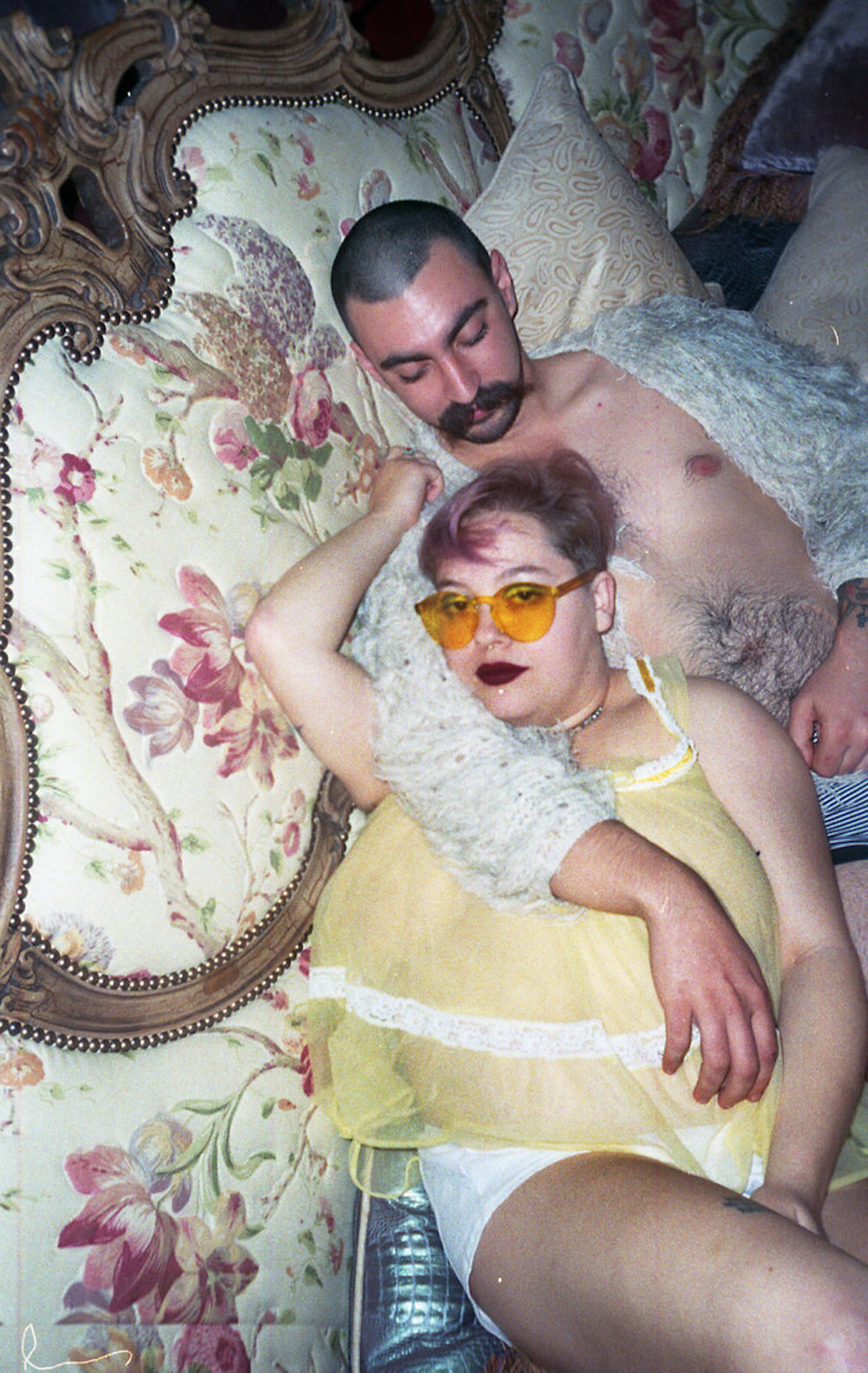
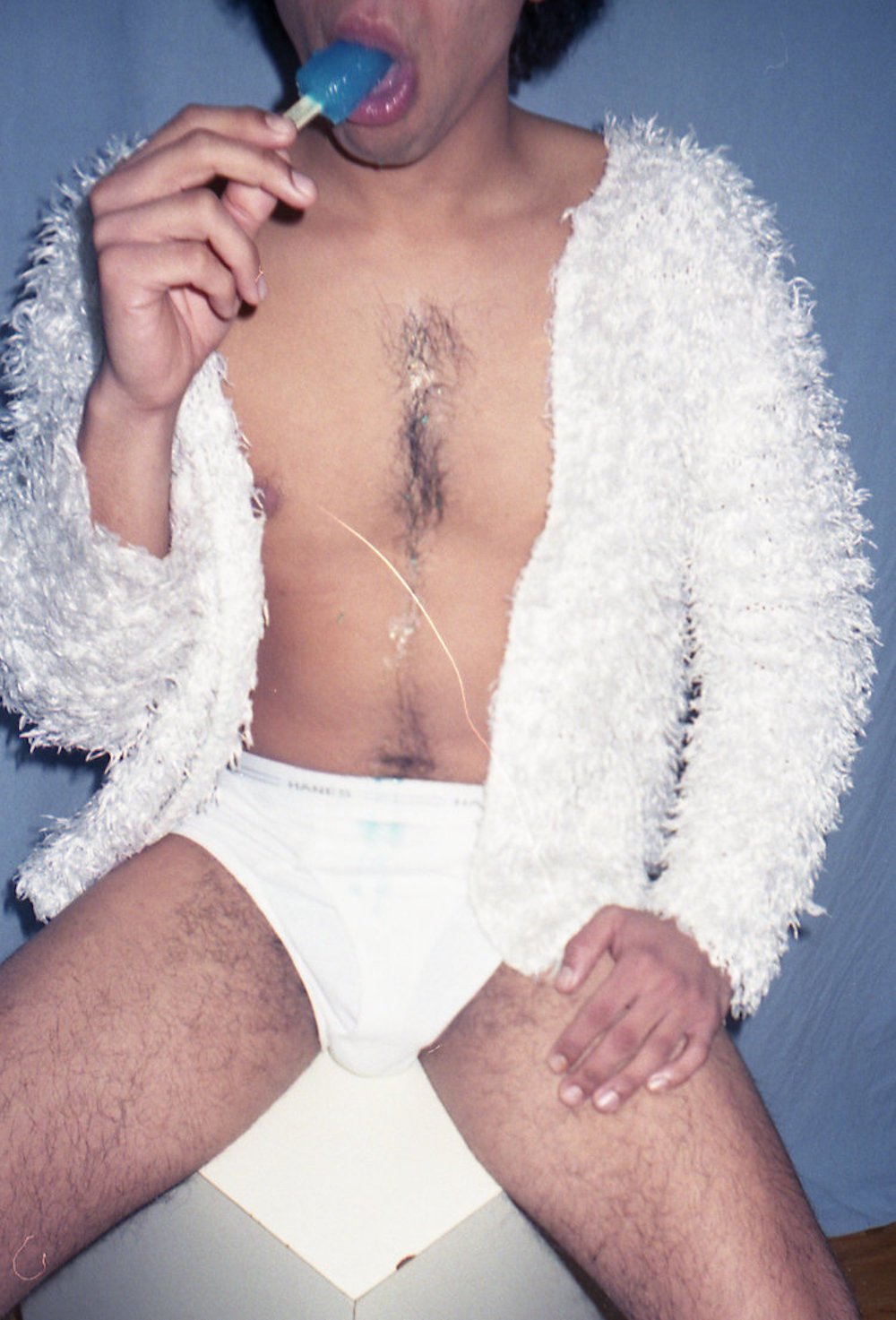
See more of Lauren Crow’s work on her official website.
Follow Ione Gamble on Twitter.
Enjoyed this article? Like Huck on Facebook or follow us on Twitter.
You might like

Defiant photos of New York’s ’80s & ’90s queer activists
Arresting Images — Dona Ann McAdams’ photographs document the AIDS crisis, lesbian organising and civil disobedience from one of the most fraught eras in American LGBTQ+ history. A sale of her archive takes place later this month.
Written by: Sydney Lobe

Joe Bloom’s View From a Bridge
More stories, more human — The artist and creator of the vertical video generation’s most loved storytelling platform explains the process behind creating the show, and the importance of bucking trends.
Written by: Isaac Muk

When David Wojnarowicz became Arthur Rimbaud
Arthur Rimbaud in New York — In 1978, the American artist and his friends donned masks to pay tribute to the French poet, who was born a century before him. Miss Rosen traces the differing yet parallel lives of the queer revolutionaries.
Written by: Miss Rosen

On the set of ‘La Bamba’, lost Latino legend Ritchie Valens’s biopic
The overnight rockstar — The Chicano rock & roll star exploded overnight in the late ’50s, but just as quickly he was gone, killed in a plane crash along with Buddy Holly. An ’80s biopic saw him immortalised on the big screen, which photographer Merrick Morton captured behind the scenes.
Written by: Miss Rosen

Louis Theroux’s ‘Manosphere’ shows men aren’t the problem, platforms are
No Ws for Good Men — The journalist’s new documentary sees him dive headfirst into the toxicities and machinations of the male influencer economy. But when young creators are monetarily incentivised to make more and more outrageous content, who really is to blame?
Written by: Emma Garland

In the 1960s, African photographers recaptured their own image
Ideas of Africa — An exhibition at the Museum of Modern Art explores the 20th century’s most important lensers, including Seydou Keïta, Malick Sidibé and Kwame Brathwaite, and their impact on challenging dominant European narratives.
Written by: Miss Rosen


