A people's history of British style
- Text by Shelley Jones

What We Wore – A People’s History of British Style is a book by photographer, artist and ‘modern day pop-ethnographer’ Nina Mandahar, born and raised in London.
Bringing together hundreds of personal pics that feature the predominant styles of the day – from studs and tartan to Italian sportswear, New York bombers and graphic bucket hats – What We Wore is a document of eighties’ and nineties’ youth culture, told from the bottom up.
We caught up with Nina to find out more about the amazing project.
How did the What We Wore project start?
I think the idea was planted in my head when I was a teen. Clothes were important to me as a means of self expression and that’s stayed with me. But I had the idea for the actual What We Wore project about five years ago, from looking through photos on Flickr. I noticed you would often see a lot more nuance and energy in personal photos than in images by ‘subculture’ photographers. So I created a group pooling these images, which I invited people to submit to and add their stories to. Then in 2011, What We Wore became a regular weekly format on the site ISYS (I Saw You Standing) Archive, which I founded together with Cieron Magat. In 2013 What We Wore was developed into standalone site. I approached Prestel about publishing it as a book with the help of Eve Dawoud, who was involved in research on the project too.
Did you feel that the people’s history of British style had been overlooked?
Not really overlooked, but perhaps told from a particular vantage point. With What We Wore the important thing for me has been using style as an entry point into people’s lives and histories. Theres a big buzz about ‘heritage’ in branding at the moment but there are lots of back stories to this heritage – the whole social backdrop of things. Hopefully the book reveals a bit more about this and real people’s lives and stories and what their clothes mean to them.
How did you source the photography/stories?
A combination of research, social media and word of mouth. What We Wore also did LIVE archive events at Tate, V&A and Ace Hotel where people could bring in images for digitising. It was a long process for a small team! There are people I was keen to get involved, who who I contacted directly to request submissions from. The archive is still open for submissions! Get involved.
Why was it important to you to have some of the more high-profile people – Tracey Emin etc.?
I wanted to include people who were known figures in arts, music and culture who represent movements or moments in time but give them the same treatment as everyday lesser known people, to whom music and style was equally important. I also think from the point of view of readers it’s great to see your heroes as teens themselves.
The history of British style is so rich – do you still think it’s strong?
We constantly reinvent; we’re culturally mixed up, we’re angry, we’re bored, we’re attention-seeking, we’re cold and clothes warm us up!
What trends/brands/people do you find interesting/exciting today?
Trends: I think I’m more interested in social trends than fashion trends right now and how everyone’s behaviour is changing as a result of the changes in technology and communication. I’m reading a book called The End of Absence by Michael Harris which talks a lot about this. People: Photography-wise I saw a great book about love in India by Max Pinckers called Will They Sing Like Raindrops or Leave Me Thirsty. Shops: I saw a shop in Paris recently called Library of Arts – it’s a shop, library, publisher and agency, I like the way they curate the bookshop thematically, a lot of it is youth culture related. Similar in some ways to the Ditto Press guys here in the UK, whose work I really respect.
What We Wore – A People’s History of British Style by Nina Manandhar is out now, published by Prestel. The What We Wore People’s Archive is still open for submission. Email [email protected].
You might like

Sports Banger is throwing a party to mark 90 years since the Battle of Cable Street
“Fascists hate dancing” — The October event will bring DJs, live music, sound system culture and anti-fascist politics together in East London.
Written by: Ella Glossop

Portraits of gay bears through a rooftop hatch
Big Boys On My Roof™ — Growing up, Anthony Stockdale struggled with his love for bigger men. His new photo series celebrates the bear community.
Written by: Anthony Stockdale

In photos: Lives of solitude at the world’s edge
Coirón — Pie Aerts’s new photobook documents years spent in close quarters with puesteros in Patagonia – a group of aging gauchos who live almost completely isolated existences.
Written by: Isaac Muk

The raw, fledgling intimacy of Peter Hujar’s contact sheets
Hujar:Contact — A new photobook highlights the process of the legendary queer photographer, and his process of growing into the artist he ultimately became.
Written by: Miss Rosen

Jesse Glazzard’s messy portrait of queer friends, lovers and chosen family
The Sound of Dirt and Beauty — The photographer’s debut monograph explores tender, unpolished moments shaped by the people who he surrounds himself with, while offering a window into the UK’s working-class LGBTQ+ community.
Written by: Sunny Sunday
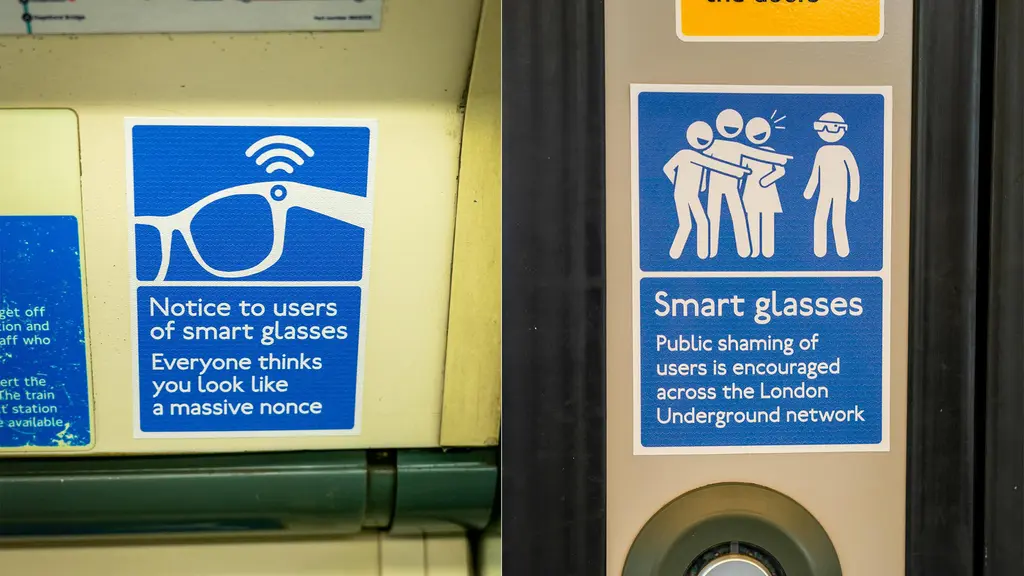
Activists slam “pervert glasses” in new guerrilla campaign
Everyone Hates Elon — Stickers have appeared on the London Underground network, criticising the wearable technology’s covert filming capabilities.
Written by: Isaac Muk


